Tag: Hormone

  • The Science of Blood Circulation and Its Role in Oxygen Nutrient Transport and Hormone Delivery

    The Science of Blood Circulation and Its Role in Oxygen Nutrient Transport and Hormone Delivery

    Blood is essential for life, enabling circulation, oxygen delivery, nutrient transport, and hormone delivery throughout the body. Through an intricate system of vessels powered by the heart, blood ensures that every cell receives the substances it needs to function. This continuous movement supports energy production, growth, and overall balance.

    What Is Blood and What Does It Do?

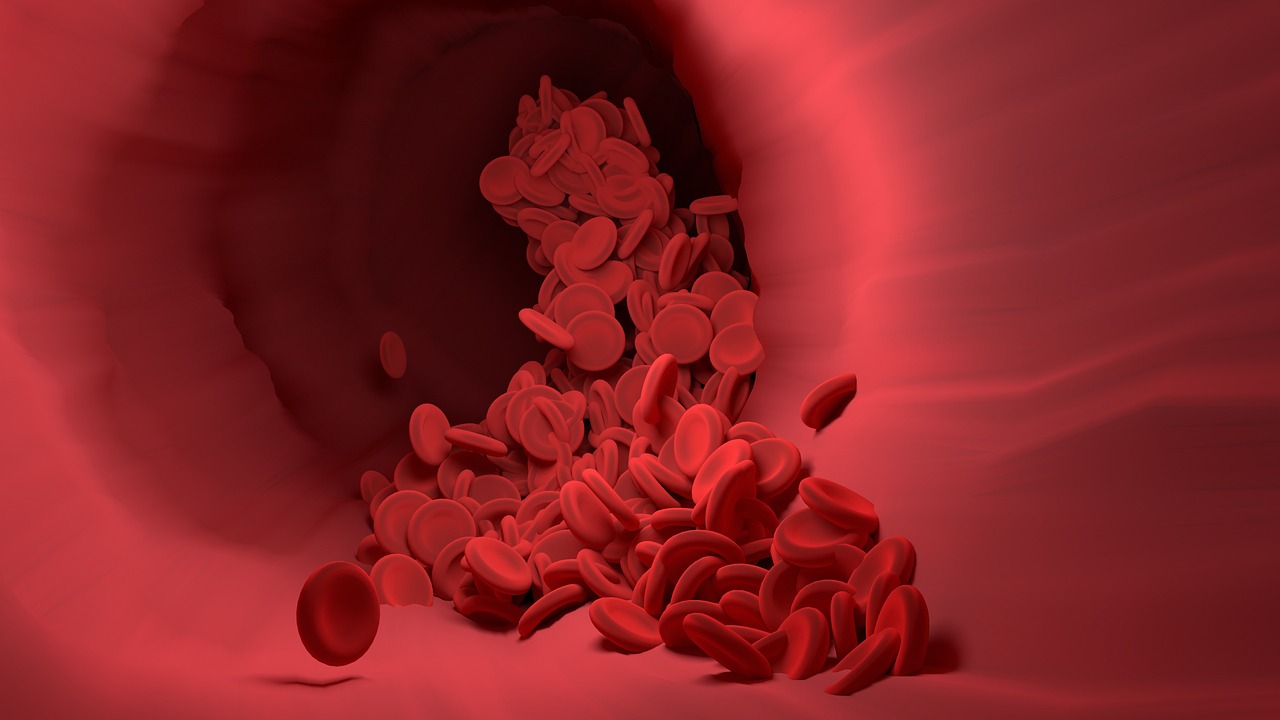
    Blood is a specialized fluid made up of plasma, red blood cells, white blood cells, and platelets. Each component plays a specific role in maintaining health.

    Plasma carries nutrients, hormones, and waste products. Red blood cells transport oxygen, white blood cells defend against infection, and platelets help with clotting. Together, these components allow blood to support circulation, regulate internal conditions, and sustain cellular activity.

    How Blood Circulation Works

    Circulation refers to the continuous movement of blood through the cardiovascular system, including the heart and blood vessels. This system ensures that oxygen and nutrients reach tissues while waste products are removed.

    There are two main pathways. Pulmonary circulation moves blood between the heart and lungs for oxygen exchange, while systemic circulation distributes oxygen-rich blood to the rest of the body. This continuous flow keeps cells supplied and functioning efficiently.

    How Blood Delivers Oxygen to Cells

    Oxygen delivery is a critical function of blood. Red blood cells contain hemoglobin, a protein that binds oxygen in the lungs and carries it through the circulation.

    In the lungs, oxygen enters the blood through alveoli and attaches to hemoglobin. As blood reaches tissues, oxygen is released and diffuses into cells, where it is used to produce energy. This process supports cellular respiration and keeps cells alive.

    Nutrient Transport: Feeding Every Cell

    Blood also enables nutrient transport by carrying substances absorbed during digestion. Nutrients such as glucose, amino acids, fats, vitamins, and minerals enter the bloodstream from the digestive system.

    These nutrients travel through plasma to reach cells, where they are used for energy, growth, and repair. Efficient circulation ensures that all tissues, including those far from the heart, receive adequate nourishment, according to the World Health Organization.

    Hormone Delivery and Chemical Signaling

    Hormone delivery allows the body to coordinate functions through chemical signaling. Hormones produced by endocrine glands enter the bloodstream and travel to target cells.

    Each hormone binds to specific receptors, triggering responses such as regulating metabolism, growth, or stress. For example, insulin controls blood sugar levels, while adrenaline prepares the body for rapid action. Circulation ensures hormones reach the right place at the right time.

    The Role of Capillaries in Exchange

    Capillaries are tiny blood vessels where exchange occurs between blood and tissues. Their thin walls allow oxygen and nutrients to pass into cells, while carbon dioxide and waste products move into the blood.

    This exchange is essential for maintaining cellular health. Capillaries form a vast network that connects arteries and veins, ensuring that every cell is reached.

    Factors That Affect Blood Circulation Efficiency

    Several factors influence how well blood performs its functions. A healthy heart is necessary to maintain strong circulation, while proper hydration supports smooth blood flow.

    Lifestyle choices such as regular exercise and balanced nutrition improve circulation, while smoking and inactivity can impair it. Blood composition also matters, as adequate red blood cells are needed for oxygen delivery, as per Cleveland Clinic.

    Disorders That Impact Blood Transport

    Certain conditions can impair the blood’s ability to deliver oxygen, nutrients, and hormones. Anemia reduces oxygen transport due to low red blood cell levels. Atherosclerosis narrows arteries, limiting blood flow.

    Hormonal imbalances can also affect communication between organs. Managing these conditions is important to maintain effective circulation and overall health.

    How Blood Circulation Supports Every Cell

    Blood remains vital because it combines oxygen, nutrients, and hormone delivery into a single system. Through circulation, it connects every part of the body, ensuring cells receive essential substances for survival.

    By continuously moving through vessels and exchanging materials at the cellular level, blood sustains energy production, growth, and internal balance. Healthy blood circulation is therefore fundamental to keeping every cell functioning properly.

    Frequently Asked Questions

    1. How fast does blood circulate through the body?

    Blood can circulate through the entire body in about 45 to 60 seconds at rest, depending on heart rate and activity level.

    2. Why is iron important for blood function?

    Iron is essential for producing hemoglobin, which enables red blood cells to carry oxygen efficiently.

    3. Can dehydration affect nutrient transport in the blood?

    Yes, dehydration reduces plasma volume, which can slow circulation and reduce nutrient transport efficiency.

    4. How does exercise improve blood circulation?

    Exercise strengthens the heart, improves blood vessel flexibility, and increases overall circulation efficiency.


    Source link

  • How to Boost Your Longevity Hormone

    How to Boost Your Longevity Hormone

    What can we do to boost the longevity hormone FGF21?

    In the year 2000, a new human hormone was discovered. It was the 21st documented fibroblast growth factor, so they called it FGF21. Since its discovery, FGF21 has become recognized as a key agent for the promotion of metabolic and arterial health, leanness, and longevity. Inject it into fat monkeys, and they lose body weight without reducing their food intake. And they don’t just lose a little weight—they have a 27% drop in body fat while eating the same amount. In mice, it increases their lifespan by 30 to 40%, which is comparable to lifelong caloric restriction, and, again, they achieve this without decreasing their food intake. The researchers conclude that FGF21 could possibly be used as a hormone therapy to extend mammals’ lifespans, which has gotten Big Pharma salivating, raising the question: “Can aging be ‘drugged’?”

    That’s not all FGF21 can do, either. “The idea that one drug can treat obesity, diabetes, dyslipidemia [like high cholesterol], and hypertension all at once might have seemed impossible a few years ago but is now a tantalizing and exciting prospect.” The reason you can’t just give people straight FGF21 is that it gets rapidly broken down in the body, so you’d need injections every hour or two, around the clock. So, drug companies are trying to patent a variety of longer-acting FGF21 look-alikes. And, indeed, give people a little PF-05231023, and they can lose about 10 pounds in 25 days, as well as get dramatic drops in triglycerides and cholesterol, as you can see below and at 1:48 in my video Life Extension with FGF21.Then, the side effects of these new-fangled drugs started cropping up. Okay, so what are the options? How about packaging the FGF21 gene into a virus and then injecting it so it can stitch extra FGF21 genes into our DNA? Or you can just lace up your running shoes. Exercise boosts FGF21 levels, which may in fact be one of the reasons exercise is so good for us.

    Which works better, though, aerobic exercise (eight weeks of running training) or resistance exercise (eight weeks of weights)? The answer is both, but the resistance exercise edged out the running, a 42% increase in FGF21 versus a 25% increase in the aerobic exercise group. Okay, but what can we do with food? Yes, you could try engineering and injecting it, but wouldn’t it be easier to just stimulate our own natural, endogenous production through diet? One way is through no diet at all. It’s been dubbed the starvation hormone because fasting induces FGF21, but not after just a day or two.

    Physiologically, FGF21 expression rises markedly in response to fasting or starvation. But, unlike mice, which show an increase after just six hours of fasting, humans don’t get a notable surge in FGF21 until after a week. Fasting can quadruple FGF21, but it takes 10 days of fasting, which is the very poster child of an unsustainable eating pattern. You can see the increase below and at 3:19 in my video.So, how do you get the benefits without the starvation? Might a ketogenic diet be able to mimic the fast? Nope. Keto diets don’t work. In fact, keep it up for a few months, and you can actually get a significant decline in levels. High-fat diets may even interfere with the boost you get from exercise, which was seen in a study of high-intensity interval training.

    What kind of diet does work, then? We’ll find out next.

    Doctor’s Note

    Stay tuned for part two: How to Boost FGF21 with Diet for Longevity.

    Flashback Friday: How Much Should You Exercise? Check out the video to find out.

    For more on longevity, see Friday Favorites:  How to Increase Your Life Expectancy 12 to 14 Years.


    Source link

  • Revive Your Libido Through Hormone Optimization and Vitality Restoration

    Revive Your Libido Through Hormone Optimization and Vitality Restoration

    Hormones play a critical role in shaping mood, energy, and sexual desire. When they fall out of sync, many experience a noticeable decline in libido and overall vitality. Understanding low libido causes and addressing them through hormone optimization can lead to meaningful vitality restoration and improved sexual health.

    Exploring lifestyle strategies and natural aphrodisiacs offers a well-rounded path toward rejuvenating physical and emotional intimacy.

    What Causes Low Libido in Men and Women

    Reduced sexual interest can stem from multiple factors, both physical and psychological. Among men, declining testosterone levels often emerge as a primary concern, especially with age, chronic stress, or poor lifestyle habits.

    Women experience similar challenges when estrogen or progesterone fluctuate due to childbirth, perimenopause, or hormonal contraception. These shifts affect energy, arousal, and emotional connection.

    Beyond hormones, stress plays a major role. Cortisol, the body’s primary stress hormone, competes with sex hormones, lowering reproductive drive when elevated for extended periods. Additionally, insufficient sleep, nutrient deficiencies, and underlying medical conditions such as thyroid disorders or diabetes can further suppress libido.

    Medications like antidepressants or antihypertensives may also contribute. Though often overlooked, emotional health and relationship dynamics can be just as influential. Understanding these low libido causes helps individuals identify whether the issue stems from physical imbalance or emotional strain.

    How Hormonal Imbalance Affects Sexual Health

    Optimal sexual health depends on balanced interactions among key hormones. In women, estrogen regulates genital blood flow and lubrication, while progesterone contributes to overall calmness and receptivity.

    In men, testosterone drives desire, stamina, and mood stability. When any of these hormones decline or rise too sharply, they can create discomfort and diminished sexual fulfillment.

    Symptoms of imbalance vary but often include fatigue, irritability, mood swings, and difficulty concentrating. These effects ripple beyond the bedroom, altering confidence and energy.

    Low testosterone may reduce motivation, whereas disrupted estrogen levels can lead to irregular cycles and decreased sensory response. Over time, such shifts weaken both physical responsiveness and the mental cues that foster intimacy.

    Recognizing hormonal imbalance early allows for targeted interventions that support hormone optimization. Restoring equilibrium benefits not only sexual drive but also bone density, cardiovascular function, and emotional resilience, key components of thriving vitality restoration and long-term health.

    How to Optimize Hormones for Better Libido

    Hormone balance begins with foundational wellness. Proper nutrition plays an essential role: healthy fats from sources such as avocados, nuts, and omega-rich fish help support hormone production. Vitamins like zinc, magnesium, and vitamin D also aid in proper synthesis and regulation, according to the World Health Organization.

    Regular exercise is another cornerstone of hormone optimization. Strength training and cardiovascular activity trigger a natural boost in testosterone and growth hormone while improving blood flow. Equally vital is stress management, mindfulness, yoga, and journaling lower cortisol, helping sexual hormones function effectively.

    For those with chronic or age-related hormonal imbalances, medical options such as hormone replacement therapy (HRT) or bioidentical treatments can be explored under professional guidance.

    These approaches aim to restore levels of testosterone, estrogen, or progesterone to optimal ranges. Though such therapy requires careful monitoring, it can create significant changes in mood, desire, and overall vigor.

    Lifestyle adjustments remain the bedrock for lasting improvement. Hydration, consistent sleep schedules, and reduced alcohol intake all complement medical and nutritional strategies. Combined, these measures enhance natural hormone rhythms and foster sustained vitality restoration.

    Natural Aphrodisiacs and Libido-Boosting Foods

    Nature offers an array of subtle yet powerful aids to rekindle interest and enhance sexual health. Ancient cultures relied on certain foods and herbal remedies to stimulate desire, and modern research continues to validate many of these traditions.

    Among popular natural aphrodisiacs, maca root stands out for its ability to support energy and hormonal tone. Panax ginseng is valued for increasing blood flow and combating fatigue, while fenugreek has shown potential in stabilizing testosterone and estrogen levels. Tribulus terrestris remains widely studied for its libido-enhancing effects in both men and women.

    Dietary enhancements can also play a role. Oysters supply zinc, a crucial nutrient for testosterone regulation. Dark chocolate promotes serotonin and dopamine release, enhancing pleasure perception. Avocados provide vitamin E, supporting hormone function and circulation.

    While natural options often work gradually, they offer a balanced, gentle route toward improvement without the volatility of synthetic enhancers. Nutrition-based solutions encourage harmony across body systems, making them a strong foundation for hormone optimization.

    Can Lifestyle Changes Restore Vitality and Passion?

    Simple lifestyle changes often achieve more than complex interventions. Managing stress through relaxation techniques reduces cortisol buildup, freeing the body’s resources for reproductive health. Consistent sleep quality ensures melatonin and growth hormone cycles operate correctly, sustaining both physical recovery and desire.

    Positive relationships and mental health also feed vitality. Emotional connection and communication reduce anxiety and encourage intimacy, reinforcing hormonal synergy. Physical activity remains another powerful driver, motion stimulates endorphins and increases circulation, both crucial for sustained sexual responsiveness, as per the Centers for Disease Control and Prevention.

    Together, these factors contribute to vitality restoration, transforming libido from a clinical concern into a reflection of total well-being. When paired with sound nutrition and occasional supplementation, they create a holistic foundation for enduring improvement.

    When to Seek Professional Help

    Though many cases of reduced libido relate to stress or lifestyle, persistent symptoms may warrant medical evaluation. Endocrinologists and functional medicine specialists can assess hormonal profiles through lab testing, identifying deficiencies or excesses that disrupt equilibrium.

    Professional consultation ensures treatments align with individual health conditions and goals. For those with chronic fatigue, thyroid irregularities, or sexual discomfort, a tailored plan may include medical therapy, nutritional adjustment, or psychological counseling.

    Therapists can also address emotional or relational tension that complicates sexual disinterest. Through open communication and professional guidance, individuals explore both biological and psychological aspects of libido.

    Recognizing low libido causes in their full spectrum helps to ensure the right interventions yield long-term improvement in sexual health and vitality.

    Reclaiming Desire Through Hormonal Harmony

    Reviving libido requires an integrated approach rather than isolated fixes. Balanced hormones represent the foundation for emotional stability, physical strength, and sexual excitement. Building on nutritional support, exercise, stress reduction, and targeted therapy enables sustainable hormone optimization.

    Incorporating herbs and foods known for their natural aphrodisiacs adds an accessible layer to libido recovery for those seeking plant-based solutions. For men and women alike, aligning daily habits with biological rhythms leads to deeper energy renewal and authentic vitality restoration.

    Ultimately, healthy desire reflects a body and mind in sync, not just hormonally, but emotionally and socially as well. Approaching sexual health holistically brings renewed confidence, long-term balance, and a natural return to passion.

    Frequently Asked Questions

    1. Can dehydration affect libido?

    Yes. Even mild dehydration can reduce blood flow and energy levels, making the body less responsive during arousal and resulting in lower sexual desire.

    2. Are hormonal imbalances reversible without medication?

    Often, yes. Lifestyle changes such as regular exercise, stress control, and nutrient-rich diets can naturally support hormonal balance over time, though results vary by individual.

    3. How long does it take to see results from natural aphrodisiacs?

    Typically, consistent use for several weeks is needed before noticeable improvements occur, since herbs and foods work gradually rather than instantly.

    4. Does excessive screen time influence sexual health?

    It can. High digital stimulation and poor sleep from screen overuse may elevate stress hormones and lower testosterone, indirectly affecting libido and vitality.


    Source link

  • Top Hormonal Imbalance Symptoms and How Estrogen Imbalance Triggers Women’s Hormone Issues

    Top Hormonal Imbalance Symptoms and How Estrogen Imbalance Triggers Women’s Hormone Issues

    Hormonal imbalances in women occur when there is too much or too little of a hormone in the bloodstream, disrupting the body’s intricate chemical messaging system that regulates many vital functions. Recognizing the symptoms and understanding the causes of women’s hormone issuesis crucial for early diagnosis and effective management.

    This article explores common hormonal imbalance symptoms, women’s hormone issues, estrogen imbalance, and key answers to frequently asked questions, while also discussing treatment options for a well-rounded understanding.

    Hormones and Their Role in Women’s Health

    Hormones such as estrogen, progesterone, and testosterone play critical roles in regulating the menstrual cycle, reproductive functions, metabolism, mood, and overall health. Estrogen, in particular, helps maintain reproductive tissues, bone density, and skin health. These hormones interact in a delicate balance, and any disruption can trigger various symptoms and health challenges, underlying the importance of hormonal balance for women’s well-being.

    What Causes Hormonal Imbalance in Women?

    Hormonal imbalances can arise from multiple sources, according to the National Institutes of Health. These include:

    • Natural life stages such as puberty, pregnancy, perimenopause, and menopause cause fluctuating hormone levels.
    • Stress, poor diet, insufficient sleep, and lack of exercise can disrupt hormonal regulation by affecting cortisol and other hormones.
    • Medical conditions including polycystic ovary syndrome (PCOS), thyroid disorders, adrenal gland dysfunction, and insulin resistance can interfere with hormone production or processing.
    • Environmental toxins and exposure to endocrine disruptors found in plastics, pesticides, and personal care products also play a role in disturbing hormone balance.

    These causes highlight the complexity of women’s hormone issues and the need for comprehensive evaluation when symptoms appear.

    Understanding Estrogen Imbalance

    Estrogen imbalance refers to either excess or deficiency of this key hormone in the body. High estrogen levels can cause heavy or irregular menstrual bleeding, weight gain, mood swings, and breast tenderness due to its effect on the uterine lining and neurotransmitters. Low estrogen levels, common during menopause, may lead to hot flashes, vaginal dryness, osteoporosis risk, cognitive changes, and fatigue. Awareness of these estrogen imbalance symptoms helps in targeting appropriate treatment strategies and lifestyle adjustments, as per the World Health Organization.

    Recognizing Hormonal Imbalance Symptoms (Signs Your Body Is Off)

    Women may experience a diverse range of signs indicating hormonal disruption:

    • Menstrual irregularities such as missed, heavy, or unpredictable cycles.
    • Mood changes, including anxiety, irritability, depression, and mood swings.
    • Weight fluctuations and difficulty losing weight despite diet efforts.
    • Low libido and sexual dysfunction, including vaginal dryness or painful intercourse.
    • Skin problems such as acne flare-ups, dryness, hair thinning, or excessive hair growth.
    • Sleep disturbance, including insomnia, night sweats, and fatigue.
    • Digestive issues like constipation or diarrhea, sometimes linked to hormone-driven gut activity.

    Because these symptoms often overlap with other conditions, clinical investigation is advised for accurate diagnosis.

    Treatment Options for Hormonal Imbalance

    Managing hormonal imbalances symptoms involves multiple approaches tailored to the individual’s symptoms and underlying causes:

    • Hormonal birth control is frequently prescribed to regulate menstrual cycles and alleviate symptoms like heavy bleeding or painful periods. Available forms include pills, patches, rings, shots, and intrauterine devices (IUDs).
    • Hormone replacement therapy (HRT) is effective particularly for menopausal women experiencing low estrogen symptoms such as hot flashes and night sweats. Bioidentical hormone replacement therapy (BHRT) uses hormones molecularly identical to those in the body to provide personalized treatment.
    • Medications such as anti-androgens help reduce symptoms of excess male hormones in conditions like PCOS, addressing acne and unwanted hair growth.
    • Vaginal estrogen creams, tablets, or rings treat vaginal dryness and discomfort related to estrogen deficiency.
    • For women with PCOS who are trying to conceive, ovulation-inducing drugs like clomiphene (Clomid) or letrozole (Femara) and assisted reproductive technologies such as in vitro fertilization (IVF) may be utilized.
    • Thyroid hormone therapies are essential for patients with hypothyroidism or hyperthyroidism, ensuring balanced thyroid levels and improved metabolic function.
    • Lifestyle interventions are fundamental: regular exercise, such as yoga, swimming, or walking, reduces stress and supports hormone balance by boosting endorphin release.
    • Nutritional approaches include consuming adaptogenic herbs such as ashwagandha, maca root, and fenugreek, which may help regulate the endocrine system naturally.
    • Stress management techniques such as meditation and mindfulness help normalize cortisol levels and improve overall hormonal health.

    When to Seek Medical Advice

    Women noticing persistent hormonal imbalance symptoms should consult healthcare providers for hormone level testing and diagnostic evaluations. Timely intervention can prevent complications like infertility, bone loss, metabolic syndrome, or severe mood disorders. Diagnosing the specific hormonal issues enables personalized treatment plans combining medical and lifestyle measures for the best outcomes.

    Hormonal imbalance symptoms in women reflect disruptions in a complex endocrine network influenced by natural aging, medical conditions, lifestyle, and environmental factors. Estrogen imbalance significantly impacts physical, emotional, and reproductive health. Recognizing signs early and understanding the diverse causes allows women to seek appropriate care and restore hormonal balance effectively. Through a combination of targeted treatments, lifestyle changes, and ongoing care, women can maintain hormonal health and improve quality of life.

    Frequently Asked Questions

    1. How can hormonal imbalances affect long-term health in women?

    Hormonal imbalances can have significant long-term effects, including increased risk of infertility, osteoporosis due to low estrogen, pregnancy complications, and elevated risk for hormone-dependent cancers such as breast and ovarian cancer. Chronic imbalance may also contribute to metabolic disorders like diabetes and cardiovascular disease, emphasizing the importance of early diagnosis and management.​

    2. Can hormonal imbalances impact brain health and cognitive function?

    Yes, hormonal fluctuations, especially declining estrogen during menopause, are linked to neurological symptoms such as memory loss, difficulty concentrating, mood swings, and increased risk for conditions like dementia and Alzheimer’s disease. Hormones influence neurotransmitter function and brain health, making hormonal balance essential for mental well-being.​

    3. Are there natural remedies or lifestyle choices that can help prevent hormonal imbalances?

    Besides medical treatments, lifestyle factors play a strong role in hormone balance. Stress reduction techniques (meditation, yoga), consistent exercise, a balanced diet rich in whole foods, and avoiding endocrine disruptors (like certain plastics and chemicals) can support hormone health. Adaptogenic herbs such as ashwagandha and macaw may also help regulate hormones naturally when used appropriately.​

    4. How do hormonal imbalances affect pregnancy and fertility beyond menstrual irregularities?

    Hormonal imbalances can cause more than irregular cycles; they may impair ovulation and reduce fertility. Conditions like PCOS are major hormone-related causes of infertility. Hormonal disruptions during pregnancy increase risks for gestational diabetes, pre-eclampsia, miscarriages, and can affect fetal development. Timely hormonal evaluation and treatment improves pregnancy outcomes.


    Source link

  • Boost Your Brain with Bioidentical Hormone Pellet Therapy

    Boost Your Brain with Bioidentical Hormone Pellet Therapy

    Most people associate the sex hormones with puberty and reproduction. But estrogen, testosterone, and progesterone serve a much greater purpose in human health.

    Numerous studies demonstrate how the sex hormones act like a master switch for every organ and tissue of the body, regulating cognitive function, mood, sleep, and all the neurotransmitters. In fact, brain health hinges completely on hormonal balance.

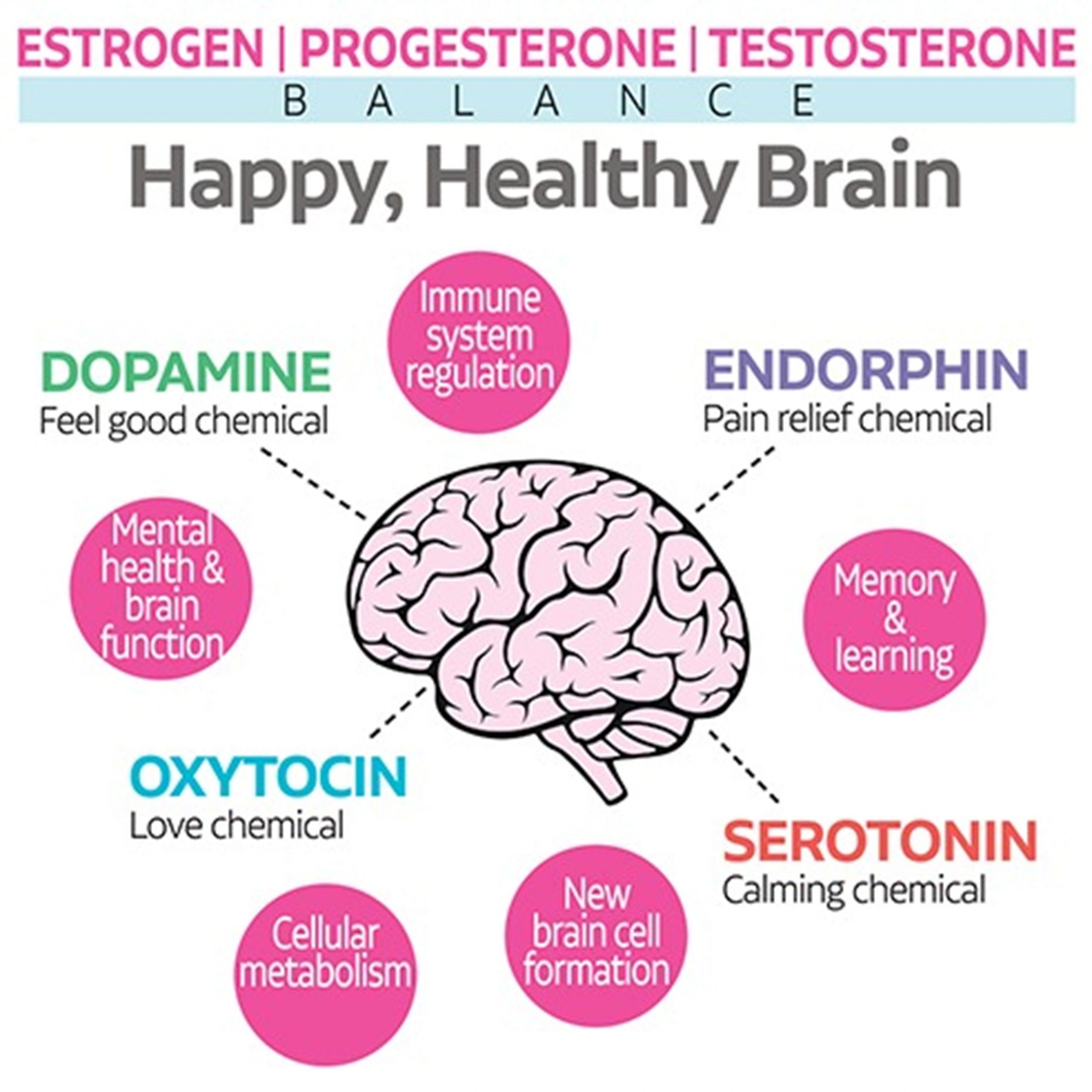
    Neuroscientific researchers have identified thousands of receptors in various brain regions for testosterone, progesterone, and estrogen. These hormones manage the flow of the “feel good” biochemical messengers, including serotonin, dopamine, oxytocin, and endorphins. The neurotransmitters, or “happiness hormones,” signal every brain cell to perform its specific job.

    Sex hormones regulate brain functions through neurotransmitters. (Illustration by Andrade Design, California/Andradedesign.com)

    As people age, hormonal imbalances can result in cognitive disorders, neurodegenerative diseases, memory loss, mental health conditions, sleep disruption, and neurotransmitter imbalances that often lead to dementia and depression.

    Think of the sex hormones like a remote-control device influencing every thought, movement, behavior, action, and emotion. If the buttons don’t operate, neither will the main screen, and the hormones go haywire. This, in turn, can deteriorate brain health and lead to Alzheimer’s (AD, especially in women as their hormone levels drop when entering menopause.

    According to a 2023 Columbia University Irving Medical Center study, a woman’s risk for developing AD is one in five versus one in ten for a man. The Alzheimer’s Society reports that more than 65 percent of AD patients are women over 45.

    Numerous studies dating over 30 years provide scientific proof for the role of estrogen, progesterone, and testosterone replacement therapy in preventing AD and other neurodegenerative conditions. A 2024 collaboration concluded: “Multiple lines of evidence suggest that loss of estrogens in the aging brains of both women and men may play a significant role in the cognitive decline associated with AD.”

    While it’s no secret that hormones protect the brain, doubt and confusion prevail among some researchers who still question the role and use of hormones in cognitive well-being. Few identify the difference between synthetic hormones and the natural bioidentical kind, similar to those produced by the body.

    Unlike pellets, pharmaceutical hormone pills, patches, creams, gels, and sublinguals result in rollercoaster surges that lack the efficacy of pellets to sustain the 24-7 support that neurotransmitters require.

    Further research shows that the hormone delivery method makes all the difference, with subcutaneous pellets maintaining the optimal physiological hormone levels necessary to protect the brain from AD and other diseases.

    A 2025 report in the New York Times, “Sex Hormones Are Brain Hormones. What Does This Mean for Treating Brain Diseases?” states: “A growing understanding of how reproductive hormones sculpt the brain could transform the management of neurological conditions.”

    Despite all the reports and evidence, why are scientists still struggling to correlate hormones and the brain?

    One visionary medical team already connected the dots over 30 years ago, pioneering a safe, effective method for body and brain health. CarolAnn Tutera, president and CEO of SottoPelle®/Tutera Medical®, co-founded the company with her late husband, Dr. Gino Tutera, a medical pioneer renowned for his groundbreaking innovations using bioidentical hormone pellets.

    Backed by 87 years of scientific research and slipped under the skin, subcutaneous pellets demonstrate the greatest efficacy in penetrating the blood-brain barrier for consistent hormone distribution.

    The Tuteras began using pellet therapy over a decade ago to treat patients with Parkinson’s, Alzheimer’s, and other neurodegenerative symptoms, including former NFL players with concussions.

    Now, CarolAnn continues this medical legacy by collaborating with neuroscientific researchers at the Amen Clinics for a new study tracking how pellet therapy may improve brain health and prevent debilitating diseases.

    Learn more: https://www.sottopelletherapy.com/hormone-therapy-brain-mental-health/

    See also: Bioidentical Pellet Therapy: A Safe Solution for Menopausal Symptoms

    Always consult your physician before beginning any treatment program.

    Source link

  • Human Growth Hormone Activator – Overall Health Supplement

    Human Growth Hormone Activator – Overall Health Supplement

    Product Name: Human Growth Hormone Activator – Overall Health Supplement

    Click here to get Human Growth Hormone Activator – Overall Health Supplement at discounted price while it’s still available…

    All orders are protected by SSL encryption – the highest industry standard for online security from trusted vendors.

    Human Growth Hormone Activator – Overall Health Supplement is backed with a 60 Day No Questions Asked Money Back Guarantee. If within the first 60 days of receipt you are not satisfied with Wake Up Lean™, you can request a refund by sending an email to the address given inside the product and we will immediately refund your entire purchase price, with no questions asked.

    (more…)

  • How Male Excel Makes Hormone Therapy Accessible and Effective

    How Male Excel Makes Hormone Therapy Accessible and Effective

    As hormone therapy becomes more personalized and accessible through telemedicine, companies are reshaping the future of preventive healthcare for men worldwide.

    In the United States, less than 3% of healthcare spending is directed toward prevention, with the vast majority devoted to reactive care. Nowhere is this more evident than in men’s health, particularly regarding the testosterone issues that continue to challenge so many men today. Fortunately, companies like Male Excel—the first online TRT clinic and a pioneer in men’s hormone optimization—are transforming access to care. Their telemedicine services remove geographical barriers, making expert hormone therapy available to more men than ever before.

    Today, more men are turning to TRT online as a convenient and effective way to manage their hormonal health without visiting a clinic in person.

    Telemedicine Solutions for Men

    Male Excel was established to meet the growing demand for accessible, personalized solutions for men facing hormonal imbalances. Its protocols and online system are designed to optimize hormones and support healthier lifestyle choices, empowering men to take a proactive approach to their health.

    At Male Excel, the team is driven to provide evidence-based solutions that challenge the misinformation surrounding HRTs. One founder says, “Our focus is on empowering members with accurate information and access to treatments that address the root causes of health concerns rather than masking symptoms. By advocating for transparency and prioritizing member education, we work to create a healthcare model that puts people first.”

    The Excel Advantage™: How Personalized Hormone Therapy Works

    Each treatment plan at Male Excel is built around the Excel Advantage™, a personalized protocol designed to address individual needs and specific symptoms. Members receive 60-day assessments to track symptom improvements, with telemedicine follow-ups ensuring continuous access to expert guidance. Comprehensive blood testing every six months monitors key markers such as testosterone, estradiol, DHEA, and triiodothyronine (T3), enabling precise adjustments that fine-tune hormone levels over time.

    This structure allows for a proactive, data-driven approach to hormone optimization, designed to deliver sustainable and individualized health outcomes for every member.

    As one team explains, “Our commitment to affordability, accessibility, and proven results positions us as a leader in delivering life-changing healthcare solutions for men.”

    Source: Freepik

    The Results Behind the Excel Advantage™

    Building on this foundation of personalized care, the Excel Advantage™ stands at the forefront of a new era in men’s health.

    Designed to deliver real, measurable change, this innovative protocol achieves a remarkable 96% success rate within just six months. It empowers men to reclaim their energy, strength, and vitality faster than ever.

    At the heart of the Excel Advantage™ is a fully customized, symptom-driven treatment plan, crafted by leading U.S.-based hormone specialists and fueled by bioidentical hormones made in the United States. Daily micro-dosing mirrors the body’s natural rhythms, creating powerful, sustainable improvements across energy levels, muscle growth, sexual health, and mental clarity.

    Critically, the program goes beyond testosterone alone by restoring essential balance among hormones like estrogen and thyroid. This broader approach unlocks lasting performance and overall well-being.

    Regular 60-day assessments and comprehensive blood testing every six months ensure that every adjustment supports continued progress toward optimal health.

    Treatment flexibility is another key advantage. Members can choose between testosterone injections or topical gels, allowing therapy to fit seamlessly into their lifestyle and goals.

    Through a blend of scientific precision and proactive care, the Excel Advantage™ is helping men experience the full potential of modern hormone therapy and change the course of their long-term health.

    Member Testimonials

    Mark, a Male Excel member, says, “Male Excel has definitely changed my life for the better. I always felt I had low testosterone and finally decided to take a test for it. Sure enough, I was right. I was extremely low. I got started on Male Excel, and things have improved constantly.”

    Another Male Excel member, Chad, says, “Since I have started with Male Excel, I sleep better, have more energy throughout the day, just feel better in general. I’ve gained muscle and lost fat, I feel closer to 25 years old instead of 49. The customer service is second to none.”

    A Brighter Tomorrow

    As the first online TRT clinic and a pioneer in proactive men’s healthcare, Male Excel continues to lead the future of hormone therapy. The team’s ultimate goal is to make hormone therapy a mainstream and accessible solution for men everywhere. More information about Male Excel’s approach to men’s healthcare can be found on the company’s website.


    Source link