Tag: hope

  • Spinach-Inspired Eye Drops May Offer New Hope for Treating Common Vision Condition

    Spinach-Inspired Eye Drops May Offer New Hope for Treating Common Vision Condition

    Source: Science Alert

    Spinach is best known as a leafy green staple in many kitchens. But what if it could also help treat dry eyes?

    A surprising new development in eye care is exploring spinach as a key ingredient in experimental eye drops that may help manage dry eye disease over time. Researchers are investigating whether compounds derived from the leafy green could support eye health and help protect against cellular damage linked to the condition.

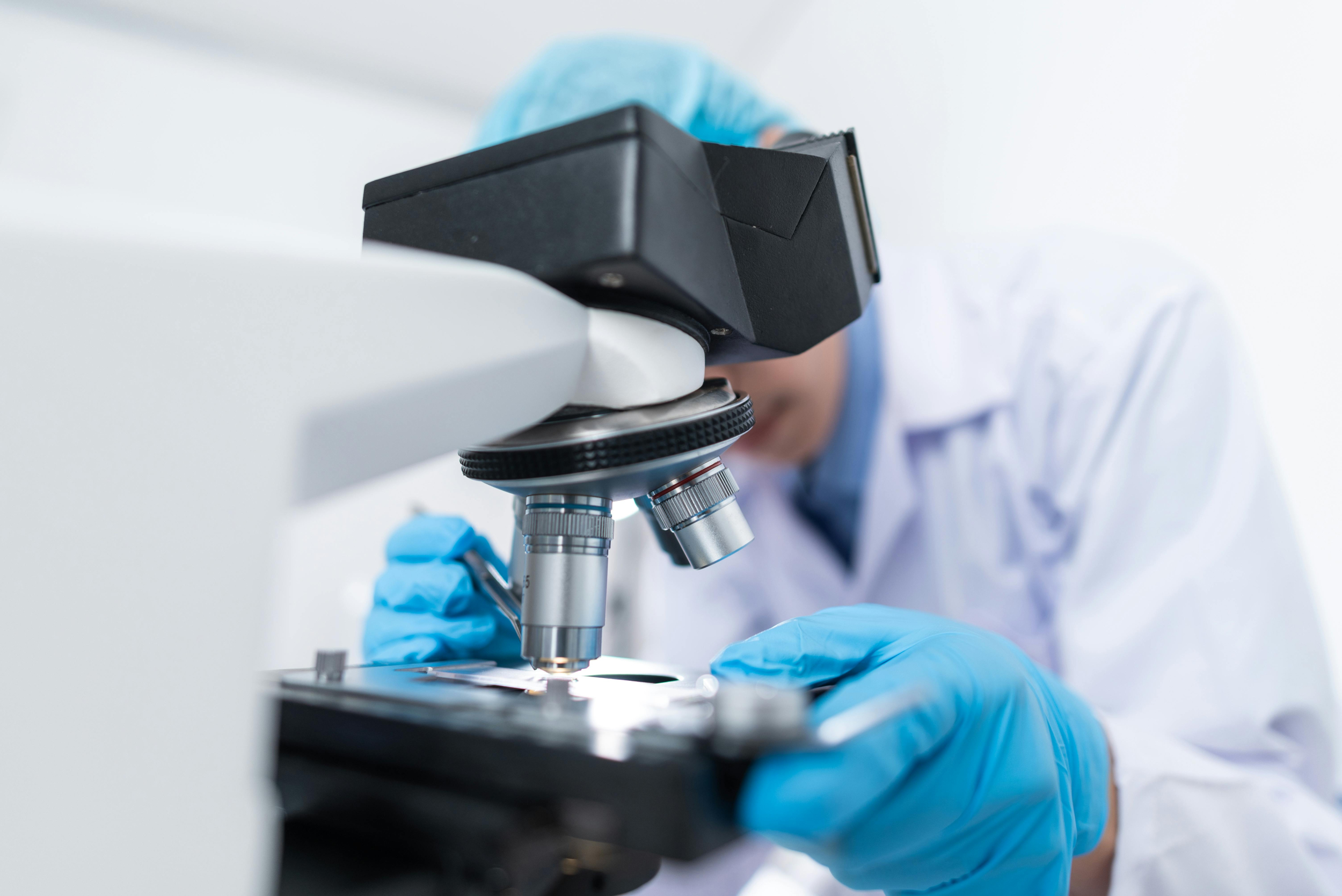
    Researchers from the National University of Singapore, including biomolecular engineer Xing Kuoran, developed the experimental treatment using light-activated structures extracted from spinach leaves. These plant-based photosynthetic components were introduced into lab-grown human eye cells and mice engineered to mimic dry eye disease.

    When exposed to light, the nanoparticles produced NADPH, a molecule that helps cells defend themselves against oxidative stress and inflammation. Researchers say this process may help counter the cellular damage associated with dry eye disease.

    The technology was named LEAF, short for “light-reaction enriched thylakoid NADPH-foundry.” While the findings remain in the early stages of research, scientists believe the approach could eventually lead to a new class of light-powered treatments for eye conditions.

    This emerging approach to dry eye treatment combines plant science with modern medicine in an unusual but promising way. According to biomolecular engineer David Leong Tai Wei, the concept raises the possibility that human cells could one day possess a limited but beneficial form of photosynthetic ability—not only in the eye, but potentially in other parts of the body as well.

    Source link

  • Where To Get Huntington’s Disease Treatment? Hope Flows As Doctors Claim First Patient Cured From Neuro Illness

    Where To Get Huntington’s Disease Treatment? Hope Flows As Doctors Claim First Patient Cured From Neuro Illness

    In a groundbreaking development, researchers in the UK have reported the first-ever successful treatment for Huntington’s disease, a hereditary neurodegenerative disorder previously deemed incurable. The experimental gene therapy, known as AMT-130, slowed disease progression by 75% over three years, offering renewed hope to patients and families affected by the condition.

    What Is Huntington’s Disease?

    Huntington’s disease is a progressive neurological disorder caused by a mutation in the HTT gene, leading to the production of a toxic protein that damages brain cells. Symptoms typically manifest in mid-adulthood and include motor dysfunction, cognitive decline, and psychiatric disturbances. The disease is fatal, with patients often succumbing within 15–20 years of symptom onset.

    The Breakthrough Treatment

    Led by Professor Sarah Tabrizi at University College London (UCL), the pioneering clinical trial utilised an innovative gene therapy approach. The treatment involves a one-time surgical procedure lasting up to 20 hours, during which a specially engineered, harmless virus is infused directly into the brain. This virus carries a DNA strand designed to deactivate the mutant huntingtin protein responsible for the disease.

    The results have been nothing short of remarkable. According to a press release from UCL, patients who underwent the treatment experienced a 75% reduction in the expected progression of the disease over a three-year period. Instead of the expected rapid decline, these patients maintained neurological function, effectively gaining years of quality life.

    Expert Insights

    Professor Tabrizi expressed her astonishment at the results, stating, ‘We never in our wildest dreams would have expected a 75% slowing of clinical progression.’ She emphasised that this breakthrough could pave the way for earlier interventions, potentially preventing the onset of symptoms altogether.

    Where to Access Huntington’s Disease Treatment in the UK

    For individuals seeking treatment or support for Huntington’s disease, the UK offers several renowned centres specialising in diagnosis, care, and research:

    • University College London (UCL) Institute of Neurology: A leading research and clinical centre focusing on Huntington’s disease, offering multidisciplinary care and conducting pioneering clinical trials.
    • Cardiff University Huntington’s Disease Centre: A prominent centre dedicated to research and coordination of Huntington’s disease studies across South Wales.
    • Royal Hospital for Neuro-disability: Specialises in providing care and support for patients with complex needs due to Huntington’s disease.
    • Guy’s and St Thomas’ NHS Foundation Trust: Offers follow-up services for individuals diagnosed with Huntington’s disease, including participation in clinical trials.

    These institutions are at the forefront of Huntington’s disease care and research, providing essential services to patients and families affected by the condition.

    Global Implications

    Approximately 6,000 to 10,000 individuals in the UK are affected by Huntington’s disease, with many more at risk due to family history. The success of this gene therapy trial has the potential to revolutionise treatment approaches globally.

    Biotechnology company UniQure plans to seek approval for the therapy in the United States, signalling a new era in the fight against this devastating disorder.

    Looking Ahead

    While gene therapy presents a promising avenue for treatment, the procedure remains complex and expensive. As the medical community continues to assess its long-term efficacy and accessibility, this breakthrough stands as a powerful testament to scientific innovation and its potential to transform lives.

    Originally published on IBTimes UK

    Source link

  • Dr. Charles Powell Goes To Washington to Talk PTSD, Hope And Healing

    Dr. Charles Powell Goes To Washington to Talk PTSD, Hope And Healing

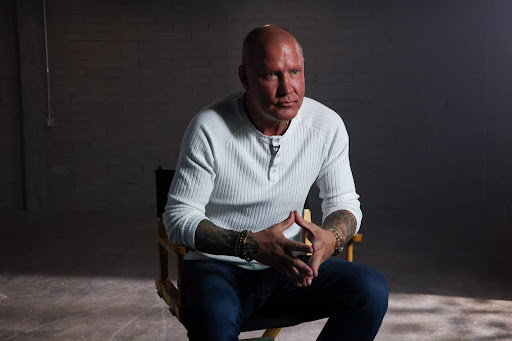
    This summer in Washington, D.C., the Healthy America 2025 Kickoff National Conference gathered an extraordinary coalition of health innovators, veterans, lawmakers, and advocates under one roof to tackle America’s most pressing healthcare challenges. Among the most memorable voices was that of Dr. Charles “Charlie” Powell, MD, a former Navy Lieutenant Commander, multi-boarded physician, and founder of Solo Vive, a company dedicated to holistic, purpose-driven healing.

    Dr. Charlie’s address was more than a speech; it was a man laying out a new way of looking at some very complex issues.

    “Taking off the uniform doesn’t mean the battle is over,” Dr. Charlie told a packed room at the conference’s mainstage venue. “For many, it’s the beginning of a new kind of fight.”

    He spoke not only as a physician but also as a fellow veteran and survivor of trauma, loss, and the often silent internal wars that follow military service. His talk, part of Robert F. Kennedy Jr.’s Make America Healthy Again (MAHA) initiative, was one of the most talked-about moments of the conference because it was a veteran’s voice with a physician’s insight.

    Dr. Charlie’s story is one of service and transformation. After graduating from Louisiana State University School of Medicine in Shreveport, he completed a Family Medicine residency at the Naval Hospital in Pensacola. His naval career included roles in New Orleans, where he directed clinical services at the Naval Ambulatory Care Clinics and worked as a staff emergency physician.

    In 2005, Dr. Charlie transitioned into civilian medicine, but the mission stayed with him. His clinical work expanded into quality improvement, compliance, and healthcare innovation. Yet the challenges he saw facing veterans and first responders, especially those grappling with PTSD, remained at the forefront of his mind.

    In part, it was his own journey that pushed him to do more.

    “I’ve faced the darkness,” Powell said. “I’ve lived with PTSD. I’ve seen what happens when the system looks past people who need it most.”

    In 2024, Dr. Charlie founded Solo Vive, a multidisciplinary venture that includes Vive Scientific, Solo Vive Studios, Saint Charlie Resorts, and the highly anticipated Healing Heroes – No Mind Left Behind documentary. Each project reflects Powell’s central belief: healing must be comprehensive. Medical intervention is only one piece of the puzzle, along with connection, dignity, and finding a true inner meaning.

    “Healing doesn’t happen in isolation,” Powell emphasized. “It happens in community, in purpose, and in being truly seen.”

    The documentary film, which may become a reality series, aims to share the stories of veterans, first responders, and survivors navigating life with PTSD. Focusing on elevating real voices and breaking stigma, Dr. Charlie hopes the film will catalyze change in public perception and policy.

    His work is shaped not just by military service or medical training, but by fatherhood. As the parent of a special-needs son, he understands the everyday battles faced by families pushed to the margins of the healthcare system.

    He says his advocacy comes from love and a deep desire to create systems where people aren’t just treated but supported.

    “I’ve seen what it means to be overlooked,” he told attendees. “And I’ve made it my life’s mission to ensure no mind is left behind.”

    At the Healthy America 2025 conference, Dr. Charlie’s words rang clear: healing isn’t only about recovery, it’s about rebuilding. His presence was a powerful reminder that change often begins with those willing to speak their truth.

    “The scars we carry don’t make us weak; they’re evidence we survived. And survival is just the beginning.”

    In a gathering full of optimism and innovation, Dr. Charlie Powell reminded everyone that the human heart remains the center of every health journey. His voice, grounded in experience and rich with compassion, stood out as a beacon of hope and a challenge to all of us to do better, together.

    Source link

  • RFK Jr. Is Giving Families ‘False Hope’ By Claiming He’ll Figure Out Cause of Autism by September, Former FDA Vaccine Head Warns

    RFK Jr. Is Giving Families ‘False Hope’ By Claiming He’ll Figure Out Cause of Autism by September, Former FDA Vaccine Head Warns

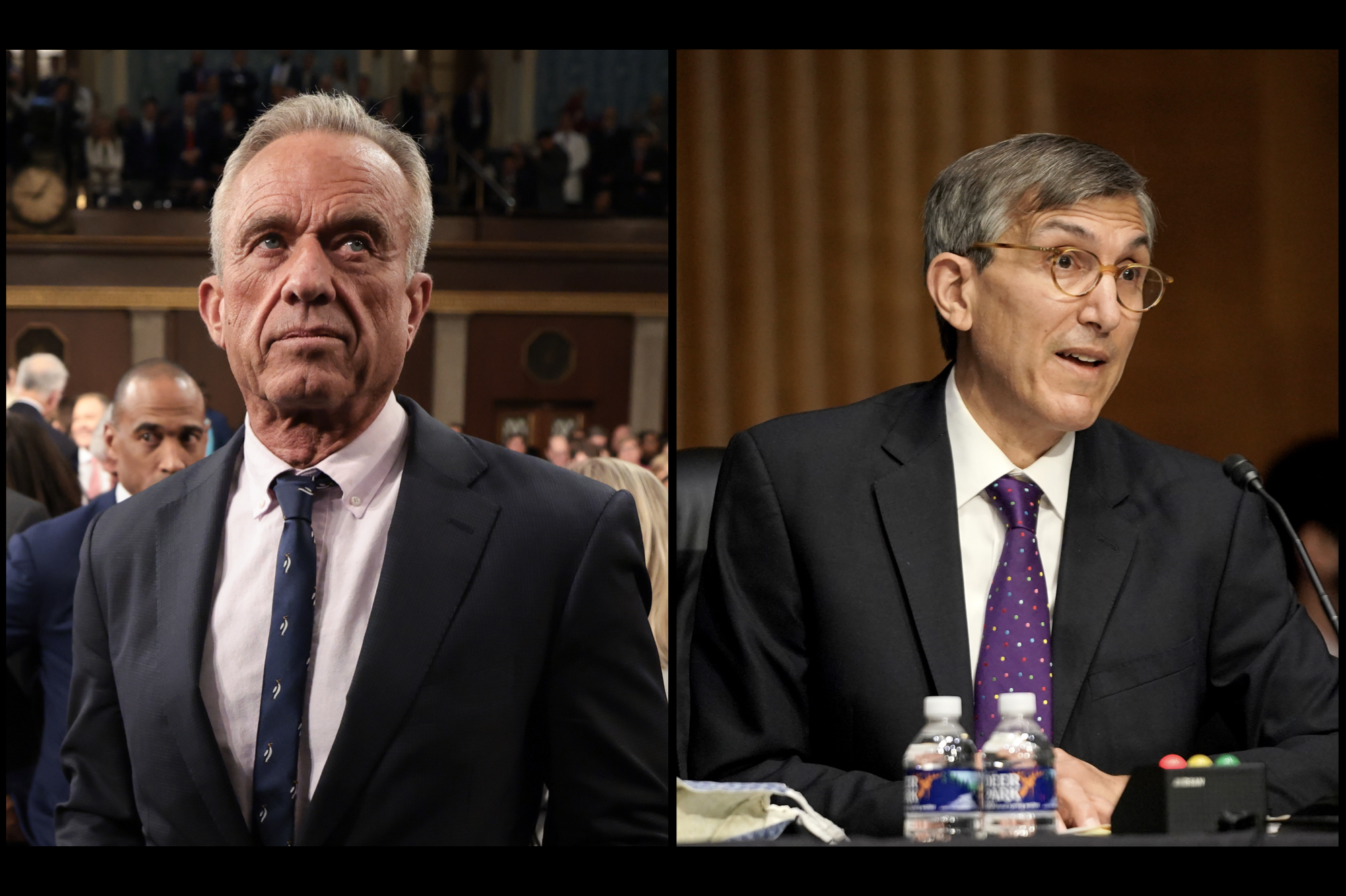
    Dr. Peter Marks, the former top vaccine official at the U.S. Food and Drug Administration (FDA), has criticized Health and Human Services Secretary Robert F. Kennedy Jr. for giving what he called “false hope” to families by claiming that the Trump administration will identify the cause of autism by September.

    Marks, who resigned earlier this month amid mounting frustration with Kennedy’s promotion of vaccine misinformation, appeared on CBS’s Face the Nation to challenge Kennedy’s recent assertion that a massive federal research initiative would soon pinpoint and eliminate the root causes of autism.


    Kennedy announced the effort through the National Institutes of Health. “By September we will know what has caused the autism epidemic and we will be able to eliminate those exposures,” he promised.

    “Giving people false hope is something you should never do,” Marks said in response to Kennedy’s announcement.

    “I don’t see any possible way [to get the answer that quickly],” Marks continued. “Autism is an incredibly complicated issue.”

    Kennedy, a longtime vaccine skeptic, has implied that vaccines may be among the environmental toxins driving autism rates. However, Marks dismissed that notion, citing the overwhelming body of research showing no link between vaccines and autism. “We’ve studied them in so many millions of children,” he said.

    The controversy comes amid a deadly resurgence of measles in the US, with three unvaccinated individuals—including two young girls from Seminole, Texas—dying in recent weeks. Measles had been declared eliminated from the U.S. in 2000, but new outbreaks have developed in certain under-vaccinated communities.

    Kennedy has offered only tepid support for the measles vaccine, telling CBS that “people should get the measles vaccine” but reiterating his opposition to mandates. He has also promoted unproven alternatives like vitamins and cod-liver oil.

    Marks blamed the recent pediatric measles deaths on Kennedy and his staff, describing it as “the epitome of an absolute needless death.”

    “These kids should get vaccinated—that’s how you prevent people from dying of measles,” Marks emphasized.

    In his resignation letter, Marks criticized Kennedy for spreading misinformation and undermining public trust in safe and effective vaccines.

    “Truth and transparency are not desired by the secretary,” Marks wrote. “He wishes subservient confirmation of his misinformation and lies.”

    Originally published on Latin Times


    Source link

  • How a Mindfulness Retreat for BIPOC Helped Me Find Hope

    How a Mindfulness Retreat for BIPOC Helped Me Find Hope

    When youth worker Troy Landrum struggled with burnout and imposter syndrome, a mindfulness retreat for educators that are Black, Indigenous, and People of Color helped him find his way back to himself and his community.

    A year ago, exhaustion decorated my bones like a graffiti-tattered wall. For 10 years I had worked in youth development and education, specifically focused on young people who were incarcerated or marginalized in another way. I had struggled with bouts of secondhand trauma, survivor’s guilt, and hopelessness for the future of our young folks. I had seen the struggles of these young people as they tried to survive a justice system and various institutions that are not made to meet their needs. All of this work had led to deep emotional wear and tear as I sacrificed myself to the point of burnout

    During that time, I advocated and supported young people and their families through the legal system, employment, education, and mentored them through hardship. At the time, I wasn’t ready to recognize that, just as their motivation and hope had to come from within them, my motivation and hope had to come from within me. That sense of hope moves us to seek out the help and support that we need, to be honest with others and ourselves about our personal struggles, to believe in the sense of community that will bring about healing, and to act on our plans for our futures. I knew my job was to remind young people that they are the captains of their ships and the writers of their own stories. It was vital for them to be surrounded by a village that would support them to believe this about themselves and help them live into that belief. I wasn’t ready to see that the same was true for me.

    I knew my job was to remind young people that they are the captains of their ships and the writers of their own stories. It was vital for them to be surrounded by a village that would support them to believe this about themselves and help them live into that belief. I wasn’t ready to see that the same was true for me.

    Then I went to my first meditation retreat for Black, Indigenous, and People of Color (BIPOC) educators with the non-profit Space Between, which supports schoolchildren by integrating mindfulness practices into school communities.

    Taking My Place at the Retreat

    As I prepared myself for the retreat and a full day of reconnecting to my body, I hoped I’d find a sense of optimism I’d lost to feel better prepared to continue the work of educating young people. At first, I questioned my right to take up space in a place for educators, a role that I felt to be sacred.

    I grew up in a family full of teachers and principals, so I understand the commitment of these roles. To me, an educator meant a teacher, professor, or an administrator—someone committed to specifically educating youth and preparing them for higher education. As a youth worker who went in and out of these young people’s lives—staying just long enough to get them out of trouble or to complete an internship—I felt like an imposter. From the stories I had heard from my mother and grandmother after full days in the classroom, I felt that my work didn’t compare. I was exhausted, but they had it worse.

    It was a place that I could instantly lay down whatever heaviness I had brought with me on the yoga mats and bean bags. I felt an instant peace.

    It was a Saturday morning when I walked into the retreat and was greeted by the smell of coffee and the smiles of some familiar faces. I felt a warmth that I think only BIPOC people could recognize, a silent language that gives a nod of recognition that we are in a similar fight to be seen as fully human in society. It was a place that I could instantly lay down whatever heaviness I had brought with me on the yoga mats and bean bags. I felt an instant peace.

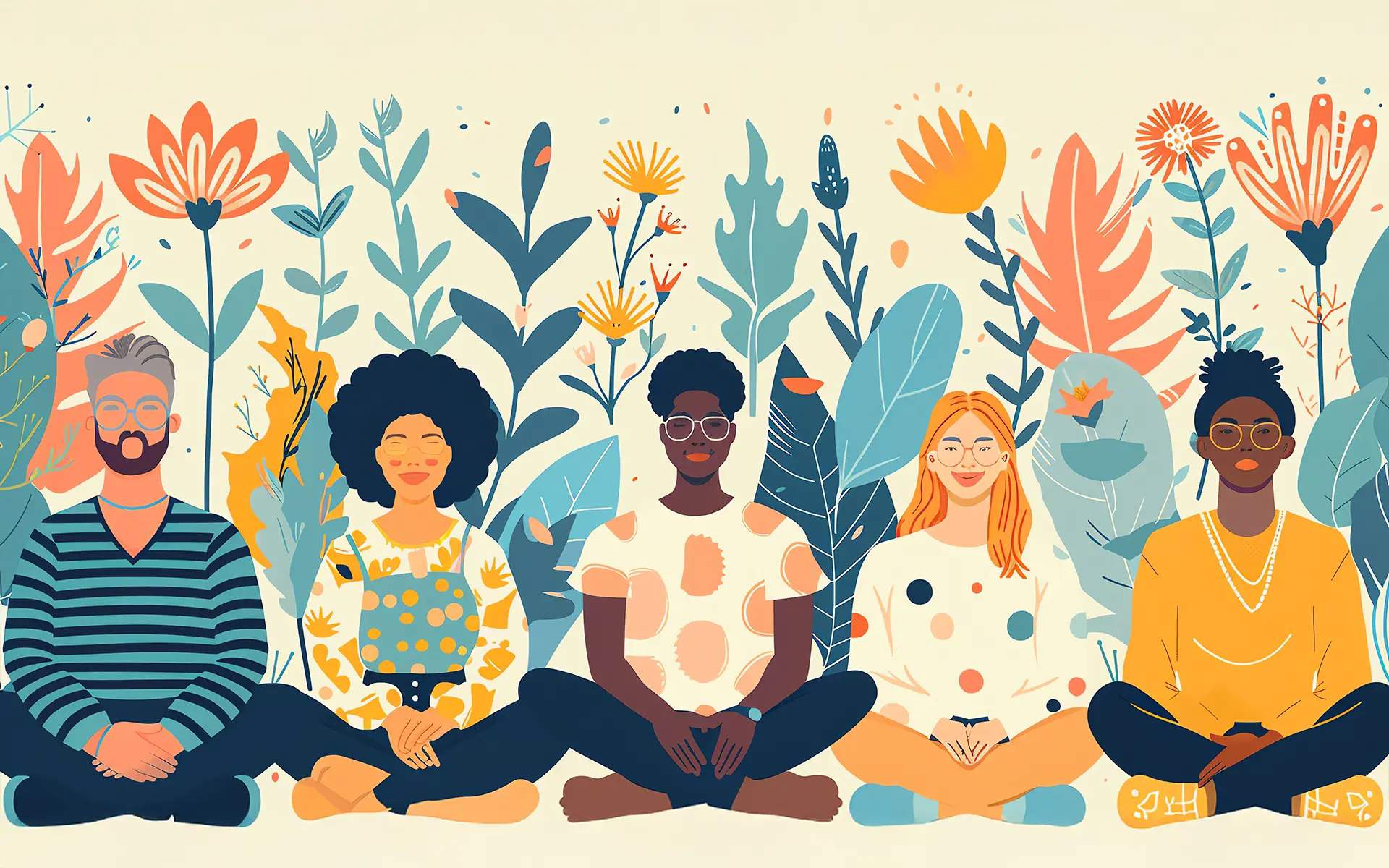
    The facilitators gave us time to eat snacks, connect with other folks, and get situated for a day of connection with fellow sojourners, to ourselves, and to the present moment. We sat down in a big circle of about 10 people from all across the state of Washington and took turns introducing ourselves. I went last. As everyone presented their occupations, their exhaustion, their burdens,  the imposter syndrome rolled off of me like beads of sweat in a sauna.

    Reconnect With Love

    The time we spent together was a meditative rest for our souls, between the sweet rhythmic sounds of singing bowls, meditative walks, the connectedness of our weary voices through profound conversations. It turned out to be a place for those who self-identified or wanted to identify as lights in dark tunnels for others. Here, I understood that there are so many different contacts with young people, so many different ways of connecting oneself to education, so many ways of defining “educator.” The retreat wasn’t exclusionary; it was a place for those who needed to be reminded of the light that they had inside them.

    We had all come to the retreat exhausted, no matter our occupations or connection to educating young people. I’d worn that exhaustion like a badge of honor. Maybe it was to prove that I belonged, or maybe it was a symptom of the myriad injustices society has placed on BIPOC folks, to live our lives as the burden bearers of a system we never created. 

    What this time brought to me was revolutionary to my mind, body, and soul. That day whispered into my ears and said, “Rest and bring all of who you are, no matter who you are. Live out this day and the rest of your days loving yourself, nurturing yourself, listening to yourself so that you may love others just as you love yourself and serve as a reminder of that love for those around you.”


    Source link