Tag: Heritage

  • Celebrating Native American Heritage Month with Chef Lois Ellen Frank, Ph.D.

    Celebrating Native American Heritage Month with Chef Lois Ellen Frank, Ph.D.

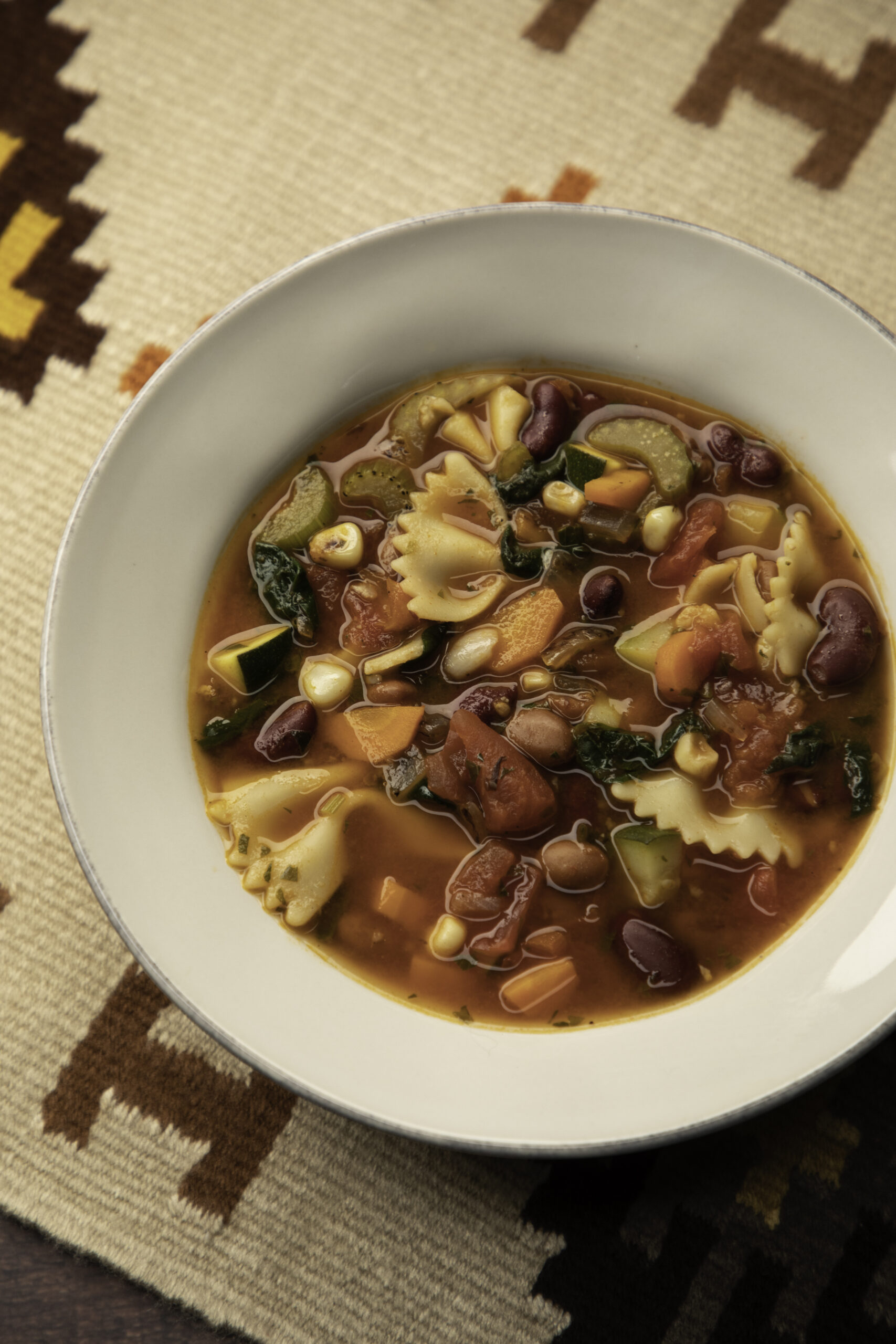
    In honor of National American Heritage Month, we are thrilled to share Chef Lois Ellen Frank’s Navajo Minestrone Soup with you. 

    For more about Chef Lois, check out this interview.

    “Navajo Nation President Jonathan Nez and First Lady Phefelia Nez have been vocal proponents of healthy eating. President Nez found that plant-based eating shortened his recovery time after long-distance runs and helps him to maintain his weight loss. First Lady Nez provided us with one of her family-favorite soup recipes that we modified. We used the modified version for a course called Native Food for Life Online, offered through the American Indian Institute (AII) and the Physicians Committee for Responsible Medicine (PCRM). Minestrone is its Italian name, but the ingredients in this soup originated in the Americas. Chef Walter Whitewater said that growing up on the Navajo Nation, he used to harvest wild onions, carrots, garlic, and spinach. With the addition of frozen corn, canned beans, and zucchini squash, as well as the pasta, all foods that most community members have on hand or receive as part of the Food Distribution Program on Indian Reservations (FDPIR), our version of this recipe is a favorite of Chef Walter. Serve with No Fry Frybread, No Fry Blue Corn Frybread, Homemade White Corn Tortillas, or Blue Corn Tortillas.” – Chef Lois Ellen Frank


    Navajo Minestrone Soup


    Ingredients

    Makes approximately 4 quarts

    2 cups cooked whole-grain pasta, such as mini farfalle (bow-tie pasta), penne, or elbows (approx. 1 cup uncooked)

    1 tablespoon bean juice or water

    1 small yellow onion, diced (approx. 1 cup)

    3 carrots, peeled, cut into ⅛-inch-thick sticks, and halved into half-moon slices (approx. 1 cup)

    2 stalks celery, sliced (approx. 1 cup)

    ½ cup frozen sweet corn kernels

    1 tablespoon roasted garlic 

    1 zucchini, cut into ½-inch cubes (approx. 1 cup)

    1 (15 oz.) can diced tomatoes, organic and no salt added, if possible

    2 tablespoons tomato paste

    1 cup spinach, fresh or frozen

    5 cups water

    1 (15 oz.) can dark red kidney beans, drained and rinsed (approx. 1½ cups)

    1 (15 oz.) can pinto beans, drained and rinsed (approx. 1½ cups)

    1 tablespoon fresh basil, finely chopped

    ½ teaspoon fresh oregano, finely chopped

    ½ teaspoon fresh thyme, finely chopped

    2 teaspoons New Mexico red chile powder, mild

    1 tablespoon flat leaf parsley, finely chopped

    ¼ teaspoon black pepper, or to taste (optional)


    Instructions

    In a large, cook the pasta according to the package directions. Remove from heat, drain the cooking water, rinse with cold water to stop the pasta from cooking, and set aside.

    In a separate soup pot, heat the bean juice over medium-high heat until hot but not smoking. Sauté the onion for approximately 4 minutes, stirring occasionally to prevent burning. Add the carrots and the celery, and cook for an additional 5 to 6 minutes, stirring but letting the vegetables begin to caramelize. Add the corn and cook for another 2 minutes, stirring once to prevent burning. Add the roasted garlic and cook for another minute, stirring constantly to mix the garlic into the other ingredients. (The bottom of your pan will turn brown, and the vegetables should begin to caramelize.) Add the zucchini and cook for another 3 minutes, stirring to prevent burning. Add the diced tomatoes and tomato paste, stirring to completely mix into the other vegetables and deglaze the bottom of the pan. Add the spinach and water and bring to a boil. Then cover, reduce the heat to medium low, and let simmer, covered, for 10 minutes, stirring once or twice.

    Add the canned kidney and pinto beans, stirring them to blend with all the ingredients, then add the basil, oregano, thyme, red chile powder, flat leaf parsley, and black pepper, if using. Return to a boil, then reduce the heat and let simmer for another 10 minutes.

    Taste, season with more of any of the spices, if desired. Add the cooked pasta, stir, and bring to a boil. Cook for an additional 1 to 2 minutes until the soup is completely hot. (Do not cook the soup too long, as the cooked pasta may become overcooked.) Remove from heat. Serve.

    Recipe adapted from Seed to Plate, Soil to Sky: Modern Plant-Based Recipes Using Native American Ingredients by Lois Ellen Frank with Culinary Advisor Walter Whitewater. Copyright © 2023 by Lois Ellen Frank. Published by Balance Publishing, an imprint of Hachette Book Group. All rights reserved.

    You can find Chef Lois Ellen Frank here.


    Source link

  • Celebrating Food and National Hispanic Heritage Month with Ale Graf

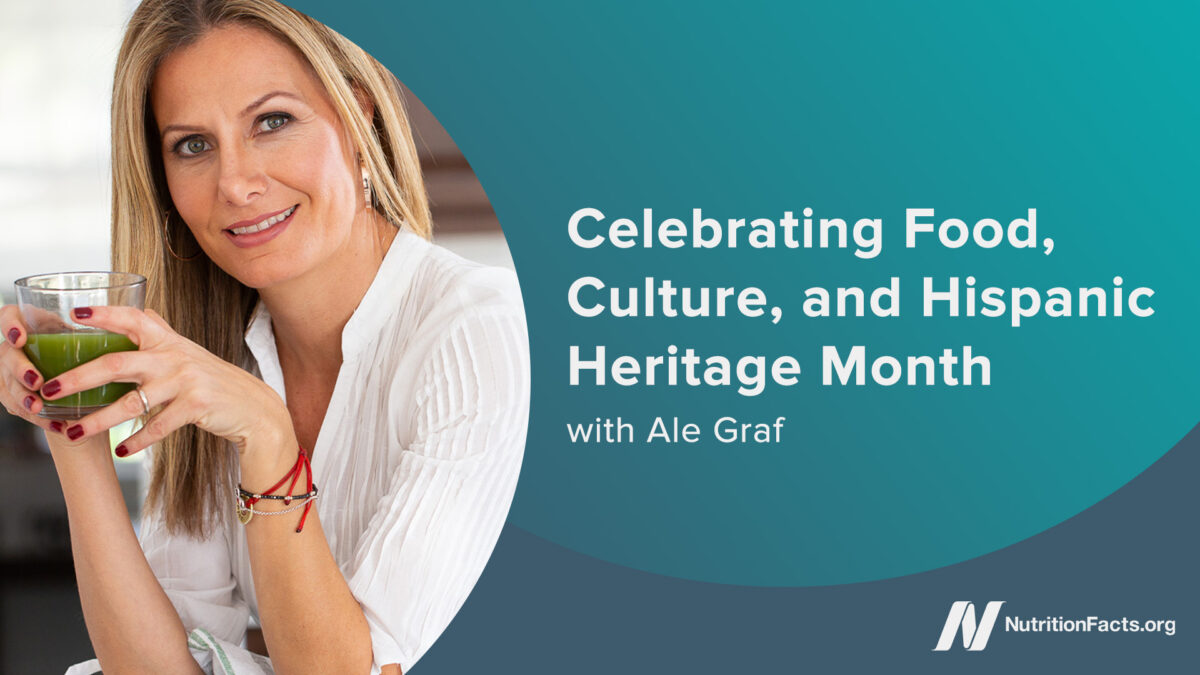
    Celebrating Food and National Hispanic Heritage Month with Ale Graf

    We had the pleasure of talking with Ale Graf about her work, food, and National Hispanic Heritage Month. We hope you enjoy this interview and her recipe for Hibiscus Chamoy.  


    As someone who creates Mexican dishes with a plant-based twist, how is food an important part of your culture and how you share your culture with others?

    Food is so much more than nourishment—it’s how we love, connect, and remember who we are. For Mexicans, food is truly part of our DNA. From ancient times, when our ancestors offered food to the gods, to modern-day sobremesas with family and friends, sharing food is how we express love. I grew up surrounded by women who talked about recipes the way others talk about dreams. My mother, grandmother, and aunts were always planning the next meal or discovering a new dish. Now I do the same with my siblings. Even though my food today is mostly plant-based, its essence is the same: to bring people together. Through my recipes, I want to recreate that sense of belonging, of always having enough to share and always leaving room for one more at the table. That’s what comemos means to me. It’s not about nostalgia; it’s about showing what being Mexican really looks and tastes like today.

    When did you start cooking and developing your own recipes? How do you educate people about making beautiful Mexican dishes using plant-based ingredients? Are people ever surprised to learn your recipes are plant-based?

    I started 23 years ago, right after my son was diagnosed with a dairy allergy. That moment changed everything. I had to relearn how to cook. I leaned into spices, explored new vegetables, and discovered different cooking methods. What began as a necessity quickly turned into a passion. I even enrolled in an online course to get certified as a plant-based cook. As my kids grew, so did my curiosity and creativity in the kitchen. Educating others has always been fun for me. I don’t lead with “plant-based” or “vegan”; I lead with flavor. I’ll serve someone a bowl of bean soup, and, after they’ve devoured it, I’ll smile and say, “Congrats, you just had your first vegan meal.” It’s always a surprise for them, and that’s the magic— showing how beautiful, satisfying, and deeply Mexican plant-based food can be.

    What are some plant-based ingredients and/or vegan dishes that you’d like to highlight as part of Mexican food traditions? Anything you’d especially like people to know about these foods?

    Masa, hands down. It’s the heart of so many beloved Mexican dishes—sopes, huaraches, tlacoyos—and it’s naturally plant-based. What I love most is how versatile it is. You can shape masa into antojitos, but you can also use it to make dumplings and cakes, or get creative and reinterpret global dishes with a Mexican twist. Take a good sope and layer it with mashed potatoes or creamy refried beans, top with salsa, guacamole, shredded lettuce, pickled onions—whatever you love. That’s the beauty of Mexican food; it’s endlessly customizable. You can set up a spread with all kinds of toppings and let everyone build their own plate. It’s not just delicious. It’s inclusive, joyful, and rooted in sharing.

    What do you envision as the way forward to encourage people to eat more fruits and vegetables and return to traditional Hispanic eating patterns?

    I think the real barrier is the labels and the absolutes. When we frame eating habits as all-or-nothing, people tune out. But if we shift the focus to just one healthy, vibrant meal at a time—one that’s full of colorful fruits and vegetables that add texture, flavor, and joy—then it feels more approachable and exciting. Traditional Hispanic food already celebrates plant-forward ingredients like chiles, tomatoes, squash, beans, and corn. If we bring those foods back to the center of the plate in a way that feels natural, not forced, people will reconnect with them. It’s about showing how beautiful and delicious these meals can be, not preaching about what they “should” eat.

    What does National Hispanic Heritage Month mean to you?

    To me, National Hispanic Heritage Month is a time to learn, grow, and open our hearts to other cultures. It’s a reminder that the Hispanic community is not monolithic. We come from so many different countries, regions, and traditions, each with its own stories, flavors, and rhythms. This month is about recognizing that richness and also embracing how much we can learn from one another. It’s a time to celebrate our shared values and our differences, and, ultimately, a time to shine a light on how much more we have in common than we often realize.

    Please tell us a little bit about your work and career.

    I’m a published cookbook author and food blogger passionate about creating healthy, plant-forward meals, some Mexican, that bring people together. My journey started 23 years ago when my son was diagnosed with a dairy allergy. That experience led me to explore plant-based cooking, earn a certification, and eventually launch my blog Piloncillo & Vainilla in 2013, followed by Ale Cooks in English.

    I live in Houston with my family, where I continue to cook, create, and celebrate food as the heart of connection.


    Hibiscus Chamoy

    Originally published here.

    Ingredients

    2 cups hydrated hibiscus flowers
    1 cup dried cherries or dried cranberries
    3 tablespoons ground chile ancho subs or any other chili powder (or to taste)
    1 tablespoon date syrup or date sugar
    1 cup water or hibiscus water
    ¼ cup lime juice (or to taste)
    Pinch of Tajin (optional)

    Instructions

    1. Simmer the Ingredients: Start by adding the hibiscus flowers, dried fruit, chiles, and date syrup or date sugar to a blender, then add 1 cup of boiling water. (You can use a glass or stainless-steel bowl.)
    2. Blend to Perfection: Blend until smooth. If needed, add ¼ cup water to adjust the consistency.
    3. Season and Adjust: Finish with the lime juice, and add a pinch of Tajin if you’d like.
    4. Store and Serve: Pour into a clean jar, seal tightly, and refrigerate. It keeps well for up to a month in the fridge, so you’ll have plenty of time to experiment with it on different dishes!

    You can find Ale on her blog alecooks.com and piloncilloyvainilla.com, Instagram, Facebook, and Pinterest.


    Source link