Tag: Heres

  • NYC Defied Washington and Rejoined the WHO — Here’s What That Really Means

    NYC Defied Washington and Rejoined the WHO — Here’s What That Really Means

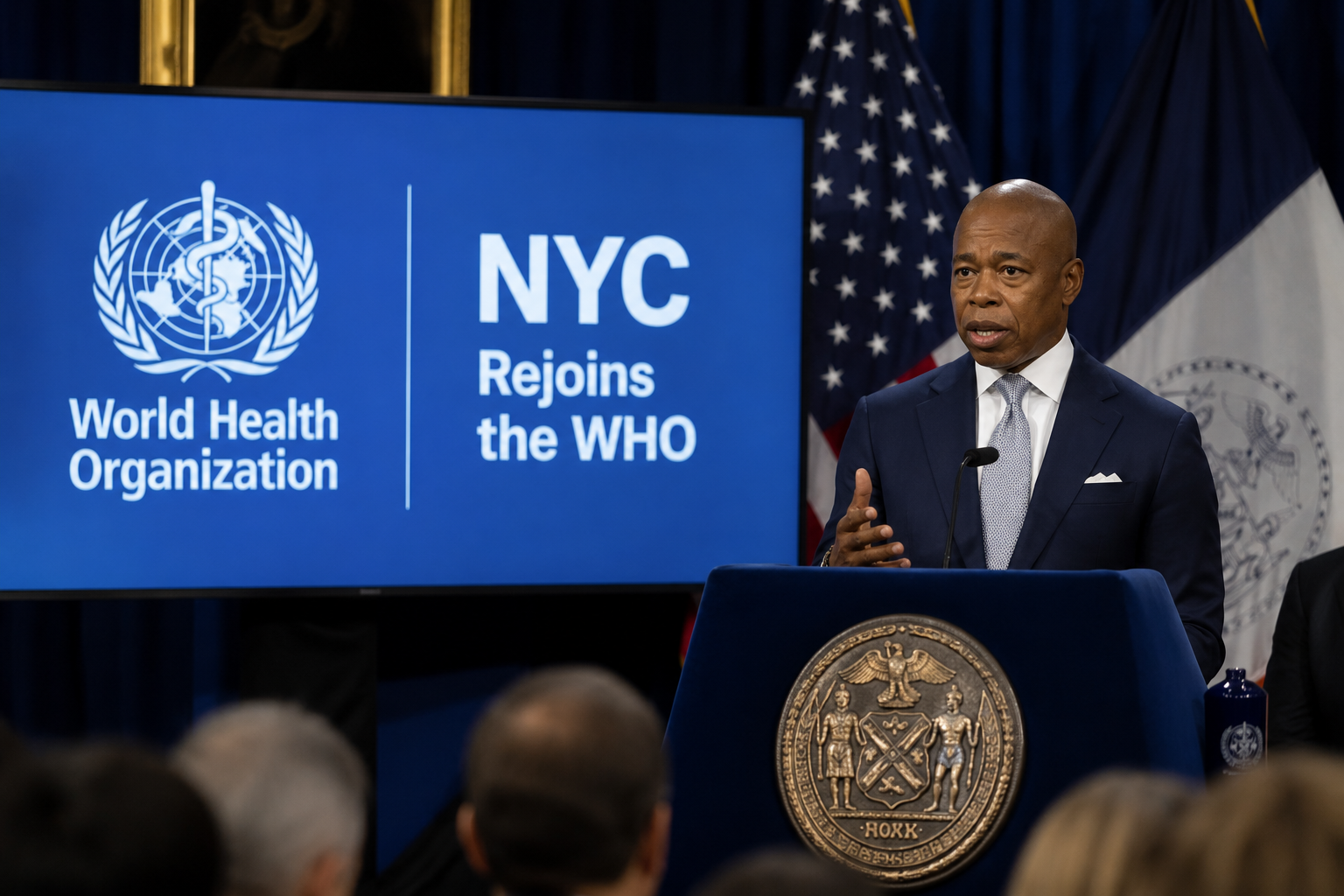
    On January 22, 2026, the United States officially completed its withdrawal from the World Health Organization — the culmination of an executive order signed by President Trump on his first day back in office. The U.S. halted all funding, recalled its personnel from Geneva, and ceased participation in WHO governance bodies.

    Less than two weeks later, New York City went the other direction.

    On February 5, 2026, the NYC Department of Health and Mental Hygiene announced it had joined the WHO’s Global Outbreak Alert and Response Network (GOARN) — becoming the first municipal health department in the United States to formally align with a WHO-affiliated body after the federal withdrawal. New York State, California, and Illinois have since followed with their own GOARN memberships.

    The move was framed as a public health necessity. Critics see it as something else: a city government using a bureaucratic workaround to defy a federal policy decision made by the elected president of the United States.

    What Is GOARN — And What Did NYC Just Sign Up For?

    GOARN is not the WHO itself, but it is coordinated by the WHO and operates as an arm of its global outbreak infrastructure. The network includes more than 360 technical institutions — national health agencies, UN bodies, academic institutions, and nongovernmental organizations — and its stated mission is rapid detection and response to infectious disease outbreaks worldwide.

    By joining, NYC’s health department gains:

    • Early-warning outbreak intelligence — weekly briefings on emerging global health threats before they reach American shores
    • Access to international laboratory networks — direct coordination with global health labs during active outbreaks
    • Workforce training through real-world international response deployments
    • Direct communication channels with global health partners during major health events

    NYC Acting Health Commissioner Dr. Michelle Morse framed it in practical terms: “New York City is a global city with 8.5 million residents and more than 12 million international visitors every year,”she said. “To best prevent disease outbreaks and public health emergencies and to protect New Yorkers and visitors from them, the NYC Health Department is joining hundreds of public health institutions worldwide that share critical public health information.”

    That logic has force. NYC is, in fact, a global disease entry point — as the city’s own 2026 measles cases (all linked to international travel) demonstrate.

    The Political Reality

    But the public health rationale doesn’t fully explain the timing or the tone.

    Mayor Zohran Mamdani — a Democratic Socialist inaugurated on January 1, 2026 — has been on a collision course with the Trump administration since before he took office. Trump openly backed his opponent, warned he would withhold federal funding if Mamdani won, and called the new mayor a “communist” on national television. Mamdani, for his part, has signed executive orders directly countermanding federal immigration enforcement, vowed to use “every tool of the law” against White House threats, and now — through his health department — has formalized a relationship with the very international body the president just paid $490 million in arrears to exit.

    The U.S. had committed to providing the WHO with $490 million in voluntary contributions for 2024 and 2025, which the Trump administration refused to pay before withdrawal — leaving the organization with a significant funding shortfall.

    Governor Hochul’s own statement on joining GOARN at the state level made the political intent explicit: “New York has always led in public health and safety and now we’re doing our part to protect lives while the federal government puts Americans’ health at risk.”

    That’s not a public health statement. That’s a campaign ad.

    What the Federal Government Actually Did — And Why

    The Trump administration’s HHS fact sheet on the WHO withdrawal cited three core reasons for leaving:

    1. The WHO’s mishandling of the COVID-19 pandemic — specifically its deference to China in the early months of the outbreak
    2. Persistent refusal to adopt internal reforms
    3. Lack of accountability, transparency, and independence from political influence of member states

    These are not fringe complaints. They have been raised by public health experts across the political spectrum. As the WHO’s largest historical funder— contributing between $160 million and $815 million annually over the past decade — the U.S. had unique leverage to demand reform. Walking away, the argument goes, was the only credible threat left.

    The counter-argument: without U.S. participation, countries like China, Russia, India, and Saudi Arabia now have greater influence over WHO’s priorities and guidelines. That has real consequences for how global health crises are managed — and what information the U.S. receives in the early hours of an emerging outbreak.

    The 2026 FIFA World Cup Factor

    There is one genuinely nonpartisan reason NYC’s move to GOARN carries urgency: the 2026 FIFA World Cup.

    Matches will be played across North America this summer, with the final at MetLife Stadium in East Rutherford, New Jersey. Greater New York alone is expected to draw more than one million international visitors in a matter of weeks. The city’s health infrastructure will need to track disease threats from dozens of countries simultaneously — exactly the kind of scenario GOARN was designed for.

    This is the one context where the “we need global intel” argument for GOARN membership is hardest to dismiss on partisan grounds.

    What This Means for New Yorkers

    In practical terms, day-to-day healthcare in New York City is not changing. GOARN membership does not give the WHO authority over NYC’s public health policy, vaccination mandates, or healthcare system. It is an information-sharing and coordination arrangement — not a governance transfer.

    What it does represent is a growing patchwork of sub-national governments — cities and states — making independent foreign health policy decisions, in direct contrast to the federal government. That trend, if it accelerates, raises legitimate questions about who actually sets American public health priorities when Washington and major population centers are pulling in opposite directions.

    For New Yorkers, the immediate question is simpler: does having earlier access to international outbreak intelligence make the city safer? The data suggests yes. Whether the political theater surrounding it helps or hurts is a separate question entirely.

    Breaking This Week: The WHO Assembly the U.S. Isn’t Attending

    The stakes of NYC’s GOARN move come into even sharper focus this week. The 79th World Health Assembly is currently underway in Geneva, Switzerland (May 18–23, 2026) — and for the first time in nearly 80 years, the United States has no seat at the table.

    The assembly is moving forward without Washington on several fronts that directly affect New York City and American public health:

    The WHO Pandemic Agreement annex negotiations. The WHO Pandemic Agreement — adopted by 120 countries in May 2025, without U.S. participation — is still being finalized. The critical PABS annex, which governs how countries share pathogen data and access vaccines during a future pandemic, is being negotiated at this assembly. The U.S. is not part of those talks. When the next pandemic begins, Washington will have no formal access to the early pathogen intelligence sharing system its own scientists helped build.

    Global health architecture reform. The assembly this week voted to establish a Member State-led reform process for the entire global health architecture — redesigning how the world coordinates on outbreaks, funding, and emergency response. The U.S. has no voice in shaping that redesign.

    The direct GOARN impact. In his address to the assembly on May 19, WHO Director-General Dr. Tedros Adhanom Ghebreyesus highlighted that GOARN coordinated 58 deployments to 16 countries in the past year alone — including rapid responses to Ebola in the DRC, Marburg virus in Tanzania and Ethiopia, and the ongoing hantavirus situation aboard the MV Hondius cruise ship. NYC’s GOARN membership means the city’s health department now receives that real-time intelligence directly. The federal CDC does not.

    The financial vacuum. The assembly opened under what UN News described as “the shadow of Ebola, hantavirus and funding cuts.” Ghana’s president, in his keynote, said his country lost $78 million in health funding following USAID cuts, with critical malaria and HIV programs affected. The U.S. withdrawal has forced the WHO to scale back operations globally — creating gaps in exactly the outbreak surveillance infrastructure that NYC is now trying to plug through GOARN membership.

    The irony is not subtle: as Washington steps back from the global health table, New York City has pulled up its own chair.

    Timeline: How We Got Here

    Date Event
    Jan 20, 2025 President Trump signs Executive Order 14155, initiating WHO withdrawal
    Jan 22, 2026 U.S. officially exits WHO; all funding terminated, personnel recalled
    Feb 5, 2026 NYC Health Dept. joins GOARN — first U.S. municipality to do so
    Feb 10, 2026 NY State joins GOARN under Gov. Hochul
    Feb–March 2026 California and Illinois health departments also join GOARN

    Related Reading on MedicalDaily

    Source link

  • Cosmetic Surgery Costs Are Soaring, but Here’s How Patients Are Paying for It

    Cosmetic Surgery Costs Are Soaring, but Here’s How Patients Are Paying for It

    In a world shaped by filters, high-definition selfies, and social media perfection, cosmetic surgery has become increasingly mainstream and increasingly expensive. What was once reserved for celebrities and the ultra-wealthy is now a standard line item on the budgets of millennials, Gen Z, and working professionals alike. According to the American Society of Plastic Surgeons, Americans spent over $14.6 billion on aesthetic procedures in 2021, a figure that continues to rise.

    Yet as the demand rises, so do the prices. With most cosmetic procedures not covered by insurance, patients are left to foot the whole bill, often thousands of dollars out of pocket. The result? A growing number of people are seeking creative ways to afford their aesthetic goals.

    The New Normal for Cosmetic Procedures

    The stigma around plastic surgery is fading fast. Social media has helped normalize cosmetic procedures as part of routine self-care. At the same time, celebrity transparency has made it easier for everyday people to talk openly about Botox, fillers, and “tweakments.” Procedures such as lip lifts, body contouring, and nonsurgical facial rejuvenation have surged in popularity over the past five years, particularly among patients under 35.

    In a 2023 survey by the American Society of Plastic Surgeons, over 70% of surgeons reported a dramatic increase in interest from younger patients, many citing social media, video conferencing, and pandemic-era self-reflection as key motivators.

    And the rise isn’t just in major surgeries like breast augmentation or rhinoplasty. Noninvasive treatments, such as lip fillers, laser resurfacing, and injectables, have become as routine for some as a trip to the hair salon.

    But normalization doesn’t mean affordability. While procedures have become more widely accepted and accessible in terms of availability, the cost remains a significant barrier. Unlike medically necessary treatments, most cosmetic procedures aren’t covered by insurance, meaning patients have to navigate a complex financial landscape just to access the services they want.

    Sticker Shock: What Popular Surgeries Cost

    If you’re considering cosmetic work, it’s easy to underestimate the cost until the consultation.

    According to the American Society of Plastic Surgeons, the average cost of popular elective surgeries in the U.S. is:

    • Rhinoplasty (nose reshaping): $5,400
    • Breast augmentation: $4,500–$6,000
    • Liposuction: $3,600 per area
    • Facelift: $9,000
    • Brazilian Butt Lift (BBL): $8,000–$12,000
    • Eyelid surgery: $4,100
    • Botox/fillers (non-surgical): $300–$1,200 per session

    These numbers only reflect surgeon fees. So, add the costs of anesthesia, facility fees, post-op medications, or follow-up visits, and you’re looking at procedures that cost tens of thousands of dollars.

    For many, these price tags are intimidating, especially when paired with inflation, stagnant wages, and limited insurance assistance. And while some patients can save up in advance or use credit cards, others are turning to new methods of managing these rising costs.

    How People Are Paying: Credit, Savings, and Financing

    With cosmetic procedures costing thousands and insurance rarely covering them, many patients are finding creative ways to pay. Some save for months or even years. Others turn to credit cards, medical credit lines, or installment plans offered by clinics themselves.

    But increasingly, people are relying on cosmetic surgery financing options that help break up the cost over time.

    These financing programs are often similar to “Buy Now, Pay Later” services used in retail, offering promotional interest rates or short-term payment plans. Popular providers, such as CareCredit, Alphaeon Credit, and PatientFi, have partnered with plastic surgeons across the U.S., enabling patients to apply for loans or revolving credit during the consultation.

    The result? Access to procedures that once seemed out of reach, and a growing normalization of medical financing in the beauty industry.

    The Risks of Medical Debt and Deferred Interest

    While financing can make plastic surgery more accessible, it doesn’t come without risks. Medical financing through private lenders can carry high-interest rates, hidden fees, and deferred interest clauses that catch borrowers off guard. If a patient misses a payment or fails to repay within a promotional window, they could end up owing far more than they anticipated.

    For example, a $6,000 procedure might be divided into 12 payments of $500 each. And while some plans are interest-free if paid on time, others can carry steep interest rates if the balance goes unpaid. That’s why patients must understand the terms before signing on the dotted line.

    The Consumer Financial Protection Bureau (CFPB) has warned consumers about the rise of medical credit cards and third-party financing arrangements that lack adequate transparency. Some patients end up with long-term debt, especially if complications arise or additional procedures are needed down the line.

    Experts recommend treating plastic surgery financing like any other significant loan: review the terms carefully, ask about interest rates, and avoid borrowing more than you can reasonably afford to repay. Patients should also compare financing options, consider savings, and avoid making impulsive decisions based on pressure or emotion.

    Empowerment or Pressure? Navigating the Trend Ethically

    For many people, getting cosmetic work done isn’t just about changing their appearance. Instead, it is a way for individuals to feel more confident and more at ease in their own bodies. These procedures can offer a sense of control or relief, especially for individuals who have struggled with a particular issue for years.

    But as surgery becomes more accessible, with clinics offering payment plans and financing options right alongside before-and-after photos, you need to take a step back and consider the full picture before going under the knife.

    When cosmetic enhancements are presented as quick, affordable fixes, it can be hard to tell where personal choice ends and social pressure begins. What feels empowering for one person might feel like an expectation for someone else. And with financing more common than ever, the decision to have surgery can start to feel like just another financial commitment rather than a meaningful, personal choice.

    Are patients choosing these procedures freely, or feeling pushed by societal expectations and beauty standards amplified by social media?

    Platforms like Instagram and TikTok are filled with influencers and creators showcasing their glow-ups or recovery journeys, often without disclosing how they paid or what risks were involved. The pressure to conform to a certain appearance can be intense, particularly for young people. When the option to finance is just a click away, that pressure can translate into quick decisions with long-term consequences.

    That’s why many experts stress the importance of thoughtful, informed choices. Cosmetic surgery is a personal decision, but it should never feel like an obligation.

    Conclusion

    Cosmetic surgery has come a long way. It’s more accepted and more available than ever before. But just because the barriers to entry are lower doesn’t mean the decision should be taken lightly.

    Before booking a procedure, patients should take a step back and consider the full picture. Not just what the final result might look like, but also what it will cost, how it will be paid for, and whether the decision is being made for the right reasons. That means asking questions, reviewing payment options like plastic surgery financing, and understanding the long-term financial commitment involved.

    The truth is, there’s no one-size-fits-all answer when it comes to cosmetic procedures. For some, it’s a profoundly empowering experience. For others, it may not be the right move at this time. What matters most is making a choice that’s informed, intentional, and genuinely your own.


    Source link

  • Got Memory Issues? Here’s How To Tell If It’s Dementia Or Just Aging

    Got Memory Issues? Here’s How To Tell If It’s Dementia Or Just Aging

    Who has not forgotten a name, occasionally misplaced things, or stumbled over the right word during a conversation? However, with growing awareness about dementia, these occasional memory lapses often leave people wondering if it could be an early sign of dementia.

    As people get older, you might notice that it takes a little longer to remember things than it once did, but most of the time, there is no cause for concern. This occasional forgetfulness is called age-associated memory impairment and is a normal part of aging. Although it may feel frustrating, it does not mean you have dementia.

    Although many people confuse normal aging with dementia, the two are very different. Dementia often begins with mild memory loss but progressively worsens over time. In normal age-related memory changes, forgetfulness tends to be occasional and typically involves memories from the more distant past. In contrast, people with dementia frequently struggle with recent events, such as forgetting a conversation they had earlier that day or not recognizing someone they just met.

    Dementia is not just about memory loss. It also brings confusion, difficulty managing everyday tasks, trouble with language and understanding, and noticeable changes in behavior. Over time, these challenges interfere with a person’s ability to perform daily activities and can significantly affect their independence.

    However, it is important to remember that noticing symptoms like memory loss or confusion is not enough to diagnose dementia. Only a healthcare professional can make that diagnosis after a thorough evaluation. This typically involves medical history, cognitive tests, physical exams, and sometimes brain imaging to rule out other possible causes.

    Memory issues can also stem from a variety of other causes, including head injuries like concussions, brain tumors or infections, thyroid or organ problems, medication side effects, mental health conditions like depression and anxiety, substance misuse, sleep disturbances, or even deficiencies in key nutrients such as vitamin B12 and poor nutrition.

    When to see a doctor?

    If memory problems start interfering with daily life, it is important to see a doctor. Warning signs include repeating the same questions over and over, getting lost in familiar places, or struggling to manage personal care.

    In some cases, older adults may be diagnosed with mild cognitive impairment (MCI), a condition where memory or thinking problems are more noticeable than in others their age. However, unlike dementia, people with MCI can usually manage their daily activities independently, but it can sometimes be an early sign of Alzheimer’s disease.

    Source link

  • Here’s What A ‘Widow-Maker’ Heart Attack Really Looks Like

    Here’s What A ‘Widow-Maker’ Heart Attack Really Looks Like

    Recognizing the signs of a heart attack and acting quickly can save a life, but how a person responds in an actual emergency is often unpredictable. Even for those who know the signs, the reality of witnessing it firsthand can be overwhelming.

    For those wondering how a heart attack might look, a couple in Arizona captured a chilling moment on their home security camera when the husband suffered a deadly “widow maker” heart attack. They shared the video to raise awareness, emphasizing how crucial it is to recognize the signs and act swiftly in life-threatening situations.

    Michelle Goss posted the chilling video on TikTok, capturing the exact moments her husband, 53-year-old Jeff Goss, began feeling unwell as they were leaving for an Arizona Cardinals game last September.

    “Does it feel like food stuck, or does it feel like…” Michelle asked her husband as she noticed him stumbling. She quickly instructed him to sit down on their living room couch.


    “He just kept saying, ‘I feel really nauseous. I feel really nauseous,’” Michelle recollected in a recent interview with Good Morning America before Jeff began complaining of chest pain.

    At first, Michelle did not think much of the symptoms and it never occurred to her as a serious medical emergency that could put Jeff’s life at risk. However, looking back, she now believes that her decision to call for emergency help and act quickly was what ultimately saved his life.

    “I didn’t think it was anything serious at all. I really didn’t. And then, even after the fire department got there, I really didn’t think it was that serious. I thought this was a mistake that we called you, until right when I got to the ambulance, that’s when it really, really got bad,” Michelle said.

    Then came an alarming sign Michelle had never witnessed in anyone—Jeff’s complexion turned gray. As she noticed her husband’s fear, she too began to feel a growing sense of fear.

    Jeff was rushed to the hospital, where doctors diagnosed him with a “widow maker” heart attack, a deadly condition that occurs when a major artery supplying blood to the heart becomes completely blocked. He underwent a procedure to open the blocked artery. The couple later learned from doctors that if they had waited just 10 more minutes, Jeff may not have survived.

    A “widow maker” heart attack occurs when the blood supply to the left anterior descending (LAD) artery, which provides 50% of the heart muscle’s blood, becomes completely blocked. Despite its name, this severe form of heart attack does not only affect men; women can experience it too.

    Risk factors include being over 45 and male, over 50 and female, having a family history of heart disease, poor nutrition, tobacco use, lack of exercise, and other health conditions like obesity, high blood pressure, and high cholesterol.

    Common symptoms to watch for are chest pain, shortness of breath, dizziness, upset stomach, tiredness, lightheadedness, and pain in the upper body (arms, shoulders, neck, jaw, or back).

    Source link

  • Insomnia In Elderly? Here’s Best Exercise For Better Sleep

    Insomnia In Elderly? Here’s Best Exercise For Better Sleep

    Regular physical activity is widely known for its benefits to overall health, but what about its impact on sleep? While exercise plays a crucial role in promoting better rest, not all types of exercise are equal when it comes to combating insomnia. New research has revealed that specific exercises can significantly reduce the risk of insomnia in older adults.

    The latest study, published in the journal Family Medicine and Community Health, evaluated five different types of physical activity and found that while combination and aerobic exercises are effective in improving sleep quality, resistance training works best for combating insomnia in older adults.

    The researchers pooled data from 25 trials involving more than 2,000 older adults, with an average age of 70. The researchers assessed how five different types of exercises impacted participants’ sleep quality, measured by the Global Pittsburgh Sleep Quality Index (GPSQI).

    The exercises examined included aerobic activities like brisk walking and swimming, which elevate the heart rate; combination exercises such as yoga, which blend flexibility and relaxation; balance exercises like standing on one leg, which improves stability; flexibility workouts like gymnastics, which enhance mobility; and strength training, including weightlifting, which builds muscle.

    Researchers noted that while aerobic exercise improved sleep by 3.76 points on the GPSQI scale, combination exercises contributed to a 2.54-point improvement. However, the most notable results came from strength and resistance training, which showed the greatest improvement in sleep, enhancing the GPSQI by 5.75 points.

    Further analysis revealed that strength training had a Surface Under the Cumulative Ranking Curve (SUCRA) value of 94.6%, indicating it was the most effective exercise for improving sleep quality among all the options tested.

    “This study shows that exercise, particularly strengthening exercise and aerobic exercise, is beneficial for enhancing subjective sleep quality at a clinically significant level compared with normal activities, which is consistent with previous studies,” the researchers wrote.

    “Nevertheless, caution should be applied when interpreting this study because of the diverse exercise characteristics, the small number of studies, and the high risk of bias among studies,” they added.

    The researchers also noted that the intensity of some exercises might pose challenges for older adults with limited physical abilities. This means that while certain exercises are highly beneficial, modifications or lower-intensity options may be necessary to ensure safety and effectiveness for all individuals.

    Source link

  • Can Time Of Week Affect Your Risk Of Death From Surgery? Here’s Worst Day For Operation

    Can Time Of Week Affect Your Risk Of Death From Surgery? Here’s Worst Day For Operation

    If you’re scheduled for surgery, here’s an interesting study you should know about: Researchers have found that the risk of death from surgery can depend on the time of week it’s scheduled, identifying the worst day for an operation.

    The study published in JAMA Network highlights an important trend known as the “weekend effect,” in relation to surgeries. Researchers found that patients undergoing planned surgeries on Friday, just before the weekend, face a significantly higher risk of death, complications, and readmission compared to those scheduled after the weekend.

    “Hospitals and health care systems have variations in operational structure and organization during the transition from weekdays to weekends. The weekend effect refers to the potential for worse patient outcomes during the weekends, compared with weekdays. In surgery, this concept may also apply to those undergoing surgery immediately before the weekend, who receive postoperative care during the weekend,” the researchers wrote.

    The findings were based on an analysis of large-scale data from 429,691 adult patients in Ontario, Canada, who underwent one of 25 common surgical procedures between 2007 and 2019, with a one-year follow-up.

    Of the 429,691 patients studied, nearly 46.5% had surgery before the weekend and researchers noted that they were more likely to experience negative outcomes, including complications, readmissions, and death compared to the pre-weekend group.

    The risk of mortality increased by 9% at 30 days, 10% at 90 days, and a striking 12% at one year for patients who underwent surgery just before the weekend.

    The study suggests that negative outcomes may be linked to differences in hospital staffing and fewer specialists available on weekends, which could impact post-surgery care. To improve outcomes, researchers recommend future studies focusing on ensuring high-quality care for all patients, regardless of when their surgery is scheduled.

    However, interestingly, the researchers noted a contrasting trend regarding unplanned, urgent surgeries. While scheduled or elective procedures performed before the weekend were linked to worse postoperative outcomes, urgent, unplanned surgeries tended to show slightly better outcomes when performed before the weekend.

    “Our findings underscore the need for a critical examination of current surgical scheduling practices and resource allocation. One approach for consideration is the optimization of perioperative care pathways to mitigate adverse outcomes,” the researchers noted.

    Source link

  • Craving Sugary Treat After Meals? Here’s Why You Always Have Room For Dessert

    Craving Sugary Treat After Meals? Here’s Why You Always Have Room For Dessert

    Do you ever find yourself craving something sweet even after a big meal? Or wonder how you still have room for dessert despite feeling full? Researchers now suggest that the phenomenon known as “dessert stomach” is linked to the brain.

    In a recent study, researchers investigated the phenomenon in mice and found that they ate sugar even when they were full. While analyzing the brains, they discovered that a group of nerve cells called POMC neurons triggered the craving for sugar.

    When the mice ate sugar, these neurons released ß-endorphin, a natural opiate that made them feel rewarded and caused them to eat more, even if they were full. This effect was specific to sugar, not other foods. When the researchers blocked this pathway, the mice stopped eating extra sugar, but only when they were full. The inhibition of the ß-endorphin did not affect the hungry mice.

    The researchers also found that the activation of endorphins began even before the mice started eating sugar, as soon as they sensed it. Interestingly, the opiate was also released in the brains of mice that had never eaten sugar before.

    “As soon as the first sugar solution entered the mice’s mouths, ß-endorphin was released in the “dessert stomach region”, which was further strengthened by additional sugar consumption,” the researchers explained.

    When a similar trial was conducted in humans, researchers used brain scans on volunteers after they received a sugar solution through a tube. They found that the same region of the brain responded to sugar in humans where there are many opiate receptors close to satiety neurons.

    “From an evolutionary perspective, this makes sense: sugar is rare in nature but provides quick energy. The brain is programmed to control the intake of sugar whenever it is available,” explained Henning Fenselau, research group leader at the Max Planck Institute for Metabolism Research and head of the study.

    The researchers hope their findings could be valuable for treating obesity. “There are already drugs that block opiate receptors in the brain, but the weight loss is less than with appetite-suppressant injections. We believe that a combination with them or with other therapies could be very useful. However, we need to investigate this further,” Fenselau added.

    Source link

  • Can’t Solve A Problem? Sleep On It—It’s Backed By Science, Here’s Best Nap For Better Thinking

    Can’t Solve A Problem? Sleep On It—It’s Backed By Science, Here’s Best Nap For Better Thinking

    Have you heard the saying “if you can’t fix an issue, just sleep on it”? It’s not just random advice to calm you down before bed, science now proves how sleep can help you think clearly and solve a problem.

    In a recent study published in the Journal of Sleep Research, investigators examined how a specific type of sleep, afternoon naps, helps in creative problem-solving.

    The researchers conducted problem-solving experiments in a group of 58 people below the age of 30 from Texas State University. Half of the participants were allowed to take a two-hour afternoon nap before solving a puzzle they had previously been unable to solve, while the other half attempted the puzzle without sleep.

    The results showed that people who took a nap before solving the problems performed better than those who stayed awake. On average, the sleep group solved 43% of the problems, while the wake group solved only 15%.

    The researchers concluded that this is because sleep, especially the type that includes the REM phase, helps people in an analogical transfer to solve issues that could not be done before the nap. Analogical transfer is the ability to use insights from a different problem to solve a new, related problem.

    Rapid eye movement (REM) sleep is a phase where your eyes move rapidly in different directions, and brain activity becomes as high as when you’re awake. “This sleep stage [REM] may play a key role in putting past experiences to best use by establishing and strengthening associations that are not readily apparent in our waking lives,” the researchers wrote.

    “My previous research has focused on understanding how memories change during sleep. However, the reorganization of knowledge that occurs during memory consolidation undoubtedly impacts other aspects of cognition as well. I was specifically interested in how the initiation and/or strengthening of connections between new and old memories can assist in problem-solving,” said study author Carmen E. Westerberg, a professor at Texas State University.

    “The main takeaway is that if you have a difficult problem that you cannot solve, processes that occur while you are sleeping may give you insights after waking that could help to solve the problem,” Westerberg added.

    Source link

  • Stuck On Your Weight Loss Journey? Here’s Nutritionist’s Cheat Code To Shed Pounds In 3 Months

    Stuck On Your Weight Loss Journey? Here’s Nutritionist’s Cheat Code To Shed Pounds In 3 Months

    Feeling stuck in your weight loss journey, despite your best efforts? You’re not alone, many people may face a frustrating stage where progress slows. But according to a nutritionist, the key is not in a fad diet or extreme workout—it’s consistency. Here’s the cheat code to break through the stagnation and shed substantial weight in just three months.

    “Weight loss is a journey and the secret to seeing true and lasting results is by staying consistent and not perfect,” said Amaka, a certified nutritionist in an Instagram post, where she shared a cheat code to lose 20 kg (about 44 pounds) in three months.

    For those looking to kickstart their weight loss journey or those struggling along the way, here are some practical tips from her.

    Focus on low calorie diet:

    According to Amaka, the key to weight loss is maintaining a calorie-deficit diet while staying full. She suggests consuming low-calorie, high-protein meals to achieve this and recommends adding spices like cayenne pepper, turmeric, and cinnamon to boost metabolism for faster results.

    Amaka also recommends eliminating sugar and refined carbs, as an easy trick to reduce the waistline. “Practice 80/20 rule in your nutrition, where you eat healthy 80% and allow yourself to indulge in a cheat meal 20% to help you stay consistent and not restricted, fuels your energy and boost your mood to stay consistent on your journey,” she said.

    How to eat:

    Most people know what should go on their plate while dieting, but according to Amaka, how you eat your food is just as important.

    “Eat your protein and vegetables first before your carbs, it will make you full quickly, and you will struggle to eat your carb left on your plate,” she wrote. Taking smaller plates or bowls while serving food will help to trick your brain into feeling full.

    Drink water:

    Staying hydrated helps to nourish the body and control the hunger pangs. “Always drink water 5-10 minutes before eating your meal, it will help control your appetite,” she said.

    Exercise:

    Regular physical activity is essential for both weight loss and overall well-being. Amaka recommends strength training 2–3 days a week, as it helps build muscle and keeps the body burning calories even at rest.

    “Leave the scale completely, use pictures, your fittings in your old clothes, and body measurements to track your progress, they’re always accurate. Scale fluctuates, and has made me lose hope and stop my journey because I felt I was not making progress,” she added.


    Source link

  • ADHD Reduces Life Expectancy? Here’s How It Affects Men And Women Differently

    ADHD Reduces Life Expectancy? Here’s How It Affects Men And Women Differently

    As ADHD diagnoses continue to rise in the U.S., researchers have uncovered a troubling link between the behavioral disorder and reduced life expectancy, with the impact varying between men and women.

    Attention Deficit Hyperactivity Disorder (ADHD) is one of the most common neurodevelopmental disorders affecting children. The condition can impact various aspects of life, including academic performance, professional achievements, interpersonal relationships, and daily functioning.

    In a large-scale study published in The British Journal of Psychiatry, researchers analyzed data from over 300,000 participants with ADHD, comparing it with a similar group without the condition to understand its effects on longevity. The findings revealed that men with ADHD had a life expectancy reduction of 4.5 to 9 years, while women faced a reduction of 6.5 to 11 years.

    “It is deeply concerning that some adults with diagnosed ADHD are living shorter lives than they should. People with ADHD have many strengths and can thrive with the right support and treatment. However, they often lack support and are more likely to experience stressful life events and social exclusion, negatively impacting their health and self-esteem,” said senior author, Professor Josh Stott in a news release.

    The researchers also noted that only a fraction of the total population of adults with ADHD could be studied as less than one in nine adults with ADHD had been diagnosed.

    “We know from studies of traits in the community and from studies of childhood diagnosis that the rate of ADHD in our sample is just a fraction of what it should be,” Professor Stott added.

    Since the condition often goes undiagnosed, particularly in adults, this new research may overestimate the reduction in life expectancy for those with the condition. The study findings may not be generalizable to other geographies or settings, the researchers caution. Also, since the study has not evaluated data on the specific causes of death, it is not possible to directly attribute the years of lost life to different factors.

    However, researchers noted that early deaths in ADHD patients could be “caused by modifiable risk factors and unmet support and treatment needs in terms of both ADHD and co-occurring mental and physical health conditions.”

    Source link