Tag: Heart

  • How HatchPath Is Connecting Workplace Burnout, Heart Health, and Community Impact Through Wellness Initiatives

    How HatchPath Is Connecting Workplace Burnout, Heart Health, and Community Impact Through Wellness Initiatives

    As conversations around workplace wellness continue to evolve, more organizations are examining how stress, burnout, and emotional strain influence broader health outcomes. According to Jordan Dunin, founder of HatchPath, the discussion increasingly extends beyond productivity or morale and into long-term well-being. HatchPath, which provides concierge-style wellness and coaching support for organizations and individuals, operates within that growing intersection between employee resilience and organizational sustainability.

    From Dunin’s perspective, businesses are in a unique position to create impact that extends beyond internal operations. He explains that for-profit organizations can still play a meaningful role in supporting communities, particularly when wellness initiatives are tied to education, accessibility, and long-term engagement. “A company does not have to operate as a nonprofit to create real impact,” Dunin says. “Organizations have the ability to support people in ways that extend far beyond the workplace when that intention becomes part of the culture.”

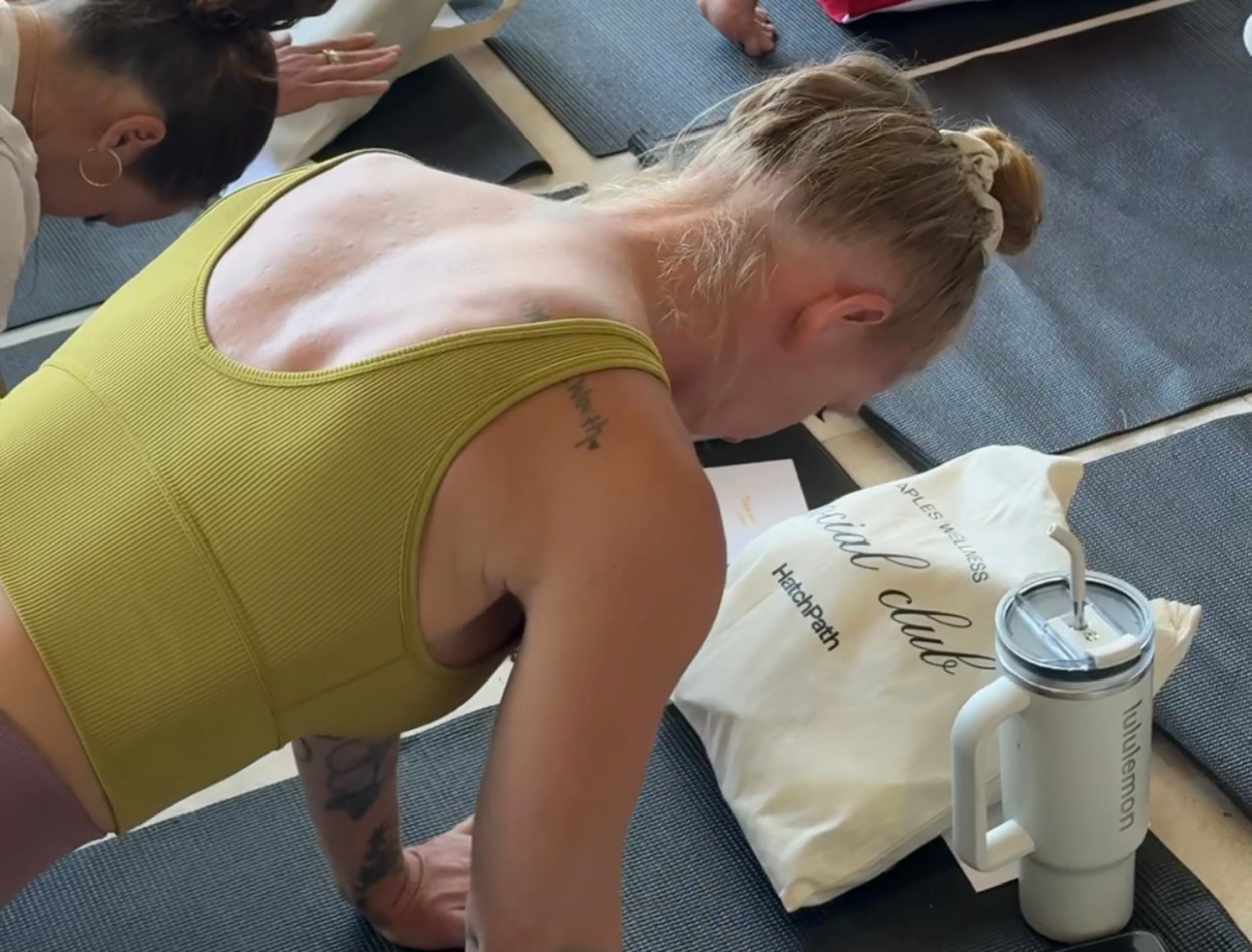
    That philosophy recently shaped one of HatchPath’s community wellness events, organized in partnership with the American Heart Association. The gathering brought together local professionals, wellness practitioners, and community members for an experience centered on nervous system regulation, movement, stress management, and heart health awareness. According to Dunin, the event was intentionally designed to reflect a broader understanding of wellness and the relationship between emotional health and cardiovascular health.

    “We wanted people to think differently about heart health and stress,” Dunin says. “For many people, wellness conversations focus on exercise or nutrition alone, but emotional regulation, sleep, recovery, and the state people live in every day also matter a lot.”

    The event included guided breathwork sessions, movement-based activities, wellness treatments, and educational discussions focused on recovery and restoration. From Dunin’s viewpoint, the collaborative structure reflected HatchPath’s larger mission of creating environments where people can connect through healthier habits and shared experiences.

    Natasha Iannone, Development Director of American Heart Association, adds, “We were incredibly pleased with the outcome of the Wellness at Home Experience in Naples and grateful for the collaboration with HatchPath. Events like these beautifully demonstrate what’s possible when wellness, community, and purpose come together. We look forward to continuing to work together and raise support for the American Heart Association’s life-saving mission and impact throughout Southwest Florida.”

    The connection between stress and physical health has increasingly become part of broader workplace discussions. More than 840,000 people die each year from health conditions linked to workplace psychosocial risks, including long working hours, job insecurity, workplace harassment, and chronic stress. These risks are closely associated with cardiovascular disease and mental health disorders. From Dunin’s perspective, organizations are beginning to recognize that wellness is closely tied to sustainability, retention, and overall quality of life.

    That understanding has also influenced HatchPath’s recent expansion through employee benefits platforms. According to Dunin, the model allows the company to reach a larger number of employees across multiple organizations while increasing access to wellness and coaching support. He explains that the objective is broader availability for individuals who may not otherwise seek out support independently.

    HatchPath

    “Our focus has always been participation and accessibility,” Dunin says. “When support becomes easier to access, more people are willing to engage with it consistently.”

    Beyond corporate partnerships, HatchPath has continued organizing wellness initiatives tied to different community causes, including mental health, children’s well-being, and environmental awareness efforts. Dunin notes that these events reflect a larger belief that wellness should be approached holistically rather than through isolated categories.

    He also believes that conversations around stress management are gradually becoming more normalized within leadership environments. From his perspective, many professionals are beginning to acknowledge that constant connectivity and prolonged pressure can affect recovery, focus, and emotional regulation over time.

    “Rest is becoming an important part of the conversation,” Dunin says. “People are realizing that recovery, boundaries, and nervous system health influence how they show up in every part of life.”

    As HatchPath continues expanding its reach, Dunin views the company’s work as part of a broader shift in how businesses approach responsibility and wellness. While nonprofits continue serving an essential role within communities, he believes companies also have the opportunity to contribute in ways that create meaningful and lasting impact.

    “When businesses choose to invest in people beyond performance metrics, that impact carries outward into families, communities, and everyday life,” Dunin says. “That is where long-term change begins.”
    Source link

  • How a Rectal Exam Helped Restore a Patient’s Irregular Heart Rhythm Without Treatment

    How a Rectal Exam Helped Restore a Patient’s Irregular Heart Rhythm Without Treatment

    A rectal exam is not something most people would associate with heart rhythm problems, yet in one unusual case, it played a surprising role in restoring a patient’s atrial fibrillation. The patient arrived at the hospital with an irregular heartbeat reaching 140 beats per minute, a clear sign of a serious rhythm disturbance that typically requires immediate medical intervention.

    Doctors initially prepared standard irregular heartbeat treatment, including cardioversion and anticoagulants, but something unexpected happened before those steps were taken. During a routine rectal exam, the patient’s heart rate dropped significantly, and his rhythm returned to normal without medication or procedures, highlighting a rare connection between the digestive system and heart rhythm regulation.

    Atrial Fibrillation Pathophysiology and Vagal Triggers

    Atrial fibrillation is a condition where the heart’s electrical signals become disorganized, causing the upper chambers to quiver instead of contracting properly. This leads to an irregular heartbeat and reduced blood flow, which can increase the risk of stroke, heart failure, and other complications. According to Mayo Clinic, atrial fibrillation disrupts the coordination between the heart’s chambers, making circulation less efficient and placing stress on the cardiovascular system.

    The parasympathetic nervous system plays a key role in regulating heart rate, particularly through the vagus nerve. When this system is activated, it slows electrical conduction in the heart, helping stabilize rhythm disturbances. In some cases, digestive or physical triggers can stimulate this pathway, influencing how the heart behaves during episodes of atrial fibrillation.

    This interaction explains why certain physical actions, such as straining or pressure in the abdominal area, can affect heart rhythm. These triggers may not always be intentional treatments, but they demonstrate how closely linked the body’s systems are when it comes to managing an irregular heartbeat.

    Rectal Exam Vagus Nerve Stimulation Mechanism

    In this case, the rectal exam was originally performed to check for gastrointestinal bleeding before starting anticoagulant therapy. During the procedure, the patient was asked to bear down, a technique similar to the Valsalva maneuver, which increases pressure in the chest and abdomen. According to the American Heart Association, vagal maneuvers like this can stimulate the vagus nerve and slow heart rate by affecting electrical signals in the heart.

    As the patient performed this action during the rectal exam, his heart rate dropped from 140 beats per minute to around 80 beats per minute. Further monitoring showed that the irregular rhythm had resolved, effectively restoring normal sinus rhythm without the need for immediate medical intervention.

    This suggests that the rectal exam triggered a chain reaction involving the vagus nerve and the parasympathetic nervous system. The stimulation likely counteracted the abnormal electrical signals causing the atrial fibrillation, demonstrating a rare but powerful example of how physical reflexes can influence cardiac function.

    Irregular Heartbeat Treatment Alternatives and Vagal Maneuvers

    Irregular heartbeat treatment for atrial fibrillation typically focuses on restoring normal rhythm and preventing complications like stroke. According to the National Heart, Lung, and Blood Institute, treatment plans vary based on symptom severity and risk factors, often involving medications or procedures. However, some cases highlight how alternative methods like vagal maneuvers can influence heart rhythm in unexpected ways.

    • Standard Irregular Heartbeat Treatment – Common treatments include medications such as beta-blockers or antiarrhythmics to control heart rate and rhythm, along with electrical cardioversion to reset the heartbeat. These approaches remain the primary and most reliable methods for managing atrial fibrillation.
    • Vagal Maneuvers and Parasympathetic Activation – Techniques like the Valsalva maneuver, coughing, or applying cold stimuli to the face can stimulate the parasympathetic nervous system. This slows electrical conduction in the heart and may help regulate certain types of irregular heartbeat without medication.
    • Rectal Exam as an Unintentional Trigger – In this case, the rectal exam acted as a form of vagal stimulation, likely due to the patient performing a straining action similar to the Valsalva maneuver. This unexpected response shows how physical reflexes can sometimes influence heart rhythm.
    • Future Potential of Non-Drug Methods – While not a replacement for standard care, these findings suggest that non-pharmacological approaches could play a supportive role in managing specific arrhythmias. Further research is needed to determine how these techniques can be safely integrated into medical practice.

    Vagus Nerve Stimulation and Irregular Heartbeat: What This Case Reveals

    This case highlights the complex relationship between the nervous system and the heart, particularly how vagus nerve stimulation can influence rhythm control. It also shows that the body has built-in mechanisms capable of correcting certain irregularities under specific conditions.

    At the same time, it’s important to recognize that this outcome is rare and should not change how atrial fibrillation is typically treated. Instead, it offers insight into how alternative pathways might support traditional irregular heartbeat treatment in the future, especially as research into non-invasive therapies continues to grow.

    A Surprising Link Between Body Reflexes and Heart Rhythm

    The idea that a rectal exam could restore a normal heart rhythm may sound unusual, but it reflects how interconnected the human body truly is. Through vagus nerve stimulation and activation of the parasympathetic nervous system, even routine procedures can sometimes produce unexpected physiological effects.

    While this case does not replace established treatments for atrial fibrillation, it adds an interesting perspective on how irregular heartbeat treatment could evolve. As more is learned about these reflex pathways, future approaches may combine traditional medicine with targeted stimulation techniques to improve outcomes and reduce the need for invasive procedures.

    Frequently Asked Questions

    1. Can a rectal exam really fix an irregular heartbeat?

    In rare cases, it may trigger vagus nerve stimulation that helps restore normal rhythm. However, this is not a standard or reliable treatment method. Most irregular heartbeat conditions still require medical intervention. This case is considered unusual and not widely applicable.

    2. What is atrial fibrillation?

    Atrial fibrillation is a type of irregular heartbeat where the heart’s upper chambers beat out of sync with the lower chambers. This can reduce blood flow and increase the risk of stroke. Symptoms may include palpitations, fatigue, and shortness of breath. It often requires medical treatment to manage.

    3. What is the Valsalva maneuver?

    The Valsalva maneuver involves holding your breath and straining, which increases pressure in the chest. This action can stimulate the vagus nerve and slow heart rate. It is sometimes used to manage certain types of arrhythmias. However, it should only be done under medical guidance.

    4. Are vagal maneuvers safe for treating heart rhythm issues?

    They can be safe when performed correctly and under supervision. Doctors may recommend them for specific types of arrhythmias. However, they are not suitable for all patients or conditions. Professional medical advice is always necessary before trying them.


    Source link

  • Healthy Habits to Lower Your Risk and Protect Heart Health

    Healthy Habits to Lower Your Risk and Protect Heart Health

    High blood pressure often develops quietly, damaging blood vessels and increasing the risk of heart attack, stroke, and kidney disease. Many people do not notice symptoms until complications appear, which is why prevention matters early. The good news is that lifestyle choices can make a major difference in reducing risk and improving long-term heart health.

    Simple daily habits such as better nutrition, regular movement, healthy sleep, and stress control can help lower blood pressure naturally. Small changes done consistently often lead to measurable results over time. With the right routine, hypertension prevention becomes more achievable and sustainable for people of all ages.

    7 Essential Habits to Prevent High Blood Pressure

    Preventing high blood pressure often starts with simple daily choices that protect your heart over time. These seven essential habits can help lower your risk, improve circulation, and support long-term heart health naturally.

    1. Follow the DASH Diet

    The DASH diet is one of the most effective eating plans to prevent high blood pressure by focusing on fruits, vegetables, whole grains, beans, nuts, and low-fat dairy. Limiting sugary drinks, red meat, and processed foods while adding potassium-rich foods like bananas and spinach can support lower blood pressure and better heart health.

    2. Get Regular Aerobic Exercise

    Walking, cycling, swimming, and jogging can help lower blood pressure naturally when done consistently. Aim for at least 150 minutes of moderate aerobic exercise weekly to improve circulation, reduce stress, and support weight control.

    3. Maintain a Healthy Weight

    Carrying extra body weight increases strain on the heart and blood vessels, which may raise blood pressure over time. Losing even a small amount of weight through healthy eating and activity can improve readings and support hypertension prevention.

    4. Reduce Sodium Intake

    Too much sodium can raise blood pressure in many adults, especially when intake is frequent and high. Choosing fresh foods, reading labels, and seasoning meals with herbs or lemon instead of salt can help reduce sodium levels.

    5. Manage Stress Daily

    Chronic stress may contribute to unhealthy blood pressure patterns and long-term heart strain. Mindfulness, breathing exercises, journaling, or yoga can help lower stress while supporting better sleep and wellness.

    6. Improve Sleep Quality

    Poor sleep is linked with a higher risk of high blood pressure and cardiovascular problems. Aim for seven to nine hours of sleep nightly and maintain a regular schedule to improve overall health.

    7. Limit Alcohol and Avoid Smoking

    Too much alcohol may gradually increase blood pressure, while smoking damages blood vessels and strains the heart. Reducing alcohol intake and quitting smoking can quickly improve heart health and lower long-term risk.

    Prevent High Blood Pressure: Dietary Patterns and Food Choices

    Prevent high blood pressure by focusing on eating patterns rather than one “superfood.” The DASH diet and Mediterranean-style eating plans both emphasize vegetables, fruit, lean proteins, legumes, whole grains, and healthy fats. These approaches may support better blood pressure levels while improving cholesterol and overall heart health.

    According to the Centers for Disease Control and Prevention, reducing sodium, choosing healthier foods, and maintaining a healthy weight are key strategies for managing and preventing high blood pressure. Potassium-rich foods such as beans, leafy greens, potatoes, bananas, and yogurt can also support healthier blood pressure balance. Learn more at

    Meal timing can also help some people. Regular meals with balanced portions may support blood sugar stability and reduce overeating later in the day. Sustainable habits matter more than extreme restrictions.

    Hypertension Prevention: Exercise Protocols and Monitoring Strategies

    Hypertension prevention improves when exercise becomes part of a weekly routine. Moderate aerobic movement such as brisk walking for 30 to 45 minutes on most days can strengthen the heart and help lower blood pressure. Resistance training two to three times weekly may add further benefits.

    Based on guidance from the American Heart Association, regular physical activity is one of the most effective natural tools for lower blood pressure and heart health. Combining cardio exercise with strength training can improve circulation, body composition, and metabolic wellness. More guidance is available at

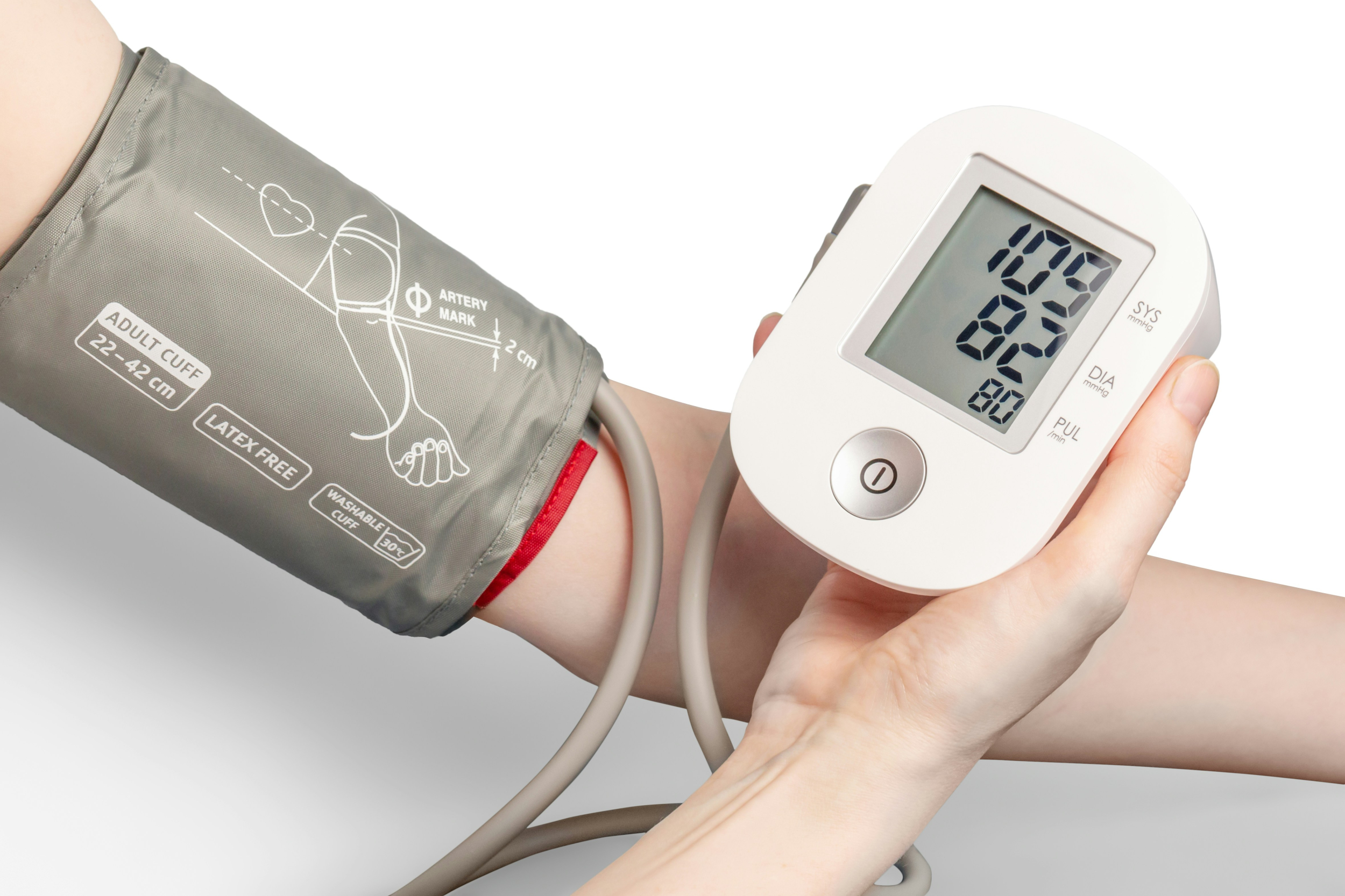
    Home blood pressure monitoring is also valuable. Use a validated device, measure at consistent times, and track trends rather than single readings. This can help identify patterns and motivate healthier habits.

    Heart Health: Sleep, Stress Reduction, and Long-Term Lifestyle Support

    Heart health depends on more than food and workouts. Sleep quality, emotional stress, and routine daily behaviors all influence blood pressure. Poor sleep and ongoing tension may keep the body in a heightened stress state that affects vascular function.

    Based on research from National Heart, Lung, and Blood Institute, sleep habits, stress management, and healthy routines are important parts of blood pressure control and cardiovascular wellness. Relaxation techniques such as deep breathing, meditation, and consistent sleep schedules may help support healthier readings. Learn more at

    Long-term success usually comes from stacking small habits rather than chasing quick fixes. Protecting heart health is often about what you repeat daily.

    Essential Heart Health Habits for Lifelong Blood Pressure Control

    High blood pressure prevention works best when healthy habits become part of everyday life. Eating better, moving regularly, sleeping well, managing stress, and avoiding tobacco all work together to reduce long-term risk. Even modest changes can create meaningful progress when maintained consistently.

    Lower blood pressure goals do not require perfection. What matters most is building routines that fit your lifestyle and can last for years. With patience and consistency, hypertension prevention becomes a realistic path toward stronger heart health and better overall wellbeing.

    Frequently Asked Questions

    1. Can high blood pressure be prevented naturally?

    Yes, many people can reduce risk through lifestyle habits. Healthy eating, exercise, sleep, and stress management all help. Avoiding smoking and excess alcohol also matters. Genetics can still play a role, so regular checkups remain important.

    2. What foods help lower blood pressure?

    Foods rich in potassium, fiber, and healthy fats may help. Examples include leafy greens, beans, oats, berries, yogurt, nuts, and fish. Lower-sodium choices are also helpful. Balanced eating patterns matter more than single foods.

    3. How much exercise helps blood pressure?

    A common target is 150 minutes of moderate activity weekly. This can include walking, biking, or swimming. Strength training can add benefits as well. Consistency matters more than intensity for many people.

    4. When should I see a doctor about blood pressure?

    See a doctor if readings stay elevated or symptoms concern you. Severe headaches, chest pain, or shortness of breath need prompt care. Regular monitoring helps catch issues early. Professional guidance is useful for personalized treatment plans.


    Source link

  • How Writing Three Lines of Poetry Can Open Your Heart

    How Writing Three Lines of Poetry Can Open Your Heart

    Poetry can be a kind of meditation, explains Rashid Hughes. He explores how the art of haiku can open your heart and bring a sense of peaceful, awe-inspired expressiveness into your practice.

    Life has so much to offer, if we’d only listen. The evening was young and my body tired from being in motion all day. There was an intrinsic quietness in the air, with gray skies above and an unceasing but very tender rainfall. I sat at my desk, looking out of my back window as I often do after a long day of reading or writing. The usual sounds of insects and animals on a late summer evening seemed to be very few. The candle flame to my left on my ancestor altar reminded me of the sacredness of resting, so I allowed myself a moment to just be. I enjoy cracking my window a little to listen to the rain with the coincidental thunder on the horizon. As I feel on many rainy days, I felt like the rain was inviting me to listen deeply, so I obeyed.

    As I sat enjoying the rain for a while, I began reflecting on a few words from mama Alice Walker’s poem “Be Nobody’s Darling.”

    Be nobody’s darling;
    Be an outcast

    Be an outcast;
    Be pleased to walk alone

    I felt alone, but not separate. I exhaled. Something sacred was in the midst: an undivided knowing. A deeply-rooted conviction of belonging arose within me. It was as if I was bearing witness to my boundless love. In awe, I surrendered.

    From within this knowing, the following haikus came to me in a very spontaneous, unstructured way. In that moment, life felt both intimate and imminent. A solitude and a fresh clarity caressed me; a moment of effortless meditation unfolding. There was no goal or desire present, just present-moment awareness.

    I’m not sure why haiku was the form of writing that came to me at the moment. Poetry or writing isn’t how I usually express myself after meditation. I may jot down a few notes, but hardly ever in the form of poetry. I tend to prefer to bathe in the natural clarity of mind after moments like this. Maybe haiku emerged due to the natural slowness of pacing and spaciousness that is required throughout the haiku poetic process. Who knows?

    With the window slightly opened, allowing the sound of the gentle rain and a soft breeze in, I began to write these haikus.

    Poetry Can Be a Kind of Meditation

    If you don’t understand the meaning of the haikus, that’s OK. The gift of haiku is the patience that is invoked, the wonder, and, on special occasions, the confusion. You may sense that there are many possible interpretations of a haiku. That’s OK too; let all be both true and untrue. I invite you to take a breath in between reading each haiku.

    A different knowing
    That enters me from beneath.
    They frown at me, Shrink!

    I hear them calling
    In the cool breeze on my feet.
    I contract, it’s me!

    It’s time to slow down.
    What shall my five year plan be?
    It’s night time, don’t sleep!

    Overcast, light rain.
    The sunshine of so much grief
    Felt within the peace.

    Yaaaass, dreadlocks and beard!
    The way they stare in the streets
    Feels like, please don’t shoot!

    The leaf’s holding on,
    Fall, a few yellows and pinks.
    No hurry, just be

    A candle burns bright.
    Walking back and forth I think,
    Tomorrow not now.

    Try Your Hand at Haiku

    It is my wish that everyone might be able to find joy in writing haikus. It really can slow your mind down and open your heart when you need it most. Here are a few tips to get you started.

    1. Go for a walk or sit in your favorite seat at home.
    2. Observe your surroundings. Notice the colors, the weather, the sounds.
    3. Listen to your heart and sense what is happening within.
    4. Without much thinking, in two sentences, pause and write down what is capturing your attention.
    5. Then write a third sentence that is not as closely related to the first two sentences.
    6. See if you can draw some surprising connection between the first two sentences and the the third.
    7. Remember, try to really get clear on what insight or message you want to reveal to the reader.
    8. If you’d like a challenge, rewrite the three sentences following the traditional haiku structure: three lines, with five syllables in the first line, seven in the second, and five in the third.
    9. Most importantly, don’t judge yourself for what you come up with.
    Try This Guided Meditation As a Mindful Writing Prompt 

    The invitation is to connect with your senses in a real or imagined setting. What do you hear? What do you smell? Note the emotional content of the space. And when you’re done, take what you learned to the page in whatever way suits you. Read More 

    • Stephanie Domet
    • June 10, 2024


    Source link

  • Science Reveals Incredible Body Facts Showing What the Heart Blood and Lungs Do Every Moment

    Science Reveals Incredible Body Facts Showing What the Heart Blood and Lungs Do Every Moment

    Each day, the human body performs countless tasks that keep life going, many of which happen without awareness or effort. From the rhythmic beating of the heart to the constant flow of blood and the steady exchange of air in the lungs, these essential processes form the foundation of human survival.

    Together, they create a sophisticated system of blood circulation and lung function that fuels every muscle, organ, and cell with oxygen and nutrients.

    Science has uncovered astonishing details about these daily operations. Even at rest, the body’s internal machinery remains in motion, maintaining balance and energy through precise biological coordination. The heart, blood, and lungs serve as one of the most impressive examples of this teamwork.

    How the Heart Works Every Day

    The heart operates as the engine of the body’s circulatory system, pumping blood continuously to sustain all organs. On average, the heart beats about 100,000 times per day, moving nearly 7,500 liters of blood through arteries, veins, and capillaries.

    Each heartbeat is triggered by electrical impulses that direct contractions in a specific rhythm, an elegant pattern that allows oxygen-rich blood to reach every part of the body.

    The heart’s structure includes four chambers: two atria and two ventricles. The right side handles deoxygenated blood, sending it to the lungs for oxygenation, while the left side receives fresh oxygenated blood and pushes it through systemic circulation.

    It’s a process so efficient that the entire volume of blood in the body circulates roughly once per minute.

    Interestingly, emotional and physical states can momentarily influence heart rate. Feelings of stress or excitement activate the body’s sympathetic nervous system, increasing heartbeats, while calm or rest activates the parasympathetic system, slowing them down. This delicate balance helps maintain proper blood circulation depending on activity or mood.

    How Blood Circulates Through the Body

    Every second, human blood travels through an intricate network estimated at more than 60,000 miles in total length, enough to circle the Earth more than twice. This ongoing blood circulation supplies every cell with oxygen and essential nutrients while removing waste products like carbon dioxide.

    The composition of blood is a scientific marvel:

    • Red blood cells carry oxygen from the lungs to tissues.
    • White blood cells defend against infections.
    • Platelets assist with clotting in case of injury.
    • Plasma, the fluid component, transports hormones, proteins, and electrolytes.

    Apart from oxygen delivery, blood circulation has countless side benefits. It helps regulate body temperature, maintain pH balance, and support immune defense. Without this nonstop movement, tissues would be deprived of oxygen and energy, leading to immediate collapse of normal functions.

    Approximately 2.4 million red blood cells are produced in the body every second to keep up with the demand for oxygen transport, a reminder of how dynamic human biology truly is.

    How the Lungs Function

    The lungs are the body’s air exchange centers, responsible for breathing and oxygen transfer. Each day, a person breathes about 20,000 times, allowing nearly 11,000 liters of air to move in and out of the chest cavity. This repetitive action sustains lung function and powers blood oxygenation.

    Air travels through the trachea and bronchi before reaching tiny air sacs called alveoli, where gas exchange occurs. These microscopic sacs, about 300 million in total, allow oxygen to enter the blood while carbon dioxide leaves it. From there, oxygen-rich blood returns to the heart, which pumps it through the body, according to Cleveland Clinic.

    The lungs work closely with the diaphragm, a sheet of muscle that contracts with every breath. When the diaphragm moves downward, the chest cavity expands and draws air inward; when it relaxes, air is pushed out. This simple cycle supports cellular respiration and provides the oxygen needed for energy production.

    Healthy lung function depends largely on clean air, exercise, and hydration. Smoking, pollution, or inactivity can reduce the lungs’ capacity, limiting oxygen intake and placing strain on the heart and overall blood circulation.

    The Connection Between Heart and Lungs

    Though separated anatomically, the heart and lungs operate as one integrated team known as the cardiopulmonary system. When oxygen enters the lungs, it binds to hemoglobin molecules in red blood cells. The heart then pumps these oxygen-loaded cells through arteries, supplying the body with the fuel for life.

    This partnership also works in reverse. As cells use oxygen, they produce carbon dioxide, which the blood transports back to the lungs. There, the waste gas is expelled with each exhale, completing a perfect exchange loop between blood circulation and lung function.

    During physical activity, the heart beats faster and the lungs work harder. The synchrony between them increases oxygen delivery and removes carbon dioxide more quickly, allowing the body to sustain movement and maintain temperature. It’s a striking display of physiological teamwork that scientists continue to study in detail.

    What Happens When Blood Circulation or Lung Function Is Interrupted

    Interruptions in blood circulation or lung function can have immediate and serious effects. If blood flow is blocked, through a clot, heart failure, or vascular disease, oxygen deprivation begins within seconds. Brain cells, which are highly dependent on oxygen, start to deteriorate almost instantly, as per the World Health Organization.

    Similarly, poor lung function prevents efficient oxygen exchange, leading to shortness of breath, fatigue, and reduced oxygen levels in the blood. Chronic respiratory conditions such as asthma, bronchitis, or pulmonary fibrosis compromise blood circulation by limiting the oxygen supplied to the heart and vital organs.

    Scientific research continuously explores ways to protect and restore healthy blood circulation and lung function. Preventive habits, like regular aerobic exercise, a balanced diet, and avoiding tobacco, play measurable roles in keeping these systems efficient.

    Amazing Scientific Facts About Your Heart, Blood, and Lungs

    The human body contains details so intricate that even advanced scientific study continues to uncover new wonders. Here are several fascinating facts supported by anatomy and physiology research:

    • The heart creates enough pressure to squirt blood nearly 30 feet in distance.
    • The body’s blood circulation covers an estimated 60,000 miles of vessel pathways.
    • The lungs weigh about 1.3 kilograms together and contain hundreds of millions of alveoli for gas exchange.
    • Every minute, the heart pumps roughly 5 liters of blood, ensuring each cell receives oxygen.
    • During intense exercise, lung function can increase oxygen intake up to 15 times compared to rest.

    These scientific realities highlight just how active and complex the body truly is, even during sleep.

    Your Body’s Hidden Power: The Unsung Work of the Heart, Blood, and Lungs

    Every moment, the body relies on a perfect sequence of rhythmic motion, the heart beating, the blood circulating, and the lungs breathing.

    Their cooperation keeps oxygen levels balanced and energy flowing to sustain physical and mental activity. Understanding these processes isn’t just fascinating science, it’s a reminder of the natural precision built into human design.

    By supporting healthy blood circulation and lung function through simple daily habits, individuals can strengthen the invisible systems that keep them alive and thriving. Regular movement, hydration, proper rest, and mindful breathing empower the heart and lungs to perform their continuous miracle.

    Behind every heartbeat and breath lies a symphony of life processes, proof of how much the body accomplishes every day without pause.

    Frequently Asked Questions

    1. Why does the heart rate increase during exercise?

    During physical activity, muscles require more oxygen, so the heart pumps faster to circulate oxygen-rich blood more efficiently throughout the body.

    2. Can lung capacity improve with training?

    Yes. Regular aerobic exercise and deep breathing practices can enhance lung function by strengthening respiratory muscles and improving oxygen intake efficiency.

    3. What causes poor blood circulation in healthy adults?

    Factors like prolonged sitting, dehydration, and poor diet can slow blood circulation by reducing vessel elasticity and limiting oxygen flow.

    4. How does stress affect your heart and lungs?

    Stress triggers hormones that raise heart rate and breathing speed. Over time, chronic stress can strain the heart, disrupt healthy blood circulation, and reduce optimal lung function.


    Source link

  • Plant-Based Diet for Heart Reversal, Cholesterol Reduction, and Easy Recipe Ideas Backed by Research

    Plant-Based Diet for Heart Reversal, Cholesterol Reduction, and Easy Recipe Ideas Backed by Research

    Plant-powered eating has drawn interest as more people explore how a plant-based diet can support heart health alongside standard medical care. Research suggests that focusing on whole plant foods may help with heart reversal, cholesterol reduction, and long-term protection when followed consistently.

    In this context, a plant-based diet is seen as a therapeutic pattern that emphasizes minimally processed plants over animal products and ultra-processed foods.

    What Is a Plant-Based Diet for Heart Reversal?

    A plant-based diet centers vegetables, fruits, whole grains, legumes, nuts, and seeds, while minimizing or excluding animal products and heavily processed foods. For heart reversal, many protocols use a whole-food, low-fat variation that limits added oils, refined sugars, and refined grains.

    The aim is to supply abundant fiber, antioxidants, and phytonutrients while reducing components that contribute to plaque buildup in the arteries.

    “Plant-based” does not always mean strictly vegan, but heart-focused programs often encourage eating as close to fully plant-based as possible. In these cases, the diet functions less as a trend and more as part of an intensive lifestyle approach to supporting cardiovascular repair and reducing symptoms.

    Can a Plant-Based Diet Really Reverse Heart Disease?

    Heart reversal usually refers to regression of atherosclerotic plaque, improved blood flow, fewer angina episodes, and reduced cardiac events, rather than complete erasure of disease.

    Clinical programs and long-term observations have reported such changes in some participants who follow a carefully designed plant-based diet alongside exercise, stress management, and appropriate medical treatment. Diet is one component of a broader strategy, not a replacement for professional care.

    Responses vary between individuals, and significant changes rarely happen overnight. The most promising results tend to appear in people who make substantial, sustained dietary changes. In this setting, a plant-based diet is part of an overall lifestyle pattern that can lessen symptom burden and improve quality of life.

    How Long Does It Take to See Results?

    Some people report early improvements, such as better energy and reduced chest discomfort, within weeks to a few months of adopting a plant-based diet.

    Laboratory measures like cholesterol reduction and improved blood pressure can also shift within this period when the pattern is followed consistently. These short-term gains often motivate people to continue.

    Structural changes, including partial regression of plaque or improved imaging results, usually require longer.

    Long-term study findings and intensive programs often track participants over several years, observing how sustained adherence to a plant-based diet and lifestyle influences heart function and event rates. In practice, heart reversal is viewed as a gradual, cumulative process.

    Does a Plant-Based Diet Lower Cholesterol?

    Cholesterol reduction is one of the clearest benefits linked with a plant-based diet. LDL (“bad”) cholesterol plays a central role in plaque formation, and lowering it is a priority in heart disease care. By replacing foods high in saturated fat and cholesterol with fiber-rich plant foods, many individuals see improvements in their lipid profiles.

    Soluble fiber from oats, barley, beans, lentils, apples, and citrus fruits can help remove cholesterol through the digestive tract. When these foods form the base of meals, total and LDL cholesterol often fall over time, according to the World Health Organization.

    Swapping butter, fatty meats, and full-fat dairy for nuts, seeds, avocado, and modest amounts of minimally processed plant oils supports this shift while preserving satisfaction at meals.

    What Does Long-Term Research Say?

    Long-term study data link plant-centered eating patterns with lower rates of cardiovascular disease, heart attacks, and overall mortality.

    People whose diets rely heavily on whole plant foods, with limited animal products and low intake of ultra-processed items, tend to have better outcomes over many years than those on more conventional diets. These associations suggest that dietary patterns meaningfully affect heart health trajectories.

    Interventional programs that emphasize a plant-based diet plus lifestyle change add more detail. Over multi-year follow-up, participants often show improved symptoms, better cholesterol reduction, and fewer cardiac events.

    While study designs differ, the recurring pattern is that sustained plant-based eating aligns with more favorable cardiovascular markers and experiences.

    What Can You Eat on a Heart-Reversal Plant-Based Diet?

    A heart-reversal style plant-based diet highlights foods rich in fiber, antioxidants, and healthy fats. Whole grains such as oats, brown rice, barley, quinoa, and whole wheat offer steady energy and support blood sugar control.

    Legumes, including beans, lentils, chickpeas, and peas, provide plant protein and contribute significantly to cholesterol reduction.

    Vegetables and fruits form the foundation of each plate, with emphasis on leafy greens, cruciferous vegetables, berries, and citrus. Nuts and seeds like walnuts, almonds, flax, and chia supply beneficial fats and additional fiber.

    Many heart-focused approaches also recommend minimizing added oils and choosing steaming, baking, stewing, or dry sautéing instead of deep-frying.

    Foods typically limited include red and processed meats, high-fat dairy, butter, and sources of trans fats.

    Refined grains, sugary drinks, and heavily processed snacks can interfere with lipid and weight goals. Shifting the everyday balance toward whole plant foods and away from these items creates a pattern more consistent with heart reversal and long-term protection.

    Practical Plant-Based Recipe Ideas for Heart Health

    Simple recipe ideas make this style of eating more sustainable. For breakfast, overnight oats with plant-based milk, ground flax or chia, and berries deliver fiber, antioxidants, and healthy fats. Green smoothies built from leafy greens, fruit, and unsweetened plant milk offer a quick way to increase daily vegetable and fruit intake.

    Lunch and dinner can revolve around bean or lentil soups, vegetable stews, and chili served over brown rice or quinoa. Tacos filled with black beans or chickpeas, topped with salsa, cabbage, and avocado, combine satisfaction with heart-friendly ingredients.

    Stir-fries using tofu or tempeh, mixed vegetables, and whole grains keep meals varied while maintaining a plant-based focus, as per Harvard Health.

    Snacks such as fresh fruit, raw vegetables with hummus, roasted chickpeas, and small portions of nuts or seeds help maintain energy and reduce reliance on processed options. Batch-cooking beans and grains, prepping vegetables, and planning several plant-based recipe ideas each week can make adherence more realistic.

    Plant-Based Diet Strategies for Lasting Heart Support

    For those interested in heart reversal and long-term protection, gradual change is often the most sustainable approach. Starting with one or two plant-based meals a day, experimenting with new recipe ideas, and steadily increasing the share of whole plant foods can build a pattern that supports cholesterol reduction and better vascular health.

    Over time, a consistent plant-based diet can become the everyday backdrop for improved heart function, fewer symptoms, and a stronger foundation for long-term cardiovascular well-being.

    Frequently Asked Questions

    1. Can someone follow a plant-based diet for heart health if they are not fully vegetarian?

    Yes. Even if someone still eats small amounts of animal products, shifting most meals toward whole plant foods can support cholesterol reduction and overall heart health.

    2. Does a plant-based diet always mean very low fat for heart reversal?

    Not always. Some heart-reversal programs are very low fat, but others allow moderate amounts of whole-food fats like nuts, seeds, and avocado while still emphasizing plants.

    3. Can a plant-based diet interfere with heart medications?

    It can change blood pressure, cholesterol, and blood sugar, which may affect medication needs, so adjustments should always be made with a healthcare professional.

    4. Is it necessary to count calories on a plant-based diet for heart health?

    Many people focus more on food quality than calories, but portion awareness still matters, especially with higher-fat foods like nuts and oils.


    Source link

  • A Meditation to Nourish an Undefended Heart

    A Meditation to Nourish an Undefended Heart

    So, what does care look like in the presence of difficulty? I think we can safely say that we all care, but are we caring about the right things? These are the words of Hafiz, a poet from antiquity: “My dear, is it true that your mind is sometimes like a battering ram, running all through the city, shouting so madly inside and out about the 10,000 things that do not matter?”

    I think we all have moments in our lives that wake us up to what matters most. I have one: when my son Valentino was about a month old, I had to rush him to the hospital. It’s there that we learned he needed emergency surgery. It wasn’t even me running into that hospital with him—it was every parent who ever carried their sick child or sick baby. It’s easy to forget in those moments that what we’re actually doing is learning something about this human condition. 

    So…what does it even mean to live with an “undefended heart”? How do we train the heart to relax so we can learn about this phenomenon of being human? And how do we make it less about our individual pain, but connect instead to THE pain, and all the beings who share this condition with me? Because that’s when we’re able to allow the most caring part of ourselves to come forward. 

    It’s not easy, though. We have to keep an eye out for where we get stuck and bring compassion to that very place, to that VERY experience. Really loving means having to surrender a part of ourselves. The practice of compassion, then, is waking up to all the barriers we put up between ourselves and love. 

    Seeing where we’re hooked or locked up is important because there’s no chance of freedom if we can’t first recognize where we’re stuck. And if we can’t differentiate between an unskilful response and a skilful one, we’re sure to remain in our unconscious patterns. Tara Brach puts it this way, “Each time you meet an old emotional pattern with presence, you’re awakening to truth can deepen. There’s less identification with the self in the story and more ability to rest in the awareness that’s witnessing what’s happening. You become more able to abide in compassion, to remember and trust your true home rather than cycling repetitively through old conditioning. You are actually spiralling toward freedom.”

    As we open to what’s difficult, we will also open to understanding. Last week we talked about the ability to stay with the sensations in the body and not the mind’s story about what’s happened or is happening. We can usually bear the sensations. It’s the stories that overwhelm us. It’s the story that we’re always going to feel like this; that we’ve always felt like this; that whatever is happening is the only thing happening. 

    With this practice we can learn how to direct awareness in a very specific way—particularly with regards to the heart’s relationship to pain. We may not be able to save the world, but we do have to find a way to respond, to hold our experience of the world. Knowing in our hearts that we are not separate from this world is an important first step. Because, as we allow ourselves to be touched, we encounter the courage of the undefended heart. And our willingness to touch, to be moved, to hang out in this realm can bring a kind of beauty to the hard stuff of life.

    A Meditation to Nourish an Undefended Heart

    Watch the Video:

    Listen to the Audio:

    Read and practice the guided meditation script below, pausing after each paragraph. Or listen to the audio practice.

    1. Find a position that’s comfortable, steering your awareness inward. Let go of any demands you may sense in this moment; just let them fall away.

    2. Check in on your heart and your belly. As you do, let’s set an intention to meet whatever arises with as much gentleness and acceptance as possible.

    3. Bring to mind someone you’re familiar with. Let’s make it a person we see regularly, perhaps at the grocery store or in our neighborhood. What we’re doing is expanding our circle of care out to those we feel neutral about (so no big feelings either way). Picture them in your mind, knowing that they, too, have their own difficulties. They too know pain, struggle.

    4. Now let’s offer them the same care that we wished for ourselves last week. I care about your difficulties. May you be held in compassion. May your heart be at peace.

    5. Bring to mind all the different people you regularly cross paths with. Offer them the same phrases we offered ourselves: I care about your difficulties. May you be held in compassion. May your heart be at peace.

    6. As we close this practice, notice if there are any ways in which you’re judging yourself. Are you telling yourself that you’re not doing this well enough, or expecting something else to happen? No need for judgment here. We all just get to set our intention and care about what arises. 

    Over the course of the next week, allow yourself to see where compassion naturally arises and where it may need a little bit of help to flourish.


    About The Author


    Source link

  • 30 Minutes a Day to Boost Heart, Brain & Overall Health

    30 Minutes a Day to Boost Heart, Brain & Overall Health

    Daily walks can transform your physical health in ways that go far beyond just burning calories. Thirty minutes of daily exercise like brisk walking strengthens your heart, stabilizes blood sugar, and elevates mood through natural endorphins. These walking benefits compound over time—improving joint function, boosting immunity, and even supporting longer life expectancy for people of all ages.

    Regular walking requires no special equipment and fits into most schedules, whether it’s a lunchtime stroll, a pre-dinner walk, or an early morning routine. As a form of daily exercise, walking offers both immediate sensations of well‑being and long‑term physiological gains that support overall health and quality of life.

    Walking Benefits for Heart and Brain Health

    Walking doesn’t simply help you move more—it actively lowers your risk for chronic disease. According to the Cleveland Clinic, walking briskly for about 30 minutes a day reduces the risk of heart disease by lowering blood pressure and LDL (“bad”) cholesterol while strengthening the heart muscle.

    Regular walking also supports mental clarity and mood regulation. As an aerobic activity, it increases circulation, delivers more oxygen to the brain, and releases endorphins that may ease symptoms of anxiety and depression. This combination of cardiovascular and neurochemical effects makes walking a potent, low-impact way to protect both your heart and brain through simple daily movement.

    Daily Exercise for Weight, Digestion, and Metabolism

    Consistent daily exercise like walking can support weight management and metabolic health in multiple ways. Based on a study conducted by University College London, post-meal walking stimulates intestinal muscles, reduces bloating, and enhances glucose absorption in muscles, improving insulin sensitivity and preventing type 2 diabetes.

    Walking burns roughly 150–300 calories per 30-minute session and boosts metabolism for hours afterward. Joint health also improves: low-impact walking lubricates synovial fluid, maintains flexibility, and preserves cartilage, reducing osteoarthritis risk and chronic pain. Daily walking ensures both calorie expenditure and improved metabolic balance.

    Walking Benefits Longevity, Immunity, and Bone Strength

    Walking plays a significant role in long‑term health, beyond immediate cardiovascular and metabolic improvements. According to a pooled analysis in PLOS Medicine, leisure time physical activity—such as regular walking—was associated with longer life expectancy.  At recommended activity levels (150+ minutes per week), walking can improve survival and support overall disease prevention.

    Weight‑bearing motion like walking also contributes to bone strength, which helps prevent fractures later in life. Research shows that regular walking correlates with lower hip fracture risk among older women, likely due to improved bone density and balance.

    Daily walks also act as immune system boosters, helping regulate inflammation and promote efficient immune responses. While exercise alone isn’t a guarantee against illness, regular walking is associated with overall better defense activity and lower infection rates compared with inactivity.

    How Walking Improves Mood and Mental Focus

    One of the compelling walking benefits people notice first is improved mood and reduced stress. Moving at a moderate pace releases endorphins—natural chemicals in the brain that elevate mood and reduce pain sensations. This effect makes daily walking an effective, low‑barrier tool to combat feelings of anxiety and mild depression.

    Walking also improves mental clarity and focus by increasing blood flow to the brain. Many people report feeling more creative and energized after a walk, especially in nature or green spaces. This simple physical activity acts as both a physical and cognitive reset, enhancing attention, memory, and mood regulation throughout the day.

    Practical Walking Tips You Can Start Today

    Incorporating walking into your routine doesn’t require dramatic lifestyle changes. Aim for at least 30 minutes of brisk walking per day, or break it into shorter sessions—such as two 15‑minute walks—to fit your schedule. Walking briskly enough to raise your heart rate, yet still allow conversation, is an easy way to get meaningful daily exercise.

    Use walk breaks during the day, such as after meals or during phone calls, to accumulate steps without setting aside large time blocks. Consistency matters more than pace or distance, and even modest increases in daily steps can lead to measurable health benefits.

    Make Walking a Daily Habit for Lifelong Health

    Incorporating walking into your routine is one of the most accessible ways to prioritize physical health and daily exercise without needing equipment or gym access. Whether it’s heart health, weight management, or cognitive wellbeing, walking benefits your body and mind in meaningful ways. Consistent walking supports long‑term wellness, stronger muscles and bones, improved immunity, and potentially longer life. By making walking a daily habit, you unlock a powerful tool for better overall health and quality of life.

    Frequently Asked Questions

    1. How much walking is needed each day for health benefits?

    Walking about 30 minutes daily or accumulating 150 minutes per week of brisk walking qualifies as moderate intensity exercise. This amount is associated with lower risk of heart disease, improved blood sugar, and better mood. Ten minutes or shorter sessions throughout the day also contribute to overall benefits. Ultimately, consistency matters most for long‑term health.

    2. Can walking help me lose weight?

    Yes, walking burns calories and helps support weight management when combined with a healthy diet. A brisk 30‑minute walk can burn approximately 150–300 calories, depending on pace and body weight. Long‑term walking routines can help sustain a calorie deficit for weight loss. Regular walking also boosts metabolism, making it easier to maintain weight loss.

    3. Is walking beneficial for older adults?

    Absolutely—walking is excellent for older adults because it’s low impact and accessible. It supports cardiovascular health, bone density, balance, and joint flexibility. Studies link walking with lower risk of hip fractures and improved longevity. It’s also associated with fewer respiratory infections and better overall resilience.

    4. Does walking improve mental health?

    Yes, walking releases endorphins that boost mood and reduce stress and anxiety. Regular walks are linked to better sleep quality and less fatigue. Physical activity can also improve cognitive function, memory, and creative thinking. Walking outdoors also adds benefits from sunlight and nature exposure.


    Source link

  • Stopping Food Intake 3 Hours Before Bed May Improve Blood Pressure, Blood Sugar, and Overall Heart Health

    Stopping Food Intake 3 Hours Before Bed May Improve Blood Pressure, Blood Sugar, and Overall Heart Health

    Stopping food intake several hours before bed is gaining attention as a simple lifestyle change that may support better blood pressure, blood sugar, and overall heart health. By combining stop eating before bed habits with time‑restricted eating, many people are exploring how meal timing interacts with the body’s internal clock and cardiovascular system.

    This approach is not a quick fix, but it is an emerging strategy that aligns nutrition, sleep, and metabolic health in a practical way.

    What Happens If You Stop Eating Before Bed?

    Health professionals commonly recommend leaving a window of at least two to three hours between the last meal and bedtime. In practice, a three‑hour gap gives the body time to digest the evening meal, reduce post‑meal blood sugar, and shift gradually into its night‑time repair mode.

    When heart health meal timing is aligned with this natural rhythm, it may help the body avoid unnecessary strain while a person sleeps.

    People who stop eating before bed often report fewer issues with indigestion, reflux, or discomfort when lying down. Heavy or high‑fat meals close to bedtime can keep the digestive system active, which may interfere with sleep quality and nighttime recovery.

    Allowing a buffer between the final meal and sleep can make it easier for the body to transition from digestion to rest, which is a key part of nighttime blood pressure timing and heart function.

    Eating right before bed is not inherently “wrong,” but the pattern and content of late‑night eating matter. Large dinners, sugary desserts, and salty or ultra‑processed snacks are more likely to raise blood sugar and contribute to fluid retention.

    Over time, these factors can affect weight, metabolic markers, and how the heart and blood vessels behave during the night. Shifting those foods earlier in the day reduces the load on the body’s night‑time systems.

    How Stopping Food 3 Hours Before Bed Affects Blood Pressure

    Time‑restricted eating is an eating pattern that limits food intake to a set window of hours during the day, such as 8–12 hours, while fasting for the remaining hours. When the eating window finishes at least three hours before bed, the overnight fast often becomes longer and more consistent.

    Some studies suggest that this style of eating may help reduce blood pressure in certain individuals, especially when combined with other healthy lifestyle habits.

    Blood pressure naturally follows a daily pattern, typically rising during the day and dipping at night. This nighttime “dip” is considered beneficial, as it gives the cardiovascular system a chance to rest.

    Late‑night eating may blunt this dipping effect by keeping the body in a more active metabolic state when it should be winding down. By adopting a stop eating before bed routine, many people aim to support a healthier nighttime blood pressure timing pattern.

    The best dinner‑to‑bedtime interval for heart health is still being researched, but a three‑to‑four‑hour gap appears reasonable for many adults.

    This timing allows the peak of post‑meal blood sugar and blood pressure responses to pass before sleep begins. In combination with balanced daytime meals and regular physical activity, this pattern may contribute to better blood pressure readings over time.

    Evening Eating, Blood Sugar, and Overnight Metabolism

    Blood sugar control is closely tied to the body’s internal clock. Sensitivity to insulin and the ability to handle glucose are typically higher earlier in the day and lower at night, according to the World Health Organization.

    When large meals or sugary snacks are eaten late in the evening, blood sugar may stay elevated for longer and may not be processed as efficiently as it would be earlier. This is one reason evening eating blood sugar levels tend to be a focus in discussions about meal timing and metabolic health.

    Stopping food three hours before bed may help the body complete most of the post‑meal blood sugar response before sleep. This can reduce the chance of elevated glucose levels overnight and may lessen the demand on insulin production.

    For individuals at risk of type 2 diabetes or those working to improve metabolic markers, this alignment between meal timing and natural circadian rhythms can be an important factor.

    Research on night‑time eating suggests that frequent late meals or snacks are associated with higher risks of weight gain and metabolic disturbances in some populations.

    When time‑restricted eating is structured so that most calories are eaten earlier in the day and the last meal is not too close to bedtime, the body may be better positioned to maintain steadier blood sugar across the 24‑hour cycle.

    However, people with diabetes or those on blood‑sugar‑lowering medications should always work with their healthcare team before making significant changes to their eating schedule.

    Heart Health Meal Timing and Overall Cardiometabolic Benefits

    Heart health is influenced not only by what a person eats but also by when those foods are consumed. The cardiovascular system, hormones, and metabolic pathways all follow daily rhythms that are sensitive to timing cues such as light exposure, sleep, and food intake, as per Harvard Health.

    When meals are clustered during daylight hours and there is a consistent nightly fasting period, the body’s systems often appear more synchronized.

    Emerging evidence suggests that shifting calories earlier in the day and adopting time‑restricted eating may lead to modest improvements in blood pressure, heart rate patterns, and markers like fasting glucose in some individuals.

    These benefits sometimes occur even when total calorie intake does not drastically change, which highlights the importance of heart health meal timing alongside conventional dietary advice.

    Over time, such patterns may also make it easier to maintain a healthy weight, improve cholesterol levels, and support overall cardiovascular resilience.

    Night‑time eating can also influence sleep quality. Large or spicy meals close to bedtime can trigger reflux, cause discomfort, and fragment sleep.

    By finishing food intake several hours before lying down, many individuals find it easier to fall asleep and stay asleep. Better sleep itself is linked to healthier blood pressure, improved insulin sensitivity, and reduced inflammation, all of which play roles in long‑term heart health.

    Nighttime Meal Timing for Better Heart and Metabolic Health

    For many adults, leaving a three‑hour gap between the last meal and bedtime is a straightforward change that may support better nighttime blood pressure timing, more stable blood sugar, and improved sleep.

    When combined with a generally balanced diet and regular physical activity, this form of time‑restricted eating can align daily habits with the body’s natural rhythms.

    The exact impact varies from person to person, but treating meal timing as a key piece of heart health, rather than an afterthought, gives individuals another practical tool to support long‑term cardiovascular and metabolic well‑being.

    Frequently Asked Questions

    1. Can drinking water break the “no eating before bed” rule?

    Plain water does not break the fast and is generally encouraged, but sugary drinks, milk, or juice do count as intake and can affect blood sugar and digestion.

    2. Does exercising at night change how soon I should stop eating before bed?

    Intense late‑evening workouts may justify a small, planned recovery snack earlier in the evening, but most people can still aim to finish calories about 3 hours before sleep.

    3. Is it okay to take vitamins or supplements during the no‑eating window?

    Most non‑caloric supplements are fine, but those that must be taken with food or contain calories are better scheduled within the eating window to avoid stomach upset.

    4. Will stopping eating 3 hours before bed slow my metabolism?

    Current evidence suggests that a consistent overnight fasting period does not “shut down” metabolism and may, for some people, improve metabolic flexibility rather than harm it.


    Source link

  • How to Beat Heart Disease Before It Starts

    How to Beat Heart Disease Before It Starts

    Why might healthy lifestyle choices wipe out 90% of our risk for having a heart attack, while drugs may only reduce risk by 20% to 30%?

    On the standard American diet, atherosclerosis—hardening of the arteries, the number one killer of men and women—has been found to start in our teens. Investigators collected about 3,000 sets of coronary arteries and aortas (the aorta is the main artery in the body) from victims of accidents, homicides, and suicides who were 15 to 34 years old and found that the fatty streaks in arteries can begin forming in our teens, which turn into atherosclerotic plaques in our 20s that get worse in our 30s and can then become deadly. In the heart, atherosclerosis can cause a heart attack. In the brain, it can cause a stroke. See the progression below and at 0:35 in my video Can Cholesterol Get Too Low?.

    How common is this? All of the teens they looked at—100% of them—already had fatty streaks building up inside their arteries. By their early 30s, most already had those streaks blossoming into atherosclerotic plaques that bulged into their arteries. From ages 15 through 19, their aortas had fatty streaks building up throughout them, but no plaques yet, on average, as seen below and at 1:15 in my video.

    The plaques started appearing in their abdominal aorta in their early 20s and worsened by their late 20s, by which time fatty streaks had infiltrated throughout. By their early 30s, their arteries were in bad shape, as seen below and at 1:25 in my video.

    But that’s just the abdominal aorta, the main artery running through the torso that splits off into our legs. What about the coronary arteries that feed the heart?

    Researchers found the same pattern: fatty streaks in teens, early signs of plaque in early 20s that progress with age, and by the early 30s, most people already had plaques in their coronary arteries, as seen below and at 1:47 in my video.

    Atherosclerosis starts as early as adolescence.

    That’s why we shouldn’t wait until heart disease becomes symptomatic to treat it. If it starts in our youth, we should start treating it when we’re youths. If you knew you had a cancerous tumor, you wouldn’t want to wait until it grew to a certain size to treat it. If you had diabetes, you wouldn’t want to wait until you started going blind before you did something about it. So, how do you treat atherosclerosis? You lower LDL cholesterol through a diet low in saturated fat and cholesterol—a diet that’s low in eggs, meat, dairy, and junk.

    If we want to stop this epidemic, we have to “alter our lifestyle accordingly, beginning in infancy or early childhood. Is such a radical proposal totally impractical?” (Eating more healthfully? Radical?!) It would take serious dedication to change our behavior, but atherosclerosis is our number one cause of death. In the case of cigarettes, we did pretty well, slashing smoking rates and dropping lung cancer rates. And, yes, healthy eating is safe. According to the Academy of Nutrition and Dietetics, the largest and oldest association of nutrition professionals in the world, even strictly plant-based diets are appropriate for all stages of life, starting from pregnancy. (NutritionFacts.org is among the websites recommended by the Academy for more information.)

    The title of an important study published in the Journal of the American College of Cardiology declares: “Curing Atherosclerosis Should Be the Next Major Cardiovascular Prevention Goal.” What evidence do we have that a lifelong suppression of LDL will do it? There is a genetic mutation of a gene called PCSK9 that about 1 in 50 African Americans are lucky to be born with because it gives them about a 40% lower LDL cholesterol level their whole lives. Indeed, they were found to have dramatically lower rates of coronary heart disease—an 88% drop in risk compared to those without the genetic mutation, despite otherwise terrible cardiovascular risk factors on average. Most had high blood pressure and were overweight, almost a third smoked, and nearly 20% had diabetes, but that highlights how a lifelong history of low LDL cholesterol levels can substantially reduce the risk of coronary heart disease, even when there are multiple risk factors.

    This near-90% drop in events like heart attacks or sudden death occurred at an average LDL level of 100 mg/dL, compared to 138 mg/dL in those without the genetic mutation. This means LDL can drop below even 100 mg/dL. Why does a drop in LDL cholesterol by about 40 mg/dL from a lucky genetic mutation lower the risk of coronary heart disease by nearly 90%, while the same reduction with statin drugs lowers it by only about 20%? The most probable explanation? Duration. When it comes to lowering LDL cholesterol, it’s not only about how low it is, but how long it’s been low.

    That’s why healthy lifestyle choices may wipe out about 90% of our risk for having a heart attack, while drugs may reduce it by only 20% to 30%. If you’re getting treated with drugs later in life, you may have to get your LDL under 70 mg/dL to halt the progression of coronary atherosclerosis. But if we start making healthier choices earlier, it may be enough to lower LDL cholesterol just to 100 mg/dL, which should be achievable for most of us. That’s consistent with country-by-country data that suggested death from heart disease would bottom out at a population average of about 100 mg/dL, as seen below and at 5:21 in my video.

    But that’s only if you can keep your LDL cholesterol down your whole life.

    If you’re relying on medication later in life to halt disease progression, you may need to get your LDL below 70 mg/dL, and if you’re trying to use drugs to reverse a lifetime of bad food choices, you may not get to zero coronary heart disease events until your LDL drops to about 55 mg/dL. If your heart disease is so bad that you’ve already had a heart attack but you’re trying not to die from another one, ideally, you might want to push your LDL down to about 30 mg/dL. Once you get that low, not only would you likely prevent any new atherosclerotic plaques, but you’d also help stabilize the plaques you already have so they’re less likely to burst open and kill you.

    Is it even safe to have cholesterol levels that low, though? In other words, can LDL cholesterol ever be too low? We’ll find out next.

    Doctor’s Note

    Didn’t know atherosclerosis could start at such a young age? See Heart Disease Starts in Childhood.

    For more on drugs versus lifestyle, check out my video The Actual Benefit of Diet vs. Drugs.

    Want to learn more about so-called primordial prevention? See When Low Risk Means High Risk.

    Does Cholesterol Size Matter? Watch the video to find out.


    Source link