All orders are protected by SSL encryption – the highest industry standard for online security from trusted vendors.
EchoXen — MAINTAIN YOUR HEARING & RECLAIM YOUR LIFE is backed with a 60 Day No Questions Asked Money Back Guarantee. If within the first 60 days of receipt you are not satisfied with Wake Up Lean™, you can request a refund by sending an email to the address given inside the product and we will immediately refund your entire purchase price, with no questions asked.
A Democratic lawmaker challenged Republicans on Capitol Hill over a provision in their sweeping budget bill that repeals the federal excise tax on indoor tanning services.
When asked to read the line item during a public hearing Tuesday, Rep. Jason Smith (R-MO) refused.
You can’t make this up.
Republicans snuck a “tanning bed tax break” in their bill—the same bill that’s going to make hospitals go under and take away hospital beds.
— Rep. Teresa Leger Fernández (@RepTeresaLF) May 21, 2025
“So that the American public knows what this bill does… Would you please read page 901, line 20?” New Mexico Rep. Teresa Leger Fernandez asked Smith.
“I think it’d be better if you read it,” Smith responded.
“Oh, he doesn’t want to read it. This is in their bill. They don’t want to read a line from their own bill,” she said, as the back-and-forth continued. “This is amazing.”
Rep. Gwen Moore (D-WI) eventually read the provision aloud: “Section 11106: Repeal of excise tax on indoor tanning services.”
Leger Fernandez contrasted the provision incentivizing tanning bed-ownership with funding cuts to vital services in a critique of GOP priorities. “So if you have a tanning bed, you get a little bit of a tax break,” she said. “And if you need a hospital bed in rural America, I’m sorry, you’re out of luck.”
In a more pointed jab, she alluded to President Donald Trump. “There are certain elected officials who appear to have a certain orange hue about them,” she quipped, “maybe they want to make sure tanning beds get a little bit of special credit.”
“Really, we are prioritizing tanning beds over hospital beds in rural America,” Leger Fernandez emphasized.
The tanning bed tax, originally enacted as part of the Affordable Care Act in 2010, was intended to both raise revenue and discourage use of ultraviolet tanning services due to health risks.
The exchange underscored ongoing Democratic criticism that the Republican-led bill favors narrow interests and tax breaks for the wealthy over essential services like rural health care.
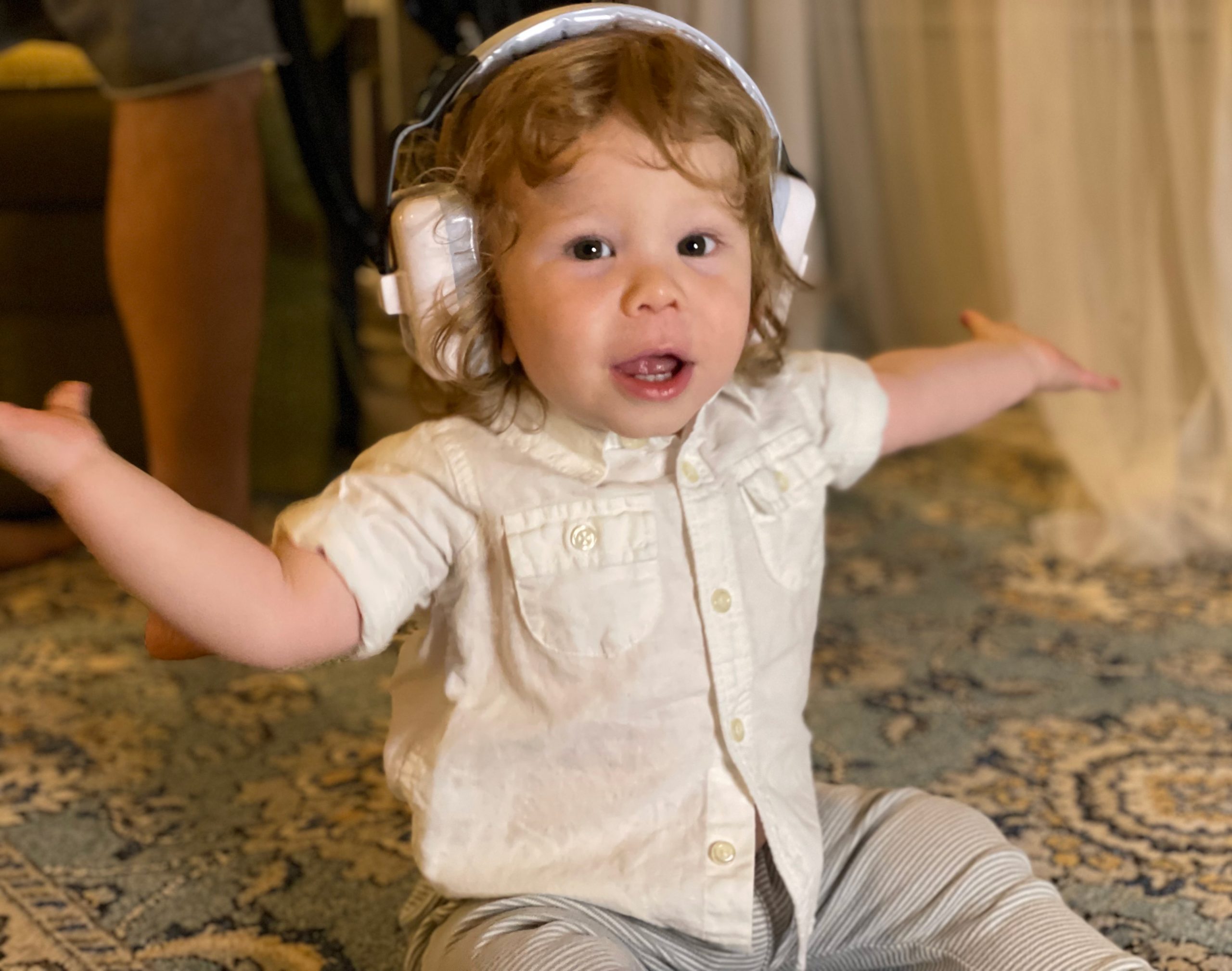
Bringing a baby into the world means suddenly becoming their ultimate protector—from tiny toes to delicate ears. While we often focus on baby-proofing sharp corners and securing cabinets, we sometimes forget that their hearing needs just as much protection. Babies have incredibly sensitive ears, and loud noises, unsafe headphones, or even everyday household sounds can impact their developing hearing in ways we might not realise. But don’t worry—you don’t need to wrap your little one in bubble wrap! You can keep their tiny ears safe without overcomplicating things with a few simple precautions.
In this guide, we’ll break down everything you need to know about safeguarding your baby’s hearing in a practical and stress-free way. From understanding how loud it is to choose the right baby-safe headphones, we’ve got you covered. Whether you’re a first-time parent or just looking for a refresher, you’ll find easy tips to help protect your little one’s hearing—so they can enjoy all the wonderful sounds of the world for years to come!
Trusted by Professionals, Made for Kids
As parents, we want the best for our little ones, including protecting their delicate hearing. From everyday noise to loud events, babies and young children are constantly exposed to sounds that can be too much for their tiny ears to handle. That’s where Decibel Defense comes in! Known as a leader in hearing protection, Decibel Defense offers top-of-the-line ear protection designed specifically for babies, toddlers, and older children.
Their earmuffs are practical, comfortable, and fun, making them the perfect solution for keeping your child’s ears safe from harmful noise. Designed for children as young as six months and adaptable for children up to 12, these earmuffs protect your child’s hearing at every step.
Company Site
Unbeatable Sound Protection
Regarding hearing protection, quality matters—and Decibel Defense delivers. Their kids’ earmuffs come with an industry-leading Noise Reduction Rating (NRR) of 28 dB, making them one of the best options for shielding young ears from loud or distracting sounds. Whether you’re at a fireworks show or sporting event or just trying to help your little one nap in a noisy environment, these earmuffs do the job effortlessly. Plus, they’re built with soft, lightweight materials to ensure maximum comfort, even during all-day wear. And because we know kids can be rough on their gear, these earmuffs are durable and easy to clean, making them a long-lasting investment in your child’s well-being.
Let’s be honest—if something isn’t fun or comfortable, kids won’t wear it. That’s why Decibel Defense designed their earmuffs to be effective and kid-approved! With a sleek, child-friendly design and a variety of fun colours for both boys and girls, these earmuffs are as stylish as they are functional. Whether your child is sensitive to noise, attending a loud event, or needs quiet time, these earmuffs make ear protection a seamless and enjoyable experience. No more struggles to keep them on—your child will want to wear them!
The Perfect Size for Portability
One size doesn’t fit all, especially regarding kids’ accessories. That’s why Decibel Defense designed their earmuffs with an adjustable, soft-padded headband and cushioned ear cups, ensuring a snug and comfortable fit for babies, toddlers, and children of all sizes. Whether you have a tiny or growing infant, these earmuffs adapt to fit perfectly. And for older kids, teens, or even adults looking for extra noise protection, Decibel Defense has you covered with their best-in-class hearing protection options.
Life with kids is busy, and their essentials need to be easy to take on the go. Decibel Defense’s soundproof earmuffs are compact, lightweight, and designed for ultimate convenience. They easily fit into a travel bag, attach to a stroller, or hang from a car seat, making them a must-have for flights, road trips, concerts, and other noisy environments. Whether navigating a bustling airport or trying to keep things quiet during naptime, these earmuffs provide a stress-free solution for protecting your child’s hearing.
***
Your child’s hearing is precious; protecting it doesn’t have to be complicated. With Decibel Defense’s trusted, high-quality ear protection, you can give your little one the comfort and safety they deserve—without any fuss. Whether looking for a way to block out noise at events, during travel, or at home, these earmuffs are bright and easy. So go ahead and enjoy life’s adventures with your child, knowing their tiny ears are safe and sound!
Hearing loss has long been thought of as an inconvenience associated with aging, but research is increasingly showing it could be linked to cognitive decline and dementia. With hearing loss being one of the most prevalent chronic conditions in the UK, affecting around 18 million people, it’s important to understand the potential risks and how to minimize them.
The Evidence Linking Hearing Loss and Cognitive Decline
Other research indicates that those with hearing loss experience cognitive decline and impaired brain function at a faster rate than those with normal hearing, even if they don’t develop full-blown dementia. Potential reasons for this link include:
Social isolation – Hearing loss can lead to withdrawing from social situations where hearing is difficult. Lack of social interaction is a risk factor for cognitive decline.
Cerebral atrophy – Parts of the brain related to hearing can start to atrophy when auditory signals are reduced. This can impact cognition over time.
Increased cognitive load – When hearing is difficult, more cognitive resources are dedicated to auditory processing, leaving less capacity for other tasks. This extra effort could accelerate the decline.
Sensory deprivation – Lack of auditory stimulation may accelerate brain aging and neuronal degeneration.
The Importance of Regular Hearing Tests
Hearing loss often develops gradually, so many people don’t realize their hearing has declined. Getting your hearing tested regularly is important to detect any issues early.
Experts recommend baseline hearing tests at age 50, then retesting every 3 years. More frequent testing may be needed if you have trouble hearing. Early identification allows prompt treatment with hearing aids, which can minimize cognitive decline risks. Regular hearing tests done by https://www.hearclearni.co.uk/ allow you to monitor changes and intervene quickly. This preserves quality of life and may maintain better brain health into old age.
Maintaining Brain Health with Hearing Aids
The good news is research shows treating hearing loss can significantly slow the rate of cognitive decline. Using hearing aids helps restore auditory stimulation to the brain and reduces isolation. Hearing aids may also improve attention, memory, and speed of information processing.
Other Tips for Brain Health
While using hearing aids is important, there are also other lifestyle factors that can impact cognitive health:
Social engagement – Maintain social connections through clubs, volunteering, classes, etc.
Mental stimulation – Learn new skills, read, do puzzles, and play brain training games.
Physical activity – Aim for at least 150 minutes of moderate exercise per week to boost blood flow to the brain.
Healthy diet – Eat a balanced, Mediterranean-style diet high in vegetables, fish and nuts.
Quality sleep – Focus on getting 7-8 hours of quality, uninterrupted sleep per night.
Stress management – Practice mindfulness, yoga, or meditation to reduce stress levels, which can damage the brain over time.
The future risk of dementia is complex with many contributing factors. However understanding the link between untreated hearing loss and cognitive decline is an important step in maintaining brain health as we age. Seeking early treatment for hearing problems along with staying socially and mentally active may help minimize the risks.