Tag: Healthy

  • How Prebiotic Foods Keep Your Microbiome Healthy

    How Prebiotic Foods Keep Your Microbiome Healthy

    We co-evolved a symbiosis with our good gut bacteria, but we aren’t holding up our end of the bargain.

    If you look at the classics—the most frequently cited articles in the scientific nutrition literature—the original glycemic index paper ranks tenth, cited more than a thousand times. Learning about fruits, vegetables, and cancer prevention comes in seventh. But hitting the top four, cited more than 2,000 times: “Dietary Modulation of the Human Colonic Microbiota: Introducing the Concept of Prebiotics.”

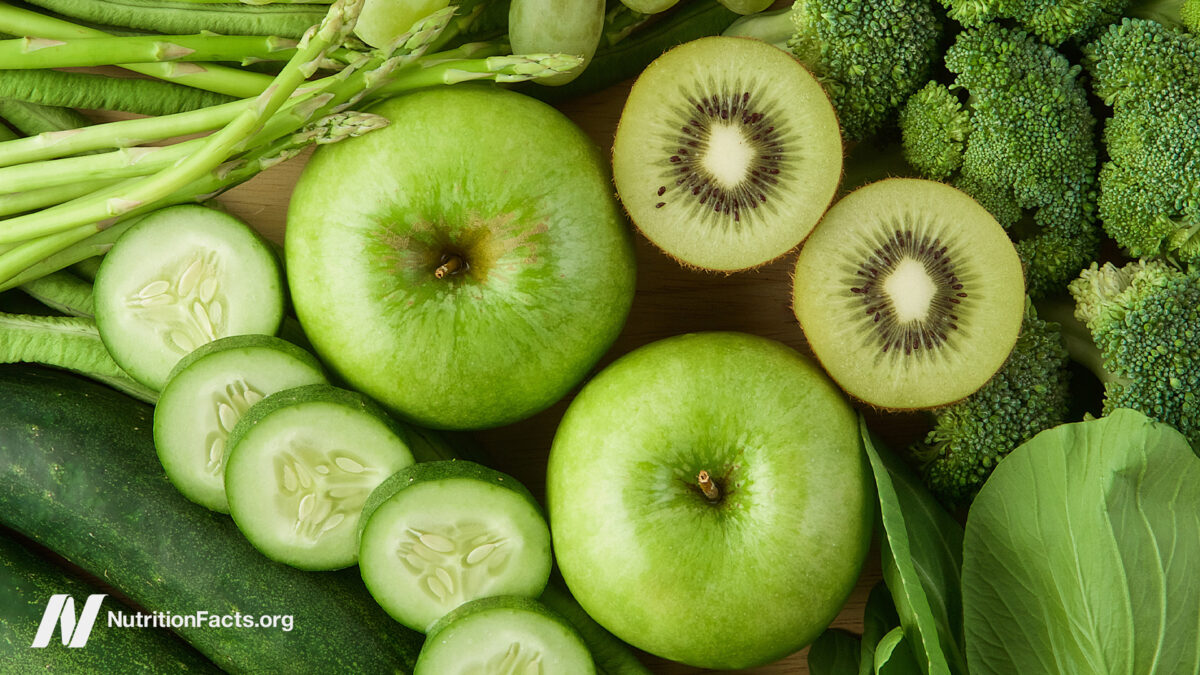
    As I discuss in my video How to Keep Your Microbiome Healthy with Prebiotic Foods, prebiotics are the food components that nourish and feed the good bacteria in our gut, like fiber and resistant starch. Eating high-fiber plant foods is generally “a good foundation for a prebiotic-rich diet.”

    Once upon a time, fiber was thought of as just the undigested part of food, known only for bulking up stools and keeping bowels regular. Then researchers discovered an array of receptors in the body that fiber-breakdown products fit into like a lock and key. We feed our good bacteria with fiber, and they feed us right back, munching the fiber and creating short-chain fatty acids. These fatty acids get absorbed into our bloodstream and fit into these receptors that are expressed on immune cells, generally having a direct anti-inflammatory effect.

    So, the reason behind lower systemic inflammation in plant-based eaters may not just be due to the abundance of anti-inflammatory molecules in plant foods or the avoidance of proinflammatory molecules in animal foods, but from the production of anti-inflammatory molecules from scratch by our good gut bugs when we feed them fiber. Just to give you an idea of how protective fiber-rich foods can be, those randomized to get advice on eating fiber-rich plant foods during radiation therapy for cancer didn’t just experience reduced toxicity during the treatments—the benefit persisted even a full year later.

    Indeed, the benefits of fiber are supported by more than a century of research. Prospective studies show “striking reductions” in death from all causes put together, including “total cancer deaths, total cardiovascular disease deaths and incidence, stroke incidence, and incidence of colorectal, breast, and oesophageal cancer.” And, in terms of protecting against heart attacks and stroke, type 2 diabetes, and cancer, dose-response relationships suggest that the more fiber, the better. So, at a minimum, fiber intake should be no less than 25 to 29 grams per day; higher intake may provide additional benefits. Yet, the average American only consumes about 16 grams of fiber each day.

    We have coevolved with gut bacteria over millennia, becoming reliant on our good gut bugs in a kind of symbiosis for fiber digestion and the production of short-chain fatty acids and even certain vitamins. Yet we’re not holding up our end of the bargain. We’re supposed to be providing up to 100 or so grams of fiber a day, and we are barely passing along a measly 16 grams. The simplest solution to remedy this lack of dietary fiber is to encourage eating plant-based diets rich in fiber.

    Doctor’s Note

    A hundred grams of fiber a day?! Check out Paleopoo: What We Can Learn from Fossilized Feces.

    And, for more on prebiotics, see Prebiotics: Tending Our Inner Garden.


    Source link

  • Healthy Habits to Lower Your Risk and Protect Heart Health

    Healthy Habits to Lower Your Risk and Protect Heart Health

    High blood pressure often develops quietly, damaging blood vessels and increasing the risk of heart attack, stroke, and kidney disease. Many people do not notice symptoms until complications appear, which is why prevention matters early. The good news is that lifestyle choices can make a major difference in reducing risk and improving long-term heart health.

    Simple daily habits such as better nutrition, regular movement, healthy sleep, and stress control can help lower blood pressure naturally. Small changes done consistently often lead to measurable results over time. With the right routine, hypertension prevention becomes more achievable and sustainable for people of all ages.

    7 Essential Habits to Prevent High Blood Pressure

    Preventing high blood pressure often starts with simple daily choices that protect your heart over time. These seven essential habits can help lower your risk, improve circulation, and support long-term heart health naturally.

    1. Follow the DASH Diet

    The DASH diet is one of the most effective eating plans to prevent high blood pressure by focusing on fruits, vegetables, whole grains, beans, nuts, and low-fat dairy. Limiting sugary drinks, red meat, and processed foods while adding potassium-rich foods like bananas and spinach can support lower blood pressure and better heart health.

    2. Get Regular Aerobic Exercise

    Walking, cycling, swimming, and jogging can help lower blood pressure naturally when done consistently. Aim for at least 150 minutes of moderate aerobic exercise weekly to improve circulation, reduce stress, and support weight control.

    3. Maintain a Healthy Weight

    Carrying extra body weight increases strain on the heart and blood vessels, which may raise blood pressure over time. Losing even a small amount of weight through healthy eating and activity can improve readings and support hypertension prevention.

    4. Reduce Sodium Intake

    Too much sodium can raise blood pressure in many adults, especially when intake is frequent and high. Choosing fresh foods, reading labels, and seasoning meals with herbs or lemon instead of salt can help reduce sodium levels.

    5. Manage Stress Daily

    Chronic stress may contribute to unhealthy blood pressure patterns and long-term heart strain. Mindfulness, breathing exercises, journaling, or yoga can help lower stress while supporting better sleep and wellness.

    6. Improve Sleep Quality

    Poor sleep is linked with a higher risk of high blood pressure and cardiovascular problems. Aim for seven to nine hours of sleep nightly and maintain a regular schedule to improve overall health.

    7. Limit Alcohol and Avoid Smoking

    Too much alcohol may gradually increase blood pressure, while smoking damages blood vessels and strains the heart. Reducing alcohol intake and quitting smoking can quickly improve heart health and lower long-term risk.

    Prevent High Blood Pressure: Dietary Patterns and Food Choices

    Prevent high blood pressure by focusing on eating patterns rather than one “superfood.” The DASH diet and Mediterranean-style eating plans both emphasize vegetables, fruit, lean proteins, legumes, whole grains, and healthy fats. These approaches may support better blood pressure levels while improving cholesterol and overall heart health.

    According to the Centers for Disease Control and Prevention, reducing sodium, choosing healthier foods, and maintaining a healthy weight are key strategies for managing and preventing high blood pressure. Potassium-rich foods such as beans, leafy greens, potatoes, bananas, and yogurt can also support healthier blood pressure balance. Learn more at

    Meal timing can also help some people. Regular meals with balanced portions may support blood sugar stability and reduce overeating later in the day. Sustainable habits matter more than extreme restrictions.

    Hypertension Prevention: Exercise Protocols and Monitoring Strategies

    Hypertension prevention improves when exercise becomes part of a weekly routine. Moderate aerobic movement such as brisk walking for 30 to 45 minutes on most days can strengthen the heart and help lower blood pressure. Resistance training two to three times weekly may add further benefits.

    Based on guidance from the American Heart Association, regular physical activity is one of the most effective natural tools for lower blood pressure and heart health. Combining cardio exercise with strength training can improve circulation, body composition, and metabolic wellness. More guidance is available at

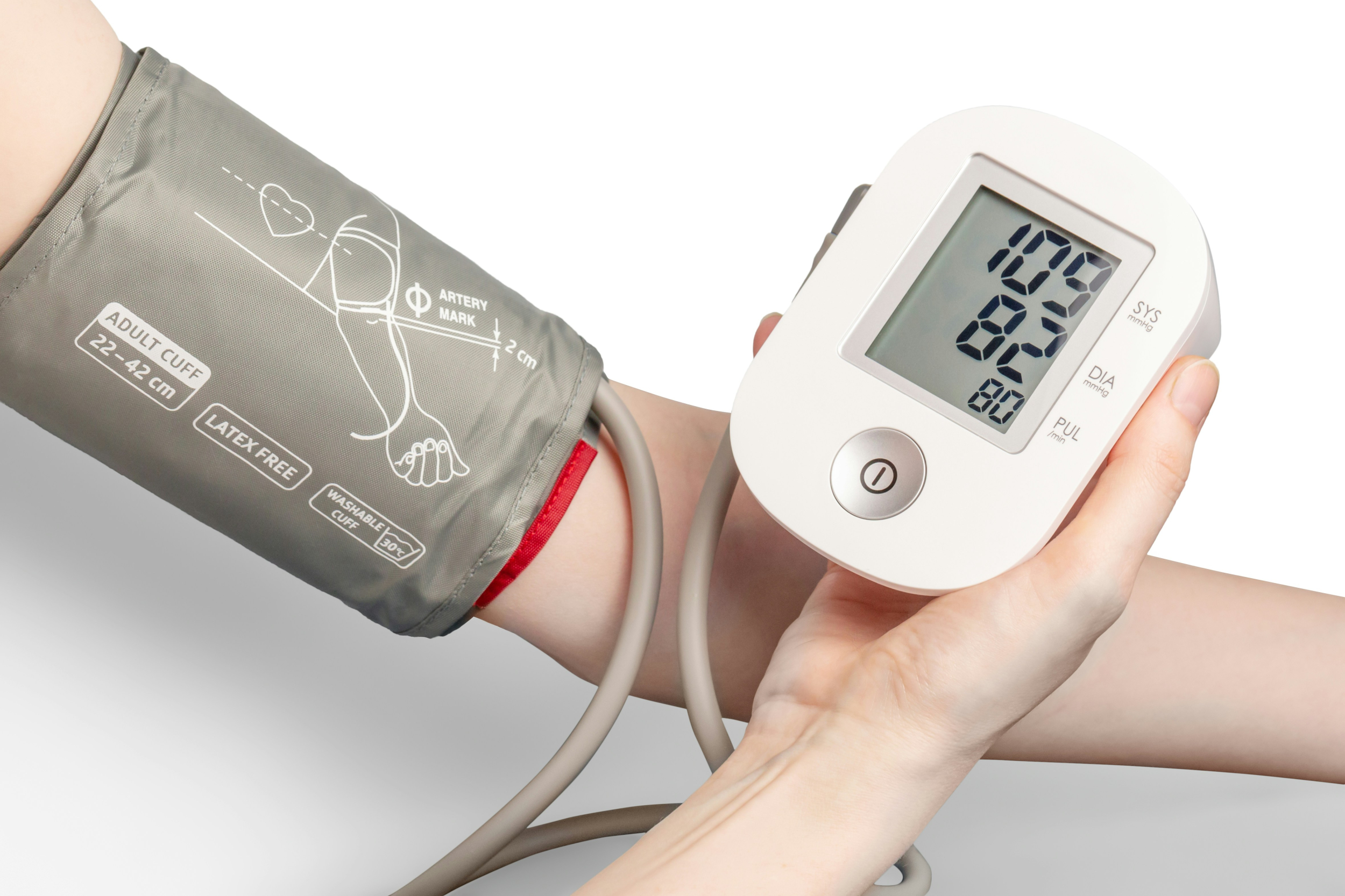
    Home blood pressure monitoring is also valuable. Use a validated device, measure at consistent times, and track trends rather than single readings. This can help identify patterns and motivate healthier habits.

    Heart Health: Sleep, Stress Reduction, and Long-Term Lifestyle Support

    Heart health depends on more than food and workouts. Sleep quality, emotional stress, and routine daily behaviors all influence blood pressure. Poor sleep and ongoing tension may keep the body in a heightened stress state that affects vascular function.

    Based on research from National Heart, Lung, and Blood Institute, sleep habits, stress management, and healthy routines are important parts of blood pressure control and cardiovascular wellness. Relaxation techniques such as deep breathing, meditation, and consistent sleep schedules may help support healthier readings. Learn more at

    Long-term success usually comes from stacking small habits rather than chasing quick fixes. Protecting heart health is often about what you repeat daily.

    Essential Heart Health Habits for Lifelong Blood Pressure Control

    High blood pressure prevention works best when healthy habits become part of everyday life. Eating better, moving regularly, sleeping well, managing stress, and avoiding tobacco all work together to reduce long-term risk. Even modest changes can create meaningful progress when maintained consistently.

    Lower blood pressure goals do not require perfection. What matters most is building routines that fit your lifestyle and can last for years. With patience and consistency, hypertension prevention becomes a realistic path toward stronger heart health and better overall wellbeing.

    Frequently Asked Questions

    1. Can high blood pressure be prevented naturally?

    Yes, many people can reduce risk through lifestyle habits. Healthy eating, exercise, sleep, and stress management all help. Avoiding smoking and excess alcohol also matters. Genetics can still play a role, so regular checkups remain important.

    2. What foods help lower blood pressure?

    Foods rich in potassium, fiber, and healthy fats may help. Examples include leafy greens, beans, oats, berries, yogurt, nuts, and fish. Lower-sodium choices are also helpful. Balanced eating patterns matter more than single foods.

    3. How much exercise helps blood pressure?

    A common target is 150 minutes of moderate activity weekly. This can include walking, biking, or swimming. Strength training can add benefits as well. Consistency matters more than intensity for many people.

    4. When should I see a doctor about blood pressure?

    See a doctor if readings stay elevated or symptoms concern you. Severe headaches, chest pain, or shortness of breath need prompt care. Regular monitoring helps catch issues early. Professional guidance is useful for personalized treatment plans.


    Source link

  • Symptoms, Causes, and Proven Prevention Tips for Healthy Wrists

    Symptoms, Causes, and Proven Prevention Tips for Healthy Wrists

    Carpal tunnel syndrome occurs when the median nerve is compressed within the narrow wrist passage called the carpal tunnel. This pressure can cause pain, numbness, and tingling, typically in the thumb, index, and middle fingers. Symptoms often start gradually with occasional nighttime tingling or discomfort and can eventually interfere with daily activities like typing, gripping objects, or holding tools.

    Several carpal tunnel causes contribute to the condition. Repetitive hand motions, long hours of typing, or assembly-line work increase wrist strain. Health issues such as diabetes, arthritis, pregnancy-related swelling, and thyroid problems can narrow the tunnel. Practicing carpal tunnel prevention by using an ergonomic workstation, taking frequent breaks, and keeping wrists neutral helps reduce nerve pressure and limits long-term hand and wrist strain.

    What Is Carpal Tunnel Syndrome and What Causes It?

    Carpal tunnel syndrome occurs when median nerve compression develops inside the wrist’s carpal tunnel, a narrow passage that carries tendons and nerves from the forearm into the hand. When swelling or pressure builds inside this space, the nerve becomes irritated and signals such as touch and movement can be disrupted. This can lead to numbness, tingling, weakness, or pain in the thumb, index finger, and middle finger.

    One of the most common carpal tunnel causes is repetitive hand movement that places stress on the wrist. Activities like typing, using vibrating tools, or performing assembly-line tasks can increase pressure inside the tunnel over time. According to the National Institute of Neurological Disorders and Stroke (NINDS), carpal tunnel syndrome develops when tissues surrounding the flexor tendons swell and compress the median nerve, interfering with normal nerve signals.

    Certain health conditions can also contribute to the development of carpal tunnel syndrome. Diabetes, rheumatoid arthritis, hypothyroidism, pregnancy-related fluid retention, and obesity can increase swelling or affect nerve health. In addition, anatomical factors such as naturally smaller carpal tunnels or wrist injuries may raise the risk, making some individuals more prone to developing median nerve pressure.

    What Are Carpal Tunnel Syndrome Symptoms?

    Early carpal tunnel syndrome symptoms often begin at night. Many people experience tingling or numbness in the fingers while sleeping and instinctively shake their hands to relieve the sensation. The symptoms typically affect the thumb, index finger, middle finger, and part of the ring finger. As the condition progresses, the discomfort can extend into the palm or even the forearm.

    During daytime activities, symptoms may include weakness, clumsiness, and difficulty gripping small objects. A person may drop coins, struggle to hold a phone, or notice reduced pinch strength. According to the National Institute of Arthritis and Musculoskeletal and Skin Diseases (NIAMS), carpal tunnel syndrome can cause numbness, weakness, and pain in the hand due to pressure on the median nerve.

    In advanced cases, long-term median nerve compression can lead to muscle wasting at the base of the thumb. This reduces the ability to move the thumb across the palm, making tasks like buttoning clothes or gripping tools difficult. Recognizing these symptoms early can help individuals seek treatment before nerve damage becomes permanent.

    How to Prevent Carpal Tunnel Syndrome?

    Carpal tunnel prevention focuses on reducing pressure on the wrist and protecting the median nerve from long-term strain. Many cases develop from repeated hand movements and poor wrist positioning during daily activities or computer work. Making small ergonomic changes and taking regular breaks can significantly reduce repetitive strain wrist stress. According to the Centers for Disease Control and Prevention (CDC), workplace ergonomic improvements and rest breaks can lower the risk of musculoskeletal injuries linked to repetitive motion.

    Ways to help prevent carpal tunnel syndrome:

    • Improve ergonomic workstation setup: Adjust your keyboard, mouse, and desk height so your wrists stay straight and relaxed. Keeping the wrist in a neutral position helps reduce pressure on the median nerve.
    • Take regular micro-breaks: Stretch your hands and wrists every 20 minutes to release tension in the tendons. Short breaks can help restore circulation and reduce repetitive strain on the wrist.
    • Maintain healthy lifestyle habits: Managing conditions like diabetes and maintaining a healthy weight can lower the risk of nerve compression. Regular exercise also helps improve circulation and joint health.
    • Use supportive tools and equipment: Wrist rests, vertical mice, and vibration-reducing gloves can help reduce strain during long work sessions or when handling power tools. These tools help limit repetitive motion stress on the wrist.

    Diagnosis and Early Intervention

    Early detection of carpal tunnel syndrome helps prevent permanent nerve damage. Doctors check wrist movement, finger sensation, and grip strength, and may use Phalen’s or Tinel’s tests to confirm median nerve compression. Nerve conduction studies, ultrasound, or MRI can reveal swelling or structural issues. Treatment focuses on relieving symptoms and protecting the nerve. Night splints keep the wrist neutral during sleep, while anti-inflammatory medications or corticosteroid injections reduce swelling. Severe cases may require surgical release to relieve pressure and restore hand function.

    Protect Your Wrists from Carpal Tunnel Syndrome Risk

    Awareness of carpal tunnel syndrome helps people recognize early warning signs and reduce strain on their wrists before symptoms worsen. Understanding common carpal tunnel causes—including repetitive hand movements, underlying health conditions, and poor ergonomics—makes it easier to identify risk factors in daily routines.

    Practicing consistent carpal tunnel prevention strategies can protect long-term hand function. Adjusting an ergonomic workstation setup, taking frequent breaks, and reducing repetitive strain wrist movements all help limit pressure on the median nerve. Small daily changes can significantly lower the risk of chronic nerve compression and keep hands strong and functional for years.

    Frequently Asked Questions

    1. What is carpal tunnel syndrome?

    Carpal tunnel syndrome is a condition caused by pressure on the median nerve in the wrist. The nerve runs through a narrow passage called the carpal tunnel. When this space becomes compressed, it can lead to pain, tingling, or numbness in the hand. The condition commonly affects the thumb, index finger, and middle finger.

    2. What are the early signs of carpal tunnel syndrome?

    Early symptoms often include tingling or numbness in the fingers, especially at night. Many people wake up and shake their hands to relieve the sensation. Mild wrist discomfort or hand weakness may also appear during repetitive tasks. Catching these signs early allows for quicker treatment and prevention strategies.

    3. Can carpal tunnel syndrome go away without surgery?

    In many cases, mild carpal tunnel syndrome improves with non-surgical treatments. Wrist splints, rest, and improved ergonomic workstation setup can reduce pressure on the median nerve. Anti-inflammatory medications and physical therapy may also help manage symptoms. Surgery is usually considered only when conservative treatments do not provide relief.

    4. How can I prevent carpal tunnel syndrome while working on a computer?

    Preventing carpal tunnel syndrome while working involves maintaining a neutral wrist position and reducing repetitive strain. Adjust your keyboard and mouse so your wrists remain straight and your elbows rest at about a 90-degree angle. Take short breaks every 20 minutes to stretch your fingers and wrists. An ergonomic workspace can significantly reduce repetitive strain wrist injuries.


    Source link

  • Fuel Your Fitness: 10 Essential Principles of Nutrition for a Healthy Body (Target keywords: fitness nutrition, healthy body)

    Fuel Your Fitness: 10 Essential Principles of Nutrition for a Healthy Body (Target keywords: fitness nutrition, healthy body)

    As anyone who’s ever tried to get in shape knows, fitness nutrition is a crucial part of the equation. When it comes to building a healthy body, what you put into your body is just as important as the exercises you do. In fact, a well-planned fitness nutrition strategy can be the difference between reaching your goals and hitting a plateau.

    To help you fuel your fitness journey, here are 10 essential principles of nutrition for a healthy body. From the importance of staying hydrated to the benefits of meal planning, these principles will give you a solid foundation for achieving your fitness goals.

    Staying Hydrated: The Foundation of Fitness Nutrition

    Before diving into the world of fitness nutrition, it’s essential to talk about the importance of staying hydrated. Water is the foundation of all nutrition for a healthy body, and it plays a critical role in many bodily functions, including regulating body temperature, transporting nutrients, and removing waste products. Even mild dehydration can cause fatigue, headaches, and difficulty concentrating, all of which can derail your fitness goals.

    So, how much water should you be drinking? The general recommendation is to aim for at least eight glasses of water per day, but this can vary depending on your individual needs and activity level. If you’re engaging in strenuous exercise or living in a hot climate, you may need to drink more water to stay hydrated.

    Eating a Balanced Diet: The Key to Fitness Nutrition

    When it comes to fitness nutrition, eating a balanced diet is key. This means consuming a variety of foods from all food groups, including fruits, vegetables, whole grains, lean proteins, and healthy fats. A balanced diet provides your body with the nutrients it needs to function properly, including vitamins, minerals, and antioxidants.

    One of the biggest mistakes people make when it comes to fitness nutrition is focusing too much on one particular food group. For example, some people may try to cut out all carbs or focus solely on protein. However, this can lead to nutrient deficiencies and decreased performance. Instead, aim to include a variety of foods in your diet to ensure you’re getting all the nutrients your body needs.

    The Importance of Macronutrients in Fitness Nutrition

    Macronutrients are the building blocks of fitness nutrition, and they play a critical role in providing your body with energy and supporting growth and repair. The three main macronutrients are carbohydrates, protein, and fat.

    • Carbohydrates are your body’s primary source of energy, and they come in two forms: simple and complex. Simple carbs, such as sugar and white bread, are quickly digested and can cause a spike in blood sugar levels. Complex carbs, such as whole grains and fruits, are digested more slowly and provide a more sustained release of energy.
    • Protein is essential for building and repairing muscle tissue, and it’s particularly important for athletes and individuals who engage in regular exercise. Good sources of protein include lean meats, fish, eggs, and legumes.
    • Fat is often misunderstood in the world of fitness nutrition, but it’s an essential macronutrient that provides energy and helps your body absorb vitamins and minerals. Healthy sources of fat include nuts, seeds, avocados, and olive oil.

    The Benefits of Meal Planning for Fitness Nutrition

    Meal planning is a critical component of fitness nutrition, and it can help you ensure you’re getting the nutrients your body needs to perform at its best. By planning your meals in advance, you can avoid relying on convenience foods and fast food, which are often high in salt, sugar, and unhealthy fats.

    Meal planning also helps you save time and money, as you can buy ingredients in bulk and prepare meals in advance. Additionally, meal planning can help you avoid food waste, as you’ll be more mindful of what you’re buying and using.

    The Importance of Timing in Fitness Nutrition

    When it comes to fitness nutrition, timing is everything. What you eat and when you eat it can have a significant impact on your performance and recovery. For example, eating a meal or snack that’s high in carbohydrates and protein within 30-60 minutes after exercise can help promote recovery and support muscle growth.

    Additionally, eating a balanced meal that includes complex carbohydrates, protein, and healthy fats 1-3 hours before exercise can help provide sustained energy and support performance. Experimenting with different timing strategies can help you find what works best for your body and your fitness goals.

    The Role of Supplements in Fitness Nutrition

    While a well-planned diet should provide all the nutrients your body needs, supplements can play a role in fitness nutrition. Supplements can help fill any nutritional gaps in your diet, and they can provide a convenient way to get the nutrients you need.

    Some popular supplements for fitness nutrition include protein powder, creatine, and branched-chain amino acids (BCAAs). However, it’s essential to remember that supplements should not replace a healthy diet, and they should be used in conjunction with a well-planned fitness nutrition strategy.

    Listening to Your Body in Fitness Nutrition

    One of the most important principles of fitness nutrition is listening to your body. Everyone’s nutritional needs are different, and what works for one person may not work for another. By paying attention to your body and how it responds to different foods and supplements, you can tailor your fitness nutrition strategy to meet your individual needs.

    For example, some people may find that they perform better when they eat a high-carb diet, while others may prefer a low-carb approach. By listening to your body and experimenting with different approaches, you can find what works best for you and your fitness goals.

    The Importance of Mindful Eating in Fitness Nutrition

    Mindful eating is a critical component of fitness nutrition, and it involves paying attention to your hunger and fullness cues. By eating slowly and savoring your food, you can develop a healthier relationship with food and reduce your risk of overeating.

    Mindful eating also involves being present in the moment and enjoying your food, rather than eating in front of the TV or while scrolling through your phone. By practicing mindful eating, you can develop a more positive body image and reduce your risk of disordered eating.

    The Role of Hydration in Fitness Nutrition

    Staying hydrated is essential for fitness nutrition, and it plays a critical role in many bodily functions, including regulating body temperature, transporting nutrients, and removing waste products. Even mild dehydration can cause fatigue, headaches, and difficulty concentrating, all of which can derail your fitness goals.

    In addition to drinking plenty of water, you can also stay hydrated by eating foods that are high in water content, such as fruits and vegetables. By prioritizing hydration, you can perform at your best and support your overall health and well-being.

    Putting it All Together: Creating a Fitness Nutrition Plan

    Creating a fitness nutrition plan can seem overwhelming, but it doesn’t have to be. By following the principles outlined above, you can develop a personalized plan that meets your individual needs and supports your fitness goals.

    Start by assessing your current diet and identifying areas for improvement. Then, set specific, measurable, and achievable goals, such as increasing your protein intake or reducing your sugar consumption. Finally, develop a plan for putting your goals into action, including meal planning, grocery shopping, and tracking your progress.

    Conclusion

    Fitness nutrition is a critical component of any fitness program, and it plays a vital role in supporting your overall health and well-being. By following the 10 essential principles outlined above, you can develop a personalized fitness nutrition plan that meets your individual needs and supports your fitness goals. Remember to stay hydrated, eat a balanced diet, and listen to your body, and don’t be afraid to seek out professional guidance if you need help along the way. With the right fitness nutrition strategy, you can achieve your fitness goals and enjoy a healthy, happy body for years to come.

    FAQs

    Q: What is the best way to stay hydrated?
    A: The best way to stay hydrated is to drink plenty of water throughout the day, aiming for at least eight glasses per day. You can also eat foods that are high in water content, such as fruits and vegetables.

    Q: How do I know if I’m getting enough protein?
    A: A good rule of thumb is to aim for 0.8-1 gram of protein per pound of body weight per day. You can also consult with a registered dietitian or healthcare professional to determine your individual protein needs.

    Q: What is the best type of carbohydrate for fitness nutrition?
    A: Complex carbohydrates, such as whole grains, fruits, and vegetables, are generally the best choice for fitness nutrition. These carbohydrates provide sustained energy and are rich in fiber, vitamins, and minerals.

    Q: How often should I eat?
    A: The frequency of meals depends on your individual needs and fitness goals. Generally, it’s recommended to eat 3-5 main meals and 2-3 snacks per day, spaced out every 3-4 hours.

    Q: Can I still achieve my fitness goals if I have dietary restrictions?
    A: Yes, it’s still possible to achieve your fitness goals if you have dietary restrictions. Consult with a registered dietitian or healthcare professional to develop a personalized fitness nutrition plan that meets your individual needs.

    fuel-your-fitness-10-essential-principles-of-nutrition-for-a-healthy-body-target-keywords-fitness-nutrition-healthy-body

  • How Healthy Are Baruka Nuts?

    How Healthy Are Baruka Nuts?

    How do barukas, also known as baru almonds, compare with other nuts?

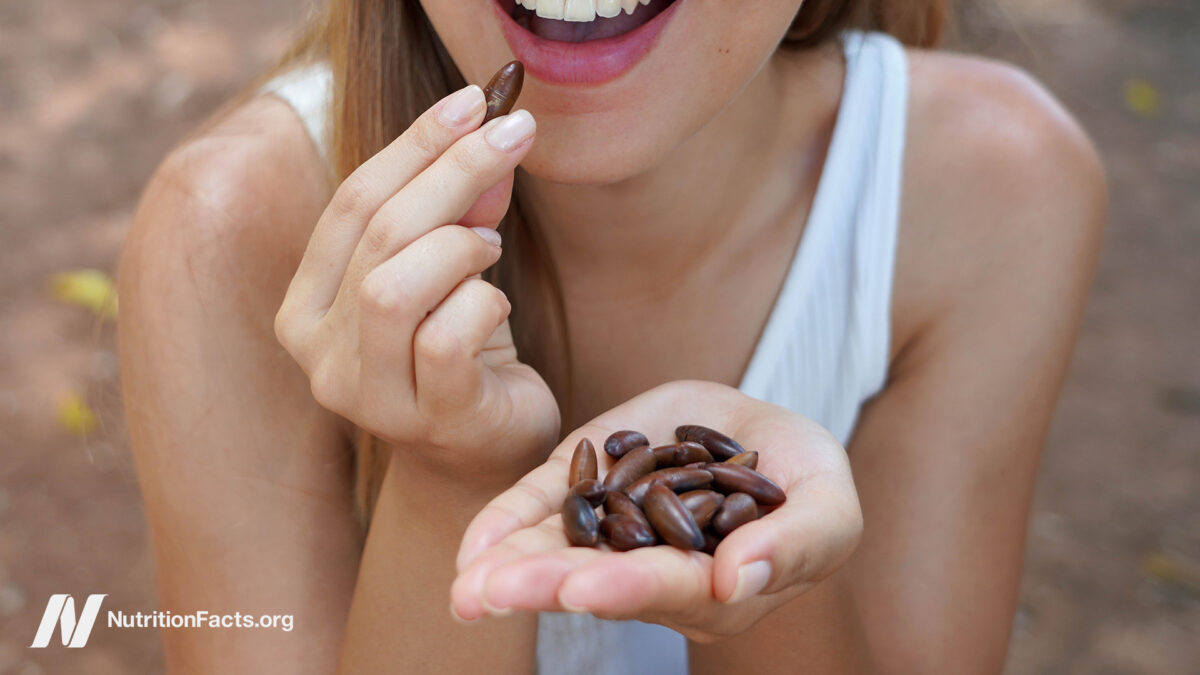
    There is a new nut on the market called baru almonds, branded as “barukas” or baru nuts. Technically, it isn’t a nut but a seed native to the Brazilian Savannah, known as the Cerrado, which is now among the most threatened ecosystems on the planet. Over the last 30 years, much of the Cerrado’s ecosystem has been destroyed by extensive cattle ranching and feed crop production to fatten said cattle. If it were profitable not to cut down the native trees and instead sell baru nuts, for example, that could be good for the ecosystem’s health. But what about our health?

    “Although baru nuts are popular and widely consumed, few studies report on their biological properties.” They do have a lot of polyphenol phytonutrients, presumably accounting for their high antioxidant activity. (About 90% of their phytonutrients are present in the peel.) Are they nutritious? Yes, but do they have any special health benefits—beyond treating chubby mice?

    Researchers found that individuals fed baru nuts showed lower cholesterol, supposedly indicating the nuts “have great potential for dietary use” in preventing and controlling cholesterol problems. But the individuals were rats, not humans, and the baru nuts were compared to lard. Pretty much everything lowers cholesterol compared to lard. Nevertheless, there haven’t been any reports about the effect of baru nut consumption on human health, until this: A randomized, controlled study of humans found that eating less than an ounce a day for six weeks led to a 9% drop in LDL cholesterol. Twenty grams would be about 15 nuts or a palmful.

    Like many other nut studies, even though the research subjects were told to add nuts to their regular diets, there was no weight gain, presumably because nuts are so filling that we inadvertently cut down on other foods throughout the day. How good is a 9.4% drop in LDL? It’s the kind of drop we can get from regular almonds, though macadamias and pistachios may work even better, but those were at much higher doses. It appears that 20 grams of baru nuts work as well as 73 grams of almonds. So, on a per-serving basis or a per-calorie basis, baru nuts really did seem to be special.

    There are lower-dose nut studies that show similar or even better results. In this one, for instance, people were given 25 grams of almonds for just four weeks and got about a 6% drop in their LDL cholesterol. In another study, after consuming just 10 grams of almonds a day, or just seven individual almonds a day, study participants got more like a 30% drop in LDL during the same time frame as the baru nuts. Three times better LDL at half the dose with regular almonds, as you can see below and at 2:47 in my video Are Baruka Nuts the Healthiest Nut?.

    The biggest reason we are more confident in regular almonds than baru almonds is that studies have been done over and over in more than a dozen randomized controlled trials, whereas in the only other cholesterol trial of baru nuts, researchers found no significant benefit for LDL cholesterol, even at the same 20-gram dose given for even longer—a period of eight weeks.

    That’s disappointing, but it isn’t the primary reason I would suggest choosing other nuts instead of baru nuts. I would do so because we can’t get raw baru nuts. They contain certain compounds that must be inactivated by heat before we can eat them. The reason raw nuts are preferable is because of advanced glycation end-products (AGEs), so-called glycotoxins, which are known to contribute to increased oxidative stress and inflammation.

    Glycotoxins are naturally present in uncooked animal-derived foods, and dry-heat cooking like grilling can make things worse. The three highest recorded levels have been in bacon, broiled hot dogs, and roasted barbecued chicken skin—nothing even comes close to that, not even Chicken McNuggets, as you can see below and at 3:50 in my video.

    However, any foods high in fat and protein can create AGEs at high enough temperatures. So, although plant foods tend to “contain relatively few AGEs, even after cooking,” there are some high-fat, high-protein plant foods. But, again, AGEs aren’t a problem at all with most plant foods. See the AGE content in boiled tofu (in a soup, for instance), broiled tofu, a raw apple, a baked apple, a veggie burger—I was surprised that veggie burgers are so low in AGEs, even when baked or fried—and nuts and seeds, which are up in tofu territory, especially when roasted, which is why I would recommend raw nuts and seeds and nut and seed butters whenever you have a choice. See below and at 4:33 in my video.

    Doctor’s Note

    In my Daily Dozen checklist, I recommend eating a quarter cup of nuts or seeds or two tablespoons of nut or seed butter each day. Why? See related posts below. 

    For those unfamiliar with advanced glycation end-products (AGEs), check out the first two videos I did on them way back when: Glycotoxins and Avoiding Glycotoxins in Food.


    Source link

  • Early Signs Every Parent Should Know for Healthy Child Development

    Early Signs Every Parent Should Know for Healthy Child Development

    Understanding early indicators of autism spectrum disorder (ASD) is crucial for parents and caregivers who want to support their child’s growth. Autism affects communication, social interaction, and behavior, with many signs appearing during the toddler years when development rapidly unfolds. Recognizing these signs early makes it easier for families to seek the right guidance and support.

    Identifying autism symptoms during the toddler stage can greatly improve overall child development outcomes. Early awareness helps parents understand the difference between variations in typical behavior and patterns that may indicate ASD early signs. By knowing what to look for and when to take action, families can intervene during the most important years for learning and development.

    Common Early Signs of Autism in Toddlers

    When identifying autism symptoms toddler age, several early indicators are commonly observed. While every child has unique behaviors and traits, consistent patterns across communication, social interaction, and behavior warrant closer attention.

    • Delayed or limited speech development: Children may show reduced babbling, few spontaneous words, or a lack of back-and-forth vocal interaction by 12–18 months. Some children may not imitate sounds or gestures, which is a key developmental expectation.
    • Reduced eye contact and limited social engagement: Toddlers with ASD may avoid eye contact, seem indifferent to social games like peek-a-boo, or fail to respond to their name consistently. These signs often appear early and remain noticeable across different settings.
    • Repetitive behaviors and intense focus on specific objects: Behaviors such as hand-flapping, rocking, spinning, or lining up toys repeatedly can indicate ASD. Some toddlers may become deeply fixated on particular objects or routines.
    • Sensory sensitivities or unusual reactions to stimuli: Unusual responses to lights, textures, or sounds—including covering ears, avoiding touch, or seeking sensory input—may indicate ASD-related sensitivities.
    • Difficulty with joint attention: Joint attention includes pointing to show interest, following another person’s gaze, or looking back and forth between a caregiver and an object. Toddlers with ASD often struggle with these early social skills.

    According to Boston Children’s Hospital, toddlers who exhibit multiple early markers may benefit from early developmental evaluation to determine whether behavior patterns align with ASD.

    How Early Signs Align with Overall Child Development Milestones

    Understanding ASD early signs requires comparing them to typical developmental milestones. Children usually begin imitating adults, engaging in pretend play, responding to their name, and showing curiosity about others within the first two years of life. Toddlers with ASD, however, often diverge from these benchmarks in consistent ways.

    Differences appear in imaginative play, which may be limited or absent compared to peers who pretend-feed dolls or act out simple stories. Sensory behaviors—such as seeking or avoiding certain textures or movements—also differentiate ASDs from typical child development. These differences don’t appear as isolated behaviors but as patterns across communication, interaction, and play.

    Monitoring developmental milestones at 12, 18, and 24 months is essential for identifying potential ASD early signs. Based on a study conducted by the National Institutes of Health, delays in communication and social engagement at 18 months strongly correlate with later ASD diagnosis. Early developmental screenings play a key role in detecting these patterns.

    Screening tools like the Modified Checklist for Autism in Toddlers, Revised (M-CHAT-R) assist pediatricians in identifying risk factors early. According to the Centers for Disease Control and Prevention, these tools help flag potential concerns, allowing families to pursue evaluations or early intervention programs as needed.

    Conclusion

    Recognizing autism symptoms toddler stage is an important step in supporting a child’s long-term development. By understanding common ASD early signs—such as communication delays, reduced eye contact, limited engagement, and repetitive behaviors—parents can identify concerns early. Early diagnosis and intervention improve outcomes, helping children build stronger communication and social skills during key developmental years. Parents who observe developmental differences should seek professional guidance promptly. With early screenings, supportive resources, and consistent monitoring of child development, families can ensure their children receive the help they need to thrive. Early action is not just helpful—it is transformative for children showing ASD early signs.

    Frequently Asked Questions

    1. How can parents distinguish between autism signs and typical toddler behavior?

    Typical toddlers may show temporary delays or quirks, but ASD signs tend to be consistent, persistent, and present in multiple settings. Patterns involving communication, interaction, and behavior are key indicators.

    2. What are the recommended next steps if early signs are observed?

    Parents should consult a pediatrician for a developmental screening. They may be referred to developmental specialists, child psychologists, or early intervention services for further assessment.

    3. Can early intervention change the developmental trajectory for children with ASD?

    Yes. Research shows that therapy beginning before age three can significantly improve communication, social skills, and overall development.

    4. What resources are available for parents seeking guidance and diagnosis?

    Parents can use early intervention programs, pediatric developmental assessments, the CDC’s resources, autism support organizations, and local health professionals specializing in ASD.


    Source link

  • Winter Wellness: 10 Ways to Stay Active and Healthy During the Cold Months (Target keywords: winter wellness, stay active, healthy)

    Winter Wellness: 10 Ways to Stay Active and Healthy During the Cold Months (Target keywords: winter wellness, stay active, healthy)

    As the temperatures drop and the days get shorter, it can be tempting to curl up on the couch with a warm cup of tea and hibernate until spring arrives. However, neglecting one’s physical and mental health during the winter months can have negative consequences on overall wellbeing. That’s why it’s essential to prioritize winter wellness and find ways to stay active and healthy, even when the weather outside is cold and gloomy.

    Embracing Winter Wellness

    Winter wellness is all about taking care of one’s body and mind during the cold months. It’s about finding ways to stay active, eating nutritious food, and practicing self-care to maintain a healthy and balanced lifestyle. By prioritizing winter wellness, individuals can boost their mood, increase their energy levels, and reduce the risk of illnesses like the common cold and flu. Whether it’s going for a brisk walk, practicing yoga, or simply taking a relaxing bath, there are countless ways to stay active and healthy during the winter months.

    Staying Active Indoors

    One of the biggest challenges of winter wellness is finding ways to stay active when it’s cold and icy outside. However, there are plenty of indoor activities that can get the heart rate up and keep the body moving. For example, individuals can try indoor swimming, join a gym, or take a dance class. Many community centers and gyms also offer indoor sports like basketball, soccer, and volleyball, which are great ways to stay active and socialize with others. Additionally, bodyweight exercises like push-ups, squats, and lunges can be done in the comfort of one’s own home, making it easy to stay active and healthy without having to venture out into the cold.

    Winter Sports and Activities

    For those who enjoy the outdoors, there are plenty of winter sports and activities that can be enjoyed during the cold months. Skiing, snowboarding, and ice skating are all great ways to stay active and have fun, while also getting some fresh air and vitamin D. Snowshoeing and cross-country skiing are also excellent options for those who want to explore the winter landscape without the need for expensive equipment or lift tickets. And for those who prefer something a bit more low-key, winter hiking and walking are great ways to get some exercise and enjoy the peacefulness of the winter landscape.

    Healthy Eating for Winter Wellness

    Eating a healthy and balanced diet is essential for winter wellness. During the cold months, the body needs plenty of nutrients to stay warm and energized, and a diet rich in fruits, vegetables, whole grains, and lean proteins can help to boost the immune system and keep illnesses at bay. Soups, stews, and hearty casseroles are all great options for winter, as they are warm, comforting, and packed with nutrients. Additionally, incorporating winter-specific foods like citrus fruits, sweet potatoes, and dark leafy greens into one’s diet can help to support immune function and overall health.

    Staying Hydrated

    Staying hydrated is essential for winter wellness, as the cold air can dry out the skin and mucous membranes, making it easier for illnesses to take hold. Drinking plenty of water, herbal tea, and warm broth can help to keep the body hydrated and support immune function. Additionally, avoiding sugary drinks and caffeine, which can dehydrate the body, can help to support overall health and wellbeing.

    Mindfulness and Self-Care

    Mindfulness and self-care are essential components of winter wellness. During the cold months, it’s easy to get caught up in the hustle and bustle of everyday life and neglect one’s own needs. However, taking time to practice mindfulness, whether through meditation, deep breathing, or yoga, can help to reduce stress and anxiety, and promote overall wellbeing. Additionally, engaging in self-care activities like reading, taking a relaxing bath, or getting a massage can help to promote relaxation and rejuvenation.

    Getting Enough Sleep

    Getting enough sleep is essential for winter wellness. During the cold months, the body needs plenty of rest to recover from the physical and mental demands of everyday life. Aim for 7-9 hours of sleep per night, and establish a consistent bedtime routine to help regulate the body’s internal clock. Additionally, creating a sleep-conducive environment, such as keeping the bedroom cool, dark, and quiet, can help to promote better sleep and overall health.

    Staying Social

    Staying social is an essential component of winter wellness. During the cold months, it’s easy to get isolated and withdrawn, but socializing with others can help to boost mood, reduce stress, and promote overall wellbeing. Whether it’s meeting a friend for coffee, joining a book club, or volunteering in the community, there are plenty of ways to stay social and connected during the winter months.

    Managing Seasonal Affective Disorder

    For some individuals, the winter months can be a challenging time due to Seasonal Affective Disorder (SAD). SAD is a type of depression that occurs during the winter months, and is characterized by symptoms such as fatigue, lethargy, and a lack of motivation. However, there are plenty of ways to manage SAD, including light therapy, medication, and talk therapy. Additionally, engaging in regular exercise, practicing mindfulness, and staying social can help to alleviate symptoms and promote overall wellbeing.

    Conclusion

    Winter wellness is all about taking care of one’s body and mind during the cold months. By staying active, eating a healthy and balanced diet, practicing mindfulness and self-care, and staying social, individuals can promote overall health and wellbeing, and reduce the risk of illnesses like the common cold and flu. Whether it’s going for a winter hike, practicing yoga, or simply taking a relaxing bath, there are countless ways to prioritize winter wellness and stay active and healthy during the cold months.

    Frequently Asked Questions

    Q: What are some ways to stay active during the winter months?
    A: There are plenty of ways to stay active during the winter months, including indoor sports, bodyweight exercises, winter hiking, and snowshoeing.

    Q: How can I eat a healthy and balanced diet during the winter months?
    A: Eating a diet rich in fruits, vegetables, whole grains, and lean proteins can help to boost the immune system and keep illnesses at bay. Incorporating winter-specific foods like citrus fruits, sweet potatoes, and dark leafy greens can also help to support immune function and overall health.

    Q: What are some ways to prioritize mindfulness and self-care during the winter months?
    A: Practicing mindfulness through meditation, deep breathing, or yoga can help to reduce stress and anxiety, and promote overall wellbeing. Engaging in self-care activities like reading, taking a relaxing bath, or getting a massage can also help to promote relaxation and rejuvenation.

    Q: How can I manage Seasonal Affective Disorder (SAD)?
    A: Managing SAD can involve light therapy, medication, and talk therapy. Additionally, engaging in regular exercise, practicing mindfulness, and staying social can help to alleviate symptoms and promote overall wellbeing.

    Q: Why is it essential to prioritize winter wellness?
    A: Prioritizing winter wellness is essential for promoting overall health and wellbeing, and reducing the risk of illnesses like the common cold and flu. By staying active, eating a healthy and balanced diet, practicing mindfulness and self-care, and staying social, individuals can take care of their body and mind during the cold months, and set themselves up for a happy and healthy new year.

    winter-wellness-10-ways-to-stay-active-and-healthy-during-the-cold-months-target-keywords-winter-wellness-stay-active-healthy

  • Blurred Lines: How to Set Healthy Boundaries Between Work and Personal Life

    Blurred Lines: How to Set Healthy Boundaries Between Work and Personal Life

    Introduction

    In today’s fast-paced, technologically driven world, the lines between work and personal life have become increasingly blurred. With the rise of remote work, social media, and constant connectivity, it’s easy to get sucked into a never-ending cycle of work-related tasks and responsibilities, leaving little time for personal activities, self-care, and relaxation. However, failing to set healthy boundaries between work and personal life can lead to burnout, decreased productivity, and a negative impact on overall well-being. In this article, we’ll explore the importance of setting healthy boundaries and provide practical tips on how to achieve a better work-life balance.

    The Importance of Setting Healthy Boundaries

    Setting healthy boundaries between work and personal life is crucial for maintaining a healthy work-life balance. When the lines between work and personal life are blurred, it can lead to an always-on mentality, where work becomes an all-consuming aspect of life. This can result in physical, emotional, and mental exhaustion, decreased motivation, and a decrease in overall job satisfaction. Furthermore, a lack of boundaries can also lead to an expectation of constant availability, making it difficult to disconnect from work-related tasks and responsibilities.

    Identifying the Signs of Blurred Lines

    Before we can start setting healthy boundaries, it’s essential to recognize the signs of blurred lines between work and personal life. Some common signs include:

    • Consistently working long hours, including evenings and weekends
    • Checking work emails and taking work calls during personal time
    • Feeling guilty or anxious when not working or checking work-related tasks
    • Neglecting personal activities, hobbies, and self-care
    • Feeling overwhelmed, stressed, and burnt out

    Setting Boundaries at Work

    Setting boundaries at work is essential for maintaining a healthy work-life balance. Here are some practical tips to help you set boundaries at work:

    • Establish clear work hours and stick to them
    • Set boundaries around your work tasks and responsibilities
    • Learn to say no to non-essential tasks and responsibilities
    • Take regular breaks and practice self-care during work hours
    • Set boundaries around technology use, such as not checking work emails or taking work calls during personal time

    Setting Boundaries at Home

    Setting boundaries at home is just as important as setting boundaries at work. Here are some practical tips to help you set boundaries at home:

    • Create a dedicated workspace and keep work-related tasks and materials out of personal spaces
    • Establish a routine and stick to it, including set times for work, personal activities, and relaxation
    • Set boundaries around technology use, such as not checking work emails or taking work calls during personal time
    • Prioritize personal activities, hobbies, and self-care
    • Communicate your boundaries with family and friends, and ask for their support and respect

    Communicating Boundaries with Others

    Communicating your boundaries with others is essential for maintaining healthy boundaries. Here are some practical tips to help you communicate your boundaries:

    • Be clear and direct when communicating your boundaries
    • Use “I” statements instead of “you” statements, which can come across as accusatory
    • Set boundaries proactively, rather than reactively
    • Be respectful and empathetic when communicating your boundaries
    • Be prepared to negotiate and find compromise when necessary

    Managing Technology

    Technology can be both a blessing and a curse when it comes to setting healthy boundaries. On the one hand, technology can provide flexibility and convenience, allowing us to work from anywhere and stay connected with colleagues and clients. On the other hand, technology can also blur the lines between work and personal life, making it difficult to disconnect from work-related tasks and responsibilities. Here are some practical tips to help you manage technology and maintain healthy boundaries:

    • Set boundaries around technology use, such as not checking work emails or taking work calls during personal time
    • Use technology to your advantage, such as setting reminders and notifications to help you stay on track and maintain boundaries
    • Prioritize face-to-face communication and connection, rather than relying solely on technology
    • Take regular breaks from technology, such as taking a digital detox or practicing digital mindfulness

    Prioritizing Self-Care

    Prioritizing self-care is essential for maintaining healthy boundaries. When we prioritize self-care, we’re better equipped to manage stress, maintain energy and motivation, and make healthy choices. Here are some practical tips to help you prioritize self-care:

    • Schedule self-care activities into your daily and weekly routine
    • Prioritize activities that bring you joy and relaxation, such as exercise, meditation, or reading
    • Get enough sleep and maintain a healthy diet
    • Practice self-compassion and self-forgiveness, rather than self-criticism and self-judgment

    Conclusion

    Setting healthy boundaries between work and personal life is crucial for maintaining a healthy work-life balance. By recognizing the signs of blurred lines, setting boundaries at work and home, communicating boundaries with others, managing technology, and prioritizing self-care, we can achieve a better balance between our work and personal life. Remember, setting healthy boundaries is a process that takes time, effort, and practice. Be patient, be kind to yourself, and don’t be afraid to ask for help and support when you need it.

    FAQs

    Q: What are the consequences of not setting healthy boundaries between work and personal life?
    A: The consequences of not setting healthy boundaries between work and personal life can include burnout, decreased productivity, and a negative impact on overall well-being.
    Q: How can I prioritize self-care when I’m feeling overwhelmed and stressed?
    A: Prioritizing self-care when feeling overwhelmed and stressed can be challenging, but it’s essential for maintaining healthy boundaries. Start by scheduling self-care activities into your daily and weekly routine, and prioritize activities that bring you joy and relaxation.
    Q: How can I communicate my boundaries with others, such as my boss or colleagues?
    A: Communicating your boundaries with others can be challenging, but it’s essential for maintaining healthy boundaries. Be clear and direct when communicating your boundaries, use “I” statements instead of “you” statements, and be respectful and empathetic.
    Q: What are some practical tips for managing technology and maintaining healthy boundaries?
    A: Some practical tips for managing technology and maintaining healthy boundaries include setting boundaries around technology use, using technology to your advantage, prioritizing face-to-face communication and connection, and taking regular breaks from technology.
    Q: How can I maintain healthy boundaries when working from home?
    A: Maintaining healthy boundaries when working from home can be challenging, but it’s essential for maintaining a healthy work-life balance. Create a dedicated workspace, establish a routine and stick to it, set boundaries around technology use, and prioritize personal activities, hobbies, and self-care.

  • Breakfast Like a Boss: Delicious and Nutritious Mornings for a Happy and Healthy You

    Breakfast Like a Boss: Delicious and Nutritious Mornings for a Happy and Healthy You

    Breakfast is the most important meal of the day, setting the tone for a happy and healthy you. It’s the perfect opportunity to refuel after a night of sleep and provide your body with the necessary nutrients to tackle the day ahead. However, with increasingly busy lives, it’s easy to neglect this crucial meal or settle for a quick, unhealthy fix. In this article, we’ll explore the importance of breakfast, provide tips for making the most of your morning meal, and share delicious and nutritious breakfast ideas to help you start your day like a boss.

    Why Breakfast Matters

    Breakfast has been shown to have a significant impact on our overall health and wellbeing. Eating a nutritious breakfast has been linked to improved concentration and productivity, better weight management, and a reduced risk of chronic diseases such as heart disease and diabetes. Additionally, breakfast helps to jumpstart our metabolism, providing energy and helping to regulate our appetite throughout the day. Despite these benefits, many of us are guilty of skipping breakfast or relying on sugary cereals and pastries that provide little nutritional value.

    Benefits of a Nutritious Breakfast

    A nutritious breakfast should provide a balance of protein, healthy fats, and complex carbohydrates. This combination helps to keep us full and satisfied, providing sustained energy and supporting overall health. Some of the key benefits of a nutritious breakfast include:

    • Improved cognitive function and concentration
    • Better weight management
    • Reduced risk of chronic diseases
    • Improved mood and reduced stress
    • Increased energy and endurance

    Delicious and Nutritious Breakfast Ideas

    There are countless delicious and nutritious breakfast options to suit every taste and dietary requirement. Here are a few ideas to get you started:

    • Overnight oats: Mix rolled oats, milk, and your choice of nuts, seeds, or fruit, then refrigerate overnight and enjoy in the morning.
    • Avocado toast: Toast whole grain bread, mash avocado, and top with eggs, salt, and pepper.
    • Greek yogurt parfait: Layer Greek yogurt, granola, and your choice of fruit and nuts for a protein-packed breakfast.
    • Smoothie bowl: Blend your favorite fruits, yogurt, and milk, then top with granola, nuts, and seeds.
    • Breakfast burrito: Scramble eggs, add black beans, cheese, and your choice of vegetables, then wrap in a whole grain tortilla.

    Tips for a Stress-Free Morning

    Mornings can be chaotic, especially on weekdays when we’re rushing to get ready for work or school. Here are a few tips to help make your mornings less stressful and ensure you have time for a nutritious breakfast:

    • Prepare ahead: Prepare your breakfast the night before or make a batch of muffins or breakfast bars on the weekend to grab and go.
    • Keep it simple: Don’t feel like you need to make a complicated breakfast every morning. Keep things simple with toast, yogurt, or a piece of fruit.
    • Get the family involved: If you’re cooking for a family, get everyone involved in the breakfast process. Assign tasks such as setting the table or making toast to make mornings more manageable.
    • Prioritize: Make breakfast a priority and schedule it into your morning routine. Whether it’s 15 minutes or an hour, make time for a nutritious breakfast.

    Breakfast on-the-Go

    We’re not always able to sit down and enjoy a leisurely breakfast, especially on busy mornings. Here are a few ideas for breakfast on-the-go:

    • Muffins or breakfast bars: Bake a batch of muffins or breakfast bars on the weekend and store them in an airtight container for up to 3 days.
    • Yogurt or smoothie: Pack a container of yogurt or a smoothie in a thermos for a quick and easy breakfast.
    • Fruit or energy balls: Make a batch of energy balls using rolled oats, nuts, and dried fruit for a healthy and convenient breakfast.
    • Hard-boiled eggs: Boil a dozen eggs on the weekend and keep them in the fridge for a quick protein-packed breakfast.

    Breakfast for Special Diets

    Not everyone can enjoy a traditional breakfast due to dietary restrictions or preferences. Here are a few ideas for special diets:

    • Gluten-free: Try gluten-free cereals, bread, or muffins, or opt for naturally gluten-free foods like eggs, avocado, and fruit.
    • Vegan: Replace eggs with tofu or chickpea scramble, and opt for plant-based milk alternatives like almond or soy milk.
    • Dairy-free: Try dairy-free yogurt or milk alternatives, and opt for dairy-free cheese or nutritional yeast.
    • Low-carb: Focus on protein-rich foods like eggs, meat, and fish, and opt for low-carb vegetables like spinach and mushrooms.

    Conclusion

    Breakfast is a crucial meal that sets the tone for a happy and healthy day. By prioritizing a nutritious breakfast and making a few simple changes to our morning routine, we can improve our overall health and wellbeing. Whether you’re a fan of sweet or savory, there are countless delicious and nutritious breakfast options to suit every taste and dietary requirement. So, start your day like a boss and make breakfast a priority.

    FAQs

    Q: Why is breakfast the most important meal of the day?
    A: Breakfast helps to refuel our bodies after a night of sleep, providing energy and supporting overall health. It’s also been linked to improved concentration and productivity, better weight management, and a reduced risk of chronic diseases.
    Q: What are some healthy breakfast options?
    A: Some healthy breakfast options include overnight oats, avocado toast, Greek yogurt parfait, smoothie bowls, and breakfast burritos. Aim for a balance of protein, healthy fats, and complex carbohydrates.
    Q: How can I make mornings less stressful?
    A: Prepare ahead, keep things simple, get the family involved, and prioritize breakfast to make mornings less stressful.
    Q: What are some breakfast options for special diets?
    A: There are many breakfast options for special diets, including gluten-free, vegan, dairy-free, and low-carb. Try gluten-free cereals, replace eggs with tofu or chickpea scramble, opt for plant-based milk alternatives, and focus on protein-rich foods.
    Q: Can I still have a healthy breakfast if I’m short on time?
    A: Yes, there are many quick and easy breakfast options, including muffins or breakfast bars, yogurt or smoothies, fruit or energy balls, and hard-boiled eggs. Prepare ahead or keep things simple to make mornings more manageable.

  • Healthy Hydration Habits: How to Drink More Water and Boost Your Energy

    Healthy Hydration Habits: How to Drink More Water and Boost Your Energy

    Introduction to Healthy Hydration Habits

    Water is the essence of life, and staying hydrated is crucial for maintaining good health. Drinking enough water can boost your energy levels, improve your skin texture, and help with weight loss. However, many people struggle to drink enough water throughout the day. Developing healthy hydration habits can have a significant impact on your overall well-being. In this article, we will discuss the importance of hydration, how to drink more water, and provide tips to help you boost your energy levels.

    Why is Hydration Important?

    Hydration is essential for every function in the body, from regulating body temperature to aiding digestion. Even mild dehydration can cause symptoms such as headaches, fatigue, and difficulty concentrating. Water makes up approximately 60% of our bodies, and it plays a crucial role in many bodily functions, including:

    • Regulating body temperature
    • Transporting nutrients and oxygen to cells
    • Removing waste products
    • Maintaining healthy skin, muscles, and joints
    • Supporting kidney function

    How Much Water Should You Drink?

    The amount of water you should drink daily is a common debate. The general recommendation is to drink at least eight 8-ounce glasses of water per day, which is approximately 2 liters. However, this can vary depending on your age, sex, weight, and level of physical activity. For example, athletes or individuals who work outdoors may need to drink more water to stay hydrated.

    Tips to Help You Drink More Water

    Developing healthy hydration habits can be challenging, but there are several tips to help you drink more water throughout the day. Here are some suggestions:

    • Start your day with a glass of water: Begin your day by drinking a glass of water as soon as you wake up. This will help rehydrate your body after a night of sleep.
    • Keep a water bottle with you: Carry a water bottle with you throughout the day to remind you to drink more water.
    • Infuse your water: Add slices of lemon, lime, or cucumber to your water to give it a refreshing taste.
    • Make it a habit: Make drinking water a habit by doing it at the same time every day, such as when you brush your teeth or take a break at work.
    • Monitor your intake: Use a hydration app or a physical log to track your water intake and stay motivated.

    How to Boost Your Energy Levels

    Drinking enough water can have a significant impact on your energy levels. Even mild dehydration can cause fatigue, headaches, and difficulty concentrating. Here are some tips to help you boost your energy levels:

    • Drink water before exercise: Drinking water before exercise can help improve your performance and reduce the risk of dehydration.
    • Avoid sugary drinks: Sugary drinks can cause a rapid spike in energy followed by a crash, leaving you feeling tired and sluggish.
    • Eat hydrating foods: Include hydrating foods such as watermelon, cucumbers, and celery in your diet to help you stay hydrated.
    • Get enough sleep: Aim for 7-8 hours of sleep per night to help your body recharge and feel more energized.

    Common Mistakes that Can Dehydrate You

    There are several common mistakes that can dehydrate you, including:

    • Not drinking enough water: Failing to drink enough water throughout the day can lead to dehydration.
    • Drinking too much caffeine: Excessive caffeine consumption can act as a diuretic, causing you to lose more water than you take in.
    • Eating too much salt: Consuming high amounts of salt can cause your body to lose water and become dehydrated.
    • Not adjusting to climate changes: Failing to adjust your hydration habits to changes in climate, such as traveling to a hot and humid environment, can lead to dehydration.

    Staying Hydrated in Different Environments

    Staying hydrated can be challenging in different environments, such as:

    • Outdoor activities: When engaging in outdoor activities, such as hiking or biking, it’s essential to drink more water to stay hydrated.
    • Traveling: Traveling to new environments can disrupt your hydration habits. Be sure to drink plenty of water during flights and in new environments.
    • Working outdoors: Individuals who work outdoors, such as construction workers or landscapers, need to drink more water to stay hydrated and avoid heat-related illnesses.

    Conclusion

    Developing healthy hydration habits is essential for maintaining good health and boosting your energy levels. Drinking enough water can improve your skin texture, aid digestion, and help with weight loss. By following the tips outlined in this article, you can drink more water and stay hydrated throughout the day. Remember to start your day with a glass of water, keep a water bottle with you, and monitor your intake to ensure you’re drinking enough water.

    FAQs

    • Q: How much water should I drink per day?
      A: The general recommendation is to drink at least eight 8-ounce glasses of water per day, which is approximately 2 liters. However, this can vary depending on your age, sex, weight, and level of physical activity.
    • Q: What are the symptoms of dehydration?
      A: Symptoms of dehydration can include headaches, fatigue, difficulty concentrating, dry mouth, and dark urine.
    • Q: Can I get enough water from other fluids, such as juice and soda?
      A: While other fluids can contribute to your daily water intake, it’s essential to drink plain water to stay hydrated. Juice and soda can be high in sugar and calories, and may not provide the same hydration benefits as water.
    • Q: How can I stay hydrated during exercise?
      A: Drinking water before, during, and after exercise can help you stay hydrated. Aim to drink 17-20 ounces of water 2-3 hours before exercise, and 7-10 ounces of water every 10-15 minutes during exercise.
    • Q: Can drinking water help with weight loss?
      A: Yes, drinking water can help with weight loss. Water can help suppress appetite, improve metabolism, and increase satiety, leading to weight loss.