Tag: healthier

  • How Metabolic Flexibility and Fuel Switching Shape a Healthier Metabolism and Stronger Insulin Response

    How Metabolic Flexibility and Fuel Switching Shape a Healthier Metabolism and Stronger Insulin Response

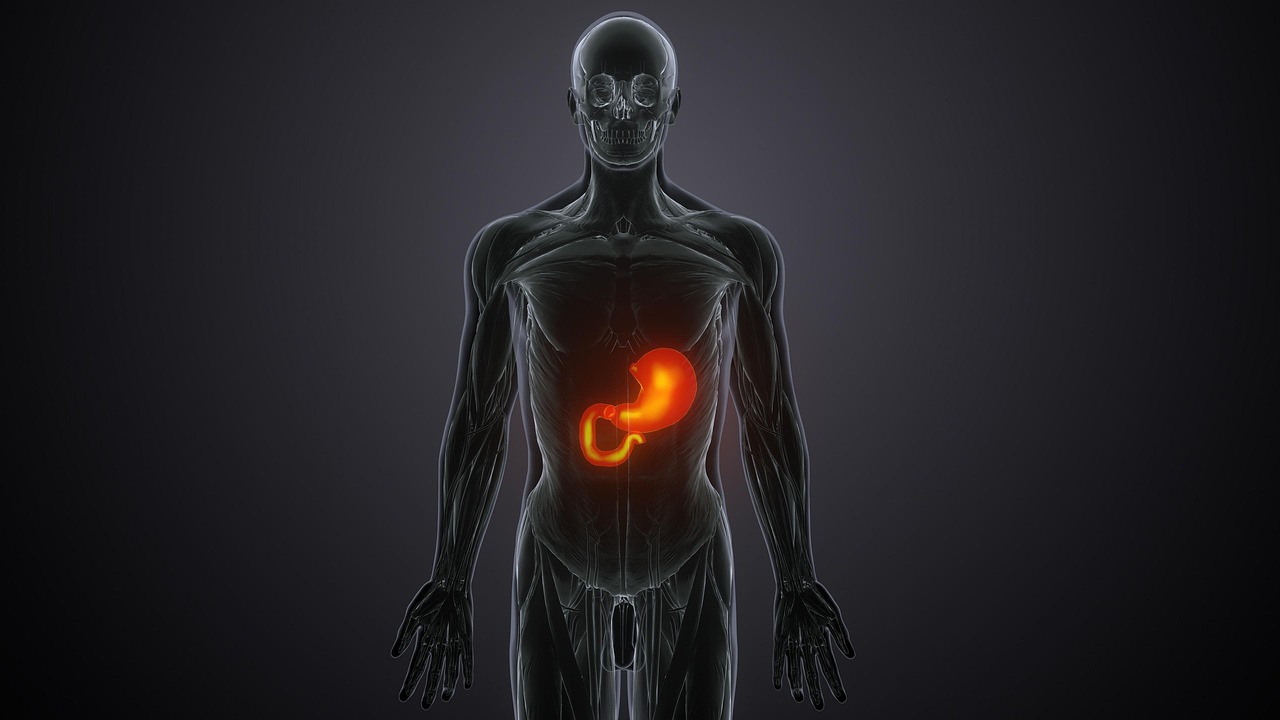
    Metabolic flexibility is emerging as a key marker of how well a person’s metabolism adapts to changing demands and fuel availability. It describes how efficiently the body can perform fuel switching between carbohydrates (glucose) and fats in different states such as feeding, fasting, and exercise.

    When fuel switching works well, insulin, mitochondria, and cellular energy systems stay in better balance, supporting long‑term metabolic health.

    What Is Metabolic Flexibility?

    Metabolic flexibility is the capacity of the body to switch between burning glucose and fat depending on what fuels are available and what the body needs at that moment.

    In a flexible state, the body increases carbohydrate oxidation after a meal and then shifts to fat oxidation during fasting or when carbohydrate intake is lower. This adaptability helps maintain stable energy and efficient nutrient handling.

    Fuel switching operates across a 24‑hour cycle. After eating, glucose becomes the primary fuel, especially for the brain and working muscles. Between meals and overnight, when insulin levels drop, the body draws more heavily on stored fat.

    A flexible metabolism transitions smoothly between these states, while a less flexible one tends to rely excessively on glucose and store more energy as fat.

    How Insulin and Mitochondria Shape Fuel Switching

    Insulin and mitochondria are central to metabolic flexibility. After a carbohydrate‑rich meal, insulin rises and signals cells to take up glucose, using it immediately for energy or storing it as glycogen. At the same time, insulin temporarily suppresses the release of fatty acids from fat tissue, shifting the system toward glucose use.

    As time passes after a meal and insulin levels fall, fat cells begin releasing fatty acids, and tissues increase fat oxidation. In a flexible system, this transition happens smoothly. Chronic high insulin levels and insulin resistance disrupt this rhythm, keeping the body stuck in glucose‑dominant mode and making it harder to tap into fat stores for fuel.

    Mitochondria, the cell’s energy‑producing structures, are where both glucose and fatty acids are oxidized to generate ATP.

    Healthy mitochondria can handle different fuel mixes, ramping up fatty acid oxidation during fasting and managing carbohydrate surges after meals without excessive metabolic stress. When mitochondrial function or number declines, fuel switching becomes less efficient, and excess fuel is more likely to be stored in tissues such as liver and muscle, which can promote insulin resistance.

    Why Metabolic Flexibility Matters for Health

    Metabolic flexibility sits at the intersection of insulin sensitivity, mitochondrial function, and long‑term cardiometabolic health.

    When fuel switching is intact, the body handles post‑meal blood sugar more effectively, reducing sharp spikes and insulin surges. Over time, this can ease the burden on the pancreas and help maintain healthier glucose control.

    Research associates metabolic inflexibility with conditions like insulin resistance, type 2 diabetes, obesity, and cardiovascular disease, according to Cleveland Clinic.

    Inflexible systems often show persistent reliance on glucose, difficulty increasing fat oxidation, and signs of mitochondrial overload or dysfunction. These patterns contribute to chronic low‑grade inflammation and the accumulation of fat in the liver and muscles, all of which raise long‑term disease risk.

    Signs of Poor Metabolic Flexibility

    Metabolic flexibility is often measured in research settings, but everyday signs can provide clues.

    Frequent energy crashes between meals, strong dependence on snacks, and intense cravings for refined carbohydrates may indicate trouble transitioning from glucose to fat as a fuel source. Feeling shaky, irritable, or unusually fatigued when meals are delayed can suggest similar issues.

    Physical and laboratory markers also offer hints. Central weight gain, elevated fasting glucose or insulin, high triglycerides, and low HDL cholesterol often cluster with impaired metabolic flexibility. While none of these signs are diagnostic on their own, together they can point to a metabolism that struggles with effective fuel switching.

    What Undermines Metabolic Flexibility?

    Modern lifestyles can make metabolic flexibility harder to maintain. Highly processed diets rich in refined carbohydrates and fats, frequent snacking, and low physical activity keep a constant influx of energy coming in.

    Under these conditions, insulin may remain elevated for long periods, leaving fewer opportunities for the body to shift back into fat‑burning mode between meals.

    Chronic overnutrition and sedentary behavior can overload mitochondria and promote fat storage in tissues not designed to store large amounts of lipid.

    Aging, poor sleep, and ongoing psychological stress can further reduce insulin sensitivity and alter hormonal balance. Over time, these influences accumulate and make fuel switching less responsive, reinforcing a state of metabolic inflexibility.

    How to Improve Metabolic Flexibility Safely

    Improving metabolic flexibility involves gradual, sustainable changes rather than extreme interventions, as per Mayo Clinic.

    A dietary pattern centered on minimally processed foods, adequate protein, healthy fats, and moderate amounts of carbohydrates supports more stable insulin responses. Setting defined meal times and limiting constant snacking allows the body to cycle naturally between periods of glucose use and fat use.

    Physical activity is one of the most effective tools for enhancing metabolic flexibility. Regular aerobic exercise, resistance training, and some higher‑intensity efforts increase mitochondrial density and capacity in muscles.

    As these adaptations build, muscles become better at using both fat and glucose, even at rest. Alongside movement, quality sleep, stress management, and limiting alcohol and tobacco use help maintain insulin sensitivity and healthier fuel switching.

    People with existing metabolic conditions or taking medications should consult a healthcare professional before major shifts in diet or fasting patterns. The aim is to train the metabolism toward greater metabolic flexibility through consistent routines that are realistic to maintain over the long term.

    Metabolic Flexibility: Training Metabolism for Better Fuel Switching

    Metabolic flexibility captures how well the body’s metabolism can shift between glucose and fat, under the guidance of insulin and powered by mitochondria.

    When this fuel switching works smoothly, the system handles meals, fasting periods, and physical activity with less strain, supporting steadier energy, healthier body composition, and lower long‑term disease risk.

    By focusing on nutrient‑dense foods, regular movement, structured meal timing, and restorative lifestyle habits, individuals can gradually nudge their metabolism toward better metabolic flexibility and more resilient fuel switching over time.

    Frequently Asked Questions

    1. Can someone be metabolically flexible and still have extra body fat?

    Yes. A person can carry extra body fat yet still show good metabolic flexibility, especially if they have good insulin sensitivity, move regularly, and maintain stable blood sugar.

    2. Does drinking coffee affect metabolic flexibility?

    Caffeine can temporarily increase fat oxidation and alertness, but its impact on long‑term metabolic flexibility depends more on overall diet, sleep, and activity than coffee itself.

    3. Is metabolic flexibility permanent once it improves?

    No. Metabolic flexibility is dynamic and can improve or decline over time, depending on ongoing habits like nutrition, physical activity, sleep, and stress management.

    4. Can someone have normal lab tests but still be metabolically inflexible?

    Yes. Standard lab tests may look normal while early signs of metabolic inflexibility, like energy crashes, cravings, or difficulty fasting, are already present, especially in the early stages.

    Source link

  • Dive into Fitness: Unlocking the Power of Swimming for a Healthier You

    Dive into Fitness: Unlocking the Power of Swimming for a Healthier You

    She had always been fascinated by the idea of dive into fitness through swimming. As a child, she spent countless hours splashing around in the pool, and as she grew older, she began to realize the numerous benefits that swimming had to offer. Not only was it an excellent way to unlock the power of swimming for a healthier her, but it also provided a fun and engaging way to stay active. With the help of her coach, she started to dive into fitness and explore the world of competitive swimming, and she was amazed at the transformation that took place in her body.

    As she delved deeper into the world of swimming, she discovered that it was an incredible way to improve her overall health and wellbeing. Swimming is a low-impact exercise that is easy on the joints, making it perfect for people of all ages and fitness levels. It’s also an excellent way to build endurance and increase cardiovascular health, as it works the entire body without putting excessive strain on any one particular area. Whether you’re a beginner or an experienced swimmer, swimming for fitness is an excellent way to challenge yourself and push your body to new heights.

    One of the most significant benefits of swimming for fitness is its ability to burn calories and aid in weight loss. Swimming is a high-intensity exercise that requires a lot of energy, making it an excellent way to shed those extra pounds. Additionally, swimming is a full-body workout that engages multiple muscle groups simultaneously, making it an effective way to build strength and tone muscles. Whether you’re looking to lose weight, build muscle, or simply improve your overall health, swimming for fitness is an excellent way to achieve your goals.

    Another benefit of swimming for fitness is its ability to reduce stress and improve mental wellbeing. The repetitive motion of swimming can be meditative, helping to calm the mind and reduce anxiety. Additionally, the release of endorphins during swimming can help to improve mood and reduce symptoms of depression. Whether you’re looking to reduce stress, improve your mood, or simply feel more relaxed, swimming for fitness is an excellent way to achieve a healthier and happier you.

    As she continued to dive into fitness through swimming, she began to notice significant improvements in her overall health and wellbeing. Her cardiovascular health improved, her muscles became stronger, and she felt more confident and empowered. She also noticed that she had more energy and was able to tackle daily tasks with ease. Whether you’re looking to improve your health, increase your energy, or simply feel more confident, swimming for fitness is an excellent way to achieve your goals.

    In addition to the physical benefits, swimming for fitness also provides a sense of community and camaraderie. Joining a swim team or swimming with friends can be a great way to meet new people and make lasting connections. Additionally, swimming provides an opportunity to challenge yourself and push your body to new heights, helping to build confidence and self-esteem. Whether you’re looking to meet new people, build confidence, or simply have fun, swimming for fitness is an excellent way to achieve your goals.

    To get started with swimming for fitness, it’s essential to find a pool that suits your needs. Whether you prefer a public pool, a private pool, or a gym with a pool, there are plenty of options available. It’s also essential to invest in proper equipment, such as a swimsuit, goggles, and a swim cap. Additionally, consider working with a coach or swim instructor to help you develop a training plan and improve your technique.

    As she looked back on her journey, she realized that dive into fitness through swimming had been one of the best decisions she ever made. Not only had it improved her physical health, but it had also provided a sense of purpose and fulfillment. Whether you’re looking to improve your health, increase your energy, or simply have fun, swimming for fitness is an excellent way to achieve your goals. So why not dive into fitness and explore the world of swimming? You never know the amazing things you might discover.

    Conclusion

    Dive into fitness through swimming is an excellent way to improve your overall health and wellbeing. With its low-impact exercise, full-body workout, and ability to burn calories and build endurance, swimming is an effective way to achieve your fitness goals. Additionally, swimming for fitness provides a sense of community and camaraderie, helping to build confidence and self-esteem. Whether you’re a beginner or an experienced swimmer, swimming for fitness is an excellent way to challenge yourself and push your body to new heights. So why not unlock the power of swimming and discover the amazing benefits it has to offer?

    FAQs

    Q: What are the benefits of swimming for fitness?
    A: The benefits of swimming for fitness include burning calories, building endurance, reducing stress, and improving mental wellbeing.

    Q: Is swimming for fitness suitable for all ages and fitness levels?
    A: Yes, swimming for fitness is suitable for all ages and fitness levels. It’s a low-impact exercise that is easy on the joints, making it perfect for people of all ages and fitness levels.

    Q: Do I need to be a strong swimmer to dive into fitness through swimming?
    A: No, you don’t need to be a strong swimmer to dive into fitness through swimming. Whether you’re a beginner or an experienced swimmer, swimming for fitness is an excellent way to challenge yourself and push your body to new heights.

    Q: How often should I swim to unlock the power of swimming?
    A: The frequency of swimming depends on your individual goals and fitness level. It’s recommended to start with 2-3 times per week and gradually increase the frequency as you become more comfortable and confident in the water.

    Q: Can swimming for fitness help with weight loss?
    A: Yes, swimming for fitness can help with weight loss. Swimming is a high-intensity exercise that requires a lot of energy, making it an excellent way to burn calories and aid in weight loss.

    dive-into-fitness-unlocking-the-power-of-swimming-for-a-healthier-you

  • The Top Skincare Trends of 2025: Smarter Skin, Healthier Glow

    The Top Skincare Trends of 2025: Smarter Skin, Healthier Glow

    In 2025, skincare is smarter, more personal, and firmly grounded in science. This year’s biggest trends reflect a shift toward doing more with less—focusing on treatments that strengthen the skin barrier, support long-term skin health, and go beyond surface-level fixes.

    Whether you’re refining your skincare routine at home or working with a professional, the most exciting beauty breakthroughs of the year are rooted in evidence, not just aesthetics. And behind many of these innovations are trusted medical suppliers like MedicaDepot, who help clinics source advanced injectables, regenerative treatments, and dermatologist-approved skincare products.

    Here’s what’s shaping the future of skin health—and how to make it work for your routine in 2025.

    Trend 1: Regenerative Skincare Moves into the Spotlight

    Quick fixes are out. In 2025, skincare is taking a regenerative turn—focusing on treatments that help the skin rebuild itself from the inside out. Leading the charge? Polynucleotides—fragments of DNA that activate your skin’s natural repair process.

    Originally developed for medical wound care, these cutting-edge treatments are now being used to:

    • Calm redness and reduce inflammation
    • Improve elasticity and overall skin texture
    • Stimulate collagen production at deeper levels than most topicals

    While some clinics offer injectable polynucleotides to support recovery after procedures like microneedling or laser treatments, at-home products are beginning to follow suit. Still, the most visible results come from professional-grade formulations used under expert care.

    Trend 2: Minimalist Skincare That Actually Works

    If your bathroom shelf looks like a science experiment, 2025 is the year to scale back. More people are ditching 10-step routines in favor of simpler, smarter skincare that prioritizes hydration, protection, and repair.

    Why the shift?

    • Overusing actives can damage the skin barrier
    • Fewer products mean fewer chances for irritation
    • Targeted treatments often outperform overloaded routines

    The goal isn’t to do less—it’s to do better. Think: a quality moisturizer with ceramides, a vitamin C serum, and a sunscreen you actually enjoy wearing. No more layering five trending serums just because they blew up on TikTok.

    Trend 3: Barrier Repair Is the New Anti-Aging

    In 2025, skincare experts agree on one thing: a healthy skin barrier is your best defense against premature aging, irritation, and dryness. That’s why we’re seeing a surge in products designed to protect and repair your skin’s outermost layer.

    Key ingredients to look for include:

    • Ceramides and fatty acids to lock in moisture
    • Niacinamide to calm inflammation and strengthen the barrier
    • Peptides to support deep repair and barrier regeneration

    Dermatologists are also seeing a rise in barrier-repair protocols following in-office treatments like chemical peels or microneedling. Recovery isn’t just downtime anymore—it’s an active part of the results.

    Trend 4: Injectables That Hydrate, Not Just Plump

    Not all injectables are about freezing wrinkles or reshaping your face. The newest generation—sometimes called skinjectables—focuses on hydration, texture, and overall skin quality, not transformation.

    Popular options include:

    • Skinboosters: hyaluronic acid-based injections that deliver deep, dewy moisture
    • Biostimulators: injectables like PLLA and CaHA that gradually stimulate collagen production
    • Polynucleotide treatments: as mentioned earlier, they help restore skin health at the cellular level

    These are subtle, preventative treatments that support long-term skin health rather than temporarily erasing signs of aging. Clinics typically source these advanced injectables through verified medical suppliers like MedicaDepot, ensuring both quality and safety.

    Trend 5: AI-Powered Skincare Becomes Practical

    Artificial intelligence is changing the way we shop for skincare, monitor our skin health, and get personalized product recommendations. And in 2025, it’s no longer just a gimmick—it’s actually useful.

    Real-life applications include:

    • AI skin scanners that analyze your skin using just your phone
    • Custom product recommendations tailored to your skin type, concerns, and goals
    • Virtual consultations that connect you to licensed dermatologists with real solutions

    While AI won’t replace a good doctor, it’s a powerful starting point—especially for anyone looking to build a smarter routine without the guesswork (or the product overwhelm).

    Trend 6: TikTok Skincare Is Growing Up

    Social media still drives skincare trends—but in 2025, it’s getting smarter. Instead of chasing viral hacks, more users are sharing long-term routines, clinical ingredients, and results-backed reviews.

    Trends that are here to stay:

    • Slugging – sealing in moisture with occlusive ingredients like petrolatum
    • Skin cycling – alternating active ingredients throughout the week for better results
    • Barrier-first routines – because over-exfoliating is so 2022

    As skincare content becomes more informed, it’s also easier to tell what’s hype and what’s actually helpful. When in doubt, consult a dermatologist or aesthetic provider who can help translate the trends into a routine that works for your skin.

    So, What Should You Do?

    If you’re updating your skincare routine in 2025, here’s what matters most:

    1. Focus on the foundation. A gentle cleanser, a daily SPF, and a solid moisturizer go further than the fanciest new serum—especially if your skin barrier needs support.
    2. Try one innovation at a time. Curious about injectables or polynucleotides? Talk to a licensed provider and ask about options from safe, verified suppliers like MedicaDepot.
    3. Look for results, not routines. Just because a routine has 12 steps doesn’t mean it’s working. Keep what helps. Skip what doesn’t.

    The Bottom Line

    The best skincare trends of 2025 aren’t about doing more—they’re about doing what works. For your skin. Your goals. Your long-term health.

    Whether that means finding a smarter serum or talking to a provider about regenerative treatments, the future of skincare is both more scientific and more personal.

    Because the healthiest skin isn’t the most filtered—it’s the most cared for.

    Looking for safe, evidence-backed treatments? Ask your provider about products available through verified medical suppliers like MedicaDepot—trusted by clinics worldwide for professional-grade skincare and injectables.

    Source link

  • Yoga vs Pilates: Unlocking the Key Differences for a Healthier You (approx. 2,900 searches/month)

    Yoga vs Pilates: Unlocking the Key Differences for a Healthier You (approx. 2,900 searches/month)

    As the world of fitness and wellness continues to evolve, two popular forms of exercise have gained significant attention in recent years: Yoga and Pilates. Both practices have been around for centuries, but their popularity has surged in modern times, with millions of people around the globe incorporating them into their daily routines. While both Yoga and Pilates offer numerous benefits for the body and mind, they have distinct differences that set them apart. In this article, we’ll delve into the key differences between Yoga and Pilates, helping you unlock the secrets to a healthier, happier you.

    Introduction to Yoga and Pilates

    Yoga and Pilates are both low-impact exercises that focus on strengthening the body, improving flexibility, and enhancing overall well-being. Yoga, which originated in India over 5,000 years ago, is a physical, mental, and spiritual practice that aims to unite the body, mind, and spirit. It involves various postures (asanas), breathing techniques (pranayama), and meditation to promote relaxation, balance, and inner peace. On the other hand, Pilates, developed in the early 20th century by Joseph Pilates, is a physical fitness method that focuses on building core strength, improving posture, and enhancing flexibility. It involves a series of movements that engage the mind and body, promoting body awareness, control, and overall physical fitness.

    Key Differences: Yoga vs Pilates

    While both Yoga and Pilates share some similarities, there are significant differences between the two practices. Here are some of the key differences:

    • Focus: Yoga focuses on the union of body, mind, and spirit, while Pilates focuses on building core strength, improving posture, and enhancing physical fitness.
    • Movements: Yoga involves holding static postures (asanas) for extended periods, while Pilates involves dynamic movements that flow from one exercise to another.
    • Breathing: Yoga places great emphasis on breathing techniques (pranayama), while Pilates focuses on engage the core and maintain proper breathing throughout the exercises.
    • Equipment: Yoga typically requires a mat, while Pilates often uses specialized equipment, such as the Reformer, Cadillac, and Wunda Chair.
    • Intensity: Yoga can range from gentle and restorative to challenging and dynamic, while Pilates is often more intense and physically demanding.

    Benefits of Yoga

    Yoga offers numerous benefits for the body and mind, including:

    • Improved flexibility: Yoga helps increase flexibility and range of motion, making it easier to perform daily activities.
    • Reduced stress: Yoga’s emphasis on breathing and meditation helps reduce stress and anxiety, promoting relaxation and calmness.
    • Improved balance: Yoga helps improve balance and coordination, reducing the risk of injury and falls.
    • Weight loss: Yoga can help with weight loss, particularly when combined with a healthy diet and regular exercise.
    • Improved overall health: Yoga has been shown to lower blood pressure, improve immune function, and reduce chronic pain.

    Benefits of Pilates

    Pilates also offers numerous benefits for the body and mind, including:

    • Core strength: Pilates helps build strong core muscles, which are essential for good posture, balance, and overall physical fitness.
    • Improved posture: Pilates helps improve posture, reducing the risk of back pain and other musculoskeletal issues.
    • Increased flexibility: Pilates helps increase flexibility and range of motion, making it easier to perform daily activities.
    • Weight loss: Pilates can help with weight loss, particularly when combined with a healthy diet and regular exercise.
    • Improved body awareness: Pilates helps improve body awareness, reducing the risk of injury and improving overall physical fitness.

    Choosing Between Yoga and Pilates

    With so many benefits to both Yoga and Pilates, how do you choose between the two? Here are some factors to consider:

    • Your goals: If you’re looking to improve flexibility, balance, and overall health, Yoga may be the better choice. If you’re looking to build core strength, improve posture, and enhance physical fitness, Pilates may be the better choice.
    • Your fitness level: If you’re a beginner, Yoga may be a better starting point, as it offers more gentle and restorative options. If you’re more advanced, Pilates may be a better choice, as it offers more challenging and intense workouts.
    • Your preferences: If you prefer a more spiritual and meditative practice, Yoga may be the better choice. If you prefer a more physically demanding and fast-paced workout, Pilates may be the better choice.

    Conclusion

    In conclusion, Yoga and Pilates are both excellent forms of exercise that offer numerous benefits for the body and mind. While they share some similarities, they have distinct differences that set them apart. By understanding the key differences between Yoga and Pilates, you can make an informed decision about which practice is right for you. Whether you choose Yoga, Pilates, or a combination of both, remember to listen to your body, honor your limits, and have fun. With regular practice and dedication, you can unlock the secrets to a healthier, happier you.

    Frequently Asked Questions (FAQs)

    Q: What is the best way to get started with Yoga or Pilates?
    A: The best way to get started with Yoga or Pilates is to find a qualified instructor or studio that offers classes for beginners. You can also start with online tutorials or videos, but it’s essential to learn proper form and technique to avoid injury.

    Q: How often should I practice Yoga or Pilates?
    A: The frequency of practice depends on your goals and fitness level. For beginners, it’s recommended to start with 2-3 times per week and gradually increase as you become more comfortable with the practice.

    Q: Can I do Yoga or Pilates if I have injuries or chronic pain?
    A: Yes, but it’s essential to consult with a healthcare professional or qualified instructor before starting a practice. They can help you modify the exercises to accommodate your injuries or chronic pain.

    Q: Which is better for weight loss, Yoga or Pilates?
    A: Both Yoga and Pilates can help with weight loss, but it ultimately depends on your overall diet and exercise routine. A combination of both practices, along with a healthy diet and regular cardio exercise, can be an effective way to achieve weight loss.

    Q: Can I practice Yoga or Pilates at home?
    A: Yes, you can practice Yoga or Pilates at home with online tutorials or videos. However, it’s essential to learn proper form and technique to avoid injury, and it’s recommended to practice with a qualified instructor or studio to ensure you’re getting the most out of your practice.

    yoga-vs-pilates-unlocking-the-key-differences-for-a-healthier-you-approx-2900-searches-month

  • Sweat in the Sun: 10 Astonishing Benefits of Outdoor Workouts for a Healthier You (Target keywords: outdoor workouts, benefits, healthier)

    Sweat in the Sun: 10 Astonishing Benefits of Outdoor Workouts for a Healthier You (Target keywords: outdoor workouts, benefits, healthier)

    She’s always been a fan of outdoor workouts, and for good reason. There’s something about breathing in fresh air and soaking up the sun’s rays that just makes her feel more alive. But it’s not just about the aesthetic appeal – exercising outdoors has some amazing benefits that can contribute to a healthier lifestyle. In this article, we’ll delve into the astonishing advantages of taking your workout routine outside, and explore how it can transform your overall well-being.

    Introduction to Outdoor Workouts

    When it comes to outdoor workouts, many people think of jogging or cycling, but there are countless other activities to explore. From hiking and swimming to team sports and yoga, the great outdoors offers a diverse range of opportunities to get moving and grooving. Not only can exercising outside be a great way to mix up your routine and avoid boredom, but it also provides a unique chance to connect with nature and enjoy the scenery. Whether you’re a fan of urban landscapes or prefer more rural settings, there’s an outdoor workout to suit every taste and preference.

    Physical Health Benefits

    One of the most significant benefits of outdoor workouts is the positive impact on physical health. For starters, exercising outside can help improve cardiovascular health by increasing heart rate and blood flow. This can lead to a range of advantages, including lower blood pressure, improved circulation, and enhanced overall fitness. Additionally, outdoor workouts can help build stronger bones and muscles, thanks to the varied terrain and unpredictable conditions that often come with exercising outside. This can be particularly beneficial for older adults or individuals with osteoporosis, as it can help reduce the risk of fractures and other injuries.

    Mental Health Benefits

    In addition to the physical benefits, outdoor workouts can also have a profound impact on mental health. Being in nature has been shown to reduce stress levels, improve mood, and even alleviate symptoms of anxiety and depression. This is often referred to as the "nature therapy" effect, and it’s thought to be linked to the calming and restorative properties of the natural environment. Furthermore, exercising outside can provide a sense of freedom and adventure, which can be a great way to boost self-esteem and confidence. Whether you’re looking to manage stress, improve your mood, or simply feel more connected to the world around you, outdoor workouts are an excellent way to prioritize your mental healthier.

    Social Benefits

    Another significant advantage of outdoor workouts is the social aspect. Exercising outside provides a great opportunity to meet new people and make friends, whether it’s through joining a recreational sports team, attending a fitness class, or simply striking up a conversation with a fellow jogger or cyclist. This can be especially beneficial for individuals who struggle with social anxiety or feel isolated in their daily lives. By getting outside and engaging with others, you can build meaningful relationships, develop a sense of community, and even find a workout buddy to help keep you motivated and accountable.

    Vitamin D and Sunlight

    One of the most overlooked benefits of outdoor workouts is the opportunity to soak up some sunshine and boost your vitamin D levels. This essential nutrient plays a critical role in maintaining strong bones, immune function, and even mental health, and it’s often difficult to get enough of it through diet alone. By exercising outside, you can increase your exposure to UV rays and help your body produce the vitamin D it needs to function properly. Just be sure to wear sunscreen and protective clothing to avoid overexposure and minimize the risk of skin damage.

    Improved Sleep

    Exercising outside can also have a positive impact on sleep quality, which is essential for overall healthier. When you spend time outside, your body is exposed to natural light and darkness, which can help regulate your circadian rhythms and improve the quality of your sleep. This can be especially beneficial for individuals who struggle with insomnia, sleep apnea, or other sleep disorders. By getting outside and enjoying some fresh air and exercise, you can help your body get the rest it needs to function at its best.

    Increased Calorie Burn

    Outdoor workouts can also be a great way to boost your calorie burn and support weight loss efforts. When you exercise outside, you’re often forced to adapt to changing terrain, wind resistance, and other environmental factors, which can help increase the intensity and effectiveness of your workout. This can be especially beneficial for individuals who are looking to shed a few pounds or improve their overall fitness level. By incorporating outdoor workouts into your routine, you can challenge yourself in new and exciting ways, and enjoy the benefits of a more efficient calorie burn.

    Accessibility and Convenience

    One of the best things about outdoor workouts is their accessibility and convenience. Unlike traditional gym workouts, which often require a membership or specialized equipment, exercising outside can be done virtually anywhere, at any time. Whether you’re looking to squeeze in a quick jog during your lunch break or enjoy a leisurely bike ride on the weekend, outdoor workouts offer a flexible and adaptable way to stay active and engaged. This can be especially beneficial for individuals with busy schedules or limited access to traditional fitness facilities.

    Variety and Fun

    Finally, outdoor workouts offer a unique opportunity to mix up your routine and try new things. Whether you’re interested in hiking, kayaking, or simply playing a game of fetch with your dog, there are countless ways to stay active and engaged outside. This can help prevent boredom and burnout, which are common pitfalls of traditional gym workouts. By incorporating outdoor workouts into your routine, you can add some much-needed variety and fun to your fitness routine, and enjoy the benefits of a more engaging and effective workout.

    Conclusion

    In conclusion, outdoor workouts offer a wide range of benefits that can contribute to a healthier lifestyle. From improving physical and mental health to increasing social connections and vitamin D levels, exercising outside can have a profound impact on overall well-being. Whether you’re a seasoned athlete or just starting out, outdoor workouts provide a flexible, accessible, and enjoyable way to stay active and engaged. So why not give it a try? Ditch the treadmill and take your workout routine outside – your body (and mind) will thank you!

    FAQs

    Q: What are some good outdoor workouts for beginners?
    A: Some great outdoor workouts for beginners include jogging, cycling, swimming, and yoga. These activities are relatively low-impact and can be modified to suit your fitness level.

    Q: How can I stay safe during outdoor workouts?
    A: To stay safe during outdoor workouts, be sure to wear protective clothing, bring plenty of water and snacks, and let someone know your route and expected return time.

    Q: Can outdoor workouts help with weight loss?
    A: Yes, outdoor workouts can be a great way to support weight loss efforts. By increasing your calorie burn and challenging yourself in new and exciting ways, you can help shed pounds and improve your overall fitness level.

    Q: What are some good outdoor workouts for mental health?
    A: Some great outdoor workouts for mental health include yoga, hiking, and swimming. These activities can help reduce stress levels, improve mood, and even alleviate symptoms of anxiety and depression.

    Q: Can I do outdoor workouts with a friend or family member?
    A: Absolutely! Outdoor workouts are a great way to spend time with friends and family while staying active and engaged. Consider joining a recreational sports team, attending a fitness class, or simply going for a jog or bike ride together.

    sweat-in-the-sun-10-astonishing-benefits-of-outdoor-workouts-for-a-healthier-you-target-keywords-outdoor-workouts-benefits-healthier

  • SMOOTHIE.BIO – Smoothies Designed for a Healthier You

    SMOOTHIE.BIO – Smoothies Designed for a Healthier You

    Product Name: SMOOTHIE.BIO – Smoothies Designed for a Healthier You

    Click here to get SMOOTHIE.BIO – Smoothies Designed for a Healthier You at discounted price while it’s still available…

    All orders are protected by SSL encryption – the highest industry standard for online security from trusted vendors.

    SMOOTHIE.BIO – Smoothies Designed for a Healthier You is backed with a 60 Day No Questions Asked Money Back Guarantee. If within the first 60 days of receipt you are not satisfied with Wake Up Lean™, you can request a refund by sending an email to the address given inside the product and we will immediately refund your entire purchase price, with no questions asked.

    (more…)

  • Is Brown Rice Healthier? Study Finds It Contains 40% More Carcinogenic Arsenic

    Is Brown Rice Healthier? Study Finds It Contains 40% More Carcinogenic Arsenic

    Thinking of switching to brown rice for its added nutrients? You may want to think again.

    While the bran layer does pack in more vitamins and minerals, researchers now warn that brown rice contains up to 40% more carcinogenic arsenic than white rice.

    In a recent study published in the journal Risk Analysis, researchers from Michigan State University conducted a comparative analysis of brown and white rice, factoring in cost, popularity, health benefits, and potential risks.

    Their findings revealed a surprising hidden danger: brown rice contained 24% more total arsenic and about 40% more inorganic arsenic (known carcinogen), raising fresh concerns about its reputation as the healthier choice.

    In their comparative analysis, researchers highlighted that brown rice offers notable nutritional benefits, including higher levels of vitamins, minerals, fiber, and antioxidants. It has been associated with reduced risks of cancer, lower cholesterol levels, improved blood pressure, and support for heart health, metabolic disorders, osteoporosis, and diabetes.

    However, these health benefits come with significant trade-offs. Brown rice tends to be more expensive, and less appealing in taste and texture for some consumers, and most importantly, it carries a higher risk of arsenic exposure, linked to genetic damage and an increased risk of cancer.

    Meanwhile, white rice presents a more affordable and widely accepted option, appealing to a broader range of consumers across different cultures. Its processing removes much of the arsenic-laden outer layers, resulting in significantly lower levels of both total and inorganic arsenic. However, this also strips away key nutrients, leading to reduced levels of vitamins, minerals, fiber, and other beneficial compounds compared to brown rice.

    The researchers also noted that since young children consume considerably more food relative to their body weight than adults, brown rice consumption in young children can increase their foodborne arsenic exposures. Given this concern, they recommend that parents consider balancing brown and white rice in young children’s diets to minimize potential health risks while still providing nutritional benefits.

    “However, there are no acute public health risks indicated for the general American population from rice-related arsenic exposures. Risk–benefit analyses are needed to assess relative risks of arsenic exposure in brown rice compared with the nutritional benefits, in comparison to white rice,” the researchers concluded.

    Source link

  • Smart Strategies for a Healthier Journey

    Smart Strategies for a Healthier Journey

    Pregnancy is a remarkable process, but it also places significant physical demands on a mother’s body—especially in the second and third trimesters. As the uterus expands, weight distribution shifts and hormonal changes loosen ligaments, the body must constantly adapt. These changes, while necessary for fetal growth and delivery, often come at the expense of maternal comfort.

    Pregnancy imposes significant biomechanical stress on the body, leading to common musculoskeletal discomforts. Lower back pain, affecting up to 70% of pregnant women, results from a forward shift in the center of gravity, increasing spinal strain and muscle fatigue. Pelvic floor pressure and heaviness, exacerbated by prolonged standing or activity, stem from increased fetal weight pressing on supportive ligaments and fascia. Round ligament pain, affecting up to one-third of pregnancies, arises as the expanding uterus stretches these ligaments, producing acute, pulling sensations in the lower abdomen. In more severe cases, pubic symphysis dysfunction (PSD), impacting up to 20% of expectant mothers, leads to pelvic instability and pain, impairing basic movements.

    While these discomforts are common, they shouldn’t be dismissed as just part of pregnancy. Pain and physical strain can disrupt sleep, reduce mobility, and even contribute to long-term musculoskeletal issues if left unmanaged. This is why proactive support is essential—not just for temporary relief but for maintaining overall maternal health and mobility.

    When left unaddressed, these physiological changes can contribute to chronic fatigue, heightened stress levels, and progressive limitations in mobility, significantly impacting daily activities. Reduced movement may impair venous return and circulation, increasing the risk of edema (swelling) and myofascial tension. Additionally, prolonged postural misalignment during pregnancy can lead to musculoskeletal imbalances, potentially causing persistent spinal and pelvic strain postpartum.

    Fortunately, with targeted support and evidence-based self-care strategies, these discomforts can be effectively managed. A well-designed belly band is not merely a convenience—it is a biomechanically engineered tool that provides structural reinforcement, alleviating strain on the spine and pelvis. The Momcozy Maternova Hospital-Grade Belly Band is specifically designed to address the unique challenges of pregnancy, promoting postural stability, mobility, and overall maternal comfort.

    How a Well-Designed Belly Band Supports Pregnancy Health

    Unlike standard maternity belts, which often offer limited coverage and rigid compression, the Momcozy Maternova Hospital-Grade Belly Band features the Ergonest Support Structure™, an advanced support system that evenly distributes weight across the lower back. By widening the area of support, it reduces localized pressure points that cause pain, allowing moms to move with greater ease. Instead of forcing the body into an unnatural position, it works in harmony with the spine, providing subtle yet effective reinforcement that helps maintain a healthier posture throughout pregnancy.

    In addition, by applying even pressure to the pelvic region, the Momcozy Maternova Hospital-Grade Belly Band helps reduce strain on overstretched ligaments and minimizes excessive joint movement. Unlike rigid maternity supports that may feel restrictive, this belly band adapts to the body’s natural shape, providing secure reinforcement without limiting mobility.

    While support is essential, many moms hesitate to wear belly bands for long periods due to heat buildup and irritation, particularly as pregnancy makes the skin more sensitive and prone to sweating. Traditional support garments often rely on thick, synthetic materials that trap heat, leading to itchiness and discomfort. To address this, the Maternova belly band is crafted from a skin-friendly, breathable fabric with micro-ventilation, allowing for consistent airflow and moisture control. This ensures that even during prolonged wear, the skin remains cool and comfortable, reducing the likelihood of rashes or irritation—a critical consideration for women who need all-day support.

    Additional Health Strategies to Manage Pregnancy Discomfort

    Managing pregnancy discomfort is not just about alleviating pain—it’s about moving smarter, resting better, and supporting the body through intentional care. As the belly grows, everyday movements, posture, and muscle engagement all influence how a mother feels. A holistic approach, combining gentle exercises, mindful daily habits, and restorative rest, can make a significant difference in overall comfort.

    Movement plays a crucial role in reducing tension and maintaining mobility. Simple exercises, like partial kneeling lunges, help ease round ligament pain by stretching the hips and lower belly. Cat-Cow stretches gently mobilize the spine, relieving stiffness from postural changes, while barrel rolls relax the lower back and encourage optimal fetal positioning. Even something as fundamental as diaphragmatic breathing with core activation strengthens deep abdominal muscles, supporting the lower back and reducing strain. These small, intentional movements don’t just offer relief in the moment—they build a stronger, more resilient body for the demands of pregnancy and birth.

    Just as movement matters, so does how everyday tasks are performed. Standing, sitting, and even getting out of bed can either ease or worsen discomfort. Swiveling both legs together before standing up, rolling onto the side before rising from bed, and even propping one foot inside an open cabinet while standing for long periods can take pressure off the lower back. Small shifts in body mechanics can prevent unnecessary strain and make routine activities more comfortable.

    Equally important is the power of rest. While pregnancy often demands near-constant adjustment, true recovery happens in moments of stillness. Taking short, intentional breaks—especially in a reclined or side-lying position—relieves pelvic pressure and swelling. A supportive pregnancy pillow can improve sleep quality by aligning the spine and reducing nighttime discomfort. Prioritizing rest isn’t a luxury; it’s essential for both mother and baby.

    For those experiencing persistent pain, pelvic floor physical therapy offers expert support, addressing musculoskeletal imbalances that contribute to discomfort. Rather than waiting until postpartum, seeking guidance early can prevent long-term issues and prepare the body for a smoother recovery.

    Conclusion: Elevating Maternal Health for a Stronger, More Empowered Pregnancy

    Ultimately, pregnancy comfort isn’t about enduring pain—it’s about proactive support. A well-designed belly band can relieve strain, but when combined with smart movement, ergonomic adjustments, and restorative rest, it becomes part of a complete approach to well-being. Pregnancy is a time of transformation, and with the right care, it can also be a time of strength, confidence, and ease.

    When mothers prioritize their own comfort and health, they are not just easing pain; they are laying the foundation for a smoother childbirth, a faster recovery, and a stronger transition into motherhood. By embracing the right support systems, they give themselves the freedom to move with ease, to rest without strain, and to cherish the journey of bringing new life into the world.

    Pregnancy should be a time of joy, not constant discomfort. With the right support and a commitment to self-care, every mother can experience the strength, balance, and well-being she deserves.

    Source link

  • Sweat and Support: The Power of Group Fitness Classes for a Stronger, Healthier You

    Sweat and Support: The Power of Group Fitness Classes for a Stronger, Healthier You

    As we all know, maintaining a healthy lifestyle can be a challenging task, especially in today’s fast-paced world. With busy schedules and endless responsibilities, it’s easy to put our health and wellness on the backburner. However, it’s essential to prioritize our well-being, and one of the most effective ways to do so is by incorporating group fitness classes into our routine. In this article, we’ll delve into the powers of group fitness classes, exploring how they can lead to a stronger, healthier you.

    Getting Started: The Benefits of Group Fitness

    When it comes to fitness, many of us start and stop, only to end up feeling discouraged and demotivated. This is where group fitness classes come in – a supportive community of like-minded individuals working towards a common goal. These classes offer a unique environment that’s perfect for tackling new challenges, boosting our confidence, and making lasting changes. By joining a group fitness class, you’ll not only get a great workout, but you’ll also be surrounded by people who understand and share your struggles and successes.

    The Social Aspects of Group Fitness

    One of the most significant advantages of group fitness classes is the social interaction they provide. Meeting new people and making friends can be a daunting task, but in a group fitness setting, it’s a natural byproduct of the group dynamic. As you work together towards a common goal, you’ll form connections and bonds with fellow participants, creating a sense of belonging and motivation. This social aspect of group fitness classes is invaluable, as it helps to keep us accountable, motivated, and engaged.

    The Power of Positive Reinforcement

    Another significant benefit of group fitness classes is the power of positive reinforcement. When we’re surrounded by like-minded individuals who are working towards similar goals, we’re more likely to be inspired and motivated. By witnessing others’ progress and achievements, we’re reminded that we’re not alone in our fitness journey. This collective energy creates a powerful propeller for growth, as we celebrate each other’s successes and support one another through tough times.

    Buildingcamaraderie and a Sense of Accomplishment

    Group fitness classes also provide an incredible sense of camaraderie and accomplishment. As you work together with fellow participants, you’ll see progress and improvements, and these small victories will motivate you to continue pushing forward. In addition, the sense of belonging and connection that comes with being part of a group fitness community can be incredibly uplifting, providing a much-needed confidence boost.

    Setting Goals and Achieving Them

    One of the most significant advantages of group fitness classes is the opportunity to set and work towards goals. With the support of a group, you’ll be more likely to set realistic targets, such as increasing strength, improving flexibility, or reaching specific fitness milestones. As you work towards these goals, you’ll be motivated by your fellow participants, and the sense of accomplishment will be immense when you reach your targets.

    The Variety of Options

    Group fitness classes offer a diverse range of options, from high-intensity interval training (HIIT) to yoga, Pilates, boot camps, and more. This variety ensures that there’s something for everyone, and anyone can find a class that suits their interests, fitness level, and goals. Whether you’re a beginner or an experienced fitness enthusiast, there’s a group fitness class designed specifically for you.

    Overcoming Fears and Doubts

    One of the most significant barriers to joining a group fitness class is often fear and doubt. We worry about being judged, feeling intimidated, or not knowing what to expect. However, the reality is that group fitness classes are designed to be inclusive and supportive. Instructors and participants alike will be there to guide and encourage you, helping you to push past your fears and doubts. By taking the leap and joining a class, you’ll be amazed at how quickly you’ll adapt and grow.

    Conclusion

    In conclusion, group fitness classes offer an unparalleled combination of physical and mental benefits. By joining a group fitness class, you’ll not only get a great workout but also experience a sense of community, camaraderie, and accomplishment. With the power of positive reinforcement, goal setting, and variety, group fitness classes are an excellent way to kick-start or enhance your fitness journey. So why not give it a try? Take the first step, join a group fitness class, and discover the transformative powers of sweat and support.

    FAQs

    Q: What if I’m new to group fitness or have never worked out before?
    A: Don’t worry! Group fitness classes are designed to be welcoming and inclusive. You’ll be surrounded by people with varying levels of experience, and instructors will guide you through each exercise.

    Q: Will I feel self-conscious or embarrassed?
    A: Absolutely not! Most group fitness classes provide a comfortable and non-intimidating environment. You’ll be surprised at how quickly you’ll adapt and feel at ease.

    Q: Can I choose the right class for me?
    A: Yes! With a range of options available, from HIIT to yoga, you’ll find a class that suits your interests, fitness level, and goals. Don’t be afraid to ask the instructor about the class or demo a session before committing.

    Q: What about the cost? Is it worth it?
    A: Many group fitness classes are affordable, with some gyms and studios offering discounted rates for first-time visitors or regular members. The benefits of group fitness classes far outweigh the cost, as you’ll experience a sense of belonging, improved physical health, and increased motivation.

    By joining a group fitness class, you’ll be taking the first step towards a stronger, healthier you – with a supportive community by your side. So, why not get started today and experience the transformative power of sweat and support?

    sweat-and-support-the-power-of-group-fitness-classes-for-a-stronger-healthier-you

  • The Secret to a Longer, Healthier Life: The Power of Purpose

    The Secret to a Longer, Healthier Life: The Power of Purpose

    The Secret to a Longer, Healthier Life: The Power of Purpose

    For decades, researchers and scientists have been on a quest to uncover the secret to a longer, healthier life. While we’ve made significant progress in understanding the role of diet, exercise, and genetics, there’s one key factor that has been gaining increasing attention in recent years: purpose.

    The Purpose-Driven Life

    The concept of purpose has been explored in various contexts, from psychology to business, and it’s all about having a sense of direction, meaning, and fulfillment in one’s life. When we have a strong sense of purpose, we’re more likely to set goals, take risks, and push through challenges, all of which are essential for living a happy, healthy, and successful life.

    Studies have consistently shown that people with a strong sense of purpose are more likely to:

    • Live longer (Berkman et al., 2000)
    • Experience lower levels of stress and anxiety (King, 2014)
    • Have stronger immune systems (Hart, 2015)
    • Recover more quickly from illnesses (Kim et al., 2013)
    • Have better mental health and well-being (Stepper et al., 2016)

    How Purpose Works Its Magic

    So, how does having a strong sense of purpose have such a profound impact on our lives? One reason is that it provides us with a sense of direction and motivation. When we know what we want to achieve, we’re more likely to take action, and this sense of accomplishment can release powerful positive emotions like happiness and pride.

    Another reason is that having a strong sense of purpose helps us to cultivate resilience. When we have a clear idea of what’s important to us, we’re better equipped to bounce back from setbacks, failures, and challenges.

    Finding Your Purpose

    But here’s the catch: finding your purpose is no easy feat. It takes time, effort, and reflection to discover what truly drives you and gives you meaning. So, where do you start?

    Here are a few strategies to help you find your purpose:

    • Explore your values: What are your core values? What’s most important to you? When you’re making decisions, do you think about what’s aligned with your values?
    • Identify your strengths: What are your natural talents? What do you do with ease and enjoyment? When you’re using your strengths, you’re more likely to feel fulfilled.
    • Reflect on your past experiences: What have been your most meaningful experiences? What did you learn from them? What did you gain?
    • Explore your passions: What activities make you lose track of time? What do you look forward to doing every day? When you’re doing what you love, you’re more likely to feel engaged and motivated.

    Conclusion

    In conclusion, having a strong sense of purpose is a powerful predictor of a longer, healthier life. By setting clear goals, taking risks, and pushing through challenges, people with a sense of purpose are more likely to live a happy, healthy, and successful life. But finding your purpose takes time, effort, and reflection. By exploring your values, identifying your strengths, reflecting on your past experiences, and pursuing your passions, you can uncover the secrets to living a life of purpose, direction, and fulfillment.

    FAQs

    Q: What’s the difference between purpose and passion?
    A: Purpose is a sense of direction and meaning in life, while passion is an intense enthusiasm for a particular activity or activity.

    Q: Can someone find their purpose at any age?
    A: Yes! While some people may find their purpose earlier in life, others may not discover it until later. What’s important is being open to the process of exploration and discovery.

    Q: Is having a strong sense of purpose the only factor that determines a long and healthy life?
    A: No, there are many other factors that play a role in determining health and longevity, including genetics, lifestyle choices, and socioeconomic factors.

    Q: How do I know if I’ve found my purpose?
    A: When you’ve found your purpose, you’ll typically feel a sense of direction, meaning, and fulfillment. You’ll feel like you’re doing what you were meant to do, and that it aligns with your values and passions.

    References:

    Berkman, L. F., Seeman, T. E., & Breslow, L. (2000). The effects of job loss on health are greater for people with chronic stress. American Journal of Community Psychology, 28(4), 543-556.

    Hart, S. E. (2015). The role of purpose in physical health and well-being. Journal of Happiness Studies, 16(5), 1247-1257.

    King, H. E. (2014). Purpose and happiness: The effects of having a strong sense of purpose on emotional well-being. The Journal of Positive Psychology, 9(5), 447-456.

    Kim, J., Lee, J., & Kim, Y. (2013). The relationship between sense of purpose and psychological well-being in older adults. Journal of Adult Development, 20(2), 124-132.

    Stepper, S., & Roberts, B. W. (2016). A purpose-driven life: Effects of purpose on mental and physical health. Personality and Social Psychology Review, 20(1), 54-63.