
Tag: Harming

  • You Probably Do This Every Day- But Experts Warn It’s Harming Your Child’s Development

    You Probably Do This Every Day- But Experts Warn It’s Harming Your Child’s Development

    You ask your child to put the phone down, concerned about the effects of too much screen time on their developing brain. But what if the problem is not just their habits, but yours?

    New research suggests that it is not enough to simply limit a child’s screen time, but the way parents use technology around their children can influence a child’s cognitive development, emotional well-being, and even how much time kids themselves spend on screens.

    Many parents scroll through their phones during mealtime or playtime, often without thinking twice. But this seemingly harmless habit is creating a growing disruption known as “phubbing”, when technology gets in the way of face-to-face connection.

    Since young children rely on their parents’ attention and responsiveness to feel secure, explore their world, and develop emotionally, when this connection is interrupted, it can quietly affect their healthy development, suggests the researchers of the latest study published in the journal JAMA Network Open.

    The researchers evaluated over 6,000 studies on how parents use technology around their young children and further narrowed it down to include only studies that focused on healthy children from birth to about 5 years old. These studies explored how a parent’s use of phones or other devices in front of their child, called parental technology use (PTU), might be linked to factors such as the child’s brain development, emotional health, movement skills, screen time, sleep, and physical activity.

    The findings revealed that when parents use technology around their young children, it is linked to lower cognitive development, higher internalizing and externalizing behaviors, and weaker attachment. Children also spent more time on screens. The effects were consistent regardless of the type of technology used.

    “Parents’ use of technology in their child’s presence was negatively associated with cognitive and psychosocial outcomes and screen time among young children, although the effect sizes were small. Further research focusing on potential impacts on physical activity, sleep, and motor skills is needed,” the researchers concluded.

    The researchers stress that these findings do not mean technological devices are “inherently harmful,” as they can be useful tools for parents. However, managing how and when devices are used around children could help reduce possible negative effects. One helpful approach may be co-viewing or co-using devices with children, which has been “positively associated with cognitive outcomes” in early childhood.
    Source link

  • Worried About Supplements Harming Your Liver? Doc Shares Tips

    Worried About Supplements Harming Your Liver? Doc Shares Tips

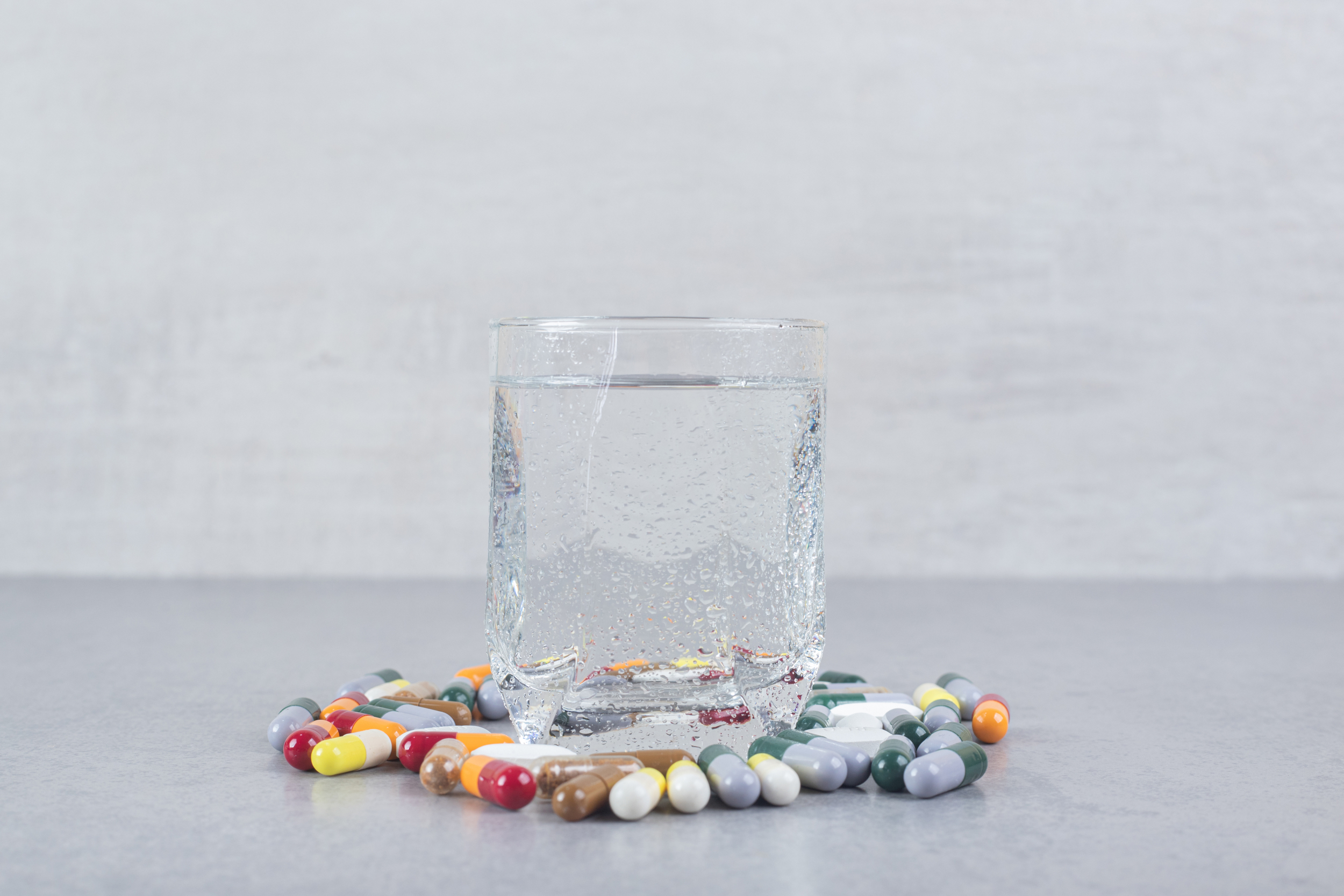
    Thinking of adding supplements to your wellness routine but worried about liver damage? It is good to be cautious as mindless supplement intake can harm your organs, but the good news is that you can still enjoy the benefits safely.

    Dr. Karan Rajan, a top U.K. surgeon, warns that this is because all kinds of supplements, even natural ones can affect the way the liver functions, Dr. Rajan explained in an Instagram video to more than 1.7 million viewers.

    Dr. Rajan admits that he is a fan of supplements and even takes a few himself, including omega-3, vitamin D, and fiber. But in response to a video of a woman who developed organ failure after using supplements for hair and nail growth, he offered a clear warning: “Just don’t turn your liver into a science fair project gone wrong.” “If you take supplements and want to avoid liver injury, there are a few things you should know,” he added.

    Know how it affects the liver:

    Before taking any supplement, Dr. Rajan advises checking a trusted source like LiverTox—a database that compiles case reports on how various drugs and supplements impact the liver.

    “If it’s listed under grade A,B or C, be extra cautious about the dose and what you’re taking. Even the natural ones involve liver metabolism, meaning they go through the liver’s biochemical sorting hat and get processed by liver enzymes. This can affect how hard your liver is working,” he said in the video.

    Ensure quality:

    With supplements so easily accessible, it is easy to get swept up by flashy marketing without knowing what you are really getting. That is why Dr. Rajan recommends looking for third-party certification labels on packaging, these indicate that the product has been independently tested for safety, quality, and performance. Although no testing can guarantee 100% protection from liver injury, it can at least help you know what is actually inside the capsule.

    Be mindful of dosage and interactions:

    When it comes to the dosage of supplements, Dr. Rajan emphasizes that more is not always better so it is crucial to stick to clinically recommended amounts.

    “If you’re on prescription medications like statins, blood thinners, anti-epileptics and anti-depressants, check for drug interactions with your pharmacist or doctor before starting any supplement,” he said.

    “If you are taking multiple herbal supplements, make sure there isn’t significant overlap between the active ingredients of each one. You’re creating a pharmacological cocktail with unknown synergy,” he added.


    Source link