Tag: Gym

  • Sweat on a Shoestring: How to Create a Home Gym on a Budget (Target keywords: home gym on a budget, sweat on a shoestring)

    Sweat on a Shoestring: How to Create a Home Gym on a Budget (Target keywords: home gym on a budget, sweat on a shoestring)

    She’s always been passionate about fitness, but the thought of shelling out big bucks for a gym membership every month was a major turn-off. That’s why she decided to create a home gym on a budget, and she’s never looked back. With a little creativity and resourcefulness, it’s totally possible to get a great workout without breaking the bank. In fact, she’s found that sweating on a shoestring can be just as effective as any high-end gym.

    Getting Started with a Home Gym on a Budget

    The first step in creating a home gym on a budget is to assess your space. She took stock of her spare room, garage, or even a corner of her living room, and thought about how she could transform it into a functional workout area. Consider the types of exercises you want to do and the equipment you’ll need to get started. Don’t worry if you don’t have a lot of space – even a small area can be turned into a home gym with a little creativity.

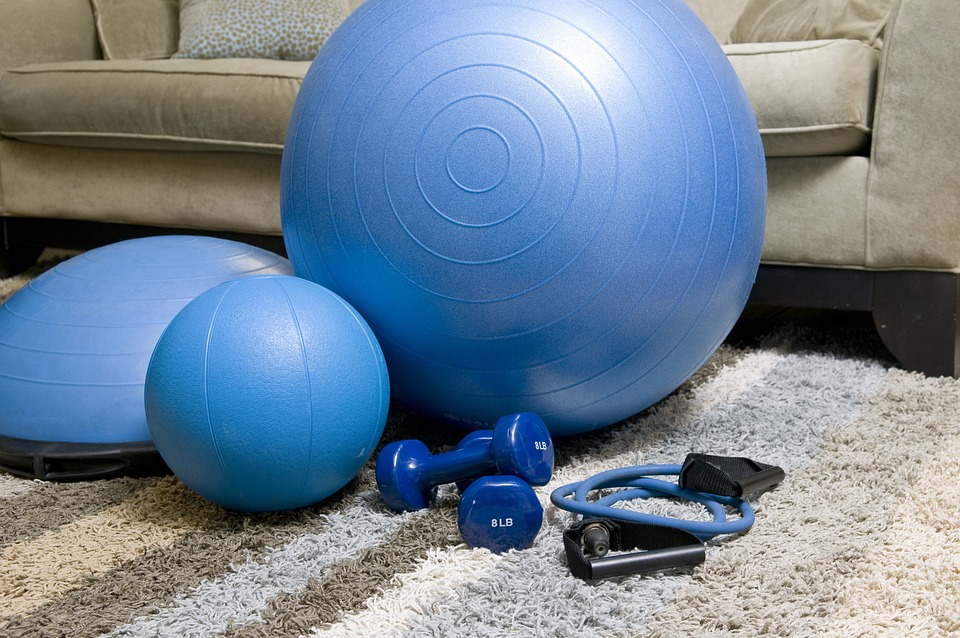
    Next, she set a budget and started researching affordable equipment options. She didn’t need to buy everything at once, so she prioritized the essentials and started with the basics. A good pair of dumbbells, a yoga mat, and a jump rope are all great places to start. She also looked into second-hand stores, garage sales, and online marketplaces for gently used equipment at a fraction of the cost.

    Sweat on a Shoestring: Affordable Equipment Options

    One of the biggest misconceptions about creating a home gym on a budget is that you need to sacrifice quality for affordability. Not true! There are plenty of affordable equipment options out there that can provide a great workout without breaking the bank. She’s found that resistance bands, for example, are a great alternative to expensive weight machines. They’re lightweight, portable, and can be used for a variety of exercises.

    Another affordable option is bodyweight exercises. She’s learned to love the simplicity of push-ups, squats, and lunges, which can be done anywhere, anytime. And for those who prefer a more structured workout, there are plenty of free online resources and workout videos that can provide guidance and motivation.

    DIY Delights: Creating Your Own Equipment

    She’s also discovered the joy of DIY equipment. With a little creativity, you can create your own workout gear using household items. For example, a water bottle or can of soup can make a great makeshift dumbbell, while a towel or sheet can be used as a resistance band. She’s even used a chair or bench as a makeshift step or bench press.

    Getting creative with DIY equipment not only saves money, but it also adds a fun and playful element to your workout routine. And who knows, you might just discover a new favorite exercise or piece of equipment. The key is to think outside the box and experiment with different materials and techniques.

    Home Gym on a Budget: Tips and Tricks

    So, how can you create a home gym on a budget that actually works? Here are a few tips and tricks to get you started:

    • Start small and prioritize the essentials. You don’t need to buy everything at once, so focus on the basics and build from there.
    • Shop around and compare prices. Look for deals and discounts online, and don’t be afraid to negotiate.
    • Consider second-hand or gently used equipment. You can often find great deals on lightly used gear that’s still in great condition.
    • Get creative with DIY equipment. Think outside the box and experiment with different materials and techniques.
    • Use free online resources and workout videos to guide your workout routine.

    Sweating on a Shoestring: The Benefits of a Home Gym

    So, why create a home gym on a budget in the first place? For her, the benefits are numerous. For one, it’s convenient – she can work out anytime, anywhere, without having to worry about gym hours or commute time. It’s also cost-effective, saving her money on gym memberships and transportation costs.

    But perhaps the biggest benefit is the flexibility and freedom that comes with working out at home. She can create her own routine, try new exercises, and experiment with different techniques without feeling self-conscious or intimidated. And with the money she’s saved, she can invest in other areas of her health and wellness, like healthy food or spa treatments.

    Conclusion

    Creating a home gym on a budget is all about being resourceful, creative, and determined. With a little bit of planning and experimentation, you can create a functional and effective workout space that fits your needs and budget. Whether you’re a fitness enthusiast or just starting out, sweating on a shoestring can be a great way to get in shape without breaking the bank. So why not give it a try? Your body – and your wallet – will thank you.

    Frequently Asked Questions

    Q: How much does it cost to create a home gym on a budget?
    A: The cost of creating a home gym on a budget can vary depending on the equipment and materials you choose. However, with a little creativity and resourcefulness, you can create a functional workout space for under $100.

    Q: What are some essential pieces of equipment for a home gym on a budget?
    A: Some essential pieces of equipment for a home gym on a budget include dumbbells, a yoga mat, and a jump rope. You can also consider resistance bands, bodyweight exercises, and DIY equipment.

    Q: How can I stay motivated and accountable with a home gym on a budget?
    A: Staying motivated and accountable with a home gym on a budget can be challenging, but there are several strategies you can try. These include setting goals and tracking progress, finding a workout buddy or accountability partner, and using free online resources and workout videos to guide your routine.

    Q: Is it safe to create a home gym on a budget?
    A: Yes, it is safe to create a home gym on a budget, as long as you take certain precautions. Make sure to research and understand proper form and technique, and start slowly to avoid injury. It’s also a good idea to consult with a healthcare professional or fitness expert before starting any new exercise routine.

    Q: Can I really get a good workout with a home gym on a budget?
    A: Absolutely! With a little creativity and resourcefulness, you can create a home gym on a budget that provides a great workout. The key is to focus on functional exercises that work multiple muscle groups at once, and to vary your routine to avoid plateaus and prevent overuse injuries.

    sweat-on-a-shoestring-how-to-create-a-home-gym-on-a-budget-target-keywords-home-gym-on-a-budget-sweat-on-a-shoestring
  • Sweat Smarter: The Ultimate Guide to Selecting the Perfect Gym for Your Fitness Goals

    Sweat Smarter: The Ultimate Guide to Selecting the Perfect Gym for Your Fitness Goals

    When it comes to achieving fitness goals, having the right environment and support system is crucial. For many, this means finding a gym that not only meets their needs but also motivates them to sweat smarter. With so many options available, selecting the perfect gym can be overwhelming, especially for those new to the fitness scene. In this article, we’ll delve into the world of fitness centers and provide a comprehensive guide on how to choose the ideal gym for your unique fitness goals.

    Understanding Your Fitness Goals
    Before embarking on the search for the perfect gym, it’s essential to understand what you want to achieve. Are you looking to lose weight, build muscle, or increase endurance? Perhaps you’re interested in group fitness classes or prefer a more personalized approach with personal training. Identifying your fitness goals will help you narrow down your options and find a gym that caters to your specific needs. For instance, if you’re interested in weightlifting, you’ll want to look for a gym with a well-equipped weight room and experienced personal trainers who can provide guidance on proper form and technique.

    Gym Amenities: What to Look For
    When evaluating gyms, it’s not just about the equipment and facilities; it’s also about the amenities that enhance your overall fitness experience. Some key amenities to consider include:

    • Group fitness classes: A variety of classes, such as yoga, Pilates, spin classes, and HIIT (High-Intensity Interval Training), can add diversity to your workout routine and help you sweat smarter.
    • Personal training: One-on-one or small group training sessions with certified personal trainers can provide personalized attention and help you achieve your fitness goals faster.
    • Nutrition counseling: Many gyms offer nutrition counseling or partnerships with nutritionists to help you develop a balanced diet that supports your fitness goals.
    • Childcare services: For parents, gyms with childcare services can be a game-changer, allowing you to work out while your little ones are taken care of.
    • Cleanliness and maintenance: A clean and well-maintained gym is essential for a comfortable and healthy workout experience.

    Gym Atmosphere: Finding Your Tribe
    The gym atmosphere can make or break your fitness experience. You want to find a gym that makes you feel motivated, supported, and inspired to sweat smarter. Consider the following:

    • Community: A gym with a strong sense of community can be incredibly motivating. Look for gyms with social events, workout challenges, and support groups.
    • Music and ambiance: The right music and ambiance can enhance your workout experience. Some gyms offer silent workouts, while others have live DJs or pumping playlists.
    • Staff and trainers: Friendly, knowledgeable, and supportive staff and personal trainers can make a significant difference in your fitness journey.

    Gym Membership Options: What’s Right for You?
    Gym membership options can vary greatly, and it’s essential to choose one that aligns with your fitness goals and budget. Consider the following:

    • Monthly membership: A monthly membership provides flexibility and allows you to cancel or change your membership at any time.
    • Annual membership: An annual membership can offer cost savings and commitment to your fitness goals.
    • Contract-free membership: Some gyms offer contract-free membership options, which provide flexibility and freedom to cancel at any time.
    • Trial membership: Many gyms offer trial memberships or guest passes, allowing you to experience the gym before committing to a membership.

    Tips for Finding the Perfect Gym
    With so many gyms to choose from, it can be challenging to find the perfect one. Here are some tips to help you in your search:

    • Read reviews: Check online reviews from current or former members to get an idea of the gym’s strengths and weaknesses.
    • Take a tour: Visit the gym in person to get a feel for the atmosphere, equipment, and facilities.
    • Ask questions: Don’t be afraid to ask gym staff and personal trainers questions about their services, amenities, and membership options.
    • Try before you buy: Take advantage of trial memberships or guest passes to experience the gym before committing to a membership.

    Conclusion
    Finding the perfect gym for your fitness goals requires research, patience, and a clear understanding of what you want to achieve. By considering gym amenities, atmosphere, and membership options, you can make an informed decision and set yourself up for success. Remember, sweating smarter is not just about the gym you choose, but also about the community, support, and motivation you surround yourself with. So, take the time to find your perfect gym, and get ready to sweat smarter on your journey to achieving your fitness goals.

    Frequently Asked Questions
    Q: What’s the best type of gym for beginners?
    A: The best type of gym for beginners is one that offers a supportive atmosphere, group fitness classes, and personal training options.
    Q: How much does a gym membership cost?
    A: Gym membership costs vary depending on the gym, location, and membership options. On average, gym memberships can range from $30 to $100 per month.
    Q: What’s the difference between a gym and a fitness studio?
    A: A gym typically offers a wider range of equipment and facilities, while a fitness studio focuses on group fitness classes and specialized workouts.
    Q: Can I try a gym before committing to a membership?
    A: Yes, many gyms offer trial memberships or guest passes, allowing you to experience the gym before committing to a membership.
    Q: How do I know if a gym is clean and well-maintained?
    A: Look for gyms with a strong focus on cleanliness and maintenance, and pay attention to the equipment, facilities, and staff during your visit.

    sweat-smarter-the-ultimate-guide-to-selecting-the-perfect-gym-for-your-fitness-goals

  • 10 Proven Ways to Overcome Workout Fatigue and Boost Energy for Your Next Gym Session (Target keywords: workout fatigue, boost energy)

    10 Proven Ways to Overcome Workout Fatigue and Boost Energy for Your Next Gym Session (Target keywords: workout fatigue, boost energy)

    Workout fatigue – the arch-nemesis of every fitness enthusiast. It’s that feeling of utter exhaustion and lethargy that hits after a tough gym session, making it a struggle to get out of bed for the next workout. But, what if she could overcome workout fatigue and boost energy for her next gym session? Sounds like a dream come true, right? Well, it’s not just a pipe dream; with the right strategies, she can bid farewell to workout fatigue and hello to a more energetic and productive fitness routine.

    ### Understanding Workout Fatigue

    Before diving into the solutions, it’s essential to understand what causes workout fatigue in the first place. Workout fatigue is a common phenomenon that occurs when the body is pushed beyond its limits, resulting in a depletion of energy stores, inflammation, and muscle damage. This can be due to a variety of factors, including overtraining, poor nutrition, inadequate sleep, and stress. When the body is not given sufficient time to recover, it can lead to a vicious cycle of fatigue, decreased performance, and increased risk of injury.

    ### 1. Listen to Your Body and Rest

    The first step to overcoming workout fatigue is to listen to your body and give it the rest it needs. This means taking rest days as seriously as workout days. When you’re feeling fatigued, it’s essential to take a step back, assess your routine, and make adjustments as needed. This might mean reducing the frequency or intensity of your workouts, or incorporating more low-impact activities like yoga or stretching. By allowing your body time to recover, you’ll be able to come back stronger and more energized for your next gym session.

    ### 2. Fuel Your Body with the Right Nutrition

    What you eat plays a significant role in your energy levels and overall performance. A well-balanced diet that includes plenty of protein, complex carbohydrates, and healthy fats can help boost energy and reduce workout fatigue. Foods rich in iron, such as spinach and lean meats, can help combat fatigue, while foods high in antioxidants, like berries and nuts, can help reduce inflammation. Additionally, staying hydrated by drinking plenty of water throughout the day is crucial for maintaining energy levels and supporting physical performance.

    ### 3. Get Enough Sleep

    Sleep is the unsung hero of fitness. During sleep, your body repairs and rebuilds muscle tissue, replenishes energy stores, and regulates hormones. Aim for 7-9 hours of sleep each night to help your body recover from the physical demands of exercise. Establishing a consistent sleep schedule, avoiding caffeine and electronics before bedtime, and creating a relaxing sleep environment can all help improve the quality of your sleep. By prioritizing sleep, you’ll be able to wake up feeling refreshed, revitalized, and ready to tackle your next workout.

    ### 4. Incorporate Energy-Boosting Supplements

    While a well-balanced diet should always be the primary source of nutrition, certain supplements can help boost energy and reduce workout fatigue. Branched-Chain Amino Acids (BCAAs), for example, can help reduce muscle soreness and fatigue, while beta-alanine can increase muscle carnosine levels, delaying the onset of fatigue. Other supplements like creatine, CoQ10, and iron can also help improve energy production and reduce fatigue. However, it’s essential to consult with a healthcare professional before adding any new supplements to your routine.

    ### 5. Try Active Recovery Techniques

    Active recovery techniques, such as foam rolling, self-myofascial release, and compression garments, can help reduce muscle soreness and improve circulation. These techniques can be especially helpful after intense workouts, as they can help promote blood flow and reduce inflammation. By incorporating active recovery techniques into your routine, you’ll be able to reduce workout fatigue and improve your overall performance.

    ### 6. Mix Up Your Routine

    Doing the same workout routine day in and day out can lead to mental and physical fatigue. Mix things up by trying new exercises, taking a different class, or working out outdoors. Novelty can be a powerful motivator, and changing your routine can help keep you engaged and excited about your workouts. Additionally, incorporating variety into your routine can help reduce the risk of overuse injuries and prevent plateaus.

    ### 7. Find a Workout Buddy

    Having a workout buddy can be a great motivator and help you push through even the toughest of workouts. When you’re feeling fatigued, having someone to hold you accountable and provide support can make all the difference. Plus, exercising with a friend can be a great way to socialize and make workouts more enjoyable. By finding a workout buddy, you’ll be able to stay motivated, boost energy, and overcome workout fatigue.

    ### 8. Get Moving in the Morning

    Starting your day with a morning workout can be a great way to boost energy and set a positive tone for the rest of the day. Morning workouts can help increase alertness, improve mental clarity, and enhance overall physical performance. Plus, getting your workout out of the way in the morning can help reduce stress and increase feelings of accomplishment. By incorporating a morning workout into your routine, you’ll be able to boost energy and overcome workout fatigue.

    ### 9. Try Mind-Body Exercises

    Mind-body exercises, such as meditation and deep breathing, can help reduce stress and anxiety, which are common contributors to workout fatigue. These exercises can help calm the mind, reduce inflammation, and promote relaxation. By incorporating mind-body exercises into your routine, you’ll be able to reduce workout fatigue, improve mental clarity, and enhance overall well-being.

    ### 10. Get Enough Vitamin D

    Vitamin D is an essential nutrient that plays a critical role in energy production and muscle function. Low levels of vitamin D have been linked to fatigue, muscle weakness, and decreased athletic performance. Spending time outdoors, taking vitamin D supplements, or consuming vitamin D-rich foods like fatty fish and fortified dairy products can help boost energy and reduce workout fatigue. By prioritizing vitamin D, you’ll be able to maintain optimal energy levels and support overall physical performance.

    In conclusion, overcoming workout fatigue and boosting energy is within reach. By listening to your body, fueling your body with the right nutrition, getting enough sleep, incorporating energy-boosting supplements, trying active recovery techniques, mixing up your routine, finding a workout buddy, getting moving in the morning, trying mind-body exercises, and getting enough vitamin D, you’ll be able to say goodbye to workout fatigue and hello to a more energetic and productive fitness routine.

    ### FAQs

    Q: What are the most common causes of workout fatigue?
    A: The most common causes of workout fatigue include overtraining, poor nutrition, inadequate sleep, and stress.

    Q: How can I reduce muscle soreness and fatigue after a workout?
    A: Incorporating active recovery techniques, such as foam rolling and self-myofascial release, can help reduce muscle soreness and fatigue.

    Q: What supplements can help boost energy and reduce workout fatigue?
    A: Supplements like BCAAs, beta-alanine, creatine, CoQ10, and iron can help boost energy and reduce workout fatigue.

    Q: How much sleep do I need to help my body recover from exercise?
    A: Aim for 7-9 hours of sleep each night to help your body recover from the physical demands of exercise.

    Q: Can workout fatigue be a sign of an underlying medical condition?
    A: Yes, workout fatigue can be a sign of an underlying medical condition, such as anemia, hypothyroidism, or chronic fatigue syndrome. If you’re experiencing persistent fatigue, it’s essential to consult with a healthcare professional to rule out any underlying conditions.
    10-proven-ways-to-overcome-workout-fatigue-and-boost-energy-for-your-next-gym-session-target-keywords-workout-fatigue-boost-energy

  • Woman Suffocates, Dies During Cryotherapy Session at the Gym Due to Nitrogen Leak

    Woman Suffocates, Dies During Cryotherapy Session at the Gym Due to Nitrogen Leak

    A 29-year-old woman has died and another is in intensive care after a nitrogen leak during a cryotherapy session at a Paris gym led to a fatal case of suffocation, prompting a criminal investigation.

    Cryotherapy, which exposes the body to extreme cold for therapeutic purposes, typically involves nitrogen gas to achieve ultra-low temperatures. Safety concerns have persisted for years, with organizations like the European Industrial Gases Association warning in 2018 of asphyxiation risks tied to improper nitrogen use.

    Emergency services responded to an incident at the On Air gym in east-central Paris shortly before 6:30 p.m. local time on April 14, the Guardian reported. Two women were found in cardiorespiratory arrest, believed to be caused by a nitrogen leak in a cryotherapy chamber that had been repaired earlier that day.

    The 29-year-old victim, an employee of the gym, was declared dead on the scene. The second woman, aged 34, was listed in critical condition.

    Three others were hospitalized after attempting resuscitation, and 150 people were evacuated from the building. The Paris prosecutor’s office has launched an investigation into the incident, involving both police and workplace safety inspectors.

    An autopsy and toxicology report are pending to confirm the exact cause of death. Authorities are also scrutinizing the maintenance and safety protocols surrounding the repaired cryotherapy chamber.

    Originally published on Latin Times

    Source link

  • Sweat Like a Pro, Spend Like a Student: A Budget-Friendly Guide to Creating a Home Gym

    Sweat Like a Pro, Spend Like a Student: A Budget-Friendly Guide to Creating a Home Gym

    Creating a home gym can be a daunting task, especially for those on a tight budget. However, with a little creativity and planning, it’s possible to build a functional and effective workout space that rivals those found in high-end gyms. In this article, we’ll explore the concept of "Sweat Like a Pro, Spend Like a Student" and provide a comprehensive guide on how to create a budget-friendly home gym.

    Why Create a Home Gym?

    Before we dive into the nitty-gritty of building a home gym, let’s talk about why it’s a great idea. Having a home gym can be a game-changer for those who lead busy lives or have difficulty finding time to visit a traditional gym. With a home gym, you can work out at your own pace, whenever and wherever you want. This level of flexibility is hard to come by in a traditional gym setting, where you’re often limited by equipment availability and class schedules.

    Another significant benefit of having a home gym is the cost savings. Gym memberships can be expensive, especially if you’re paying for a premium membership with access to high-end equipment and amenities. By creating a home gym, you can avoid these costs and invest your money in other areas of your life.

    Assessing Your Space

    Before you start building your home gym, it’s essential to assess the space you have available. Consider the following factors:

    • Room size: How much space do you have available for your home gym? A larger room will give you more flexibility when it comes to equipment selection.
    • Ceiling height: Make sure you have enough clearance for any equipment you plan to install, such as pull-up bars or suspension training systems.
    • Natural light: If possible, choose a room with natural light to create a more uplifting and energizing workout environment.
    • Noise level: If you live in an apartment or shared living space, consider the noise level of your workouts and choose equipment that won’t disturb others.

    Budget-Friendly Equipment Options

    When it comes to building a home gym, it’s easy to get caught up in the idea of investing in high-end equipment. However, there are plenty of budget-friendly options available that can provide an effective workout.

    • Resistance bands: These versatile bands can be used for strength training, stretching, and even as a makeshift pull-up bar.
    • Adjustable dumbbells: These compact dumbbells can be adjusted to different weights, making them a great space-saving option.
    • Kettlebells: Kettlebells are a great way to add variety to your workouts and can be used for strength training, cardio, and even as a makeshift weight for exercises like squats and lunges.
    • Folding exercise bike: A folding exercise bike is a great way to add cardio to your workouts without taking up too much space.

    DIY Projects

    One of the best ways to save money when building a home gym is to get creative with DIY projects. Here are a few ideas to get you started:

    • DIY pull-up bar: Use a sturdy wooden beam or metal rod to create a pull-up bar. You can attach it to the ceiling or a wall, depending on your space.
    • Homemade suspension training system: Use resistance bands and a few sturdy hooks to create a suspension training system. This can be used for exercises like push-ups, squats, and lunges.
    • DIY exercise ball: Fill a large exercise ball with sand or water to create a budget-friendly alternative to a traditional exercise ball.

    Setting Up Your Home Gym

    Once you have your equipment and DIY projects in place, it’s time to set up your home gym. Here are a few tips to keep in mind:

    • Create a workout station: Set up a dedicated workout station with a mirror, a water bottle, and any other essentials you need.
    • Organize your equipment: Keep your equipment organized and within reach to avoid clutter and distractions.
    • Add some motivation: Hang up motivational quotes, photos, or workout goals to keep you motivated and focused.

    Tips for Effective Workouts

    A home gym is only as effective as the workouts you put in. Here are a few tips to help you get the most out of your home gym:

    • Create a workout routine: Plan out your workouts in advance to ensure you’re getting a balanced routine.
    • Start slow: Don’t try to do too much too soon. Start with shorter workouts and gradually increase the intensity and duration.
    • Mix it up: Vary your workouts to avoid plateaus and prevent overuse injuries.

    Conclusion

    Building a home gym doesn’t have to break the bank. With a little creativity and planning, you can create a functional and effective workout space that rivals those found in high-end gyms. Remember to assess your space, choose budget-friendly equipment options, and get creative with DIY projects. By following these tips, you can create a home gym that will help you achieve your fitness goals and save you money in the long run.

    FAQs

    Q: What’s the most important thing to consider when building a home gym?
    A: The most important thing to consider is the space you have available. Make sure you have enough room for your equipment and can move around comfortably.

    Q: What’s the best way to save money when building a home gym?
    A: The best way to save money is to choose budget-friendly equipment options and get creative with DIY projects.

    Q: How can I stay motivated and focused in my home gym?
    A: Hang up motivational quotes, photos, or workout goals to keep you motivated and focused. You can also create a workout routine and track your progress to stay on track.

    Q: What’s the most effective way to use my home gym?
    A: The most effective way to use your home gym is to create a workout routine and stick to it. Vary your workouts to avoid plateaus and prevent overuse injuries.

    sweat-like-a-pro-spend-like-a-student-a-budget-friendly-guide-to-creating-a-home-gym

  • Sweat Smarter: A Comprehensive Guide to Choosing the Right Gym for Your Fitness Goals

    Sweat Smarter: A Comprehensive Guide to Choosing the Right Gym for Your Fitness Goals

    When it comes to achieving your fitness goals, finding the right gym is a crucial step. With so many options available, it can be overwhelming to choose the perfect fit for your needs. In this comprehensive guide, we’ll break down the essential factors to consider when selecting a gym that aligns with your fitness goals, helping you to "sweat smarter" and get the most out of your workout experience.

    Understanding Your Fitness Goals

    Before starting your search, take some time to reflect on what you want to achieve. Are you looking to lose weight, increase strength, improve flexibility, or boost your overall health? Having a clear understanding of your goals will help you focus on the gym features that matter most to you.

    Gym Types: Knowing the Difference

    From traditional brick-and-mortar gyms to online platforms and functional training facilities, each type of gym has its unique strengths and weaknesses. Here’s a breakdown of the most common gym types:

    1. Traditional Gyms: These are the most common type of gym, offering a variety of equipment, group classes, and personal training. They’re ideal for those who prefer a social workout environment and have access to a wide range of facilities.
    2. Online Gyms: Online gyms, also known as digital fitness platforms, offer virtual classes, personalized coaching, and customizable workout programs. They’re perfect for those with busy schedules, limited mobility, or a preference for solo workouts.
    3. Functional Training Facilities: These gyms focus on functional training, often incorporating cardio and strength exercises into one workout. They’re ideal for those who want to focus on overall fitness and athleticism.
    4. Specialized Gyms: These gyms cater to specific interests, such as yoga, Pilates, or specific sports like rock climbing or CrossFit. They’re perfect for those with a strong affinity for a particular activity.

    Gym Features to Consider

    When evaluating gyms, don’t overlook the following features that can make a significant difference in your workout experience:

    1. Equipment and Amenities: Ensure the gym has the right equipment for your goals, from free weights to cardiovascular machines. Look for amenities like towel service, locker rooms, and showers.
    2. Group Fitness Classes: Group classes can be an excellent way to stay motivated and socialize. Consider the type and frequency of classes, as well as the expertise of the instructors.
    3. Personal Training: If you prefer one-on-one guidance, look for gyms offering personal training services. Be sure to check the trainer’s certification and experience.
    4. Support and Community: A supportive environment can be a significant motivator. Look for gyms with a strong sense of community, group challenges, or social events.
    5. Cost and Contracts: Be mindful of the gym’s pricing structure, including initiation fees, membership costs, and any contract requirements.

    Tips for Comparing Gyms

    When evaluating different gyms, ask yourself:

    1. What are my non-negotiables? Identify the must-haves for your fitness goals and lifestyle.
    2. Can I try before I buy? Many gyms offer trial periods or guest passes. Take advantage of these to get a feel for the facility.
    3. What are the hours of operation? Ensure the gym is open at times that suit your schedule.
    4. What is the cancellation policy? Understand the terms of terminating your membership.
    5. Are there any additional fees? Be aware of any extra costs for services like personal training or group classes.

    Conclusion

    Choosing the right gym is a crucial step in achieving your fitness goals. By understanding your goals, knowing the different types of gyms, considering the key features, and following our tips for comparison, you’ll be well on your way to finding a gym that suits your needs and helps you "sweat smarter," not harder.

    Frequently Asked Questions

    Q: Can I try out a gym before committing to a membership?
    A: Many gyms offer trial periods, guest passes, or introductory offers. Be sure to ask about these when researching or visiting a gym.

    Q: What are some common gym etiquette rules?
    A: Be respectful of others by wiping down equipment, using clean gym clothes, and minimizing noise levels during group classes.

    Q: How often should I expect to work out at the gym?
    A: Aim for 2-3 times per week, with 30-60 minutes per session, for optimal progress and consistency.

    Q: Can I bring a guest to the gym?
    A: Check the gym’s guest policy, some gyms may have restrictions or require advance notice.

    Q: What if I’m not satisfied with my gym membership?
    A: Understand the gym’s cancellation policy and termination procedures. If you’re truly unhappy, it may be best to explore other options.

    By following this guide, you’ll be better equipped to find a gym that suits your goals and lifestyle, enabling you to "sweat smarter" and achieve the best possible results for your fitness journey. Remember to stay focused, motivated, and patient, and you’ll be on your way to reaching your fitness dreams!

    sweat-smarter-a-comprehensive-guide-to-choosing-the-right-gym-for-your-fitness-goals