Tag: Growing

  • Growing Pains in Kids and How to Spot Benign Night Leg Aches and Recognize Red Flag Signs to Call the Doctor

    Growing Pains in Kids and How to Spot Benign Night Leg Aches and Recognize Red Flag Signs to Call the Doctor

    Growing pains are a common reason children complain of leg pain at night, and they can be distressing for caregivers to witness. In many cases, these benign night leg aches are harmless, but knowing how to recognize their typical pattern and the red‑flag signs to call the doctor helps adults decide when reassurance is enough and when medical advice is needed.

    Understanding growing pains allows families to respond calmly while remaining alert to symptoms that may suggest something more serious.

    What Are Growing Pains in Children?

    Growing pains, often referred to as benign nocturnal limb pains, describe a pattern of leg pain occurring in otherwise healthy children.

    These pains are considered benign because they are not associated with damage to the bones or joints and do not interfere with normal growth. They most commonly affect children between about 3 and 12 years of age, with many cases appearing in the preschool and early school years.

    What Do Growing Pains Feel Like?

    Children with growing pains usually report a dull ache or throbbing sensation deep in the legs. The discomfort typically affects the calves, shins, thighs, or the area behind the knees rather than the joints themselves.

    Benign night leg aches often involve both legs or alternate sides from one episode to another, which is a typical feature. The pain usually appears late in the day, in the evening, or during the night and often resolves by morning, leaving the child pain-free during the day.

    Caregivers often find that gentle massage, stretching, or warm compresses ease the discomfort and help the child settle back to sleep.

    Children with growing pains can run, play, and participate in their usual daytime activities without a limp or persistent stiffness. This combination of night-time pain with normal function the next day is one of the most important clues that the pain is likely benign.

    At What Age Do Growing Pains Usually Start?

    Growing pains usually begin in early childhood. Many children first experience symptoms between ages 3 and 5, and some have a second phase between ages 8 and 12.

    Not every child has benign night leg aches, and those who do may experience them intermittently over several months or years. Pain-free intervals are common, and the pattern tends to be episodic rather than constant.

    Are Night-Time Leg Aches in Children Normal?

    Night-time leg pain can be alarming, but growing pains are one of the most frequent causes of recurrent leg aches in otherwise healthy children. In this context, benign night leg aches are generally considered a normal variation rather than a sign of disease.

    Are Growing Pains Normal in Children?

    For many children, growing pains are a normal part of development and are not a marker of arthritis, joint damage, or abnormal growth. Despite the name, they are not directly caused by bone stretching.

    They may relate to muscle fatigue, overuse after active days, or a heightened sensitivity to pain in some children. The key point is that the child is otherwise well and active, according to Cleveland Clinic.

    Why Do a Child’s Legs Hurt at Night but Are Fine by Morning?

    A hallmark of benign night leg aches is the timing: pain appears when the child is resting or asleep and disappears by morning. The child can walk and play normally the next day without limp or weakness.

    This pattern distinguishes growing pains from many other conditions, which tend to cause pain or stiffness in the morning, during activity, or throughout the day.

    How to Tell If It’s Really “Benign” Growing Pains

    Recognizing the typical pattern of growing pains helps caregivers decide when reassurance is reasonable and when medical input is needed.

    Typical Features of Benign Night Leg Aches

    Typical signs that point toward benign growing pains include:

    • Pain in the muscles of the legs rather than in the joints
    • Involvement of both legs or alternating sides
    • Episodes occurring in the late afternoon, evening, or at night
    • Pain-free periods in between episodes
    • Relief with massage, stretching, warmth, or cuddling
    • Normal walking, running, and playing during the day

    When most of these features are present, the pain is more likely to represent growing pains than a more serious condition.

    How Can Caregivers Tell If Leg Pain Is Serious?

    Leg pain that does not fit the classic pattern of benign night leg aches deserves closer attention. Warning signs include pain that is constant or present during the day, pain that worsens over time, or pain centered on one specific spot on a bone or joint.

    A child who limps, avoids using a leg, or has morning stiffness is not showing the usual pattern of growing pains. These differences form part of the red‑flag signs to call the doctor, as per Mayo Clinic.

    Red-Flag Signs to Call the Doctor

    Although growing pains themselves are benign, certain features suggest a need for medical evaluation. Caregivers should watch for red‑flag signs to call the doctor, including:

    • Pain in only one leg that keeps returning to the same area
    • Pain that is constant, not just at night
    • Visible swelling, redness, warmth, or deformity of a joint or bone
    • A new limp, refusal to walk, or difficulty bearing weight
    • Pain after an injury that remains severe or localized
    • Associated symptoms such as fever, unexplained weight loss, night sweats, unusual tiredness, or the child appearing unwell

    If any of these signs occur, contacting the child’s doctor is advisable to rule out infection, injury, inflammatory disease, or, more rarely, serious illnesses affecting the bones or blood.

    Urgent or emergency care is needed if a child cannot stand or walk at all due to leg pain, has sudden severe pain with redness or swelling, or has high fever combined with leg pain. These scenarios fall outside the expected pattern of growing pains and require prompt assessment.

    Growing Pains: Supporting Comfort and Knowing When to Seek Help

    Growing pains and benign night leg aches are part of the normal experience for many children and often resolve over time without affecting growth, joint health, or long-term function.

    Recognizing the typical pattern, night-time muscle pain in both legs, normal movement by day, and relief with simple comfort measures, reassures caregivers that these are likely benign.

    Staying aware of the red‑flag signs to call the doctor, such as persistent one-sided pain, swelling, limping, or systemic symptoms, ensures that children who need further evaluation receive it promptly. With a clear understanding of growing pains, families can balance reassurance and vigilance while supporting a child’s comfort and wellbeing.

    Frequently Asked Questions

    1. Can growing pains affect just one leg sometimes?

    Growing pains are typically felt in both legs or alternate sides; persistent pain in only one leg is less typical and should be discussed with a pediatrician.

    2. Do growing pains happen every night?

    They usually come and go, with pain-free days or weeks in between; nightly pain over a long period is not typical and may need medical review.

    3. Can hydration or nutrition help reduce growing pains?

    Staying well hydrated and eating a balanced diet supports overall muscle and bone health, but there is no single nutrient proven to prevent growing pains.

    4. Are growing pains linked to a child’s height later in life?

    No, growing pains do not predict how tall a child will become and are not linked to abnormal growth or final adult height.


    Source link

  • From Seed to Plate: Growing Your Own Food at Home

    From Seed to Plate: Growing Your Own Food at Home

    Introduction

    Growing your own food at home can be a rewarding and fulfilling experience, providing you with fresh, nutritious produce right in your own backyard. Not only does it save you money on grocery bills, but it also allows you to control the quality and variety of the food you eat. In this article, we will explore the process of growing your own food at home, from seed to plate, and provide you with the knowledge and skills you need to get started.

    Benefits of Growing Your Own Food

    Growing your own food at home has numerous benefits, including access to fresh, healthy produce, cost savings, and increased food security. When you grow your own food, you can choose the varieties you want to grow, ensuring that you have a steady supply of your favorite fruits and vegetables. Additionally, homegrown produce is often higher in nutrients and flavor than store-bought options, as it is picked at the peak of freshness and handled with care.

    Choosing the Right Crops

    When it comes to growing your own food, choosing the right crops is essential. Consider the climate and soil type in your area, as well as the amount of space you have available. Some popular crops for home gardens include tomatoes, cucumbers, carrots, and herbs like basil and mint. If you have limited space, consider growing compact or dwarf varieties, which are bred specifically for small gardens and containers.

    Preparing the Soil

    Before you can start growing your own food, you need to prepare the soil. This involves testing the pH level and nutrient content of your soil, and making any necessary adjustments. Most vegetables and fruits prefer a slightly acidic to neutral soil pH, ranging from 6.0 to 7.0. You can purchase a soil testing kit at most gardening stores, or send a sample to a lab for analysis.

    Sowing Seeds

    Once your soil is prepared, it’s time to sow your seeds. Make sure to follow the instructions on the seed package, as different crops have different sowing depths and spacings. Water the soil gently but thoroughly after sowing, and keep the soil consistently moist during the germination period.

    Caring for Your Crops

    After your seeds have germinated, it’s essential to provide them with the right amount of water, nutrients, and support. Most crops need about 1-2 inches of water per week, either from rainfall or irrigation. You can also add organic fertilizers like compost or manure to promote healthy growth and fruiting.

    Common Challenges

    As you grow your own food, you may encounter common challenges like pests, diseases, and weeds. To manage these challenges, use natural and organic methods whenever possible, such as introducing beneficial insects, practicing good sanitation, and using physical barriers to exclude pests.

    Harvesting Your Crops

    When your crops are ready to harvest, make sure to do so at the right time to ensure maximum flavor and nutrition. Check the seed package or a gardening guide for specific harvesting instructions, as different crops have different maturity dates and harvesting methods.

    Storing and Preserving Your Harvest

    After harvesting your crops, you’ll need to store and preserve them to enjoy them throughout the year. Consider canning, freezing, or dehydrating your produce to maintain its freshness and flavor. You can also store root vegetables like carrots and beets in a cool, dark place, or keep leafy greens like lettuce and spinach in the refrigerator.

    Conclusion

    Growing your own food at home is a rewarding and enjoyable experience that provides numerous benefits, from access to fresh, healthy produce to cost savings and increased food security. By following the steps outlined in this article, you can start growing your own food at home and enjoy the many rewards of homegrown produce. Remember to choose the right crops, prepare the soil, sow seeds, care for your crops, and harvest and store your produce to get the most out of your home garden.

    FAQs

    Q: What are the easiest crops to grow for beginners?

    A: Some of the easiest crops to grow for beginners include tomatoes, cucumbers, carrots, and herbs like basil and mint. These crops are relatively easy to care for and can thrive in a variety of conditions.

    Q: How much space do I need to grow my own food?

    A: The amount of space you need to grow your own food will depend on the crops you choose and the growing method you use. Even small spaces like balconies and patios can be used to grow a few crops, while larger gardens can produce a more abundant harvest.

    Q: What is the best way to store my harvest?

    A: The best way to store your harvest will depend on the type of crop and your personal preferences. Consider canning, freezing, or dehydrating your produce to maintain its freshness and flavor, or store root vegetables in a cool, dark place.

    Q: How do I protect my crops from pests and diseases?

    A: To protect your crops from pests and diseases, use natural and organic methods whenever possible, such as introducing beneficial insects, practicing good sanitation, and using physical barriers to exclude pests.

    Q: Can I grow my own food in containers?

    A: Yes, you can grow your own food in containers. Choose compact or dwarf varieties of your favorite crops, and make sure the container has good drainage and is large enough to support the mature size of the plant.

    Q: How long does it take to grow my own food?

    A: The time it takes to grow your own food will depend on the crop and growing conditions. Some crops like lettuce and radishes can be ready to harvest in as little as 20-30 days, while others like tomatoes and squash may take 60-90 days or more.

    Q: What are the benefits of growing my own food?

    A: Growing your own food provides numerous benefits, including access to fresh, healthy produce, cost savings, and increased food security. It also allows you to control the quality and variety of the food you eat, and can be a fun and rewarding hobby.

    Q: Can I grow my own food indoors?

    A: Yes, you can grow your own food indoors using containers or indoor gardening systems. Choose crops that thrive in indoor conditions, such as leafy greens and herbs, and make sure to provide adequate light and nutrients.

    Q: How do I get started with growing my own food?

    A: To get started with growing your own food, choose the right crops, prepare the soil, sow seeds, care for your crops, and harvest and store your produce. Consider consulting with a gardening expert or taking a gardening class to learn more about the specific needs of your crops and climate.

  • A Growing Public Health Debate

    A Growing Public Health Debate

    In modern healthcare, trust is everything. Patients put their lives in the hands of medical professionals with the belief that expertise, compassion, and ethical duty will ensure their well-being. But when that trust is broken, the consequences can be devastating physically, emotionally, and financially. Across the United States, medical negligence has emerged as one of the most pressing and controversial public health debates of our time. For families who have lost loved ones to such failures, reaching out to an experienced Wrongful Death Lawyer often becomes a crucial step toward seeking justice and accountability.

    The Scale of the Problem: When Healthcare Becomes Hazardous

    Medical negligence isn’t just an isolated issue; it’s a national epidemic. According to a study from Johns Hopkins Medicine, medical errors are the third leading cause of death in the United States, claiming more than 250,000 lives annually. This staggering statistic underscores the urgent need for reform, transparency, and patient empowerment within the healthcare industry.

    Behind those numbers are countless stories of ordinary people who entered hospitals for routine care and never returned home. Whether through misdiagnosed illnesses, anesthesia mistakes, or neglected infections, these tragedies expose vulnerabilities in a system that often prioritizes efficiency and cost over patient safety. The issue transcends individual practitioners and reflects systemic weaknesses in communication, accountability, and oversight.

    What makes medical negligence especially complex is its invisibility. Unlike dramatic crimes or visible accidents, the harm often unfolds quietly within sterile hospital walls. It can take weeks or even months before a patient or their family realizes that an avoidable mistake caused irreversible damage.

    The Legal Landscape: Where Accountability Meets Resistance

    Holding healthcare institutions accountable isn’t simple. Medical malpractice law sits at the intersection of ethics, law, and economics, where powerful interests often collide. In theory, victims have the right to pursue compensation through civil litigation. In practice, however, the road to justice is riddled with obstacles: high legal costs, expert witness requirements, and aggressive defense strategies by hospital insurers.

    According to data from the National Practitioner Data Bank (NPDB), fewer than 20 percent of patients who experience medical errors ever file claims. Of those who do, many face years of litigation before achieving a resolution. Hospitals and insurers often settle cases quietly, shielding systemic problems from public scrutiny.

    This lack of transparency undermines patient trust and stifles reform. Moreover, certain states have enacted medical malpractice caps that limit the damages victims can recover, regardless of the severity of their suffering. These caps, intended to prevent “frivolous lawsuits,” often end up denying full justice to legitimate victims, especially in wrongful death cases involving children, the elderly, or low-income individuals. Yet, despite these barriers, successful malpractice cases play a critical role in shaping public health policy. Each verdict or settlement sends a clear message: negligence has consequences.

    Common Forms of Medical Negligence

    Medical negligence can manifest in many forms, each with devastating outcomes. Some of the most common include misdiagnosis, surgical errors, medication mistakes, birth injuries, and failure to obtain informed consent.

    Misdiagnosis remains one of the deadliest forms of negligence. A report by the Agency for Healthcare Research and Quality (AHRQ) found that diagnostic errors contribute to nearly 10 percent of patient deaths. Missing a cancer diagnosis, for example, can mean the difference between a treatable illness and a terminal condition.

    Surgical negligence, on the other hand, can include leaving instruments inside patients, operating on the wrong body part, or causing internal damage through carelessness. Such errors often result in long-term disability or death, yet they’re entirely preventable with proper protocols.

    The Ethical Dilemma: Balancing Compassion and Consequence

    One of the most challenging aspects of the medical negligence debate lies in balancing compassion for healthcare workers with accountability for their actions. Medicine is a demanding field, and professionals often work under immense pressure. Fatigue, understaffing, and systemic inefficiencies can all contribute to mistakes.

    However, recognizing systemic pressures doesn’t absolve individuals or institutions from responsibility. When errors occur, ethical practice demands honesty, transparency, and restitution. Unfortunately, many hospitals choose the opposite route: concealing mistakes to avoid liability. This “culture of silence” not only delays justice but also perpetuates unsafe conditions.

    The Institute for Healthcare Improvement (IHI) has advocated for a “just culture” in medicine, one that differentiates between human error and reckless behavior. The goal is not to punish honest mistakes but to foster an environment where learning replaces fear and accountability replaces denial.

    The Role of Legal Advocacy in Driving Change

    Attorneys who specialize in medical malpractice and wrongful death are more than litigators; they are advocates for systemic reform. Each case they take on serves as a check against complacency and as a reminder that negligence has ripple effects beyond individual victims.

    A dedicated Wrongful Death Lawyer can bring hidden patterns of misconduct to light, whether it’s a hospital cutting corners on staffing or a surgeon ignoring safety protocols. By holding negligent parties financially and legally accountable, these lawyers indirectly save lives, forcing institutions to prioritize prevention over damage control.

    Legal victories in medical negligence cases often lead to procedural reforms. Hospitals may adopt stricter verification processes, implement digital prescription systems to reduce human error, or expand patient consent protocols. In this sense, litigation becomes not only a tool for justice but also a mechanism for progress.

    Toward a Culture of Accountability

    Ultimately, medical negligence and accountability aren’t opposing forces; they are two sides of the same coin. True progress in healthcare depends on acknowledging failures and learning from them. The conversation about medical negligence should not center solely on blame but on building systems resilient enough to prevent harm in the first place.

    That means empowering patients with information, protecting whistleblowers, and encouraging healthcare providers to report mistakes without fear of retribution. It also means supporting those who have suffered due to negligence through compassionate and effective legal representation.

    As the debate continues, one principle remains clear: accountability is not a punishment, it’s a promise. A promise that every patient’s life has value, every mistake has a lesson, and every act of negligence has a consequence. And through that promise, we can build a healthcare system where trust, safety, and justice coexist.

    Source link

  • Get Your Garden Growing: Expert Tips for a Thriving Outdoor Space

    Get Your Garden Growing: Expert Tips for a Thriving Outdoor Space

    Introduction

    Creating a thriving outdoor space can be a daunting task, especially for those who are new to gardening. With so many factors to consider, from soil quality to sunlight, it can be overwhelming to know where to start. However, with the right guidance and expert tips, anyone can turn their outdoor space into a vibrant and lush oasis. In this article, we will provide you with the expert advice and tips you need to get your garden growing and thriving.

    Choosing the Right Plants

    When it comes to choosing the right plants for your garden, there are several factors to consider. First and foremost, you need to consider the climate and soil type in your area. Different plants thrive in different conditions, so it’s essential to choose plants that are suitable for your region. For example, if you live in a hot and dry climate, you’ll want to choose plants that are drought-tolerant and can withstand high temperatures.

    In addition to climate and soil type, you should also consider the amount of sunlight your garden receives. Some plants require full sun to thrive, while others prefer shade or partial shade. Make sure to choose plants that are compatible with the amount of sunlight your garden receives.

    Another important factor to consider is the purpose of your garden. Are you looking to create a vegetable garden, a flower garden, or a combination of both? Different plants have different growth habits and requirements, so it’s essential to choose plants that fit your garden’s purpose.

    Preparing the Soil

    Once you’ve chosen the right plants for your garden, it’s time to prepare the soil. The quality of your soil can make or break your garden, so it’s essential to take the time to prepare it properly. Start by testing your soil to determine its pH level and nutrient content. This will help you determine what amendments you need to add to create a balanced and fertile soil.

    Next, add organic matter such as compost or manure to your soil. This will help improve the soil’s structure and fertility, making it easier for your plants to grow. You can also add fertilizers or other amendments as needed to create a balanced and nutrient-rich soil.

    Watering and Irrigation

    Proper watering and irrigation are crucial for the health and success of your garden. Overwatering can be just as harmful as underwatering, so it’s essential to find the right balance. Start by installing a irrigation system that is tailored to your garden’s specific needs. This could include a drip irrigation system, a sprinkler system, or a combination of both.

    In addition to installing an irrigation system, it’s also important to mulch your garden to retain moisture and suppress weeds. This will help reduce the need for frequent watering and minimize the risk of overwatering.

    Maintaining Your Garden

    Maintaining your garden is an ongoing process that requires regular attention and care. Start by creating a maintenance schedule that includes tasks such as watering, pruning, and harvesting. This will help ensure that your garden stays healthy and thrives over time.

    In addition to regular maintenance tasks, it’s also important to keep an eye out for pests and diseases. These can quickly spread and destroy your garden if left unchecked. Make sure to monitor your plants regularly and take action at the first sign of trouble.

    Adding Decorative Elements

    Adding decorative elements to your garden can help create a beautiful and inviting outdoor space. Start by adding hardscaping elements such as paths, patios, and retaining walls. These will help define different areas of your garden and create a sense of structure and organization.

    Next, add decorative features such as water features, sculptures, and lighting. These will help create a unique and personalized outdoor space that reflects your style and personality.

    Creating a Wildlife-Friendly Garden

    Creating a wildlife-friendly garden can be a great way to attract birds, bees, and other beneficial insects to your outdoor space. Start by adding plants that provide nectar, pollen, and seeds for wildlife. These could include native wildflowers, shrubs, and trees.

    In addition to adding wildlife-friendly plants, you can also create a wildlife-friendly habitat by adding features such as birdhouses, bird baths, and insect hotels. These will provide a safe and welcoming space for wildlife to thrive.

    Using Technology to Enhance Your Garden

    Technology can be a great tool for enhancing your garden and making it easier to maintain. Start by using smart gardening devices such as soil sensors and weather stations. These will help you monitor your garden’s conditions and make informed decisions about watering, pruning, and other maintenance tasks.

    You can also use apps and online platforms to track your garden’s progress, receive reminders and alerts, and connect with other gardeners. These tools can help you stay organized and motivated, and provide valuable insights and advice from experienced gardeners.

    Seasonal Gardening

    Seasonal gardening is all about adapting to the changing seasons and adjusting your gardening strategies accordingly. Start by learning about the different growing seasons in your area, and plan your garden accordingly. For example, if you live in a cold climate, you may want to focus on growing cool-season crops such as broccoli and kale in the spring and fall.

    In addition to planning your garden around the growing seasons, you can also use seasonal gardening to add variety and interest to your outdoor space. For example, you can plant bulbs in the fall to bloom in the spring, or add winter interest with evergreen shrubs and trees.

    Conclusion

    Getting your garden growing and thriving requires a combination of expert advice, careful planning, and regular maintenance. By following the tips and strategies outlined in this article, you can create a beautiful and inviting outdoor space that brings joy and relaxation to your life. Remember to choose the right plants for your climate and soil type, prepare the soil properly, and maintain your garden regularly. With a little patience and effort, you can create a thriving garden that will be the envy of your neighbors and a haven for you and your family.

    FAQs

    Q: What is the best way to prepare my soil for gardening?
    A: The best way to prepare your soil for gardening is to test its pH level and nutrient content, and then add organic matter such as compost or manure to improve its structure and fertility.

    Q: How often should I water my garden?
    A: The frequency of watering your garden depends on the type of plants you have, the climate and soil type, and the time of year. As a general rule, it’s best to water your garden when the top 2-3 inches of soil feel dry to the touch.

    Q: What are some common mistakes to avoid when gardening?
    A: Some common mistakes to avoid when gardening include overwatering, underwatering, and not providing enough sunlight or nutrients for your plants.

    Q: How can I attract wildlife to my garden?
    A: You can attract wildlife to your garden by adding plants that provide nectar, pollen, and seeds, and by creating a wildlife-friendly habitat with features such as birdhouses and insect hotels.

    Q: What are some benefits of using technology in my garden?
    A: Using technology in your garden can help you monitor your garden’s conditions, receive reminders and alerts, and connect with other gardeners. It can also help you stay organized and motivated, and provide valuable insights and advice from experienced gardeners.

    Q: How can I make my garden more low-maintenance?
    A: You can make your garden more low-maintenance by choosing plants that are drought-tolerant and require minimal pruning, using mulch to retain moisture and suppress weeds, and installing an irrigation system that is tailored to your garden’s specific needs.

    Q: What are some common pests and diseases that can affect my garden?
    A: Some common pests and diseases that can affect your garden include aphids, whiteflies, and fungal infections such as powdery mildew and root rot. Make sure to monitor your plants regularly and take action at the first sign of trouble.

    Q: How can I create a unique and personalized outdoor space?
    A: You can create a unique and personalized outdoor space by adding decorative elements such as hardscaping, water features, and sculptures, and by using plants and flowers that reflect your style and personality.

  • Top Gummies to Consider for Growing Kids

    Top Gummies to Consider for Growing Kids

    As parents, we all want our kids to have boundless energy for play, learning, and adventure during the day—but getting them to wind down at night? That’s a whole different challenge. Whether it’s school stress, screen time, or just an overactive imagination keeping them up, a good night’s sleep can sometimes feel impossible. That’s where kid-friendly gummies come in! With the right balance of nutrients and natural ingredients, these little chewables can help support energy during the day and relaxation at bedtime, making life easier for kids and parents.

    In this article, we’re diving into some of the best gummy supplements designed to keep your little ones thriving. We’ll cover everything from vitamins that fuel their daytime escapades to melatonin blends that encourage peaceful sleep. No confusing ingredient lists or overwhelming choices—just a simple guide to help you find what works best for your child’s needs. Let’s explore how the right gummies can make a difference in your kiddo’s daily routine!

    Naked Nutrition Kids Vitamin Gummies

    Finding the perfect vitamin for your little one can feel like a never-ending search, but Naked Nutrition’s Kids Vitamin Gummies make it easy. These daily gummies are packed with essential vitamins and minerals—like A, C, D, E, B6, B12, folate, biotin, and zinc—so you can feel good knowing your child is getting solid nutrition in a simple, tasty chew. Plus, they’re made right here in the USA, ensuring quality from start to finish.

    One of the best things about these gummies? They’re gelatin-free and entirely plant-based, thanks to fruit pectin instead of animal-derived ingredients. They’re also GMO-free, vegan, soy-free, and gluten-free, making them an excellent choice for kids with dietary restrictions or sensitivities. And let’s talk flavour—because we all know taste matters to kids! These come in three delicious options—strawberry, berry, and mango—with no artificial flavours or colours. They’re so good that your child might remind you to give them their daily dose!

    One small heads-up: since Naked Nutrition skips unnecessary additives, the gummies may stick together a bit in the bottle. But don’t worry—shake it, and they’ll loosen. A simple serving of 1–2 gummies daily (for ages four and up) makes meeting daily nutrition needs easy and stress-free. So, if you’re looking for a clean, nutritious, and kid-approved gummy, Naked Nutrition has you covered!

    Llama Naturals Kids Multivitamin Gummies

    If you’re looking for a kids’ multivitamin packed with real nutrition (not just sugar and fillers), Llama Naturals Kids Multivitamin Gummies are a game-changer. These tasty strawberry-flavoured gummies are made from real organic fruit and vegetables, delivering 13 essential vitamins and phytonutrients in a form kids can easily absorb—up to 4x better than synthetic vitamins! They support everything from immune health to energy levels and focus, making them a solid choice for growing kids. No wonder Healthline’s RDs named Llama Naturals the “Best Vitamin Brand for Kids”!

    Parents will love what’s not in these gummies, too. They contain no added sugar, syrups, artificial ingredients, gelatin, or allergens—just pure, plant-based goodness. They’re also dentist-approved since they don’t have sticky, tooth-harming acids or refined sugar, making them a better choice for little teeth.

    And if you’ve got a picky eater on your hands? No worries—these soft, chewable gummies are kid-approved for flavour, with zero fuss over taking their vitamins. Plus, Llama Naturals promises to make it right if your child doesn’t love them. Simple, clean, and delicious—these multivitamins make getting daily greens easier than ever!

    SmartyPants Kids Multivitamin Gummies

    Finding a multivitamin that fills nutrient gaps and tastes great? SmartyPants Kids Multivitamin Gummies do just that. Packed with 16 essential nutrients, including vitamins A, B12, E, K1, iodine, and Omega-3s (EPA & DHA), these gummies help support growing bodies, energy levels, and brain development—all in one daily dose. They contain more nutrients than the leading kid’s multivitamin brand, making them a standout choice for parents who want the best for their kids.

    What sets SmartyPants apart is their high-quality, bioavailable ingredients—meaning kids’ bodies can actually absorb and use the nutrients more efficiently. These gummies provide premium nutrition without unnecessary fillers with methylated folate, vitamin B12 as methylcobalamin, vitamin D3, and zinc citrate. Plus, they’ve been third-party tested and awarded the Clean Label Project Purity Award, so you can feel confident about what’s inside.

    And, of course, taste matters! These gummies come in kid-approved lemon, orange, and strawberry banana flavours, making them a fun and delicious addition to any routine. Just four gummies daily (for four-and-up kids)—no food required. Simple, nutritious, and tasty, SmartyPants makes getting daily vitamins easy!

    OLLY Kids Multivitamin Gummy Worms

    Getting kids to take their vitamins can sometimes feel like a battle—but OLLY Kids Multivitamin Gummy Worms make it fun! These wiggly, playful gummies are packed with essential vitamins and minerals to help kids grow, stay healthy, and fill in any nutritional gaps when mealtime doesn’t go as planned. With a complete blend of vitamins A, C, D, E, B, and zinc, these gummies support overall wellness and help little ones thrive.

    And let’s talk about the best part—the taste! These come in a delicious sour fruity punch flavour that kids love. They have no synthetic colours or flavours and a gluten-free formula. The serving size is simple: one gummy a day for kids aged 2-3 and two gummies for kids four and up.

    Each bottle has 70 gummies, making it easy to keep up with daily nutrition. OLLY is all about making wellness easy and enjoyable, and these gummy worms are just one of the many fun ways they deliver on that promise. If you’re looking for a vitamin that kids want to take, these OLLY gummies are a great pick!

    MaryRuth Organics Kids Vitamins

    Getting kids to take their vitamins became much easier with MaryRuth Organics Kids Multivitamin Gummies! These vegan, pectin-based gummies are packed with essential nutrients to support your child’s growth, energy, and overall health—all in a fun, delicious gummy they’ll want to eat. With a mix of strawberry, papaya, and super punch flavours, these gummies are an excellent option for even the pickiest eaters.

    Each gummy is loaded with vitamins A, C, and D3, a blend of B vitamins, iodine, and zinc, helping to support everything from strong bones and brain health to metabolism and immune function. Plus, they’re allergy-friendly—completely dairy-free, nut-free, gluten-free, and even sugar-free—so you can feel good about what’s going into your child’s body. Just one gummy a day (for kids two and up) provides a simple and tasty way to cover those daily nutrient needs.

    And with Clean Label Project Verification and B Corp Certification, you know these gummies are made with quality and transparency in mind. Whether you have an active little one or a selective eater, MaryRuth Organics makes it easy to keep kids feeling their best!

    Renzo’s Picky Eater Kids Multivitamin

    If your kiddo refuses gummies, turns their nose up at liquids, or hates taking vitamins, Renzo’s Picky Eater Kids Multivitamin is a game-changer. These sugar-free, dissolvable melty tabs are an easy, mess-free way to get kids the nutrients they need—without traditional gummies’ sticky, sugary downsides. Just pop one in their mouth, and it melts away like magic! No chewing, fuss, or vitamins are left behind on their teeth.

    Each tab is packed with iron, zinc, calcium, and vitamins A, B, C, D3, and K, helping support bone strength, immune function, and overall wellness—perfect for filling those picky eating gaps. And with a kid-approved orange flavour, your little one won’t mind taking their daily dose. Parents will love that these tabs are vegan, non-GMO, sugar-free, gluten-free, and free from artificial colours, flavours, and the eight common allergens.

    Plus, they’re made with love in a family-owned, NSF-certified facility in Florida, crafted by Dr. Rocca for his son, Renzo. Give half a tab for kids 2-3 years old and two tabs for kids 4+, or dissolve them in water, juice, or even a smoothie. Easy, clean, and parent-approved!

    Source link

  • Microplastics a growing challenge to health and the environment

    Microplastics a growing challenge to health and the environment

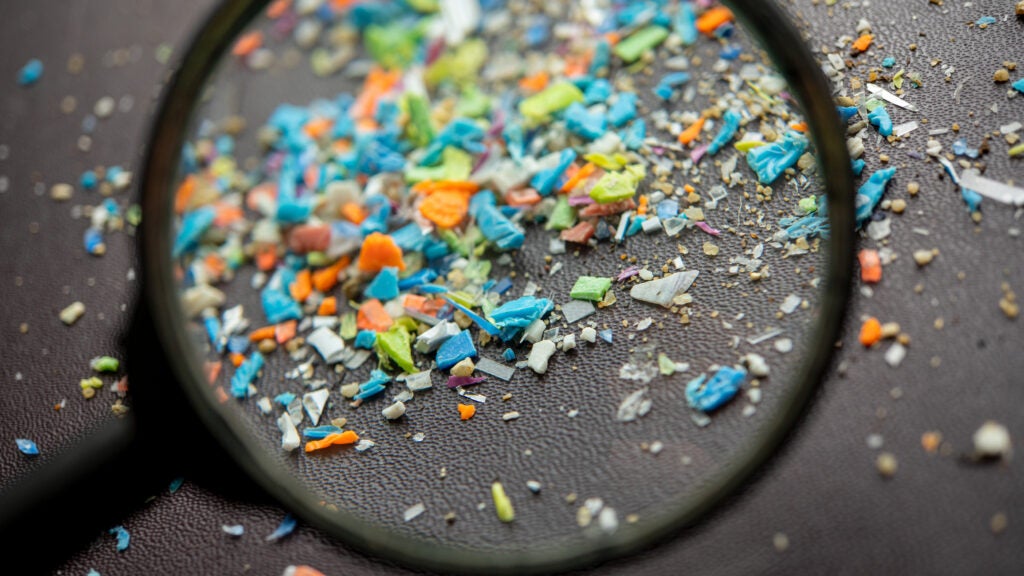
    Microplastics that cannot be recycled
    iStock/Svetlozar Hristov

    January 2, 2025 – Over the past few months, Harvard Chan faculty have been sharing evidence-based recommendations on urgent public health issues facing the next U.S. administration. Shruthi Mahalingaiah, an assistant professor of environmental, reproductive, and women’s health, offered her thoughts on the challenges posed by microplastics and the need for more public awareness about the surprising sources of a stealthy and growing hazard that demands multifaceted and creative solutions.

    Q: Why are microplastics a pressing public health issue?

    A: For a long time, oceanographers and marine biologists have focused on the threat to oceanic life for good reason. We have a floating garbage patch of plastic halfway between Hawaii and California that covers an area that is twice the size of Texas. And that is just the largest of five offshore plastic accumulation zones in the world’s oceans. The terrible impact on marine and wildlife species is clear.

    What people may not realize is that microplastics are also a pressing human health issue. These plastics are showing up everywhere, including throughout our bodies—and even within the human reproductive system, not only in placentas but also in testes and semen. What is worse, we don’t know what the accumulation of these plastics in our bodies might mean for us. Research points to potentially serious issues, including vascular disease, cancers, respiratory disorders, inflammatory bowel disease, as well as dizziness and neurological symptoms. We have much more to learn. We know microplastics and their impacts vary based on composition, size, and surface area. The smaller the particle, the deeper it can go into the body.

    There are many important questions to answer. For instance, in the human system, how do the chemical properties of the nanoparticles within the microplastics interact with nutrients and normal repair processes that prevent disease and slow aging? Is the way we produce and recycle plastic helping—or are these processes increasing unsafe exposures? It’s essential that we ask these types of questions and do the research to find out.

    Q: What are the biggest challenges facing the next administration around microplastics?

    A: It will be challenging to correct the deeply entrenched idea that consumer diligence in recycling plastics can or could ever solve the plastic waste and pollution crisis. The reality is that only about 9% of the world’s plastic is recycled—it’s often not economically or technically possible to recycle the rest and the vast majority of plastics end up in landfills or get incinerated or dumped into the environment.

    It is encouraging that the California attorney general has filed a lawsuit against ExxonMobil, the world’s largest producer of polymers, which are materials used to create single-use plastics, including plastic utensils, drink bottles, and packaging. The lawsuit alleges that the company for decades has used marketing campaigns to create a “myth” around the impact of recycling, leading consumers to buy more single-use plastic than people would if they knew most plastic never goes away.

    To make real impact, we need to be more strategic. In 2022, member states in the United Nations endorsed a resolution to end plastic pollution and forge an international legally binding agreement by 2024. It focuses on moving government and businesses away from single-use plastics. In late November, the fifth session of the negotiating committee to develop that treaty, which includes about 175 nations, met in South Korea. I hope a treaty will be adopted soon.

    It’s important that we expand both the public conversation as well as scientific research to investigate all sources of microplastics. For instance, a surprising source of microplastics is wear and tear on tires. When you drive your car, how fast you go and how often you accelerate and decelerate ultimately makes an impact. Research shows that tire wear-and-tear contributes up to 10% of the plastics that end up in our oceans and enter our food chain—an issue that requires both our awareness and creative action—including carpooling, using public transportation, increasing walking to close by areas, and so on.

    The challenges ahead are multifaceted. We have to understand all the sources and the complex ecosystem of microplastics for our mitigation efforts to work. We have to understand the full scope of the health impacts of microplastics. And as we work to address the problem, we have to take care not to introduce another threat, a different downstream effect created by substituting a microplastic with something that ultimately also poses health risks—so we can’t have blinders on, we must always look at the big picture in order to mitigate wisely.

    Q: What are your top two to three recommendations for policies to address microplastics?

    A: It’s important for relevant industries to consider the concept, “First, do no harm.” We need the wide range of industries that produce plastics as waste to take responsibility and develop creative solutions to shift away from the use of plastics.

    For instance, the medical-industrial complex uses a lot of single-use plastic. As a physician, I know that routine surgeries generate a bag or more of plastic trash and time-intensive surgeries yield up to six bags. And when harm is noted, as is the case with microplastics, we owe it to our patients, community, ecosystem, and to planetary health to move to ameliorate the impact. We need a wave of creative solutions across the medical-industrial complex. For example, we can create greener labs by adopting sustainable practices that minimize plastic use. All of us must start somewhere and act.

    And we must individually work to reduce microplastics in ways that extend far beyond recycling. We must be aware that microplastics are all around us, that tiny fragments of plastics exist in car tires, clothing, bedding, and all kinds of textiles, including the microplastics stripped off our clothing by friction and turbulence in the washing machine that end up in our wastewater. One solution to the latter example involves installing a filter on your washing machine to stop microfiber pollution.

    Q: What’s the evidence supporting these recommendations?

    A: There is a lot of evidence that single-use plastic is a problem and, as mentioned earlier, only 9% of plastic gets recycled.

    We know that people are consuming and breathing a lot of plastic. One analysis shows that Americans ingest and inhale up to 121,000 microplastic particles every year, and people who drink bottled water may be ingesting an additional 90,000 microplastics per year. Put another way, scientific research shows we probably ingest the weight of a plastic credit card every week without realizing it.

    I highly recommend a book by science journalist Matt Simon, A Poison Like No Other, which details a lot of the scientific research about the ubiquity of microplastics and their ability to penetrate into so many things, including our food chains and our bodies.

    Q: What do you hope could be accomplished in this field in the next four years?

    A: My big hope is that we get rid of single-use plastic. I want to see innovation in packaging, food storage, and especially in the medical sector where we should be rethinking single-use items and moving toward the use of sterilization of reusable equipment. Overall, I hope to see major systems across diverse sectors re-engineered in innovative ways, with the urgent reduction in microplastics a top priority.


    Last Updated

    Get the latest public health news

    Stay connected with Harvard Chan School

    Source link