Tag: Giving

  • Tips and Tricks for Giving Your Pet a Long and Happy Life

    Tips and Tricks for Giving Your Pet a Long and Happy Life

    Introduction

    As a pet owner, there’s nothing more rewarding than seeing your furry friend thrive and live a long, happy life. With the right care and attention, you can help your pet enjoy a lifetime of good health, happiness, and companionship. In this article, we’ll share some valuable tips and tricks for giving your pet a long and happy life, from nutrition and exercise to health checks and mental stimulation.

    Nutrition and Diet

    A well-balanced diet is essential for your pet’s overall health and wellbeing. Here are some tips for ensuring your pet is getting the nutrients they need:

    • Feed a high-quality commercial pet food that meets your pet’s nutritional needs
    • Consider adding fresh fruits and vegetables to your pet’s diet, but avoid giving them toxic foods like chocolate, grapes, and onions
    • Keep your pet hydrated by providing fresh water at all times
    • Avoid overfeeding, as obesity can lead to a range of health problems

    Exercise and Play

    Regular exercise and play are crucial for your pet’s physical and mental health. Here are some tips for keeping your pet active and engaged:

    • Provide regular walks and playtime, tailored to your pet’s age, breed, and energy level
    • Consider enrolling your pet in doggy daycare or hiring a pet sitter for socialization and exercise
    • Engage your pet’s mind with puzzle toys and interactive games
    • Create a safe and stimulating environment, with plenty of toys and scratching posts

    Health Checks and Veterinary Care

    Regular health checks and veterinary care are essential for detecting and preventing health problems. Here are some tips for keeping your pet healthy:

    • Schedule regular check-ups with your veterinarian, at least once a year
    • Keep your pet up-to-date on vaccinations and preventatives, such as heartworm medication and flea control
    • Monitor your pet’s health and behavior, and seek veterinary care if you notice any changes or concerns
    • Consider investing in pet insurance to cover unexpected veterinary expenses

    Mental Stimulation and Training

    Mental stimulation and training are essential for your pet’s emotional and behavioral health. Here are some tips for keeping your pet’s mind active and engaged:

    • Provide regular training sessions, using positive reinforcement techniques
    • Engage your pet’s sense of smell with scent work and nose games
    • Create a calm and relaxing environment, with plenty of hiding spots and cozy areas
    • Consider enrolling your pet in obedience classes or agility training

    Safety and Emergency Preparedness

    Accidents can happen, even with the best care and attention. Here are some tips for keeping your pet safe and prepared for emergencies:

    • Keep toxic substances and hazardous materials out of reach
    • Create a pet emergency kit, with essentials like food, water, and medication
    • Identify local emergency veterinary clinics and keep their contact information handy
    • Consider microchipping your pet, in case they ever become lost

    Creating a Pet-Friendly Home

    Your home should be a safe and welcoming space for your pet. Here are some tips for creating a pet-friendly home:

    • Pet-proof your home, by removing hazardous materials and securing toxic substances
    • Create a comfortable and cozy space for your pet, with plenty of bedding and toys
    • Consider investing in pet-friendly furniture and decor, such as pet beds and scratching posts
    • Keep your home clean and tidy, to reduce the risk of accidents and messes

    Building a Strong Bond with Your Pet

    The bond between you and your pet is essential for their emotional and behavioral health. Here are some tips for building a strong bond with your pet:

    • Spend quality time with your pet, engaging in activities and play
    • Show your pet love and affection, through physical touch and positive reinforcement
    • Be consistent and patient, when training and interacting with your pet
    • Consider journaling or scrapbooking, to track your pet’s progress and milestones

    Conclusion

    Giving your pet a long and happy life requires attention to their physical, emotional, and behavioral needs. By following these tips and tricks, you can help your pet thrive and enjoy a lifetime of good health, happiness, and companionship. Remember to stay informed, stay vigilant, and always put your pet’s needs first. With the right care and attention, you can help your pet live a long, happy, and fulfilling life.

    FAQs

    Q: How often should I take my pet to the vet?
    A: The frequency of veterinary visits depends on your pet’s age, health, and lifestyle. Generally, pets should have a check-up at least once a year, but more frequent visits may be necessary for senior pets or those with chronic health conditions.
    Q: What are the most common health problems in pets?
    A: The most common health problems in pets include obesity, dental disease, and arthritis. Regular health checks and preventative care can help detect and prevent these conditions.
    Q: How can I keep my pet mentally stimulated?
    A: Mental stimulation is essential for your pet’s emotional and behavioral health. Provide regular training sessions, engage your pet’s sense of smell, and create a calm and relaxing environment to keep their mind active and engaged.
    Q: What should I do in case of a pet emergency?
    A: In case of a pet emergency, stay calm and contact your veterinarian or a local emergency veterinary clinic. Keep a pet emergency kit on hand, with essentials like food, water, and medication.
    Q: How can I create a pet-friendly home?
    A: Create a pet-friendly home by pet-proofing your space, providing a comfortable and cozy area for your pet, and keeping your home clean and tidy. Consider investing in pet-friendly furniture and decor, such as pet beds and scratching posts.


  • RFK Jr. Is Giving Families ‘False Hope’ By Claiming He’ll Figure Out Cause of Autism by September, Former FDA Vaccine Head Warns

    RFK Jr. Is Giving Families ‘False Hope’ By Claiming He’ll Figure Out Cause of Autism by September, Former FDA Vaccine Head Warns

    Dr. Peter Marks, the former top vaccine official at the U.S. Food and Drug Administration (FDA), has criticized Health and Human Services Secretary Robert F. Kennedy Jr. for giving what he called “false hope” to families by claiming that the Trump administration will identify the cause of autism by September.

    Marks, who resigned earlier this month amid mounting frustration with Kennedy’s promotion of vaccine misinformation, appeared on CBS’s Face the Nation to challenge Kennedy’s recent assertion that a massive federal research initiative would soon pinpoint and eliminate the root causes of autism.


    Kennedy announced the effort through the National Institutes of Health. “By September we will know what has caused the autism epidemic and we will be able to eliminate those exposures,” he promised.

    “Giving people false hope is something you should never do,” Marks said in response to Kennedy’s announcement.

    “I don’t see any possible way [to get the answer that quickly],” Marks continued. “Autism is an incredibly complicated issue.”

    Kennedy, a longtime vaccine skeptic, has implied that vaccines may be among the environmental toxins driving autism rates. However, Marks dismissed that notion, citing the overwhelming body of research showing no link between vaccines and autism. “We’ve studied them in so many millions of children,” he said.

    The controversy comes amid a deadly resurgence of measles in the US, with three unvaccinated individuals—including two young girls from Seminole, Texas—dying in recent weeks. Measles had been declared eliminated from the U.S. in 2000, but new outbreaks have developed in certain under-vaccinated communities.

    Kennedy has offered only tepid support for the measles vaccine, telling CBS that “people should get the measles vaccine” but reiterating his opposition to mandates. He has also promoted unproven alternatives like vitamins and cod-liver oil.

    Marks blamed the recent pediatric measles deaths on Kennedy and his staff, describing it as “the epitome of an absolute needless death.”

    “These kids should get vaccinated—that’s how you prevent people from dying of measles,” Marks emphasized.

    In his resignation letter, Marks criticized Kennedy for spreading misinformation and undermining public trust in safe and effective vaccines.

    “Truth and transparency are not desired by the secretary,” Marks wrote. “He wishes subservient confirmation of his misinformation and lies.”

    Originally published on Latin Times


    Source link

  • The Power of Giving Back: How Volunteering Can Transform Your Life

    The Power of Giving Back: How Volunteering Can Transform Your Life

    The Power of Giving Back: How Volunteering Can Transform Your Life

    Volunteering is often seen as a way to give back to the community, help those in need, and make a positive impact on the world. However, the benefits of volunteering extend far beyond the individuals or organizations being helped. In fact, volunteering can have a profound impact on the volunteer themselves, transforming their life in ways they never thought possible.

    Physical and Mental Health Benefits

    One of the most significant benefits of volunteering is the positive impact it can have on physical and mental health. Studies have shown that volunteers tend to have lower blood pressure, cholesterol levels, and body mass index compared to non-volunteers. Volunteering has also been linked to a reduced risk of depression, anxiety, and other mental health issues.

    This is likely due to the sense of purpose and fulfillment that comes from helping others. When we volunteer, we are able to focus on something other than our own problems and worries, giving us a much-needed break from the stresses of everyday life. Additionally, the social connections we make while volunteering can help to combat loneliness and isolation, which are major risk factors for mental and physical health issues.

    Personal Growth and Development

    Volunteering can also have a profound impact on personal growth and development. When we volunteer, we are forced to step out of our comfort zones and try new things, which can help to build confidence and self-esteem. We may also be exposed to new skills and knowledge, which can help to enhance our careers and personal lives.

    Furthermore, volunteering can help us to develop important life skills such as communication, teamwork, and problem-solving. These skills can be applied to all areas of life, helping us to become more effective and successful individuals.

    Social Connections and Community

    Volunteering is also a great way to meet new people and make social connections. When we volunteer, we are surrounded by like-minded individuals who share our values and passions. This can help to create a sense of belonging and community, which is essential for our overall well-being.

    Additionally, volunteering can help us to build relationships with people from different backgrounds and cultures, which can help to broaden our perspectives and understanding of the world. This can be especially important in today’s society, where division and polarization are increasingly prevalent.

    Career Benefits

    Volunteering can also have a significant impact on our careers. When we volunteer, we are able to gain valuable experience and skills that can be applied to our professional lives. This can help to make us more competitive in the job market and increase our chances of getting hired.

    Furthermore, volunteering can help us to build a network of contacts and connections that can be beneficial in our careers. Many employers view volunteering as a positive trait, and may even offer volunteer opportunities as part of their employee benefits package.

    Conclusion

    In conclusion, volunteering is a powerful way to transform your life. Not only can it have a positive impact on physical and mental health, but it can also lead to personal growth and development, social connections and community, and career benefits. Whether you volunteer for a few hours a week or a few days a year, the benefits of volunteering are undeniable.

    So, if you’re looking for a way to make a positive impact on the world and transform your life in the process, consider volunteering. You never know the difference it could make.

    FAQs

    Q: What are some ways to get started with volunteering?

    A: There are many ways to get started with volunteering, including searching online for volunteer opportunities in your area, contacting local non-profits and charities, and reaching out to friends and family to see if they know of any volunteer opportunities.

    Q: What are some benefits of volunteering for young people?

    A: Volunteering can be especially beneficial for young people, as it can help to build confidence, develop important life skills, and provide valuable experience and skills for future careers.

    Q: Can volunteering be done remotely?

    A: Yes, many organizations offer remote volunteer opportunities, such as virtual fundraising, social media management, and data entry. This can be especially beneficial for those who have limited mobility or live in remote areas.

    Q: How can I make the most of my volunteer experience?

    A: To make the most of your volunteer experience, be sure to set clear goals and expectations, communicate with your organization and fellow volunteers, and be open to new experiences and challenges.

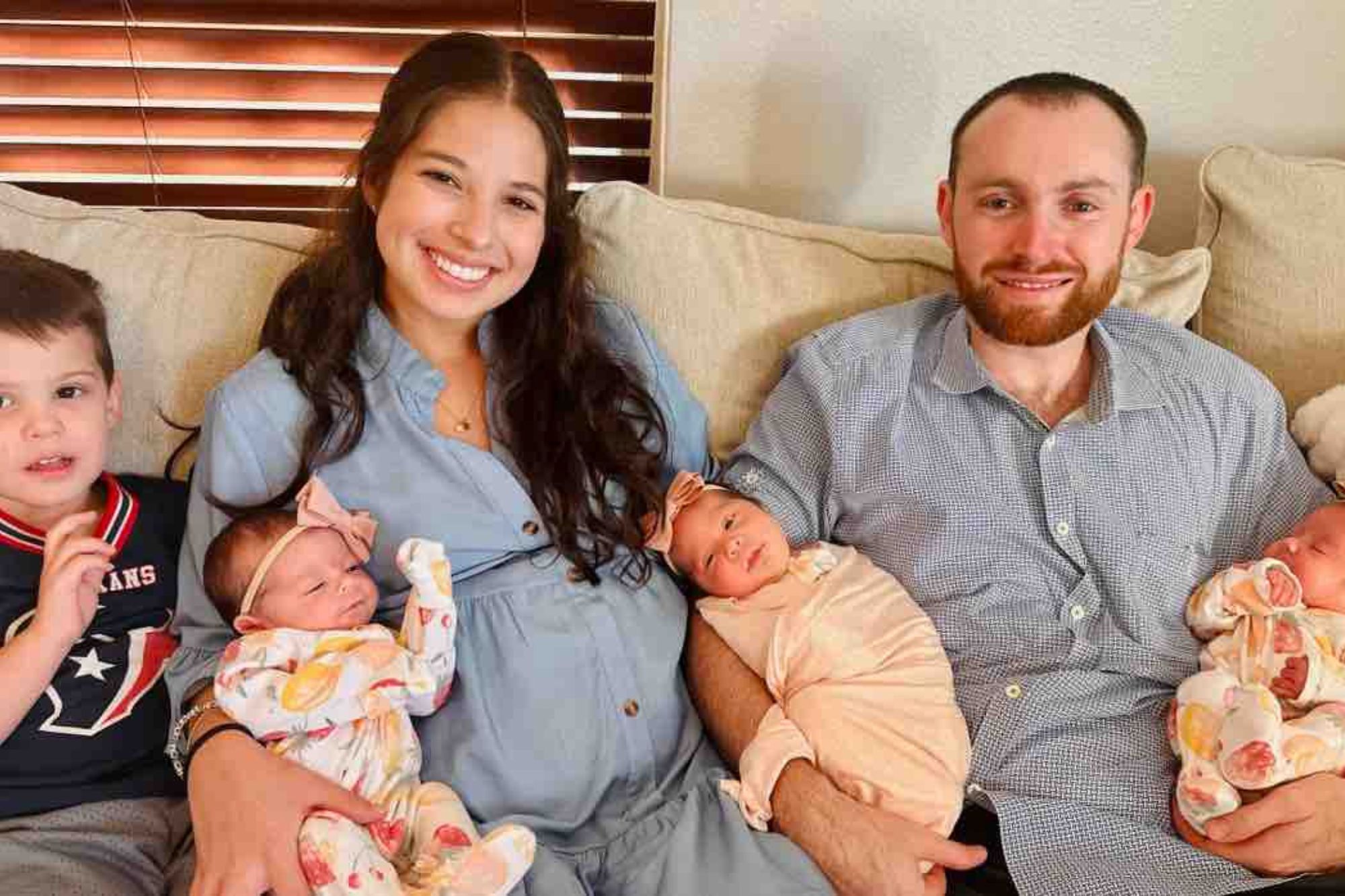
  • Texas Woman Who Briefly Died After Rare Delivery Room Complication Has No Memory of Giving Birth to Triplets

    Texas Woman Who Briefly Died After Rare Delivery Room Complication Has No Memory of Giving Birth to Triplets

    A Texas woman retained no memory of giving birth to triplets, including the 48 to 72 hours leading up to the delivery, after being clinically dead for about 45 minutes post-birth.

    Tomball resident Marisa Christie gave birth to triplets in late August, during which she faced multiple pregnancy-related complications causing her to flatline multiple times in just 45 minutes.

    “It was the toughest moment of my life going from the most beautiful experience in seeing our baby girls for the first time to ‘oh my gosh my wife is—they’re doing CPR on her’. I just remember going to the restroom and collapsing on the ground expressing myself to God,” said her husband, Dylan Christie, who had been in the delivery room at the time of the births.

    Marisa, who had already had one son before giving birth to triplets, miraculously survived the ordeal. According to her Maternal Fetal Medicine Physician, Dr. Amber Samuel, Marisa survived a rare post-birth complication called amniotic fluid embolism, a condition with a mortality rate of 80%.

    “Some exposure that causes the mom’s body to react like a really bad allergic reaction. I think they call it like 7.7 cases on 100,000,” Dr. Samuel said.

    Dylan made the call for Marisa to be administered a hysterectomy, which ultimately saved her life. However, when she recovered and woke up, she had no recollection of the delivery or the days leading up to it.

    “My family took lots of photos and videos of me when I was in the hospital, which helped a lot to kind of have reality hit,” Marisa said.

    The family has set up a GoFundMe in order to cover Marisa’s medical costs.

    Originally published by Latin Times.

    Source link