Tag: Give

  • Start Your Somatic Reset Now — And Give Your Body The Calm It Deserves

    Start Your Somatic Reset Now — And Give Your Body The Calm It Deserves

    Product Name: Start Your Somatic Reset Now — And Give Your Body The Calm It Deserves

    Click here to get Start Your Somatic Reset Now — And Give Your Body The Calm It Deserves at discounted price while it’s still available…

    All orders are protected by SSL encryption – the highest industry standard for online security from trusted vendors.

    Start Your Somatic Reset Now — And Give Your Body The Calm It Deserves is backed with a 60 Day No Questions Asked Money Back Guarantee. If within the first 60 days of receipt you are not satisfied with Wake Up Lean™, you can request a refund by sending an email to the address given inside the product and we will immediately refund your entire purchase price, with no questions asked.

    (more…)

  • The 3-Step Skincare Regimen that Will Give You Radiant, Healthy-Looking Skin

    The 3-Step Skincare Regimen that Will Give You Radiant, Healthy-Looking Skin

    Introduction to The 3-Step Skincare Regimen

    Achieving radiant, healthy-looking skin is a goal for many individuals. With the numerous skincare products and regimens available, it can be overwhelming to determine the best approach. However, a simple and effective method is the 3-step skincare regimen, which includes cleansing, exfoliating, and moisturizing. This article will delve into the details of each step, providing guidance on how to implement this regimen for optimal skin health.

    Understanding the Importance of Each Step

    Each step in the 3-step skincare regimen serves a crucial purpose in maintaining healthy and radiant skin. Cleansing removes dirt and impurities, exfoliating helps to unclog pores and improve skin texture, and moisturizing hydrates and protects the skin. By understanding the importance of each step, individuals can better appreciate the benefits of this regimen and make informed decisions about their skincare routine.

    Step 1: Cleansing – The Foundation of Skincare

    Cleansing is the first and most essential step in any skincare regimen. It involves removing dirt, makeup, and impurities from the skin’s surface, which can clog pores and lead to various skin issues. The key to effective cleansing is to use a gentle, pH-balanced cleanser that suits your skin type. Harsh cleansers can strip the skin of its natural oils, leading to dryness and irritation. Instead, opt for a mild cleanser that effectively removes impurities without disrupting the skin’s natural barrier.

    Step 2: Exfoliating – Unlocking Radiant Skin

    Exfoliating is a critical step in the 3-step skincare regimen, as it helps to remove dead skin cells, unclog pores, and improve skin texture. There are two primary methods of exfoliation: physical and chemical. Physical exfoliation involves using a scrub or brush to remove dead skin cells, while chemical exfoliation uses alpha-hydroxy acids (AHAs) or beta-hydroxy acids (BHAs) to dissolve the “glue” that holds dead skin cells together. Regular exfoliation can help to reduce the appearance of fine lines, wrinkles, and hyperpigmentation, leaving skin looking smoother and more radiant.

    Step 3: Moisturizing – Hydrating and Protecting the Skin

    Moisturizing is the final step in the 3-step skincare regimen, and it plays a vital role in hydrating and protecting the skin. A good moisturizer helps to lock in previous steps, ensuring that the skin remains hydrated and protected throughout the day. When choosing a moisturizer, consider your skin type and concerns. For example, if you have dry skin, opt for a rich, hydrating moisturizer, while oily skin may benefit from a lightweight, oil-free option. Additionally, look for a moisturizer that contains antioxidants and other beneficial ingredients to help protect the skin from environmental stressors.

    Tips for Customizing Your Skincare Regimen

    While the 3-step skincare regimen provides a solid foundation for achieving healthy, radiant skin, it’s essential to customize your routine to suit your individual skin type and concerns. Here are some tips to help you tailor your regimen:

    • Identify your skin type: Determine whether you have dry, oily, combination, or sensitive skin to choose products that cater to your specific needs.
    • Consider your skin concerns: Whether you’re dealing with acne, hyperpigmentation, or fine lines, select products that address these issues.
    • Be gentle: Avoid using harsh products or exfoliating too frequently, as this can lead to irritation and damage.
    • Stay consistent: Stick to your routine and give your skin time to respond. Consistency is key to achieving optimal results.

    Common Mistakes to Avoid in Your Skincare Regimen

    Despite the simplicity of the 3-step skincare regimen, there are common mistakes that individuals make, which can hinder their progress. Some of these mistakes include:

    • Over-exfoliating: Exfoliating too frequently can lead to irritation, dryness, and even post-inflammatory hyperpigmentation.
    • Using the wrong products: Choosing products that are not suitable for your skin type or concerns can lead to inadequate results or even exacerbate existing issues.
    • Inconsistent routine: Failing to stick to a consistent skincare routine can make it challenging to achieve optimal results.
    • Not protecting your skin from the sun: Sun damage is a significant contributor to premature aging and skin cancer. Always wear sunscreen with at least SPF 30 daily, even on cloudy days.

    Conclusion

    The 3-step skincare regimen is a simple, effective method for achieving radiant, healthy-looking skin. By understanding the importance of each step – cleansing, exfoliating, and moisturizing – and customizing your routine to suit your skin type and concerns, you can unlock the secrets to optimal skin health. Remember to be gentle, consistent, and patient, and avoid common mistakes that can hinder your progress. With dedication and the right approach, you can enjoy the benefits of healthy, glowing skin that enhances your overall well-being and confidence.

    FAQs

    Q: What is the best skincare routine for my skin type?

    A: The best skincare routine for your skin type depends on various factors, including your skin concerns, lifestyle, and personal preferences. It’s essential to consult with a dermatologist or skincare professional to determine the most suitable routine for your specific needs.

    Q: How often should I exfoliate?

    A: The frequency of exfoliation depends on your skin type and concerns. Generally, it’s recommended to exfoliate 1-3 times a week, depending on your skin’s sensitivity and needs. Over-exfoliating can lead to irritation and dryness, so it’s crucial to find a balance that works for your skin.

    Q: What are the benefits of moisturizing?

    A: Moisturizing helps to hydrate and protect the skin, locking in previous steps and ensuring that the skin remains healthy and radiant throughout the day. A good moisturizer can also help to reduce the appearance of fine lines, wrinkles, and hyperpigmentation, while protecting the skin from environmental stressors.

    Q: Can I use the same skincare products for day and night?

    A: While some skincare products can be used both day and night, it’s generally recommended to use different products for each time of day. Daytime products often contain SPF and antioxidants to protect the skin from environmental stressors, while nighttime products may focus on repairing and rejuvenating the skin.

    Q: How long will it take to see results from my skincare routine?

    A: The time it takes to see results from your skincare routine can vary depending on your skin type, concerns, and the products you’re using. Generally, it’s recommended to give your skin at least 4-6 weeks to respond to a new routine, as this allows time for the skin to adjust and for the products to take effect. Consistency and patience are key to achieving optimal results.

  • The Gratitude Advantage: How Focusing on the Good Can Give You an Edge in Life

    The Gratitude Advantage: How Focusing on the Good Can Give You an Edge in Life

    Introduction to The Gratitude Advantage

    The concept of gratitude has been widely recognized as a powerful tool for improving one’s quality of life. Focusing on the good things in life, no matter how small they may seem, can have a profound impact on both mental and physical well-being. This approach is often referred to as the gratitude advantage, where cultivating a sense of gratitude gives individuals an edge in life, helping them navigate challenges with greater ease and achieve their goals more effectively. In this article, we will explore the benefits of gratitude, how it can be practiced, and the advantages it offers in various aspects of life.

    Understanding Gratitude

    Gratitude is the feeling of appreciation or thanks for something. It involves recognizing and appreciating the good things in life, whether they are big or small, tangible or intangible. This mindset can be developed and strengthened over time through conscious effort and practice. Unlike other positive emotions that are often linked to achieving something or succeeding at an endeavor, gratitude can be felt regardless of one’s circumstances. It’s about shifting the focus from what’s lacking to what’s already present and good.

    The Science Behind Gratitude

    Research in psychology has shown that practicing gratitude can lead to significant improvements in mental health, relationships, and overall life satisfaction. Studies have found that individuals who regularly practice gratitude tend to have lower levels of stress and anxiety, better sleep quality, and a stronger immune system. The neurological basis of gratitude suggests that it activates areas of the brain associated with moral and social cognition, which can lead to increased feelings of empathy, altruism, and social bonding.

    Practices for Cultivating Gratitude

    Cultivating gratitude is a personal and ongoing process that can be achieved through various practices. One of the most common methods is keeping a gratitude journal, where individuals write down things they are thankful for each day. This could range from good health, supportive relationships, to simple pleasures like a beautiful sunset or a good cup of coffee. Other practices include sharing gratitude with others, whether through verbal appreciation or acts of kindness, and meditation or prayer focused on gratitude.

    The Gratitude Advantage in Personal Life

    In personal life, the gratitude advantage can manifest in several ways. It can improve relationships by fostering a sense of appreciation and respect for others, leading to stronger, more meaningful connections. Gratitude can also enhance personal growth by helping individuals focus on their strengths and the opportunities available to them, rather than their weaknesses and limitations. Furthermore, a gratitude mindset can increase resilience, helping people cope better with adversity and bounce back from challenges.

    The Gratitude Advantage in Professional Life

    The benefits of gratitude are not limited to personal life; they also extend into professional settings. A culture of gratitude in the workplace can boost employee morale, encourage teamwork, and increase productivity. When employees feel valued and appreciated, they are more likely to be engaged, motivated, and committed to their work. Gratitude can also enhance professional relationships, building trust and respect among colleagues and between employees and management. Additionally, it can lead to better decision-making, as a positive and appreciative mindset can broaden one’s perspective and foster creative problem-solving.

    Overcoming Challenges to Gratitude

    Despite its benefits, cultivating gratitude can be challenging, especially in difficult circumstances. Negative emotions and thoughts can overwhelm the ability to feel grateful, and it’s easy to get caught up in focusing on what’s going wrong rather than what’s going right. To overcome these challenges, it’s essential to start small, focusing on even the smallest blessings. Consistency is also key; making gratitude a daily habit can help shift one’s perspective over time. Moreover, seeking support from others, whether through gratitude groups or sharing gratitude practices with friends and family, can provide motivation and encouragement.

    Conclusion

    The gratitude advantage is a powerful concept that can significantly improve one’s life by focusing on the good, cultivating a positive mindset, and appreciating the present moment. Through practices such as journaling, sharing gratitude, and meditation, individuals can develop a stronger sense of gratitude, leading to better mental and physical health, stronger relationships, and greater success in both personal and professional life. By embracing gratitude and making it a part of daily life, individuals can gain an edge, navigating life’s challenges with greater ease, resilience, and joy.

    FAQs

    1. What is the gratitude advantage?

      • The gratitude advantage refers to the benefits and positive outcomes that individuals experience when they cultivate and practice gratitude in their daily lives.

    2. How can I start practicing gratitude?

      • You can start practicing gratitude by keeping a gratitude journal, sharing your gratitude with others, or incorporating gratitude into your meditation or prayer.

    3. Can gratitude really improve my mental health?

      • Yes, numerous studies have shown that practicing gratitude can lead to lower levels of stress and anxiety, improved mood, and better overall mental health.

    4. How does gratitude affect relationships?

      • Gratitude can strengthen relationships by fostering appreciation, respect, and empathy towards others, leading to more meaningful and lasting connections.

    5. Is it possible to feel grateful even in difficult times?

      • Yes, while it may be more challenging, it’s possible to find aspects to be grateful for even in hard times. Focusing on the smallest blessings and practicing consistency can help.

    6. Can gratitude be beneficial in a professional setting?

      • Absolutely, cultivating a culture of gratitude in the workplace can improve morale, encourage teamwork, increase productivity, and lead to better professional relationships and decision-making.

    7. How long does it take to see the benefits of gratitude?

      • The benefits of gratitude can be experienced almost immediately, but like any practice, the more consistent and long-term the effort, the more profound and lasting the advantages will be.

    8. Do I need to buy any special materials to practice gratitude?

      • No, while tools like gratitude journals can be helpful, they are not necessary. What’s most important is the intention and effort to cultivate gratitude in your daily life.

    9. Can children practice gratitude?

      • Yes, teaching children to practice gratitude can help them develop a positive outlook on life, stronger relationships, and better coping mechanisms from an early age.

    10. Is gratitude a replacement for seeking help when needed?

      • No, while gratitude can improve mental and emotional well-being, it is not a substitute for professional help when dealing with serious mental health issues or significant life challenges.
  • Upcycle Old Furniture and Give It a New Life

    Upcycle Old Furniture and Give It a New Life

    Introduction to Upcycling

    Upcycling old furniture is a creative and environmentally friendly way to give new life to items that would otherwise be thrown away. It involves transforming old, discarded, or unused furniture into unique and functional pieces that can be used in various settings, such as homes, offices, or public spaces. Upcycling not only reduces waste but also saves resources, supports sustainability, and fosters innovation and creativity. In this article, we will explore the world of upcycling old furniture, its benefits, and provide tips and ideas for giving old furniture a new lease on life.

    Benefits of Upcycling Old Furniture

    Upcycling old furniture offers numerous benefits, including:

    • Reducing waste: Upcycling helps to reduce the amount of waste sent to landfills, which is beneficial for the environment.
    • Saving resources: By reusing and repurposing old furniture, we can conserve natural resources, such as wood, metal, and other materials.
    • Supporting sustainability: Upcycling promotes sustainable living and helps to reduce our carbon footprint.
    • Fostering creativity: Upcycling encourages creativity and innovation, as it requires thinking outside the box and finding new uses for old items.
    • Saving money: Upcycling can be a cost-effective way to acquire new furniture, as it often involves using items that are already available.

    Getting Started with Upcycling

    To get started with upcycling old furniture, you will need a few basic tools and materials, such as:

    • A workspace: A garage, basement, or outdoor area where you can work on your upcycling projects.
    • Tools: A drill, saw, sandpaper, paintbrushes, and other basic tools.
    • Materials: Old furniture, fabric, paint, glue, and other materials that can be used to transform and restore the furniture.
    • Inspiration: Look for ideas and inspiration online, in magazines, or by visiting thrift stores and flea markets.

    Tips for Upcycling Old Furniture

    Here are some tips for upcycling old furniture:

    • Start with a solid foundation: Choose furniture that is sturdy and well-made, as it will be easier to work with and more likely to last.
    • Be creative: Think outside the box and come up with unique and innovative ideas for transforming old furniture.
    • Use high-quality materials: Invest in good-quality materials, such as paint, fabric, and hardware, to ensure that your upcycled furniture looks great and lasts.
    • Don’t be afraid to experiment: Upcycling is all about trial and error, so don’t be afraid to try new things and make mistakes.
    • Have fun: Upcycling is a fun and rewarding hobby, so enjoy the process and be proud of your creations.

    Ideas for Upcycling Old Furniture

    Here are some ideas for upcycling old furniture:

    • Turn an old door into a coffee table or headboard.
    • Convert an old dresser into a kitchen island or bathroom vanity.
    • Transform an old chair into a planter or pet bed.
    • Upcycle an old ladder into a bookshelf or room divider.
    • Turn an old window into a mirror or piece of wall art.

    Popular Upcycling Techniques

    Some popular upcycling techniques include:

    • Painting: Giving old furniture a fresh coat of paint can completely transform its look and feel.
    • Refinishing: Stripping and refinishing old furniture can restore its original beauty and charm.
    • Reupholstering: Replacing old upholstery with new fabric can give furniture a modern and updated look.
    • Decoupage: Applying cut-out images or paper to furniture can add a unique and decorative touch.
    • Distressing: Creating a distressed or vintage look on furniture can add character and charm.

    Safety Precautions

    When upcycling old furniture, it’s essential to take safety precautions to avoid injury and ensure a successful project. Some safety precautions to consider include:

    • Wear protective gear: Wear gloves, safety glasses, and a mask when working with power tools, sanding, or painting.
    • Use proper lifting techniques: Lift heavy furniture safely to avoid straining your back or injuring yourself.
    • Follow instructions: Read and follow instructions carefully when using power tools, chemicals, or other materials.
    • Work in a well-ventilated area: Ensure good ventilation when working with chemicals, paint, or other materials that can emit fumes.

    Common Mistakes to Avoid

    When upcycling old furniture, there are several common mistakes to avoid, including:

    • Not properly preparing the surface: Failing to clean, sand, or prime the surface can result in a poor finish or uneven paint job.
    • Using low-quality materials: Investing in cheap or low-quality materials can compromise the durability and appearance of the final product.
    • Not measuring carefully: Failing to measure carefully can result in ill-fitting parts or a poorly constructed piece.
    • Not testing materials: Not testing materials or techniques before applying them to the final product can result in unexpected outcomes or mistakes.

    Conclusion

    Upcycling old furniture is a fun, creative, and environmentally friendly way to give new life to items that would otherwise be thrown away. With a little imagination and some basic tools and materials, you can transform old furniture into unique and functional pieces that can be used in various settings. By following the tips and ideas outlined in this article, you can create beautiful and functional upcycled furniture that reflects your personal style and adds character to your home or office.

    FAQs

    Q: What is upcycling?
    A: Upcycling is the process of transforming old, discarded, or unused items into new, useful, and often unique products.
    Q: What are the benefits of upcycling old furniture?
    A: The benefits of upcycling old furniture include reducing waste, saving resources, supporting sustainability, fostering creativity, and saving money.
    Q: What tools and materials do I need to get started with upcycling?
    A: To get started with upcycling, you will need basic tools, such as a drill, saw, and sandpaper, and materials, such as old furniture, fabric, paint, and glue.
    Q: How do I choose the right furniture to upcycle?
    A: Choose furniture that is sturdy, well-made, and has potential for transformation.
    Q: What are some popular upcycling techniques?
    A: Popular upcycling techniques include painting, refinishing, reupholstering, decoupage, and distressing.
    Q: What safety precautions should I take when upcycling old furniture?
    A: Safety precautions to consider include wearing protective gear, using proper lifting techniques, following instructions, and working in a well-ventilated area.
    Q: What are some common mistakes to avoid when upcycling old furniture?
    A: Common mistakes to avoid include not properly preparing the surface, using low-quality materials, not measuring carefully, and not testing materials.
    Q: How can I get inspiration for upcycling projects?
    A: Look for ideas and inspiration online, in magazines, or by visiting thrift stores and flea markets.
    Q: Can I sell my upcycled furniture?
    A: Yes, you can sell your upcycled furniture online, at local markets, or through consignment shops.

  • Influencer Urges Parents to Give Kids Bleach to Treat Autism Despite Reports of Vomiting, Suffering Seizures: Report

    Influencer Urges Parents to Give Kids Bleach to Treat Autism Despite Reports of Vomiting, Suffering Seizures: Report

    A social media influencer is under fire for promoting a dangerous and discredited chemical as a so-called “autism cure,” despite alarming reports of serious harm to children.

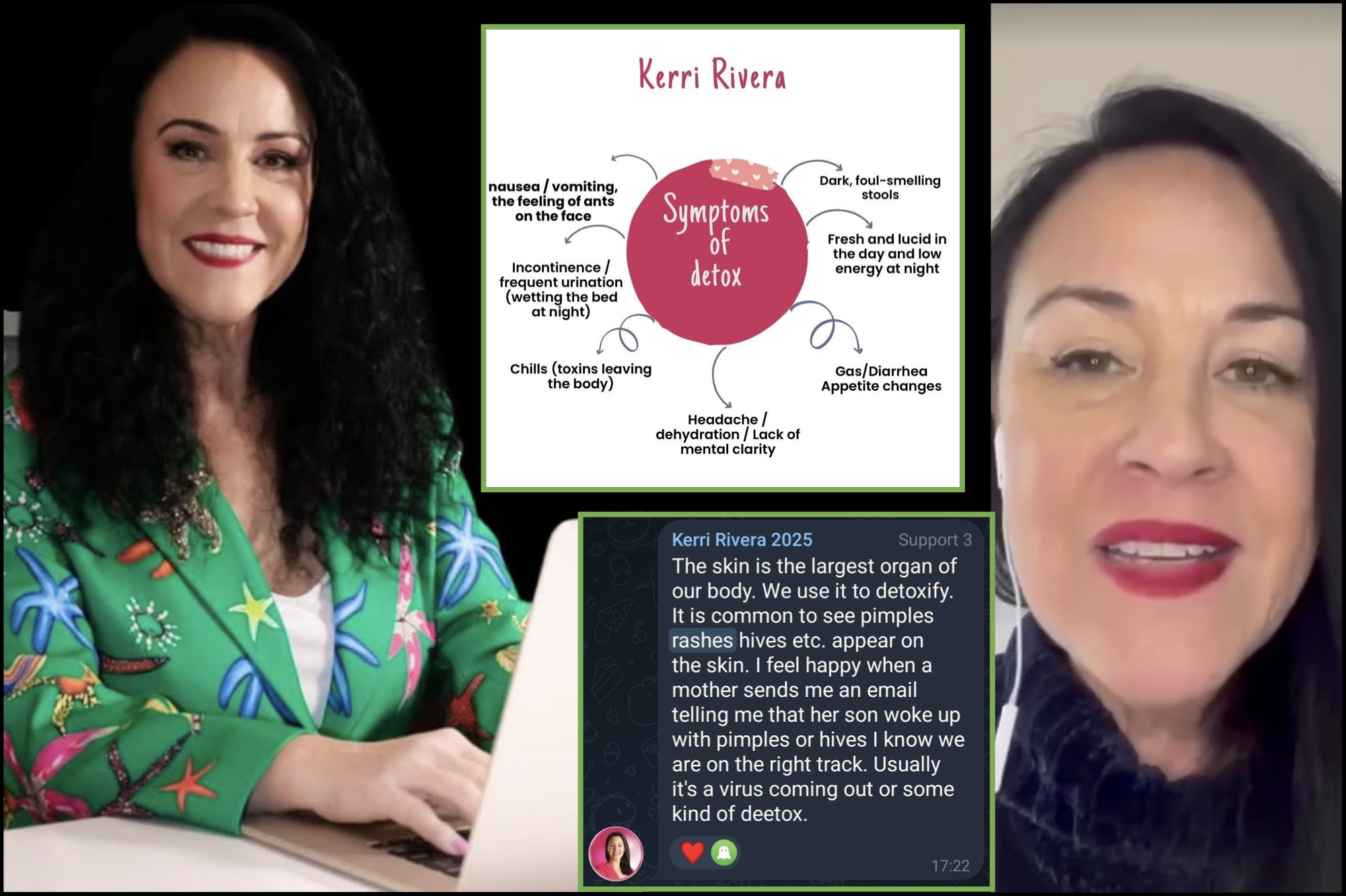
    Kerri Rivera, who has over 17,000 followers on Instagram, encourages parents to administer chlorine dioxide (CD)—an industrial bleach used in textile manufacturing and disinfection—orally and by enema to their autistic children. Rivera falsely claims this “protocol” rids the body of parasites she believes cause autism.

    Messages from Rivera’s private support group show parents reporting disturbing side effects, including vomiting, rashes, seizures, and chemical-smelling urine. Despite these symptoms, Rivera routinely reassures followers that these are signs the bleach is “working” and the body is “detoxifying.”

    Ingesting chlorine dioxide can result in severe vomiting, liver failure, respiratory problems, developmental delays and death.

    Tim Nicholls of the National Autistic Society called Rivera’s claims “sickening.”

    “This information is wrong, dangerous and harmful to autistic people and their families,” Nicholls told The Independent.

    “No autistic person, parent or carer should be told to ‘cure’ their child by administering a dangerous, potentially life-threatening chemical,” he continued. “Autism is a lifelong neurodivergence and disability, it is not a disease that can be ‘treated’ or ‘cured.’”

    TikTok has removed Rivera’s account, and Amazon removed her storefront where she earned commission on products she recommended to administer “protocols.” Her Instagram remains active.

    Advocacy groups are urging social media platforms and government agencies to take stronger action against the promotion of toxic treatments and to encourage parents to seek advice from trusted medical professionals.

    Rivera has not responded to the growing backlash.

    Originally published on Latin Times


    Source link