Tag: Functional

  • Clubbell Training Flow Combines Mill Movements and Indian Clubs to Create Functional Rotational Power

    Clubbell Training Flow Combines Mill Movements and Indian Clubs to Create Functional Rotational Power

    Clubbell training flow has become an essential approach in functional strength and mobility training. This method promotes full-body coordination through controlled circular patterns, improving endurance, strength, and joint integrity.

    Influenced by the ancient practice of swinging Indian clubs, clubbell training focuses on rotational power, one of the most fundamental forms of human movement. Each exercise teaches the body to handle torque efficiently while developing balance and fluidity in motion.

    What is Clubbell Training Flow?

    Clubbell training flow refers to the continuous sequence of movements using weighted clubs to improve strength and mobility. Unlike linear resistance exercises, these flows rely on circular and rotational movements that mirror many natural human motions.

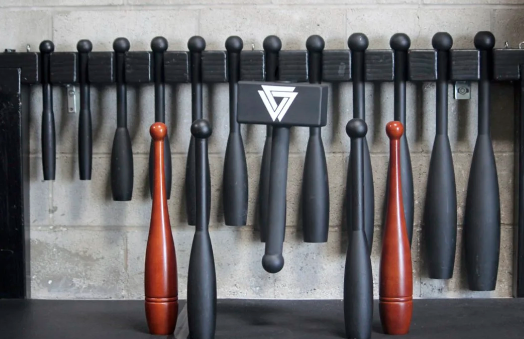
    Clubbells may look similar to Indian clubs or macebells, but they differ in size, weight, and design, allowing a broader range of dynamic movements.

    This style emphasizes rhythm and continuity rather than isolated repetitions. In a flow, movements transition smoothly from one pattern to another, which trains the nervous system to adapt and stabilize. Practitioners often describe it as movement meditation combined with functional strength work.

    How Does Clubbell Training Build Circular Strength?

    Circular strength refers to the body’s ability to generate, transfer, and control force through rotational or curved pathways rather than straight lines.

    In clubbell training flow, every swing, arc, and rotation teaches the body to manage torque from multiple angles. When a clubbell moves in an arc, the shoulder stabilizers, core musculature, and grip all engage simultaneously.

    Mill movements, a foundational clubbell exercise, demonstrate this concept clearly. As the club travels around the body in a controlled circle, it strengthens the connective tissues, tendons, and small stabilizing muscles.

    Over time, this develops a balanced kind of strength that enhances performance in sports, martial arts, and daily movement patterns.

    What Are the Benefits of Clubbell Flows?

    Clubbell flows train the body to move efficiently and powerfully. By developing rotational power, they enhance performance in any activity that requires twisting or turning, from throwing and striking to lifting and bending. Unlike conventional gym routines that isolate muscles, clubbell sequences engage multiple muscle chains at once.

    Other key benefits include:

    • Enhanced mobility in the shoulders, hips, and spine
    • Increased grip and forearm endurance
    • Strengthened joint integrity through dynamic load distribution
    • Improved coordination and proprioception
    • Mental clarity from rhythmic, flow-based practice

    Because clubbell work integrates strength and movement, it also improves recovery and balance across the body, helping prevent overuse injuries.

    How Do You Start a Clubbell Mobility Patterning Flow?

    Beginners are encouraged to start with light Indian clubs or lightweight clubbells to focus on precision and control before adding heavier resistance. A proper warm-up is essential, typically using joint rotations and pendulum swings to prepare the shoulders, elbows, and wrists.

    Foundational movements include the front pendulum, shield cast, and basic mill variations. These build the skill to manage rotational momentum safely, according to F3 Wellness Connections.

    Once the body adapts, the practitioner can progress to combination patterns, linking movements into continuous flows that challenge endurance and coordination. Visualizing the club’s circular path helps maintain consistency and rhythm throughout the session.

    What Are Mill Movements in Clubbell Training?

    “Mill movements” represent a cornerstone of clubbell training flow and are derived from traditional Indian club practices. The mill involves moving the club in a continuous circular path around the shoulder, typically in three main versions: inside mill, outside mill, and reverse mill.

    Each variation emphasizes control, timing, and precision. The inside mill guides the club inward across the body; the outside mill follows an outward path; the reverse mill retraces the pattern backward, requiring refined coordination. Performing these movements correctly creates powerful rotational tension across the shoulders, chest, lats, and core, directly enhancing rotational power.

    Common challenges include overextending the elbow or using momentum instead of muscle control. Starting slow and focusing on smooth arcs ensures the technique develops strength safely and effectively.

    How to Design a Clubbell Flow Routine

    A structured clubbell training flow sequence typically includes three phases: preparation, flow, and recovery.

    1. Preparation: Begin with joint mobility and light warm-up swings using Indian clubs to activate the shoulders and core.
    2. Flow Sequence: Choose a combination of three to five patterns, such as the pendulum, shield cast, and inside mill. Transition smoothly between movements to encourage coordination and rhythm.
    3. Recovery and Reset: After completing several rounds, practice slower movements or isometric holds to bring the heart rate down and reinforce body awareness.

    The key is fluidity rather than speed. Instead of counting repetitions, practitioners measure progress by how smoothly one movement transitions into the next. Over time, the flow can include more complex combinations or added weight to intensify resistance and improve adaptability.

    Example beginner combination: front pendulum → shield cast → inside mill → reverse mill → back to pendulum.

    Indian Clubs vs. Clubbells: What’s the Difference?

    While Indian clubs and clubbells share historical and mechanical similarities, they serve slightly different purposes. Indian clubs are typically lighter and shorter, designed primarily for coordination, mobility, and warm-ups. They trace back to ancient South Asian and Persian training systems used for combat preparation and rehabilitation.

    Clubbells, introduced in modern fitness contexts, feature a denser weight distribution toward the end of the handle. This design increases torque, making them ideal for building rotational power and functional strength rather than just mobility.

    Because they handle greater loads, clubbells challenge stabilizer muscles deeply within the joints, promoting durability and resilience, as per Physical Living.

    Many athletes use both tools complementarily: Indian clubs for mobility patterning, and clubbells for strength and endurance flow work.

    Tips for Safe and Effective Clubbell Training

    Safety and precision are essential in circular training. Here are key guidelines:

    • Maintain a firm yet relaxed grip to prevent excess tension.
    • Keep the spine tall and engage the core to control rotation.
    • Practice in open space to allow full range of motion.
    • Start with lighter weights and master the technique before progressing.
    • Focus on controlled breathing to maintain rhythm and focus.

    Avoid jerky or rushed movements, as fluid coordination is the foundation of strength in flow training. Filming practice sessions or working under supervision can help correct alignment and ensure safe progression.

    Building Lifelong Mobility Through Clubbell Training Flow

    Regular clubbell training flow practice cultivates a type of strength that extends beyond aesthetics, it supports functional movement, body awareness, and longevity.

    Through mill movements, rotational drills, and patterned sequences, the body learns to generate and absorb torque efficiently. These rotational skills translate to nearly every athletic and daily activity, from lifting and running to martial arts and dance.

    The influence of Indian clubs underscores the continuity between ancient movement traditions and modern fitness evolution. Both highlight the principle that strength should be fluid, adaptable, and resilient.

    Practicing clubbell flows develops not only muscular endurance but also mental clarity, encouraging a meditative focus on movement quality.

    By mastering the art of controlled rotation, practitioners strengthen connective tissues, increase joint range, and build functional rotational power that supports movement across all planes.

    In this way, clubbell training flow becomes more than an exercise, it’s a dynamic approach to sustaining mobility, strength, and harmony within the body over time.

    Frequently Asked Questions

    1. Can clubbell training flow help improve posture?

    Yes. The rotational and circular patterns strengthen the shoulders, back, and core, encouraging better alignment and reducing the tendency to slouch.

    2. How heavy should a beginner clubbell be?

    Most beginners start with a 5 to 10-pound clubbell to master technique and control before progressing to heavier options.

    3. Is clubbell training flow suitable for rehabilitation?

    It can be, when performed under professional guidance. The low-impact, circular strength patterns promote joint mobility and gentle tissue strengthening.

    4. How often should Clubbell Training be practiced?

    Practicing two to three times a week is ideal for developing flow, coordination, and endurance without overtraining.


    Source link

  • Unlock a Stronger You: How Functional Training Improves Everyday Life (Target keywords: functional training, everyday life)

    Unlock a Stronger You: How Functional Training Improves Everyday Life (Target keywords: functional training, everyday life)

    As people go about their daily routines, they often overlook the importance of incorporating physical activity into their lives. While hitting the gym or going for a run can be beneficial, there’s a specific type of exercise that can have a significant impact on everyday life: functional training. This approach to fitness focuses on exercises that mimic real-life movements, helping individuals build strength, endurance, and flexibility in a way that translates to their daily activities.

    What is Functional Training?

    Functional training is a type of exercise that targets multiple muscle groups at once, using movements that are similar to those performed in everyday life. This can include actions like squatting, lunging, pushing, pulling, and rotating. By training the body to perform these movements efficiently, individuals can improve their overall functional ability, making it easier to tackle daily tasks and activities. Whether it’s carrying groceries, playing with kids, or simply getting up from a chair, functional training can help build the strength and resilience needed to take on everyday challenges.

    How Functional Training Improves Everyday Life

    One of the primary benefits of functional training is its ability to enhance everyday life by improving physical function. When individuals engage in functional training exercises, they’re building strength and endurance in a way that directly applies to their daily activities. For example, exercises like squats and lunges can help improve balance and stability, reducing the risk of falls and injuries. Similarly, exercises that target the core muscles, such as planks and rotations, can help improve posture and reduce back pain.

    In addition to physical benefits, functional training can also have a significant impact on mental well-being. Exercise has long been shown to have a positive effect on mood and cognitive function, and functional training is no exception. By challenging the body and pushing individuals outside of their comfort zones, functional training can help build confidence and self-esteem, leading to a more positive and resilient mindset.

    Real-Life Applications of Functional Training

    So, how exactly does functional training apply to everyday life? The answer is everywhere. From simple tasks like carrying groceries or playing with kids, to more complex activities like hiking or gardening, functional training can help individuals build the strength and endurance needed to take on a wide range of challenges.

    For example, a busy parent might find that functional training helps them keep up with their energetic kids, whether that’s playing catch, riding bikes, or simply running around the backyard. Similarly, an outdoor enthusiast might find that functional training improves their hiking or camping experiences, allowing them to tackle more challenging trails and enjoy the great outdoors with greater ease and confidence.

    Incorporating Functional Training into Daily Life

    The good news is that incorporating functional training into daily life is easier than ever. With a little creativity, individuals can turn everyday activities into functional training exercises. For example, carrying groceries can become a strength-training exercise by using proper lifting techniques and engaging the core muscles. Similarly, playing with kids can become a cardio workout by incorporating games like tag or hide-and-seek.

    Individuals can also incorporate functional training exercises into their daily routines, such as doing a set of squats or lunges during commercial breaks while watching TV, or doing a few minutes of planks or rotations during their morning coffee break. The key is to find ways to make functional training a natural part of daily life, rather than something that feels like a chore or an added burden.

    Common Functional Training Exercises

    Some common functional training exercises include:

    • Squats: standing with feet shoulder-width apart, then bending the knees and lowering the body down
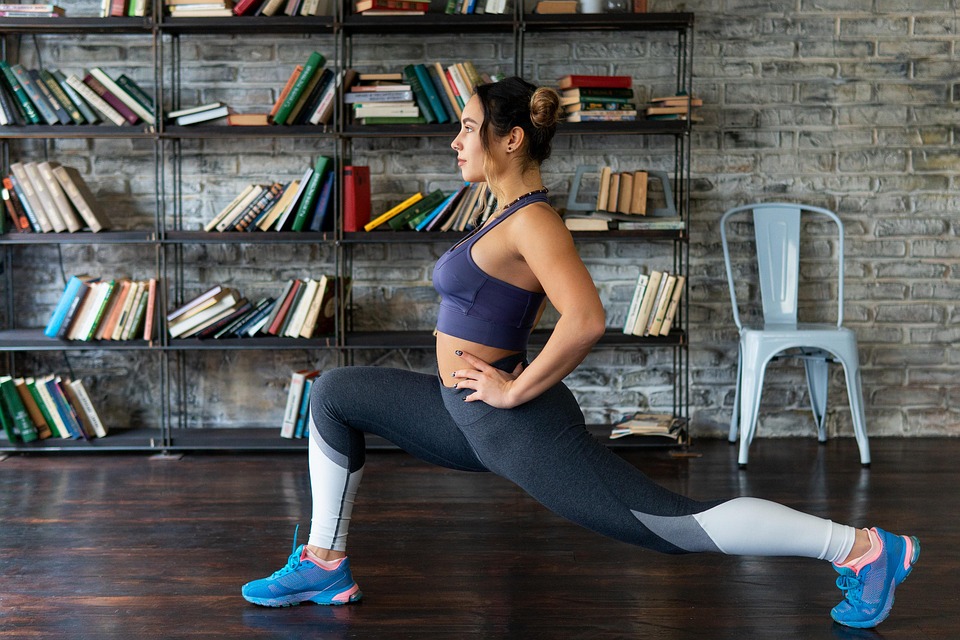
    • Lunges: standing with feet together, taking a large step forward with one foot, and lowering the body down
    • Push-ups: starting in a plank position, lowering the body down until the chest nearly touches the ground, then pushing back up
    • Rows: holding a weight or resistance band, pulling the elbows back and squeezing the shoulder blades together
    • Planks: starting in a plank position, engaging the core muscles and holding for 30-60 seconds

    These exercises, and others like them, can be modified to suit different fitness levels and goals, making functional training accessible to individuals of all ages and abilities.

    Benefits of Functional Training for Different Age Groups

    Functional training is beneficial for individuals of all ages, from children to older adults. For younger individuals, functional training can help improve athletic performance and reduce the risk of injury. For older adults, functional training can help improve balance and mobility, reducing the risk of falls and maintaining independence.

    In addition, functional training can be modified to suit different fitness levels and goals, making it an ideal approach for individuals who are just starting out with exercise, as well as those who are more experienced. Whether the goal is to improve overall health, increase strength and endurance, or simply feel more confident and capable, functional training can help.

    Overcoming Common Obstacles to Functional Training

    One of the biggest obstacles to functional training is a lack of motivation or time. With busy schedules and multiple demands on our time, it can be hard to find the energy or enthusiasm to engage in physical activity. However, the key is to start small and find ways to incorporate functional training into daily life, rather than trying to set aside large blocks of time for exercise.

    Another common obstacle is a lack of knowledge or experience with functional training exercises. However, there are many resources available, from online tutorials and videos to fitness classes and personal training sessions. By seeking out guidance and support, individuals can learn how to perform functional training exercises safely and effectively, and start seeing the benefits for themselves.

    Conclusion

    Functional training is a powerful approach to fitness that can have a significant impact on everyday life. By incorporating exercises that mimic real-life movements, individuals can build strength, endurance, and flexibility in a way that translates to their daily activities. Whether the goal is to improve overall health, increase athletic performance, or simply feel more confident and capable, functional training can help. By starting small, seeking out guidance and support, and finding ways to make functional training a natural part of daily life, individuals can unlock a stronger, more resilient version of themselves.

    Frequently Asked Questions

    Q: What is functional training, and how is it different from other types of exercise?
    A: Functional training is a type of exercise that targets multiple muscle groups at once, using movements that are similar to those performed in everyday life. This approach to fitness helps build strength, endurance, and flexibility in a way that translates to daily activities, making it a unique and effective way to improve overall health and well-being.

    Q: How can I incorporate functional training into my daily life?
    A: There are many ways to incorporate functional training into daily life, from turning everyday activities into strength-training exercises to doing a few minutes of planks or rotations during commercial breaks while watching TV. The key is to find ways to make functional training a natural part of daily life, rather than something that feels like a chore or an added burden.

    Q: What are some common functional training exercises, and how can I modify them to suit my fitness level?
    A: Some common functional training exercises include squats, lunges, push-ups, rows, and planks. These exercises can be modified to suit different fitness levels and goals, such as reducing the depth of squats or lunges, or using a resistance band instead of free weights.

    Q: Is functional training suitable for all ages and fitness levels?
    A: Yes, functional training is beneficial for individuals of all ages, from children to older adults. This approach to fitness can be modified to suit different fitness levels and goals, making it an ideal approach for individuals who are just starting out with exercise, as well as those who are more experienced.

    Q: How can I overcome common obstacles to functional training, such as a lack of motivation or time?
    A: The key is to start small and find ways to incorporate functional training into daily life, rather than trying to set aside large blocks of time for exercise. Additionally, seeking out guidance and support from fitness classes, personal training sessions, or online resources can help individuals learn how to perform functional training exercises safely and effectively, and stay motivated to continue.

    unlock-a-stronger-you-how-functional-training-improves-everyday-life-target-keywords-functional-training-everyday-life

  • A Functional Medicine Guide to Weight Loss and Long-Term Vitality

    A Functional Medicine Guide to Weight Loss and Long-Term Vitality

    Dani Conway

    As women enter their 40s, hormone shifts can turn simple weight‑loss tactics into frustrating plateaus. In this guide, Board Certified Functional Diagnostic Nutrition Practitioner Dani Conway outlines her science‑backed strategies—rooted in advanced functional testing and bloodwork, bioindividual nutrition and cutting‑edge protocols—to optimize metabolic health, rebalance hormones, and support lasting vitality.

    The Hormone Cascade: Why Weight Loss Changes After 40

    During perimenopause and menopause, declining estrogen and progesterone levels can alter fat distribution and insulin sensitivity. Reduced estrogen often drives abdominal fat and carbohydrate intolerance, while low progesterone contributes to mood swings and poor exercise recovery. Meanwhile, shifts in cortisol, insulin and leptin further complicate metabolism:

    • Cortisol: Chronic stress or under‑eating can dysregulate the body’s stress response, spiking cortisol and sabotaging fat‑burning.
    • Insulin resistance: A common midlife challenge that impairs glucose metabolism and promotes fat storage.
    • Leptin resistance: When satiety signals weaken, overeating and metabolic slowdown often follow.

    Understanding these changes is key. Simply cutting calories or increasing cardio rarely works without addressing underlying hormone dysfunction using a test, don’t guessapproach.

    Dani Conway

    Functional Medicine and Root‑Cause Testing

    Rather than mask symptoms, functional medicine pinpoints imbalances through advanced lab work. Dani Conway emphasizes comprehensive testing—including functional bloodwork, urinary panels for hormones and nutrient deficiency, along with gut‑health evaluation—always assessing for optimal ranges, not standard norms. Key markers include:

    • Fasting insulin and glucose for metabolic health
    • Hemoglobin A1c to assess long‑term glycemic control
    • Sex hormones (estradiol, progesterone, testosterone – both total and free!) for balance
    • DHEA and cortisol patterns to monitor stress resilience
    • Micronutrients (B12, iron, magnesium, zinc) that support hormone production
    • Gut‑dysbiosis markers to restore microbiome integrity
    • Liver detoxification markers to evaluate hormone clearance, fat loss capability and more!

    Interpreting these data areas allows for targeted protocols that correct hidden underlying imbalances, restore metabolic flexibility and support sustainable weight loss.

    Dani Conway

    Fueling Before Fasting: The Cycle‑Sensitive UNdiet Method

    Intermittent fasting can have hormetic benefits—but only when tailored for women over 40 based on biochemical individuality. Unprepared fasting windows may trigger cortisol spikes and menstrual irregularities. Dani’s Fuel‑First Formula prioritizes metabolic readiness:

    1. Balanced macros: A fine‑tuned mix of high‑quality protein, good fats and personalized levels of carbohydrates ensures stable energy and hormone support.
    2. Cycle‑aligned timing: Fasting windows (like 16:8) are introduced only after metabolic fueling is customized and adjusted to the client’s hormone cycle.
    3. Strategic meal timing: Meals are timed to support training and recovery, preserving lean muscle and preventing under‑fueling.

    This UNdiet approach flips the fasting narrative: you fuel before you fast, optimizing blood sugar, preserving muscle mass, and enhancing metabolic flexibility.

    Precision Nutrition, Not One‑Size‑Fits‑All

    Every woman has a unique hormonal fingerprint. Dani Conway’s bioindividual nutrition model customizes macronutrient ratios, meal timing and lifestyle interventions based on unique metabolic needs as well as individual lab data. This personalized framework addresses not only weight loss and fat loss, but also long‑term energy, mood regulation and sleep quality.

    Unlike cookie‑cutter programs, this method integrates science‑backed strategies for true root‑cause healing, aligning with Dani’s mantra: Ditch the diet mentality—stop starving and start living!

    Dani Conway

    Lifestyle Strategies for Lasting Hormone Balance

    Nutrition protocols and lab data are only part of the picture! Long term hormone health and vitality both also rely on everyday habits:

    1. Prioritize restorative sleep: Aim for 7–9 hours nightly, maintain consistent bedtimes and reduce evening blue light. Exposure to both sunrise and sunset will help reset hormones! Consider magnesium for relaxation as well.
    2. Strength training over cardio overload: Resistance work preserves muscle mass, boosts insulin sensitivity and supports long‑term fat loss.
    3. Stress‑management practices: Techniques like breathwork, meditation and time outdoors helps balance cortisol and protect hormone health.
    4. Cycle tracking: Even during perimenopause, tracking symptoms and energy levels will guide training, nutrition and fasting decisions.

    Summary and Next Steps

    For women over 40, the path to weight loss, fat loss and vitality lies in understanding and addressing hormone shifts at the root, which is why rebalancing the body from the inside-out is key. Dani Conway’s innovative protocols—anchored by advanced functional testing, bioindividual nutrition, the Fuel‑First Formula and lifestyle support—offer a sustainable roadmap to balanced hormones, optimized metabolism and long‑term energy.

    Ready to transform your health? Explore the Wellness Collective for ongoing community support or join the Weight Loss Accelerator Program for an intensive, guided experience.

    Source link

  • Upgrade Your Daily Routines: The Surprising Benefits of Functional Training for Everyday Life

    Upgrade Your Daily Routines: The Surprising Benefits of Functional Training for Everyday Life

    Functional training is a type of exercise routine that is designed to improve real-life movement and daily activities. It’s a departure from traditional gym workouts that focus on isolated exercises, and instead, prioritizes functional movements that mimic daily tasks. The benefits of functional training go beyond physical fitness, as it also improved cognitive function, coordination, and overall well-being. In this article, we’ll explore the surprising advantages of incorporating functional training into your daily routine.

    What is Functional Training?

    Functional training is a type of exercise that targets various aspects of physical fitness, including strength, power, endurance, and flexibility. It’s designed to improve overall physical function, enabling individuals to perform everyday tasks more efficiently and effectively. This type of training focuses on movements that mimic real-life activities, such as:

    • Picking up heavy bags or groceries
    • Carrying children or pets
    • Moving furniture
    • Doing household chores
    • Playing sports or hobbies

    Functional training exercises often involve compound movements that engage multiple muscle groups, rather than isolating a single muscle or joint. This approach helps to reduce the risk of injury, as it prepares the body for the demands of everyday life.

    Surprising Benefits of Functional Training

    1. Improved Coordination and Balance: Functional training helps to develop coordination and balance by incorporating exercises that require coordination of multiple limbs and body parts. This can be particularly beneficial for older adults, athletes, or individuals with balance issues.
    2. Reduced Risk of Injury: By mimicking real-life movements, functional training helps to prepare the body for the demands of daily activities, reducing the risk of injury. This is because it strengthens the muscles, tendons, and ligaments used in everyday movements.
    3. Increased Strength and Power: Functional training can help build strength and power, which is essential for everyday activities like lifting, carrying, and moving. This can be particularly beneficial for individuals who work in physically demanding jobs or have physically demanding hobbies.
    4. Enhanced Cognitive Function: Functional training has been shown to improve cognitive function, including attention, memory, and processing speed. This is because it challenges the brain to adapt to new movements and situations, keeping it active and engaged.
    5. Better Posture and Body Awareness: Functional training helps to improve posture and body awareness by engaging the core muscles and promoting good alignment. This can reduce the risk of back and joint pain, as well as improve overall physical comfort.
    6. Reduced Stress and Anxiety: Functional training can be a stress-reducing activity, as it allows individuals to focus on the physical movements and sensations, rather than stressors like work or personal issues.
    7. Improved Flexibility and Mobility: Functional training incorporates exercises that promote flexibility and mobility, such as lunges, squats, and step-ups. This can be particularly beneficial for older adults or individuals with mobility limitations.

    Tips for Incorporating Functional Training into Your Daily Routine

    1. Start with Simple Exercises: Begin with simple exercises like squats, lunges, and step-ups, which can be modified to suit your fitness level.
    2. Focus on Compound Movements: Incorporate exercises that engage multiple muscle groups, such as deadlifts, bench press, and rows.
    3. Incorporate Every-Four-To-Six Day: Aim to practice functional training exercises every 4-6 days, allowing for rest and recovery.
    4. Make it a Habit: Incorporate functional training into your daily routine, such as doing a quick 10-15 minute workout during lunch break or before bed.
    5. Mix It Up: Vary your exercises and movements to keep things interesting and engaging, and to avoid plateaus.
    6. Find a Workout Buddy: Exercise with a friend or family member to make it more enjoyable and motivating.
    7. Consult with a Professional: If you’re new to functional training, consider consulting with a fitness professional to create a personalized routine that suits your needs and goals.

    Conclusion

    Functional training is a game-changer for daily life, offering a range of benefits that extend beyond physical fitness. By incorporating this type of training into your daily routine, you can experience improved coordination, reduced risk of injury, increased strength and power, and enhanced cognitive function. Whether you’re a busy professional, an athlete, or an individual seeking to improve your overall well-being, functional training is an excellent way to upgrade your daily routines and achieve a more active, healthy, and fulfilled life.

    FAQs

    Q: Do I need to have previous experience with exercise or sports to incorporate functional training into my daily routine?
    A: No, you don’t need previous experience with exercise or sports to start functional training. Functional training is designed to be accessible and adaptable for individuals of all fitness levels.

    Q: Is functional training suitable for older adults or individuals with mobility limitations?
    A: Yes, functional training can be modified to suit individuals with mobility limitations or older adults. It’s essential to consult with a healthcare professional or fitness expert to create a personalized routine that meets your needs and abilities.

    Q: Can I still do functional training if I have a desk job or sit for most of the day?
    A: Yes, incorporating even simple exercises like stretching, toe curls, and chair squats can help to combat the negative effects of prolonged sitting and improve overall physical function.

    Q: Will I need to invest in special equipment or gear for functional training?
    A: No, functional training can be done with minimal equipment, such as bodyweight, resistance bands, or a yoga mat. You can also use household items, like water bottles or cans, to add resistance to your exercises.

    upgrade-your-daily-routines-the-surprising-benefits-of-functional-training-for-everyday-life

  • Core Strength 101: Why a Strong Core is Crucial for a Fit and Functional Body

    Core Strength 101: Why a Strong Core is Crucial for a Fit and Functional Body

    Why a Strong Core is Crucial for a Fit and Functional Body

    The core is often referred to as the powerhouse of the body, and for good reason. It’s the foundation upon which every movement is built, providing stability, balance, and coordination. A strong core is essential for a fit and functional body, and neglecting it can lead to a range of problems, from back pain to poor posture. In this article, we’ll explore the importance of core strength, how to build it, and why it’s a crucial aspect of overall fitness.

    What is the Core?

    Before we dive into the importance of core strength, it’s essential to understand what the core is. The core refers to the muscles that surround the torso, including the abs, obliques, and lower back. These muscles work together to provide stability and support for the body, allowing us to move efficiently and effectively.

    The Core: More than Just Abs

    While many people focus on developing strong abs, the core is more than just a six-pack. In fact, the core is made up of multiple layers of muscles, including:

    • Transverse abdominis: The deepest abdominal muscle that wraps around the spine and pelvis, providing stability and support.
    • External obliques: The muscles on the sides of the abdomen that rotate the torso and help with flexion.
    • Internal obliques: The muscles on the front of the abdomen that also rotate the torso and help with flexion.
    • Erector spinae: The muscles along the spine that provide support and stability.
    • Latissimus dorsi: The muscles on the back that help with flexion and extension.

    Why a Strong Core is Crucial

    So, why is a strong core so important? Here are just a few reasons:

    • Stability and Balance: A strong core provides stability and balance, allowing us to move efficiently and effectively. When our core is weak, we may struggle with poor posture, which can lead to back pain, neck pain, and even fatigue.
    • Injury Prevention: A strong core helps to prevent injuries by providing support and stability for the body. This is especially important for athletes who engage in high-impact activities, such as running or jumping.
    • Improved Posture: A strong core helps to improve posture by providing support and stability for the spine. This can help to reduce back pain and improve overall body alignment.
    • Increased Power and Efficiency: A strong core helps to increase power and efficiency in all movements. When our core is weak, we may struggle to generate power and momentum, which can lead to decreased performance and increased risk of injury.
    • Better Breathing and Digestion: A strong core also helps to improve breathing and digestion. When our core is weak, we may experience digestive issues, such as bloating and cramps, as well as respiratory problems, such as shallow breathing.

    How to Build Core Strength

    So, how can we build core strength? Here are a few tips:

    • Engage in Core-Specific Exercises: There are many exercises that target the core, including planks, crunches, and leg raises. It’s essential to engage in a variety of exercises to target all aspects of the core.
    • Incorporate Functional Movement: Functional movement, such as squats and lunges, engages the core and helps to improve overall stability and balance.
    • Use Progressive Overload: Progressive overload refers to gradually increasing the intensity of exercises over time. This is essential for building core strength and preventing plateaus.
    • Incorporate Core-Strengthening Exercises into Your Daily Routine: There are many core-strengthening exercises that can be done at home, such as planks and sit-ups. It’s essential to incorporate these exercises into your daily routine to maintain core strength.

    Common Core-Strengthening Exercises

    Here are a few common core-strengthening exercises:

    • Plank: Hold a plank position for 30-60 seconds, rest for 30 seconds, and repeat for 3-5 sets. This exercise targets the transverse abdominis muscle.
    • Crunches: Lie on your back with your knees bent and hands behind your head. Lift your shoulders off the ground, curling up towards your knees. Hold for a count of 1-2, then lower back down. Repeat for 3-5 sets of 10-15 reps.
    • Leg Raises: Lie on your back with your arms extended overhead and legs straight. Lift your legs off the ground, keeping them straight, and hold for a count of 1-2. Lower your legs back down and repeat for 3-5 sets of 10-15 reps.
    • Russian twists: Sit on the floor with your knees bent and feet flat. Lean back slightly and lift your feet off the ground. Twist your torso to one side, touching your hand to the ground beside you. Hold for a count of 1-2, then twist to the other side. Repeat for 3-5 sets of 10-15 reps.

    Conclusion

    A strong core is essential for a fit and functional body. It provides stability and balance, prevents injuries, improves posture, and increases power and efficiency. Building core strength requires a combination of core-specific exercises, functional movement, progressive overload, and consistency. By incorporating core-strengthening exercises into your daily routine, you can improve your overall fitness and reduce your risk of injury.

    FAQs

    Q: Why is core strength important for athletes?
    A: Core strength is important for athletes because it provides stability and support for the body, allowing them to move efficiently and effectively. It also helps to prevent injuries and improve power and efficiency.

    Q: How can I tell if my core is weak?
    A: You can tell if your core is weak by looking for signs such as poor posture, back pain, and fatigue. You can also perform exercises such as planks and crunches to target the core.

    Q: How often should I work on building core strength?
    A: It’s recommended to work on building core strength 2-3 times per week, with at least one day of rest in between. You can also incorporate core-strengthening exercises into your daily routine, such as planks and sit-ups.

    Q: Can I build core strength with just exercises like crunches and leg raises?
    A: While exercises like crunches and leg raises can target the core, they are not enough to build core strength. It’s essential to incorporate a variety of exercises that target all aspects of the core, such as planks and functional movement.

    core-strength-101-why-a-strong-core-is-crucial-for-a-fit-and-functional-body