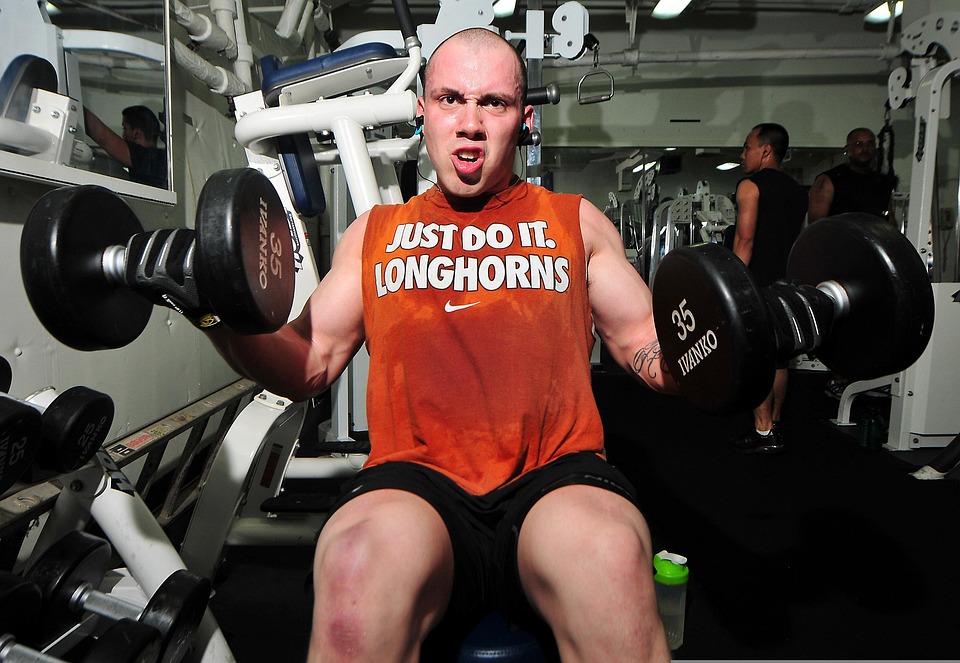
Tag: form

  • Mastering the Basics: A Comprehensive Guide to Proper Form and Technique in Strength Training (Target keywords: proper form, strength training, technique)

    Mastering the Basics: A Comprehensive Guide to Proper Form and Technique in Strength Training (Target keywords: proper form, strength training, technique)

    When it comes to strength training, one of the most critical aspects to focus on is proper form and technique. This is because using the correct form and technique not only helps to maximize the effectiveness of each exercise, but also reduces the risk of injury. Many individuals, especially those who are new to strength training, often overlook the importance of proper form and technique, which can lead to poor results and potentially even harm.

    ## Understanding the Importance of Proper Form and Technique

    Proper form and technique are essential in strength training as they ensure that the exercises are performed in a way that targets the intended muscles. When the correct form and technique are used, the muscles are able to work more efficiently, leading to better results and a reduced risk of injury. On the other hand, poor form and technique can lead to a range of problems, including muscle imbalances, poor posture, and increased risk of injury.

    One of the main reasons why proper form and technique are so important is that they help to engage the correct muscles during each exercise. When the correct muscles are engaged, the exercise is more effective, and the risk of injury is reduced. For example, during a squat, the correct form and technique involve keeping the back straight, engaging the core muscles, and lowering the body down slowly. If the form and technique are poor, the exercise may not target the intended muscles, and the risk of injury may be increased.

    ## Mastering the Basics of Strength Training

    To master the basics of strength training, it is essential to focus on proper form and technique. This involves learning the correct way to perform each exercise, including the starting position, movement pattern, and finishing position. It also involves understanding how to engage the correct muscles during each exercise and how to breathe properly.

    One of the best ways to learn proper form and technique is to work with a personal trainer or experienced coach. They can provide guidance and feedback on form and technique, helping to ensure that each exercise is performed correctly. Additionally, there are many online resources and videos that demonstrate proper form and technique for a range of exercises.

    ## Common Mistakes to Avoid in Strength Training

    There are several common mistakes that individuals make when it comes to strength training, including poor form and technique. One of the most common mistakes is using too much weight, which can lead to poor form and technique. Another common mistake is not warming up properly before starting a workout, which can increase the risk of injury.

    Other common mistakes include not listening to the body and pushing through pain, not stretching after a workout, and not getting enough rest and recovery time. These mistakes can all lead to poor results and increased risk of injury, which is why it is essential to focus on proper form and technique and to avoid these common mistakes.

    ## The Benefits of Proper Form and Technique

    There are many benefits to using proper form and technique in strength training. One of the main benefits is increased effectiveness of each exercise. When the correct form and technique are used, the muscles are able to work more efficiently, leading to better results.

    Another benefit of proper form and technique is reduced risk of injury. When the correct form and technique are used, the risk of injury is reduced, which means that individuals can train more consistently and make progress over time. Additionally, proper form and technique can help to improve posture and reduce muscle imbalances, leading to better overall health and fitness.

    ## Progressive Overload and Progressive Volume

    Two key concepts in strength training are progressive overload and progressive volume. Progressive overload refers to gradually increasing the weight or resistance used in each exercise over time, while progressive volume refers to gradually increasing the number of sets and reps performed.

    To achieve progressive overload and progressive volume, it is essential to focus on proper form and technique. This involves increasing the weight or resistance used in each exercise gradually over time, while maintaining proper form and technique. It also involves increasing the number of sets and reps performed, while still using proper form and technique.

    ## Conclusion

    In conclusion, proper form and technique are essential in strength training. They help to maximize the effectiveness of each exercise, reduce the risk of injury, and improve overall health and fitness. To master the basics of strength training, it is essential to focus on proper form and technique, learning the correct way to perform each exercise and avoiding common mistakes. By doing so, individuals can achieve their fitness goals and make progress over time.

    ## FAQs

    Q: What is the most important aspect of strength training?
    A: The most important aspect of strength training is proper form and technique. This helps to maximize the effectiveness of each exercise, reduce the risk of injury, and improve overall health and fitness.

    Q: How can I learn proper form and technique?
    A: One of the best ways to learn proper form and technique is to work with a personal trainer or experienced coach. Additionally, there are many online resources and videos that demonstrate proper form and technique for a range of exercises.

    Q: What are the benefits of proper form and technique?
    A: The benefits of proper form and technique include increased effectiveness of each exercise, reduced risk of injury, and improved overall health and fitness.

    Q: How can I avoid common mistakes in strength training?
    A: To avoid common mistakes in strength training, it is essential to focus on proper form and technique, use the correct weight and resistance, warm up properly before starting a workout, and listen to the body and avoid pushing through pain.

    Q: What is progressive overload and progressive volume?
    A: Progressive overload refers to gradually increasing the weight or resistance used in each exercise over time, while progressive volume refers to gradually increasing the number of sets and reps performed. To achieve progressive overload and progressive volume, it is essential to focus on proper form and technique.
    mastering-the-basics-a-comprehensive-guide-to-proper-form-and-technique-in-strength-training-target-keywords-proper-form-strength-training-technique

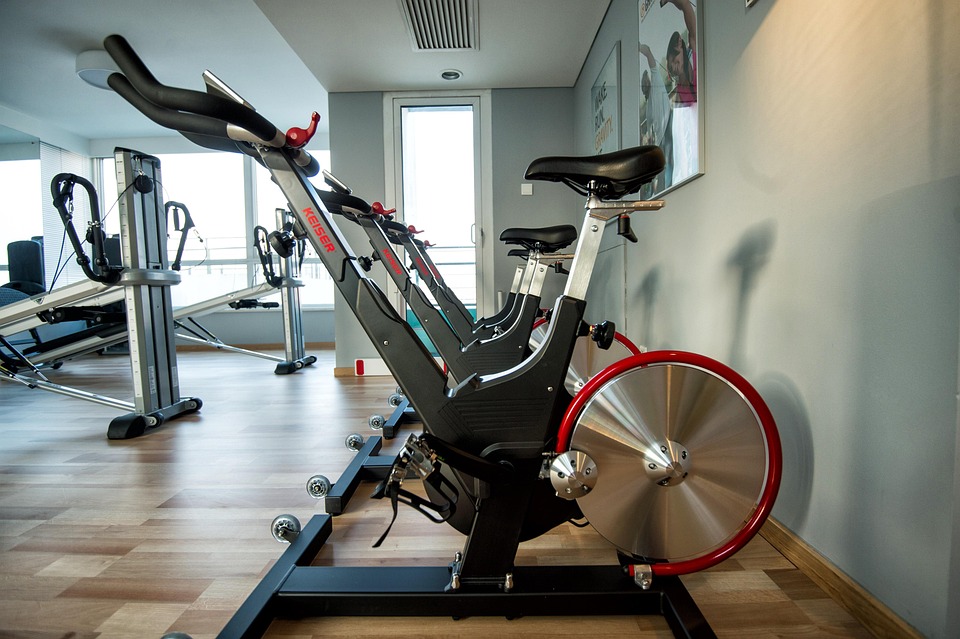
  • Lift Like a Pro: A Comprehensive Guide to Proper Form and Technique in Strength Training

    Lift Like a Pro: A Comprehensive Guide to Proper Form and Technique in Strength Training

    As you step into the weight room or gym, you’re filled with a sense of excitement and determination to push yourself to new heights. You’ve got a workout plan in mind, and you’re ready to lift like a pro. But, have you ever wondered what sets the pros apart from the amateurs? Is it just a matter of brute strength, or is there more to it? The answer lies in proper form and technique.

    In this comprehensive guide, we’ll take a closer look at the essential principles of weightlifting, highlighting the do’s and don’ts of lifting like a pro. From understanding the importance of neutral spine alignment to mastering the art of controlled breathing, we’ll dive into the nitty-gritty details of powerlifting, strength training, and bodybuilding.

    ### Understanding the Fundamentals: A Primer on Lifting Like a Pro

    Before diving headfirst into a weightlifting routine, it’s essential to understand the basics. Proper form and technique are the backbone of successful strength training. Here are some key takeaways to get you started:

    #### The Importance of Neutral Spine Alignment

    Good lifting form begins with proper spinal alignment. When lifting, maintain a neutral spine position, avoiding arching or rounding your back. This is crucial for generating power and preventing injury. Think of it as a tripod, with your feet, shoulders, and hips forming a stable base.

    #### Controlled Breathing and Explosive Power

    Proper breathing is often overlooked but is vital for generating explosive power. When lifting, exhale on the upward phase of the movement (e.g., when lifting the weight up) and inhale on the downward phase (e.g., when lowering the weight down). This allows for controlled breathing and helps optimize power output.

    #### Keeping Tense and Focused

    To maintain proper form, it’s essential to keep your muscles tense and focused throughout the lift. Think of it as a “micro-contracting” of the muscles involved. This helps maintain stability and reduces the risk of injury.

    ### The Art of Lifting: A Guide to Mastering the Fundamentals

    With the basics in place, let’s move on to specific exercises and techniques. We’ll cover the essential lifts, including the squat, deadlift, bench press, and pull-up.

    #### The Squat

    1. Stand with feet shoulder-width apart, toes slightly pointed outward.
    2. Slowly lower yourself into a seated position, keeping the weight on your heels and keeping your back against the stack.
    3. Push through your heels to return to standing, squeezing your glutes and quads.

    #### The Deadlift

    1. Stand with feet shoulder-width apart, toes pointing straight ahead.
    2. Bend at the hips, keeping your back straight, and grasp the weight with an overhand grip.
    3. Lift the weight to hip level, keeping your core engaged and your back upright.
    4. Lower the weight, maintaining control, and return to the starting position.

    #### The Bench Press

    1. Lie on the bench with feet flat on the ground, gripping the bar with an overhand grip.
    2. Slowly lower the weight to the chest, keeping the bar close to the smooth and the elbows slightly bent.
    3. Press the weight upwards, squeezing the chest and front deltoids.

    #### The Pull-up

    1. Hang from the pull-up bar with an overhand grip or underhand grip, depending on your preference.
    2. Engage your lats and pull yourself up, keeping your core and legs tense.
    3. Pull yourself up until your chin is above the bar, then slowly lower yourself back down.

    ### Tips and Tricks for Lifting Like a Pro

    Don’t have time to waste? Here are some quick tips to help you lift like a pro:

    #### Start Small and Gradually Increase

    Don’t try to lift too much too soon. Start with lighter weights and gradually increase as you build strength.

    #### Focus on the Negative

    The negative phase of the lift (the lowering phase) is just as important as the positive phase. Practice controlled lowering to avoid injury and optimize strength.

    #### Use Visualization

    Visualize your lifts before, during, and after the workout. Imagine the weight moving in your mind, and you’ll be surprised at how it helps with focus and form.

    ### Conquering Common Mistakes: A Guide to Avoiding Injury

    It’s easy to get complacent and let poor form creep in, but neglecting proper form can lead to injury and plateaus. Be aware of these common mistakes:

    #### Arching or Rounding the Back

    Avoid arching or rounding your back, as this can put pressure on the spine and lead to injury.

    #### Letting the Weight Drop

    When lowering the weight, avoid letting it drop too quickly. This can cause loss of control and put unnecessary stress on the joints.

    #### Using Your Shoulders

    Avoid relying too heavily on your shoulders for support. Use your core and legs to keep the weight stable.

    ### Frequently Asked Questions

    We’ve got you covered! Here are answers to your most pressing questions about lifting like a pro:

    Q: What should I prioritize: strength or size?
    A: Both! A well-balanced workout routine should focus on building strength and size.

    Q: What if I don’t like the weight I’m lifting?
    A: Don’t worry! Find a weight that’s challenging, but still allows for proper form. You can always increase later.

    Q: How often should I lift?
    A: Aim for 3-4 times a week, with at least a day’s rest in between.

    Q: Can I do too much volume or frequency?
    A: Yes! Overdoing it can lead to overtraining and demotivation. Be smart and adjust your workout routine accordingly.

    ### Conclusion

    Lifting like a pro is within your reach, but it requires patience, dedication, and a willingness to learn. By following the guidelines outlined in this comprehensive guide, you’ll be well on your way to building strength, confidence, and a strong, resilient body. Remember to focus on proper form, controlled breathing, and explosive power. With practice, you’ll be lifting like a pro in no time!
    lift-like-a-pro-a-comprehensive-guide-to-proper-form-and-technique-in-strength-training

  • Correct Your Posture, Crush Your Workout: Boosting Form and Results

    Correct Your Posture, Crush Your Workout: Boosting Form and Results

    The Power of Proper Posture: Unlocking Optimal Results in Your Workout

    When it comes to exercise, most people focus on the intensity and duration of their workout, but neglect a crucial aspect that can greatly impact their overall performance and results: posture. Good posture is not just about looking confident or avoiding back pain; it’s a game-changer for boosting form and results in your workout. In this article, we’ll explore the importance of correct posture, how it affects your exercise routine, and provide practical tips to help you correct your posture and crush your workout.

    The Consequences of Poor Posture

    Poor posture can lead to a range of issues, from fatigue and decreased mobility to increased risk of injury and decreased athletic performance. When you slouch or hunch over, you’re putting unnecessary strain on your muscles, joints, and spine. This can lead to:

    • Reduced lung capacity and breathing efficiency
    • Decreased strength and power output
    • Increased risk of injury to your shoulders, back, and knees
    • Fatigue and decreased endurance

    The Benefits of Good Posture

    On the other hand, good posture can have a significant impact on your workout performance. When you maintain proper alignment, you’re:

    • Improving your balance and stability
    • Increasing your lung capacity and breathing efficiency
    • Enhancing your strength and power output
    • Reducing your risk of injury
    • Boosting your overall energy and endurance

    The Science Behind Posture and Performance

    Studies have shown that good posture can improve athletic performance by up to 10%. This is because proper alignment optimizes the transfer of force from your muscles to your joints, allowing you to generate more power and speed. Additionally, good posture can help reduce muscle imbalances and improve joint stability, reducing the risk of injury and improving overall performance.

    How to Correct Your Posture

    Correcting your posture is not a one-time fix; it’s an ongoing process that requires awareness, practice, and patience. Here are some tips to help you correct your posture and boost your workout performance:

    1. Awareness: The first step to correcting your posture is to become aware of your current posture. Take a mirror and observe how you stand, sit, and move. Notice how your body is aligned and where you may be slouching or leaning.
    2. Stretching: Stretching can help improve your posture by increasing flexibility and reducing muscle tension. Focus on stretches that target your neck, shoulders, and back, such as shoulder rolls, chest stretches, and cat-cow stretches.
    3. Strengthening: Strengthening your core and back muscles can help improve your posture by providing support and stability. Try exercises like planks, bridges, and rows to target these areas.
    4. Practice Good Form: Good form is essential for any exercise, but it’s especially important when it comes to posture. Make sure to maintain proper alignment during exercises, and focus on engaging your core and using proper breathing techniques.
    5. Take Breaks: Taking regular breaks can help reduce fatigue and improve your posture. Try taking a few deep breaths and stretching every 20-30 minutes to help reduce muscle tension and improve your alignment.

    Putting it All Together

    Correcting your posture is not just about avoiding back pain or looking good; it’s about unlocking optimal results in your workout. By incorporating good posture into your exercise routine, you can improve your performance, reduce your risk of injury, and boost your overall energy and endurance.

    Conclusion

    Correcting your posture is a journey that requires awareness, practice, and patience. By incorporating good posture into your exercise routine, you can unlock optimal results and take your workout to the next level. Remember to focus on awareness, stretching, strengthening, practicing good form, and taking breaks to help improve your posture and boost your workout performance.

    Frequently Asked Questions

    Q: I’ve tried correcting my posture before, but I still feel uncomfortable and stiff. What can I do?
    A: It’s normal to feel uncomfortable and stiff when correcting your posture, especially if you’re used to slouching or hunching over. Start with small adjustments and gradually increase your range of motion as you become more comfortable.

    Q: I have back pain and am worried that correcting my posture will make it worse. What can I do?
    A: If you have back pain, it’s essential to consult with a healthcare professional or physical therapist before making any changes to your posture. They can help you develop a personalized plan to improve your posture and reduce your back pain.

    Q: I’m not sure if my posture is really affecting my workout performance. How can I measure the impact?
    A: Take note of how you feel during and after your workouts. Do you feel more fatigued or winded than usual? Are you experiencing more muscle soreness or discomfort? These can be signs that your posture is affecting your workout performance. Try incorporating good posture into your routine and track your progress to see the impact on your performance.

    correct-your-posture-crush-your-workout-boosting-form-and-results

  • 10 Simple Tips to Optimize Your Running Form and Boost Your Speed

    10 Simple Tips to Optimize Your Running Form and Boost Your Speed

    When it comes to running, having the right form is crucial for optimizing your performance and reducing your risk of injury. Unfortunately, many runners neglect to focus on their form, instead relying on brute strength and endurance to get them through their runs. However, by incorporating a few simple tips into your running routine, you can boost your speed and efficiency, making your runs more enjoyable and productive.

    Tip #1: Posture is Key

    Good posture is essential for efficient running. When you slouch or lean forward, you create unnecessary tension in your muscles, which can slow you down and increase your risk of injury. To maintain good posture, focus on keeping your head up, shoulders relaxed, and core engaged. Imagine a string pulling your head up towards the ceiling, and a belt cinching your core muscles together.

    Tip #2: Foot Strike Matters

    The way you strike the ground with your feet can have a significant impact on your running form. Aim to land midfoot or forefoot, rather than heel striking. This will help reduce the impact on your joints and allow you to generate more power and speed. To achieve a midfoot or forefoot strike, try to land lightly on the balls of your feet, rather than slapping down with your heels.

    Tip #3: Land with a Soft Landing

    In addition to striking the ground with your midfoot or forefoot, aim to land with a soft, gentle touch. This will help reduce the shock and impact on your joints, making your runs feel smoother and more efficient. To achieve a soft landing, try to roll your feet forward, rather than slapping down with your heels.

    Tip #4: Keep Your Knees Relaxed

    Many runners make the mistake of stiffening their knees and ankles, which can slow them down and increase their risk of injury. Instead, aim to keep your knees relaxed and slightly bent, allowing your legs to swing freely and efficiently. This will help you maintain a smooth, fluid stride and reduce the impact on your joints.

    Tip #5: Drive Your Arms Forward

    Your arms play a crucial role in your running form, helping to generate power and balance. To optimize your arm swing, focus on driving your arms forward, rather than crossing them over your body. This will help you maintain a smooth, fluid stride and generate more power and speed.

    Tip #6: Keep Your Hands Relaxed

    In addition to driving your arms forward, aim to keep your hands relaxed and slightly cupped. This will help you maintain a smooth, fluid arm swing and reduce the risk of fatigue and injury. Try to avoid tensing your hands or fingers, and instead focus on keeping them relaxed and soft.

    Tip #7: Breathe Naturally

    Good breathing technique is essential for efficient running. When you breathe naturally, you can focus on your form and pace, rather than struggling to catch your breath. To breathe naturally, focus on taking slow, deep breaths through your nose, and exhaling slowly through your mouth.

    Tip #8: Engage Your Core

    Your core muscles play a crucial role in your running form, helping to stabilize and support your body. To engage your core, focus on drawing your belly button towards your spine, and keeping your abs tight and engaged. This will help you maintain good posture, reduce your risk of injury, and generate more power and speed.

    Tip #9: Practice Proper Stride Length

    Your stride length can have a significant impact on your running form and efficiency. Aim to take long, smooth strides, rather than short, choppy ones. This will help you maintain a smooth, fluid stride and reduce the impact on your joints.

    Tip #10: Practice Regularly

    Finally, practice makes perfect. To optimize your running form and boost your speed, make sure to practice regularly. Start with short, easy runs and gradually increase your distance and intensity as you build endurance and confidence.

    Conclusion

    By incorporating these simple tips into your running routine, you can optimize your form and boost your speed, making your runs more enjoyable and productive. Remember to focus on good posture, proper foot strike, soft landing, relaxed knees, driving arms, relaxed hands, natural breathing, engaged core, proper stride length, and regular practice. With a little bit of practice and patience, you can become a faster, more efficient runner.

    FAQs

    Q: What is the most important aspect of running form?
    A: Good posture is the most important aspect of running form. By maintaining good posture, you can reduce your risk of injury and optimize your performance.

    Q: How can I improve my foot strike?
    A: To improve your foot strike, try to land midfoot or forefoot, rather than heel striking. You can also try to roll your feet forward, rather than slapping down with your heels.

    Q: Why is it important to engage my core?
    A: Engaging your core is important for maintaining good posture, reducing your risk of injury, and generating more power and speed.

    Q: How can I reduce the impact on my joints?
    A: To reduce the impact on your joints, try to land softly, maintain good posture, and engage your core. You can also try to wear proper running shoes and listen to your body to avoid overtraining.

    Q: How often should I practice to optimize my running form?
    A: To optimize your running form, practice regularly, ideally 2-3 times per week. Start with short, easy runs and gradually increase your distance and intensity as you build endurance and confidence.

    10-simple-tips-to-optimize-your-running-form-and-boost-your-speed