Tag: flu

  • CDC Report Shows More Children Are Either Dying or Becoming Severely Ill With Flu Amid Declining Vaccination Rates

    CDC Report Shows More Children Are Either Dying or Becoming Severely Ill With Flu Amid Declining Vaccination Rates

    The Centers for Disease Control and Prevention (CDC) released a report showing that more and more children are either dying or becoming severely ill with the flu amid declining vaccination rates in the United States.

    Now, cases of pediatric acute necrotizing encephalopathy (ANE) are on the rise, with 109 children being diagnosed during the 2024-25 flu season. This is a rare inflammatory brain disease caused by the illness.

    Rise in Flu-Related Deaths Among Kids

    A new report also showed that 84% of kids who have influenza-associated encephalopathy whose vaccination status was known were not vaccinated. This comes as the country recorded 280 pediatric flu deaths last year, which is the deadliest since the 2009-10 H1N1 pandemic.

    A pediatric infectious disease physician at Vanderbilt University Medical Center in Nashville, Dr. Buddy Creech, said that they do not always know how to predict which children are going to get the most severe forms of flu. This is why they recommend the vaccine for everyone, according to NBC News.

    ANE is considered a rare disease, as there are only a handful of cases recorded every year, and it has never been formally tracked. However, this year, doctors noted an increase in kids affected by the brain inflammation after suffering from the flu.

    A pediatric neurologist at Boston Children’s Hospital, Dr. Molly Wilson-Murphy, said that they are not yet sure if there really is an increase in real numbers. However, being on the ground as a physician, she was struck that it certainly is.

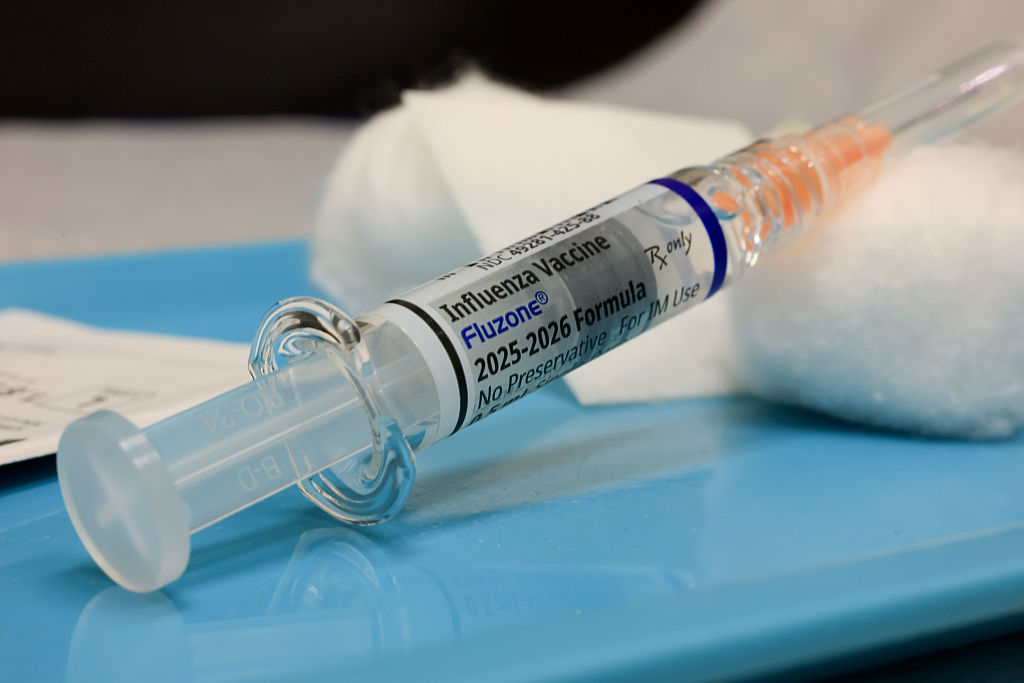
    The National Foundation for Infectious Diseases also underscored the crucial role that annual flu vaccinations play in preventing serious illness, particularly among children. The CDC recommends the shots for everyone aged six months and older yearly, KSTE reported.

    A Decline in Vaccination Rates

    Despite the decline in vaccination rates, the CDC continues to advocate for flu shots, saying these are the most effective way to protect kids from severe flu-related complications, as well as death.

    The situation comes after the Advisory Committee on Immunization Practices (ACIP) recently voted to change recommendations for the COVID-19 vaccine. These recommendations must still be approved by the CDC director in order to become official guidance.

    Advice on the COVID-19 vaccine differs from the flu shots, as the CDC said parents of healthy children aged six months to 17 years should talk about the benefits with a health care provider. The CDC broadly recommends the vaccine for moderately or severely immunocompromised kids, as per CBS News.


    Originally published on parentherald.com

    © {{Year}} ParentHerald.com All rights reserved. Do not reproduce without permission.
    Source link

  • What About Elderberry, Echinacea, and Cranberries for Colds and the Flu? 

    What About Elderberry, Echinacea, and Cranberries for Colds and the Flu? 

    How effective are flu shots, elderberries, echinacea, and cranberries?

    The U.S. Centers for Disease Control and Prevention (CDC) recommends that everyone over the age of six months get a routine flu shot every year, unless you have some sort of contraindication, such as an allergy to any of the vaccine’s components. CDC recommends getting vaccinated by the end of October, but it may even be beneficial when received in December or later. How effective are flu vaccines? It depends on the year, but, as you can see below and at 0:33 in my video Friday Favorites: Elderberry Benefits and Side Effects: Does It Help with Colds and the Flu?, the flu vaccine typically reduces the risk of getting the flu by about 40 to 50 percent.

    So, in healthy adults, we can say with moderate certainty that we can decrease our risk of influenza from about 2 percent each year down to just under 1 percent. Older adults may get a similar relative risk reduction, but the baseline risk is higher and the consequences greater, so the absolute benefits are greater, too. In kids, flu vaccines shine; there’s a high certainty of evidence of a substantial drop in risk. But even in this kind of best-case scenario, there’s still a risk with vaccination, so what else can we do?

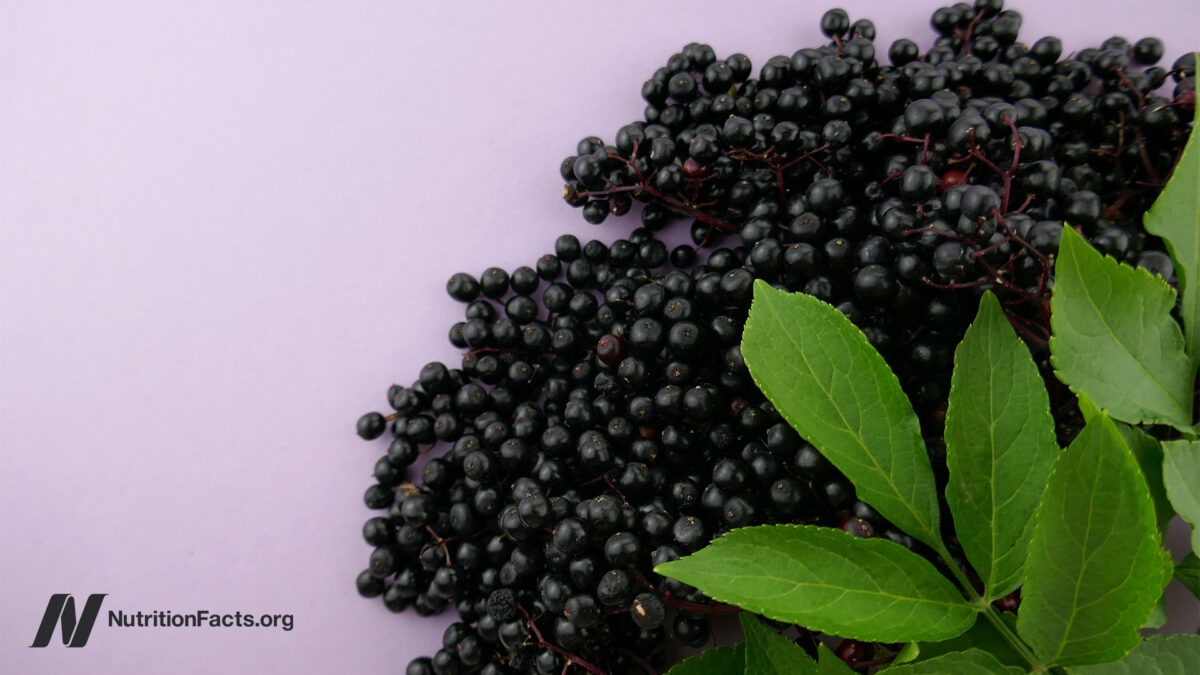
    In the United States alone, each year, Americans experience millions of cases of influenza and hundreds of millions of colds. What about elderberry supplements? In a test tube, elderberry extracts can inhibit pathogens, including the flu virus. In a petri dish, it can rev up the production of flu-fighting molecules from human immune system cells, like tumor necrosis factor, as much as nearly 45-fold. Elderberry juice can help mice fight off the flu. But what about actual people?

    The first clinical trial was published back in the 1990s: a double-blind, randomized, placebo-controlled trial to treat flu-like symptoms. Researchers found that the odds for improvement before the fifth day in those in the treated group were more than 20 times the odds of the participants in the control group (p showed similar accelerated healing in the elderberry groups, as you can see here and at 1:54 in my video

    I was excited to see this study—“Elderberry Supplementation Reduces Cold Duration and Symptoms in Air-Travelers”—given a 200-city book tour I was embarking on. It was a randomized, double-blind, placebo-controlled clinical trial of 312 economy class passengers. While taking elderberry didn’t seem to prevent people from coming down with cold symptoms, the duration and severity of symptoms in those who did get a cold seemed to have been lessened, and they suffered an average of about five days instead of seven.

    A similar study using the herb echinacea found a lessening of symptom scores, but it was of only borderline statistical significance. Nevertheless, even though most of the individual trials didn’t find statistically significant improvements, when all such studies were compiled, it seems there may be about a 20 percent decrease incidence of colds, as seen below and at 2:50 in my video.

    Note, though, that there is a concern about publication bias and selective reporting. A number of findings and some entire studies seem to be MIA, suggesting that negative studies may have been quietly shelved. So, we aren’t really sure about echinacea, but all the elderberry studies seem to have positive results, suggesting elderberry supplementation “provides an effective treatment option when advanced or more invasive care [more serious treatment] is not warranted.” This conclusion came from someone with apparent conflicts of interest, though. In fact, each of the four elderberry studies was funded by the elderberry product companies themselves.

    Any other berries that might be helpful? A randomized, placebo-controlled, interventional study—funded, predictably, by Ocean Spray—found that the gamma-delta-T-cells of those drinking a low-calorie cranberry juice beverage for ten weeks appeared to be proliferating at nearly fivefold the rate. These immune cells “serve as a first line of defense.” Though the study participants didn’t get fewer colds, they did seem to suffer less, but not enough to prevent days missed from work or an impairment of their activities, as shown here and at 3:56 in my video

    At least cranberries have never been reported to cause pancreatitis. A man taking an elderberry extract not only suffered an attack of acute pancreatitis, a sudden painful inflammation of the pancreas, but it went away when he stopped it, then reappeared again years later when he tried taking it again, which suggests cause-and-effect. Why take elderberry extracts when you can just eat the elderberries themselves? Well, cooked are fine, but “consuming uncooked blue or black elderberries can cause nausea and vomiting.”

    I found out the hard way, as I explained in an answer to the question, “What was the worst day of your life?” in my London Real interview on my How Not to Die book tour. It turns out elderberry fruits form cyanide, such that eight people had to be medevacked out after someone brought freshly squeezed elderberry juice to a gathering.

    Doctor’s Note:

    Here’s the London Real interview I mentioned.

    What else can we do for the common cold? See the related posts below.

    And, speaking of cranberries, Can Cranberry Juice Treat Bladder Infections?. Watch the video to find out. 


    Source link

  • Bird Flu Claims First US Victim As Louisiana Man Dies in Hospital

    Bird Flu Claims First US Victim As Louisiana Man Dies in Hospital

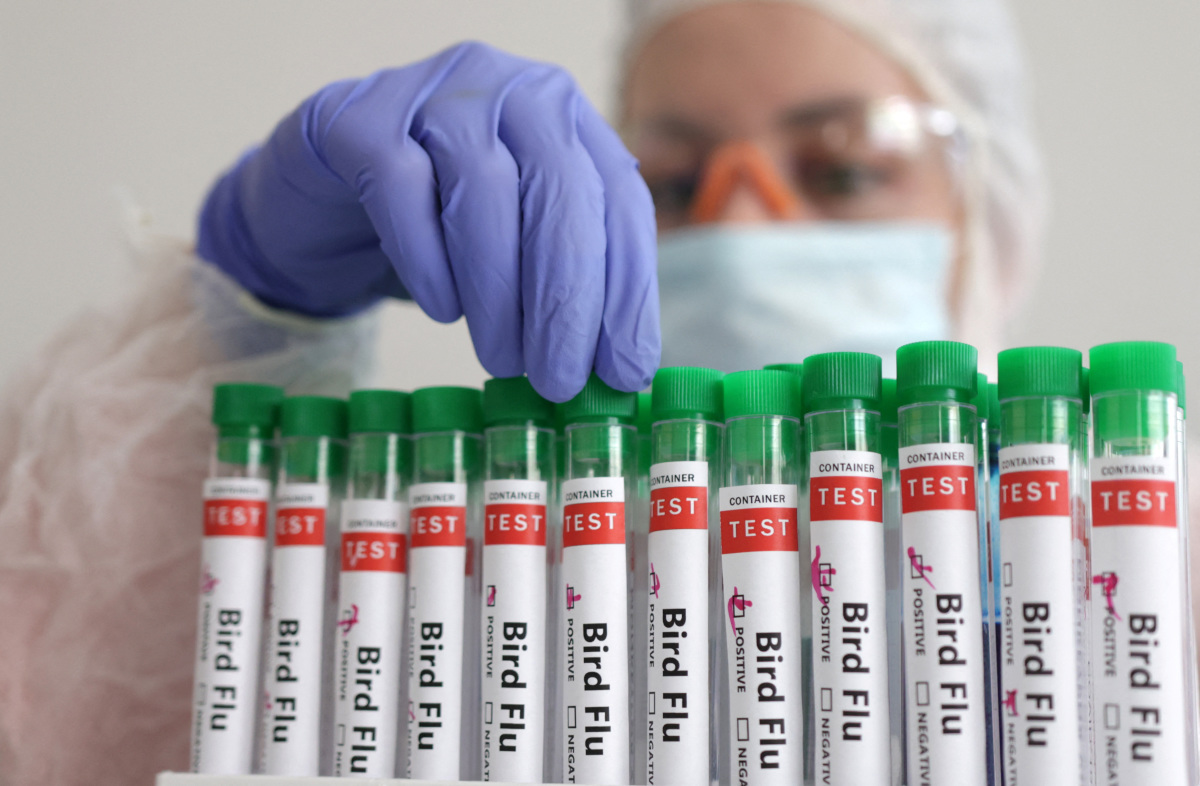
    A patient that had been hospitalized with avian influenza, otherwise known as bird flu, has died, marking them the first person to have died in the U.S. from the disease.

    The patient at a Louisiana hospital was older than 65, and had underlying medical conditions, according to the Louisiana Department of Health.

    The patient, who is not being named, is believed to have contracted the virus after exposure to non-commercial backyard flock and wild birds, officials said.

    There have been no other reports of humans hospitalized from bird flu in Louisiana.

    A genetic analysis of the bird flu contracted by the patient found that it had mutated while inside of their body, leading the Centers for Disease Control and Prevention (CDC) to have labeled it “concerning” in a previous report.

    However, no transmissions of the virus from person-to-person have been reported.

    Despite the recent death, bird flu remains low risk for the public. The Louisiana Department of Health recommends refraining from touching dead animals, or bringing sick or injured birds inside your home. Officials added that pets should be kept away as well.

    Undercooked or uncooked food should also be treated with caution, and should only be eaten after being cooked all the way.

    Two different vaccinations against the virus have been compiled by the Biden administration. However, officials do not have plans to distribute them unless the disease becomes more prevalent among people, NBC News reported.

    Originally published by Latin Times.

    Source link

  • Promoting Covid, Flu Vaccines to Public Quietly Banned by Louisiana Department of Health: ‘Unconscionable’

    Promoting Covid, Flu Vaccines to Public Quietly Banned by Louisiana Department of Health: ‘Unconscionable’

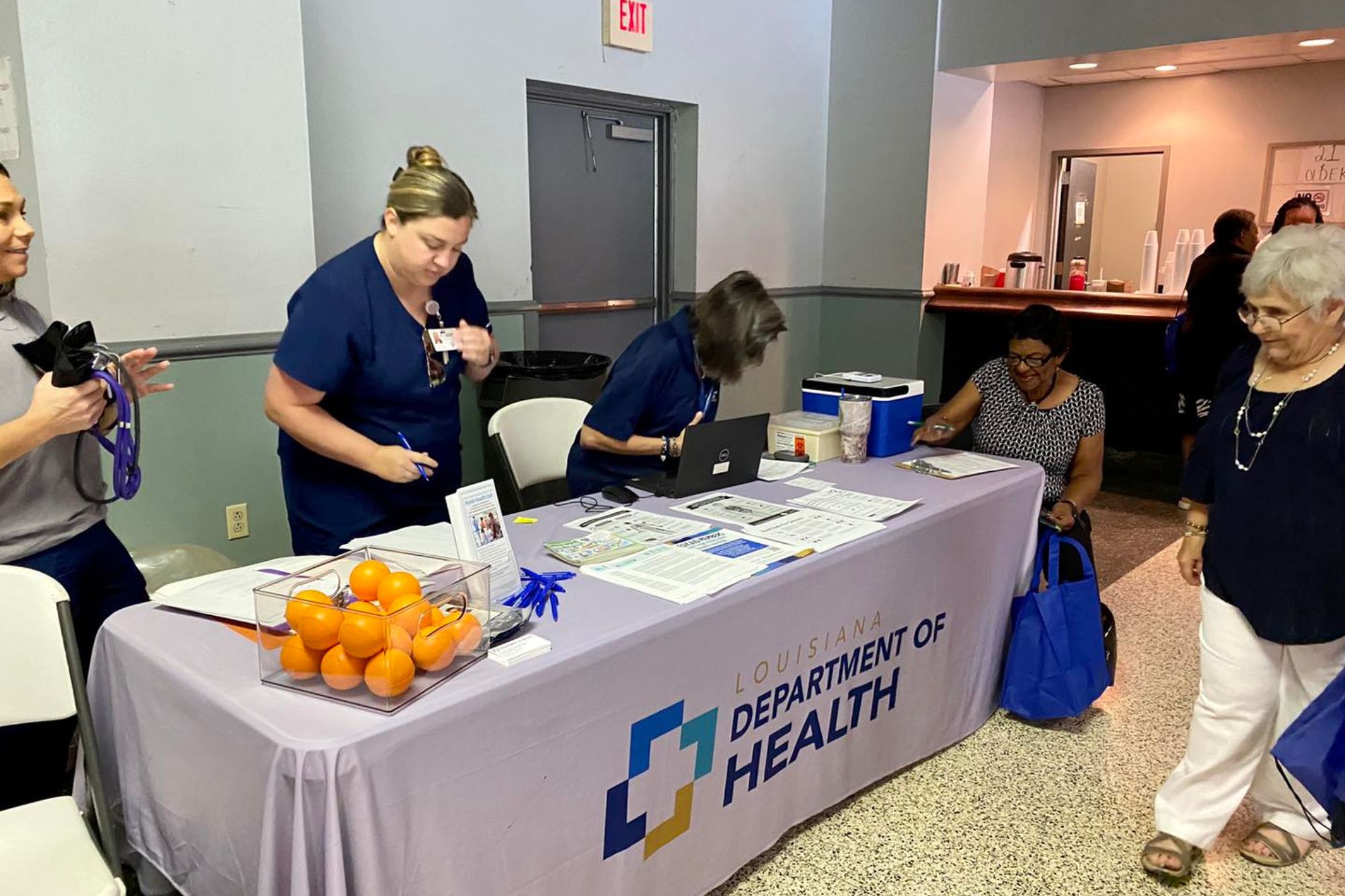
    Louisiana public health officials are no longer permitted to promote vaccines, including those against illnesses such as COVID-19 and the flu, to members of the public in a new policy that was covertly implemented in the state.

    The policy was considered during two Louisiana Department of Health meetings held on Oct. 3 and Nov. 21, reported NPR. Employees who discussed the policy under anonymity revealed that it was to be quietly implemented and was never written down.

    The limits placed upon public health employees are far-reaching. They are forbidden from distributing press releases, giving interviews, holding vaccine events, giving presentations or creating social media posts that advocate for the benefits of vaccines and encourage members of the public to get them.

    The policy comes after President-Elect Donald Trump named former presidential candidate Robert F. Kennedy Jr. as his pick to lead the Department of Health and Human Services. RFK Jr., a known anti-vaxxer, has frequently perpetuated myths about vaccines including one debunked conspiracy theory that points to vaccines as the cause of autism amongst children.


    A city in Florida voted to remove fluoride from its water supply, citing Robert F. Kennedy, Jr.’s crusade against the chemical.
    Rebecca Noble/Getty Images


    Trump has stayed firm in his nomination of RFK Jr., stating that he is “much less radical than you would think” and that he has “a very open mind.”

    Staff at Louisiana’s health department have voiced frustrations with the new policy, with many of them expressing concern about the possible spread of illness as a result of the new rule.

    “Do they want to dismantle public health?” one employee at the health department said.

    “We’re really talking about deaths,” said another. “Even a reduction in flu and COVID vaccines can lead to increased deaths.”

    “It’s a step backwards,” said Kimberly Hood, who led the Office of Public Health, a subunit of the health department, from 2021 to 2022. “It’s a medical marvel that we’re fortunate enough to live in a time where these vaccines are available to us, and to not make use of that tool is unconscionable.”

    Originally published by Latin Times.

    Source link

  • Child Flu Vaccinations Decline by Double Digits as Pediatric Deaths Soar: CDC

    Child Flu Vaccinations Decline by Double Digits as Pediatric Deaths Soar: CDC

    An alarmingly fewer number of children in the U.S. have received flu vaccinations in 2024, compared to last year, according to the Centers for Disease Control and Prevention (CDC).

    Among those aged six months to 17 years, just 36% received a flu vaccine in 2024, down from 43% last year, The Hill reported.

    This decline comes in the wake of a particularly deadly 2023-24 flu season, during which 205 pediatric flu deaths were officially reported.

    “Not all children whose death was related to an influenza virus infection may have been tested for influenza,” the CDC wrote in a Nov. 22 memo. The organization estimates the true number of deaths was closer to 724.

    While roughly 14% of parents said they still plan to “probably” obtain a flu vaccine for their children, CDC officials are concerned about the low vaccination rates heading into the winter months.

    This year’s flu vaccines are designed to protect against three common virus strains: A(H1N1), A(H3N2), and B/Victoria.

    The CDC emphasized the importance of flu shots in reducing severe illness and death, noting vaccine effectiveness has ranged from 19% to 60% over the past 15 years.

    Originally published by Latin Times.

    Source link