
Tag: Favorite

  • Children Health Risks of Sugary Drinks and Why Pediatricians Urge Parents to Rethink Kids’ Favorite Beverages

    Children Health Risks of Sugary Drinks and Why Pediatricians Urge Parents to Rethink Kids’ Favorite Beverages

    Sugary drinks are woven into many children’s daily routines, from school lunches to weekend treats, and pediatricians are increasingly concerned about sugary drinks’ children’s health risks that come with this constant exposure.

    These beverages may seem like harmless rewards, but evidence links regular intake to weight gain, dental problems, sleep and behavior issues, and a higher risk of chronic diseases. Because children’s bodies are smaller and still developing, the impact of added sugars can be especially significant.

    Parents often focus on food and overlook the sugar in drinks, even though beverages can quietly add a large amount of calories without providing meaningful nutrients. Understanding why pediatricians worry about sugary drinks helps families make more informed choices that support children’s health now and in the future.

    What Counts as a Sugary Drink for Children?

    Sugary drinks include much more than soda. Pediatricians group together regular soft drinks, fruit drinks and punches, sweetened iced teas, lemonades, energy drinks, sports drinks, and many flavored milks as part of the same problem. They share a key feature: added sugars that increase sweetness and calories, but add little nutritional value.

    Some products that appear healthier still contribute to sugary drinks’ children’s health risks. Juice boxes, fruit drinks marketed with “real fruit,” flavored waters, and certain smoothies can contain several teaspoons of sugar per serving.

    Packaging that highlights vitamins or natural flavors can distract from the actual sugar content. Learning to read ingredient lists and nutrition facts helps caregivers spot added sugars such as high-fructose corn syrup, cane sugar, honey, and syrups.

    Natural sugar in whole fruit comes with fiber and nutrients that slow absorption and promote fullness. In contrast, the sugars in most kids’ drinks, whether added or concentrated in juice, are absorbed quickly and can disrupt appetite and metabolism.

    Why Are Sugary Drinks So Bad for Kids’ Health?

    Sugary drinks are often called “empty calories” because they provide energy without important nutrients like protein, fiber, or essential vitamins and minerals. When children drink these beverages regularly, they can exceed recommended daily sugar and calorie limits without feeling full.

    Liquids do not trigger satiety signals as effectively as solid foods, so kids usually eat the same amount of food on top of what they drink.

    This pattern is central to sugary drinks’ children’s health risks. The body absorbs liquid sugar rapidly, causing spikes and dips in blood sugar that can affect energy, mood, and hunger.

    Over time, regular exposure to high-sugar drinks can promote unhealthy eating patterns and metabolic changes that increase the likelihood of weight gain and other health issues.

    How Sugary Drinks Drive Childhood Obesity

    Rising childhood obesity rates are closely linked to sugary beverage intake. Children who consume sugary drinks frequently are more likely to gain excess weight than those who rarely drink them. Because these drinks do not satisfy hunger well, they often add calories on top of regular meals and snacks rather than replacing them.

    In pediatric clinics, doctors see these patterns reflected in higher body mass index (BMI) percentiles and early signs of weight-related concerns. Reducing sugary drink intake is often one of the first and most effective steps recommended to families working to improve a child’s weight trajectory.

    The widespread availability and aggressive marketing of sugary drinks make them a normalized part of childhood, which is why pediatricians repeatedly emphasize the sugary drinks’ children’s health risks during visits.

    Diabetes, Heart Health, and Long-Term Risks

    Pediatricians also worry about how sugary drinks affect the body’s ability to manage blood sugar over time. Frequent spikes in blood sugar force the body to produce more insulin, and repeated strain can contribute to insulin resistance, a key risk factor for type 2 diabetes.

    Doctors are seeing more children and adolescents with conditions once considered “adult” diseases, including prediabetes, type 2 diabetes, high blood pressure, and abnormal cholesterol levels, according to the Centers for Disease Control and Prevention.

    While sugary drinks are only one factor, they are a concentrated and easily reduced source of added sugar, making them a practical target for prevention.

    These long-term concerns underscore why sugary drinks’ children’s health risks are highlighted in professional guidelines and public health messages. Changing drink choices is a relatively simple step that can help lower a child’s risk for serious conditions later in life.

    Impact on Kids’ Teeth, Sleep, and Behavior

    Sugary drinks also affect oral health. Bacteria in the mouth feed on sugar and produce acids that weaken tooth enamel, leading to cavities and tooth pain.

    When children sip sugary drinks throughout the day or fall asleep with sweet liquids in bottles or cups, their teeth face prolonged acid exposure. Both baby and permanent teeth can be damaged, affecting comfort, nutrition, and speech.

    Behavior and sleep can be influenced as well. Rapid changes in blood sugar can contribute to irritability, restlessness, and difficulty concentrating, which may show up as school and behavior challenges. Many sugary drinks, especially colas and energy drinks, also contain caffeine.

    Caffeine can interfere with falling asleep, staying asleep, and overall rest quality, which in turn affects mood, learning, and even weight. These combined effects form another layer of sugary drinks’ children’s health risks that pediatricians discuss with families.

    Are Supposedly ‘Healthier’ Sugary Drinks Any Safer?

    Products marketed as healthier, such as fruit drinks with added vitamins, sports drinks with electrolytes, and flavored milks, can still carry significant amounts of sugar. The added nutrients do not eliminate the risks associated with excessive sugar intake.

    Even 100% fruit juice, while free of added sugar, lacks the fiber in whole fruit and can still raise blood sugar quickly.

    Sports drinks are rarely necessary for most children’s routine activities, and diet or zero-sugar drinks, while lower in sugar, introduce other ingredients and are not recommended as daily staples for kids.

    From a pediatric perspective, many of these beverages still fit within the broader picture of sugary drinks’ children’s health risks when used frequently.

    Practical Ways to Reduce Sugary Drinks’ Children Health Risks

    Health experts routinely recommend water as the main drink for children. Plain milk, within age-appropriate portion and fat guidelines, supports growth and bone development. Limited amounts of 100% fruit juice may fit some diets but are often best kept small or diluted, as per Harvard Health.

    Families can make progress by changing habits gradually. Helpful strategies include: not keeping soda and sweetened drinks at home, offering water with meals, serving smaller portions of juice, and slowly diluting sweet drinks with water.

    Letting children choose a favorite refillable water bottle or adding fruit slices to water can make healthier choices more appealing. When adults also choose water and unsweetened drinks, they reinforce that these habits are normal rather than restrictive.

    Supporting Children’s Health by Rethinking Sugary Drinks

    Paying attention to sugary drinks’ children’s health risks gives families a manageable, high-impact way to support kids’ well-being. Sugary beverages contribute to obesity, dental decay, metabolic problems, and behavior and sleep issues, yet they are one of the easiest parts of the diet to change.

    Simple steps, such as replacing one sugary drink a day with water, limiting juice to small portions, and reserving sweet drinks for special occasions, can add up over time.

    By rethinking what children drink and making healthier options the default, caregivers help build a stronger foundation for growth, learning, and long-term health.

    Frequently Asked Questions

    1. Are flavored sparkling waters better than sugary drinks for kids?

    Lightly flavored sparkling waters without added sugar or sweeteners are generally a better choice than sugary drinks because they avoid excess sugar and calories. Still, plain water is the best everyday option.

    2. How quickly can cutting sugary drinks improve a child’s health?

    Some changes, like more stable energy and fewer cavities, may appear within weeks, while weight and long-term disease risk improve gradually over months and years.

    3. Is it okay for kids to have sugary drinks only on weekends?

    Occasional sugary drinks, such as limited weekend treats, are usually considered more acceptable than daily intake, as long as portions stay small and water remains the main drink.

    4. Do homemade smoothies count as sugary drinks?

    Homemade smoothies can be healthier if they use whole fruit, milk or yogurt, and no added sugars, but large portions with lots of juice or sweeteners can still act like sugary drinks.


    Source link

  • Get the Look: How to Steal Your Favorite Celebrity’s Style

    Get the Look: How to Steal Your Favorite Celebrity’s Style

    Introduction to Celebrity Style

    Celebrities have always been a source of inspiration for fashion enthusiasts around the world. Their styles, whether on the red carpet or in their everyday lives, are closely watched and emulated by fans. From classic Hollywood icons like Audrey Hepburn and Marilyn Monroe to contemporary stars like Rihanna and Kanye West, celebrities have the power to influence and shape fashion trends. If you’ve ever found yourself envying the effortless chic of a celebrity and wondering how you could incorporate their style into your own wardrobe, you’re not alone. The good news is that stealing your favorite celebrity’s style is more accessible than you might think, and it doesn’t have to break the bank.

    Understanding Your Celebrity’s Style

    Before you start shopping or raiding your closet to mimic your favorite celebrity’s look, it’s essential to understand the essence of their style. Consider what makes their fashion sense unique. Is it their ability to mix high-end designer pieces with affordable, high-street fashion? Their bold approach to color and pattern? Or perhaps their knack for accessorizing in a way that elevates even the simplest outfit? Analyzing these elements will help you distill their style down to its core components, making it easier for you to replicate.

    Identifying Key Pieces

    Every celebrity’s wardrobe contains key pieces that are fundamental to their style. These might include a classic little black dress, a tailored blazer, a statement handbag, or a pair of well-fitting jeans. Identifying these essentials in your celebrity’s wardrobe is crucial because they can serve as the foundation upon which you build your own versions of their outfits. Look for pieces that are repeated or featured prominently in their public appearances. These items are likely staples that they feel confident and comfortable in, and they can provide a solid starting point for your own fashion endeavors.

    Shopping Smart

    You don’t need a celebrity budget to dress like one. High-street brands and affordable online retailers offer a wide range of pieces inspired by the latest celebrity fashion trends. The key is to shop smart, looking for items that capture the essence of your celebrity’s style without the hefty price tag. Consider thrift shopping, consignment stores, or swapping clothes with friends to find unique pieces that can add a touch of celebrity glamour to your wardrobe without breaking the bank. Additionally, keeping an eye out for sales or using coupons can make designer pieces more accessible.

    Accessorizing Like a Pro

    Accessories can make or break an outfit, and celebrities often use them to add a personal touch to their looks. From hats and sunglasses to jewelry and handbags, accessories can instantly elevate a simple outfit into something more glamorous. Pay attention to how your celebrity uses accessories. Do they prefer bold, statement pieces or more understated, elegant items? Investing in a few high-quality accessories that reflect your celebrity’s style can help tie your outfits together and give them a more polished, celebrity-esque feel.

    Embracing Your Personal Style

    While emulating a celebrity’s style can be fun and inspiring, it’s equally important to remember that fashion is about expressing your own personality and comfort. Don’t feel pressured to adopt every aspect of your celebrity’s style if it doesn’t feel authentic to you. Instead, use their fashion sense as a starting point and incorporate elements that resonate with your own taste and preferences. This might mean tweaking their looks to fit your body type, skin tone, or lifestyle. Remember, the goal is to feel confident and chic, not to mimic someone else’s style verbatim.

    Creating a Budget-Friendly Version

    One of the biggest misconceptions about dressing like a celebrity is that it has to be expensive. While it’s true that many celebrities wear high-end designer clothing, there are ways to achieve similar looks without the hefty price tag. Consider the following strategies:

    • Invest in timeless pieces: Instead of buying into fast fashion trends, invest in a few high-quality, timeless pieces that can be mixed and matched to create multiple outfits.
    • Shop during sales: Keep an eye out for sales or discounts on pieces you’ve been eyeing.
    • Rent or borrow: For special occasions, consider renting or borrowing designer pieces instead of buying them outright.
    • Get creative with DIY: You can often recreate celebrity-inspired accessories or details through DIY projects, saving you money and adding a personal touch to your outfits.

    Building a Capsule Wardrobe

    A capsule wardrobe, which consists of a small collection of essential items that can be mixed and matched to create multiple outfits, is a great way to adopt a celebrity’s style without accumulating a huge amount of clothing. Start by identifying the core pieces in your celebrity’s wardrobe and then find or create your own versions of these items. The idea is to have a wardrobe that is highly versatile, where each piece can be worn frequently and in different combinations. This approach not only saves money but also reduces decision fatigue and makes getting dressed in the morning much simpler.

    Staying Updated with Fashion Trends

    Celebrities are often at the forefront of the latest fashion trends, and staying updated with what’s current can help you incorporate fresh ideas into your style. Follow fashion bloggers, influencers, and your favorite celebrities on social media to get inspiration and insights into the latest must-haves. Fashion magazines and online publications are also valuable resources for staying abreast of trends and learning how to adapt them to your personal style.

    Conclusion

    Stealing your favorite celebrity’s style is all about inspiration and adaptation. By understanding the core elements of their fashion sense, identifying key pieces, shopping smart, accessorizing like a pro, and embracing your personal style, you can create a wardrobe that reflects the glamour and chic of your celebrity icon without breaking the bank. Remember, fashion is a form of self-expression, and the most important thing is to wear what makes you feel confident and beautiful.

    FAQs

    • Q: How can I afford to dress like a celebrity on a budget?
      A: Look for affordable alternatives to designer pieces, shop during sales, and consider renting or borrowing items for special occasions.

    • Q: How do I identify my celebrity’s personal style?
      A: Analyze their public appearances, red carpet looks, and everyday fashion choices to understand what makes their style unique.

    • Q: Can I still look stylish if I don’t have the same body type as my celebrity icon?
      A: Yes, fashion is about expressing your personality and finding what works best for your body. Use your celebrity’s style as inspiration and adapt it to flatter your figure and reflect your taste.

    • Q: How often should I update my wardrobe to keep up with the latest celebrity fashion trends?
      A: It’s not necessary to update your wardrobe constantly. Focus on investing in timeless pieces and incorporating trends in a way that feels authentic and sustainable to you.

    • Q: Are there any specific fashion items that are essential for creating a celebrity-inspired wardrobe?
      A: Yes, items like a little black dress, a good pair of jeans, a tailored blazer, and classic accessories can serve as the foundation of a versatile and stylish wardrobe inspired by your favorite celebrity.

  • Why Is Sorghum One of My New Favorite Grains? 

    Why Is Sorghum One of My New Favorite Grains? 

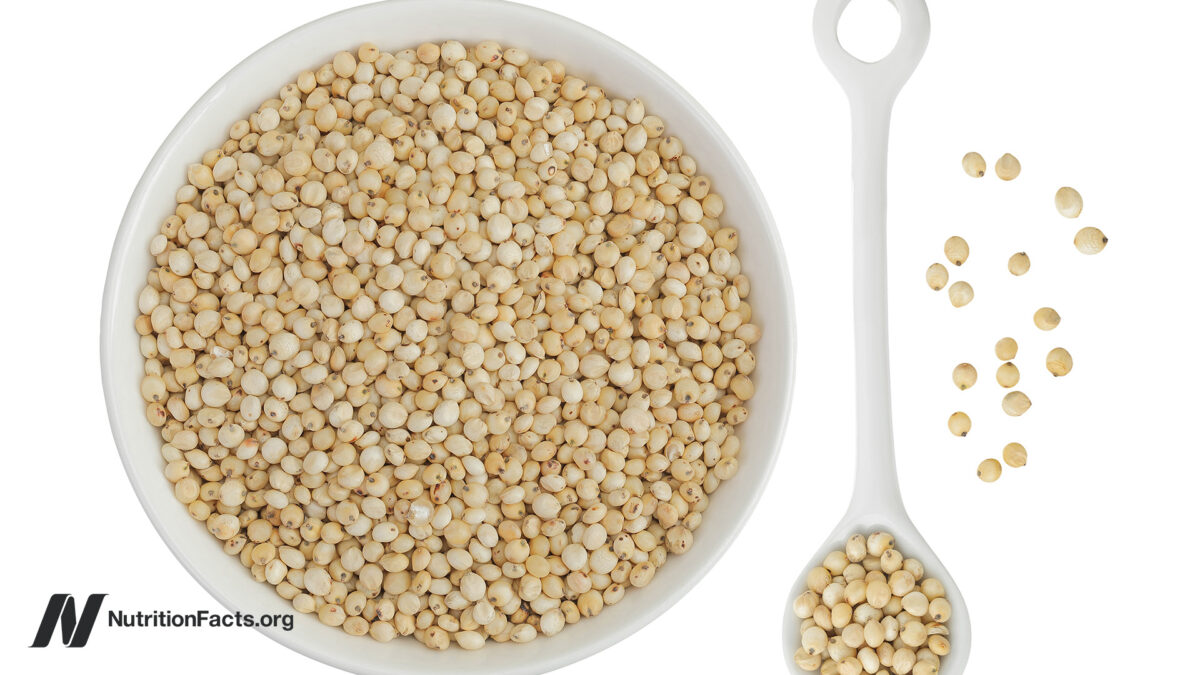
    Learn why sorghum is one of my favorite new grains.

    “Despite playing a significant role in Africa and Asia as a staple grain, sorghum has only recently emerged as a potential human food source in the developed world.” And it isn’t just a principal grain in many parts of the world, but it’s “critical in folk medicine” traditions, too. What might its health benefits be? There are some in vitro data from test tubes and petri dishes, as well as in vivo data, meaning “within the living” in laboratory animals, but only in the last decade have we started seeing human trials.

    In one study, participants were asked to eat sorghum pancakes or corn pancakes for supper every day for three weeks. Both groups saw significant, 20 to 30 percent drops in their cholesterol, but all participants were also “requested not to consume eggs and other cholesterol-boosting foodstuff,” so that may very well have played a role.

    Another study used biscuits. Those eating sorghum biscuits said they felt more satiated than when they ate wheat biscuits, but that “did not translate to differences in intake at the subsequent ad-libitum [all-you-can-eat] meal.” So, does it matter that they subjectively felt more satiated if that did not cause them to eat any less? Unsurprisingly, when put to the test, those eating sorghum versus wheat biscuits didn’t lose any weight, though the data are a bit mixed. A recent study concluded that “sorghum can be an important strategy for weight loss in humans.” However, those in the sorghum group didn’t actually lose more weight. They did eat hundreds more calories a day, though, and they still lost more body fat, as you can see below and at 1:41 in my video The Health Benefits of Sorghum

    This may be because of their greater fiber consumption or intake of other goodies, like the resistant starch in sorghum. The vehicle the researchers used was an artificially flavored, colored, and sweetened powdered drink mixture of water, milk powder, and either sorghum or wheat flour. That may be good for a study since you can make a blinded control, but it leaves you wondering what would happen if you actually ate the whole food.

    The resistant starch is exciting, though. Most of the starch in sorghum is either slow-starch—that is, slowly digestible—or fully resistant to digestion in the small intestine, which offers a banquet bounty of prebiotics for our good gut flora down in our colon. Evidently, it isn’t the sorghum starch itself, but interactions with the proteins and other compounds that effectively act as starch blockers, inhibiting our starch-munching enzymes. Sorghum ends up with “the lowest starch digestibility” among grains, which is why, traditionally, it was considered to be an “inferior” grain—but inferior in the sense of not providing as many calories. (That’s a good thing in the age of epidemic obesity.) 

    When study participants were given either a whole-wheat muffin (the control) or a sorghum muffin, with both containing the same amount of starch, researchers saw significantly higher blood sugars 45 minutes to two hours after subjects ate the wheat muffin, as shown below and at 2:58 in my video.

    They also saw a higher insulin spike, starting almost immediately after consuming the wheat muffin, as seen below, and at 3:03.

    Overall, after consumption of the sorghum muffin, researchers found a 25 percent lower blood sugar response, and the participants’ bodies had to release less than half the insulin to deal with it, as seen here and at 3:11 in my video

    The same type of results were found with people with diabetes. Researchers saw a lower blood sugar spike with sorghum porridge compared to grits, and the participants’ bodies could deal with it with a fraction of the insulin. 

    So, we need to educate people on how healthy sorghum is—and, some suggest, “develop products that are…healthy, convenient to use, and tasty.” No need! Sorghum is already healthy, convenient, and tasty just the way it is. I just press a single button on my electric pressure cooker with two parts water and one part sorghum, and it’s ready in 20 minutes. You can make a big batch and use it all week just like you would rice. 

    Of course, there isn’t big money for the food industry when people eat the intact, whole grain. Instead, the industry is looking at sorghum for its “enormous potential for exploitation” in creating “functional foods and food additives.” (Did you know that adding sorghum to pork or turkey patties can decrease their “cardboardy flavor”? Why eat sorghum when you can instead use it to make gluten-free beer?) 

    It’s funny. When I wrote in How Not to Diet about taxpayer subsidies going to the sugar, corn syrup, oil, and livestock industries to subsidize cheap animal feed to help make Dollar Menu meat, I jokingly asked, “When was the last time you sat down to some sorghum?” Now that we know how good it is for us, maybe we should be taking advantage of the quarter billion dollars the United States is spending to prop up the sorghum industry and sit down to some sorghum after all.

    If you missed the previous video, check out Is Sorghum a Healthy Grain?

    My How Not to Diet Cookbook is full of delicious and healthful grain recipes. Check it out here.

    “Resistant starch”? Learn more about Resistant Starch and Colon Cancer and Getting Starch to Take the Path of Most Resistance

    For more on the benefits of different grains, see related posts below.


    Source link