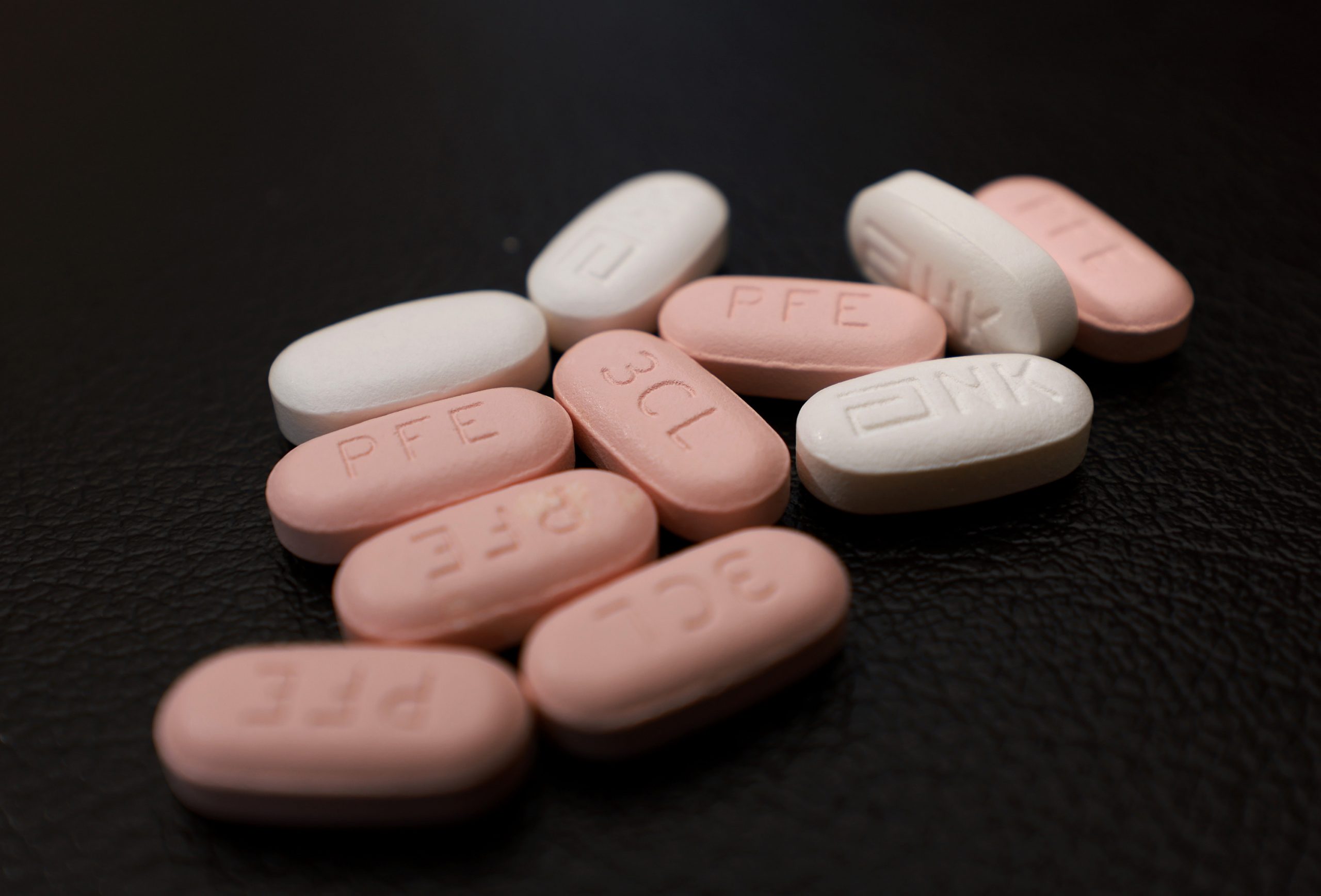
COVID-19 is still killing tens of thousands of Americans every year — and for the first time, there is now an FDA-approved oral medication that household contacts of infected individuals can take before symptoms develop to significantly reduce their risk of getting sick.
On June 1, 2026, the U.S. Food and Drug Administration approved Xocova® (ensitrelvir), an oral antiviral developed by Japanese pharmaceutical company Shionogi, for post-exposure prophylaxis (PEP) of COVID-19 in adults and adolescents 12 years of age and older. It is the first and only oral option approved for preventing COVID-19 after exposure to an infected individual — a distinct and previously unaddressed clinical need.
What Xocova Is — and How It Differs From Paxlovid
The distinction between Xocova and Paxlovid (nirmatrelvir/ritonavir) is essential to understand, because they serve different purposes at different points in the COVID-19 timeline.
Paxlovid is taken after a positive COVID test and symptom onset, to reduce the severity of illness in high-risk individuals who are already sick. It is a treatment for active disease.
Xocova is taken after exposure to an infected individual, before the person becomes infected or symptomatic — a pre-symptomatic intervention window that previously had no oral pharmacological option in the United States. It is a prophylactic medication, not a treatment for existing infection.
Mechanistically, both drugs target the same SARS-CoV-2 main protease (3CL protease) — a key enzyme the virus needs to replicate. By blocking this enzyme, Xocova prevents the virus from reproducing efficiently in newly exposed individuals, reducing the probability that a household exposure leads to established infection.
According to the SCORPIO-PEP trial data published in the New England Journal of Medicine: in the primary endpoint analysis of 2,041 SARS-CoV-2-negative participants, only 2.9% of those in the ensitrelvir group developed symptomatic COVID-19 by day 10, compared with 9.0% in the placebo group — a 67% reduction in risk.
| Xocova (Ensitrelvir) Key Data | Detail |
| FDA approval date | June 1, 2026 |
| Developer | Shionogi (Japan) |
| Indication | Post-exposure prophylaxis (PEP) of COVID-19 |
| Age indication | Adults and adolescents 12 years and older |
| Phase 3 trial | SCORPIO-PEP (NCT05897541) |
| Primary endpoint result | 67% lower risk of symptomatic COVID-19 (2.9% vs. 9.0%) |
| Secondary analysis (all participants) | 57% risk reduction |
| Dosing regimen | 375mg on Day 1 (3 tablets); then 125mg on Days 2–5 (1 tablet each) |
| Duration | 5 days |
| Most common side effects | Headache, diarrhea, cough (15.1% vs. 15.5% placebo) |
| Prior approved COVID post-exposure option | None (bamlanivimab withdrawn due to Omicron resistance) |
| U.S. COVID cases Oct 2025 – May 2026 | 3.8–12.4 million (CDC estimate) |
| U.S. COVID deaths Oct 2025 – May 2026 | 13,000–42,000 (CDC estimate) |
How the Trial Worked — and What the Results Mean
The SCORPIO-PEP trial enrolled 2,387 individuals aged 12 and older who had tested negative for SARS-CoV-2 at enrollment and were living in a household with a confirmed COVID-19 case. Participants were randomized 1:1 to receive ensitrelvir or matching placebo for five days.
According to AJMC, ensitrelvir was well tolerated — adverse event rates were nearly identical between the ensitrelvir group (15.1%) and placebo group (15.5%), with the most common events being headache, diarrhea, and cough. No serious safety signals were identified.
A notable feature of the trial population: more than 99% of household contacts already had SARS-CoV-2 antibodies at baseline — meaning nearly the entire study population had pre-existing immunity from prior infection, vaccination, or both. TechTimes noted that the drug performed equally well in this highly immune population, confirming that Xocova’s benefit does not depend on immunological naivety. This is clinically significant: it means the medication is likely to work in 2026’s real-world population, nearly all of whom have some prior COVID immunity.
Who Should Take Xocova — and When
The critical timing parameter for Xocova is not yet formally defined by the FDA label as a specific hour cutoff, but the clinical logic — and the trial design — centers on initiating treatment as soon as possible after a confirmed household exposure, ideally within 24 to 72 hours.
The populations with the most to gain include:
- Adults 60 and older, who remain at highest risk of severe COVID outcomes
- Immunocompromised individuals (transplant recipients, patients on chemotherapy, people with HIV, those on long-term immunosuppressive therapy)
- Adults with significant comorbidities — heart disease, diabetes, chronic kidney disease, chronic lung disease, obesity
- Residents and staff of long-term care facilities, where up to 47% of household-level contacts develop COVID following exposure to an infected person, according to Shionogi’s prescribing data
- Adolescents 12 and older in high-risk households
Anyone in one of these groups who has a confirmed household contact with COVID-19 should contact their healthcare provider immediately to discuss Xocova eligibility. The drug closes a therapeutic gap that has existed since bamlanivimab/etesevimab — the only prior authorized COVID post-exposure option — was withdrawn after proving ineffective against Omicron variants.
“The approval for COVID-19 PEP was based on data from the SCORPIO-PEP trial, which demonstrated favorable safety and efficacy in uninfected pediatric and adult patients who had been exposed to an infected individual, reducing the risk of symptomatic COVID-19 by 67%,” AJMC reported.
COVID-19 in 2026 — Why This Still Matters
The approval arrives at a moment when COVID-19 has become background noise for many Americans but remains a significant cause of illness, hospitalization, and death. The CDC estimates that between October 1, 2025, and May 23, 2026, there were 3.8 to 12.4 million new COVID cases in the United States, resulting in 800,000 to 2.3 million outpatient visits, 120,000 to 240,000 hospitalizations, and 13,000 to 42,000 deaths. Long COVID — which produces lasting neurological, cardiovascular, and respiratory complications — adds a further layer of risk that prevention reduces. Preventing even a percentage of those infections among the highest-risk population represents a meaningful public health gain.
Frequently Asked Questions
What is Xocova (ensitrelvir) and what was it approved for?
Xocova (ensitrelvir) was FDA-approved June 1, 2026, by Shionogi, as the first and only oral medication for post-exposure prophylaxis (PEP) of COVID-19. It is approved for adults and adolescents 12 and older who have had contact with a confirmed COVID-19 case.
How is Xocova different from Paxlovid?
Paxlovid is taken after a positive COVID test and symptom onset to reduce disease severity. Xocova is taken after exposure but before infection or symptom onset, to prevent the exposed person from developing COVID at all. They target the same viral enzyme but are used at different clinical moments.
How effective is Xocova?
In the Phase 3 SCORPIO-PEP trial, Xocova reduced the risk of symptomatic COVID-19 by 67% compared to placebo in household contacts who were initially SARS-CoV-2-negative, with a secondary analysis showing 57% risk reduction across all participants.
How do you take Xocova?
Xocova is a 5-day oral regimen: 3 tablets taken as a single dose on Day 1, then 1 tablet per day on Days 2 through 5. It should be started as soon as possible after a confirmed household exposure. Contact your healthcare provider immediately if you have been exposed.
Who qualifies for Xocova?
The FDA approval covers adults and adolescents 12 and older following contact with a confirmed COVID-19 case. People most likely to benefit include adults 60 and older, the immunocompromised, those with significant comorbidities, and long-term care residents and staff. A healthcare provider should assess individual eligibility.