Tag: Explains

  • Rising Awareness of Breast Implant Illness: Dr. Pryor Explains

    Rising Awareness of Breast Implant Illness: Dr. Pryor Explains

    For decades, women with breast implants who developed unexplained fatigue, brain fog, or chronic pain were often told their symptoms were “in their heads.” Today, that’s beginning to change. As awareness of Breast Implant Illness (BII) continues to rise, more patients are finding answers — and hope — through trusted medical advocates like Dr. Landon Pryor and his team at PryorHealth, a national leader in explant and recovery care.

    Understanding Breast Implant Illness

    “Breast Implant Illness, or BII, is a condition that many women experience after receiving breast implants, though it’s still not fully recognized by all in the medical community,” explains Dr. Pryor, founder of PryorHealth and a board-certified plastic surgeon with more than 20 years of experience. “Common symptoms include fatigue, brain fog, chronic pain, joint and muscle aches, autoimmune-like reactions, and unexplained inflammation. Each patient experiences it differently, which is why listening to their story is so important.”

    That approach — listening first, healing second — is the foundation of PryorHealth’s BII Initiative, which aims to raise awareness and deliver compassionate, patient-centered care to those suffering from the condition.

    Recognizing the Signs

    Because BII presents differently for each woman, recognizing potential symptoms can be difficult. “If you have implants and are experiencing chronic, unexplained symptoms that started or worsened after surgery, it’s worth exploring the possibility of BII,” says Dr. Pryor. There is no single diagnostic test, which makes patient awareness and self-advocacy critical. “The key is to track your symptoms, seek a knowledgeable surgeon or advocate, and understand that your experiences are valid—even if the medical community hasn’t fully recognized the condition yet.”

    Dr. Pryor operanting on a patientDr. Pryor operanting on a patient

    A Focus on Total Healing

    Dr. Pryor is one of the few plastic surgeons in the country who made the rare decision to stop performing breast augmentations altogether — dedicating his practice exclusively to explant surgery and whole-body recovery. At PryorHealth, the standard procedure for BII patients is a total capsulectomy, which removes both the implants and the surrounding scar tissue capsule.

    “This is critical for safety and symptom relief, especially if the implant has ruptured,” he explains. “Recovery varies by patient, but many notice symptom improvement shortly after surgery. Typical downtime is about two weeks, and most patients resume full activity without restriction by six weeks.”

    While total capsulectomy is the most direct solution for addressing the root cause of BII, Dr. Pryor and his team also emphasize holistic recovery. “Without removing the implants and capsules, nonsurgical therapies can only do so much,” he notes. “However, after proper en bloc explant and total capsulectomy, additional detox treatments can definitely help in reducing toxins and inflammation in the breasts, body, and brain.”

    To support patients’ long-term wellness, PryorHealth offers complementary therapies such as IV treatments and platelet-rich plasma (PRP) therapy, designed to accelerate detoxification and healing.

    The BII Centers of Excellence: Expanding Access and Awareness

    Recognizing how many women were struggling to find knowledgeable care for Breast Implant Illness, Dr. Pryor established the PryorHealth BII Centers of Excellence — a national model dedicated exclusively to safe explant surgery, advocacy, and recovery.

    The Centers of Excellence reflect Dr. Pryor’s commitment to making specialized BII treatment more accessible. Each center combines board-certified surgical expertise, dedicated patient advocacy, and comprehensive wellness programs, creating a trusted environment for patients seeking answers and relief.

    Since the launch of the Centers in Illinois, PryorHealth has expanded into Florida, broadening access for women across the country who often have few local options for BII-specific care. The Centers also collaborate with the University of Illinois Chicago Rockford campus to study inflammatory responses linked to implants — bridging the gap between lived experience and scientific understanding.

    PryorHealth’s BII Initiative is about more than surgery — it’s about giving women validation after years of being dismissed. The team includes BII advocates and survivors Laura Bowden and Yvette Melby, who provide hands-on guidance and emotional support throughout the explant journey. Their personal experiences make them invaluable advocates for patients navigating the same uncertainty they once faced.

    Dr Pryor empowering women to be heardDr Pryor empowering women to be heard

    Empowering Women to Be Heard

    Ultimately, Dr. Pryor hopes women understand one thing: their symptoms are real and deserve to be taken seriously. “You don’t have to accept unexplained fatigue, pain, or autoimmune-like issues as your new normal,” he says. “With the right care, advocacy, and treatment — including total capsulectomy — recovery is possible. You deserve to be believed and supported every step of the way.”

    For thousands of women, that message of validation is life-changing. As BII awareness continues to grow, PryorHealth’s BII Centers of Excellence stand at the forefront — not only as hubs of advanced surgical expertise, but as beacons of empathy, advocacy, and healing for women reclaiming their health nationwide.

    Source link

  • What’s the Difference Between Transcendental Meditation and Mindfulness? A Teacher Explains

    What’s the Difference Between Transcendental Meditation and Mindfulness? A Teacher Explains

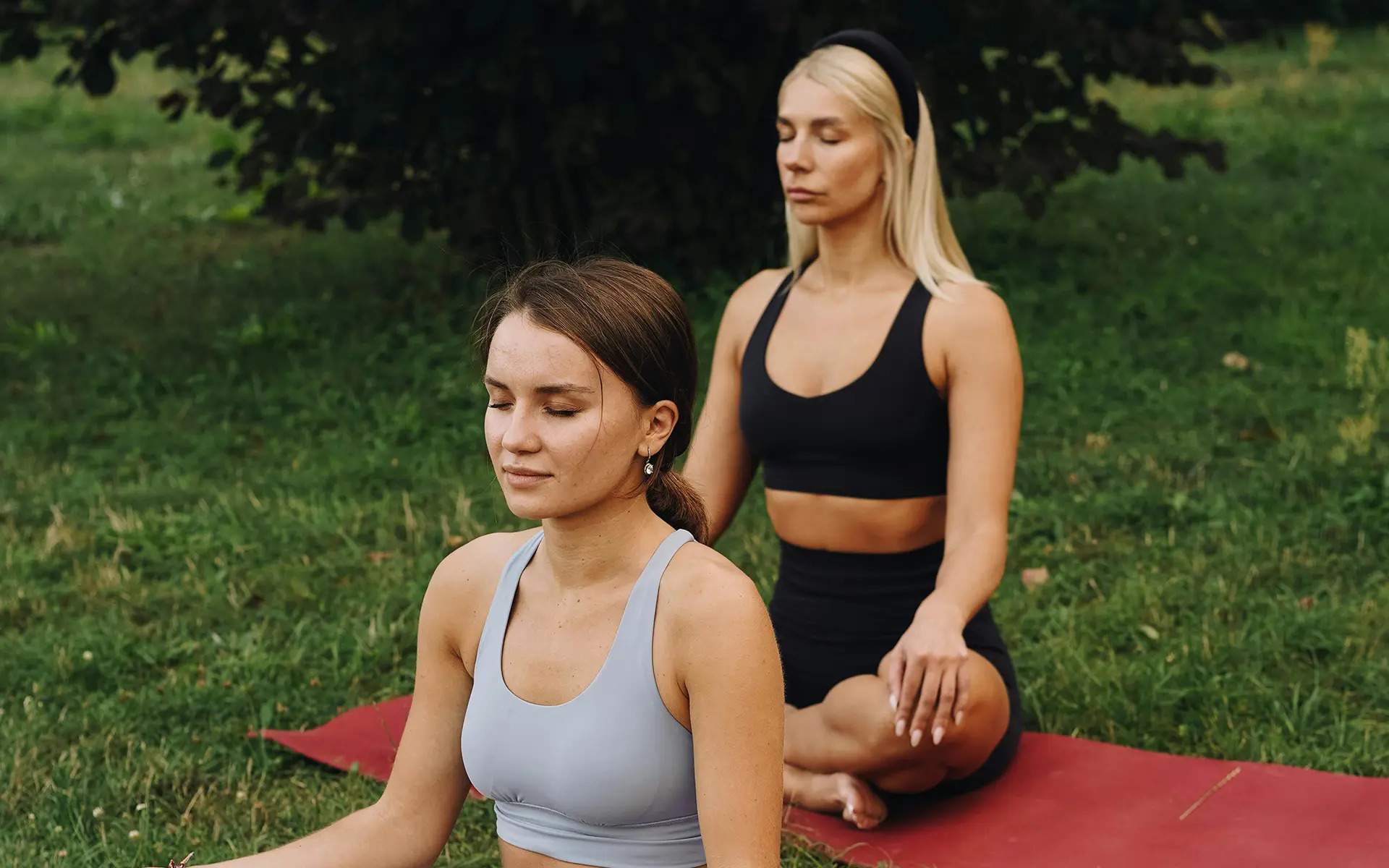
    Meditation is everywhere these days. Guided meditations or visualizations, mindfulness, walking meditations, body scans, and even mantra meditation are taught in classrooms and workplaces as well as being featured on popular meditation apps. Some people swear by their specific type, others dabble in different ones, and many are simply curious to try but have not yet.

    For me, mantra meditation—more specifically Transcendental Meditation (TM)—has been life-changing. In this piece, I explain what TM is, explore its benefits, and discuss differences between TM and mindfulness meditation.

    Fifteen years ago, in 2009, I began meditating. At the time, my life was shifting in almost every possible way. I had just moved back to my hometown of San Francisco after seven years of teaching in Los Angeles. I had been diagnosed with an autoimmune disease, ulcerative colitis. Now, even today, we don’t know everything about this disease, but what we do know is that stress is a major trigger. There I was, diagnosed with a chronic illness, trying to understand my symptoms, manage them, and plan for an unpredictable future. At the same time, another major life event was unfolding: I had just turned 30 and was embarking on the difficult journey of trying to have a baby—an experience that ended up taking three years, filled with doctor’s visits, uncertainty, and loss.

    On top of all this, I was transitioning professionally—moving from being a classroom teacher in LA to working in the central office for SF Unified School District’s new teacher Induction program. It was a lot—personally, professionally, emotionally—and this was the exact moment I started meditating.

    What Is Transcendental Meditation (TM)?

    The style of meditation I learned in 2009 was Transcendental Meditation (TM), through a grant from the David Lynch Foundation offered to employees in the San Francisco Unified School District. TM is a form of mantra-based meditation where you silently repeat a specific word (mantra) to help you focus and transcend ordinary thought patterns. The idea is that the repetition of the mantra allows the mind to settle into a deep state of rest and alertness, fostering a sense of inner peace.

    TM is a form of mantra-based meditation where you silently repeat a specific sound or word (mantra) to help you focus and transcend ordinary thought patterns.

    Learning TM typically involves enrolling at a TM center and paying for instruction, which may be delivered one-on-one or in a small group. When I learned, the program was offered free of charge to SFUSD employees and was conducted in a small group over several sessions, with monthly group check-ins. At the time, the foundation was conducting a clinical trial to explore TM’s impact on health, so participants were divided into two groups: one received instruction in the mantra-based meditation practice immediately, while the other (the control group) began six months later. 

    Regardless of whether you learn TM individually, in a group, or as part of a study, you are given a personal mantra by a certified TM teacher. This mantra—a nonsensical, lyrical word—is meant to be kept private and not shared with others. Some have noted that mantras are assigned based on the age of the practitioner at the time of learning.

    Though TM has its roots in India’s Vedic traditions—some of the oldest known spiritual and philosophical systems, dating back over 3,000 years—the form of TM practiced today originated in the 1950s. While the use of mantras may be linked to ancient Sanskrit texts, TM is taught as a secular practice, distinct from any religious framework. It is presented as a scientific method for reducing stress and enhancing overall health. The technique gained widespread popularity, in part, due to high-profile advocates like The Beatles, who helped bring attention to this form of meditation.

    Scientific research has shown that TM can reduce stress and anxiety, lower blood pressure, and improve overall well-being, immune function,  and sleep. It has been found to enhance cognition, increase creativity, and even help with mental resilience during challenging times. Many people continue to be drawn to TM because of its structured nature—it’s easy to learn, and practitioners are typically taught one-on-one by certified instructors, which provides personalized guidance.

    For me, TM quickly became an anchor in my daily life. As someone who values routines, it was a simple ritual that brought a deep sense of peace and clarity. I found myself looking forward to that post-meditation feeling: lighter, more grounded, and better equipped to face whatever was swirling around me. The anxious thoughts that used to loop endlessly—about infertility, miscarriages, managing colitis through diet, or the stress of potential layoffs as well as the economic recession—began to feel less heavy, less consuming.

    Inspired by the power of TM, I also began to shape a personal approach to mantra-based meditation, one that felt more flexible and accessible. I was curious about how choosing my own mantra or intention might shift the experience. The concept is simple: pick a word or phrase, repeat it silently, and let the mind soften and settle. It’s a calming, effective practice that doesn’t require expensive training or long hours. While TM is one established form of mantra meditation, there are many variations, each adaptable to your own rhythm, needs, and curiosity.

    What Is Mindfulness Meditation?

    Mindfulness meditation is all about being present in the moment, observing your thoughts and feelings without judgment. As teacher and educator Diana Winston explains in her Tedx Talk, this type of meditation can be understood as “paying attention to present-moment experiences with openness, curiosity, and a willingness to be with what is.”

    While it’s common to incorporate an intentional focal point in mindfulness meditation—like the breath, a visual cue like a candle, or bodily sensations—this technique is often practiced by simply sitting or lying down in silence and just being with whatever arises. If worry, anxiety, pinging thoughts, or physical pain cause distraction, the meditator notes the distraction without judgment and then gently returns attention to the present moment.

    This type of meditation is accessible, flexible, and encourages people to start where they are. Similar to TM, studies have shown that mindfulness meditation is effective in reducing symptoms of stress, anxiety, and depression, improving sleep, and increasing the markers of physical, mental, and emotional well-being.

    While mindfulness can be highly effective for calming the mind, some people find it challenging, especially if their mind is constantly racing. The free form offers lots of room for personalization, but that same lack of structure or focus can be frustrating, especially for newer meditators.

    If you’re someone who has tried mindfulness meditation and found it difficult to make progress, let me share why I gravitated toward mantra meditation.

    Mindfulness vs. Transcendental Meditation: Which Is Right for You?

    So, how do you decide which type of meditation is best for you?

    It really comes down to what resonates with you. Mindfulness meditation is all about being present in the moment, observing your thoughts and feelings without judgment. It’s often practiced by focusing on the breath or bodily sensations. While mindfulness can be highly effective for calming the mind, some people find it challenging, especially if their mind is constantly racing. That’s where mantra-based meditation can be helpful. By focusing on a simple word or sound, it can provide an anchor for the mind, making it easier to enter a state of calm.

    For some, mindfulness offers a deeper connection to the present moment, fostering awareness throughout your usual daily activities. For others, TM or mantra meditation can provide quicker relief from mental chatter, especially in stressful moments.

    For some, TM or mantra meditation can provide quicker relief from mental chatter, especially in stressful moments. But for others, mindfulness offers a deeper connection to the present moment, fostering awareness throughout your usual daily activities.

    In my experience, mantra meditation offered a structured way to quiet the mind, whereas mindfulness meditation required more of an open awareness toward the thoughts and emotions that pop up during practice. There’s no one-size-fits-all when it comes to meditation. Some people thrive with mindfulness, while others prefer mantra meditation. And of course, many  benefit from incorporating both practices, depending on the situation.

    A Simple Mantra Meditation Practice for Anyone

    Starting a meditation practice can feel intimidating. There are so many styles, techniques, and ideas about what meditation “should” look like. But in reality, it’s incredibly simple. You don’t need expensive accessories. You don’t need to sit a certain way or clear your mind of all thoughts. You just need a few minutes, a comfortable seat, and a willingness to try. 

    There are so many styles, techniques, and ideas about what meditation “should” look like. But in reality, it’s incredibly simple.

    I practice using a mantra, a simple word or phrase that I repeat silently to focus my mind. I set a timer, close my eyes, and let my thoughts come and go while gently returning to the mantra. That’s it. No pressure, no perfection, just presence. Over time, this small practice has helped me become more creative, more patient, and more resilient. It’s allowed me to meet life’s challenges with a clearer mind and an open heart.

    Start small—just five minutes. Try it for a week and see how you feel. And if you ever have questions or want to learn more about my mantra-based technique, reach out via my website.

    At the end of the day, any form of meditation—mindfulness, mantra, TM, guided or another type—is one of the best gifts you can give yourself. It’s a practice that supports you through life’s toughest moments, enhances your best ones, and ultimately helps you show up as the best version of yourself.

    So, what do you say—let’s get more people meditating! With that goal in mind, I’ve launched a series on TikTok and Instagram called #DeadOrMeditating, aimed at making meditation go viral. Remember when planking took off and people were posting photos of themselves planking in public spaces? That simple trend raised awareness and sparked conversations. Why not do the same with meditation?


    Source link

  • Feeling Groggy After A Full Night’s Sleep? A Doctor Explains Simple Math To Find Your Ideal Bedtime

    Feeling Groggy After A Full Night’s Sleep? A Doctor Explains Simple Math To Find Your Ideal Bedtime

    You get a full night’s sleep but still wake up feeling groggy, while a short nap leaves you feeling refreshed. Ever wondered why? It could be because your sleep schedule is disrupting your body’s natural rhythm, either by going to bed at the wrong time or waking up in the middle of a sleep cycle.

    It’s not just about going to bed earlier; it’s about syncing your sleep schedule with your body’s natural sleep cycle, suggests Dr. Charles Puza, a New York City dermatologist who shares sleep tips on Instagram.

    “Ever wake up from 8+ hours of sleep and still feel groggy? It’s because you’re going to bed and waking up at the wrong time. You should be timing your sleep to align with natural sleep cycles of around 90 minutes,” Dr. Puza wrote in a recent Instagram post.

    While getting eight hours of sleep is important, researchers also suggest that the timing of your bedtime and waking up after completing natural sleep cycles are key to feeling truly rested.

    Natural sleep cycles last around 90 minutes, and throughout a typical night’s sleep of 7.5 hours, we go through about five full cycles. Each cycle includes different stages, from light sleep to deep rest. To feel refreshed after a night’s sleep, a person needs to have complete undisturbed stages of these cycles.

    However, when you go to bed late and depend on an alarm to wake up at a set time, you might be interrupting the cycles, preventing you from reaching deep sleep stages, essential for feeling truly rested. This disruption results in fragmented sleep, which has been linked to a range of negative effects, from increased stress and mood swings to poor overall health and well-being.

    To avoid this, it’s crucial to understand your body’s ideal bedtime that aligns with the natural sleep cycle. Dr. Puza offers a simple formula for those looking to get a restful night’s sleep:

    “You need to decide if you need five cycles or six cycles of sleep overnight. Factor in about 15 minutes to fall asleep,” he said.

    For those wanting five cycles need to simply subtract 7h45m others or 9h15m from your wake-up time to find your ideal bedtime.


    Source link

  • Why Are Heart Attacks More Common On Christmas Day? Doctor Explains Winter Surge And Warning Signs

    Why Are Heart Attacks More Common On Christmas Day? Doctor Explains Winter Surge And Warning Signs

    As the holiday season brings festive cheer and celebration, beware of a secret risk that quietly looms on Christmas Day. Well, it’s not the Grinch stealing decorations, but a life-threatening emergency.

    According to the American Heart Association, heart attacks and strokes spike during the last two weeks of December, and December 25 marks the year’s peak for cardiac events. Dr. Patricia Vassallo, a cardiologist with Northwestern Medicine, explains that the increased risk during the winter months results from a combination of cold weather, holiday stress, and disrupted routines.

    “Cold temperatures cause blood vessels to constrict, which raises blood pressure and makes the heart work harder to pump blood. At the same time, stress around the holidays and disrupted routines — like less sleep, more alcohol and skipped medications — add to the strain. Overexertion from winter chores like shoveling heavy snow can further increase the risk, especially in people with existing heart conditions,” said Dr. Vassallo.

    Holidays may not be the season filled with joy for everyone, it can bring feelings of stress or sadness due to grief of lost loved ones, managing large gatherings, or dealing with complex family dynamics. Emotional and physical stress have a significant effect on heart health, which is why there is a spike in heart attacks and strokes on Monday mornings when stress levels are at the highest, Dr. Vassallo said.

    How to reduce risk:

    Since cold weather, increased stress, and changes in routine are key factors driving the winter surge of cardiac events, Dr. Vassallo recommends following specific tips to reduce the risk.

    1. Dress for the weather: To stay warm in cold conditions, wear layers, and use essential accessories like hats, gloves, and heavy socks.

    2. Come inside often: Spending extended time outdoors in the cold can increase the risk of hypothermia and heart attacks. If you have to spend time outdoors, make sure to take breaks inside to warm up.

    3. Avoid excess alcohol: Although alcohol seems to give a temporary feeling of warmth, it can lower your body’s core temperature and make you more vulnerable to the cold.

    4. Do not shovel for long periods: Shoveling is an activity that puts extra strain on your heart, especially if you have a pre-existing heart condition. It’s important to check with your doctor whether it’s safe for you to shovel or if you should limit the activity.

    5. Wash your hands frequently: Respiratory infections are common in the winter months, and they can increase the risk of heart attacks. Frequent handwashing helps reduce the spread of germs and infections.

    6. Get help: If you experience any new symptoms of a heart condition or your existing symptoms worsen, do not hesitate to seek medical help, even if it’s a holiday.

    Signs To Look out for:

    Knowing the signs of heart attacks and strokes can save lives. It is important to seek immediate medical attention if you notice symptoms like severe chest pain, nausea, dizziness, shortness of breath, pain or numbness in the jaw, back, neck, or shoulders, cold sweat, heartburn, or sudden fatigue.

    Source link

  • Vitamin D Deficiency In Kids Raises Risk Of Auto-Immune Disorders: Study Explains How

    Vitamin D Deficiency In Kids Raises Risk Of Auto-Immune Disorders: Study Explains How

    Ensure your child is getting adequate sunshine vitamins. Beyond the role of calcium absorption and bone strengthening, researchers have discovered more about its connection to the immune system. A recent study revealed how a deficiency of vitamin D in young children can raise the risk of developing autoimmune disorders.

    According to the latest study published in the journal Science Advances, the deficiency of vitamin D in kids is linked to premature aging of the thymus gland. The thymus is a small lymph gland that makes and trains T-cells that are crucial for the immune system, defending the body against infections and diseases. While most of these vital cells are produced before birth, the remainder are generated during childhood, and by puberty, individuals would have developed the complete T cells for their lifetime.

    “An aging thymus leads to a ‘leaky’ immune system. This means the thymus becomes less effective at filtering out immune cells that could mistakenly attack healthy tissues, increasing the risk of autoimmune diseases like type 1 diabetes,” said the lead author of the study John White in a news release.

    Studies have shown that vitamin D is essential for immunity but according to White, the recent study findings “bring new clarity to this connection and could lead to new strategies for preventing autoimmune diseases.”

    During the trial, researchers examined mice that could not produce vitamin D to assess how this deficiency affected their thymus glands. They then conducted cell analyses and gene sequencing to understand the impact of vitamin D deficiency on the immune system. The researchers expect similar findings in humans as the thymus functions similarly in both species.

    Based on the study findings, researchers suggest that young children should get adequate vitamin D, either through natural sources such as fortified food and sunlight or through supplementation.

    “If you have a young child, it’s important to consult with your healthcare provider to ensure they’re getting enough,” said White.

    Earlier research conducted by the same team in 2021, which followed up more than 10,000 children showed that early vitamin D supplementation can reduce the risk of developing type 1 diabetes by up to five-fold.

    Source link