Tag: exercises

  • Lumbar Pain Relief with Core Stabilization Exercises for Back Pain Prevention

    Lumbar Pain Relief with Core Stabilization Exercises for Back Pain Prevention

    Chronic lower back pain can quietly limit work, movement, and sleep, so many people look to safe exercise and posture changes for lasting lumbar pain relief. When the spine is supported by strong, coordinated muscles and neutral alignment, daily stress places less strain on the lower back, making core stabilization and back pain prevention essential goals.

    What Causes Chronic Lower Back Pain and Poor Posture?

    Chronic lower back pain usually develops over time from habits, not just one injury. Long hours of sitting, limited activity, and muscle imbalances weaken the support around the spine and encourage slouched posture.

    As the head and shoulders drift forward, the lumbar spine must work harder to stay upright, increasing stress on joints, discs, and soft tissues. Sedentary work, excess weight, and low fitness all raise the risk of ongoing discomfort and stiffness.

    How Does Posture Affect Lumbar Pain?

    For lumbar pain relief, “good” posture means a neutral spine, not a perfectly straight one. In neutral, the ears align roughly over the shoulders, shoulders over hips, and the lower back keeps a gentle curve.

    In sitting, feet are flat, hips and knees are near a right angle, and the pelvis is slightly tilted so the low back is neither rounded nor overly arched. In standing, weight is shared evenly through both feet. This alignment spreads load across the spine and muscles instead of overloading any one area.

    Correcting posture alone rarely erases chronic pain, but it can reduce mechanical stress on the lumbar spine.

    When combined with strengthening and mobility exercises, posture work teaches the body how to support the back during real-life tasks. Learning to hinge from the hips, keep a neutral spine in daily bending, and lightly brace the core can ease symptoms and support back pain prevention.

    Key Exercises for Lumbar Pain Relief and Core Stabilization

    Strengthening for chronic lower back pain focuses on controlled, low-load exercises that build endurance in the core and hips. Bird dog, bridges, and planks are widely recommended because they train the body to keep the spine stable while the arms and legs move.

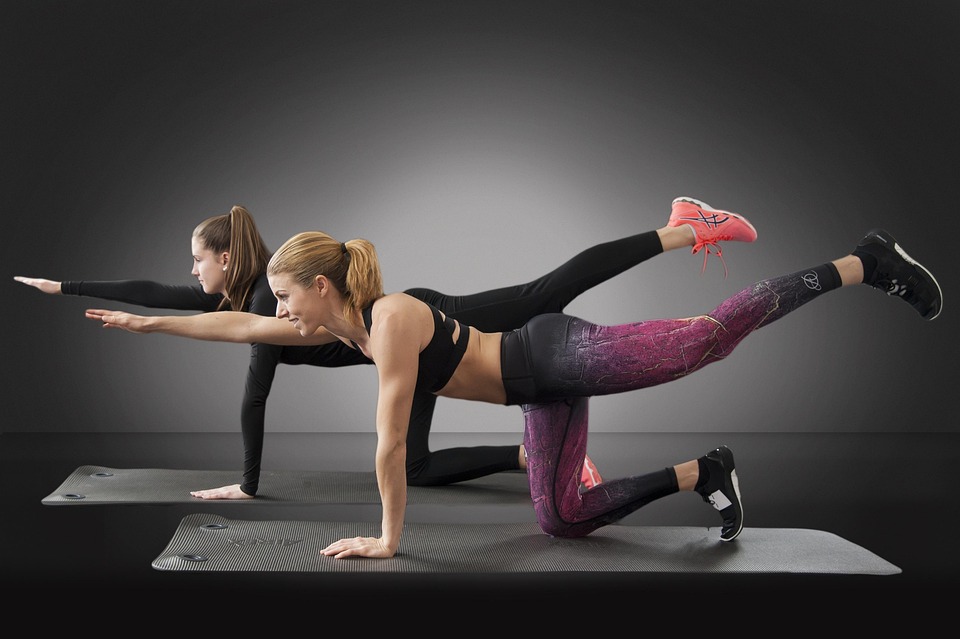
    • Bird dog (on hands and knees, extending opposite arm and leg) improves balance and coordination across the back and abdominal muscles.
    • Glute bridges strengthen the hips and glutes, reducing strain on the lumbar spine during standing and walking.
    • Front and side plank variations build core stabilization by challenging the trunk to resist sagging, arching, or collapsing.

    Anti-extension and anti-rotation movements such as modified dead bug (lying on the back, slowly lowering opposite arm and leg) teach the trunk to resist unwanted motion. These exercises help the deep stabilizers around the spine, hips, and pelvis work together, creating a solid foundation that supports long-term back pain prevention.

    Simple Routine for Chronic Lower Back Pain

    A practical routine begins with a brief warm-up, such as pelvic tilts, gentle knee-to-chest movements, and small hip circles. This loosens stiff tissues and introduces light core engagement through relaxed, diaphragmatic breathing, according to Harvard Health.

    A basic core stabilization circuit might include:

    • Bird dog for slow, controlled repetitions.
    • Glute bridges, progressing to marching bridges as strength improves.
    • Modified front plank (on knees or elevated surface) for short, high-quality holds.
    • Side plank variations with bent knees to build lateral core strength.

    After strengthening, a short posture and mobility block reinforces alignment. Wall slides encourage the upper back and shoulders to stack over the pelvis.

    Cat–cow on hands and knees gently moves the spine through flexion and extension, building awareness of neutral alignment. Stretching the chest and hip flexors counters the rounded shoulders and tight hips that come from prolonged sitting.

    A cooldown with gentle hamstring, glute, and hip flexor stretches plus slow breathing helps muscles relax and may limit post-exercise soreness. This full sequence supports both immediate lumbar pain relief and long-term back pain prevention.

    How Often Should These Exercises Be Done?

    For most people, steady consistency is more effective than occasional hard workouts. Ten to twenty minutes of focused posture and core stabilization work on most days can gradually reduce stiffness and improve control around the lumbar spine, as per the Centers for Disease Control and Prevention.

    Over time, progress can come from longer holds, additional repetitions, or light resistance, while still protecting neutral alignment and avoiding pain.

    When to Seek Professional Help

    Home exercise is helpful, but some situations require medical evaluation. Red-flag signs include significant leg weakness, loss of sensation, changes in bowel or bladder control, or pain after major trauma.

    In these cases, prompt assessment is important. A physical therapist can also design an individualized program, refine technique, and adjust exercises as the person’s condition changes, making core stabilization and posture work safer and more effective.

    Long-Term Lumbar Pain Relief and Back Pain Prevention

    A consistent mix of posture practice, core stabilization, and gentle mobility offers a realistic path to lumbar pain relief without relying solely on rest or passive treatments.

    By gradually building strength and awareness around the spine, people can reduce flare-ups, move with more confidence, and turn everyday habits into powerful tools for back pain prevention.

    Frequently Asked Questions

    1. Can walking help with chronic lower back pain?

    Yes, regular walking at a comfortable pace can improve blood flow, reduce stiffness, and gently strengthen the muscles that support the spine, helping with long-term back pain prevention.

    2. Is it safe to do core exercises every day with lumbar pain?

    Light core stabilization work can usually be done daily if movements are pain-free, controlled, and low-load, but anyone with severe or worsening symptoms should get personalized guidance first.

    3. How long does it take to see lumbar pain relief from exercises?

    Many people notice small improvements in stiffness and comfort within a few weeks of consistent practice, while more lasting changes in strength and posture often take several months.

    4. Should someone avoid all bending and lifting with chronic lower back pain?

    Completely avoiding bending and lifting is rarely helpful; instead, learning to hinge from the hips, keep a neutral spine, and use the legs to lift is safer and supports long-term back pain prevention.


    Source link

  • Joint-Friendly Workouts and Bone-Strengthening Exercises for a Faster Metabolism

    Joint-Friendly Workouts and Bone-Strengthening Exercises for a Faster Metabolism

    As people enter their 40s, the body begins to experience natural changes, muscle mass declines, metabolism slows, and bones lose density. This makes strength training over 40 an essential part of maintaining health, function, and vitality.

    By incorporating simple resistance workouts that emphasize proper form and joint protection, adults over 40 can safeguard their strength, prevent injuries, and support an active lifestyle well into later years.

    Why Strength Training Matters After 40

    Muscle loss, medically known as sarcopenia, typically starts around the mid-30s and accelerates with age. Without regular physical activity, adults can lose up to 5% of muscle mass per decade.

    This loss directly affects balance, strength, and everyday energy levels. Incorporating strength training over 40 helps counteract this process by stimulating muscle fibers and improving overall body composition.

    Unlike high-intensity workouts that can strain joints, well-planned resistance sessions promote metabolism boosting strength without excess wear and tear.

    Strength training also enhances hormone balance, supports cardiovascular health, and regulates blood sugar levels. These benefits go far beyond appearance, they contribute to long-term wellness and independence.

    Joint-Friendly Workouts for People Over 40

    As joints become more sensitive with age, it’s important to choose joint-friendly workouts that strengthen muscles while supporting mobility. These workouts focus on low-impact movements that minimize stress on the knees, shoulders, and back.

    Examples of joint-friendly workouts include:

    • Resistance band routines: Portable and easy to adjust, resistance bands allow a full range of motion without overloading joints.
    • Bodyweight exercises: Moves like wall push-ups, modified planks, and glute bridges offer strength improvements using natural resistance.
    • Swimming or water aerobics: The buoyancy of water reduces joint strain while still providing muscular resistance.
    • Yoga and Pilates: These improve flexibility, alignment, and awareness of joint positioning.

    Practicing proper warm-ups and controlled movement patterns prevents injury and ensures comfort during exercise.

    For those returning to fitness, starting with simple resistance training helps build foundational strength before progressing to weights or machines. Listening to the body’s signals, particularly in the knees, hips, and shoulders, is key to longevity in training.

    Exercises That Naturally Strengthen Bones

    Bone density declines gradually after age 40, particularly for women during and after menopause. To combat this, bone-strengthening exercises play an essential role in maintaining skeletal health. Weight-bearing and resistance-based movements help bones stay dense and resilient by stimulating bone cells known as osteoblasts.

    Proven bone-strengthening exercises include:

    • Squats and lunges: These activate large muscle groups in the legs and stimulate bone growth in the hips and spine.
    • Step-ups: Gentle impact combined with bodyweight resistance encourages bone adaptation in the lower body.
    • Dumbbell presses and rows: Strengthening the arms and shoulders also supports the upper back, maintaining good posture and reducing fracture risk.

    Unlike endurance-based activities, these movements create healthy microstress on bones, encouraging them to repair and rebuild. Combining these sessions with good nutrition, especially calcium and vitamin D, helps maximize results.

    Boosting Metabolism Through Strength Training

    As metabolism naturally slows with age, building and maintaining lean muscle becomes one of the most effective ways to keep it active, according to the World Health Organization. Each pound of muscle tissue burns more calories at rest than fat tissue, which means even small gains in muscle translate to noticeable increases in daily energy expenditure.

    Metabolism boosting strength workouts often include compound movements that work multiple muscle groups at once. Good examples are:

    • Push-ups or modified push-ups: Strengthen the chest, arms, and core simultaneously.
    • Deadlifts with proper form: Engage the lower back, glutes, and legs, leading to efficient calorie burning.
    • Planks and variations: Build core stability while engaging multiple major muscles.
    • Circuit training: Alternating between upper- and lower-body exercises with short rest periods elevates heart rate and keeps metabolism high even after a session ends.

    Combining strength training over 40 with quality sleep, balanced meals, and hydration further enhances metabolic health. Over time, this approach helps stabilize energy levels and makes it easier to maintain a healthy weight.

    A Beginner Routine for Simple Resistance Training Over 40

    Starting a new exercise routine at midlife doesn’t require complicated equipment or fitness memberships. A consistent simple resistance training plan performed two to three times per week can bring noticeable improvements in strength, flexibility, and confidence.

    A sample weekly program might include:

    Day 1 (Upper Body Focus):

    • Wall push-ups – 3 sets of 10–12 reps
    • Seated band rows – 3 sets of 12 reps
    • Dumbbell shoulder press – 2 sets of 10 reps
    • Biceps curls – 2 sets of 12 reps

    Day 2 (Lower Body Focus):

    • Bodyweight squats – 3 sets of 10 reps
    • Step-ups on a low platform – 3 sets of 12 reps
    • Glute bridges – 3 sets of 15 reps
    • Standing calf raises – 2 sets of 12 reps

    Day 3 (Full-Body Mobility and Core):

    • Plank holds – 3 sets of 20–30 seconds
    • Bird dogs – 3 sets of 10 reps each side
    • Gentle yoga or stretching – 15–20 minutes

    Proper form and posture are critical, especially for those just starting. Beginners should prioritize control and range of motion before focusing on weight or intensity.

    As endurance builds, light dumbbells or resistance bands can be added for progressive overload. Consulting a trainer or physical therapist ensures exercises are done safely, particularly for those with existing joint conditions or previous injuries, as per the Centers for Disease Control and Prevention.

    Mistakes to Avoid When Doing Strength Training Over 40

    Even experienced exercisers can make errors that hinder progress or increase injury risk. Common missteps include:

    • Skipping warm-ups and cooldowns: Cold muscles are prone to strain, while skipping stretching can limit flexibility over time.
    • Overtraining: Insufficient rest prevents muscle recovery and can cause chronic fatigue or joint inflammation.
    • Lifting too heavy too soon: Gradually increasing resistance is safer and more sustainable than sudden weight jumps.
    • Ignoring recovery: Adequate sleep, hydration, and nutrition play a direct role in muscle repair and joint support.

    Avoiding these pitfalls helps make joint-friendly workouts more sustainable for long-term consistency.

    Stay Strong and Active After 40

    Maintaining strength after 40 is less about chasing performance goals and more about building resilience that supports everyday life. Engaging in strength training over 40 helps preserve joint function, strengthens bones, and keeps metabolism high, all factors that directly contribute to quality of life.

    By incorporating joint-friendly workouts and bone-strengthening exercises, adults can remain active without discomfort or risk of injury. Consistent, simple resistance training routines bring gradual yet lasting improvements in posture, coordination, and muscle tone.

    The body may change with age, but its ability to adapt never truly fades. With practical strength sessions and mindful habits, staying strong, flexible, and energized at any age becomes not just possible, but entirely achievable.

    Frequently Asked Questions

    1. How long does it take to see results from strength training over 40?

    Visible results can appear within 6–8 weeks of consistent workouts, though strength and energy improvements often occur sooner. Progress depends on diet, sleep, and workout frequency.

    2. Can strength training over 40 help with weight management?

    Yes. Strength training builds lean muscle, which burns more calories at rest and supports healthy weight regulation even without intense cardio.

    3. Is it safe to lift weights daily after 40?

    Not recommended. Muscles and joints need rest to recover. Training 2–4 times per week with rest days in between helps prevent overuse and injury.

    4. Do I need supplements for strength training over 40?

    In most cases, a balanced diet provides sufficient nutrients, but supplements like protein, vitamin D, or calcium can help if dietary intake is low, always consult a healthcare provider first.


    Source link

  • Prehabilitation 101: How Injury Prevention Exercises Can Save You Time and Pain (Target keywords: prehabilitation, injury prevention, exercises)

    Prehabilitation 101: How Injury Prevention Exercises Can Save You Time and Pain (Target keywords: prehabilitation, injury prevention, exercises)

    As the old adage goes, “an ounce of prevention is worth a pound of cure.” This saying couldn’t be more relevant when it comes to our physical health, particularly in the context of injury prevention. Prehabilitation, a proactive approach to preventing injuries, has become an essential aspect of fitness and athletic training. By incorporating prehabilitation exercises into one’s routine, individuals can significantly reduce the risk of injury, thereby saving time and pain in the long run.

    What is Prehabilitation?

    Prehabilitation refers to the practice of engaging in specific exercises and stretches designed to strengthen muscles, improve flexibility, and enhance overall physical resilience. The primary goal of prehabilitation is to prevent injuries from occurring in the first place, rather than treating them after they happen. By identifying potential weaknesses and vulnerabilities in the body, individuals can take proactive steps to address these issues before they become major problems.

    The Importance of Injury Prevention

    Injuries can be a significant setback for anyone, regardless of their fitness level or athletic background. Not only can they be painful and debilitating, but they can also lead to extended periods of downtime, causing frustration and disappointment. Moreover, injuries can have long-term consequences, such as chronic pain, limited mobility, and reduced overall quality of life. By prioritizing injury prevention through prehabilitation exercises, individuals can minimize the risk of injury and maintain optimal physical function.

    Prehabilitation Exercises for Common Injuries

    Certain exercises can help prevent common injuries, such as:

    • Knee Injuries: Strengthening the muscles around the knee, including the quadriceps, hamstrings, and hip flexors, can help prevent knee injuries. Exercises like squats, lunges, and leg press can be effective in this regard.
    • Shoulder Injuries: Strengthening the muscles of the shoulder, including the rotator cuff and scapular stabilizers, can help prevent shoulder injuries. Exercises like shoulder rotations, lateral raises, and scapular push-ups can be beneficial.
    • Lower Back Injuries: Strengthening the core muscles, including the abdominals and back muscles, can help prevent lower back injuries. Exercises like planks, bridges, and pelvic tilts can be effective in this regard.

    Incorporating Prehabilitation into Your Routine

    Incorporating prehabilitation exercises into one’s routine can be simple and straightforward. Here are some tips:

    • Start Slow: Begin with gentle exercises and gradually increase intensity and difficulty as your body adapts.
    • Focus on Functional Movements: Incorporate exercises that mimic daily movements and activities, such as squats, lunges, and step-ups.
    • Listen to Your Body: Pay attention to your body’s signals, and rest when needed. It’s essential to balance exercise with recovery to avoid overtraining and injury.
    • Make it a Habit: Incorporate prehabilitation exercises into your daily routine, such as during warm-ups or cool-downs, to make them a habitual part of your fitness regimen.

    The Benefits of Prehabilitation

    The benefits of prehabilitation are numerous and well-documented. Some of the advantages of incorporating prehabilitation exercises into your routine include:

    • Reduced Injury Risk: Prehabilitation exercises can help prevent injuries by strengthening muscles, improving flexibility, and enhancing overall physical resilience.
    • Improved Performance: By reducing the risk of injury, prehabilitation exercises can help individuals perform at their best, whether in sports, fitness, or daily activities.
    • Enhanced Recovery: Prehabilitation exercises can also aid in recovery after exercise or competition, reducing muscle soreness and improving overall physical function.
    • Long-Term Health: Prioritizing prehabilitation can have long-term health benefits, reducing the risk of chronic pain, limited mobility, and reduced overall quality of life.

    Common Prehabilitation Exercises

    Some common prehabilitation exercises that can be incorporated into your routine include:

    • Foam Rolling: Foam rolling can help improve flexibility, reduce muscle tension, and enhance overall physical resilience.
    • Stretching: Static stretching, dynamic stretching, and mobility exercises can help improve flexibility, reduce muscle tension, and enhance overall physical function.
    • Strengthening Exercises: Resistance band exercises, free weights, and bodyweight exercises can help strengthen muscles, improve overall physical resilience, and reduce the risk of injury.
    • Plyometrics and Agility Drills: Plyometric exercises, such as jump squats and box jumps, and agility drills, such as cone drills and ladder drills, can help improve power, speed, and agility, while also reducing the risk of injury.

    Conclusion

    In conclusion, prehabilitation is a proactive approach to preventing injuries that can have a significant impact on one’s quality of life. By incorporating prehabilitation exercises into your routine, you can reduce the risk of injury, improve performance, and enhance overall physical function. Remember to start slow, focus on functional movements, listen to your body, and make prehabilitation a habitual part of your fitness regimen. With consistent practice and dedication, you can reap the benefits of prehabilitation and maintain optimal physical health for years to come.

    Frequently Asked Questions

    Q: What is the difference between prehabilitation and rehabilitation?
    A: Prehabilitation refers to the practice of preventing injuries before they occur, while rehabilitation refers to the process of treating and recovering from an injury.

    Q: How often should I incorporate prehabilitation exercises into my routine?
    A: It’s recommended to incorporate prehabilitation exercises into your routine 2-3 times per week, with at least one day of rest in between.

    Q: Can prehabilitation exercises help with chronic pain?
    A: Yes, prehabilitation exercises can help alleviate chronic pain by strengthening muscles, improving flexibility, and enhancing overall physical resilience.

    Q: Are prehabilitation exercises only for athletes?
    A: No, prehabilitation exercises are beneficial for anyone, regardless of fitness level or athletic background, as they can help prevent injuries and improve overall physical function.

    Q: How long does it take to see results from prehabilitation exercises?
    A: The benefits of prehabilitation exercises can be seen in as little as a few weeks, but consistent practice and dedication are necessary to achieve optimal results.

    prehabilitation-101-how-injury-prevention-exercises-can-save-you-time-and-pain-target-keywords-prehabilitation-injury-prevention-exercises

  • Unlock Full Range of Motion: Top Benefits of Incorporating Mobility Exercises into Your Daily Routine (Keyword: mobility exercises)

    Unlock Full Range of Motion: Top Benefits of Incorporating Mobility Exercises into Your Daily Routine (Keyword: mobility exercises)

    She’s always been someone who values her health and wellness, and as such, she’s always on the lookout for new ways to improve her overall quality of life. Recently, she’s been hearing a lot about the importance of incorporating mobility exercises into her daily routine, and she’s curious to learn more. As she delves deeper into the world of mobility, she’s excited to discover the numerous benefits that these exercises have to offer.

    What are Mobility Exercises?

    To start, it’s essential to understand what mobility exercises are and how they differ from traditional forms of exercise. Mobility exercises are designed to help improve the range of motion in the joints, allowing for more freedom of movement and reducing the risk of injury. These exercises typically involve slow, controlled movements that target specific areas of the body, such as the hips, shoulders, and spine. By incorporating mobility exercises into her daily routine, she can expect to see significant improvements in her overall flexibility, balance, and coordination.

    The Top Benefits of Mobility Exercises

    As she begins to explore the world of mobility exercises, she’s amazed by the numerous benefits that they have to offer. Some of the top benefits of incorporating mobility exercises into her daily routine include:

    • Improved Flexibility: Mobility exercises help to increase the range of motion in the joints, making it easier to move and perform daily activities.
    • Reduced Risk of Injury: By improving flexibility and balance, mobility exercises can help reduce the risk of injury and improve overall athletic performance.
    • Enhanced Athletic Performance: Mobility exercises can help improve power, speed, and endurance, making them a valuable addition to any athlete’s training routine.
    • Better Posture: By strengthening the muscles that support the spine, mobility exercises can help improve posture and reduce the risk of back pain.
    • Reduced Stress and Anxiety: Mobility exercises can help reduce stress and anxiety by releasing tension in the muscles and promoting relaxation.

    Incorporating Mobility Exercises into Your Daily Routine

    Now that she’s aware of the numerous benefits of mobility exercises, she’s eager to start incorporating them into her daily routine. The good news is that mobility exercises are easy to incorporate into even the busiest of schedules. Here are a few tips for getting started:

    • Start Small: Begin with short, 10-15 minute mobility sessions and gradually increase the duration as you become more comfortable with the exercises.
    • Focus on Key Areas: Target areas such as the hips, shoulders, and spine, which are prone to stiffness and limited mobility.
    • Use Online Resources: Take advantage of online resources, such as videos and tutorials, to learn new mobility exercises and stay motivated.
    • Make it a Habit: Incorporate mobility exercises into your daily routine, such as first thing in the morning or right before bed.

    Mobility Exercises for Beginners

    For those who are new to mobility exercises, it can be overwhelming to know where to start. Here are a few exercises that are perfect for beginners:

    • Leg Swings: Stand with your feet hip-width apart and swing one leg forward and backward, then switch to the other leg.
    • Arm Circles: Hold your arms straight out to the sides and make small circles with your hands.
    • Hip Openers: Stand with your feet together and take a large step to one side, keeping your back straight and your front knee bent.
    • Cat-Cow Stretch: Start on your hands and knees and arch your back, lifting your tailbone and head towards the ceiling, then round your back and tuck your chin towards your chest.

    Advanced Mobility Exercises

    For those who are more experienced with mobility exercises, there are a variety of advanced exercises that can help take their practice to the next level. Some examples include:

    • Single-Leg Squats: Stand on one leg, keeping the other foot lifted off the ground, and lower your body down into a squat.
    • Plyometric Exercises: Incorporate explosive movements, such as jump squats and box jumps, to improve power and speed.
    • Mobility Flows: Combine multiple mobility exercises into a flowing sequence, such as a series of leg swings and hip openers.

    Conclusion

    Incorporating mobility exercises into your daily routine can have a significant impact on your overall health and wellness. By improving flexibility, reducing the risk of injury, and enhancing athletic performance, mobility exercises are a valuable addition to any fitness routine. Whether you’re a beginner or an experienced athlete, there are a variety of mobility exercises that can help you unlock your full range of motion and achieve your fitness goals. So why not get started today and experience the numerous benefits of mobility exercises for yourself?

    Frequently Asked Questions

    • Q: What is the best time of day to do mobility exercises?
      A: The best time to do mobility exercises is whenever it feels most convenient for you. Many people prefer to do them first thing in the morning or right before bed.
    • Q: Do I need to warm up before doing mobility exercises?
      A: Yes, it’s a good idea to warm up before doing mobility exercises to prevent injury and improve flexibility.
    • Q: Can I do mobility exercises if I have an injury?
      A: It’s best to consult with a healthcare professional before starting a new exercise routine, especially if you have an injury. They can help you modify exercises to accommodate your needs and abilities.
    • Q: How often should I do mobility exercises?
      A: Aim to do mobility exercises at least 2-3 times per week, and ideally every day if possible.
    • Q: Can mobility exercises help with back pain?
      A: Yes, mobility exercises can help reduce back pain by improving flexibility, strengthening the muscles that support the spine, and reducing tension in the muscles.

    unlock-full-range-of-motion-top-benefits-of-incorporating-mobility-exercises-into-your-daily-routine-keyword-mobility-exercises

  • 24 Chair Yoga Exercises for Any Age – Green Bubz

    24 Chair Yoga Exercises for Any Age – Green Bubz

    Product Name: 24 Chair Yoga Exercises for Any Age – Green Bubz

    Click here to get 24 Chair Yoga Exercises for Any Age – Green Bubz at discounted price while it’s still available…

    All orders are protected by SSL encryption – the highest industry standard for online security from trusted vendors.

    24 Chair Yoga Exercises for Any Age – Green Bubz is backed with a 60 Day No Questions Asked Money Back Guarantee. If within the first 60 days of receipt you are not satisfied with Wake Up Lean™, you can request a refund by sending an email to the address given inside the product and we will immediately refund your entire purchase price, with no questions asked.

    (more…)

  • Get Ready to Sweat: 10 Essential Warm-Up Exercises to Boost Your Workout (Target keywords: warm-up exercises, workout routine)

    Get Ready to Sweat: 10 Essential Warm-Up Exercises to Boost Your Workout (Target keywords: warm-up exercises, workout routine)

    She’s always emphasizing the importance of starting any workout routine with a solid set of warm-up exercises. This is because warm-ups are crucial in preparing the body for physical activity, increasing blood flow, and reducing the risk of injury. A good warm-up can make all the difference in the effectiveness of a workout, and she’s here to share the top 10 essential warm-up exercises to get anyone ready to sweat.

    Getting Started with Warm-Up Exercises
    Before diving into the list of warm-up exercises, it’s essential to understand the purpose of a warm-up. A warm-up is a series of exercises designed to increase heart rate, temperature, and blood flow to the muscles. This helps to reduce muscle stiffness, improve flexibility, and prepare the body for physical activity. A well-structured warm-up can also help to improve performance, reduce the risk of injury, and enhance overall workout experience.

    Top 10 Essential Warm-Up Exercises
    Here are the top 10 essential warm-up exercises to include in any workout routine:

    1. Jumping Jacks: A classic warm-up exercise that gets the heart rate up and loosens the muscles. Jumping jacks are a great way to start any workout, as they work multiple muscle groups and get the blood flowing.
    2. Leg Swings: Leg swings are an excellent way to warm up the legs and hips. Stand with your feet hip-width apart and swing one leg forward and backward, then switch to the other leg.
    3. Arm Circles: Arm circles are a simple yet effective way to warm up the shoulders and chest. Hold your arms straight out to the sides and make small circles with your hands.
    4. Hip Openers: Hip openers are essential for warming up the hips and glutes. Stand with your feet together and take a large step to one side, keeping your back straight and your front knee bent.
    5. Calf Raises: Calf raises are a great way to warm up the lower legs. Stand on the edge of a step or curb with your heels hanging off the edge, and raise up onto your tiptoes.
    6. Knee Lifts: Knee lifts are an excellent way to warm up the legs and hips. Stand with your feet together and lift one knee up towards your chest, then switch to the other leg.
    7. Torso Twists: Torso twists are a great way to warm up the core and improve flexibility. Stand with your feet shoulder-width apart and twist your torso from side to side.
    8. Ankle Rotations: Ankle rotations are essential for warming up the ankles and feet. Sit on the floor with your legs straight out in front of you and rotate your ankles in a circular motion.
    9. Wrist Extensions: Wrist extensions are a simple yet effective way to warm up the wrists and forearms. Hold your arms straight out in front of you and lift your hands up, then lower them back down.
    10. Neck Stretches: Neck stretches are a great way to warm up the neck and improve flexibility. Slowly tilt your head to the side, bringing your ear towards your shoulder, then switch to the other side.

    Incorporating Warm-Up Exercises into Your Workout Routine
    Incorporating these warm-up exercises into your workout routine can be easy and straightforward. Start by setting aside 5-10 minutes before each workout to complete the warm-up exercises. Begin with light cardio such as jogging in place or jumping jacks, then move on to dynamic stretches like leg swings and arm circles. Finish with some static stretches like hamstring and chest stretches.

    Benefits of Warm-Up Exercises
    The benefits of warm-up exercises are numerous and well-documented. Some of the most significant advantages of incorporating warm-up exercises into your workout routine include:

    • Improved performance: Warm-up exercises can help improve power, speed, and endurance.
    • Reduced risk of injury: Warm-up exercises can help reduce the risk of injury by increasing blood flow and reducing muscle stiffness.
    • Enhanced flexibility: Warm-up exercises can help improve flexibility and range of motion.
    • Increased blood flow: Warm-up exercises can help increase blood flow to the muscles, reducing fatigue and improving overall performance.

    Common Mistakes to Avoid
    When it comes to warm-up exercises, there are several common mistakes to avoid. Some of the most significant mistakes include:

    • Not warming up at all: Skipping the warm-up altogether can lead to reduced performance and increased risk of injury.
    • Not warming up long enough: Warming up for too short a time can fail to prepare the body for physical activity.
    • Not incorporating dynamic stretches: Dynamic stretches like leg swings and arm circles are essential for warming up the muscles and improving flexibility.

    Conclusion
    In conclusion, warm-up exercises are a crucial part of any workout routine. By incorporating the top 10 essential warm-up exercises into your routine, you can improve performance, reduce the risk of injury, and enhance overall workout experience. Remember to set aside 5-10 minutes before each workout to complete the warm-up exercises, and don’t forget to incorporate dynamic stretches like leg swings and arm circles. With a well-structured warm-up, you’ll be ready to sweat and take your workout to the next level.

    FAQs
    Q: What is the purpose of a warm-up?
    A: The purpose of a warm-up is to increase heart rate, temperature, and blood flow to the muscles, preparing the body for physical activity.
    Q: How long should I warm up for?
    A: Aim to warm up for at least 5-10 minutes before each workout.
    Q: What are some common mistakes to avoid when it comes to warm-up exercises?
    A: Common mistakes include not warming up at all, not warming up long enough, and not incorporating dynamic stretches.
    Q: Can I customize my warm-up routine to suit my specific needs?
    A: Yes, you can customize your warm-up routine to suit your specific needs and goals. For example, if you’re a runner, you may want to focus on leg swings and hip openers.
    Q: Are warm-up exercises only for athletes?
    A: No, warm-up exercises are for anyone who engages in physical activity, regardless of fitness level or goals.

    get-ready-to-sweat-10-essential-warm-up-exercises-to-boost-your-workout-target-keywords-warm-up-exercises-workout-routine

  • Pump Up Your Gains: Top 10 Strength Training Exercises for Beginners to Build Muscle Fast

    Pump Up Your Gains: Top 10 Strength Training Exercises for Beginners to Build Muscle Fast

    When it comes to strength training, many beginners feel overwhelmed by the plethora of exercises available. But, with a solid foundation in the basics, anyone can start building muscle fast and achieve their fitness goals. In this article, we’ll explore the top 10 strength training exercises that are perfect for beginners looking to pump up their gains.

    Getting Started with Strength Training
    Before we dive into the exercises, it’s essential to understand the importance of strength training. Not only does it help build muscle, but it also improves overall health, increases bone density, and boosts metabolism. As a beginner, it’s crucial to start with exercises that work multiple muscle groups at once, allowing for efficient and effective workouts.

    Top 10 Strength Training Exercises for Beginners
    Here are the top 10 strength training exercises that are perfect for beginners looking to build muscle fast:

    1. Squats: This exercise works the quadriceps, hamstrings, glutes, and core muscles. To perform a squat, stand with feet shoulder-width apart, then bend knees and lower body until thighs are parallel to the ground.
    2. Deadlifts: Deadlifts work the entire back, glutes, and legs. Stand with feet shoulder-width apart, bend down and grab a weight or barbell, then lift up to hip level, squeezing glutes and pushing hips back.
    3. Bench Press: This exercise targets the chest, shoulders, and triceps. Lie on a flat bench, grip the barbell with hands shoulder-width apart, and press upwards, extending arms fully.
    4. Pull-ups: Pull-ups work the back, shoulders, and arms. Hang from a pull-up bar with hands shoulder-width apart, then pull yourself up until chin clears the bar.
    5. Lunges: Lunges target the legs, glutes, and core. Stand with feet together, take a large step forward with one foot, lower body until back knee almost touches the ground, then push back up to starting position.
    6. Rows: Rows work the back, shoulders, and arms. Hold a dumbbell or barbell with hands shoulder-width apart, bend knees slightly, and lift the weight up to chest level, keeping elbows close to body.
    7. Shoulder Press: This exercise targets the shoulders and triceps. Stand or sit with feet shoulder-width apart, hold a dumbbell or barbell at shoulder height, then press upwards, extending arms fully.
    8. Bicep Curls: Bicep curls work the biceps and forearms. Stand with feet shoulder-width apart, hold a dumbbell with hands shoulder-width apart, then curl the weight up towards shoulders, keeping upper arms still.
    9. Tricep Dips: Tricep dips target the triceps and chest. Sit on the edge of a bench or chair, place hands shoulder-width apart, lower body until arms are bent at a 90-degree angle, then push back up to starting position.
    10. Leg Press: The leg press works the legs, glutes, and core. Sit in a leg press machine, push the platform away from you with feet, then lower the weight down until legs are bent at a 90-degree angle, and push back up to starting position.

    Tips for Building Muscle Fast
    To build muscle fast, it’s essential to remember a few key tips:

    • Start with lighter weights and gradually increase the weight as you become stronger.
    • Focus on proper form and technique to avoid injury and ensure effective muscle engagement.
    • Incorporate progressive overload, increasing the weight or reps over time to challenge muscles and stimulate growth.
    • Rest and recovery are crucial, allowing muscles to repair and rebuild after intense workouts.
    • Eat enough protein to support muscle growth and repair, aiming for 1-1.5 grams of protein per kilogram of body weight daily.

    Creating a Workout Routine
    To pump up your gains, it’s essential to create a well-structured workout routine that includes a mix of these top 10 strength training exercises. Aim to work out 3-4 times per week, targeting different muscle groups each day. For example:

    • Day 1: Chest and triceps (bench press, tricep dips, bicep curls)
    • Day 2: Back and biceps (pull-ups, rows, bicep curls)
    • Day 3: Legs (squats, lunges, leg press)
    • Day 4: Shoulders and core (shoulder press, rows, planks)

    Conclusion
    Building muscle fast requires dedication, patience, and a solid understanding of strength training principles. By incorporating these top 10 strength training exercises into your workout routine and following the tips outlined above, you’ll be well on your way to pumping up your gains and achieving your fitness goals. Remember to stay consistent, listen to your body, and make adjustments as needed to ensure a safe and effective workout routine.

    Frequently Asked Questions

    Q: What is the best way to build muscle fast?
    A: The best way to build muscle fast is to combine a well-structured workout routine with a balanced diet and sufficient rest and recovery.

    Q: How often should I work out to pump up my gains?
    A: Aim to work out 3-4 times per week, targeting different muscle groups each day.

    Q: What is the importance of progressive overload?
    A: Progressive overload is essential for building muscle fast, as it challenges muscles and stimulates growth by increasing the weight or reps over time.

    Q: How much protein should I eat to support muscle growth?
    A: Aim to eat 1-1.5 grams of protein per kilogram of body weight daily to support muscle growth and repair.

    Q: Can I build muscle fast without weights?
    A: While weights are an effective way to build muscle, it’s also possible to build muscle using bodyweight exercises or resistance bands. However, weights are generally more effective for building muscle fast.

    pump-up-your-gains-top-10-strength-training-exercises-for-beginners-to-build-muscle-fast

  • Safeguard Your Joints: Top 10 Low-Impact Exercises for Healthy Bones and Joints

    Safeguard Your Joints: Top 10 Low-Impact Exercises for Healthy Bones and Joints

    As we age, our bodies undergo natural changes that can lead to joint pain and stiffness. Poor circulation, weaker muscles, and degenerative bone disease can all contribute to discomfort and even disability. However, there is hope for maintaining healthy bones and joints without putting excessive strain on them. Low-impact exercises can be a game-changer for people of all ages, providing a safe and effective way to improve mobility, strength, and overall well-being. In this article, we’ll explore the top 10 low-impact exercises for healthy bones and joints, helping you safeguard your joints for a happier, healthier life.

    ### 1. Brisk Walking

    Walking is one of the simplest and most accessible forms of exercise, perfect for people with mobility issues or those who are just starting out. A brisk walk of 30 minutes a day can help reduce joint pain, improve circulation, and strengthen the muscles in your legs. To get the most out of walking, focus on quick, light steps, and keep your posture upright. You can also incorporate short bursts of faster walking to boost your metabolism and calorie burn.

    ### 2. Swimming

    Swimming is a low-impact exercise that’s easy on the joints, making it an ideal option for people with arthritis, osteoporosis, or other joint conditions. The buoyancy of water provides a gentle, non-weight-bearing environment that reduces strain on your joints, allowing you to move freely and build strength without putting excessive pressure on your joints. Swimming laps, water aerobics, or simply playing with the kids in the pool can be excellent ways to stay active and healthy.

    ### 3. Cycling

    Cycling is another low-impact exercise that’s easy on the joints, especially for those with knee or hip issues. Stationary bikes, recumbent bikes, or even hand-cranked bicycles can provide a low-impact way to build cardiovascular endurance and strengthen the muscles in your legs. Remember to start with short sessions and gradually increase the duration and intensity as you build up your endurance.

    ### 4. Yoga and Pilates

    Yoga and Pilates are low-impact, non-weight-bearing exercises that focus on controlled movements, flexibility, and strength. These exercises can help improve joint mobility, balance, and overall flexibility, as well as reduce symptoms of osteoporosis and arthritis. For people with joint issues, modified poses and modified exercises can be adapted to accommodate their needs. Look for qualified instructors who can help you modify exercises or create a personalized routine.

    ### 5. Elliptical Trainer or Cross- Trainer

    The elliptical trainer or cross-trainer is a low-impact machine that simulates running without the high-impact stress on your joints. This exercise allows you to work your cardiovascular system and build strength in your legs without putting excessive pressure on your joints. Start with short sessions and gradually increase the duration and intensity as you build up your endurance.

    ### 6. Resistance Band Exercises

    Resistance bands are lightweight, portable, and low-impact, making them an excellent option for people with joint issues. These bands provide resistance without putting excessive pressure on your joints, allowing you to build strength, improve flexibility, and improve overall mobility. Exercises like banded squats, lunges, and chest presses can be adapted to your fitness level and mobility limitations.

    ### 7. Tai Chi

    Tai Chi is a low-impact, slow-moving exercise that combines meditation, deep breathing, and gentle movement. This ancient Chinese practice has been shown to improve balance, reduce falls, and alleviate symptoms of arthritis. Tai Chi classes are available in most communities, and many videos and online classes can guide you through exercises at home.

    ### 8. Dance-Based Exercise

    Dance-based exercise programs like Zumba or line dancing can be modified to accommodate joint issues, providing a fun way to improve cardio, balance, and flexibility. Dance classes can be a great way to socialize, reduce stress, and build confidence while exercising. Look for modified dance classes or ask your instructor to accommodate your needs.

    ### 9. Balance Exercises

    Improving balance is crucial for reducing the risk of falls and preserving independence. Low-impact exercises like single-leg stands, heel-to-toe walks, and BOSU ball training can help improve balance and overall functional ability. When starting these exercises, it’s essential to consult with a healthcare professional or physical therapist to ensure you’re using proper form and technique.

    ### 10. Gentle Stretching and Foam Rolling

    Working with a qualified physical therapist or personal trainer, you can create a customized stretching and foam rolling program that targets specific areas of tension and stiffness. Gentle stretching and foam rolling can help improve flexibility, reduce joint pain, and enhance overall mobility.

    ## Conclusion

    Low-impact exercises offer a safe and effective way to maintain healthy bones and joints, regardless of age or mobility level. These exercises can help reduce joint pain, improve circulation, and strengthen muscles, leading to an improved quality of life. Remember to consult with a healthcare professional before starting any new exercise program, especially if you have pre-existing joint issues or other health concerns. With the right exercises and proper guidance, you can safeguard your joints and enjoy a happier, healthier lifestyle.

    # FAQs

    Q: What are the best exercises for people with osteoporosis?
    A: Exercises that focus on building strength, improving balance, and enhancing flexibility, such as resistance band exercises, balance exercises, and gentle stretching, are ideal for people with osteoporosis.

    Q: Can I do low-impact exercises if I have arthritis?
    A: Yes, low-impact exercises like swimming, cycling, and yoga can be adapted to accommodate your needs, reducing stress and discomfort on your joints.

    Q: How often should I do low-impact exercises?
    A: Start with 2-3 times a week and gradually increase frequency and duration as you build up your endurance. Listen to your body and rest when needed.

    Q: Can I do these exercises at home or do I need to go to a gym?
    A: Many of these exercises can be done at home, using resistance bands, yoga mats, or small equipment. You can also take classes or work with a personal trainer at a gym or online.

    Q: Will I see results from low-impact exercises?
    A: Yes, consistent low-impact exercises can lead to improved joint mobility, reduced pain, and enhanced overall well-being. Be patient and stay committed, and you’ll start to notice positive changes in your body and overall health.
    safeguard-your-joints-top-10-low-impact-exercises-for-healthy-bones-and-joints

  • 5 Minute Mindfulness Exercises to Melt Away Stress

    5 Minute Mindfulness Exercises to Melt Away Stress

    5 Minute Mindfulness Exercises to Melt Away Stress

    Are you feeling overwhelmed by the demands of modern life? Do you often find yourself stuck in a state of constant stress and anxiety? If so, you’re not alone. Stress is a ubiquitous part of our daily lives, but it’s crucial to find ways to manage it effectively. One of the most effective ways to do so is through mindfulness exercises. In this article, we’ll explore five 5-minute mindfulness exercises that can help melt away stress and bring a sense of calm and clarity to your life.

    Exercise 1: One-Minute Breathing

    The first exercise is a simple yet powerful one-minute breathing technique that can help calm your mind and body. Find a quiet and comfortable spot, and sit down with your back straight. Close your eyes and take a deep breath in through your nose, filling your lungs completely. Hold the breath for a second, and then exhale slowly through your mouth, emptying your lungs completely. Repeat this process for one minute, focusing solely on the sensation of your breath. As your mind wanders, gently bring it back to the sensation of the breath.

    Exercise 2: Body Scan

    The second exercise is a body scan, designed to help you release physical tension and calm your nervous system. Find a comfortable position, either seated or lying down, and close your eyes. Starting from your toes, bring your awareness to each part of your body, working your way up to the crown of your head. As you focus on each area, release any physical sensations, such as tension or discomfort, and allow them to melt away. Take your time, and don’t rush through this process.

    Exercise 3: Sensory Exploration

    The third exercise is a sensory exploration that can help you shift your focus from stressful thoughts and emotions to the present moment. Choose an object, such as a small stone, a leaf, or a flower, and hold it in your hand. Gaze at the object, noticing its shape, texture, color, and scent. Then, bring your attention to your other senses, focusing on the sounds, smells, and sensations around you. Allow yourself to fully immerse in the experience, letting go of any thoughts or worries.

    Exercise 4: Mindful Walking

    The fourth exercise is a simple yet effective way to clear your mind and reduce stress. Find a quiet space, either indoors or outdoors, and walk slowly and deliberately. Pay attention to the sensation of your feet touching the ground, the movement of your legs and arms, and the rhythm of your breath. As your mind wanders, gently bring it back to the sensation of your walk. Take long, deep breaths, and allow yourself to fully immerse in the experience.

    Exercise 5: Loving-Kindness Meditation

    The final exercise is a loving-kindness meditation, designed to cultivate feelings of kindness, compassion, and understanding towards yourself and others. Find a quiet and comfortable spot, and sit with your back straight. Close your eyes and bring to mind someone or something you feel affection for, such as a loved one, a pet, or a nature scene. Repeat the following phrases to yourself, allowing the feelings to sink deep: "May you be happy, may you be healthy, may you be at peace." As you move on to the next person or thing, repeat the phrases, expanding your circle of kindness and compassion.

    Conclusion

    Incorporating these 5-minute mindfulness exercises into your daily routine can have a profound impact on your mental and emotional well-being. By taking just a few short moments each day to focus on the present, you can:

    • Reduces stress and anxiety
    • Improve your mood and overall sense of well-being
    • Enhance your self-awareness and self-acceptance
    • Develop greater resilience and coping skills
    • Cultivate a deeper sense of connection and compassion with yourself and others

    By integrating these exercises into your daily routine, you can begin to melt away stress and cultivate a more peaceful, centered, and compassionate relationship with yourself and the world around you.

    FAQs

    Q: What is mindfulness, and how does it help with stress?
    A: Mindfulness is the practice of being fully present and engaged in the current moment, often through meditation or other relaxation techniques. It helps with stress by training the mind to focus on the present, rather than getting caught up in worries about the past or future.

    Q: Do I need to be a "good" at mindfulness to benefit from these exercises?
    A: Absolutely not! Mindfulness is a skill that can be developed with practice, and the exercises in this article are designed to be accessible to anyone, regardless of their experience or background.

    Q: How often should I practice mindfulness exercises?
    A: It’s recommended to practice mindfulness exercises daily, ideally at the same time each day, to develop a consistent routine and optimal benefits.

    Q: Can I do these exercises anywhere?
    A: Yes, these exercises can be done anywhere, either seated or lying down, and even in short intervals throughout the day.

    Q: Are these exercises specifically designed for people with anxiety or depression?
    A: Yes, these exercises can be beneficial for anyone experiencing anxiety, depression, or other mental health challenges, as they can help reduce stress, improve mood, and increase self-awareness.

  • Rev Up Your Workout: 10 Effective Warm-Up Exercises to Prevent Injuries and Boost Performance

    The Importance of Warming Up: A Guide to Effective Warm-Up Exercises

    When it comes to exercise, many individuals often neglect to include a proper warm-up routine, opting instead to dive straight into their workout. This approach can lead to decreased performance, increased risk of injury, and even long-term damage to their muscles and joints. As such, it’s crucial to "Rev Up Your Workout" by incorporating a series of effective warm-up exercises that prepare the body for physical activity.

    Why Warming Up is Crucial

    Warming up is a vital step in the exercise process, and it’s essential for people of all fitness levels. When we engage in physical activity, our bodies undergo a series of physiological changes, including increased blood flow, heart rate, and breathing rate. Failing to warm up can lead to sudden and unexpected changes in these physiological responses, resulting in muscle strains, pulls, and tears.

    Common Warming Up Mistakes

    Many individuals make one of two common mistakes when it comes to warming up: they either don’t warm up at all or they perform the same old, static stretches they’ve been doing for years. The reality is that static stretches, such as touching your toes or bending down to try and touch your knees, do not prepare the muscles for exercise. In fact, research suggests that static stretches can actually decrease muscle strength and power.

    Effective Warming Up Exercises

    Fortunately, there is a better way to warm up. By incorporating a series of dynamic stretches, movements, and drills, individuals can increase blood flow, reduce the risk of injury, and boost their overall performance. Here are 10 effective warm-up exercises to "Rev Up Your Workout" and get you ready to take on any physical challenge:

    1. Leg Swings

    Start by standing with your feet hip-width apart and your hands on your hips. Slowly lift your right leg, keeping it straight, and swing it forward and backward, moving your hips and torso as you swing. Repeat on the left leg. This exercise gets your legs and hips moving, increasing blood flow and activating the muscles.

    2. High Knees

    Find a open space, such as a trail or a track, and start jogging with high knees. Bring your knees up towards your chest, pumping your arms and engaging your core. This exercise mimics the movement patterns of many sports, such as running and jumping, and prepares the legs and core for dynamic movement.

    3. Butt Kicks

    Stand with your feet hip-width apart and your hands on a wall or a sturdy pole for balance. Slowly lift your right leg, keeping it straight, and bring your heel towards your glutes. Repeat on the left leg. This exercise targets the hamstrings and glutes, which are critical for balance and power.

    4. Arm Circles

    Hold your arms straight out to the sides and make small, controlled circles with your hands. Gradually increase the size of the circles as you continue, then reverse direction. This exercise gets the shoulders and arms loose, reducing stiffness and increasing range of motion.

    5. Neck Stretch with Movement

    Slowly tilt your head to the right, bringing your ear towards your right shoulder. Then, bring your head back to center and repeat on the left side. As you move, incorporate small, subtle nods and shakes, engaging the neck and shoulders. This exercise prepares the neck and upper body for dynamic movement.

    6. Jumping Jacks

    Stand with your feet together and jump your feet out to the sides, landing softly on the balls of your feet. Alternate landing on different footprints, engaging the legs, glutes, and core. This exercise gets the heart rate up, increases blood flow, and mimics many sports movements, such as basketball and tennis.

    7. Leg Lifts

    Lie on a soft surface, such as a mat or grass, and lift your right leg, keeping it straight. Hold for a few seconds, then lower it back down. Repeat on the left leg. This exercise targets the glutes and hams, which are critical for balance, power, and athletic performance.

    8. Hip Openers

    Stand with your feet together and your hands on your hips. Slowly lift your right leg, keeping it straight, and open your hip, moving your torso and arms as you do so. Repeat on the left leg. This exercise gets the hips and lower back moving, increasing flexibility and range of motion.

    9. Toe Taps

    Stand on the edge of a smooth surface, such as a basketball court or a track. Lift your right foot off the ground and tap your toes on the surface, then repeat on the left leg. This exercise mimics the movement patterns of many sports, such as soccer and basketball, and prepares the feet and ankles for dynamic movement.

    10. Cariboo Jumps

    Stand with your feet shoulder-width apart and your hands on your hips. Jump your feet out to the sides, landing softly on the balls of your feet. Repeat several times, engaging the legs, glutes, and core. This exercise gets the heart rate up, increases blood flow, and mimics many sports movements, such as football and hockey.

    Make It a Habit

    Incorporating these 10 warm-up exercises into your workout routine can be a game-changer for your athletic performance and overall well-being. By "Rev Up Your Workout," you’ll reduce the risk of injury, boost your energy levels, and set yourself up for success. Remember, warming up is not just about preparing the muscles for exercise; it’s also about getting the body ready for the demands of physical activity.

    Frequently Asked Questions

    1. How long should a warm-up take?
      A warm-up should last around 5-10 minutes, depending on the intensity and duration of your workout.

    2. Can I skip warming up if I’m short on time?
      No, it’s essential to warm up, even if you’re short on time. A proper warm-up can help prevent injuries and improve performance.

    3. Can I warm up at home?
      Yes, you can incorporate these warm-up exercises into your daily routine, even if you’re not going to the gym or training for a specific sport.

    4. Can I do static stretches instead of dynamic movements?
      No, static stretches can decrease muscle strength and power. Instead, focus on dynamic movements that mimic sports movements or functional activities.

    By incorporating these 10 effective warm-up exercises into your routine, you’ll be ready to tackle any physical challenge that comes your way. Remember, warming up is not just about preparing the muscles for exercise; it’s about preparing the entire body for optimal performance. So, get moving and "Rev Up Your Workout" today!

    rev-up-your-workout-10-effective-warm-up-exercises-to-prevent-injuries-and-boost-performance