Tag: exercise

  • How Sudden Intense Exercise Can Trigger a Migraine or Headache

    How Sudden Intense Exercise Can Trigger a Migraine or Headache

    Sudden intense exercise can be a powerful way to boost fitness, but for some people, sudden exertion also brings on a pounding exertional headache or even a full-blown migraine.

    When effort ramps up too quickly, rapid changes in blood flow, blood pressure, body temperature, and hydration can work together as a strong migraine trigger. Understanding how blood pressure spikes, vasodilation, dehydration, overexertion, and heat/humidity interact can help people exercise more comfortably and safely.

    How Sudden Exertion Triggers Headache and Migraine

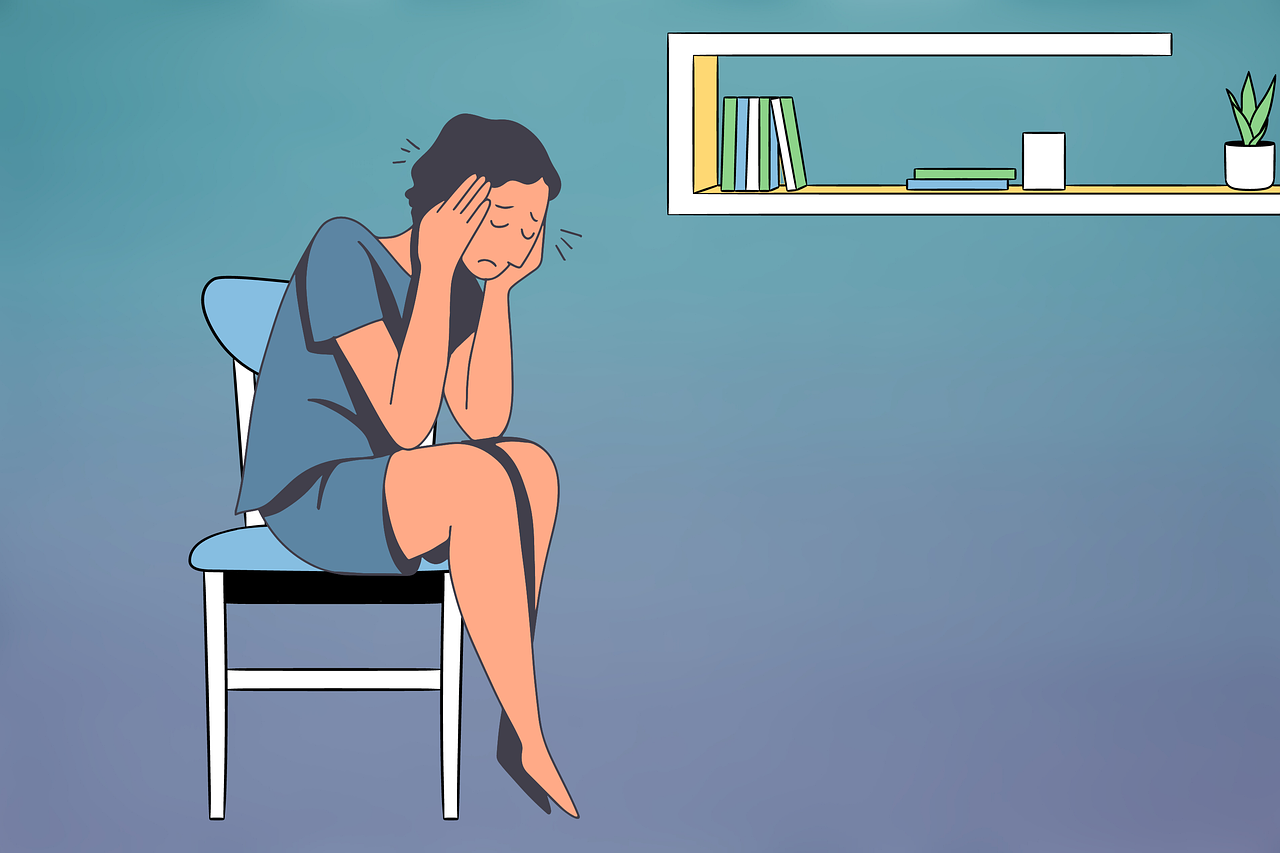
    An exertional headache is a headache that appears during or shortly after physical activity, especially when that activity involves sudden exertion such as sprinting, heavy lifting, or high-intensity interval training.

    The pain is often throbbing, can feel worse with ongoing effort, and may affect both sides of the head. For people with a history of migraine, the same exertion can lead to a typical migraine attack with pulsating pain, nausea, and sensitivity to light or sound.

    During intense exercise, the cardiovascular system must react quickly. Heart rate climbs, breathing speeds up, and blood pressure rises to deliver more oxygen-rich blood to the muscles and brain.

    If someone goes from rest straight into maximum effort, that sudden shift can irritate pain-sensitive structures in and around the brain. In individuals whose nervous systems are already sensitive, these abrupt changes act as a direct migraine trigger.

    Blood Pressure Spike, Vasodilation, and Pain

    One key link between sudden exertion and exertional headache is the way the body handles a sharp blood pressure spike.

    Going from light activity to all-out effort can make blood pressure climb rapidly, increasing pressure in blood vessels in the head and neck and raising intracranial pressure. For some, this pressure change alone can provoke pain.

    At the same time, the body relies on vasodilation to meet increased oxygen demand. During intense exercise, blood vessels widen to carry more blood. When vasodilation happens quickly in vessels supplying the brain, it can stretch vessel walls and nearby tissues, which contain pain-sensitive nerve fibers.

    This stretching is one suspected mechanism behind the throbbing pain of exertional headache and migraine. If vessel tone swings abruptly, from relative constriction at rest to sudden vasodilation under load, the nervous system may respond with headache.

    Breathing patterns can make this worse. Many people hold their breath while lifting or straining, a habit known as the Valsalva maneuver.

    Breath-holding increases pressure in the chest and can further elevate blood pressure and intracranial pressure. Combined with sudden exertion, this pattern can significantly raise the risk of an exertional headache or migraine trigger.

    Dehydration, Overexertion, and Workout Intensity

    Dehydration plays a major role in exercise-related headaches. When the body loses fluid through sweat and heavier breathing without adequate replacement, blood volume drops and circulation becomes less efficient, according to the World Health Organization.

    The brain is very sensitive to fluid changes. Loss of water can cause it to pull slightly away from the skull, putting tension on pain-sensitive membranes and contributing to headache. For people prone to migraine, even mild dehydration is a common migraine trigger.

    Overexertion amplifies these stresses. Pushing beyond current fitness levels, especially without a proper warm-up, forces the heart, blood vessels, and nervous system to adapt quickly. Stress hormones rise, and the body’s internal environment shifts in a short time.

    When dehydration and overexertion combine, for example, during a long, intense workout with minimal breaks or fluids, the likelihood of an exertional headache or exercise-induced migraine increases. Repeated overexertion without adequate recovery can also lower a person’s threshold for future headaches.

    Heat, Humidity, and Environmental Migraine Triggers

    Heat and humidity add another layer of challenge. Exercising in hot, humid conditions makes it harder for the body to cool itself because sweat evaporates less efficiently.

    Core body temperature can climb quickly, and the body responds by increasing vasodilation, including in vessels in the head. This heat-driven vasodilation can add to the vasodilation already caused by intense exercise, further sensitizing pain pathways.

    Many people who live with migraine notice that hot weather, sudden temperature changes, or shifts in barometric pressure can act as migraine triggers.

    When a tough workout in high heat/humidity is added on top of that sensitivity, the risk of exertional headache or migraine rises. Outdoor exercise brings additional triggers such as bright sunlight and glare, while indoor exercise in hot, poorly ventilated settings can have similar effects.

    Key Symptoms to Watch For

    Exertional headache often presents as throbbing or pulsating pain that appears during or shortly after intense activity. The pain may be felt on both sides of the head and can worsen with continued movement, bending, or straining, as per Harvard Health.

    When sudden exertion acts as a migraine trigger, symptoms may include nausea, vomiting, light and sound sensitivity, and sometimes visual aura. Severe, sudden, or unusual headaches, especially those that feel like the “worst headache ever” or come with neurological symptoms, should be evaluated by a medical professional.

    Practical Ways to Reduce Exertional Headache Risk

    Because exertional headache and exercise-induced migraine often involve multiple factors, prevention usually means making several small changes rather than relying on a single fix.

    • Start with a gradual warm-up instead of diving into maximum effort. A few minutes of low-intensity cardio and lighter sets allow heart rate, blood pressure, and vessel tone to rise more smoothly.
    • Maintain steady hydration by drinking water regularly throughout the day and during exercise. For longer or very intense sessions, especially in heat/humidity, consider adding electrolytes to replace minerals lost through sweat.
    • Adjust environmental conditions when possible. Exercising during cooler times of day, choosing shaded or indoor spaces in extreme heat, wearing breathable clothing, and taking brief rest breaks can all ease the strain of heat and humidity.
    • Pay attention to breathing and technique. Exhaling during the effort phase of a movement and inhaling during the easier phase helps reduce blood pressure spikes. Keeping the head and neck in a neutral position can also help protect blood flow to the brain.
    • Track patterns in a simple log, including workout type, intensity, duration, temperature, humidity, hydration, and any headache symptoms. Over time, this record can reveal which combinations of sudden exertion, overexertion, dehydration, and heat/humidity are most likely to act as a migraine trigger.

    Exercising Smarter With Sudden Exertion and Migraine

    For those prone to headache or migraine, sudden exertion does not have to be a permanent barrier to staying active. By respecting how blood pressure spikes, vasodilation, dehydration, overexertion, and heat/humidity interact, many people can adjust their approach and keep working out.

    Gradual warm-ups, smart pacing, good hydration, and thoughtful control of the training environment all reduce the risk of exertional headache and migraine trigger exposure. With these strategies, individuals can work toward their fitness goals while better protecting themselves from exercise-related head pain.

    Frequently Asked Questions

    1. Can exertional headaches happen during light exercise, or only with intense workouts?

    Exertional headaches are more common with high-intensity or sudden exertion, but they can still occur with lighter exercise if someone is dehydrated, overheated, or especially sensitive that day.

    2. Do exertional headaches mean someone should avoid exercise altogether?

    Not usually. Many people can keep exercising by warming up gradually, reducing peak intensity, staying hydrated, and adjusting for heat/humidity; a doctor can help tailor safe activity levels.

    3. Are exertional headaches more common in beginners or trained athletes?

    They can occur in both. Beginners may be at risk from overexertion and poor conditioning, while trained athletes can trigger them by pushing intensity, training in extreme heat, or skipping proper recovery.

    4. Can medications help prevent exertional headaches or exercise-induced migraine?

    In some cases, doctors may recommend preventive or pre-exercise medication, but this decision depends on frequency, severity, and underlying health, so it should always be discussed with a healthcare professional.


    Source link

  • Islam Wardak on Why Diet and Exercise Aren’t Enough Without Spinal Health

    Islam Wardak on Why Diet and Exercise Aren’t Enough Without Spinal Health

    When it comes to personal health, many people focus on visible markers, such as weight, diet, or fitness levels. While these are important, Islam Wardak notes that deeper systems often go unnoticed—particularly those related to spinal health. The spine plays a central role in how the body functions, communicates, and recovers.

    Fatigue, poor posture, and chronic aches can all be traced back to the spine, yet it’s rarely addressed until pain becomes chronic. Being mindful doesn’t demand a complete lifestyle overhaul, just small, consistent actions that protect and enhance one of the body’s most vital structures.

    The Spine’s Role

    The spine is more than just a structural support—it’s a central highway for the nervous system. Signals between your brain and body travel through the spinal cord, influencing everything from digestion to circulation. If alignment is off, these signals can be disrupted, creating a ripple effect across multiple systems. This kind of interference can exacerbate existing conditions or slow down the body’s natural repair processes.

    When people experience low energy, poor sleep, or sluggish recovery after workouts, the spine is rarely the first thing they consider. Yet even minor misalignments can interfere with how the body heals, performs, and manages stress. A misfiring nervous system can quietly hinder progress, even when your diet and workouts are on point. In athletes and active individuals, this becomes even more important as spinal tension can limit strength and flexibility gains.

    Signs Your Spine Needs Attention

    Tight shoulders, recurring headaches, or a stiff lower back might seem like minor annoyances, but they can be signals of an underlying spinal imbalance. Many people attribute these issues to stress or aging without realizing they may stem from poor spinal alignment. Subtle warning signs like uneven shoe wear or one hip sitting higher than the other can also indicate an imbalance.

    Postural changes, like slouching at a desk or carrying weight unevenly, can gradually lead to discomfort that limits mobility. When these patterns go unchecked, they can reduce the benefits of exercise by restricting movement or increasing the risk of strain. Paying attention to these early signs can make a meaningful difference in long-term health. Even small adjustments in posture or work habits can ease pressure and restore better spinal alignment.

    The Limits of Diet and Exercise

    Clean eating and regular workouts are often seen as the gold standard for health, yet many still experience plateaus or unexplained fatigue despite their best efforts. What’s often overlooked is how spinal misalignment can restrict blood flow, compress nerves, and reduce the body’s ability to fully recover from physical activity.

    You might follow a strict meal plan and train consistently, but if your spine isn’t supporting your body efficiently, nutrients may not get absorbed properly, or muscles might not engage as they should. This can leave you feeling like your progress doesn’t match your effort, leading to frustration and burnout over time. Addressing spinal health can often reignite progress and bring balance back into a wellness routine.

    Everyday Habits That Support Spinal Health

    Long hours at a desk, poor posture while scrolling on a phone, or even sleeping in awkward positions can gradually wear down spinal alignment. Making small adjustments—like setting up a more ergonomic workspace or taking walking breaks—can ease that strain and promote better balance throughout the day.

    Daily exercise matters, especially when it includes activities that strengthen the core and encourage flexibility. Simple habits like stretching upon waking or staying mindful of your posture while standing in line can go a long way. Over time, these efforts help reinforce spinal stability and overall resilience.

    Building a Stronger Wellness Foundation

    True wellness isn’t about one perfect habit—it’s about how your systems work together. When spinal health is factored into your routine alongside nutrition and exercise, everything starts to function more cohesively. The body recovers faster, moves with greater efficiency, and responds better to healthy habits.

    Integrating spinal care into your lifestyle doesn’t require dramatic changes. It’s more about awareness and alignment—literally and figuratively. When the spine is supported, the entire body benefits, laying a more stable foundation for long-term vitality.

    Source link

  • The Surprising Benefits of Exercise for Older Adults

    The Surprising Benefits of Exercise for Older Adults

    Introduction

    As we age, our bodies undergo a range of changes that can affect our physical and mental health. While it’s common to assume that our bodies naturally decline with age, the truth is that many of the negative effects of aging can be mitigated or even reversed through regular exercise. In this article, we’ll explore the surprising benefits of exercise for older adults, and why incorporating physical activity into your daily routine can have a significant impact on your overall health and wellbeing.

    The Importance of Exercise for Older Adults

    Exercise is essential for people of all ages, but it’s particularly important for older adults. As we age, our bodies naturally lose muscle mass and bone density, which can increase our risk of falls, fractures, and other injuries. Regular exercise can help to slow down or even reverse this process, keeping our muscles and bones strong and healthy. Exercise can also help to improve our balance and coordination, reducing our risk of falls and other accidents.

    Physical Benefits of Exercise for Older Adults

    The physical benefits of exercise for older adults are numerous. Regular physical activity can help to:

    • Improve cardiovascular health by reducing blood pressure and improving circulation
    • Increase muscle mass and bone density, reducing the risk of falls and fractures
    • Improve balance and coordination, reducing the risk of falls and other accidents
    • Boost energy levels and reduce fatigue
    • Improve sleep quality and duration
    • Reduce the risk of chronic diseases, such as heart disease, diabetes, and certain types of cancer

    Mental and Emotional Benefits of Exercise for Older Adults

    Exercise is not just good for our physical health – it also has a range of mental and emotional benefits. Regular physical activity can help to:

    • Reduce symptoms of anxiety and depression
    • Improve mood and overall sense of wellbeing
    • Enhance cognitive function and reduce the risk of dementia
    • Improve self-esteem and body confidence
    • Provide opportunities for social interaction and connection with others

    Types of Exercise Suitable for Older Adults

    While it’s true that our bodies may not be as flexible or agile as they once were, there are still many types of exercise that are suitable for older adults. Some examples include:

    • Brisk walking
    • Swimming or water-based exercise
    • Cycling or using a stationary bike
    • Yoga or tai chi
    • Resistance training, such as weightlifting or bodyweight exercises
    • Group fitness classes, such as dance or aerobics

    Overcoming Barriers to Exercise

    Despite the many benefits of exercise, many older adults face barriers that prevent them from incorporating physical activity into their daily routine. Some common barriers include:

    • Lack of time or energy
    • Physical limitations or health concerns
    • Lack of access to exercise facilities or equipment
    • Fear of injury or embarrassment
    • Lack of motivation or support

    Strategies for Staying Motivated and Engaged

    Staying motivated and engaged with exercise can be challenging, but there are several strategies that can help. These include:

    • Finding an exercise buddy or workout partner
    • Setting achievable goals and tracking progress
    • Varying your routine to avoid boredom or plateaus
    • Rewarding yourself for milestones or achievements
    • Seeking support from a healthcare professional or fitness expert

    Safety Considerations for Older Adults

    While exercise is essential for older adults, it’s also important to take certain safety precautions to avoid injury or other complications. Some tips include:

    • Consulting with a healthcare professional before starting a new exercise routine
    • Warming up and cooling down properly
    • Listening to your body and taking regular breaks
    • Avoiding high-impact or high-intensity activities
    • Staying hydrated and fueling your body with a balanced diet

    Conclusion

    Exercise is a powerful tool that can have a significant impact on the health and wellbeing of older adults. By incorporating physical activity into your daily routine, you can improve your physical and mental health, reduce your risk of chronic disease, and enhance your overall quality of life. Whether you’re looking to improve your cardiovascular health, boost your mood, or simply stay active and engaged, there’s an exercise program out there that’s right for you. So why not get started today?

    FAQs

    Q: I’m not sure where to start with exercise – what’s the best type of exercise for older adults?
    A: The best type of exercise for older adults will depend on your individual needs and abilities. Consult with a healthcare professional to determine the best exercise program for you.
    Q: I have a health condition – is it still safe for me to exercise?
    A: Yes, exercise is still beneficial for people with health conditions, but it’s essential to consult with a healthcare professional before starting a new exercise routine.
    Q: I’m worried about falling or injuring myself – how can I stay safe while exercising?
    A: Take certain safety precautions, such as warming up and cooling down properly, listening to your body, and avoiding high-impact or high-intensity activities.
    Q: How often should I exercise, and for how long?
    A: Aim for at least 30 minutes of moderate-intensity exercise per day, and consider incorporating strength training and flexibility exercises into your routine.
    Q: Can I still benefit from exercise if I’m not able to leave my home?
    A: Yes, there are many exercises that can be done from the comfort of your own home, such as bodyweight exercises, yoga, or following along with exercise videos.
    Q: How can I stay motivated and engaged with exercise?
    A: Find an exercise buddy, set achievable goals, vary your routine, and reward yourself for milestones or achievements.

  • Sweat Your Way to Better Health: Top 10 Benefits of Regular Exercise (Target keywords: regular exercise, health benefits)

    Sweat Your Way to Better Health: Top 10 Benefits of Regular Exercise (Target keywords: regular exercise, health benefits)

    Regular exercise is one of the most effective ways to improve overall health and wellbeing. By incorporating physical activity into daily routine, individuals can experience a wide range of health benefits that can have a significant impact on their quality of life. In this article, we will explore the top 10 benefits of regular exercise and discuss how it can help individuals sweat their way to better health.

    Getting Started with Regular Exercise

    For many people, starting a new exercise routine can be daunting. It’s easy to get caught up in excuses and put off physical activity until tomorrow, next week, or next month. However, the sooner individuals start exercising regularly, the sooner they can begin to experience the numerous health benefits that come with it. Whether it’s joining a gym, taking a fitness class, or simply going for a walk around the block, there are countless ways to get started with regular exercise. The key is to find an activity that is enjoyable and that can be stuck to in the long term.

    Physical Health Benefits of Regular Exercise

    Regular exercise has a significant impact on physical health, and can help to reduce the risk of developing a range of chronic diseases. Some of the most significant physical health benefits of regular exercise include:

    • Weight Management: Regular exercise is essential for maintaining a healthy weight, as it helps to burn calories and build muscle mass. This can help to reduce the risk of obesity and related health problems, such as diabetes and heart disease.
    • Improved Cardiovascular Health: Exercise is great for the heart, and can help to lower blood pressure, improve circulation, and increase overall cardiovascular health. This can help to reduce the risk of heart disease, strokes, and other cardiovascular conditions.
    • Increased Strength and Flexibility: Regular exercise can help to build muscle mass and increase flexibility, making it easier to perform daily tasks and reduce the risk of injury.

    Mental Health Benefits of Regular Exercise

    In addition to the physical health benefits, regular exercise also has a significant impact on mental health and wellbeing. Some of the most significant mental health benefits of regular exercise include:

    • Reduced Stress and Anxiety: Exercise is a great way to reduce stress and anxiety, as it helps to release endorphins and improve mood. This can help to improve overall mental health and wellbeing.
    • Improved Sleep: Regular exercise can help to improve sleep quality, which is essential for overall health and wellbeing. This can help to reduce the risk of sleep disorders and related health problems.
    • Increased Self-Esteem: Exercise can help to boost self-esteem and confidence, as individuals see improvements in their physical health and wellbeing.

    Other Health Benefits of Regular Exercise

    In addition to the physical and mental health benefits, regular exercise also has a range of other benefits that can improve overall health and wellbeing. Some of the most significant benefits include:

    • Improved Bone Density: Exercise can help to improve bone density, which can reduce the risk of osteoporosis and related health problems.
    • Reduced Risk of Chronic Diseases: Regular exercise can help to reduce the risk of a range of chronic diseases, including heart disease, diabetes, and certain types of cancer.
    • Improved Immune Function: Exercise can help to improve immune function, which can reduce the risk of illness and infection.

    Top 10 Benefits of Regular Exercise

    In summary, the top 10 benefits of regular exercise include:

    1. Weight management
    2. Improved cardiovascular health
    3. Increased strength and flexibility
    4. Reduced stress and anxiety
    5. Improved sleep
    6. Increased self-esteem
    7. Improved bone density
    8. Reduced risk of chronic diseases
    9. Improved immune function
    10. Improved overall health and wellbeing

    Incorporating Regular Exercise into Daily Routine

    Incorporating regular exercise into daily routine can be challenging, but there are many ways to make it easier. Some tips include:

    • Finding an enjoyable activity: It’s essential to find an activity that is enjoyable, as this will make it more likely that individuals will stick to it in the long term.
    • Setting realistic goals: Setting realistic goals can help individuals stay motivated and focused on their exercise routine.
    • Finding a workout buddy: Having a workout buddy can provide motivation and support, making it more likely that individuals will stick to their exercise routine.

    Conclusion

    Regular exercise is one of the most effective ways to improve overall health and wellbeing. By incorporating physical activity into daily routine, individuals can experience a wide range of health benefits that can have a significant impact on their quality of life. Whether it’s joining a gym, taking a fitness class, or simply going for a walk around the block, there are countless ways to get started with regular exercise. By finding an enjoyable activity, setting realistic goals, and finding a workout buddy, individuals can make exercise a sustainable and enjoyable part of their daily routine.

    Frequently Asked Questions

    Q: How much exercise do I need to do to experience health benefits?
    A: The amount of exercise needed to experience health benefits can vary depending on individual goals and health status. However, the World Health Organization recommends at least 150 minutes of moderate-intensity aerobic physical activity per week.

    Q: What type of exercise is best for me?
    A: The best type of exercise is one that is enjoyable and that can be stuck to in the long term. This can include activities such as walking, running, swimming, cycling, or group fitness classes.

    Q: How do I get started with regular exercise?
    A: Getting started with regular exercise can be as simple as finding an activity that is enjoyable and setting realistic goals. It’s also a good idea to find a workout buddy or join a fitness class to provide motivation and support.

    Q: What are the health benefits of regular exercise?
    A: The health benefits of regular exercise are numerous and can include weight management, improved cardiovascular health, increased strength and flexibility, reduced stress and anxiety, and improved overall health and wellbeing.

    Q: How often should I exercise?
    A: The frequency of exercise can vary depending on individual goals and health status. However, it’s generally recommended to aim for at least 30 minutes of moderate-intensity aerobic physical activity per day, five days per week.

    sweat-your-way-to-better-health-top-10-benefits-of-regular-exercise-target-keywords-regular-exercise-health-benefits

  • Hydrate to Perform: 10 Essential Tips to Prevent Dehydration During Exercise

    Hydrate to Perform: 10 Essential Tips to Prevent Dehydration During Exercise

    She knows that staying hydrated is crucial for optimal performance during exercise. Dehydration can lead to a decline in physical performance, fatigue, and even serious health problems. As she prepares for her next workout, she’s looking for ways to prevent dehydration and perform at her best. In this article, we’ll dive into the world of hydration and explore the essential tips to help her, and you, stay hydrated and perform optimally during exercise.

    Understanding Dehydration
    Before we dive into the tips, it’s essential to understand what dehydration is and how it affects the body. Dehydration occurs when the body loses more fluids than it takes in, causing an imbalance in the body’s water and electrolyte levels. This can happen quickly during intense or prolonged exercise, especially in hot and humid environments. When the body is dehydrated, it can’t regulate its temperature, transport nutrients and oxygen to cells, or remove waste products efficiently. This can lead to a decline in physical performance, fatigue, headaches, and dizziness.

    Tip 1: Drink Plenty of Water Before Exercise
    She knows that drinking water before exercise is essential to prevent dehydration. The American College of Sports Medicine recommends drinking 17-20 ounces of water 2-3 hours before exercise. This allows the body to absorb the water and regulate its fluid levels before physical activity. It’s also essential to drink water regularly throughout the day to stay hydrated, rather than relying on a single large intake before exercise.

    Tip 2: Monitor Your Urine Output
    She’s learned to monitor her urine output to gauge her hydration levels. If her urine is pale yellow or clear, she’s well-hydrated. If it’s dark yellow or amber-colored, she needs to drink more water. This simple trick helps her stay on track and adjust her fluid intake according to her body’s needs.

    Tip 3: Eat Hydrating Foods
    In addition to drinking water, she includes hydrating foods in her diet to help her stay hydrated. Foods like watermelon, cucumbers, and celery are rich in water content and can contribute to her daily fluid intake. She also incorporates electrolyte-rich foods like bananas, avocados, and nuts to help regulate her body’s electrolyte levels.

    Tip 4: Avoid Caffeine and Sugary Drinks
    She’s careful about what she drinks before and during exercise. Caffeine and sugary drinks can act as diuretics, increasing urine production and leading to dehydration. She sticks to water or sports drinks that are designed to replenish electrolytes and provide hydration.

    Tip 5: Use a Hydration Belt or Backpack
    During long distances or intense workouts, she uses a hydration belt or backpack to carry water and sports drinks. This allows her to drink regularly and stay hydrated without having to stop or slow down. She’s found that having access to water and electrolytes during exercise helps her perform better and recover faster.

    Tip 6: Pay Attention to Weather Conditions
    She’s mindful of the weather conditions when she exercises outdoors. In hot and humid weather, she drinks more water and takes regular breaks to cool down. In cold weather, she wears breathable clothing and drinks warm fluids to stay hydrated and comfortable.

    Tip 7: Monitor Your Body Weight
    She keeps track of her body weight before and after exercise to monitor her hydration levels. A weight loss of more than 2-3% of her body weight during exercise indicates dehydration. She adjusts her fluid intake accordingly to prevent dehydration and maintain optimal performance.

    Tip 8: Avoid Overhydration
    While dehydration is a concern, overhydration can be just as problematic. She’s careful not to drink too much water, as this can lead to a condition called hyponatremia, where the body’s sodium levels become diluted. She drinks water regularly, but in moderation, to maintain a healthy balance of fluids and electrolytes.

    Tip 9: Use Electrolyte Supplements
    During intense or prolonged exercise, she uses electrolyte supplements to replenish lost electrolytes. Electrolytes like sodium, potassium, and magnesium help regulate the body’s fluid balance and support muscle function. She chooses sports drinks or supplements that contain these essential electrolytes to help her perform at her best.

    Tip 10: Listen to Your Body
    Finally, she listens to her body and pays attention to signs of dehydration. If she experiences headaches, fatigue, or dizziness during exercise, she knows it’s time to drink more water and take a break. She prioritizes her health and safety above her performance, knowing that dehydration can lead to serious health problems if left untreated.

    In conclusion, staying hydrated during exercise is crucial for optimal performance and overall health. By following these 10 essential tips, she’s able to prevent dehydration and perform at her best. Whether she’s a casual exerciser or a competitive athlete, hydration is key to achieving her fitness goals and maintaining a healthy lifestyle.

    Frequently Asked Questions

    Q: How much water should I drink during exercise?
    A: The amount of water you should drink during exercise depends on your individual needs, the intensity and duration of your workout, and the weather conditions. Aim to drink 7-10 ounces of water every 10-15 minutes during exercise.

    Q: Can I drink sports drinks instead of water?
    A: Sports drinks can be helpful during intense or prolonged exercise, as they contain electrolytes that help regulate the body’s fluid balance. However, they can be high in sugar and calories, so it’s essential to choose a sports drink that’s low in sugar and designed for your specific needs.

    Q: How can I tell if I’m dehydrated?
    A: Signs of dehydration include headaches, fatigue, dizziness, dark yellow or amber-colored urine, and decreased urine output. If you experience any of these symptoms, stop exercising and drink water or a sports drink to rehydrate.

    Q: Can I drink coffee or tea before exercise?
    A: Caffeine can act as a diuretic, increasing urine production and leading to dehydration. While a small amount of caffeine may not be harmful, it’s essential to be mindful of your caffeine intake and drink water regularly to stay hydrated.

    Q: How can I stay hydrated during long-distance events?
    A: During long-distance events, it’s essential to drink water and sports drinks regularly to stay hydrated. Use a hydration belt or backpack to carry fluids, and take advantage of aid stations or water stops to refill your bottles. Aim to drink 7-10 ounces of water every 10-15 minutes, and adjust your intake according to your individual needs and the weather conditions.

    hydrate-to-perform-10-essential-tips-to-prevent-dehydration-during-exercise

  • 10 Simple Ways to Sneak in Exercise During a Busy Day: Boost Energy and Fitness (Target keywords: sneak in exercise, busy day, boost energy, fitness)

    10 Simple Ways to Sneak in Exercise During a Busy Day: Boost Energy and Fitness (Target keywords: sneak in exercise, busy day, boost energy, fitness)

    She knows that exercising during a busy day can be challenging, but it’s not impossible. With a little creativity, one can easily sneak in exercise and boost energy levels, even on the most chaotic of days. The key is to incorporate physical activity into daily routines, making it a seamless part of a busy lifestyle. In this article, we’ll explore 10 simple ways to sneak in exercise during a busy day, helping to boost energy and fitness.

    ### Understanding the Importance of Exercise

    Regular exercise is essential for maintaining physical and mental health. It helps to increase energy levels, improve mood, and reduce stress. However, with increasingly busy schedules, it can be difficult to find time for a traditional gym workout. This is where sneaking in exercise comes in – by incorporating physical activity into daily routines, individuals can stay active and healthy, even on the most hectic of days. Sneaking in exercise can be as simple as taking the stairs instead of the elevator or doing a few jumping jacks during commercial breaks while watching TV.

    ### 1. Start with Small Moments

    One of the easiest ways to sneak in exercise during a busy day is to start with small moments. This can be as simple as taking a few deep breaths and stretching in the morning, or doing a quick 5-minute workout during a lunch break. By incorporating small moments of physical activity into daily routines, individuals can boost energy levels and set themselves up for a healthier day. For example, she can try doing a few push-ups or squats during commercial breaks while watching her favorite TV show, helping to sneak in exercise and boost fitness.

    ### 2. Take a Walking Break

    Taking a walking break is another great way to sneak in exercise during a busy day. Whether it’s a short walk around the block or a longer walk during a lunch break, getting outside and moving can help to boost energy levels and improve mood. She can try scheduling a walking break into her daily planner, or simply taking a few minutes to stretch her legs and get some fresh air. By incorporating walking into her daily routine, she can sneak in exercise and improve her overall fitness.

    ### 3. Use Household Chores as Exercise

    Household chores can be a great way to sneak in exercise during a busy day. Activities like vacuuming, mopping, and gardening can all be considered forms of physical activity, helping to boost energy levels and improve fitness. She can try turning household chores into a workout by adding music and moving quickly, or by incorporating strength training exercises into her cleaning routine. By using household chores as exercise, she can sneak in physical activity and stay healthy, even on the most chaotic of days.

    ### 4. Try Desk Exercises

    Desk exercises are another great way to sneak in exercise during a busy day. Whether it’s chair squats, desk push-ups, or leg raises, there are plenty of exercises that can be done from the comfort of a desk. She can try incorporating desk exercises into her daily routine, doing a few reps during commercial breaks or while waiting for a meeting to start. By sneaking in exercise at her desk, she can boost energy levels and improve her overall fitness.

    ### 5. Use Stairs Instead of Elevators

    Using stairs instead of elevators is a simple way to sneak in exercise during a busy day. By opting for the stairs, individuals can get their heart rate up and work on their leg strength, all while boosting energy levels. She can try making a conscious effort to take the stairs whenever possible, whether it’s at work or in her home. By incorporating stair climbing into her daily routine, she can sneak in exercise and improve her overall fitness.

    ### 6. Try Bodyweight Exercises

    Bodyweight exercises are a great way to sneak in exercise during a busy day. Activities like push-ups, squats, and lunges can all be done without any equipment, making them perfect for a quick workout at home or in the office. She can try incorporating bodyweight exercises into her daily routine, doing a few reps during commercial breaks or while waiting for a meeting to start. By sneaking in exercise with bodyweight exercises, she can boost energy levels and improve her overall fitness.

    ### 7. Take the Long Way

    Taking the long way is another great way to sneak in exercise during a busy day. Whether it’s walking to a coworker’s desk instead of sending an email or taking a longer route to a meeting, individuals can easily incorporate more physical activity into their daily routines. She can try making a conscious effort to take the long way whenever possible, using the extra time to get some exercise and boost energy levels. By incorporating more physical activity into her daily routine, she can sneak in exercise and improve her overall fitness.

    ### 8. Try Active Commuting

    Active commuting is a great way to sneak in exercise during a busy day. Whether it’s walking, biking, or taking public transportation, individuals can easily incorporate more physical activity into their daily routines. She can try making a conscious effort to use active commuting methods, using the extra time to get some exercise and boost energy levels. By incorporating active commuting into her daily routine, she can sneak in exercise and improve her overall fitness.

    ### 9. Use Waiting Time

    Using waiting time is another great way to sneak in exercise during a busy day. Whether it’s waiting in line, waiting for a meeting to start, or waiting for a coffee, individuals can easily incorporate more physical activity into their daily routines. She can try doing a few jumping jacks, stretching, or doing some leg raises while waiting, helping to boost energy levels and improve fitness. By incorporating physical activity into waiting time, she can sneak in exercise and stay healthy, even on the most chaotic of days.

    ### 10. Make it Fun

    Finally, making exercise fun is a great way to sneak in physical activity during a busy day. Whether it’s putting on music and dancing, playing with kids, or trying a new workout routine, individuals can easily incorporate more physical activity into their daily routines. She can try finding activities that she enjoys and making them a part of her daily routine, helping to boost energy levels and improve fitness. By making exercise fun, she can sneak in physical activity and stay healthy, even on the most hectic of days.

    ### Conclusion

    In conclusion, sneaking in exercise during a busy day is easier than one might think. By incorporating physical activity into daily routines, individuals can boost energy levels, improve mood, and reduce stress. Whether it’s taking the stairs, doing desk exercises, or using household chores as exercise, there are plenty of ways to sneak in exercise and stay healthy. By making a conscious effort to incorporate physical activity into daily routines, individuals can improve their overall fitness and well-being, even on the most chaotic of days. So, the next time she’s feeling busy and overwhelmed, she can try sneaking in some exercise and seeing the difference it can make.

    ### FAQs

    Q: How can I sneak in exercise during a busy day?
    A: There are plenty of ways to sneak in exercise during a busy day, including taking the stairs, doing desk exercises, using household chores as exercise, and incorporating physical activity into daily routines.

    Q: What are some simple exercises I can do at my desk?
    A: Some simple exercises that can be done at a desk include chair squats, desk push-ups, and leg raises. Individuals can also try incorporating stretching and movement into their daily routine.

    Q: How can I make exercise more enjoyable?
    A: Making exercise more enjoyable is all about finding activities that one enjoys and making them a part of daily routines. Whether it’s putting on music and dancing, playing with kids, or trying a new workout routine, individuals can easily incorporate more physical activity into their daily routines and make exercise more fun.

    Q: Can I really boost energy levels by sneaking in exercise?
    A: Yes, sneaking in exercise can really help to boost energy levels. By incorporating physical activity into daily routines, individuals can improve their overall fitness and well-being, reducing stress and improving mood.

    Q: How often should I sneak in exercise during a busy day?
    A: The frequency of sneaking in exercise will depend on individual schedules and routines. However, incorporating physical activity into daily routines, even if it’s just a few minutes a day, can make a big difference in overall fitness and well-being. She can try aiming to sneak in exercise at least a few times a day, and seeing how it can improve her energy levels and overall health.
    10-simple-ways-to-sneak-in-exercise-during-a-busy-day-boost-energy-and-fitness-target-keywords-sneak-in-exercise-busy-day-boost-energy-fitness

  • Sweat Smarter, Not Harder: A Beginner’s Guide to Effective Exercise

    Sweat Smarter, Not Harder: A Beginner’s Guide to Effective Exercise

    Introduction to Effective Exercise

    When it comes to working out, many of us believe that the more we sweat, the more effective our exercise routine is. However, this couldn’t be further from the truth. While sweating is a natural byproduct of physical activity, it’s not the only indicator of a good workout. In fact, research has shown that it’s not the quantity of sweat that matters, but rather the quality of the exercise itself. In this article, we’ll explore the concept of "sweat smarter, not harder" and provide a beginner’s guide to effective exercise.

    Understanding the Basics of Exercise

    Before we dive into the nitty-gritty of effective exercise, it’s essential to understand the basics. Exercise is any physical activity that raises your heart rate and challenges your muscles. There are several types of exercise, including aerobic, anaerobic, flexibility, and strength training. Aerobic exercises, such as running and cycling, are designed to improve cardiovascular health, while anaerobic exercises, like weightlifting, focus on building muscle mass. Flexibility exercises, like yoga and Pilates, help improve range of motion, and strength training exercises, like push-ups and squats, build muscle endurance.

    Setting Realistic Goals

    One of the most critical aspects of effective exercise is setting realistic goals. It’s easy to get caught up in the hype of fitness trends and promise ourselves that we’ll work out for hours every day. However, this approach is often unsustainable and can lead to burnout. Instead, start by setting small, achievable goals, like exercising for 20-30 minutes, three times a week. As you become more comfortable with your routine, you can gradually increase the duration and intensity of your workouts.

    Choosing the Right Exercises

    With so many exercises to choose from, it can be overwhelming to decide which ones to include in your routine. The key is to focus on exercises that work multiple muscle groups at once. These are often referred to as compound exercises and include squats, deadlifts, bench press, and rows. Compound exercises are effective because they challenge multiple joints and muscle groups, making them a great way to build overall strength and endurance.

    Incorporating HIIT

    High-Intensity Interval Training (HIIT) is a type of exercise that has gained popularity in recent years. HIIT involves short bursts of high-intensity exercise followed by brief periods of rest. This type of training has been shown to be incredibly effective for improving cardiovascular health, increasing speed and agility, and boosting metabolism. To incorporate HIIT into your routine, try adding exercises like sprints, burpees, or jump squats, and alternate between 20-30 seconds of intense exercise and 1-2 minutes of rest.

    Warm-Up and Cool-Down

    A proper warm-up and cool-down are essential for preventing injury and improving overall performance. A warm-up should consist of 5-10 minutes of light cardio, such as jogging or jumping jacks, followed by dynamic stretching, like leg swings and arm circles. A cool-down, on the other hand, should involve static stretching, like hamstring and chest stretches, to help lengthen the muscles and improve flexibility.

    Listening to Your Body

    One of the most critical aspects of effective exercise is listening to your body. It’s easy to get caught up in the excitement of working out and push ourselves too hard, but this can lead to injury and burnout. Instead, learn to listen to your body and take rest days as needed. If you’re feeling tired or experiencing pain, it’s okay to take a step back and modify your routine. Remember, exercise should be a positive and enjoyable experience, not a source of stress and anxiety.

    Staying Motivated

    Staying motivated is often one of the biggest challenges when it comes to exercise. To stay on track, try finding a workout buddy or joining a fitness community. Having someone to hold you accountable and share in your successes can be a great motivator. Additionally, try setting rewards for yourself, like a new workout outfit or a post-workout smoothie, to help stay motivated and engaged.

    Common Mistakes to Avoid

    When it comes to exercise, there are several common mistakes to avoid. One of the most significant mistakes is not warming up properly, which can lead to injury and decreased performance. Another mistake is not cooling down after a workout, which can lead to muscle soreness and decreased flexibility. Additionally, many people make the mistake of not listening to their bodies and pushing themselves too hard, which can lead to burnout and injury.

    Conclusion

    In conclusion, sweating smarter, not harder, is a approach to exercise that focuses on quality over quantity. By understanding the basics of exercise, setting realistic goals, choosing the right exercises, incorporating HIIT, warming up and cooling down, listening to your body, and staying motivated, you can create an effective exercise routine that helps you achieve your fitness goals. Remember, exercise should be a positive and enjoyable experience, not a source of stress and anxiety. By following these tips and being consistent, you can improve your overall health and fitness, and live a happier, healthier life.

    FAQs

    Q: How often should I exercise?
    A: The American Heart Association recommends at least 150 minutes of moderate-intensity exercise or 75 minutes of vigorous-intensity exercise per week.
    Q: What is the best type of exercise for weight loss?
    A: The best type of exercise for weight loss is a combination of aerobic exercise, such as running or cycling, and strength training, like weightlifting or bodyweight exercises.
    Q: How can I avoid injury when exercising?
    A: To avoid injury when exercising, make sure to warm up properly, listen to your body, and cool down after your workout. Additionally, start with low-intensity exercises and gradually increase the intensity as you become more comfortable.
    Q: Can I exercise if I have a medical condition?
    A: If you have a medical condition, it’s essential to consult with your doctor before starting an exercise routine. Your doctor can help you create a plan that is safe and effective for your specific condition.
    Q: How can I stay motivated to exercise?
    A: To stay motivated to exercise, try finding a workout buddy, joining a fitness community, and setting rewards for yourself. Additionally, focus on the positive benefits of exercise, like improved mood and increased energy, to help stay motivated and engaged.
    Q: What is HIIT, and is it effective for weight loss?
    A: HIIT, or High-Intensity Interval Training, is a type of exercise that involves short bursts of high-intensity exercise followed by brief periods of rest. HIIT has been shown to be effective for weight loss, as it can help improve cardiovascular health, increase speed and agility, and boost metabolism.

  • Get Fit, Feel Alive: Top 10 Surprising Health Benefits of Regular Exercise

    Get Fit, Feel Alive: Top 10 Surprising Health Benefits of Regular Exercise

    The Power of Movement: Unlocking the Surprising Health Benefits of Regular Exercise

    As we navigate our busy lives, it’s easy to neglect our physical health in favor of more pressing concerns. But neglecting exercise can have severe consequences on our overall well-being. Regular physical activity is not only essential for maintaining a healthy body, but it also has a profound impact on our mental and emotional health. In this article, we’ll delve into the top 10 surprising health benefits of regular exercise, highlighting the incredible advantages of making physical activity a priority in your daily routine.

    1. Boosts Mental Health and Reduces Stress

    Regular exercise is often touted as an effective stress-reliever, and for good reason. Physical activity stimulates the release of endorphins, also known as "feel-good" hormones, which help combat anxiety and depression. As you move your body, you’ll be surprised by the significant reduction in stress levels, allowing you to tackle everyday challenges with renewed energy and clarity.

    2. Improves Sleep Quality

    A good night’s sleep is crucial for physical and mental rejuvenation. Research suggests that regular exercise can significantly improve sleep quality, leading to better rest and recovery. By incorporating physical activity into your daily routine, you’ll be enjoying deeper, more restorative sleep in no time.

    3. Enhances Cognitive Function and Improves Memory

    Remember the old adage "use it or lose it"? When it comes to cognitive function, regular exercise is the ultimate brain-stimulating activity. Exercise has been shown to improve memory, boost creativity, and even delay the onset of age-related cognitive decline.

    4. Reduces Inflammation and Improves Chronic Disease Management

    Chronic diseases like diabetes, cardiovascular disease, and certain types of cancer are often linked to chronic inflammation. Regular exercise has been shown to reduce inflammation, making it an essential component in managing and even reversing these conditions.

    5. Supports Weight Loss and Management

    Let’s face it: losing weight and maintaining a healthy weight can be a daunting task. However, regular physical activity plays a critical role in the process. Exercise not only burns calories but also builds lean muscle mass, which helps increase metabolism, making it easier to shed pounds and keep them off.

    6. Increases Bone Density and Strength

    As we age, our bones naturally lose density, making them more susceptible to fractures and osteoporosis. Regular exercise, particularly weight-bearing activities, can help increase bone density, reducing the risk of osteoporosis and related injuries.

    7. Boosts Immune System Function

    Did you know that regular exercise can actually boost your immune system’s function? Exercise stimulates the release of immune cells, which help fight off infections and diseases, keeping you healthier and more resilient.

    8. Reduces Risk of Chronic Pain and Osteoarthritis

    Regular physical activity can significantly reduce the risk of developing chronic pain and osteoarthritis. By maintaining flexibility and range of motion, you’ll be better equipped to handle everyday tasks without the added burden of chronic pain.

    9. Improves Social Connections and Overall Well-being

    Exercise is often a social activity, whether it’s joining a fitness class, playing team sports, or simply exercising with friends. Regular physical activity has been shown to improve social connections, boost mood, and enhance overall well-being.

    10. Increases Longevity and Reduces Mortality Rate

    The most surprising benefit of regular exercise? It can actually increase your life expectancy and reduce your mortality rate. Research suggests that individuals who engage in regular physical activity have a lower risk of premature death, making exercise a vital component of a long and healthy life.

    In conclusion, the health benefits of regular exercise are nothing short of remarkable. By incorporating physical activity into your daily routine, you’ll be effortlessly tackling the challenges of daily life, sleeping better, and enjoying a longer, healthier, and more fulfilling life.

    Frequently Asked Questions:

    Q: What kind of exercise is best for beginners?
    A: Start with low-impact activities like walking, swimming, or yoga, and gradually progress to more intense activities like running or weightlifting.

    Q: How often should I exercise?
    A: Aim for at least 30 minutes of moderate-intensity exercise per day, five days a week.

    Q: What if I have mobility issues or injuries? Can I still exercise?
    A: Yes! Modify your exercises to accommodate your limitations, and consult with a healthcare professional or fitness expert for personalized guidance.

    Q: Can I overdo it with exercise?
    A: Yes, it’s possible to experience safety concerns like overexertion or injury. Listen to your body, and consult with a medical professional if you experience any symptoms of overexertion.

    Q: Is it too late to start exercising?
    A: Absolutely not! It’s never too late to start reaping the benefits of regular exercise, regardless of your age or fitness level.

    Remember, every small step counts, and every bout of exercise is a step closer to unlocking the life you deserve. So, lace up your shoes, and get moving – your body (and mind) will thank you!

    get-fit-feel-alive-top-10-surprising-health-benefits-of-regular-exercise

  • Insomnia In Elderly? Here’s Best Exercise For Better Sleep

    Insomnia In Elderly? Here’s Best Exercise For Better Sleep

    Regular physical activity is widely known for its benefits to overall health, but what about its impact on sleep? While exercise plays a crucial role in promoting better rest, not all types of exercise are equal when it comes to combating insomnia. New research has revealed that specific exercises can significantly reduce the risk of insomnia in older adults.

    The latest study, published in the journal Family Medicine and Community Health, evaluated five different types of physical activity and found that while combination and aerobic exercises are effective in improving sleep quality, resistance training works best for combating insomnia in older adults.

    The researchers pooled data from 25 trials involving more than 2,000 older adults, with an average age of 70. The researchers assessed how five different types of exercises impacted participants’ sleep quality, measured by the Global Pittsburgh Sleep Quality Index (GPSQI).

    The exercises examined included aerobic activities like brisk walking and swimming, which elevate the heart rate; combination exercises such as yoga, which blend flexibility and relaxation; balance exercises like standing on one leg, which improves stability; flexibility workouts like gymnastics, which enhance mobility; and strength training, including weightlifting, which builds muscle.

    Researchers noted that while aerobic exercise improved sleep by 3.76 points on the GPSQI scale, combination exercises contributed to a 2.54-point improvement. However, the most notable results came from strength and resistance training, which showed the greatest improvement in sleep, enhancing the GPSQI by 5.75 points.

    Further analysis revealed that strength training had a Surface Under the Cumulative Ranking Curve (SUCRA) value of 94.6%, indicating it was the most effective exercise for improving sleep quality among all the options tested.

    “This study shows that exercise, particularly strengthening exercise and aerobic exercise, is beneficial for enhancing subjective sleep quality at a clinically significant level compared with normal activities, which is consistent with previous studies,” the researchers wrote.

    “Nevertheless, caution should be applied when interpreting this study because of the diverse exercise characteristics, the small number of studies, and the high risk of bias among studies,” they added.

    The researchers also noted that the intensity of some exercises might pose challenges for older adults with limited physical abilities. This means that while certain exercises are highly beneficial, modifications or lower-intensity options may be necessary to ensure safety and effectiveness for all individuals.

    Source link

  • 5 Ways to Make Exercise Less Boring

    5 Ways to Make Exercise Less Boring

    Exercise feels monotonous and boring, and it’s the last thing I want to do with my free time.

    Sound familiar? Believe us, you’re not alone if you feel this way. It’s hard to drum up motivation when you think something is boring. Nobody wants to spend their free time doing monotonous and tedious tasks! So, how can we make movement less tedious and more enjoyable—something you look forward to?

    Savoring is a psychological tool that can help with changing our perspective. Let’s unpack this to transform “Exercise is boring” into “I’m motivated to do this!”

    How to Make Exercise Enjoyable

    Exercise can often feel more like a “should” than a want. You know it’s good for you in the long term, but you don’t want to invest the time right now. Temptation bundling is pairing something that has delayed rewards (exercise, in this case) with something that is pleasurable in the short term. In a large research study with over 6,000 participants, when subjects were told to pair their session with a pleasurable audiobook they only listened to when they exercised, it boosted their likelihood of doing a weekly workout by 10–14%. Why? When you temptation bundle exercise, it’s instantly less boring and more gratifying.

    Being with friends can turn into a pickleball meetup. Your love for coffee can turn into a walk to the local café to grab a cup. Stretching your hips or being active in the garden can pair nicely with listening to your favorite podcast. To shift your perspective on exercise monotony, think about the type of exercise you’re trying to motivate yourself to do, then come up with some fun, enjoyable activities you can do or environments you can create at the same time. You can try some of these ideas:

    • Take a walk at the farmers’ market.
    • Call your sister while walking.
    • Watch your favorite show at the gym (and only at the gym!).
    • Wear your most comfy exercise clothes while you move.
    • Bike along the prettiest streets.
    • Book a class with your favorite instructor.

    I (Diana) temptation bundle by stretching while watching our favorite family show, The Amazing Race. Teams are racing around the world, and I send my foot around in circles, or take a figure four stretch to work on my hips, or practice doing headstands with my kids. My body thanks me for it, and it feels better to move while watching people sprint to the finish line.

    With temptation bundling, it’s pretty simple: to make your movement less monotonous, pair it with something else you love.

    I (Katy) love rocking out to music, but between work and family time, I struggle to find time to blast what I want to hear. So for me, heading out for a walk is just as much about a chance to listen to music uninterrupted as it is the exercise of taking a walk. Looking forward to picking out my own music is often what motivates me at the end of the day.

    With temptation bundling, it’s pretty simple: to make your movement less monotonous, pair it with something else you love. And be present while you do it (don’t worry, we’re about to teach you how!).

    How to Savor Exercise

    You can make movement less boring by bringing awareness to the full experience of moving your body…and savoring it. Savoring is the act of intentionally paying attention to, appreciating, and enhancing the positive aspects of an experience. When you savor your experience, it increases your positive emotions, helps with stress reduction, and can turn even the most mundane experiences into pleasurable ones.

    The key here is to be fully present with pleasurable aspects of what you are doing—flexibly shining your attention spotlight on the good stuff. This doesn’t mean ignoring discomfort; it’s more about attentional shift—which involves perspective-taking and being present. You get to choose where you place your attention.

    Try this right now: 

    1. Let your chin drop toward your chest, then gently bring your right ear toward your right shoulder, then slowly take your left ear to your left shoulder. 
    2. Notice: Where is the movement restricted? Where is it easy? 
    3. Linger on the spots that could use a little extra love. Breathe into and around the areas that are tight and relax your shoulders. Close your eyes and luxuriate in the chance to rest your mind as you roll. 
    4. Have gratitude for this moment to be with your body. Even the most monotonous things can become interesting when you are present for them and savor them.

    There are five ways to savor an experience, according to Erika Miyakawa, a Japanese psychologist who researches savoring: thanksgiving, basking, marveling, luxuriating, and knowing. They all involve being fully present with your experience. Let’s explore how you can apply each of these to your movement or exercise.

    5 Ways to Savor

    Pick a physical activity that you usually find tedious or repetitive (for me, Diana, this is walking in circles around the airport while waiting to board, or waiting during my son’s baseball practice while he’s doing drills). Now try to apply each of these types of savoring to it. Notice how it changes your experience.

    1. Thanksgiving: Appreciate the opportunity to move your body. Feel gratitude for this chance to move. Appreciate the place, people, and activities you get to engage with by moving your body.
    2. Basking: Take in feelings of pride at growing stronger in your body with movement. Feel the accomplishment of living out your values, finishing a challenging workout, or meeting movement goals.
    3. Marveling: Let yourself feel awe through movement. Be amazed by the beauty of nature, surprising sights, and the capabilities of your human body.
    4. Luxuriating: Enjoy the physical and sensory pleasures of movement. Enjoy the good feeling of stretching your muscles, the release of tension and stress, the flow of your body, or the creativity of movement.
    5. Knowing: Savor the wisdom that comes through moving your body—the knowledge you gain from interacting with new places, fresh faces, experiences, and challenges, or the knowledge gained by learning about yourself and your capacities.

    The next time you find exercise a drag, dear reader, try this savoring skill and focus your attention on the positive aspects of movement. The most important factor is being fully present—shifting your attention to here and now, and the good that can come with moving your body.

    Rethinking Movement: Make It Playful

    Exercise often has to be slotted into our free time, where it’s competing with all the other things we enjoy doing. For many, exercise can feel like a chore: boring! Counting reps or laps, monitoring intensity, and paying attention to other metrics is the opposite of play, and when it comes to motivating ourselves to pick movement, we might need to boost the fun factor.

    Think about the physical activities you loved as a kid, back before you thought about them being good for you and instead just thought they were fun.

    Any movement can become playful—play has more to do with your attitude than the specific activity—and playful activities can be easier to stick to. Sports and physical games, like pickleball and Kubb (a backyard throwing game) count, but it’s also playful to get a weighted hoop going around your midsection for fifteen minutes while you’re standing in the living room. Reroute your daily walk past a playground, where you can go across the monkey bars, ride the slide, and hop on the swings to challenge your vestibular/balance system. Put on your favorite dance music and boogie. I (Diana) keep a big open space in our living room solely for the purpose of fun movement. Over the years we’ve played balloon volleyball and Twister, and made forts together there. Open spaces are great invitations for the whole family to move.

    Think about the physical activities you loved as a kid, back before you thought about them being good for you and instead just thought they were fun. For me (Katy), some playful activities were “being a mermaid” in the pool for hours, riding bikes with my sister around our neighborhood until dark, and hitting tennis balls against the side of the house by myself. When you’re looking to add movement, there’s no need to pick from a list of activities you find boring. Find exercise that closely resembles your “play” list so it’s easier to choose.

    This excerpt is from Diana Hill and Katy Bowman’s forthcoming book I Know I Should Exercise, But…: 44 Reasons We Don’t Move and How to Get Over Them (Uphill Books, March 2025) and is reprinted with permission from the publisher.


    Source link