Tag: Exams

  • Catching What Traditional Exams Miss

    Catching What Traditional Exams Miss

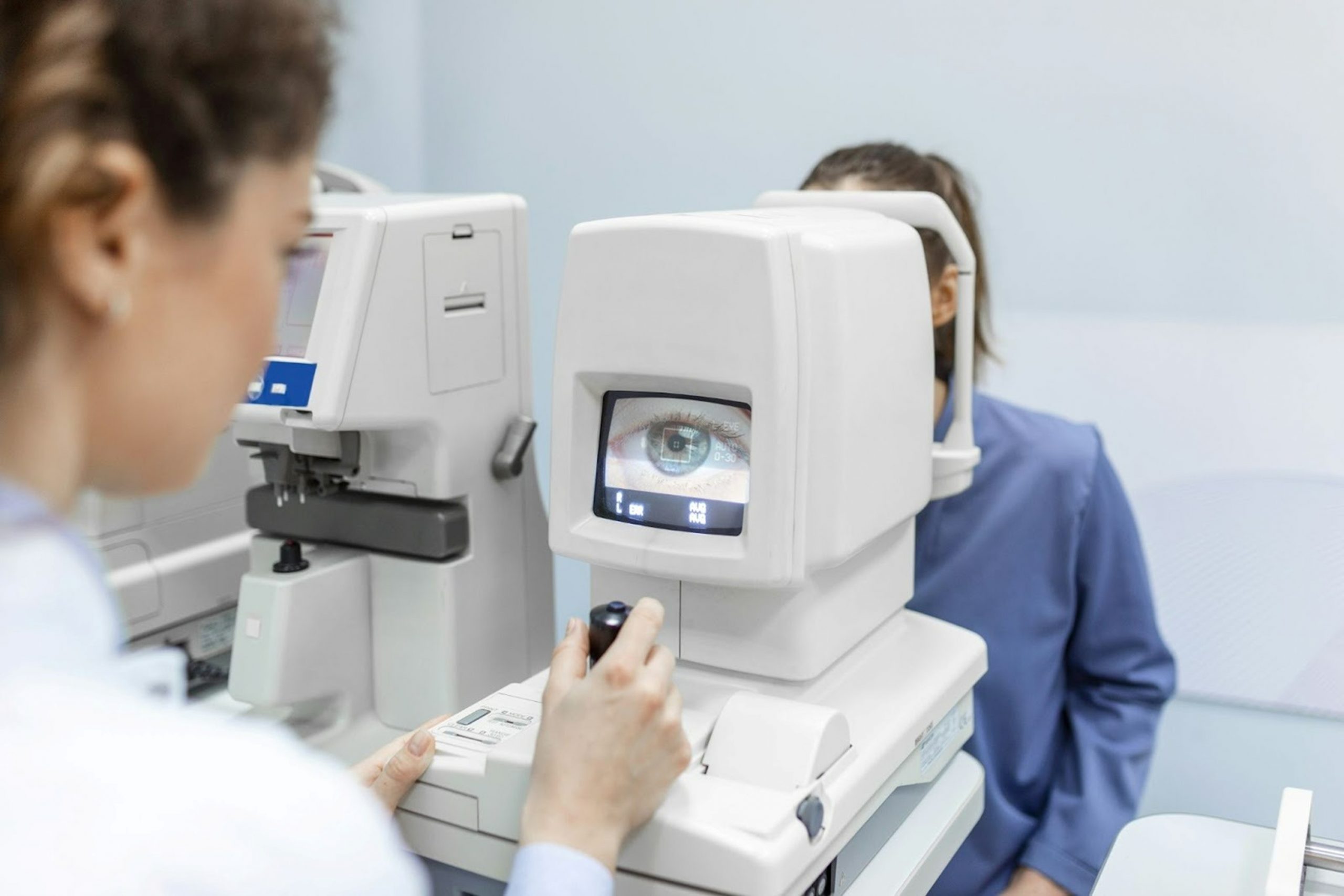
    Digital retinal imaging is transforming how eye health is monitored and diagnosed. By providing highly detailed, digital snapshots of the retina, retinal imaging enhances the accuracy and efficiency of eye exams. It not only allows for early detection of diseases like glaucoma and diabetic retinopathy but also improves the patient experience through faster, more comfortable procedures. By using specialized equipment such as fundus cameras and scanning laser ophthalmoscopes, clinicians can detect subtle changes in the retina.

    As Melchert Eye Care notes, traditional examinations, while still valuable, often miss subtle changes that digital tools can easily capture. The ability to store and compare images over time gives clinicians a powerful advantage in tracking disease progression and tailoring treatments.

    Traditional Eye Exam Methods and Their Limitations

    Traditional eye exams typically involve a series of well-established procedures like visual acuity tests, slit-lamp examinations, and the use of ophthalmoscopes to evaluate the internal structures of the eye. These methods have long served as the foundation of routine eye care and can effectively identify many common vision issues.

    However, these techniques often depend heavily on the practitioner’s ability to observe subtle changes in real time, which can limit their effectiveness in spotting early signs of serious conditions. Tiny abnormalities in the retina may go unnoticed if they fall outside the visible field during a brief examination. In busy clinical settings, time constraints and patient discomfort during dilation can further affect the thoroughness of the exam.

    Comparing Digital Imaging and Traditional Exams

    Digital retinal imaging stands out by offering a wider and more detailed view of the retina, which can reveal issues that might be missed during a manual inspection. Unlike traditional exams that rely on a momentary look inside the eye, digital imaging provides permanent visual records that can be reviewed and compared over time.

    Patients often find digital exams to be more comfortable, especially when dilation isn’t required. This not only speeds up appointment times but also enhances the overall experience. Clinicians gain the added benefit of being able to enlarge, enhance, and analyze images more precisely than with the naked eye or standard tools. The result is a more comprehensive understanding of retinal health, leading to earlier and more accurate diagnoses.

    Detecting Eye Conditions with Digital Imaging

    Digital retinal imaging has become a critical tool in identifying early signs of diseases like diabetic retinopathy, glaucoma, and macular degeneration. These conditions often begin without noticeable symptoms, which makes early detection essential to preserving vision. By capturing highly detailed images, clinicians can identify minute changes in blood vessels, optic nerves, and retinal layers before vision is affected.

    In cases of diabetes, small hemorrhages or fluid leaks in the retina can appear long before a patient notices any vision changes. These indicators are often difficult to spot with traditional tools but become evident with high-resolution imaging. Similarly, the optic nerve damage associated with glaucoma can be tracked more accurately over time when digital comparisons are available.

    Practical Benefits for Patients and Providers

    Storing retinal images digitally allows providers to compare results from previous visits side by side, making it easier to track disease progression or confirm stability. This ongoing visual history can be crucial in determining whether treatment is effective or if adjustments are needed. In long-term care, this continuity supports more informed decision-making.

    Many patients appreciate the speed and comfort of digital imaging, especially when dilation isn’t necessary. They’re in and out of the office more quickly, with less light sensitivity afterward. On the provider side, having access to crisp, zoomable images improves diagnostic confidence and supports clearer communication when explaining findings to patients.

    Accessibility, Cost, and Role in Routine Care

    As digital imaging becomes more widely adopted, more clinics are integrating it into standard eye exams. Availability has increased steadily in both urban and rural practices, helping to close care gaps and ensure more patients benefit from early detection. Mobile units and telemedicine applications have further expanded their reach in underfunded areas.

    While not always covered in full by insurance, many providers now offer imaging at a modest additional charge, making it accessible to a broader range of patients. When used alongside comprehensive exams, digital imaging adds a valuable layer of insight without replacing traditional methods.

    Source link

  • Med Students Must Stop Performing Pelvic Exams on Unconscious Women Without Their Consent 

    Med Students Must Stop Performing Pelvic Exams on Unconscious Women Without Their Consent 

    Please note: This blog contains descriptions of sexual assault.

    “Recent reports of medical students performing pelvic exams for training purposes on anesthetized women without their consent”—or their knowledge—“have produced a firestorm of controversy and calls for greater regulation.” However, that “burst of public outcry” was in the mid-1990s. California was the first state to make the practice illegal, but the “early gains quickly petered out.”

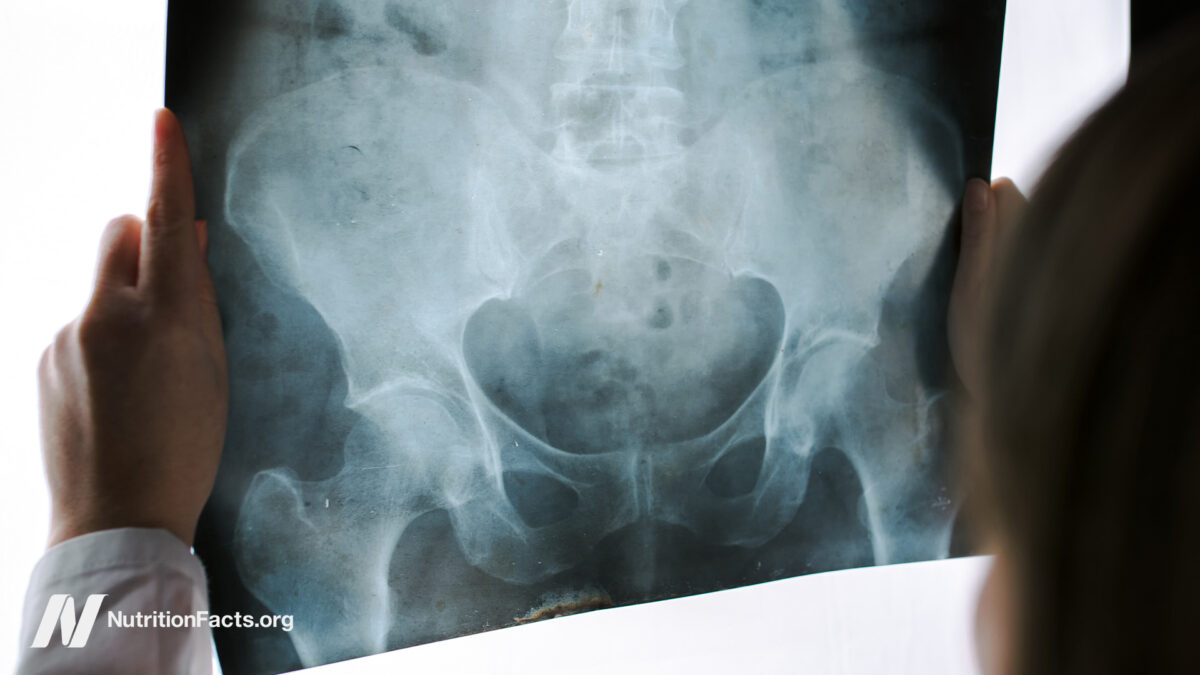
    As I discuss in my video Ending the Hidden Practice of Pelvic Exams on Unconscious Women Without Their Consent, “This practice, common since the late 1800s, was largely unchallenged until a 2003 study reported that 90 percent of medical students who completed obstetrics and gynecology (ob-gyn) rotations at four Philadelphia-area medical schools performed pelvic exams on anesthetized women for educational purposes.” (A subsequent study found the percentage to be lower than that in other areas of the country.) The bottom line? “Pelvic Exams Done on Anesthetized Women Without Consent: Still Happening.” How can this continue into 2025? Medical ethicists have called such practices “immoral and indefensible.” “At the end of the day, this is a practice that should come to an abrupt and immediate halt.” Some schools vowed they’d end the practice, but, unfortunately, these early victories quickly stalled. At the same time, a handful of schools revamped their policies, an equal number of hospitals and medical schools publicly dug in, defending the practice.

    The Association of Professors of Gynecology and Obstetrics wrote: “As medical educators, we must balance our obligation to develop the next generation of physicians with women’s freedom to decide from whom they receive treatment and what aspects of their care are performed by learners.” “Some especially blunt teaching faculty contend that ‘public’ patients”—those without health insurance—“owe it to the facility and society to participate since they receive free or subsidized care.” Regulations to curb this practice are said to be “placing inappropriate and unnecessary barriers in the way of medical students who need to learn fundamental medical skills” and therefore “should be resisted.” Unsurprisingly, medical students still perform pelvic exams on anesthetized women.

    Professional medical societies have given lip service to the concept of asking for explicit consent, but despite the recommendations, “evidence…suggests that the practice is alive and well.” And the “unauthorized use of women is not a localized phenomenon confined to a handful of errant medical schools,” a few bad med school apples, but an international problem.

    Even with the emergence of the #MeToo movement and even after Larry Nasser, the infamous USA gymnastics doctor, was sentenced to 40 to 175 years in prison for touching women’s genitalia without their consent, “there are still women who are being used as teaching subjects for these exams without their permission, without their consent.”

    A 2020 update from Yale’s Center for Bioethics was entitled: “A Pot Ignored Boils On: Sustained Calls for Explicit Consent of Intimate Medical Exams.” It reads, “Over the last 30 years, several parties—both within and external to medicine—have increasingly voiced opposition to these exams. Arguments from medical associations, legal scholars, ethicists, nurses, and some physicians have not compelled meaningful institutional change.” Yes, there is the lip service paid by medical associations recommending bans on pelvic exams without consent, but those statements are “advisory and incomplete. Associations simply do not have the capacity to compel systemic change, as evidenced by institutions’ inaction.” In response to the medical profession’s inability to police itself, many states have passed legislation to protect patients from this practice.

    But, of course, if you are anesthetized, how would you even know if medical students are lining up or not? “Teaching hospitals take patients who are in the worst position to know what’s occurring—they are unconscious—and use them in ways that leave no physical signs and are often undocumented in the patients’ medical records.” So, when the media loses interest, as it has decade after decade, “what incentive is there for teaching faculty or hospitals to voluntarily change?” Perhaps, “when physicians start being threatened with litigation, they’ll start obtaining informed consent.” As one commentator wrote, “Hospital administrators who allow medical students in their facilities to perform pelvic examinations on unconsenting anesthetized women ought to consult with their legal counsel concerning the definition of rape in their jurisdiction.”

    “The solution is simple: Just ask.” Ask women for permission. It’s their body, their choice. “But recent experience has shown that meaningful and complete hospital-by-hospital change is unlikely to come until a hospital or doctor pays a substantial award [in some lawsuit] for this error in ethical judgment. We believe that day is coming soon, lest that ignored pot finally boil over. 
     
    “Some defend it as harmless and say asking for consent would make it more likely that patients would say no, denying students a crucial part of their training.” When I first wrote about this practice more than 20 years ago in my book Heart Failure about my time in medical school, I talked about how I had gotten the same comments from my classmates: “A well-then-how-are-we-going-to-learn response. To even present such a question is to lose a bit of one’s humanity. The answer, of course, is we should learn from women who give their consent! And to do that—God forbid—we might actually have to first establish a relationship with the patient, a trust—talk to them even. We may have to treat them like human beings.”

    It’s unconscionable that medical students are legally allowed to practice pelvic exams on anesthetized women without their consent. Even if you live in one of the states where this practice is technically illegal, how do you know the law will be respected once you’re unconscious? Maybe medical students should wear bodycams.

    If you missed the related video, see Medical Students Practice Pelvic Exams on Anesthetized Women Without Their Consent


    Source link

  • Pelvic Exams by Med Students on Anesthetized Women 

    Pelvic Exams by Med Students on Anesthetized Women 

    Please note: This blog contains descriptions of sexual assault.

    From Heart Failure, a book I wrote about my time at Tufts University School of Medicine: “I am all gloved up, fifth in line. At Tufts, medical students—particularly male students—practice pelvic exams on anesthetized women without their consent and without their knowledge. Women come in for surgery and, once they’re asleep, we all gather around; line forms to the left…We learn more than examination skills. Taking advantage of the woman’s vulnerability—as she lay naked on a table unconscious—we learn that patients are tools to exploit for our education.”

    Using female patients to teach pelvic exams without their consent or knowledge remains “a dirty little secret about medical schools.” It is an “age-old” practice that continues to this day in med schools around the world. It’s been referred to as “the ‘vending machine’ model of pelvic exams, in which medical students line up to take their turn…” “Only it’s not a vending machine; it’s a woman’s vagina.”

    It’s been called “an outrageous assault upon the dignity and autonomy of the patient…The practice shows a lack of respect for these patients as persons, revealing a moral insensitivity and a misuse of power.” Indeed, “it is yet another example of the way in which physicians abuse their power and have shown themselves unwilling to police themselves in matters of ethics, especially with regard to female patients.” Said a residency-program director at the Johns Hopkins University School of Medicine, “I don’t think any of us even think about it. It’s just so standard as to how you train medical students.”

    What happened when this practice came to light in New Zealand? The chair of the New Zealand Medical Association got on television and said: “‘Until recently it wasn’t an issue…I’m very sorry that women feel they’ve been assaulted and violated in this way. That was never our intention.’ He had no idea then, asked the [TV] presenter, that women might object? ‘All I can say is that there have been no objections…’ ‘Could the reason be,’ asked the interviewer logically, “that it’s very hard for an anesthetized woman to know what’s going on?’”

    The practice has been defended publicly by many medical schools and hospitals, contending “this touching is entirely appropriate and clearly falls well within the patient’s ‘implied consent’ to carry out the operation.” After all, “patients are aware they are entering a teaching hospital and therefore know that trainees will be actively participating in their care.” However, “researchers have found that many patients do not know when they have interacted with medical students, or even whether they are in a teaching hospital.” How can this be? “Deliberate lies and deception.”

    “A survey of medical students found that 100% of them had been introduced to patients as ‘doctor’ by members of the clinical team,” and, as they go through training, there is, as a journal article is titled, an “Erosion in Medical Students’ Attitudes About Telling Patients They Are Students.” “Additionally, as medical students complete their clinical years of training, their sense of responsibility to inform patients that they are students is found to decrease,” especially if there is an opportunity to perform an invasive procedure. That may be why medical students seem to develop a “don’t ask, don’t tell” policy when it comes to seeking consent for pelvic examinations on anesthetized patients. More than a third of 1,600 medical students surveyed across the country strongly disagreed with the statement “Hospitals should obtain explicit permission for student involvement in pelvic exams,” as seen below and at 4:03 of my video Medical Students Practice Pelvic Exams on Anesthetized Women Without Their Consent.

    After all, doctors “argue that performing a pelvic examination is no more intimate than placing one’s hands inside an abdomen during general surgery or attempting to intubate a patient” and assert that sticking your fingers in a woman’s vagina is “just as intimate” as an ophthalmologist looking into the back of your eye; any claim to the contrary is just “another attempt to justify the obsession with political correctness.” Said one medical school professor, “Personally, I would prefer to see a new generation of well-trained doctors…rather than a nation of women whose vaginas are protected from battery by medical students.”

    The national survey concluded: “Patients admitted to teaching hospitals do not, however, by the mere act of admission relinquish their rights as human beings to have ultimate control over their own body and to be involved in decisions concerning their health care.”

    Is it possible that women just don’t care? Studies show that up to 100% of women asked said they would want to know that vaginal exams were being performed by medical students. Since patients care deeply about being asked, why can’t we at least ask their permission? “We can’t ask women,” the medical school faculty replied. “If we do, they might say no.”

    It’s jaw-dropping to me that I’m still trying to expose this practice more than 20 years after I first wrote about it. What’s to be done? Ending the Hidden Practice of Pelvic Exams on Unconscious Women Without Their Consent


    Source link