Tag: Easy

  • Plant-Based Diet for Heart Reversal, Cholesterol Reduction, and Easy Recipe Ideas Backed by Research

    Plant-Based Diet for Heart Reversal, Cholesterol Reduction, and Easy Recipe Ideas Backed by Research

    Plant-powered eating has drawn interest as more people explore how a plant-based diet can support heart health alongside standard medical care. Research suggests that focusing on whole plant foods may help with heart reversal, cholesterol reduction, and long-term protection when followed consistently.

    In this context, a plant-based diet is seen as a therapeutic pattern that emphasizes minimally processed plants over animal products and ultra-processed foods.

    What Is a Plant-Based Diet for Heart Reversal?

    A plant-based diet centers vegetables, fruits, whole grains, legumes, nuts, and seeds, while minimizing or excluding animal products and heavily processed foods. For heart reversal, many protocols use a whole-food, low-fat variation that limits added oils, refined sugars, and refined grains.

    The aim is to supply abundant fiber, antioxidants, and phytonutrients while reducing components that contribute to plaque buildup in the arteries.

    “Plant-based” does not always mean strictly vegan, but heart-focused programs often encourage eating as close to fully plant-based as possible. In these cases, the diet functions less as a trend and more as part of an intensive lifestyle approach to supporting cardiovascular repair and reducing symptoms.

    Can a Plant-Based Diet Really Reverse Heart Disease?

    Heart reversal usually refers to regression of atherosclerotic plaque, improved blood flow, fewer angina episodes, and reduced cardiac events, rather than complete erasure of disease.

    Clinical programs and long-term observations have reported such changes in some participants who follow a carefully designed plant-based diet alongside exercise, stress management, and appropriate medical treatment. Diet is one component of a broader strategy, not a replacement for professional care.

    Responses vary between individuals, and significant changes rarely happen overnight. The most promising results tend to appear in people who make substantial, sustained dietary changes. In this setting, a plant-based diet is part of an overall lifestyle pattern that can lessen symptom burden and improve quality of life.

    How Long Does It Take to See Results?

    Some people report early improvements, such as better energy and reduced chest discomfort, within weeks to a few months of adopting a plant-based diet.

    Laboratory measures like cholesterol reduction and improved blood pressure can also shift within this period when the pattern is followed consistently. These short-term gains often motivate people to continue.

    Structural changes, including partial regression of plaque or improved imaging results, usually require longer.

    Long-term study findings and intensive programs often track participants over several years, observing how sustained adherence to a plant-based diet and lifestyle influences heart function and event rates. In practice, heart reversal is viewed as a gradual, cumulative process.

    Does a Plant-Based Diet Lower Cholesterol?

    Cholesterol reduction is one of the clearest benefits linked with a plant-based diet. LDL (“bad”) cholesterol plays a central role in plaque formation, and lowering it is a priority in heart disease care. By replacing foods high in saturated fat and cholesterol with fiber-rich plant foods, many individuals see improvements in their lipid profiles.

    Soluble fiber from oats, barley, beans, lentils, apples, and citrus fruits can help remove cholesterol through the digestive tract. When these foods form the base of meals, total and LDL cholesterol often fall over time, according to the World Health Organization.

    Swapping butter, fatty meats, and full-fat dairy for nuts, seeds, avocado, and modest amounts of minimally processed plant oils supports this shift while preserving satisfaction at meals.

    What Does Long-Term Research Say?

    Long-term study data link plant-centered eating patterns with lower rates of cardiovascular disease, heart attacks, and overall mortality.

    People whose diets rely heavily on whole plant foods, with limited animal products and low intake of ultra-processed items, tend to have better outcomes over many years than those on more conventional diets. These associations suggest that dietary patterns meaningfully affect heart health trajectories.

    Interventional programs that emphasize a plant-based diet plus lifestyle change add more detail. Over multi-year follow-up, participants often show improved symptoms, better cholesterol reduction, and fewer cardiac events.

    While study designs differ, the recurring pattern is that sustained plant-based eating aligns with more favorable cardiovascular markers and experiences.

    What Can You Eat on a Heart-Reversal Plant-Based Diet?

    A heart-reversal style plant-based diet highlights foods rich in fiber, antioxidants, and healthy fats. Whole grains such as oats, brown rice, barley, quinoa, and whole wheat offer steady energy and support blood sugar control.

    Legumes, including beans, lentils, chickpeas, and peas, provide plant protein and contribute significantly to cholesterol reduction.

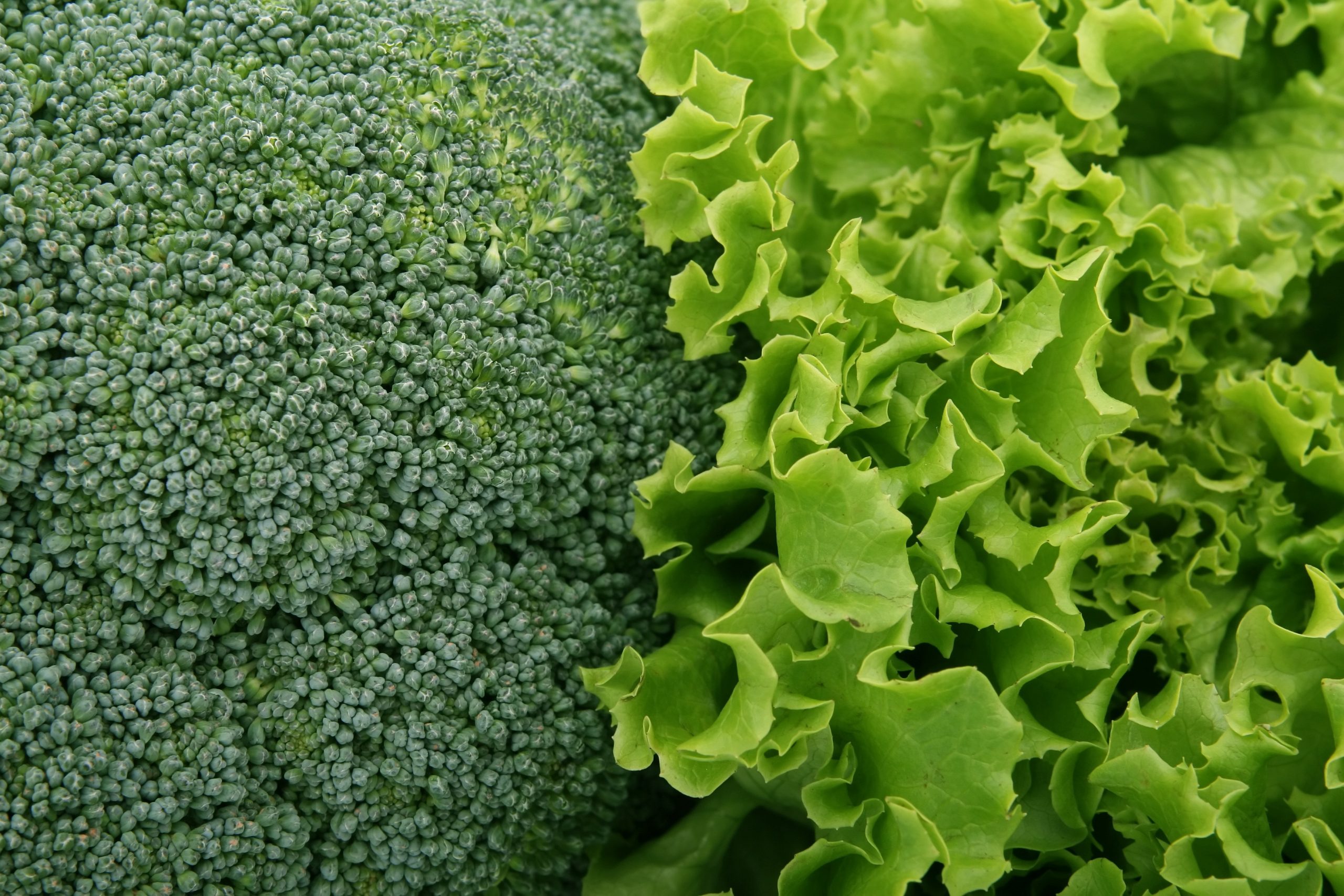
    Vegetables and fruits form the foundation of each plate, with emphasis on leafy greens, cruciferous vegetables, berries, and citrus. Nuts and seeds like walnuts, almonds, flax, and chia supply beneficial fats and additional fiber.

    Many heart-focused approaches also recommend minimizing added oils and choosing steaming, baking, stewing, or dry sautéing instead of deep-frying.

    Foods typically limited include red and processed meats, high-fat dairy, butter, and sources of trans fats.

    Refined grains, sugary drinks, and heavily processed snacks can interfere with lipid and weight goals. Shifting the everyday balance toward whole plant foods and away from these items creates a pattern more consistent with heart reversal and long-term protection.

    Practical Plant-Based Recipe Ideas for Heart Health

    Simple recipe ideas make this style of eating more sustainable. For breakfast, overnight oats with plant-based milk, ground flax or chia, and berries deliver fiber, antioxidants, and healthy fats. Green smoothies built from leafy greens, fruit, and unsweetened plant milk offer a quick way to increase daily vegetable and fruit intake.

    Lunch and dinner can revolve around bean or lentil soups, vegetable stews, and chili served over brown rice or quinoa. Tacos filled with black beans or chickpeas, topped with salsa, cabbage, and avocado, combine satisfaction with heart-friendly ingredients.

    Stir-fries using tofu or tempeh, mixed vegetables, and whole grains keep meals varied while maintaining a plant-based focus, as per Harvard Health.

    Snacks such as fresh fruit, raw vegetables with hummus, roasted chickpeas, and small portions of nuts or seeds help maintain energy and reduce reliance on processed options. Batch-cooking beans and grains, prepping vegetables, and planning several plant-based recipe ideas each week can make adherence more realistic.

    Plant-Based Diet Strategies for Lasting Heart Support

    For those interested in heart reversal and long-term protection, gradual change is often the most sustainable approach. Starting with one or two plant-based meals a day, experimenting with new recipe ideas, and steadily increasing the share of whole plant foods can build a pattern that supports cholesterol reduction and better vascular health.

    Over time, a consistent plant-based diet can become the everyday backdrop for improved heart function, fewer symptoms, and a stronger foundation for long-term cardiovascular well-being.

    Frequently Asked Questions

    1. Can someone follow a plant-based diet for heart health if they are not fully vegetarian?

    Yes. Even if someone still eats small amounts of animal products, shifting most meals toward whole plant foods can support cholesterol reduction and overall heart health.

    2. Does a plant-based diet always mean very low fat for heart reversal?

    Not always. Some heart-reversal programs are very low fat, but others allow moderate amounts of whole-food fats like nuts, seeds, and avocado while still emphasizing plants.

    3. Can a plant-based diet interfere with heart medications?

    It can change blood pressure, cholesterol, and blood sugar, which may affect medication needs, so adjustments should always be made with a healthcare professional.

    4. Is it necessary to count calories on a plant-based diet for heart health?

    Many people focus more on food quality than calories, but portion awareness still matters, especially with higher-fat foods like nuts and oils.



    Source link

  • 10 Quick and Easy Meal Prep Ideas for Busy Professionals: Boost Energy and Productivity (Target keywords: meal prep, busy professionals, quick and easy)

    10 Quick and Easy Meal Prep Ideas for Busy Professionals: Boost Energy and Productivity (Target keywords: meal prep, busy professionals, quick and easy)

    For busy professionals, finding the time and energy to cook healthy meals can be a daunting task. Between meetings, deadlines, and endless to-do lists, it’s easy to rely on convenience foods or takeout. However, a well-planned meal prep strategy can be a game-changer, providing a quick and easy way to boost energy and productivity. In this article, we’ll explore 10 quick and easy meal prep ideas that are perfect for busy professionals.

    The Importance of Meal Prep for Busy Professionals

    Meal prep is a simple yet effective way to ensure that busy professionals are fueling their bodies with the nutrients they need to perform at their best. By preparing meals in advance, individuals can save time, money, and stress, while also improving their overall health and wellbeing. For busy professionals, meal prep is not just a convenience, but a necessity. It allows them to prioritize their health and energy levels, even on the most chaotic of days.

    Quick and Easy Meal Prep Ideas for Busy Professionals

    When it comes to meal prep, the key is to keep things quick and easy. Busy professionals don’t have time to spend hours in the kitchen, so it’s essential to focus on simple, efficient meal prep ideas that can be prepared in no time. Here are 10 quick and easy meal prep ideas that are perfect for busy professionals:

    1. Overnight Oats: Prep a jar or container with rolled oats, milk, and your choice of toppings, such as fruit or nuts. In the morning, you’ll have a delicious, healthy breakfast ready to go.
    2. Salad Jars: Prepare a week’s worth of salad jars by layering greens, vegetables, and proteins in a jar. Add a simple vinaigrette, and you’re good to go.
    3. Chicken and Rice Bowls: Cook chicken and rice in bulk, then portion out individual servings in containers. Add your favorite vegetables, such as broccoli or carrots, for a quick and easy meal.
    4. Lentil Soup: Cook lentils and vegetables in bulk, then portion out individual servings in containers. This hearty, comforting soup is perfect for a busy professional’s lunch.
    5. Mason Jar Meals: Layer ingredients such as quinoa, vegetables, and proteins in a mason jar for a quick and easy meal. Add a simple sauce or seasoning, and you’re good to go.
    6. Breakfast Burritos: Prep a batch of breakfast burritos by filling tortillas with scrambled eggs, cheese, and your choice of fillings, such as sausage or black beans. Freeze for up to 3 months.
    7. Quesadillas: Prep a batch of quesadillas by filling tortillas with cheese, beans, and your choice of fillings, such as chicken or steak. Freeze for up to 3 months.
    8. Veggie and Hummus Wraps: Prep a batch of veggie and hummus wraps by filling tortillas with hummus, vegetables, and your choice of fillings, such as chicken or tofu. Freeze for up to 3 months.
    9. Slow Cooker Meals: Prep a slow cooker meal, such as chili or stew, and portion out individual servings in containers. This is a great way to come home to a hot, healthy meal after a long day.
    10. Muffin Tin Frittatas: Prep a batch of muffin tin frittatas by filling muffin tins with eggs, cheese, and your choice of fillings, such as vegetables or meats. Freeze for up to 3 months.

    Benefits of Meal Prep for Busy Professionals

    Meal prep offers a range of benefits for busy professionals, including:

    • Increased productivity: By having healthy, nutritious meals readily available, busy professionals can focus on their work and tasks without distraction.
    • Improved energy levels: Meal prep ensures that busy professionals are fueling their bodies with the nutrients they need to perform at their best.
    • Time savings: Meal prep saves time during the week, as individuals can simply grab and go, rather than spending hours cooking and preparing meals.
    • Cost savings: Meal prep can help busy professionals save money by reducing food waste and avoiding last-minute takeout or convenience foods.
    • Stress reduction: Meal prep can help reduce stress and anxiety, as individuals know that they have a healthy, nutritious meal ready to go.

    Tips for Successful Meal Prep

    To make meal prep a success, busy professionals should keep the following tips in mind:

    • Plan ahead: Take some time on the weekend or a day off to plan and prep meals for the week.
    • Keep it simple: Focus on simple, quick, and easy meal prep ideas that can be prepared in no time.
    • Use a variety of ingredients: Mix and match different ingredients to keep meals interesting and prevent boredom.
    • Label and date containers: Label and date containers so that you know what you have and how long it’s been in the fridge or freezer.
    • Reheat safely: Reheat meals safely by following proper food safety guidelines.

    Overcoming Common Meal Prep Challenges

    Despite the many benefits of meal prep, busy professionals may face a range of challenges, including:

    • Lack of time: Finding the time to plan and prep meals can be a challenge for busy professionals.
    • Lack of ideas: Running out of meal prep ideas can lead to boredom and frustration.
    • Food safety concerns: Ensuring that meals are stored and reheated safely can be a concern for busy professionals.

    To overcome these challenges, busy professionals can try the following:

    • Start small: Start with simple meal prep ideas and gradually build up to more complex recipes.
    • Find inspiration online: Follow meal prep bloggers, Instagram accounts, or Pinterest boards for inspiration and ideas.
    • Use a meal prep planner: Use a meal prep planner or app to help plan and organize meals.

    Conclusion

    Meal prep is a quick and easy way for busy professionals to boost energy and productivity. By incorporating meal prep into their daily routine, individuals can save time, money, and stress, while also improving their overall health and wellbeing. With these 10 quick and easy meal prep ideas, busy professionals can prioritize their health and energy levels, even on the most chaotic of days. Whether you’re a seasoned meal prepper or just starting out, the benefits of meal prep are clear: increased productivity, improved energy levels, time savings, cost savings, and stress reduction.

    FAQs

    Q: What is meal prep, and how does it work?
    A: Meal prep is the process of planning, preparing, and portioning out meals in advance. It involves cooking meals in bulk, then portioning out individual servings in containers for easy reheating.

    Q: What are the benefits of meal prep for busy professionals?
    A: The benefits of meal prep for busy professionals include increased productivity, improved energy levels, time savings, cost savings, and stress reduction.

    Q: How can I get started with meal prep?
    A: To get started with meal prep, start by planning and preparing simple meals in advance. Use a meal prep planner or app to help plan and organize meals, and focus on quick and easy meal prep ideas that can be prepared in no time.

    Q: What are some common meal prep challenges, and how can I overcome them?
    A: Common meal prep challenges include lack of time, lack of ideas, and food safety concerns. To overcome these challenges, start small, find inspiration online, and use a meal prep planner or app to help plan and organize meals.

    Q: Can I customize meal prep to suit my dietary needs and preferences?
    A: Yes, meal prep can be customized to suit your dietary needs and preferences. Simply choose ingredients and recipes that align with your dietary goals, and adjust portion sizes and ingredients as needed.

    10-quick-and-easy-meal-prep-ideas-for-busy-professionals-boost-energy-and-productivity-target-keywords-meal-prep-busy-professionals-quick-and-easy

  • Self-Care for Busy Lives: Quick and Easy Tips to Reduce Stress and Increase Productivity

    Self-Care for Busy Lives: Quick and Easy Tips to Reduce Stress and Increase Productivity

    Introduction to Self-Care for Busy Lives

    In today’s fast-paced world, it’s easy to get caught up in the hustle and bustle of daily life. With work, family, and social obligations, it can be challenging to find time for oneself. However, neglecting self-care can lead to burnout, decreased productivity, and a weakened immune system. The good news is that self-care doesn’t have to be time-consuming or expensive. With a few quick and easy tips, you can reduce stress and increase productivity, even with a busy schedule.

    Understanding the Importance of Self-Care

    Self-care is not just a luxury, it’s a necessity. It’s essential to take care of your physical, emotional, and mental well-being to maintain a healthy work-life balance. When you prioritize self-care, you’ll experience improved mood, increased energy, and enhanced focus. Self-care is not selfish; it’s essential to being the best version of yourself. By incorporating self-care into your daily routine, you’ll be better equipped to handle the demands of your busy life.

    Quick and Easy Self-Care Tips

    Here are some quick and easy self-care tips to help you reduce stress and increase productivity:

    • Take a few deep breaths: When you’re feeling overwhelmed, take a few minutes to breathe deeply and slowly. This simple technique can help calm your mind and reduce stress.
    • Get moving: Exercise is a great way to reduce stress and increase energy. Even a short walk or some stretching exercises can make a big difference.
    • Practice gratitude: Take a minute each day to reflect on the things you’re grateful for. This helps shift your focus to the positive aspects of your life.
    • Connect with nature: Spend time outdoors, whether it’s walking in a park, hiking, or simply sitting in a garden or on a balcony with plants.
    • Use positive self-talk: Be kind to yourself and practice positive affirmations. This helps to boost your mood and confidence.

    Time Management for Self-Care

    Effective time management is crucial for incorporating self-care into your busy schedule. Here are some tips to help you make time for self-care:

    • Schedule self-care: Treat self-care as a non-negotiable part of your daily routine, just like brushing your teeth or taking a shower.
    • Start small: Begin with small, manageable self-care activities, such as taking a few deep breaths or going for a short walk.
    • Prioritize: Identify the most important self-care activities for you and prioritize them.
    • Use your commute: Use your commute to practice self-care, such as listening to a podcast, meditating, or reading a book.

    Self-Care for the Mind

    Taking care of your mental health is essential for overall well-being. Here are some self-care tips for the mind:

    • Meditate: Meditation is a powerful tool for reducing stress and increasing focus. Even a few minutes a day can make a big difference.
    • Practice mindfulness: Be present in the moment and focus on your thoughts, feelings, and sensations.
    • Read: Reading can be a great way to relax and escape from the stresses of daily life.
    • Learn something new: Engage in a hobby or activity that challenges your mind and helps you learn something new.

    Self-Care for the Body

    Taking care of your physical health is essential for overall well-being. Here are some self-care tips for the body:

    • Get enough sleep: Aim for 7-8 hours of sleep per night to help your body and mind recharge.
    • Eat a healthy diet: Fuel your body with a balanced diet that includes plenty of fruits, vegetables, whole grains, and lean protein.
    • Stay hydrated: Drink plenty of water throughout the day to help your body function at its best.
    • Exercise regularly: Aim for at least 30 minutes of moderate-intensity exercise per day to help reduce stress and increase energy.

    Self-Care for the Soul

    Taking care of your emotional and spiritual well-being is essential for overall happiness. Here are some self-care tips for the soul:

    • Connect with loved ones: Spend quality time with family and friends to help you feel connected and supported.
    • Practice self-compassion: Be kind and understanding with yourself, just as you would with a close friend.
    • Engage in activities that bring you joy: Whether it’s painting, playing music, or cooking, make time for activities that bring you happiness and fulfillment.
    • Practice forgiveness: Let go of grudges and forgive yourself and others to help you move forward and find peace.

    Conclusion

    Self-care is not a luxury, it’s a necessity. By incorporating quick and easy self-care tips into your daily routine, you can reduce stress and increase productivity, even with a busy schedule. Remember to prioritize self-care, schedule it into your daily routine, and start small. Take care of your physical, emotional, and mental well-being, and make time for activities that bring you joy and fulfillment. By prioritizing self-care, you’ll be better equipped to handle the demands of your busy life and live a happier, healthier, and more balanced life.

    FAQs

    Here are some frequently asked questions about self-care:

    Q: What is self-care?
    A: Self-care is the practice of taking care of one’s physical, emotional, and mental well-being.

    Q: Why is self-care important?
    A: Self-care is essential for maintaining a healthy work-life balance, reducing stress, and increasing productivity.

    Q: How can I incorporate self-care into my busy schedule?
    A: Start small, schedule self-care into your daily routine, and prioritize activities that bring you joy and fulfillment.

    Q: What are some quick and easy self-care tips?
    A: Take a few deep breaths, get moving, practice gratitude, connect with nature, and use positive self-talk.

    Q: How can I prioritize self-care when I’m feeling overwhelmed?
    A: Start by taking a few minutes each day to breathe deeply and slowly, and then gradually add more self-care activities into your routine.

    Q: Is self-care selfish?
    A: No, self-care is not selfish. It’s essential to taking care of oneself to maintain a healthy and balanced life.

    Q: How can I make self-care a habit?
    A: Schedule self-care into your daily routine, start small, and be consistent. Remember, self-care is a non-negotiable part of maintaining a healthy and happy life.

  • Work-Life Balance Made Easy: Tips for Separating Home and Office

    Work-Life Balance Made Easy: Tips for Separating Home and Office

    Introduction to Work-Life Balance

    Achieving a work-life balance is a challenge that many individuals face in today’s fast-paced and often demanding work environment. With the advancement of technology and the blurring of boundaries between work and personal life, it can be difficult to separate the two. However, it is essential to strike a balance between work and personal life to maintain productivity, reduce stress, and improve overall well-being. In this article, we will explore the concept of work-life balance, the importance of separating home and office, and provide practical tips for achieving a healthy balance between work and personal life.

    Understanding the Concept of Work-Life Balance

    Work-life balance refers to the ability to manage work and personal responsibilities effectively, without compromising one’s physical and mental health. It involves setting boundaries, prioritizing tasks, and creating a schedule that allows for both work and personal time. Achieving a work-life balance is crucial for maintaining productivity, reducing stress, and improving overall well-being. When an individual has a good work-life balance, they are more likely to be motivated, focused, and productive at work, and have a better quality of life outside of work.

    The Importance of Separating Home and Office

    Separating home and office is essential for achieving a work-life balance. When the lines between work and personal life are blurred, it can lead to burnout, stress, and a lack of productivity. Working from home or being constantly available for work can make it difficult to disconnect from work-related tasks and responsibilities, leading to an imbalance in personal and work life. By separating home and office, individuals can create a clear distinction between work and personal time, allowing them to focus on their personal life and recharge for the next workday.

    Tips for Separating Home and Office

    Here are some practical tips for separating home and office:

    • Create a dedicated workspace: Designate a specific area of your home as your workspace and keep it organized and clutter-free. This will help you associate this space with work and avoid the temptation to work outside of work hours.
    • Establish a routine: Create a routine that includes specific work hours and personal time. Stick to this routine as much as possible, even on weekends and days off.
    • Set boundaries: Set clear boundaries with your employer, colleagues, and clients regarding your work hours and availability. This will help prevent work from creeping into your personal time.
    • Use technology wisely: Technology can be both a blessing and a curse when it comes to work-life balance. Use tools and apps that help you stay organized and focused, but avoid the temptation to check work emails or take work calls outside of work hours.
    • Take breaks: Take regular breaks throughout the day to recharge and refocus. This can include taking a walk, meditating, or doing something you enjoy.
    • Prioritize self-care: Make time for activities that nourish your mind, body, and spirit, such as exercise, reading, or spending time with loved ones.

    Managing Work-Related Stress

    Managing work-related stress is essential for maintaining a healthy work-life balance. Here are some tips for managing work-related stress:

    • Identify the sources of stress: Identify the sources of stress in your work life, such as a heavy workload, difficult colleagues, or a lack of control over your work.
    • Prioritize tasks: Prioritize tasks and focus on the most important ones first. Break down large tasks into smaller, manageable chunks, and take regular breaks to avoid burnout.
    • Seek support: Seek support from colleagues, friends, or family members when you need it. Don’t be afraid to ask for help or delegate tasks when possible.
    • Practice self-care: Practice self-care activities, such as exercise, meditation, or yoga, to help manage stress and reduce anxiety.
    • Set realistic goals: Set realistic goals and expectations for yourself, and celebrate your achievements along the way.

    The Benefits of a Good Work-Life Balance

    Achieving a good work-life balance has numerous benefits, including:

    • Improved productivity: When you have a good work-life balance, you are more likely to be focused, motivated, and productive at work.
    • Reduced stress: A good work-life balance can help reduce stress and anxiety, leading to a better quality of life.
    • Improved relationships: When you have time for personal relationships and activities, you are more likely to build strong, meaningful relationships with family and friends.
    • Better health: A good work-life balance can lead to better physical and mental health, as you have time for self-care activities and can manage stress more effectively.

    Conclusion

    Achieving a work-life balance is a challenge that many individuals face, but it is essential for maintaining productivity, reducing stress, and improving overall well-being. By separating home and office, creating a routine, setting boundaries, and prioritizing self-care, individuals can create a healthy balance between work and personal life. Remember, achieving a work-life balance is a process, and it may take time to find the right balance for you. Be patient, stay committed, and prioritize your well-being.

    FAQs

    • Q: What is work-life balance?
      A: Work-life balance refers to the ability to manage work and personal responsibilities effectively, without compromising one’s physical and mental health.
    • Q: Why is separating home and office important?
      A: Separating home and office is essential for achieving a work-life balance. When the lines between work and personal life are blurred, it can lead to burnout, stress, and a lack of productivity.
    • Q: How can I manage work-related stress?
      A: Managing work-related stress involves identifying the sources of stress, prioritizing tasks, seeking support, practicing self-care, and setting realistic goals.
  • Breathe Easy Therapy Services Expands with New Space Designed for Mental, Physical, and Emotional Care

    Breathe Easy Therapy Services Expands with New Space Designed for Mental, Physical, and Emotional Care

    When Cynthia Piccini purchased a new building for both of her businesses, Breathe Easy Therapy Services and Breathe Easy Wellness, in January, it was not just a business decision; it was a declaration. A declaration that mental health deserves space. That healing is multifaceted with proactive care.

    “We needed a space where therapy and wellness could truly work hand-in-hand,” says Piccini, a marriage and family therapist. “So I designed one.”

    The newly opened building, which officially launched in June and houses both of her businesses, reflects this vision. Visitors step into a central waiting area, then enter a serene square layout that seamlessly connects wellness and therapy. There’s a yoga studio, meditation room, massage space, salt cave, and across the hall, a suite of therapy offices. “You don’t know why someone’s here,” Piccini notes. “It might be for breathwork. It might be for trauma therapy. But it’s all part of the same conversation.”

    This integrative approach responds to a significant need. According to Mental Health America, over 28 million adults in the U.S. with a mental illness do not receive treatment. And many of those who do only seek care when in crisis. “We want to change that,” Piccini emphasizes. “Therapy doesn’t have to be about fixing a problem. It can be about learning more about yourself, gaining tools, building relationships, or simply feeling good.”

    That’s why Breathe Easy Therapy Services offers far more than traditional therapy. Recent events include a “Relax, Reset, Recharge” day for educators, with group yoga, massage, skincare, and breathwork sessions. The main goal is to help teachers enter the school year grounded and emotionally equipped.

    Other offerings include a hybrid chronic illness support group, children’s yoga, a 55+ yoga class, and an upcoming premarital workshop led by Piccini herself. “We are teaching people how to have healthy conflict in a relationship,” she said. “No one teaches you that.”

    And it’s not just the offerings that make the business unique; it’s the philosophy. “We are not here to replace therapy,” Piccini says. “We are here to expand it.” Breathwork, yoga, mindfulness, and massage are not just add-ons. They are interventions, especially when therapy sessions happen just once a week. These wellness practices fill in the gaps, giving clients tools they can use daily.

    Breathe Easy also reduces the mental barrier to care. “Many people are still hesitant to ‘go to therapy,’” she explains. “But they will go to a yoga class. They will get a massage. And through that, they start to feel better. They start to open up to the idea that healing can take many forms.”

    The business has grown with intention. Every staff member, from the yoga instructors to the therapists, was handpicked for their dedication to healing. “I don’t hire for resumes alone,” Piccini says. “I hire for energy.”

    Looking ahead, Cynthia sees this building as just the beginning. “I would love to open more,” she says. “Each one can serve as a sanctuary, where people don’t come to fix themselves, but to understand themselves.”

    The expansion of Breathe Easy Therapy Services is more than a new address. It’s a new chapter in how we think about mental wellness. Therapy doesn’t start when something breaks. It starts the moment someone takes a breath and chooses to care.

    Source link

  • Unlocking Your Wardrobe’s Full Potential: Easy Tricks for Elevating Your Personal Style

    Unlocking Your Wardrobe’s Full Potential: Easy Tricks for Elevating Your Personal Style

    Introduction

    Unlocking your wardrobe’s full potential is a great way to elevate your personal style and make a statement with your fashion choices. With a few simple tricks and techniques, you can take your existing wardrobe and turn it into a collection of stylish and versatile outfits that make you feel confident and expressive. In this article, we’ll explore some easy tricks for elevating your personal style and making the most of your wardrobe.

    Understanding Your Personal Style

    Before you can start unlocking your wardrobe’s full potential, it’s essential to understand your personal style. Your personal style is a reflection of your personality, lifestyle, and aesthetic preferences. It’s the way you express yourself through fashion and the way you make others perceive you. To understand your personal style, take some time to reflect on what makes you feel confident and comfortable. Consider your lifestyle, body type, and personal preferences when it comes to fashion.

    Purging and Organizing Your Wardrobe

    One of the most critical steps in unlocking your wardrobe’s full potential is purging and organizing your closet. Go through your wardrobe and get rid of any items that are no longer wearable, ill-fitting, or don’t make you feel good. This will help you declutter your space and focus on the pieces that truly make you feel confident and stylish. Once you’ve purged your wardrobe, organize your remaining items in a way that makes sense to you. This could be by type, color, or occasion.

    Building a Capsule Wardrobe

    A capsule wardrobe is a small collection of essential items that can be mixed and matched to create a variety of outfits. Building a capsule wardrobe is an excellent way to simplify your fashion choices and ensure that you’re getting the most out of your wardrobe. To build a capsule wardrobe, start by identifying the essential items you need, such as a classic white shirt, a pair of well-fitting jeans, and a leather jacket. Then, add a few statement pieces, such as a bold dress or a patterned blouse, to add some personality to your outfits.

    Learning to Mix and Match

    Learning to mix and match your wardrobe pieces is a crucial skill for unlocking your wardrobe’s full potential. By combining different items in new and creative ways, you can create a wide range of outfits that are both stylish and versatile. Start by identifying the different categories of items in your wardrobe, such as tops, bottoms, and dresses. Then, experiment with different combinations of these items to create new outfits.

    Accessorizing Your Outfits

    Accessories can make or break an outfit, and learning to accessorize is an essential skill for elevating your personal style. Start by investing in a few essential accessories, such as a classic watch, a simple necklace, and a pair of elegant earrings. Then, experiment with different combinations of accessories to add some personality to your outfits. Remember, accessorizing is all about balance, so be sure to balance your accessories with the rest of your outfit.

    Investing in Quality Over Quantity

    When it comes to building a stylish and versatile wardrobe, it’s essential to invest in quality over quantity. Rather than buying cheap, trendy items that may quickly go out of style, invest in a few high-quality, timeless pieces that will stand the test of time. These could be classic items, such as a well-tailored blazer or a pair of luxurious boots, or more statement-making pieces, such as a bold cocktail dress or a patterned suit.

    Taking Risks and Trying New Things

    Finally, don’t be afraid to take risks and try new things when it comes to your wardrobe. Experiment with different styles, colors, and combinations of items to find what works best for you. Don’t be afraid to step out of your comfort zone and try something new – you never know what might surprise you and become your new favorite outfit.

    Common Mistakes to Avoid

    When it comes to unlocking your wardrobe’s full potential, there are a few common mistakes to avoid. These include buying too many trendy items that may quickly go out of style, not investing in quality pieces, and not taking the time to properly care for your wardrobe. By avoiding these mistakes, you can ensure that your wardrobe remains stylish, versatile, and functional for years to come.

    Conclusion

    Unlocking your wardrobe’s full potential is a great way to elevate your personal style and make a statement with your fashion choices. By understanding your personal style, purging and organizing your wardrobe, building a capsule wardrobe, learning to mix and match, accessorizing your outfits, investing in quality over quantity, and taking risks and trying new things, you can create a stylish and versatile wardrobe that makes you feel confident and expressive. Remember to avoid common mistakes, such as buying too many trendy items and not investing in quality pieces, and don’t be afraid to take risks and try new things. With a little practice and patience, you can unlock your wardrobe’s full potential and become a fashion icon.

    FAQs

    Q: How do I know what my personal style is?
    A: To understand your personal style, take some time to reflect on what makes you feel confident and comfortable. Consider your lifestyle, body type, and personal preferences when it comes to fashion.
    Q: What is a capsule wardrobe, and how do I build one?
    A: A capsule wardrobe is a small collection of essential items that can be mixed and matched to create a variety of outfits. To build a capsule wardrobe, start by identifying the essential items you need, such as a classic white shirt, a pair of well-fitting jeans, and a leather jacket. Then, add a few statement pieces, such as a bold dress or a patterned blouse, to add some personality to your outfits.
    Q: How do I mix and match my wardrobe pieces to create new outfits?
    A: To mix and match your wardrobe pieces, start by identifying the different categories of items in your wardrobe, such as tops, bottoms, and dresses. Then, experiment with different combinations of these items to create new outfits.
    Q: What are some essential accessories that I should invest in?
    A: Some essential accessories that you should invest in include a classic watch, a simple necklace, and a pair of elegant earrings. These can add some personality to your outfits and help you create a polished, put-together look.
    Q: Why is it important to invest in quality over quantity when it comes to my wardrobe?
    A: Investing in quality over quantity is essential because it ensures that your wardrobe remains stylish, versatile, and functional for years to come. Rather than buying cheap, trendy items that may quickly go out of style, invest in a few high-quality, timeless pieces that will stand the test of time.

  • Too Young For Alzheimer’s? Easy To Dismiss Symptoms 41-Year-Old Had Before Diagnosis

    Too Young For Alzheimer’s? Easy To Dismiss Symptoms 41-Year-Old Had Before Diagnosis

    At 41, most people are juggling careers, families, and future plans, not bracing for a diagnosis of Alzheimer’s. But that’s exactly what happened to a dad from Australia, who is now spreading awareness of a little-known reality: Alzheimer’s is not just a disease of old age.

    Fraser was diagnosed with young-onset Alzheimer’s, a form of dementia that strikes earlier in life, before the age of 65. He now regularly shares videos on YouTube chronicling his journey, revealing that his symptoms began as early as two and a half years before the shocking diagnosis.

    As many people would do, Fraser initially kept dismissing his memory issues as something related to stress. In one of the videos, he recalled the shock of realizing his memory issues were getting out of hand, particularly when he started forgetting details about the people closest to him, like what his teenage daughters had planned for the day.

    Fraser shared one incident where he nearly called the police, convinced his daughter was missing, only to find out she was at the movies, just as she had told him multiple times. Now, his family helps him stay on track, his kids text him their schedules and repeat plans, knowing he might not remember the first time.

    Another surprising symptom that Fraser began noticing was the changes in his sleep pattern and the quality of his rest. He recalled that during periods when his mental health declined, his sleep noticeably worsened. Although some of that has improved, he admits that certain aspects of his nighttime rest still have not fully returned to normal.

    “I tend to get my full night’s sleep in again. I do wake up sometimes throughout the night though, a bit more than I probably used to. But I can still fall asleep all right. What I have noticed though, is that I sleep now during the day. I have to sleep during the day now, because I just feel exhausted,” he said in a video.

    Fraser’s channel captures several candid moments that reveal what it’s truly like to forget details. One clip shows him staring off into the distance multiple times, struggling to recall specifics from a recent golf outing with friends. He later admits how he had trouble remembering names and specifics: “It just becomes very foggy, even when I’m motivated to speak, even when I want to speak – I just can’t,” Fraser explained.

    Source link

  • The 5 Minute Fix: Quick and Easy Gardening Tricks for Busy Homeowners

    The 5 Minute Fix: Quick and Easy Gardening Tricks for Busy Homeowners

    The 5 Minute Fix: Quick and Easy Gardening Tricks for Busy Homeowners

    As a homeowner, maintaining a beautiful and thriving garden can seem like a daunting task, especially when life gets busy. But what if we told you that you don’t need to dedicate hours each week to your garden to keep it looking its best? In this article, we’ll share quick and easy gardening tricks that can be completed in just 5 minutes a day, giving you the flexibility to tend to your garden on even the busiest of schedules.

    I. Watering Wisely

    When it comes to gardening, water is one of the most crucial elements for healthy plant growth. However, overwatering is a common mistake that can lead to root rot, fungus, and other issues. Here are a few quick and easy 5-minute tricks to ensure you’re watering wisely:

    • Check the soil daily: Take a quick glance at the soil by sticking your finger into the soil up to the first knuckle. If it feels dry, it’s time to water. If it’s already moist, you can skip watering that day.
    • Use a moisture meter: If you’re not sure what to do, consider investing in a moisture meter. These handy devices provide an instant reading of the soil’s moisture levels, giving you peace of mind and saving you time in the long run.
    • Water deeply but infrequently: Instead of watering lightly every day, water your plants deeply but infrequently. This encourages deep root growth and makes your plants more resistant to drought.

    II. Mulching Magic

    Mulching is one of the easiest and most effective ways to maintain a healthy and thriving garden. Here are a few quick 5-minute mulching tricks:

    • Spread a thin layer: Apply a thin layer of mulch around your plants, taking care not to pile it too high. Aim for a layer about 1-2 inches thick.
    • Use the right materials: Opt for organic materials like bark chips, straw, or newspaper instead of synthetic mulches, which can attract pests and repel beneficial insects.
    • Edge your beds: Take a few minutes to edge your garden beds using a gardening rake or a hose with a gentle spray setting. This keeps mulch from washing away and makes your garden beds look neat and tidy.

    III. Pruning Primer

    Pruning is essential for maintaining healthy and productive plants, but it doesn’t have to take hours of your time. Here are a few quick and easy 5-minute pruning tricks:

    • Trim deadhead flowers: Remove dead flowers and spent blooms from plants like roses, lavender, and marigolds. This encourages new blooms to grow and prevents seed production, which can attract pests.
    • Pinch tips: Take a few minutes to pinch off the tips of growth on plants like tomatoes, cucumbers, and peas. This promotes bushy growth and prevents them from becoming leggy.
    • Clean up stray shoots: Use your pruning shears to trim back stray shoots or suckers that are competing with the main stem of the plant.

    IV. Weeding Whirlwind

    Weeds are the bane of many gardeners’ existence, but with a few quick 5-minute weeding tricks, you can keep them under control:

    • Get the timing right: The best time to weed is in the early morning or late afternoon when the sun isn’t beating down. This prevents weeds from re-seeding themselves.
    • Pull, don’t dig: Pull weeds by their roots, making sure to grab as much of the root system as possible to prevent regrowth.
    • Remove weeds regularly: Set a timer for 5 minutes each day and take a quick walk around your garden to pull any weeds you see.

    V. Pest Patrol

    Pests are a natural part of gardening, but they can quickly take over if not kept under control. Here are a few quick 5-minute pest patrol tricks:

    • Inspect your plants daily: Take a few minutes to inspect your plants for signs of pests, such as aphids, whiteflies, or slugs. Catching infestations early prevents them from getting out of control.
    • Hand-pick pests: Take a few minutes each day to hand-pick pests like slugs, snails, and caterpillars off your plants.
    • Encourage beneficial insects: Plant flowers and herbs that attract beneficial insects like ladybugs and lacewings, which can help control pests naturally.

    Conclusion

    As you can see, maintaining a beautiful and thriving garden doesn’t have to be a daunting task. With a few quick and easy 5-minute gardening tricks, you can keep your garden looking its best even on the busiest of days. By implementing these tricks, you’ll save time, reduce stress, and enjoy the rewards of a well-tended garden.

    FAQs

    Q: Can I still get a beautiful garden if I’m not an experienced gardener?

    A: Absolutely! Gardening is a skill that can be learned, and with practice and patience, anyone can achieve beautiful results. Start with a small garden and work your way up as you gain confidence and knowledge.

    Q: What are some common gardening mistakes that busy homeowners make?

    A: Some common mistakes include overwatering, not providing enough sunlight, and not deadheading flowers. Remember to always follow the specific growing instructions for your plants, and don’t be afraid to ask for advice at your local nursery or gardening store.

    Q: How often should I water my plants?

    A: Water your plants based on the weather. If it’s hot and dry, water deeply but infrequently. If it’s cool and rainy, water lightly but more frequently. The key is to find the right balance for your specific climate and plants.

    Q: What are some ways to make gardening easier for busy homeowners?

    A: Consider implementing a drip irrigation system, which can save you time and water by delivering moisture directly to the roots of your plants. You can also automate watering and fertilization schedules with a smart watering controller. Additionally, consider growing compact or dwarf varieties of plants that require less space and maintenance.

    By following these quick and easy 5-minute gardening tricks, you can maintain a beautiful and thriving garden without sacrificing your precious time. So go ahead, get out there, and get gardening!

  • 250 Vegan Recipes – Easy, Healthy, and Delicious Plant-Based Meals for Every Occasion – 250 Plant Based Vegan Recipes

    250 Vegan Recipes – Easy, Healthy, and Delicious Plant-Based Meals for Every Occasion – 250 Plant Based Vegan Recipes

    Product Name: 250 Vegan Recipes – Easy, Healthy, and Delicious Plant-Based Meals for Every Occasion – 250 Plant Based Vegan Recipes

    Click here to get 250 Vegan Recipes – Easy, Healthy, and Delicious Plant-Based Meals for Every Occasion – 250 Plant Based Vegan Recipes at discounted price while it’s still available…

    All orders are protected by SSL encryption – the highest industry standard for online security from trusted vendors.

    250 Vegan Recipes – Easy, Healthy, and Delicious Plant-Based Meals for Every Occasion – 250 Plant Based Vegan Recipes is backed with a 60 Day No Questions Asked Money Back Guarantee. If within the first 60 days of receipt you are not satisfied with Wake Up Lean™, you can request a refund by sending an email to the address given inside the product and we will immediately refund your entire purchase price, with no questions asked.

    (more…)

  • 500 Keto Diet Recipes – Easy, Delicious, and Healthy Low-Carb Meals for Weight Loss – 500 Keto Recipes

    500 Keto Diet Recipes – Easy, Delicious, and Healthy Low-Carb Meals for Weight Loss – 500 Keto Recipes

    Product Name: 500 Keto Diet Recipes – Easy, Delicious, and Healthy Low-Carb Meals for Weight Loss – 500 Keto Recipes

    Click here to get 500 Keto Diet Recipes – Easy, Delicious, and Healthy Low-Carb Meals for Weight Loss – 500 Keto Recipes at discounted price while it’s still available…

    All orders are protected by SSL encryption – the highest industry standard for online security from trusted vendors.

    500 Keto Diet Recipes – Easy, Delicious, and Healthy Low-Carb Meals for Weight Loss – 500 Keto Recipes is backed with a 60 Day No Questions Asked Money Back Guarantee. If within the first 60 days of receipt you are not satisfied with Wake Up Lean™, you can request a refund by sending an email to the address given inside the product and we will immediately refund your entire purchase price, with no questions asked.

    (more…)