Tag: drugs

  • Antihypertensives and Hypertension Drugs Plus Lifestyle Steps for Long Term BP Control

    Antihypertensives and Hypertension Drugs Plus Lifestyle Steps for Long Term BP Control

    Blood pressure medications and lifestyle changes often work best when they are used together, especially for people who need long‑term BP control with antihypertensives and other hypertension drugs.

    High blood pressure usually develops silently over years, so combining evidence‑based treatments with everyday habits helps lower numbers while also protecting the heart, brain, and kidneys. When both approaches are aligned, individuals have a better chance of reaching and maintaining healthy blood pressure targets.

    Why Combine Blood Pressure Medications and Lifestyle Changes?

    High blood pressure increases the risk of heart attack, stroke, kidney disease, and vision problems, even when a person feels fine. Antihypertensives and other hypertension drugs lower blood pressure through different mechanisms, such as relaxing blood vessels, reducing fluid volume, or slowing the heart rate.

    Lifestyle changes, including diet, physical activity, and weight management, support these effects and can sometimes reduce the doses or number of medications needed.

    When doctors suggest combining medication with lifestyle adjustments, they base this on blood pressure readings, other medical conditions, and overall cardiovascular risk.

    Those with very high readings or organ damage usually need hypertension drugs promptly instead of relying on lifestyle changes alone. Over time, consistent BP control lowers the chance of serious complications and supports better long‑term health.

    Main Types of Hypertension Drugs

    There are several major classes of antihypertensives, and each type works in a different way. Physicians choose among these hypertension drugs based on age, other illnesses, possible side effects, and how high the blood pressure is at baseline. Often, more than one class is combined to achieve steady BP control.

    ACE inhibitors block the formation of a hormone that narrows blood vessels, making it easier for blood to flow, and are frequently used in people with diabetes or kidney disease, according to the Centers for Disease Control and Prevention.

    ARBs, or angiotensin receptor blockers, act on the same system but block the receptor, and they are often used when ACE inhibitors cause cough or are not well tolerated. Diuretics, or “water pills,” help the kidneys remove excess salt and water from the body, lowering blood volume and pressure and are often a first‑line option.

    Calcium channel blockers relax the muscles in blood vessel walls and can be particularly helpful in some older adults and certain ethnic groups. Beta‑blockers reduce heart rate and the force of heart contractions, which can lower blood pressure and are especially useful when heart disease or certain arrhythmias are present.

    Additional antihypertensives, such as aldosterone antagonists or fixed‑dose combination pills, may be used in resistant hypertension when standard treatments alone do not provide adequate BP control.

    Can Lifestyle Changes Alone Control High Blood Pressure?

    In some people with mild hypertension and no other major risk factors, lifestyle changes alone may be enough to bring blood pressure into a healthy range.

    This is more likely when baseline readings are only slightly elevated and when individuals follow a structured plan closely. In many cases, however, lifestyle measures and antihypertensives work together rather than in place of each other.

    A heart‑healthy eating pattern with plenty of fruits, vegetables, whole grains, and lean proteins supports BP control by improving blood vessel function and reducing excess sodium. Limiting salt intake, avoiding highly processed foods, and cooking more meals at home can meaningfully lower daily sodium levels.

    Gradual weight loss, especially around the waist, and regular physical activity such as brisk walking, cycling, or swimming also contribute to lower blood pressure over time.

    Limiting alcohol, avoiding tobacco, and managing stress with strategies like deep breathing, stretching, or mindfulness further assist BP control.

    Even short daily activity, such as several five‑ to ten‑minute walks, can help those who cannot exercise for long periods. These lifestyle changes are recommended for everyone with elevated blood pressure, whether they take hypertension drugs or not.

    Combining Antihypertensives and Lifestyle for Better BP Control

    For many adults, the most effective strategy is to combine antihypertensives with practical lifestyle changes instead of relying on a single approach.

    Hypertension drugs can bring levels down more quickly, which is important in preventing complications, while lifestyle habits help maintain these gains and may enhance the impact of the medications. This combined route often offers more flexibility in adjusting doses and tailoring treatment over time.

    Monitoring is central to good BP control. Home blood pressure monitors allow individuals to track readings between clinic visits and show how well antihypertensives and lifestyle changes are working together.

    Recording readings at consistent times, such as morning and evening before medications or meals, gives a clearer picture than occasional checks alone.

    Regular follow‑up with a healthcare professional helps review averages, address side effects, and adjust doses or add new medications when needed. Blood and urine tests may be used to check kidney function and electrolyte levels, especially when certain drug classes or higher doses are used.

    Over time, this careful monitoring supports a personalized mix of hypertension drugs and lifestyle strategies that best fit each person’s health profile and preferences.

    Side Effects, Adherence, and Long‑Term BP Control

    Like all medications, antihypertensives can cause side effects, although many are mild and manageable. Some people notice dizziness, fatigue, frequent urination, or ankle swelling, depending on the drug class.

    Reporting these symptoms allows clinicians to adjust the dose, change timing, or switch to a different hypertension drug when appropriate.

    Lifestyle choices can sometimes ease or reduce the impact of minor side effects, such as staying hydrated, rising slowly from sitting or lying, and maintaining gentle, regular physical activity.

    Individuals are generally advised not to stop antihypertensives on their own, since abrupt changes can destabilize BP control and raise health risks. Tools like pill organizers, smartphone reminders, and written logs can support daily medication use and help people stay on track.

    Long‑Term Heart Health With Antihypertensives and Lifestyle Changes

    For those living with high blood pressure, viewing antihypertensives and lifestyle changes as partners can reshape how BP control is approached.

    Hypertension drugs provide a reliable way to lower numbers and reduce immediate cardiovascular risk, while diet, movement, weight management, and stress reduction strengthen those effects and support overall heart health.

    When both elements are built into daily routines and reviewed regularly with a healthcare professional, many people are better able to reach stable BP control, protect vital organs, and maintain healthier lives over the long term.

    Frequently Asked Questions

    1. Can blood pressure return to normal after starting antihypertensives?

    Yes, many people reach target BP with antihypertensives plus lifestyle changes, but they usually need ongoing treatment to keep levels in a healthy range.

    2. Is it safe to take antihypertensives at night instead of in the morning?

    Timing can be adjusted, but it should be done under medical guidance; some people benefit from evening dosing, while others do better with morning schedules.

    3. Do all hypertension drugs cause weight gain or fatigue?

    No, side effects vary by drug class and person; if weight or energy changes appear, doctors can often switch or adjust medications.

    4. Can someone with controlled BP ever stop taking hypertension drugs?

    Sometimes, after sustained control and major lifestyle improvements, doctors may carefully taper doses, but stopping is never recommended without supervision.


    Source link

  • Can Olive Oil Compete with Arthritis Drugs?

    Can Olive Oil Compete with Arthritis Drugs?

    What happened when topical olive oil was pitted against an ibuprofen-type drug for osteoarthritis and rheumatoid arthritis?

    Fifty million Americans suffer from arthritis, and osteoarthritis of the knee is the most common form, making it a leading cause of disability. There are several inflammatory pathways that underlie the disease’s onset and progression, so various anti-inflammatory foods have been put to the test. Strawberries can decrease circulating blood levels of an inflammatory mediator known as tumor necrosis factor, but that doesn’t necessarily translate into clinical improvement. For example, drinking cherry juice may lower a marker of inflammation known as C-reactive protein, but it failed to help treat pain and other symptoms of knee osteoarthritis. However, researchers claimed it “provided symptom relief.” Yes, it did when comparing symptoms before and after six weeks of drinking cherry juice, but not any better than a placebo, meaning drinking it was essentially no better than doing nothing. Cherries may help with another kind of arthritis called gout, but they failed when it came to osteoarthritis.

    However, strawberries did decrease inflammation. In fact, in a randomized, double-blind, crossover trial, dietary strawberries were indeed found to have a significant analgesic effect, causing a significant decrease in pain. There are tumor necrosis factor inhibitor drugs on the market now available for the low, low cost of only about $40,000 a year. For that kind of money, you’d want some really juicy side effects, and they do not disappoint—like an especially fatal lymphoma. I think I’ll stick with the strawberries.

    One reason we suspected berries might be helpful is that when people consumed the equivalent of a cup of blueberries or two cups of strawberries daily, and their blood was then applied to cells in a petri dish, it significantly reduced inflammation compared to blood from those who consumed placebo berries, as you can see below and at 2:02 in my video Extra Virgin Olive Oil for Arthritis.

    Interestingly, the anti-inflammatory effect increased over time, suggesting that the longer you eat berries, the better. Are there any other foods that have been tested in this way?

    Researchers in France collected cartilage from knee replacement surgeries and then exposed it to blood samples from volunteers who had taken a whopping dose of a grapeseed and olive extract. They saw a significant drop in inflammation, as shown below and at 2:30 in my video.

    There haven’t been any human studies putting grapeseeds to the test for arthritis, but an olive extract was shown to decrease pain and improve daily activities in osteoarthritis sufferers. So, does this mean adding olive oil to one’s diet may help? No, because the researchers used freeze-dried olive vegetation water. That’s basically what’s left over after you extract the oil from olives; it’s all the water-soluble components. In other words, it’s all the stuff that’s in an olive that‘s missing from olive oil.

    If you give people actual olives, a dozen large green olives a day, you may see a drop in an inflammatory mediator. But according to a systematic review and meta-analysis, olive oil—on its own—does not appear to offer any anti-inflammatory benefits. What about papers that ascribe “remarkable anti-inflammatory activity” to extra virgin olive oil? Their evidence is from rodents. In people, extra virgin olive oil may be no better than butter when it comes to inflammation and worse than even coconut oil.

    So, should we just stick to olives? Sadly, a dozen olives could take up nearly half your sodium limit for the entire day, as you can see below and at 3:47 in my video.

    When put to the test, extra virgin olive oil did not appear to help with fibromyalgia symptoms either, but it did work better than canola oil in alleviating symptoms of inflammatory bowel disease. Unfortunately, I couldn’t find any studies putting olive oil intake to the test for arthritis. But why then is this blog entitled “Can Olive Oil Compete with Arthritis Drugs?” Because—are you ready for this?—it appears to work topically.

    Topical virgin olive oil went up against a gel containing an ibuprofen-type drug for osteoarthritis of the knee in a double-blind, randomized, clinical trial. Just a gram of oil, which is less than a quarter teaspoon, three times a day, costing less than three cents a day, worked! Topical olive oil was significantly better than the drug in reducing pain, as you can see below and at 4:37 in my video.

    The study only lasted a month, so is it possible that the olive oil would have continued to work better and better over time?

    Is olive oil effective in controlling morning inflammatory pain in the fingers and knees among women with rheumatoid arthritis? The researchers went all out, comparing the use of extra virgin olive oil to rubbing on nothing and also to rubbing on that ibuprofen-type gel, and, evidently, the decrease in the disease activity score in the olive oil group beat out the others.

    Doctor’s Note

    For more on joint health, see related posts below.

    What about eating olive oil? See Olive Oil and Artery Function.


    Source link

  • Uses and Side Effects of Ozempic and Other GLP-1 Weight Loss Drugs

    Uses and Side Effects of Ozempic and Other GLP-1 Weight Loss Drugs

    Ozempic and others in a new class of weight-loss drugs have been called “the medical sensation of the decade.” Are they worthy of all the hype?

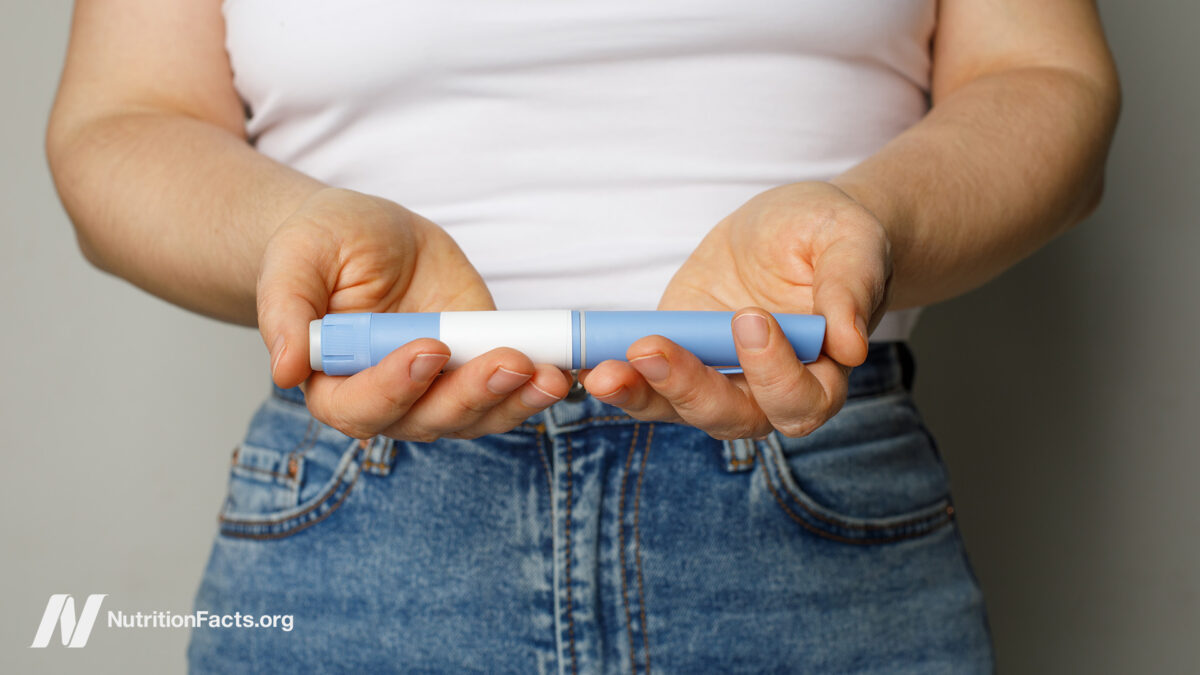
    For a deep dive, please see my primer on this topic. OZEMPIC: Risks, Benefits, and Natural Alternatives to GLP-1 Weight-Loss Drugs is available as an ebook, audiobook, and paperback. You can also view my video series for free on the Ozempic topic page or our YouTube channel. Here are some of the key takeaways.


    What Is GLP-1?

    A naturally occurring hormone in our body, glucagon-like peptide-1 (GLP-1) plays a role in regulating our blood sugar, appetite, and digestion. Our gastrointestinal tract releases more than 20 different peptide hormones, including GLP-1. The primary stimuli for secreting GLP-1 are meals rich in fats and carbohydrates, and GLP-1’s main action is to signal satiety to the brain. It also slows our digestion. Delaying the rate at which food leaves our stomach not only helps us feel fuller for longer, but also helps with our blood sugar control. When GLP-1 or an agonist (mimic) is dripped into people’s veins, appetite is reduced, leading to markedly reduced food consumption—a decrease in caloric intake by as much as 25 to 50 percent.


    About GLP-1 Drugs

    Our GLP-1 hormone acts as an appetite suppressant by targeting parts of the brain responsible for hunger and cravings. GLP-1-secreting cells don’t only line our intestines; they’re also in our brains. These new anti-obesity drugs are GLP-1 agonists, mimicking the hormone’s action by binding to GLP-1 receptors.

    Our body breaks down GLP-1 so quickly that it hardly makes it even one time around our circulatory system, which is why we can’t just take the hormone directly. A compound was discovered—in the venomous saliva of a lizard called the Gila monster—that mimics GLP-1 but is resistant to breakdown. Using that compound as a template, the first GLP-1 agonist was created and approved for the treatment of diabetes about 20 years ago. Instead of most of it being cleared from the body within two and a half minutes, like native, natural GLP-1, much of the drug remains in the body for two and a half hours. That still means twice-daily injections, though, so then came liraglutide, which lasts all day. 


    What Is Ozempic?

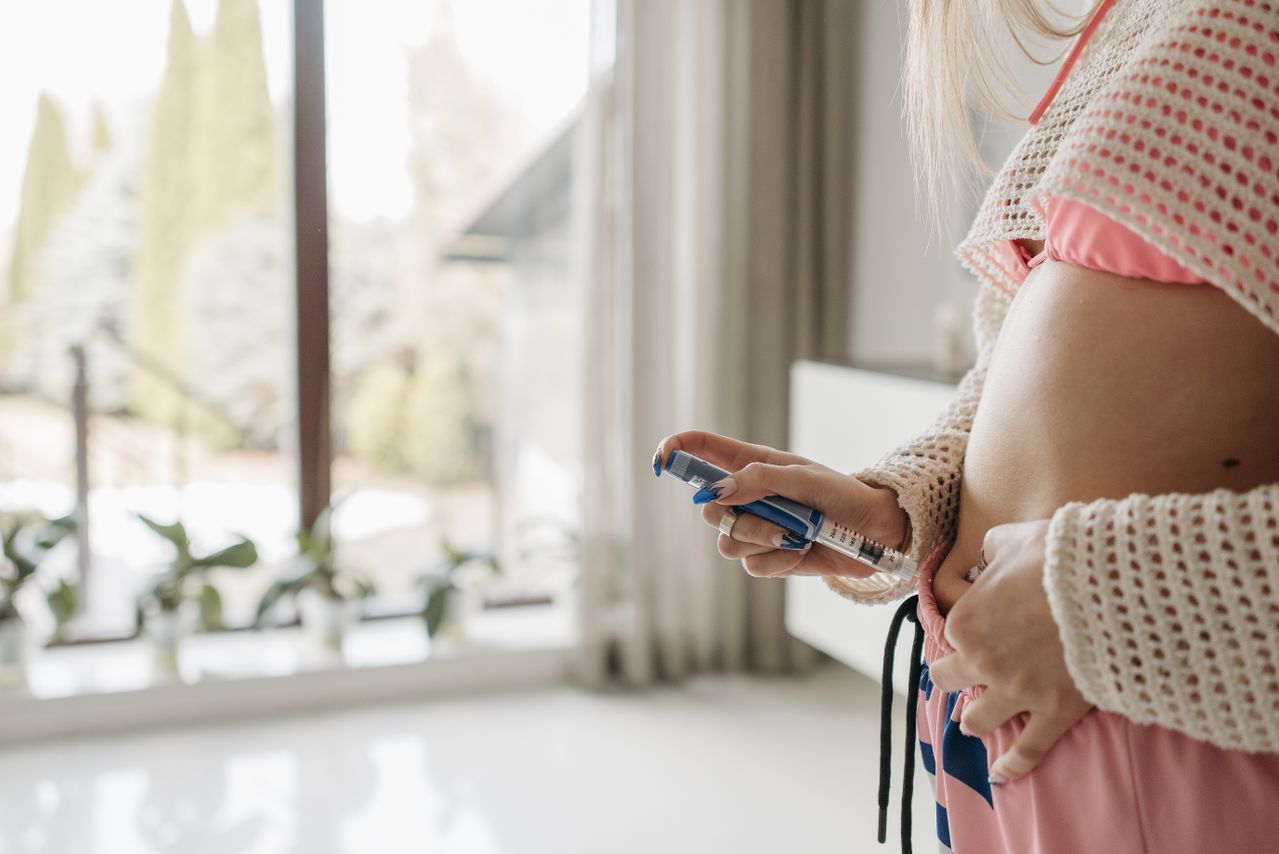
    Eventually, semaglutide was developed and branded as Ozempic, which could be injected just once a week. Ozempic was approved in 2017 to treat diabetes. Within a few years, a daily oral version had been developed, again for diabetes, but researchers running those clinical trials noticed a surprising side effect: People’s appetites diminished.


    How Does Ozempic Work?

    In a way, GLP-1 agonist drugs work like birth control pills. The Pill mimics placental hormones, thereby tricking our body into thinking we’re pregnant all the time. Ozempic-type drugs mimic GLP-1, thereby tricking our body into thinking we’re eating all the time. That’s how it dials down our hunger drive.


    Ozempic for Weight Loss

    In the longest trial to date, more than 17,000 individuals were randomized to injections of either high-dose semaglutide or placebo for four years. Overall, those on the drug lost 9 percent more body weight than those in the placebo group, but all the weight was lost in the first 65 weeks. Even though they continued to get injected every week for three more years, they didn’t lose any more weight over the subsequent 143 weeks.

    Weight loss tends to plateau because the same amount of effort to cut calories—whether through willpower, drugs, or surgery—is met with growing resistance as ongoing weight loss increasingly activates our feedback control circuit, stimulating our appetite. In the case of the GLP-1 drugs, the weight loss caused by the initial drop in appetite is undercut by an apparent exponential increase in caloric intake as our body ratchets up our hunger again. Within 12 months, this resistance, combined with the decreased caloric needs from being lighter, matches the persistent effort to cut calories, and weight loss plateaus. And, as soon as we stop taking the drugs, our full appetite resumes and we start regaining the weight we initially lost.


    The Cost of Ozempic

    Wegovy, the high-dose Ozempic used for weight loss, costs up to $1,350 a month, which, again, may have to be paid in perpetuity since any lost weight can pile back on if you stop taking it. So, that could cost more than $16,000 a year if paid out-of-pocket for those whose insurance doesn’t cover it.


    Ozempic Side Effects

    The most common side effects include nausea, vomiting, diarrhea, and constipation. Gallbladder issues are another side effect; excess cholesterol shed from fat cells can crystalize in our bile like rock candy, forming gallstones.

    Rare but serious adverse effects are also emerging. The package inserts for both semaglutide and tirzepatide list a series of “warnings and precautions” that include thyroid tumors, acute inflammation of the pancreas (pancreatitis), acute gallbladder disease, acute kidney injury (that may stem from dehydration due to excess vomiting or diarrhea), allergic reactions, a heightened risk of bottoming out blood sugars while on blood sugar–lowering medications, worsening eye disease for those with type 2 diabetes, an increase in heart rate requiring monitoring, and suicidal thoughts and behaviors.


    What Is “Ozempic Face”?

    “Ozempic face” is a term used to describe a distorted facial appearance among users of the drug. (Similar accounts have been made of “Ozempic butt.”) Media reports have linked the drug with facial aging, but the sagging appearance has been ascribed simply to the accelerated loss of fat in the face. While this interpretation seems logical, a review of the phenomenon concluded that “this explanation cannot fully account for the markedly accelerated facial aging….” Other factors suspected as being responsible for the appearance of premature facial aging include the loss of facial muscle mass, diminished structural integrity of the skin, and changes in stem cell function and hormonal secretion.


    Is Ozempic Safe?

    In the first quantitative benefit-versus-harm balance analysis, the researchers concluded that those achieving a 10 percent weight loss had a more than 90 percent chance that the benefits of taking the drugs outweigh the harms, but the opposite was found for individuals achieving only a 5 percent weight loss.

    At this time, we don’t know about the long-term harms or benefits because some of these drugs and dosing schedules are so new. To complicate matters, the American Academy of Pediatrics has suggested offering these drugs for teens and even tweens as young as age 12. These drugs work by acting on the brain, so who knows what effect they might have on childhood development and beyond if young people end up taking them for the rest of their lives. Although we now have evidence of near-term benefit over a few years, we cannot assume long-term safety until it has been demonstrated.


    Ozempic Alternatives

    We don’t need to take GLP-1-mimicking drugs. Not only can the ingestion of a plant-based meal more than double GLP-1 secretion, compared to a meat meal, but plant-based diets can also cause weight loss by boosting our resting metabolic rate and incorporating “calorie-trapping” high-fiber foods that flush calories away. The largest study of people eating strictly plant-based found they are about 35 pounds lighter on average.

    When we eat a donut, its fat, sugar, and starch get absorbed quickly, high up, before reaching the part of our digestive tract where we produce most of the hormone that suppresses our appetite, GLP-1. Since the cells that produce GLP-1 in response to calorie exposure are concentrated at the end of our digestive tract, while the majority of the calories we consume are absorbed early on, most calories never make it down far enough. That’s why our appetites aren’t suppressed very much these days. From a GLP-1 standpoint, when we have that donut, it’s like we never ate much of anything. No wonder we reach for donut number two.

    Our prehistoric ancestors are believed to have consumed as much as 100 daily grams of fiber, which is more than six times what most of us are getting these days. We evolved eating massive amounts of whole plant foods—the only places fiber is found in abundance. That enabled out natural satiety mechanisms to keep us from overeating. By eating the way nature intended, we can release GLP-1 the way nature intended. That helps explains why in the medical literature, compared to any other way of eating that didn’t involve portion control, a whole food, plant-based diet has been shown to lead to greater average weight loss than any other diet.


    For more in-depth information on Ozempic and GLP-1, check out these resources:


    Source link

  • Weight Loss Drugs With Semaglutide May Help Quit Smoking: Study

    Weight Loss Drugs With Semaglutide May Help Quit Smoking: Study

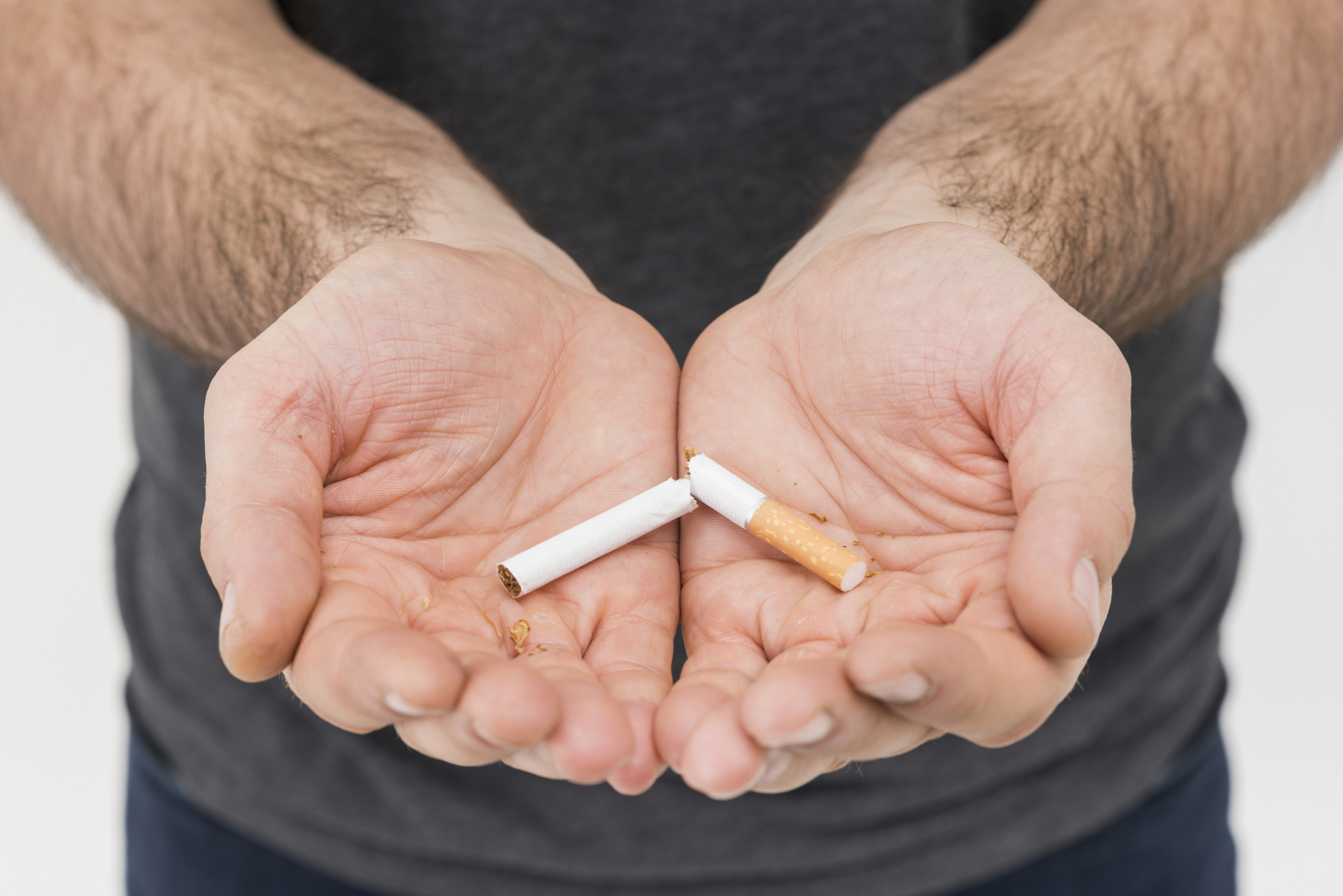
    Popular weight loss and diabetic medications with semaglutide could help tobacco smokers quit smoking, a recent study revealed.

    The researchers made the interesting finding after examining medical records of more than 200,000 new users of antidiabetes medications, including around 6000 people who started semaglutide drugs such as Ozempic and Wegovy.

    Apart from semaglutide drugs, other antidiabetic medications studied were insulin, metformin, dipeptidyl-peptidase-4 inhibitors, sodium-glucose cotransporter-2 inhibitors, sulfonylureas, thiazolidinediones, and other GLP-1RAs.

    During the study, researchers investigated whether individuals with tobacco use disorder who were on any of these antidiabetic medications received prescriptions for smoking cessation or were referred to counseling during their medical visits. After a follow-up for a year, researchers noticed a reduction in both medication prescriptions and counseling referrals in those who used semaglutide drugs.

    The results published in the journal Annals of Internal Medicine indicate that the smoking cessation effect was strongest within 30 days of starting semaglutide. However, the effect continued for about 180 days before it leveled off.

    “Semaglutide was associated with lower risks for tobacco use disorder-related health care measures in patients with comorbid type 2 diabetes mellitus and tobacco use disorders compared with other antidiabetes medications, including other GLP-1Ras, primarily within 30 days of prescription,” the researchers wrote in the study.

    Although the study was observational and did not track factors such as actual tobacco use, cravings, or smoking cessation, the researchers consider their findings significant. They point out that cigarette smoking remains the top cause of preventable disease and death, and making any progress toward effective prevention is a hopeful step forward.

    However, the researchers caution that their findings are too preliminary to suggest prescribing semaglutide drugs for smoking cessation, and more research is required to estimate the effects of semaglutide in the treatment of tobacco use disorder.

    The study has not evaluated the exact mechanism by which semaglutide helps curb smoking. However, earlier studies suggest that it has to do with the drug’s effect on the brain’s reward system.

    A similar recent study published in the journal Nature Communications has established a link between the use of semaglutide drugs and a reduction in alcohol use disorder. The study shows around 50%-56% reduced risk for both the incidence and recurrence of alcohol use disorder in semaglutide users during a 12-month follow-up.

    Source link