Do mindful people feel better in their own bodies? Does mindfulness make you kinder? Researchers are diving into these questions and uncovering the benefits of mindfulness.
People come to mindfulness practice for many reasons. They might need support dealing with stress, or want a go-to way to help improve their sleep. There are plenty of questions, too, like: What does the research say about mindfulness and physical health? Does it really matter how often you meditate? Does mindfulness make you kinder for real, or is that mostly just what people just say?
While studies are numerous and ongoing, and of course not every question can be answered definitively—we can look at some research gathered from Greater Good Science Center at UC Berkeley, Center for Healthy Minds at University of Wisconsin–Madison, Center for Mindfulness at UMass Medical School, and American Mindfulness Research Association, to help explore some of these questions more deeply.
Feeling good in your own skin
Do mindful people feel better about their bodies? Researchers asked 115 female college students about their level of mindfulness, body responsiveness, body shame, and overall health. Women who reported greater awareness and who tended to be nonjudgmental and nonreactive—key mindfulness skills—had less body shame, were more attuned to their bodies, and were healthier overall. The researchers say it’s not yet clear whether mindfulness increases body satisfaction, or vice versa.
Building your meditation muscle
In a comparison of adults who listened to either a guided meditation or a podcast daily for 13 minutes, researchers found that meditators reaped more benefits. For instance, after eight weeks meditators felt less anxiety and reported fewer negative mood states. And their performance on a set of computerized tests showed that they’d developed better attention and memory skills than podcast listeners.
The brain networks that work to keep us in the present moment and remember information are like mental muscles: They need exercise to keep them sharp and well-functioning, and meditation may provide that workout. The study also found that people in the meditation group were better at regulating their emotions, which was tied to having fewer negative moods.
But before you think this was a quick fix, think again. When the researchers checked to see if these benefits could be detected after four weeks, they came up empty-handed. Most of the gains didn’t show up until after eight weeks of steady practice. As with exercising a physical muscle, it takes time, patience, and repetition for change to take effect.
Does mindfulness make you kinder to yourself and others?
Self-compassion may make aging easier. A review of the research showed that adults over 65 who practiced self-compassion tended to be less anxious and depressed, and felt a greater sense of well-being, than those who didn’t. (Tip: It probably doesn’t hurt to start practicing when you’re young.)
Mindful menopause
Researchers at the Mayo Clinic in Minnesota surveyed nearly 1800 women aged 40 to 65 to see if those with a more mindful disposition might experience fewer menopausal difficulties. In fact, those with higher mindfulness scores were less stressed and had fewer symptoms like mood swings, hot flashes, insomnia, and fatigue—encouraging results for the millions of women experiencing this midlife passage.
Mindful ripples
Does mindfulness make you kinder? That’s the question researchers asked when reviewing 31 studies on mindfulness and prosocial behavior. They found that dispositionally mindful people and those who completed some form of mindfulness training tended to be more compassionate and helpful. Being nonjudgmental, empathic, having a positive outlook on life, and knowing how to regulate emotions also increased behavior that benefitted others.
There were a few catches. Adults tended to be more prosocial than teenagers, and people who rated themselves higher in mindfulness were more helpful to people they knew than to strangers.
This didn’t apply to those who’d attended formal mindfulness training, though. They were just as kind to people they didn’t know as to those familiar to them. One big surprise was that people who’d received mindful awareness training and those who’d had compassion-focused instruction were equally prosocial, debunking the myth that the benefits of mindfulness are only limited to the individual. In other words, just being mindful may be enough to up your kindness quotient.
Three weeks ago, I ended up in the emergency room convinced I was having a heart attack.
The chest pain had started days earlier—a tightness that wouldn’t release, difficulty taking a full breath, pain radiating down my left shoulder. I told myself it was nothing. Maybe I’d overdone it at the gym. Maybe I’d slept wrong.
I kept meditating. I kept teaching. I kept holding space for others.
I tried to breathe my way through it, the way I’ve taught thousands of people to do. But on Sunday, when my doctor’s office was closed and the pain refused to let up, my husband said gently but firmly, We’re going to the ER.
After five hours of tests and long stretches of waiting, the cardiologist came back with relief in his voice: my heart was fine.
I should have felt grateful—and I did. But I was also confused.
If my heart was healthy, what was my body trying to tell me?
Recognition: The Role of Vicarious Trauma In Bearing Witness Without Choice
If you have been paying attention to the world around you over the past months, you may be carrying more than you realize.
Images of devastation in Gaza. Israeli families living with constant fear of attack. Political violence and ICE shootings at home. Rising Islamophobia and antisemitism fracturing communities, relationships, and public life. The countless Black, Indigenous, and other people of color whose deaths rarely make headlines, whose names we never learn. And the ongoing humanitarian crises in places like Sudan, Yemen, and Iran—where suffering continues largely outside the frame of sustained media attention.
If you find yourself feeling unusually tense, exhausted, reactive, numb, or unable to turn away—even when you want to—it may not be a personal failing. It may be a natural response to prolonged exposure to suffering.
For many of us, this witnessing is relentless. Each morning brings new stories, new images, new reasons to feel alarmed or heartbroken. Even when we are not directly affected, our nervous systems are taking it in.
If you find yourself feeling unusually tense, exhausted, reactive, numb, or unable to turn away—even when you want to—it may not be a personal failing. It may be a natural response to prolonged exposure to suffering.
There is a name for this: vicarious trauma.
Vicarious trauma refers to the psychological and physiological impact of sustained empathic engagement with others’ pain. Our bodies and minds do not clearly distinguish between what we experience directly and what we absorb through continuous media exposure, graphic imagery, and ongoing moral urgency.
For others, the constant stream of suffering can feel overwhelming or futile, leading to disengagement instead. We scroll past headlines, turn off the news, or tell ourselves we need to focus on our own lives. At times, this discernment is necessary. Rest, boundaries, and self-care matter. But when disconnection becomes our primary response to vicarious trauma, something else quietly erodes.
Many people turn away not because they don’t care, but because they feel powerless. What difference could I possibly make? In the face of global crises, individual action can seem insignificant, even naïve. Shutting down can feel like the only way to survive.
Yet we live in an interconnected world where complete disconnection is an illusion. And when we disengage for too long, we don’t just lose information—we lose contact. Contact with what is happening. Contact with our own values. Contact with the small but meaningful ways care can move through us. What begins as self-protection can quietly become a loss of agency and connection.
Vicarious trauma doesn’t just make us sad or tired. It reshapes how we see the world.
Research shows that it disrupts core beliefs about safety, trust, control, intimacy, and meaning. It shows up cognitively, emotionally, physically, and behaviorally.
People experiencing vicarious trauma often report:
Brain fog and difficulty concentrating
Heightened anger, anxiety, or emotional numbness
Sleep disturbances and chronic exhaustion
Hypervigilance—always bracing for the next blow
Physical symptoms like headaches, gastrointestinal issues, and chest pain
And yes—ER visits.
But there is something more essential that is lost when we burn out or shut down.
Vicarious trauma explains the cost to our nervous systems. But underneath that is something more subtle—and more consequential: a loss of contact with our capacity to respond.
What gets lost when we engage on default—whether by over-consuming information about suffering or withdrawing from it—is not just nervous system regulation.
We lose contact.
Contact with the body as a source of intelligence. Contact with our felt sense of what is actually needed now. Contact with our agency, beyond outrage or withdrawal. Contact with our capacity to sense where our care is most skillful. Contact with our ability to stay human without hardening.
This isn’t just trauma.
It’s a disconnect from our humanness.
Oppressive systems don’t need to silence us when exhaustion and reactivity will do the job for them.
We find ourselves caught in cycles of constant witnessing or reactive outrage, or else turning away and numbing out.
And when contact is lost, connection suffers.
Connection with others. Connection with purpose. Connection with the part of ourselves that knows how to respond wisely.
Vicarious trauma explains the cost to our nervous systems. But underneath that is something more subtle—and more consequential: a loss of contact with our capacity to respond.
When we’re dysregulated:
We confuse intensity with impact
We lose the ability to imagine creative responses
We default to attack, despair, or withdrawal
What’s at stake isn’t just our well-being. It’s our capacity to imagine—and enact—responses that actually reduce suffering.
Oppressive systems don’t need to silence us when exhaustion and reactivity will do the job for them.
Collective Capacity: How Not to Lose Each Other
When this loss of contact happens at scale, movements fracture. Allies turn on one another. Nuance feels like betrayal. Strategic thinking gives way to moral reflex. The very capacities required for sustained change—discernment, patience, relational trust—begin to erode.
When we are no longer in touch with our discernment, everyone can start to look like a threat. The act of listening itself can feel like moral failure. We confuse intensity with impact, and urgency with wisdom.
This loss of contact doesn’t just exhaust us personally. It diminishes our ability to work together.
When we are no longer in touch with our discernment, everyone can start to look like a threat. The act of listening itself can feel like moral failure. We confuse intensity with impact, and urgency with wisdom.
I’ve seen this up close.
At one point, someone was publicly attacking me online—not because we disagreed about the need to end suffering, but because I was trying to hold complexity rather than take a single side. I was called complicit. My integrity was questioned. Moral failure was assumed.
Instead of reacting, I practiced inner calm, compassion, and equanimity—not to bypass harm, but to stay in contact with my own values of deep listening and seeking to understand. The next day, that same person reached out to say: “I’m sorry to have misjudged you so harshly. I’ve been exhausted, and I lashed out.”
This person wasn’t malicious. They were overwhelmed. I recognized that feeling immediately—that same overwhelm is what had landed me in the ER. The suffering they had been witnessing was real. The vicarious trauma is real. Without tools to return to contact, that pain had nowhere to go but outward.
I’ve witnessed this pattern repeatedly.
When I had tried to draft a Town Council resolution that called for ending violence while also acknowledging security concerns on all sides, it was rejected—not because people disagreed with the facts, but because in the midst of collective disconnection, holding both-and felt impossible.
This is how movements lose their strength—not through genuine disagreement about goals, but through operating from disconnection rather than from our deepest wisdom that comes from listening with care and seeking solutions that include all.
Sustained change requires more than passion. It requires capacity: the ability to engage and retreat, to stay open without collapsing, to remain connected to one another even when the work is hard.
When we lose that capacity, we don’t just lose effectiveness. We lose each other.
Recently, I was invited to a friend’s house for dinner. Simple food. Easy conversation. Board games. And yet, as I sat there, I felt a wave of guilt. How could I be laughing when so many are suffering? I noticed a flash of irritation toward the others at the table—why didn’t they seem as affected as I was? Didn’t they care?
Then I caught myself.
This guilt, this judgment—it wasn’t skillful. It wasn’t making me more effective or more compassionate. It was simply isolating me, pulling me away from the people right in front of me.
Rest is not what we do when the work is finished. It is what makes sustained engagement possible. When we gather, we are restoring contact with the aliveness that oppressive systems rely on extinguishing.
So I made a choice. I allowed myself to be there. To taste the food. To play the game badly and laugh at myself. To let the warmth of friendship soften something that had gone rigid inside me.
It was quietly liberating.
The next day, I returned to my work with more energy, clarity, and steadiness—not because anything had been solved, but because I had remembered what it feels like to be human alongside other humans.
This is not escape. This is restoration.
Rest is not what we do when the work is finished. It is what makes sustained engagement possible. When we gather with like-minded people—not to organize or persuade, but simply to cook together, laugh, play, or enjoy one another’s company—we are not avoiding the work. We are restoring contact with the aliveness that oppressive systems rely on extinguishing.
Sometimes, what returns us to contact isn’t a formal practice at all. It’s a shared meal. Music, art, or movement that reminds us we are alive. A walk where we remember that trees still grow and birds still sing—even now.
These moments are not indulgent. They are essential.
From this restored place, certain skills can help us stay in contact when we re-engage with difficulty.
Skills: Returning to Contact in Real Life
Over years of teaching and research, I came to see that mindfulness as it’s often taught—focusing primarily on meditation and non-judging awareness—is necessary but insufficient for times like these.
Calming the nervous system with meditation is only the first step. Once we re-engage, our default habits return. Without skill, we slide back into reactivity. Even if we can return to a calm, non-judging awareness, it is not enough to navigate nuanced, complex situations, often involving competing needs and worldviews.
Through my study of early Buddhist teachings and contemporary psychology, I began to understand mindfulness as a set of trainable skills—skills that help us stay in contact with what’s alive, even in the midst of suffering. They disrupt our default reactions and help us discern what is needed to respond skillfully.
Three skills become especially essential when we are bearing witness to ongoing crisis:
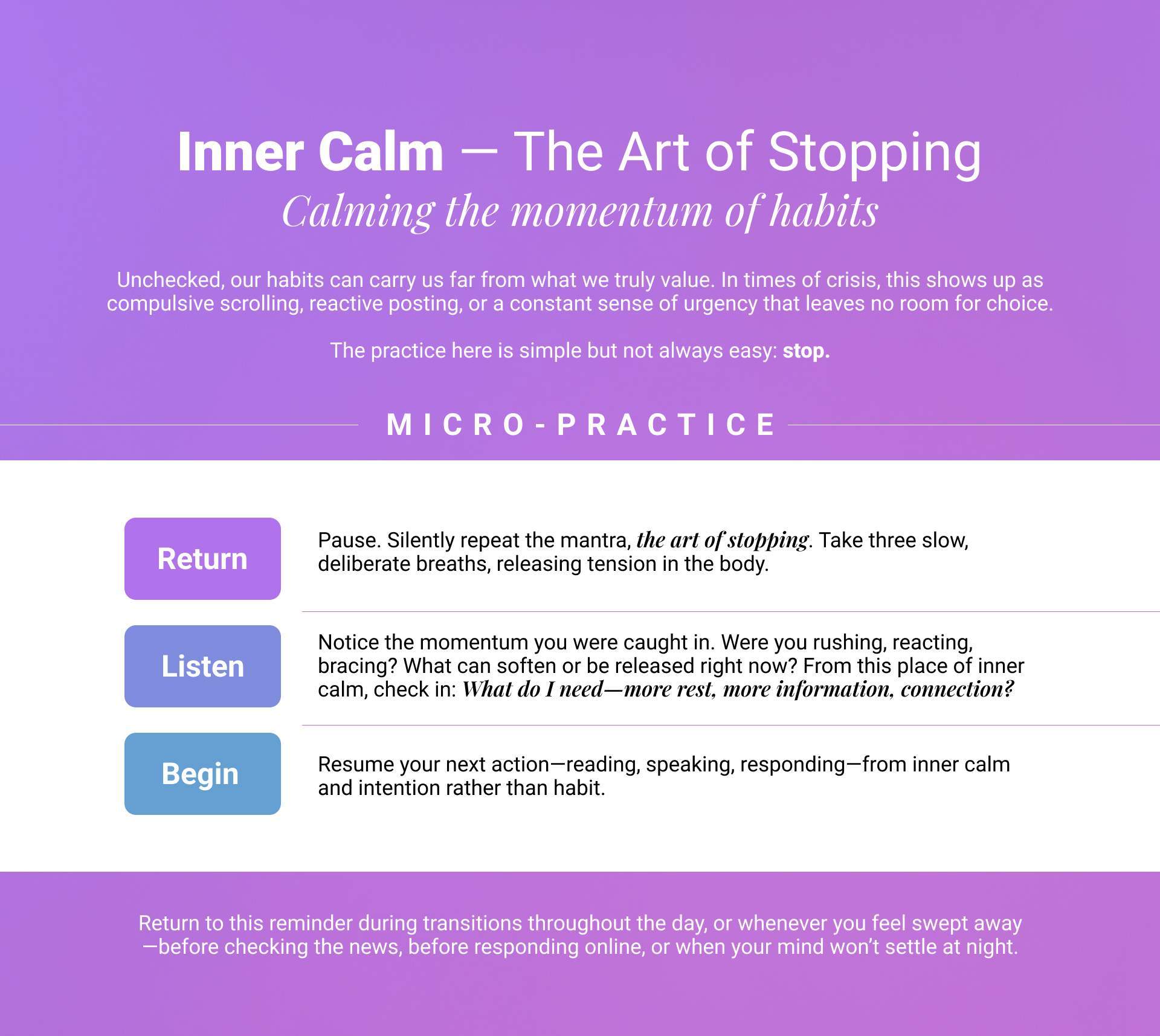
Inner Calm — Creating Space Without Disengaging
Inner calm is the art of stopping, looking, and letting go for purposes of healing and clarity. It softens the grip of our attachments to habitual hurrying, beliefs, and expectations that hinder our inner equilibrium.
Inner calm involves physical composure and mental tranquility, bringing ease to body and mind alike. In the body, composure is experienced in the muscles and as an overall feeling of ease. In the mind, inner calm creates the space to hold everything without attachment and resistance.
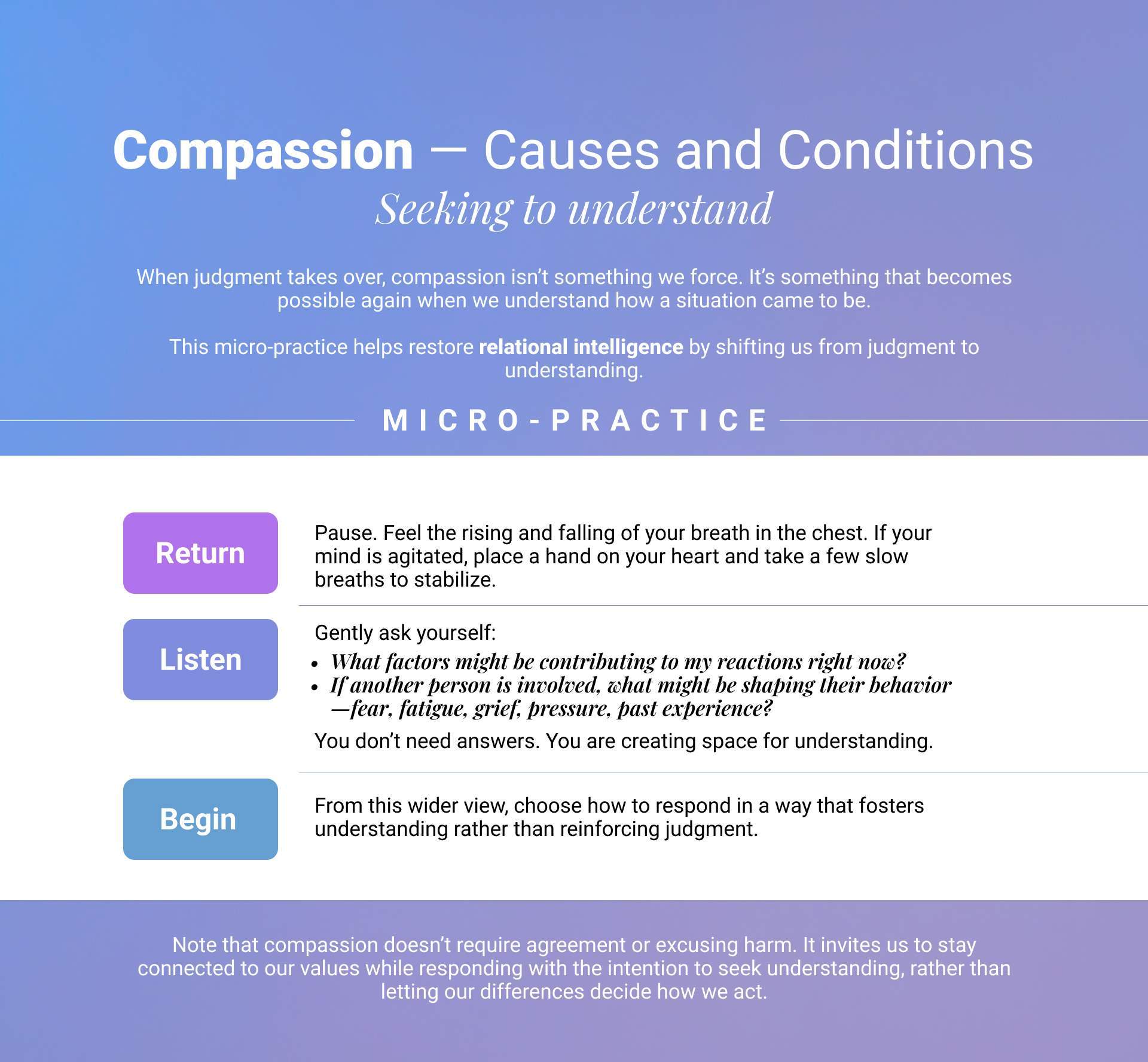
Compassion — Seeking to Understand
Compassion is our innate ability to feel, understand, and be motivated to alleviate suffering in ourselves and others. It disrupts our tendency to act on our automatic judgments about ourselves and others by seeking to understand.
When we lose compassion, we see enemies instead of fellow humans struggling. We attack allies for not being pure enough. We forget that we, too, are worthy of care. We lose our relational intelligence—the capacity to sense how we are affecting others and how to stay connected across differences.
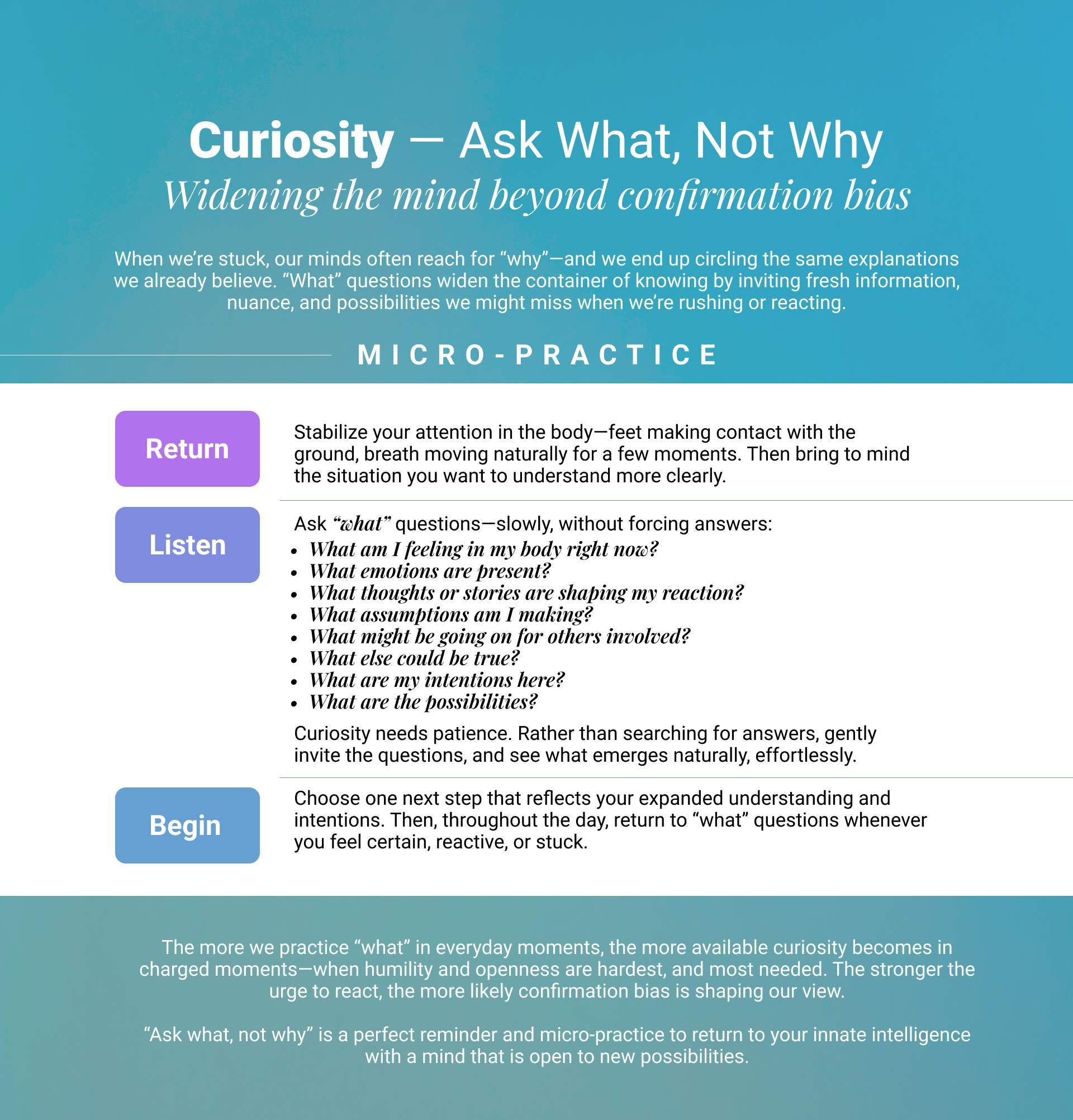
Curiosity — Returning to Creative Capacity
Curiosity is our ability to be genuinely interested and care with the purpose of understanding the situation, even when it’s challenging. It disrupts our confirmation bias by staying open and patient in the face of uncertainty and new information.
Curiosity widens the lens trauma narrows. It restores contact with complexity and helps us sense what might actually help. It’s not about being right. It is about being effective.
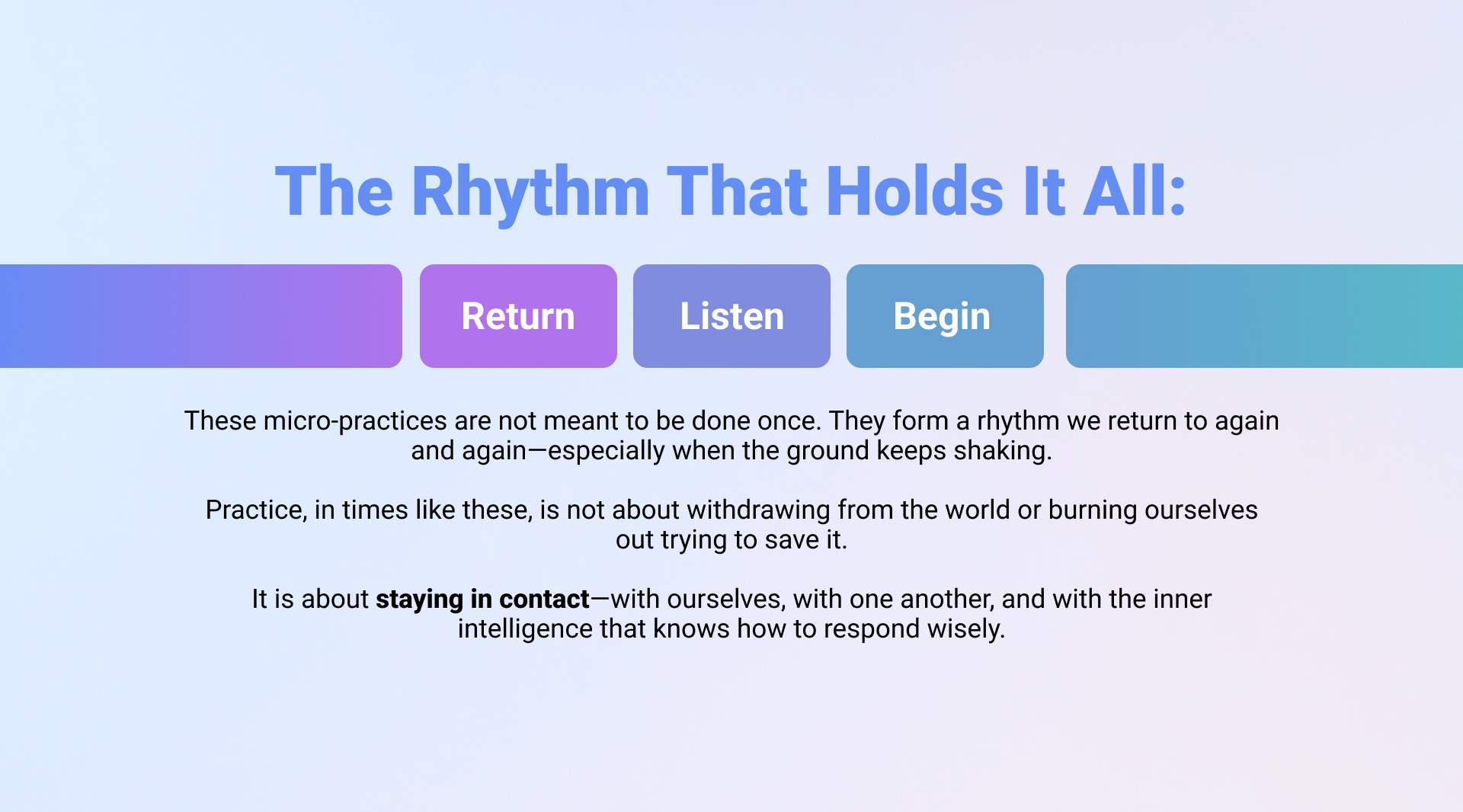
Together, these skills interrupt default patterns and reopen the channel between knowing what matters and being able to act on it.
Based on our resources, capacity, and unique gifts, what’s ours to do will be different. There isn’t one right way to meet the darkness. Only many necessary ones.
But here’s what practice has taught me: Skillful response doesn’t look the same for everyone.
Based on our resources, capacity, and unique gifts, what’s ours to do will be different. The parent raising children who can hold complexity. The artist creating work that helps others process grief. The organizer building coalitions. The healer tending to those on the front lines.
There isn’t one right way to meet the darkness. Only many necessary ones.
Reaching to Poetry As Another Anchor
I too have been learning to live with this question—how to stay engaged without collapsing. Sometimes the sifted language of poetry can speak to our deeper needs and longings. This poem by Michael Dubois captures this truth beautifully and resonates deeply.
When Things Feel Dark by Michael Dubois
When things feel dark, remember what the world needs: More healers, more helpers, more hate exorcisers. More artists and poets, more parents ruled by love. More cycle breakers, more radical resters, more warriors of peace. More gardeners who fall deeply in love with the earth beneath their feet. More meditators, more educators, more people willing to use failure as a tool to learn. More thinkers, more thankers, forgivers and apologizers. More builders of bridges and homes with open doors and minds.
The world needs you— because only the ones who see the darkness know the importance of turning on the light.
An Invitation to Practice: 3 Ways to Reconnect
In times like these, practice is an invitation to return to what is already alive in us, and to offer that wisely.
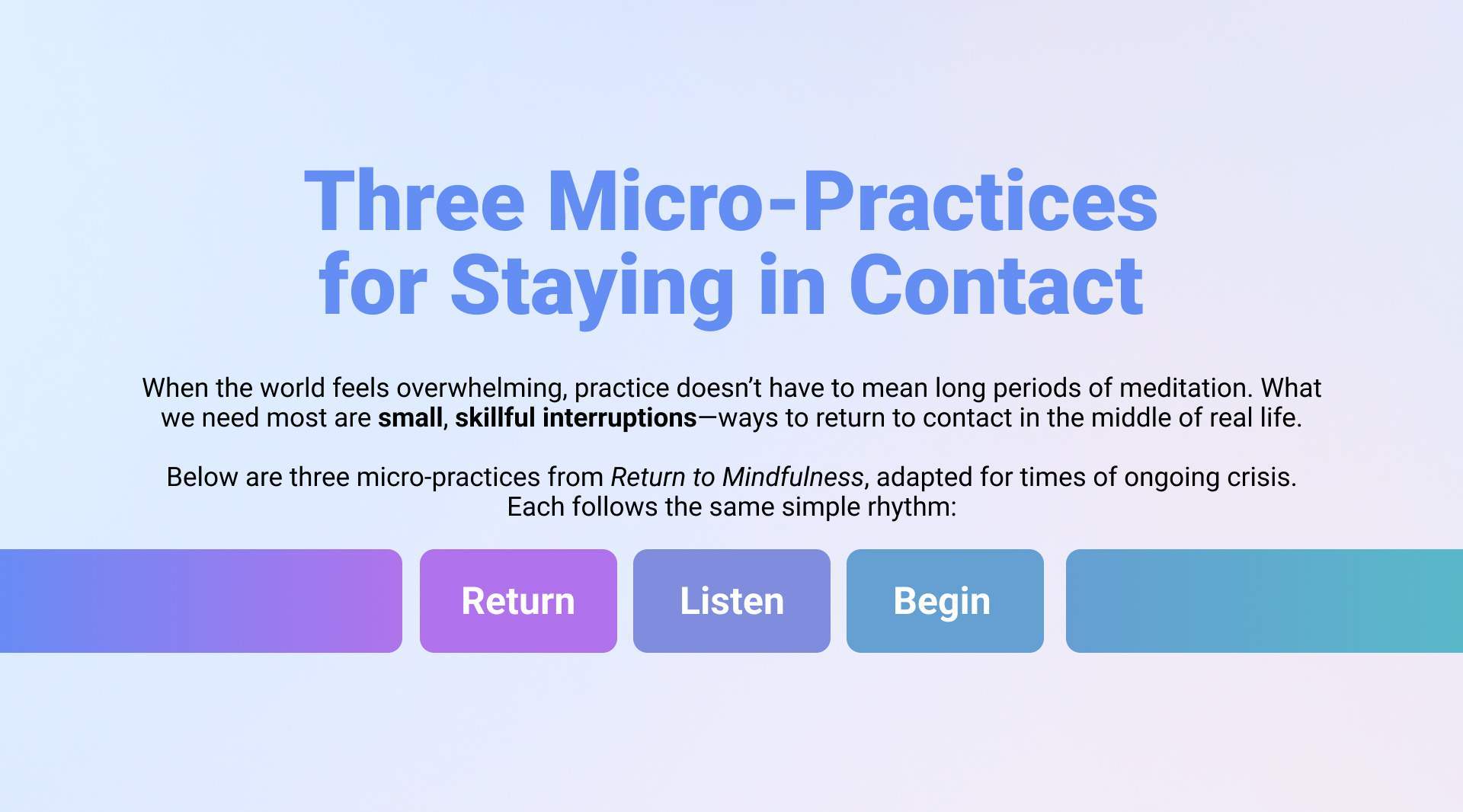
Below are three micro-practices from my book, Return to Mindfulness, to foster inner calm, compassion, and curiosity.
May we have the courage to notice when we’ve lost ourselves—and the skill to return. May we offer what is uniquely ours to give, trusting that the world needs exactly that. May our practice benefit us and all beings.
Taking care of your skin is one of the most essential aspects of maintaining your overall health and well-being. One of the crucial steps in any skincare routine is moisturizing. Moisturizing helps to keep your skin hydrated, soft, and protected from environmental factors that can cause irritation and damage. However, with the numerous moisturizer options available in the market, choosing the right one for your skin type can be overwhelming. This article aims to guide you on how to select the perfect moisturizer that suits your skin, ensuring that you hydrate your skin without irritating it.
Understanding Your Skin Type
Before diving into the world of moisturizers, it’s crucial to understand your skin type. There are generally four main skin types: normal, dry, oily, and combination. Each skin type has its unique characteristics and needs.
Normal Skin: This skin type is balanced, neither too oily nor too dry. It looks smooth and has a radiant complexion.
Dry Skin: Characterized by tightness and flakiness, dry skin lacks moisture and can feel rough to the touch.
Oily Skin: Oily skin is shiny, especially in the T-zone (forehead, nose, and chin), and is prone to acne due to excessive oil production.
Combination Skin: This skin type combines oily and dry skin characteristics, typically with an oily T-zone and dry cheeks.
Choosing the Right Moisturizer
The key to finding the perfect moisturizer is matching it with your skin type. Here’s a breakdown of what to look for in a moisturizer based on your skin type:
For Normal Skin: Look for a lightweight, oil-free moisturizer that provides adequate hydration without clogging pores. Moisturizers labeled “non-comedogenic” or “oil-free” are good options.
For Dry Skin: Opt for a rich and creamy moisturizer that locks in moisture. Ingredients like hyaluronic acid, ceramides, and glycerin are excellent for dry skin as they help retain moisture and support the skin barrier.
For Oily Skin: Lightweight, water-based or gel moisturizers are ideal. They provide hydration without adding extra oil to the skin. Look for products labeled “oil-free” or “matte finish.”
For Combination Skin: You may need to apply different moisturizers to different areas of your face. A lightweight moisturizer for the T-zone and a richer one for the cheeks can be an effective strategy.
Key Ingredients to Look For
Certain ingredients can significantly benefit your skin, depending on your skin type and concerns. Here are some key ingredients to look out for:
Hyaluronic Acid: Excellent for retaining moisture, making it perfect for dry and normal skin types.
Salicylic Acid and Glycolic Acid: These alpha-hydroxy acids (AHAs) are great for oily skin as they help exfoliate the skin and unclog pores.
Ceramides: Essential for repairing the skin barrier, ceramides are beneficial for dry and sensitive skin.
Vitamin C: A potent antioxidant that helps protect the skin from environmental stressors and promotes collagen production, suitable for all skin types.
Natural and Organic Options
With the growing awareness of the importance of using natural and organic products, many are turning to these alternatives for their skincare routines. Natural moisturizers can be highly beneficial, offering gentle and effective hydration. Some natural ingredients to consider include:
Coconut Oil: Hydrates and nourishes the skin, suitable for dry skin types.
Shea Butter: Rich in vitamins A and E, shea butter is excellent for dry and sensitive skin.
Aloe Vera: Known for its soothing properties, aloe vera is perfect for irritated skin and can be used by all skin types.
Moisturizing Routine
The way you apply your moisturizer and when you do it can also impact its effectiveness. Here are some tips:
Apply Immediately After Bathing: Moisturizing while the skin is still damp helps lock in moisture.
Use the Right Amount: Too little moisturizer may not provide enough hydration, while too much can clog pores.
Massage Gently: Massaging the moisturizer into the skin can improve absorption and circulation.
Common Mistakes to Avoid
While choosing and applying a moisturizer, there are several common mistakes to be aware of:
Not Patch Testing: Always test a new moisturizer on a small area of your skin before using it on your face to check for any adverse reactions.
Using the Wrong Product for Your Skin Type: This can lead to irritation, clogged pores, or inadequate hydration.
Not Moisturizing Enough: Failing to moisturize regularly can lead to dry, dull skin.
Conclusion
Finding the right moisturizer is a personal journey that requires understanding your skin type, knowing what ingredients to look for, and being mindful of your application routine. By avoiding common mistakes and choosing a moisturizer that suits your skin, you can enjoy hydrated, healthy-looking skin. Remember, the goal is to hydrate without irritating, so take your time, and don’t hesitate to consult with a dermatologist if you’re unsure about your skin type or the best products for your skin concerns.
FAQs
Q: How often should I moisturize my face?
A: You should moisturize your face at least twice a day, once in the morning and once before bed. However, this can vary based on your skin type and the climate you live in.
Q: Can I use body lotion on my face?
A: It’s generally not recommended to use body lotion on your face. Facial skin is more sensitive and requires moisturizers formulated specifically for the face, which are usually lighter and less likely to clog pores.
Q: Are expensive moisturizers always better?
A: Not necessarily. While some high-end moisturizers contain unique and effective ingredients, there are also many affordable options that can be just as beneficial. It’s about finding the right ingredients and formulation for your skin type, regardless of the price.
Q: How do I know if a moisturizer is working for me?
A: If your skin feels hydrated, looks healthy, and you notice an improvement in its texture and appearance, then the moisturizer is likely working for you. However, give any new moisturizer at least a couple of weeks to see its full effects.
Q: Can I use moisturizer on sensitive skin?
A: Yes, but it’s crucial to choose a moisturizer that is fragrance-free and hypoallergenic to minimize the risk of irritation. Always patch test a new moisturizer on a small area of your skin before using it on your face.
“Clearly, in spite of the widely held ‘belief’ in the health benefits of M. oleifera [moringa], the interest of the international biomedical community in the medicinal potential of this plant has been rather tepid.” In fact, it has been “spectacularly hesitant in exploring its nutritional and medicinal potential. This lukewarm attitude is curious, as other ‘superfoods’ such as garlic and green tea have enjoyed better reception,” but those have more scientific support. There are thousands of human studies on garlic and more than ten thousand on green tea, but only a few hundred on moringa.
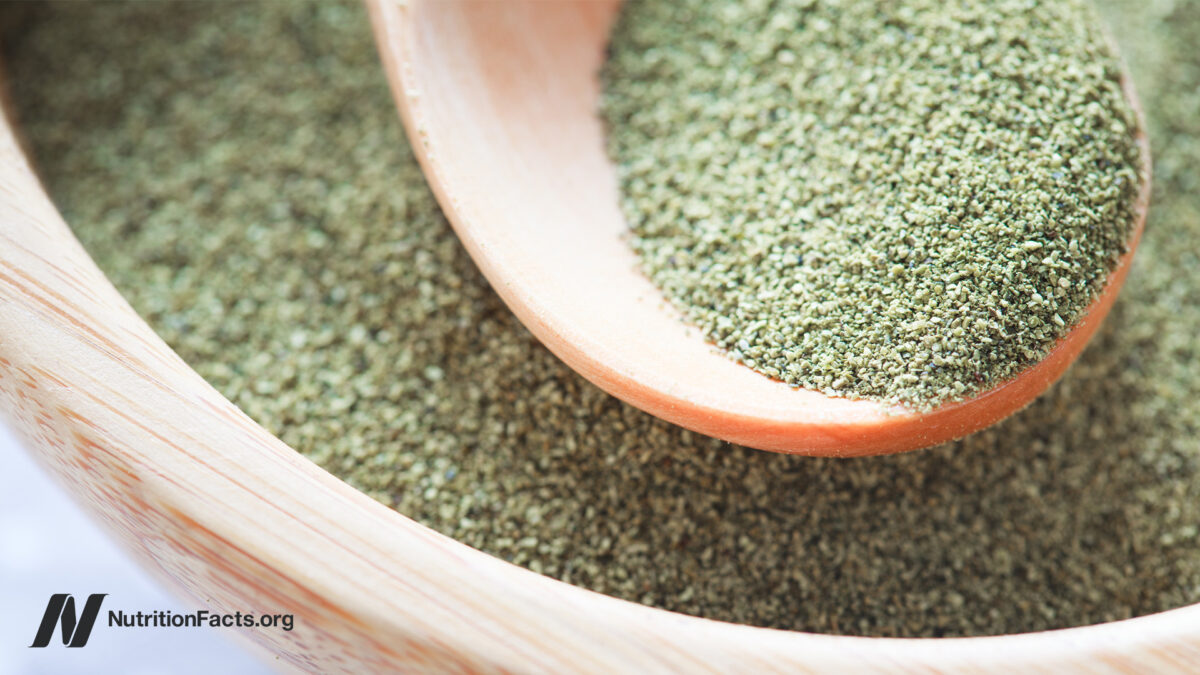
The most promising appears to be moringa’s effects on blood sugar control. Below and at 0:55 in my video The Efficacy and Side Effects of Moringa Leaf Powder, you can see the blood sugar spikes after study participants ate about five control cookies each (top line labeled “a”), compared with cookies containing about two teaspoons of moringa leaf powder into the batter (bottom line labeled “b”). Even with the same amount of sugar and carbohydrates as the control cookies, the moringa-containing cookies resulted in a dampening of the surge in blood sugar.
Researchers found that drinking just one or two cups of moringa leaf tea before a sugar challenge “suppressed the elevation in blood glucose [sugar] in all cases compared to controls that did not receive the tea initially” and instead drank plain water. As you can see here and at 1:16 in my video, drinking moringa tea with sugar dampened blood sugar spikes after 30 minutes of consumption of the same amount of sugar without moringa tea. It’s no wonder that moringa is used in traditional medicine practice for diabetes, but we don’t really know if it can help until we put it to the test. People with diabetes were given about three-quarters of a teaspoon of moringa leaf powder every day for 12 weeks and had significant improvements in measures of inflammation and long-term blood sugar control. The researchers called it a “quasi-experimental study” because there was no control group. They just took measurements before and after the study participants took moringa powder, and we know that simply being in a dietary study can lead some to eat more healthfully, whether consciously or unconsciously, so we don’t know what effect the moringa itself had. However, even in a moringa study with a control group, it’s not clear if the participants were randomly allocated. The researchers didn’t even specify how much moringa people were given—just that they took “two tablets daily with one tablet each after breakfast and dinner,” but what does “one tablet” mean? There was no significant improvement in this study, but perhaps the participants weren’t given enough moringa. Another study used a tablespoon a day and not only saw a significant drop in fasting blood sugars, but a significant drop in LDL cholesterol as well, as seen below and at 2:27 in my video.
Two teaspoons of moringa a day didn’t seem to help, but what about a third, making it a whole tablespoon? Apparently not, since, finally, a randomized, placebo-controlled study using one tablespoon of moringa a day failed to show any benefit on blood sugar control in people with type 2 diabetes.
So, we’re left with a couple of studies showing potential, but most failing to show benefit. Why not just give moringa a try to see for yourself? That’s a legitimate course of action in the face of conflicting data when we’re talking about safe, simple, side–effect–free solutions, but is moringa safe? Probably not during pregnancy, as “about 80% of women folk” in some areas of the world use it to abort pregnancies, and its effectiveness for that purpose has been confirmed (at least in rats), though breastfeeding women may get a boost of about half a cup in milk production based on six randomized, blinded, placebo-controlled clinical trials.
Just because moringa has “long been used in traditional medicine” does not in any way prove that the plant is safe to consume. A lot of horribly toxic substances, like mercury and lead, have been used in traditional medical systems the world over, but at least “no major harmful effects of M. oleifera [moringa]…have been reported by the scientific community.” More accurately, “no adverse effects were reported in any of the human studies that have been conducted to date.” In other words, no harmful effects had been reported until now.
Stevens-Johnson syndrome (SJS) is probably the most dreaded drug side effect, “a rare but potentially fatal condition characterized by…epidermal detachment and mucous membrane erosions.” In other words, your skin may fall off. Fourteen hours after consuming moringa, a man broke out in a rash. The same thing had happened three months earlier, the last time he had eaten moringa, causing him to suffer “extensive mucocutaneous lesions with blister formation over face, mouth, chest, abdomen, and genitalia.” “This case report suggests that consumption of Moringa leaf is better avoided by individuals who are at risk of developing SJS.” Although it can happen to anyone, HIV is a risk factor.
My take on moringa is that the evidence of benefit isn’t compelling enough to justify shopping online for something special when you can get healthy vegetables in your local market, like broccoli, which has yet to be implicated in any genital blistering.
In today’s world, maintaining relationships over long distances or during isolating periods can be challenging. With the rise of globalization, people are more likely to move away from their families and friends for work, education, or other opportunities. Additionally, the COVID-19 pandemic has forced many people to stay at home, making it difficult to maintain social connections. However, with the help of technology, it’s possible to bridge the gap and stay connected with loved ones, no matter where they are in the world.
Staying Connected through Video Calls
One of the most effective ways to maintain relationships over long distances is through video calls. Platforms like Zoom, Skype, and Google Meet allow people to connect face-to-face, even if they’re on opposite sides of the world. Video calls can help to reduce feelings of loneliness and isolation, and can even help to strengthen relationships by allowing people to communicate in a more personal way. Whether it’s a weekly catch-up with family members or a daily check-in with friends, video calls can help to keep relationships strong and healthy.
Social Media and Messaging Apps
Social media and messaging apps are another great way to stay connected with loved ones over long distances. Platforms like Facebook, Instagram, and WhatsApp allow people to share updates, photos, and messages with each other, helping to stay connected and up-to-date on each other’s lives. Social media can also be used to share experiences, such as watching the same TV show or movie, and discussing it together. Messaging apps like WhatsApp and Facebook Messenger also allow people to send voice messages, make voice calls, and even send files to each other.
Online Communities and Forums
Online communities and forums can also provide a sense of connection and belonging, even when people are physically isolated. Joining online groups or forums related to shared interests or hobbies can help people connect with others who share similar passions and interests. Online communities can also provide a safe space for people to share their thoughts, feelings, and experiences, and can help to reduce feelings of loneliness and isolation.
Virtual Events and Activities
Virtual events and activities can also help to bridge the gap and maintain relationships over long distances. Online events, such as concerts, festivals, and conferences, can be attended remotely, allowing people to participate and connect with others who share similar interests. Virtual activities, such as online gaming, virtual book clubs, and online yoga classes, can also provide a sense of connection and community. These activities can help to create shared experiences and memories, even when people are physically apart.
Sharing Photos and Memories
Sharing photos and memories is another great way to maintain relationships over long distances. Platforms like Instagram and Facebook allow people to share photos and updates with each other, helping to stay connected and up-to-date on each other’s lives. Sharing memories, such as photos from special events or vacations, can also help to strengthen relationships by creating a sense of shared history and experience.
The Importance of Regular Communication
Regular communication is key to maintaining healthy and strong relationships over long distances. Whether it’s through video calls, messaging apps, or social media, regular communication can help to reduce feelings of loneliness and isolation, and can even help to strengthen relationships. Scheduling regular check-ins or catch-ups can help to ensure that relationships stay strong and healthy, even when people are physically apart.
Overcoming Challenges and Barriers
Despite the many benefits of technology in maintaining relationships over long distances, there are also challenges and barriers to overcome. Time zone differences, internet connectivity issues, and language barriers can all make it difficult to stay connected. However, with a little creativity and flexibility, these challenges can be overcome. For example, scheduling calls in advance can help to accommodate time zone differences, and using translation apps or software can help to overcome language barriers.
Building and Maintaining Trust
Building and maintaining trust is crucial in any relationship, and can be particularly challenging when people are physically apart. However, with regular communication and transparency, trust can be built and maintained over long distances. Being open and honest, following through on commitments, and being reliable can all help to build trust and strengthen relationships.
The Future of Long-Distance Relationships
The future of long-distance relationships is exciting and full of possibilities. As technology continues to evolve and improve, it’s likely that we’ll see new and innovative ways to stay connected with loved ones over long distances. Virtual reality, augmented reality, and artificial intelligence are all likely to play a bigger role in the future of long-distance relationships, providing new and immersive ways to connect and communicate.
Conclusion
In conclusion, technology can be a powerful tool in maintaining positive relationships over long distances or during isolating periods. Whether it’s through video calls, social media, online communities, or virtual events, there are many ways to stay connected and build strong, healthy relationships, even when people are physically apart. By staying connected, being open and honest, and building trust, relationships can thrive, even over long distances. As technology continues to evolve and improve, it’s likely that we’ll see new and innovative ways to stay connected and build strong, healthy relationships, no matter where we are in the world.
FAQs
Q: What are some of the best video call platforms for long-distance relationships?
A: Some of the best video call platforms for long-distance relationships include Zoom, Skype, and Google Meet. These platforms offer high-quality video and audio, and are easy to use, making them perfect for staying connected with loved ones over long distances.
Q: How can I stay connected with friends and family during a pandemic?
A: Staying connected with friends and family during a pandemic can be challenging, but there are many ways to do so. Video calls, social media, and messaging apps can all help to stay connected and up-to-date on each other’s lives. Online communities and forums can also provide a sense of connection and belonging.
Q: What are some tips for building and maintaining trust in long-distance relationships?
A: Building and maintaining trust in long-distance relationships requires regular communication, transparency, and reliability. Being open and honest, following through on commitments, and being reliable can all help to build trust and strengthen relationships.
Q: Can technology really help to bridge the gap in long-distance relationships?
A: Yes, technology can really help to bridge the gap in long-distance relationships. Video calls, social media, online communities, and virtual events can all help to create a sense of connection and community, even when people are physically apart.
Q: How can I overcome time zone differences and other challenges in long-distance relationships?
A: Overcoming time zone differences and other challenges in long-distance relationships requires creativity and flexibility. Scheduling calls in advance, using translation apps or software, and being patient and understanding can all help to overcome these challenges and stay connected with loved ones.
Again and again, studies have shown that doctors tend to make clinical decisions for patients based on how much they themselves will get paid.
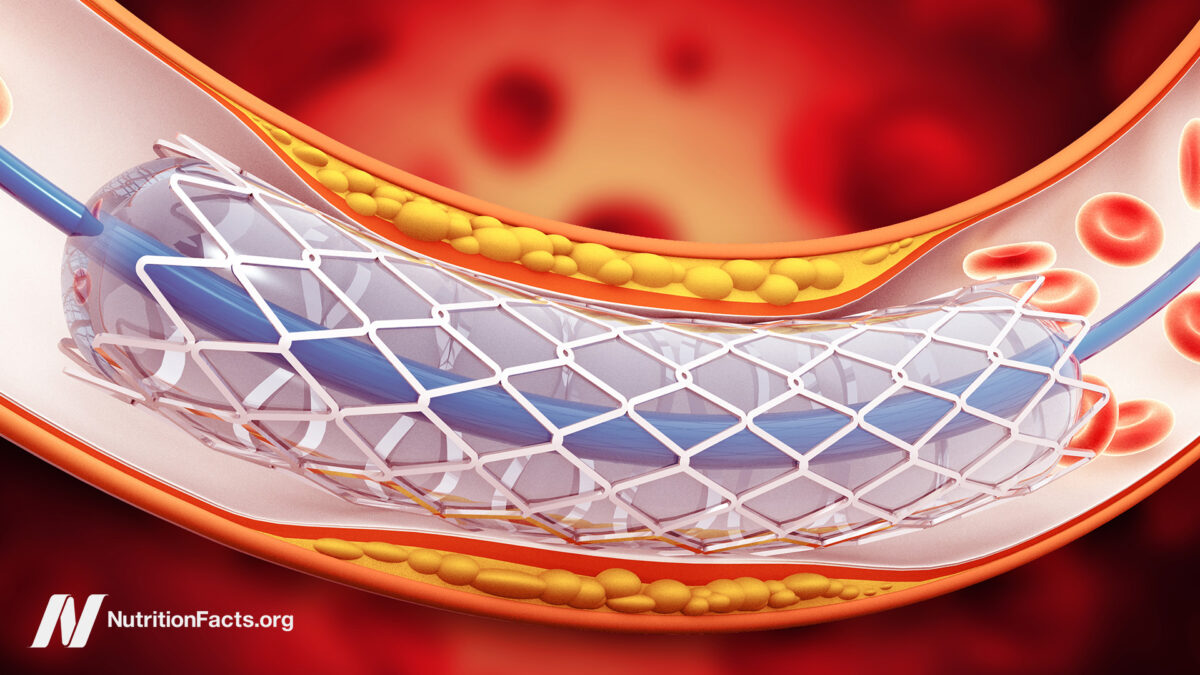
In 2007, we learned from the COURAGE trial that angioplasty and stents—percutaneous coronary intervention (PCI)—don’t reduce the risk of death or heart attack, but patients didn’t seem to get the memo. Only 1 percent realize there was no mortality or heart attack benefit, perhaps because most cardiologists fail to mention that fact. One can imagine that if patients actually understood that symptomatic relief was all they were going to get, with “no additional mortality benefits,” they’d be less likely to go under the knife. Then, ten years later, the ORBITA trial was published, showing even the promise of symptom relief was an illusion.
“The implications of ORBITA are profound and far-reaching. First and foremost, the results of ORBITA show unequivocally that there are no benefits for PCI compared with medical therapy for stable angina,” that is, heart disease. Basically, patients would be risking “harm for no benefit. It is hard to imagine a scenario where a fully informed patient would choose an additional invasive treatment for no added benefit.” Remember the stent consent form I discussed previously, shown below and at 1:17 in my video Why Are Stents Still Used If They Don’t Work?:
So, is the ORBITA trial the “last nail in the coffin for PCI in stable angina?” That is, for stents in non-emergency situations? An editorial in the journal Cardiovascular Revascularization Medicinedisagreed, pointing to “the broad angina relief that occurred in both arms.” In other words, stents helped—even if the sham operation without stents helped just as much. So, “if the patient is treated with PCI and is benefiting from the ‘placebo effect,’ who am I to interfere with that benefit of this ‘therapy’?” In that case, why not perform fake surgeries? Stent placement can cost around $40,000. It’d be cheaper to just fake it all. The reason we shouldn’t keep electively stenting people is because there’s a body count. During stent placement, 2 percent of patients develop bleeding or blood vessel damage, while another 1 percent die or have a heart attack or a stroke. And because something is stuck in your chest, 3 percent of patients have a bleeding event from the blood thinners that must be taken. Or the blood thinners don’t work and the stent clots off and causes a heart attack.
Why are they still done when we not only don’t have evidence of benefit but, in many cases, we have explicit “evidence of no benefit”? One of the sources of resistance may be all the financial gain. These procedures make a lot of money for hospitals. Don’t expect them to begin promoting “lifestyle changes to combat heart disease. Nor will physicians quickly abandon a practice that both supports their income and seems to make sense.” Is it that simple? Is it that famous Upton Sinclair quote: “It is difficult to get a man to understand something when his salary depends upon his not understanding it.” Think that’s just cynicism? Let’s ask doctors themselves.
Thousands of physicians were surveyed, and 70 percent “believed that physicians provide unnecessary procedures when they profit from them.” That’s what doctors themselves believe. And the data bear this out. Doctors have been shown to make clinical decisions for patients based on how much they get paid. For example, when choosing which chemotherapy to treat breast cancer, increasing a physician’s margin by 10 percent can yield up to a 177 percent increase in the likelihood of choosing one drug over another.
That may be why Caesarean sections “are more likely to be performed by for-profit hospitals as compared with non-profit hospitals.” “Operating on commission.” Pay surgeons per procedure, and you can increase surgery rates by 78 percent. Could that explain why we do 101 percent more angioplasties than any other affluent country? A study on “physicians’ financial incentives and treatment choices in heart attack management” found that they do indeed “respond positively to the payments they receive and that the response is quite large…Unconditionally, plans that pay physicians more for more invasive treatments are associated with a larger fraction of such treatments,” seeming to result in more invasive treatments. So, it may actually be quite common for patients to receive different treatments based on whether the doctor is getting paid per procedure.
One of my heroes, Dr. Caldwell Esselstyn—who always tries to see the best in people—had to admit that compensation may be playing a role. Evidence surfaced that “doctors have run up millions of dollars in medical bills by doing unnecessary stent implants,” doctors like Mark Midei who inserted 30 stents in a single day. That could be about a million dollars worth of billing. As a token of gratitude, a sales representative from the stent company spent more than $2,000 to buy “a whole slow-smoked pig, peach cobbler, and other fixings for a barbecue dinner at Dr. Midei’s home.”
“The US is just about the only developed country where health care is delivered on a fee-per-service basis and we very liberally incentivize physicians for doing invasive procedures,” explained the chief of cardiovascular medicine at the Cleveland Clinic. “The economic incentives are just too strong.”
Gym enthusiasts who pride themselves on pushing their limits for the perfect lift should take a moment to listen to the cautionary note of a gym instructor who suffered strokes after tearing her neck artery during squats.
The 33-year-old fitness coach Bridgette Salatin from Ohio is still dealing with memory issues two years after the catastrophic stroke. Now easing back into her gym routine with lighter weights, she warns others: “Don’t push yourself too hard.”
Salatin remembers the moment it happened; she was midway through a 70kg barbell squat when she suddenly felt dizzy, followed by a “really bad” headache. She had not eaten or slept enough the night before and had pushed her limits, holding her breath before lifting the weight.
“When I woke up that day, I had a pain in my neck but I thought I’d probably just slept on it funny. I was squatting and I had a barbell on my back. I started to get a really bad headache,” Salatin said.
The sharp pain shot from her shoulders to her right temple before she collapsed to the ground. Later, she learned the intense strain had torn an artery in her neck, triggering three mini-strokes.
Doctors also diagnosed Salatin with occipital neuralgia, a painful neurological condition caused by injury or inflammation of the occipital nerves, which run through the scalp. The condition can result from pinched nerves, muscle tightness in the neck, or a head or neck injury.
“They did a few scans on me and they said ‘you’ve had a stroke’ but how in the world does that happen at the age of 31? I felt an instant grief. I thought ‘I’ve failed myself’ and ‘am I ever going to be right again?’. I felt like I lost a sense of myself,” she recollected.
Although months of bed rest and blood thinners helped her recover, Salatin said her life has never been the same, even two years later.
“My short-term memory is gone and doing everyday things is hard for me. I used to teach a yoga class that was strictly on learning headstands but I can’t do that anymore,” she said.
She now urges others to start with lighter weights and find a balance between pushing limits and avoiding injury.




 People with diabetes were