
Tag: doctor

  • Growing Pains in Kids and How to Spot Benign Night Leg Aches and Recognize Red Flag Signs to Call the Doctor

    Growing Pains in Kids and How to Spot Benign Night Leg Aches and Recognize Red Flag Signs to Call the Doctor

    Growing pains are a common reason children complain of leg pain at night, and they can be distressing for caregivers to witness. In many cases, these benign night leg aches are harmless, but knowing how to recognize their typical pattern and the red‑flag signs to call the doctor helps adults decide when reassurance is enough and when medical advice is needed.

    Understanding growing pains allows families to respond calmly while remaining alert to symptoms that may suggest something more serious.

    What Are Growing Pains in Children?

    Growing pains, often referred to as benign nocturnal limb pains, describe a pattern of leg pain occurring in otherwise healthy children.

    These pains are considered benign because they are not associated with damage to the bones or joints and do not interfere with normal growth. They most commonly affect children between about 3 and 12 years of age, with many cases appearing in the preschool and early school years.

    What Do Growing Pains Feel Like?

    Children with growing pains usually report a dull ache or throbbing sensation deep in the legs. The discomfort typically affects the calves, shins, thighs, or the area behind the knees rather than the joints themselves.

    Benign night leg aches often involve both legs or alternate sides from one episode to another, which is a typical feature. The pain usually appears late in the day, in the evening, or during the night and often resolves by morning, leaving the child pain-free during the day.

    Caregivers often find that gentle massage, stretching, or warm compresses ease the discomfort and help the child settle back to sleep.

    Children with growing pains can run, play, and participate in their usual daytime activities without a limp or persistent stiffness. This combination of night-time pain with normal function the next day is one of the most important clues that the pain is likely benign.

    At What Age Do Growing Pains Usually Start?

    Growing pains usually begin in early childhood. Many children first experience symptoms between ages 3 and 5, and some have a second phase between ages 8 and 12.

    Not every child has benign night leg aches, and those who do may experience them intermittently over several months or years. Pain-free intervals are common, and the pattern tends to be episodic rather than constant.

    Are Night-Time Leg Aches in Children Normal?

    Night-time leg pain can be alarming, but growing pains are one of the most frequent causes of recurrent leg aches in otherwise healthy children. In this context, benign night leg aches are generally considered a normal variation rather than a sign of disease.

    Are Growing Pains Normal in Children?

    For many children, growing pains are a normal part of development and are not a marker of arthritis, joint damage, or abnormal growth. Despite the name, they are not directly caused by bone stretching.

    They may relate to muscle fatigue, overuse after active days, or a heightened sensitivity to pain in some children. The key point is that the child is otherwise well and active, according to Cleveland Clinic.

    Why Do a Child’s Legs Hurt at Night but Are Fine by Morning?

    A hallmark of benign night leg aches is the timing: pain appears when the child is resting or asleep and disappears by morning. The child can walk and play normally the next day without limp or weakness.

    This pattern distinguishes growing pains from many other conditions, which tend to cause pain or stiffness in the morning, during activity, or throughout the day.

    How to Tell If It’s Really “Benign” Growing Pains

    Recognizing the typical pattern of growing pains helps caregivers decide when reassurance is reasonable and when medical input is needed.

    Typical Features of Benign Night Leg Aches

    Typical signs that point toward benign growing pains include:

    • Pain in the muscles of the legs rather than in the joints
    • Involvement of both legs or alternating sides
    • Episodes occurring in the late afternoon, evening, or at night
    • Pain-free periods in between episodes
    • Relief with massage, stretching, warmth, or cuddling
    • Normal walking, running, and playing during the day

    When most of these features are present, the pain is more likely to represent growing pains than a more serious condition.

    How Can Caregivers Tell If Leg Pain Is Serious?

    Leg pain that does not fit the classic pattern of benign night leg aches deserves closer attention. Warning signs include pain that is constant or present during the day, pain that worsens over time, or pain centered on one specific spot on a bone or joint.

    A child who limps, avoids using a leg, or has morning stiffness is not showing the usual pattern of growing pains. These differences form part of the red‑flag signs to call the doctor, as per Mayo Clinic.

    Red-Flag Signs to Call the Doctor

    Although growing pains themselves are benign, certain features suggest a need for medical evaluation. Caregivers should watch for red‑flag signs to call the doctor, including:

    • Pain in only one leg that keeps returning to the same area
    • Pain that is constant, not just at night
    • Visible swelling, redness, warmth, or deformity of a joint or bone
    • A new limp, refusal to walk, or difficulty bearing weight
    • Pain after an injury that remains severe or localized
    • Associated symptoms such as fever, unexplained weight loss, night sweats, unusual tiredness, or the child appearing unwell

    If any of these signs occur, contacting the child’s doctor is advisable to rule out infection, injury, inflammatory disease, or, more rarely, serious illnesses affecting the bones or blood.

    Urgent or emergency care is needed if a child cannot stand or walk at all due to leg pain, has sudden severe pain with redness or swelling, or has high fever combined with leg pain. These scenarios fall outside the expected pattern of growing pains and require prompt assessment.

    Growing Pains: Supporting Comfort and Knowing When to Seek Help

    Growing pains and benign night leg aches are part of the normal experience for many children and often resolve over time without affecting growth, joint health, or long-term function.

    Recognizing the typical pattern, night-time muscle pain in both legs, normal movement by day, and relief with simple comfort measures, reassures caregivers that these are likely benign.

    Staying aware of the red‑flag signs to call the doctor, such as persistent one-sided pain, swelling, limping, or systemic symptoms, ensures that children who need further evaluation receive it promptly. With a clear understanding of growing pains, families can balance reassurance and vigilance while supporting a child’s comfort and wellbeing.

    Frequently Asked Questions

    1. Can growing pains affect just one leg sometimes?

    Growing pains are typically felt in both legs or alternate sides; persistent pain in only one leg is less typical and should be discussed with a pediatrician.

    2. Do growing pains happen every night?

    They usually come and go, with pain-free days or weeks in between; nightly pain over a long period is not typical and may need medical review.

    3. Can hydration or nutrition help reduce growing pains?

    Staying well hydrated and eating a balanced diet supports overall muscle and bone health, but there is no single nutrient proven to prevent growing pains.

    4. Are growing pains linked to a child’s height later in life?

    No, growing pains do not predict how tall a child will become and are not linked to abnormal growth or final adult height.


    Source link

  • America’s Doctor Shortage Isn’t a Training Problem — It’s a Retention Problem. RM GME Is Driving Change.

    America’s Doctor Shortage Isn’t a Training Problem — It’s a Retention Problem. RM GME Is Driving Change.

    For years, the national conversation around America’s physician shortage has focused on expansion. More medical school seats. More residency slots. A larger training pipeline. Yet increasing volume alone has not translated into equitable access to care.

    The deeper issue may not be how many physicians the country trains, but where they ultimately choose to practice and whether they remain there.

    The Association of American Medical Colleges projects a shortage of up to 86,000 physicians by 2036. As of September 2024, nearly two-thirds of primary care Health Professional Shortage Areas were concentrated in rural communities. The challenge is not only supply. It is distribution and retention.

    Without structural intervention, expanding training capacity risks reinforcing existing geographic imbalances.

    Residents Medical Center of Graduate Medical Excellence, known as RM GME, was built around that premise.

    Reframing Workforce Strategy

    RM GME develops and sponsors graduate medical education programs in partnership with hospitals and healthcare systems, with a strategic focus on rural and safety-net institutions. In 2024, the organization achieved accreditation as an ACGME sponsoring institution, allowing it to oversee residency programs under its own institutional framework.

    “We recently became an ACGME-accredited sponsoring institution. Our first independently sponsored residency program launches in California, and our intention is to replicate that model in underserved markets nationwide — Dr. Michael Everest, founder of RM GME.

    The organization positions itself not as a placement intermediary, but as a graduate medical education infrastructure model designed to align training with long-term community workforce needs.

    The Overlooked Variable: Residency Churn

    A persistent but under-addressed dynamic in healthcare workforce policy is residency churn. Physicians frequently train in underserved environments, only to relocate to larger metropolitan systems after graduation. Hospitals that invested in their development face renewed shortages. Communities lose continuity of care.

    Research published in Health Affairs and the Journal of Rural Health has consistently shown that physicians are more likely to practice in the type of community where they complete their residency. Training location influences practice location. Yet many residency programs remain concentrated in already saturated urban centers.

    “Workforce stability begins during training. If we want physicians to practice in underserved communities long term, we have to build programs that are rooted in those communities from the outset. — Dr. Everest”

    RM GME-supported programs emphasize continuity through a guiding principle of post-training community engagement. Residents are encouraged to continue practicing in the same region for a period of at least three years following graduation, reflecting the program’s long-term community investment philosophy.

    “This is not about coercion or compliance. It reflects institutional values and strategic intent. When a community invests in training physicians, the goal is lasting impact. — Dr. Everest”

    Rather than relying on contractual retention mechanisms, the model focuses on designing programs where long-term practice aligns naturally with professional growth and community integration.

    Infrastructure That Supports Sustainability

    Retention is not secured by philosophy alone. Physicians training in rural and safety-net settings often operate with fewer academic resources than their counterparts in large academic medical centers. To address this gap, RM GME integrates AI-supported educational tools that provide adaptive knowledge assessment, conversational academic support, and personalized exam preparation.

    For residents balancing demanding clinical schedules, structured academic reinforcement can influence confidence, performance, and long-term professional satisfaction. In RM GME’s framework, educational infrastructure is part of the workforce strategy.

    If physicians feel supported during training, the likelihood of sustained engagement increases.

    A Model That Tests a Larger Hypothesis

    Loan forgiveness initiatives and financial incentives have attempted to address geographic disparities for decades. While they have produced incremental improvements, rural shortages persist.

    RM GME’s approach tests a different hypothesis. Durable workforce reform may depend on embedding graduate medical education directly within underserved communities and aligning institutional design with continuity from the beginning.

    “Our focus is long-term workforce alignment. Training physicians is essential. Ensuring they remain where they are most needed is what ultimately determines impact. — Dr. Everest”

    If the physician shortage is fundamentally a distribution crisis, the future of workforce reform may depend less on expanding seats and more on rethinking where those seats are placed.

    As RM GME scales its ACGME-accredited sponsorship model, its community-rooted approach will serve as a case study in whether structural GME design can influence where America’s physicians choose to build their careers.

    Source link

  • Trial Of Doctor Accused Of Poisoning 30 Patients Begins In France

    Trial Of Doctor Accused Of Poisoning 30 Patients Begins In France

    A French doctor accused of intentionally poisoning 30 child and adult patients, 12 of whom died, went on trial Monday, saying before the hearing he was not responsible for the “distress” of his alleged victims and their families.

    Frederic Pechier, 53, worked as an anaesthetist at two clinics in the eastern city of Besancon when patients went into cardiac arrest in suspicious circumstances between 2008 to 2017. Twelve could not be resuscitated.

    He is accused of triggering heart attacks in patients so he could show off his resuscitation skills and discredit co-workers.

    Pechier’s youngest alleged victim, a four-year-old identified as Teddy, survived two cardiac arrests during a routine tonsil operation in 2016. The doctor’s oldest alleged victim was 89.

    The trial caps an eight-year investigation that stunned the medical community. Pechier has denied the charges.

    Pechier was greeted on his arrival at the court by several relatives, including one who shouted: “Come on, Fredo.”

    “It’s necessary to lay all the cards on the table,” Pechier told broadcaster RTL earlier Monday, adding that he had “strong arguments” in his defence.

    Asked about the suffering of the families who will attend the trial, set to last until December, Pechier replied: “I understand it completely, but on the other hand, I am not responsible for their distress.”

    Pechier, a father of three, faces life imprisonment if convicted. He is not currently in custody but under judicial supervision, an alternative to pre-trial detention.

    Pechier has not practised medicine since 2017, even though in 2023, he was authorised to work provided he does not come into contact with patients.

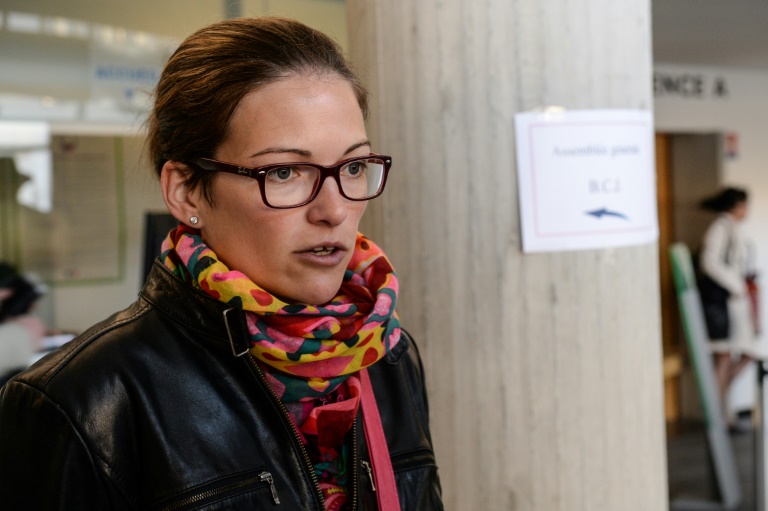
    “I’ve been waiting for this for 17 years,” said Amandine Iehlen, whose 53-year-old father died of cardiac arrest during kidney surgery in 2008.

    An autopsy revealed an overdose of lidocaine, a local anaesthetic.

    Prosecutor Etienne Manteaux has said the case is “unprecedented in French legal history”.

    An investigation was opened in 2017 after suspicious cardiac arrests during operations on patients considered low-risk.

    Pechier is suspected of tampering with his colleagues’ paracetamol bags or anaesthesia pouches to create operating room emergencies where he could intervene to show off his resuscitating talents.

    “What he is accused of is poisoning healthy patients in order to harm colleagues with whom he was in conflict,” Manteaux said.

    “Frederic Pechier was the first responder when cardiac arrest occurred,” he added. “He always had a solution.”

    Pechier has blamed “medical errors” by his colleagues for most of the poisonings.

    Some colleagues described Pechier as a “star anaesthetist”, while others said he came across as arrogant and manipulative.

    One co-worker claimed Pechier was “certain he was the best” and liked to “think of himself as Zorro”.

    Over the course of the inquiry, investigators examined more than 70 reports of “serious adverse events”, medical jargon for unexpected complications or deaths among patients.

    The cases of 30 patients who suffered cardiac arrest during surgery at the Saint-Vincent Clinic and the Franche-Comte Polyclinic made it to trial.

    He has criticised the investigation. “What happened to the other cases? They were not retained because Pechier was not involved in them,” he said.

    His defence team will argue for acquittal.

    “It’s very easy to accuse people, it’s harder to prove things,” one of his lawyers, Randall Schwerdorffer, told reporters.

    More than 150 civil parties will be represented at the trial.

    For the first two weeks, the court will examine Pechier’s most recent cases, those that aroused the investigators’ suspicions and led to the anaesthetist being placed under investigation in 2017.

    Afterwards each of the poisonings attributed to the doctor will be examined.

    “It’s going to be a legal marathon, but we’re ready,” Stephane Giuranna, a lawyer for several civil parties, told AFP.

    “All roads lead to Pechier.”


    ‘I just want people to listen for once,’ Frederic Pechier said in an interview


    Source link

  • Doctor Promotes Vasectomies With Promise to ‘Trip Out’ While High on Laughing Gas. Women Are Outraged

    Doctor Promotes Vasectomies With Promise to ‘Trip Out’ While High on Laughing Gas. Women Are Outraged

    An Idaho urologist’s viral TikTok marketing a vasectomy procedure that includes “tripping out” on pain medication while wearing virtual reality goggles has women asking why no one has made their reproductive healthcare experience more enticing.

    Dr. Austen Slade’s video, touted as “genius marketing” by men in the comments, makes having a vasectomy look fun.

    “Do you wanna have a legal excuse to trip out to some virtual reality content while high on nitrous oxide?” he asks viewers. “See me for your vasectomy and sign up for the ultimate relaxation package.”


    While praise rolled in for the innovative and patient-centered approach to a typically minor outpatient procedure, the comment section became a forum for women expressing long-standing frustration over pain management disparities in reproductive healthcare.

    Responses ranged from disbelief to anger. Dozens of women reported being offered only ibuprofen—or nothing at all—for procedures described as excruciating.

    “Damn, I passed out and threw up when I got my IUD and went back to work after,” one wrote.

    “Dang when we get IUDs we get ibuprofen and denied PTO requests 😪,” said another.

    Some women shared harrowing experiences of undergoing intrauterine device (IUD) insertions, cervical biopsies, and even abdominal surgeries with minimal or no pain relief.

    One user, @momo_vs_endo, recalled a gynecologist brushing off her pain during an IUD placement despite her crying. “She grabbed my shoulders and looked me in the eyes to say ‘You’re going to be fine,’ then walked out.”

    Another, @Introvertebrate32, described withstanding an unanesthetized cervical biopsy as she battled cancer: “No numbing, no pain management at all while I cried and almost loss consciousness due to the extreme pain.”

    “They make women endure colposcopies, uterine biopsies, and IUD placement with ZERO pain management and offer this to men for something they get completely numbed for?!” a woman said. “They wouldn’t even let my husband stay and hold my hand for my biopsy!!”

    A mother of five completely rejected the concept of cushioning the vasectomy experience, admitting: “Had I known this was an option prior to my husband getting his vasectomy I would have made sure he never found out about it.”

    But most women just wanted the same consideration. “I’m happy for them, but this made me irrationally ANGRY with what women have to go through,” one wrote, with another quipping, “PLEASE put this on my OBGYN’s FYP (for you page) not mine LMAO.”

    Dr. Slade weighed in on the tide of outrage from female patients, writing, “That just isn’t right,” in reply to one woman who noted the disparity in pain management.

    He also responded to a user who questioned why he wasn’t “liking” many comments from women. “Feels weird liking stories about being poorly treated,” Slade wrote. “I’ve let several gynecologists know about the comments I’m receiving.”

    The 11 second TikTok achieved its desired effect — the video racked up nearly one million views, got a lot of laughs, and had dozens of commenters announcing their willingness to book the procedure. It also unintentionally sparked conversation about inequity in pain management and calls for a reassessment of how healthcare systems approach procedures for women.

    As one commenter summed up: “Like. Yes. This is good. But also do this for women. Hear that OBGYNs???”

    Originally published on Latin Times

    Source link

  • Doctor Who Spoke Out Against UnitedHealthcare Turns to GoFundMe After Insurance Companies ‘Retaliate’

    Doctor Who Spoke Out Against UnitedHealthcare Turns to GoFundMe After Insurance Companies ‘Retaliate’

    A Texas surgeon whose criticism of UnitedHealthcare’s coverage practices went viral is now seeking public support through GoFundMe after suffering financially from alleged retaliation by the insurance giant.

    @drelisabethpotter

    Let’s be real. I spoke out against a big insurance company and now I’m being punished for it. But l’m not giving up. It’s not in my blood. I heard you asking, and if you would like to help, l’ve started a gofundme (link in bio) where you can read the details and consider contributing. Just showing up and following means the world to me. I’ll keep it transparent so we can all see what medicine in the US is like in 2025 and hopefully build something better for all of us.

    ♬ original sound – Dr. Elisabeth Potter


    In January, Dr. Elisabeth Potter was interrupted mid-surgery by a UnitedHealthcare representative questioning the necessity of an overnight hospital stay for her patient undergoing a breast reconstruction operation. Potter shared the video on TikTok, highlighting what she described as the growing burden of insurance bureaucracy on patient care.

    In response, UnitedHealthcare reportedly sent Potter a legal letter demanding she delete the video and issue an apology—actions she says were intended to silence her. Instead, Potter posted the letter online as further evidence of her criticism.

    “The reality is, my practice is struggling immensely, and that has a lot to do with the fact that I spoke out,” Potter said in her latest TikTok update.

    Potter, who has spent over a decade providing advanced breast reconstruction in Austin, admitted she began to feel financial repercussions. UnitedHealthcare, she alleges, stopped working with her consultants and excluded her newly built outpatient surgery center from their coverage network. The out-of-network designation means Potter’s patients can see her through a hospital at a significantly higher cost, or pay higher out-of-network rates.

    @drelisabethpotter

    Last night, I got a late call from a breast surgeon here in Austin, TX. Her 22-year-old patient— just days away from a mastectomy—found out the plastic surgeon she had been seeing is out-of-network and her insurance doesn’t cover any out-of-network care. So now what? The breast surgeon called me and asked for a favor, knowing I take cases like this on, even if the payments are low…too low to cover the costs for me and my practice…because I think it’s the right thing to do. My team is doing everything we can to get her seen this week and to get her case approved. But here’s the thing: this isn’t a one-off. This is yet another example of how having insurance doesn’t mean you have access to care. These narrow networks are failing patients. This young woman has cancer now. She needs surgery now. And we don’t have the luxury of time to wait for policy change. The sad reality is I can’t afford to keep doing this for patients, even though I want to. We need a better system for patients and for the doctors trying to care for them. I believe we can fix this. But we need the help of the government. We need laws to change, and we don’t have the luxury of time.

    ♬ original sound – Dr. Elisabeth Potter


    “It’s difficult for me to believe that this isn’t retaliation,” Potter wrote in her GoFundMe appeal. “By refusing to allow my center to be in network, they damage my ability to run a profitable practice and pay back the money I borrowed.”

    Potter invested millions in the center to offer lower-cost, specialized care for breast cancer patients. But without insurance contracts, she says, the financial strain has pushed her to the brink of insolvency.

    Now, she’s asking the public to help her keep her practice open and continue advocating for reform in a system she calls stacked against patients and independent physicians. “I’m not afraid of the work ahead,” Potter said. “But I need help.”

    Originally published on Latin Times


    Source link

  • Seven Dead After Man Impersonating Doctor Performed Surgeries With Fake Medical Degrees: Police

    Seven Dead After Man Impersonating Doctor Performed Surgeries With Fake Medical Degrees: Police

    Authorities in India have arrested a man accused of impersonating a British cardiologist and performing dozens of surgeries with allegedly fake medical credentials, resulting in the deaths of at least seven patients.

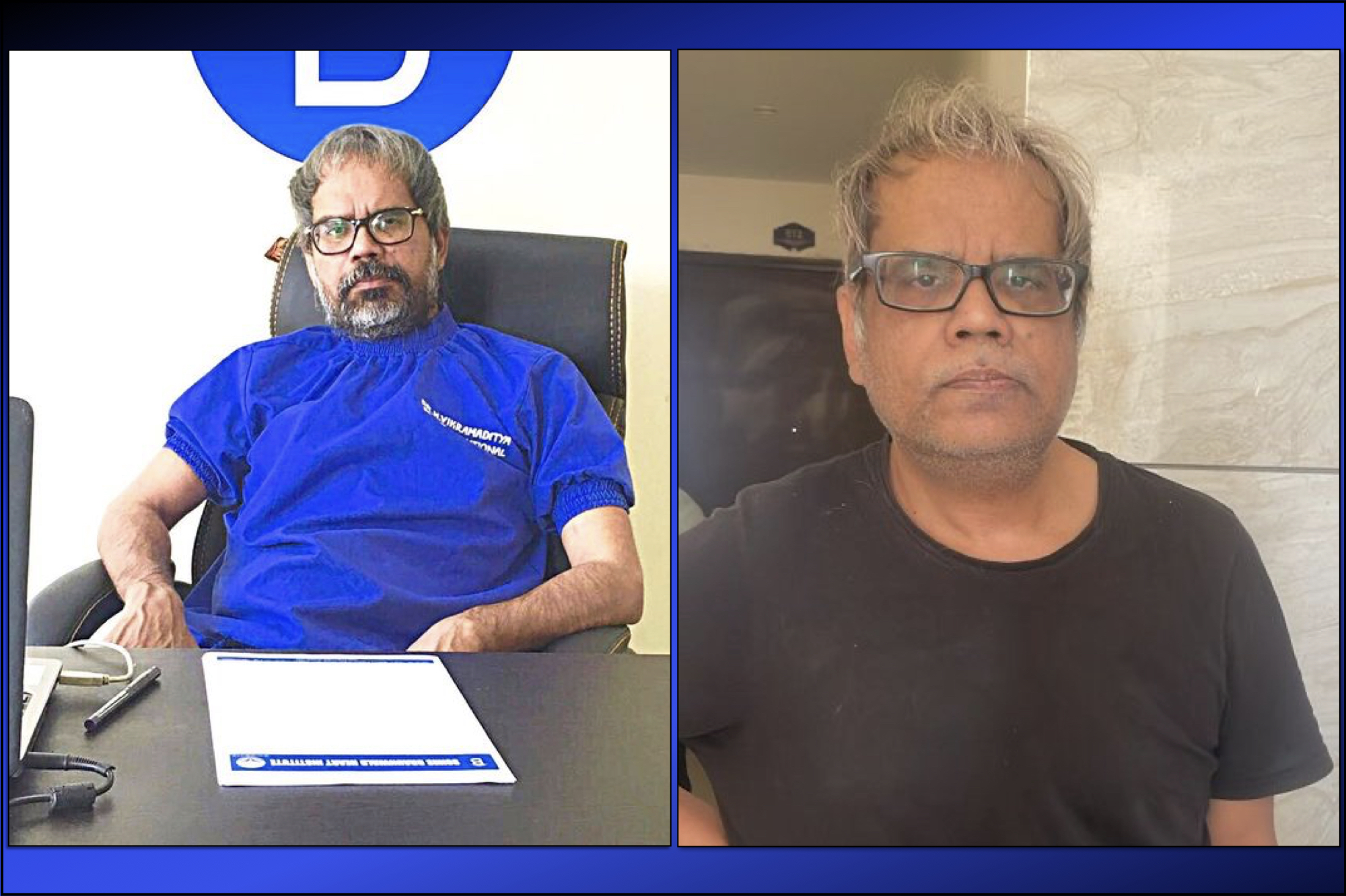
    The suspect, Narendra Vikramaditya Yadav, 53, also went by the name Dr. N John Camm—a moniker police say was meant to impersonate a prominent UK-based heart specialist, Prof. John Camm, of St George’s Hospital.

    Yadav, who worked at a missionary hospital in Damoh, Madhya Pradesh, is facing charges of fraud, cheating, forgery, and causing death by medical negligence after a child welfare committee flagged a suspicious number of fatalities under his care earlier this year.

    “The accused doctor had worked on a total of 64 cases, including 45 cases of angioplasty, which led to seven patient deaths,” Damoh Police Chief Shrut Kirti Somvanshi told BBC.

    Yadav presented himself as an internationally trained cardiologist with what authorities suspect to be falsified medical degrees. He had claimed to have worked in the UK, Germany, Spain, and the U.S., and even posted online about launching a massive medical institute in Rajasthan.


    “Nobody suspected him of being a fake doctor,” a hospital official told The Indian Express newspaper. “He was good at his job and acted like a big-time professor.”

    When authorities looked into Yadav, he was found to have been under investigation in multiple Indian states and was banned by medical regulators for “professional misconduct” in 2014. He was also arrested in 2019 for allegedly abducting a British doctor and had registered four companies in the UK under his fake name.

    Yadav was arrested Monday evening in Prayagraj, Uttar Pradesh, and is currently under investigation. Police say they are still verifying the authenticity of his documents, which appear to be missing key registration details.

    Yadav has denied all allegations and, just hours before his arrest, filed a legal notice demanding 50 million rupees from individuals accusing him of impersonation.

    The real Prof. John Camm has publicly stated that he has no connection to Yadav and was being fraudulently impersonated.

    Originally published on Latin Times

    Source link

  • Foreigners in Vietnam Prioritise Doctor Expertise When Choosing Healthcare, Survey Finds

    Foreigners in Vietnam Prioritise Doctor Expertise When Choosing Healthcare, Survey Finds

    When selecting healthcare services in Vietnam, foreign residents prioritize the expertise of medical professionals, according to findings from a newly released survey.

    The survey by Indochina Research Vietnam Ltd. highlights key insights into the healthcare preferences of foreigners living in major cities like Hanoi, Ho Chi Minh City, Da Nang, and Can Tho. Vinmec, a leading private hospital chain in Vietnam, leads in brand awareness, with most respondents identifying it as their preferred healthcare provider.

    “This first survey serves as a valuable resource for healthcare institutions in Vietnam, offering them critical data on the needs, expectations, and feedback on past experiences of foreign residents in healthcare facilities in four key cities.” said Xavier Depouilly, General Director of Indochina Research Vietnam.

    The survey was conducted over two months in early 2025 across key urban districts in Hanoi, Ho Chi Minh City, Da Nang, and Can Tho. Using a mix of face-to-face and online surveys, the research gathered insights from foreign nationals aged 18 and above who had used or been aware of medical facilities in Vietnam.

    In Hanoi and Ho Chi Minh City, participants needed three months’ residency in Vietnam and intent to stay six more. In Da Nang and Can Tho, respondents were required to have lived in Vietnam for at least one month, with plans to stay for a further six months.

    According to the study, 80% of respondents in Hanoi, 71% in Ho Chi Minh City, and 78% in Da Nang are familiar with Vinmec’s services, placing the hospital at the top of awareness charts across all surveyed cities. Family Medical Practice, Hanoi French Hospital, and FV Hospital are other top healthcare facilities identified in the survey.

    Vinmec, a leading private hospital chain in Vietnam, leads in brand awareness amongst foreigners living in Vietnam as their preferred healthcare provider.
    PHOTO BY VINMEC

    Among factors influencing healthcare choices, foreigners in Vietnam prioritize doctors’ expertise (53%), followed by the availability of advanced medical equipment (48%) and the quality of patient care or empathy (40%). These preferences remain consistent across cities, although location-specific preferences are evident.

    Within the last two years, 88% of expatriates have engaged with healthcare facilities in Vietnam, predominantly for individual health concerns. Services most often sought include routine health assessments (48%), dental treatments (39%), and standard medical advice (38%). On the other hand, cosmetic enhancements and mental health support are rarely utilized or relied upon, with a mere 3% participation rate.

    Looking ahead, 87% of respondents plan to use medical services in Vietnam within the next 6-12 months. Dental care (59%) and health check-ups (58%) are the most anticipated services.

    For adult treatments, Vinmec is consistently ranked as the top choice across all regions. Meanwhile, when it comes to pediatric care, Family Medical Practice takes the lead.

    For emergency care, preferences vary by city. Vinmec and the FV Hospital are top picks in Hanoi and Ho Chi Minh City respectively. Vinmec is the first choice in Danang, while foreigners in Can Tho prefer the Can Tho University of Medicine as their top option.

    As Vietnam continues to grow as a hub for international business and medical tourism, understanding the healthcare preferences of foreign residents is crucial.
    Xavier emphasized: “We hope these findings will contribute to improving the quality and breadth of healthcare services for expatriates and their families and, in turn, foster the development of medical services in Vietnam.”

    Source link

  • Craving Sweets? It Could Signal Dangerous Health Condition, Doctor Warns

    Craving Sweets? It Could Signal Dangerous Health Condition, Doctor Warns

    Craving for a sweet treat after a meal, or a candy when you feel low may seem a totally harmless routine. But a doctor now warns that frequent sugar cravings could be more than just a habit; they might signal an underlying health condition that could have serious consequences if left unchecked.

    According to Dr. Crystal Wyllie, a GP and online practitioner from the U.K., uncontrollable cravings are not just a desire for certain foods; they could be the body’s way of signaling an underlying health issue.

    “Cravings are often your body’s way of telling you something. While most are psychological or habit-driven, unusual cravings, like a strong desire to eat ice, chalk or even ash, can signal deeper health issues, from iron deficiency to hormonal imbalances,” she said, as reported by Birmingham Live.

    Dr. Wyllie specifically highlighted sugar cravings as a potential warning sign. “If you often crave sugary foods like cakes, biscuits, or white bread, it could indicate unbalanced blood sugar levels,” she explained. “This might be a sign of insulin resistance or even early type 2 diabetes.”

    Sugar cravings in individuals with diabetes or insulin resistance often stem from rapid fluctuations in blood sugar levels. When blood sugar drops too quickly, either due to the body’s inability to regulate glucose properly or as a result of an insulin spike, it signals the brain to seek a quick energy boost and this triggers cravings for sugary foods. However. Dr. Wyllie warns that this can ultimately lead to a cycle of sugar spikes and crashes.

    “Giving in to these cravings too often can make it harder for your body to regulate blood sugar over time. This can lead to insulin resistance, where the body’s cells no longer respond properly to the hormone that controls blood sugar. If this continues, it can increase your risk of developing type 2 diabetes,” warned Dr Wyllie.

    When a person has diabetes, their body struggles to regulate blood sugar levels effectively, which can lead to long-term health complications if left unmanaged. Over time, high blood sugar can damage blood vessels and nerves, increasing the risk of serious conditions such as heart disease, stroke, and kidney failure. Uncontrolled diabetes can also cause vision problems, including diabetic retinopathy, which may lead to blindness.

    Source link

  • Feeling Groggy After A Full Night’s Sleep? A Doctor Explains Simple Math To Find Your Ideal Bedtime

    Feeling Groggy After A Full Night’s Sleep? A Doctor Explains Simple Math To Find Your Ideal Bedtime

    You get a full night’s sleep but still wake up feeling groggy, while a short nap leaves you feeling refreshed. Ever wondered why? It could be because your sleep schedule is disrupting your body’s natural rhythm, either by going to bed at the wrong time or waking up in the middle of a sleep cycle.

    It’s not just about going to bed earlier; it’s about syncing your sleep schedule with your body’s natural sleep cycle, suggests Dr. Charles Puza, a New York City dermatologist who shares sleep tips on Instagram.

    “Ever wake up from 8+ hours of sleep and still feel groggy? It’s because you’re going to bed and waking up at the wrong time. You should be timing your sleep to align with natural sleep cycles of around 90 minutes,” Dr. Puza wrote in a recent Instagram post.

    While getting eight hours of sleep is important, researchers also suggest that the timing of your bedtime and waking up after completing natural sleep cycles are key to feeling truly rested.

    Natural sleep cycles last around 90 minutes, and throughout a typical night’s sleep of 7.5 hours, we go through about five full cycles. Each cycle includes different stages, from light sleep to deep rest. To feel refreshed after a night’s sleep, a person needs to have complete undisturbed stages of these cycles.

    However, when you go to bed late and depend on an alarm to wake up at a set time, you might be interrupting the cycles, preventing you from reaching deep sleep stages, essential for feeling truly rested. This disruption results in fragmented sleep, which has been linked to a range of negative effects, from increased stress and mood swings to poor overall health and well-being.

    To avoid this, it’s crucial to understand your body’s ideal bedtime that aligns with the natural sleep cycle. Dr. Puza offers a simple formula for those looking to get a restful night’s sleep:

    “You need to decide if you need five cycles or six cycles of sleep overnight. Factor in about 15 minutes to fall asleep,” he said.

    For those wanting five cycles need to simply subtract 7h45m others or 9h15m from your wake-up time to find your ideal bedtime.


    Source link

  • Dad Dies Year After Brain Tumor Diagnosis, Doctor Initially Dismissed Symptoms As Stress, Accused Him Of Faking

    Dad Dies Year After Brain Tumor Diagnosis, Doctor Initially Dismissed Symptoms As Stress, Accused Him Of Faking

    A 53-year-old U.K. man with troubling signs, including headaches and jumbled speech, was initially dismissed as stressed. His doctor even accused him of faking symptoms before being diagnosed with an aggressive brain tumor. A year later, he died. Now, his daughter is running a marathon to raise awareness and money for cancer research.

    Stephen Blakeston, from Hull, England, started experiencing massive headaches and was jumbling up sentences when his wife noticed the symptoms and took him to a doctor in October 2010.

    “I couldn’t believe it when we visited the GP, who dismissed his symptoms as stress-related and even said he was faking, something I know my dad wouldn’t do,” Blakeston’s daughter Hollie Rhodes recollected.

    Blakeston later got a CT scan done and realized that a tumor was growing on the left side of his brain, which was affecting his speech. He underwent surgery soon, and a biopsy confirmed that the tumor was a glioblastoma, a fast-growing, incurable cancer, leaving him with just 12-18 months to live.

    After the surgery, Blakeston underwent intensive radiotherapy and two rounds of chemotherapy to halt the growth of the tumor and scans showed no signs of further regrowth.

    However, around 9 months later, Blakeston suddenly collapsed and died after a blood clot, believed to be related to his treatment, or the tumor traveled to his heart.

    “It was horrible for us to lose him so suddenly, but there is some comfort in knowing it was quick and likely the way he would have wanted to go. I’ll always miss hearing his laugh,” Rhodes said.

    Glioblastoma is a fairly common form of brain tumor, with more than 13,000 Americans are diagnosed with it every year. The symptoms vary but often include persistent headaches, nausea, confusion, memory loss, and personality changes. Other signs to watch out for include vision problems, speech difficulties, muscle weakness, and seizures, especially in those without a history of them.

    “It’s the biggest cancer killer of children and adults under 40, so it should absolutely be a priority to stop these deaths. It almost feels like people view brain tumors as a final prognosis. That whole narrative needs to change because more funding in research would bring hope to those impacted,” said Rhodes, who is running the London Marathon to raise money for Brain Tumor Research.

    Source link