
Tag: discomfort

  • Causes, Symptoms, and Effective Ways to Relieve Stomach Discomfort

    Causes, Symptoms, and Effective Ways to Relieve Stomach Discomfort

    Bloating affects an estimated 10–25% of otherwise healthy adults on a regular basis, with stomach bloating often signaling trapped gas, fluid retention, or disrupted gut motility. Bloating causes vary widely, from common food intolerance bloating to more complex digestive health issues such as irritable bowel syndrome (IBS) or small intestinal bacterial overgrowth. Abdominal pressure, visible distension, rumbling, and tightness frequently appear after meals.

    For some, bloating resolves within hours. For others, it becomes chronic and interferes with daily comfort. Understanding the mechanisms behind bloating—gas production, microbiome imbalance, enzyme deficiencies, and motility disorders—allows for more precise relief strategies. When you identify the root bloating causes, you can apply targeted solutions that restore digestive balance and reduce recurring discomfort.

    Why Am I Bloated All the Time? Chronic Bloating Causes Explained

    Persistent stomach bloating often stems from underlying digestive health issues rather than occasional overeating. Chronic bloating causes include FODMAP intolerance, slow gastric emptying, IBS stomach bloating, and small intestinal bacterial overgrowth (SIBO). These conditions disrupt normal gas movement and intestinal sensitivity, leading to ongoing abdominal distension.

    According to the National Institute of Diabetes and Digestive and Kidney Diseases (NIDDK), IBS affects up to 12% of people in the United States and commonly presents with stomach bloating and altered bowel habits. When digestive health issues impair motility or increase gut sensitivity, even normal gas levels can feel excessive. Identifying triggers such as food intolerance bloating or stress-related flare-ups is essential for long-term symptom control.

    What Relieves Bloating Fast? Quick Gas Bloating Relief Options

    When stomach bloating strikes suddenly, quick relief strategies can reduce pressure and discomfort. Simethicone helps break up gas bubbles, while activated charcoal may absorb excess gas. Gentle abdominal massage and light walking stimulate motility, promoting natural gas release.

    The Cleveland Clinic notes that peppermint oil and ginger may support gas bloating relief by relaxing intestinal muscles and improving digestive flow. Warm herbal teas, hydration, and avoiding carbonated beverages can provide noticeable improvement within 30 minutes. While these remedies ease short-term bloating causes, recurring digestive health issues require deeper dietary and medical evaluation.

    Does Bloating Mean Weight Gain? Understanding Stomach Bloating vs Fat

    Stomach bloating often creates visible abdominal distension that mimics temporary weight gain. However, bloating causes related to gas or fluid retention can add several pounds of short-term fluctuation without increasing body fat. This type of abdominal distension resolves once trapped gas is expelled or inflammation decreases.

    According to the Mayo Clinic, bloating is typically linked to gastrointestinal gas or functional digestive disorders rather than fat accumulation. Carbohydrate malabsorption or excess sodium intake may temporarily increase water retention, but these effects are reversible. Understanding the difference reduces unnecessary concern about sudden scale changes.

    Common Food-Related Bloating Causes and Food Intolerance Bloating

    Diet is one of the most frequent triggers of stomach bloating. Lactose intolerance, fructose malabsorption, and high-FODMAP foods often cause fermentation that increases gas production. Legumes, onions, wheat, and carbonated beverages are common contributors.

    Food intolerance bloating occurs when digestive enzymes are insufficient to break down specific carbohydrates. A digestive enzyme deficiency may result in incomplete digestion, feeding gut bacteria and producing excess gas. Identifying trigger foods through elimination diets or food diaries supports improved digestive health and reduced bloating episodes.

    Motility Disorders, IBS, and Gut Microbiome Bloating

    Stomach bloating often results from a combination of slowed digestion and microbial imbalance rather than a single trigger. Motility disruptions and gut microbiome bloating frequently overlap, intensifying abdominal distension causes and prolonging digestive discomfort.

    • Motility Disorders and IBS Stomach Bloating – Motility disorders slow the movement of food and gas through the digestive tract, increasing pressure and abdominal distension causes. Delayed gastric emptying can significantly raise the likelihood of persistent stomach bloating by allowing gas to accumulate longer than normal. IBS stomach bloating is common due to altered gut-brain signaling and heightened visceral sensitivity, meaning normal gas levels may feel excessively uncomfortable. Stress, hormonal fluctuations, and irregular bowel habits further aggravate digestive health issues. Supporting hydration, balanced fiber intake, and bowel regularity can help improve transit time and reduce bloating causes linked to sluggish motility.
    • Gut Microbiome Bloating and Microbial Imbalance – The gut microbiome regulates fermentation, gas production, and digestive efficiency, making it central to gut microbiome bloating. When microbial diversity declines, dysbiosis may increase methane-producing organisms that slow intestinal transit and prolong bloating causes beyond dietary triggers. Antibiotic exposure, chronic stress, and low-fiber diets commonly disrupt microbial balance, leading to recurring stomach bloating even when meals seem well tolerated. Incorporating prebiotic-rich foods, fermented products, and diverse plant fibers may help restore microbial equilibrium and support smoother digestion, reducing persistent digestive health issues.

    When Digestive Health Issues Require Medical Evaluation

    Occasional bloating is common, but persistent or severe stomach bloating requires medical assessment. Warning signs include unexplained weight loss, blood in stool, persistent vomiting, or bloating lasting longer than four weeks. These symptoms may indicate more serious digestive health issues.

    Testing may include blood work, imaging, or screening for celiac disease and inflammatory bowel conditions. Early evaluation ensures that abdominal distension causes are not linked to structural or systemic conditions. Seeking medical guidance helps prevent delayed diagnosis of underlying concerns.

    Targeted Strategies for Long-Term Bloating Relief

    Addressing bloating causes effectively requires individualized strategies. A low-FODMAP diet has shown strong success in reducing IBS stomach bloating and food intolerance bloating. Digestive enzymes may assist when digestive enzyme deficiency contributes to symptoms.

    Regular physical activity, adequate hydration, and stress reduction support healthy gut motility. Probiotics may benefit some individuals experiencing gut microbiome bloating. Combining dietary adjustments with lifestyle modifications restores digestive rhythm and reduces recurring discomfort.

    Resolve Stomach Bloating Through Targeted Digestive Health Solutions

    Understanding bloating causes allows for focused solutions instead of temporary fixes. Identifying whether symptoms stem from food intolerance bloating, IBS stomach bloating, or motility imbalance ensures appropriate treatment strategies.

    Consistent dietary awareness, balanced gut microbiome support, and timely medical evaluation strengthen digestive health. When you address stomach bloating at its source, long-term comfort becomes achievable and sustainable.

    Frequently Asked Questions

    1. What is the most common cause of bloating?

    The most common bloating causes include gas buildup and food intolerance bloating. High-FODMAP foods frequently trigger fermentation. Swallowed air and constipation also contribute. Identifying dietary triggers often improves symptoms quickly.

    2. Can stress cause stomach bloating?

    Yes, stress affects gut motility and increases sensitivity to normal gas levels. Elevated cortisol can disrupt digestive health issues. This may worsen IBS stomach bloating. Stress management often reduces symptoms.

    3. How long should bloating last?

    Occasional bloating typically resolves within hours. Persistent bloating beyond a few days may signal digestive imbalance. If symptoms last more than four weeks, evaluation is recommended. Monitoring patterns helps identify triggers.

    4. Do probiotics help with bloating?

    Probiotics may improve gut microbiome bloating in some individuals. They support microbial diversity and digestive balance. Results vary depending on strain and underlying bloating causes. Consulting a healthcare provider ensures appropriate use.


    Source link

  • Why They Trigger Severe Headaches and Discomfort

    Why They Trigger Severe Headaches and Discomfort

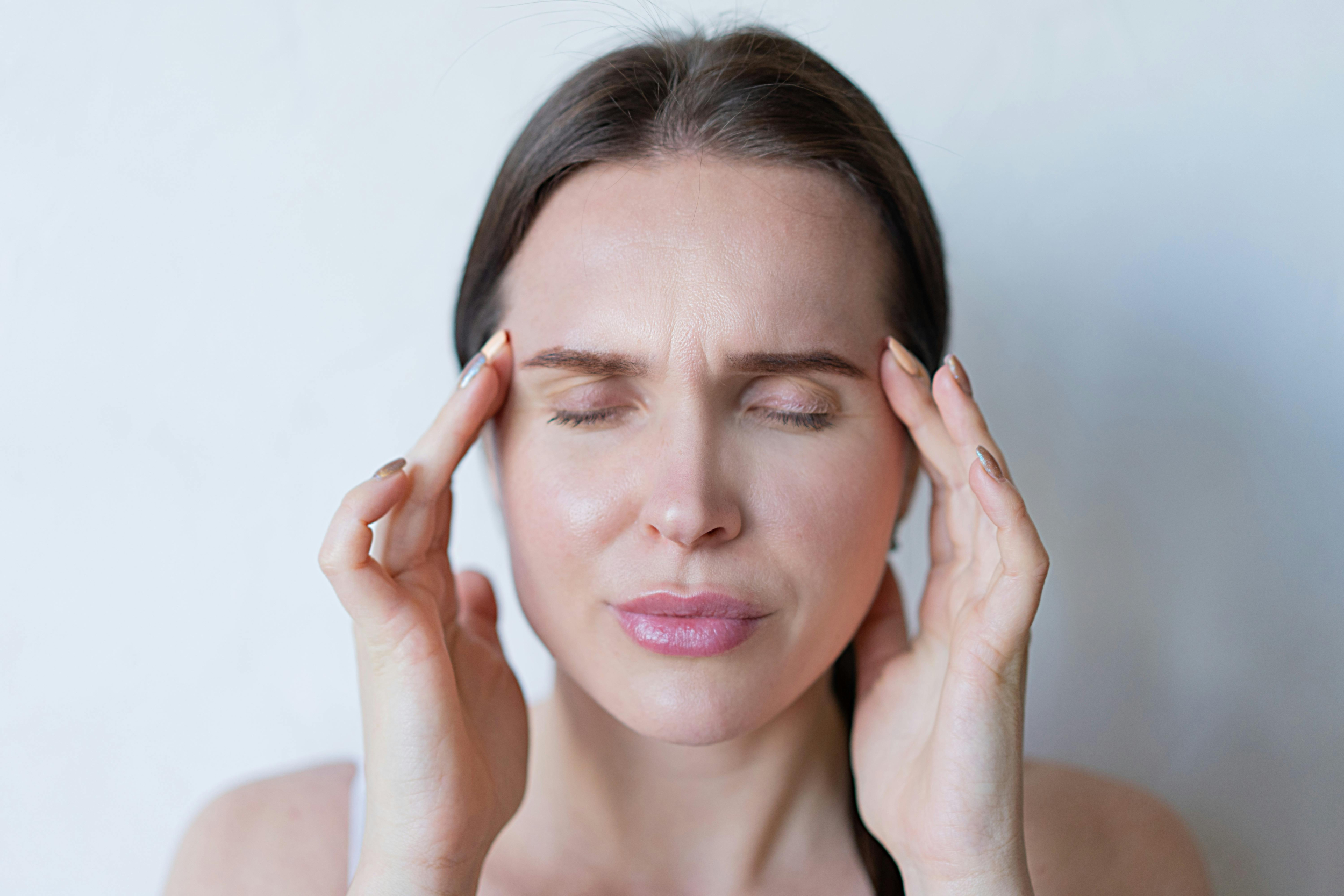
    Vision problems often cause headaches from vision problems and eye strain headaches without obvious warnings, as eyes strain to focus or align properly. Even routine activities like reading, computer work, or driving can overwork eye muscles, sending tension across temples, brows, and neck. Millions experience these discomforts, turning everyday tasks into triggers for vision-related headaches that disrupt productivity, sleep, and overall well-being.

    Uncorrected refractive errors—such as nearsightedness, farsightedness, or astigmatism—force constant lens adjustments, gradually exhausting ciliary and extraocular muscles. Dry eyes, poor lighting, or glare exacerbate the strain, often without producing symptoms until headaches intensify. Recognizing these underlying causes is the first step toward relief and preventing chronic vision-related pain.

    Why Do Vision Problems Cause Headaches?

    Headaches from vision problems arise when eyes fail to work together smoothly, forcing extra effort for the brain to process visual input. Misalignment in binocular vision dysfunction, for example, makes one eye drift slightly, requiring constant correction that fatigues eye and neck muscles, sparking eye strain headaches. Uncorrected nearsightedness or farsightedness adds accommodative stress, as internal lenses continuously adjust focus during prolonged near work, often resulting in frontal or temporal pain.

    Astigmatism further distorts light unevenly, forcing squinting that tightens scalp and neck muscles into tension-type headaches. Dry eyes, caused by infrequent blinking during digital tasks, amplify discomfort and contribute to ongoing irritation. According to a study conducted by Frontiers in Public Health, extended screen use was linked to increased eye strain and headaches, with participants showing higher rates of visual discomfort and tension-type headache development.

    Can Eye Strain Cause Headaches?

    Eye strain headaches occur when visual demands exceed the eyes’ ability to maintain focus or alignment. Digital eye strain, also called computer vision syndrome, emerges when screens sit too close, lighting produces glare, or prolonged near work forces ciliary muscles to overwork. Poor ergonomics, like monitors at improper heights, further stretches extraocular muscles, intensifying headaches.

    Other factors include convergence insufficiency, where eyes tire from crossing inward for near objects, and presbyopia in adults over 40, which increases accommodation strain. Environmental conditions, such as low humidity, dry tear films, or glare, also escalate tension and make eye strain headaches more severe. According to NVISION Eye Centers, eye strain, often resulting from prolonged screen time, reading, or driving, can lead to headaches and discomfort, though it is not always the primary cause, highlighting the importance of regular breaks, proper lighting, and addressing underlying eye conditions.

    What Vision Issues Trigger the Worst Headaches?

    Certain eyesight issues are particularly likely to produce severe vision-related headaches. Binocular vision disorders, such as vertical heterophoria, misalign the eyes slightly, demanding constant neural fusion that exhausts visual pathways. Patients often report occipital or sinus-like pain, worsened in motion or dim light.

    Unmanaged hyperopia strains the focusing system for both near and distance vision, generating cyclic headaches from accommodative spasms. Corneal conditions like keratoconus distort light and create ghosting, increasing photophobia and tension headaches. Even early glaucoma can provoke brow or temple aches, mistaken for tension headaches, delaying timely detection and treatment. According to the Centre for Sight, binocular vision disorders and irregular corneal conditions are strongly linked to severe headaches, emphasizing the importance of comprehensive eye exams for accurate diagnosis.

    Strategies to Ease Vision-Related Headaches

    Managing headaches from vision problems requires a combination of optical correction, environmental adjustments, and lifestyle practices. Key strategies include:

    • Comprehensive eye exams that assess motility, binocular function, and refractive errors.
    • Prism lenses or vision therapy to retrain eye alignment, reducing eye strain headaches by up to 70 percent.
    • Artificial tears and blink exercises to maintain corneal moisture during screen work.
    • Following the 20-20-20 rule: every 20 minutes, look at something 20 feet away for 20 seconds.
    • Blue light filters and anti-reflective coatings to minimize glare and ghosting.
    • Adjusting lighting to prevent shadows that force pupil constriction.
    • Proper ergonomics with monitor height and distance to reduce muscle fatigue.

    These measures collectively help transform silent vision strain into manageable eye care practices, preventing chronic headaches and improving overall visual comfort.

    Managing Eye Strain: Maintaining Long-Term Visual Health

    Addressing vision-related headaches goes beyond temporary relief, focusing on consistent monitoring and preventive care. Eye exams every one to two years detect early binocular issues, presbyopia, and corneal irregularities before they cause chronic pain. Integrating ergonomic setups, regular breaks, and corrective lenses supports long-term eye health. With these practices, vision-related headaches can be significantly reduced, allowing normal visual activities without persistent discomfort.

    Frequently Asked Questions

    1. Can poor posture worsen eye strain headaches?

    Yes, poor posture can increase eye strain headaches. When monitors are too high or low, neck muscles compensate, adding tension to eye muscles. This extra effort amplifies visual fatigue and pain. Adjusting posture and monitor height can significantly reduce headaches linked to eye strain.

    2. Are children at risk for vision-related headaches?

    Children can experience headaches from vision problems, often undetected because they may not report symptoms. Conditions like uncorrected nearsightedness, farsightedness, or convergence insufficiency are common causes. Eye exams are critical for early detection and intervention. Proper correction and visual exercises can prevent long-term discomfort and learning difficulties.

    3. Can glasses completely prevent vision-related headaches?

    Glasses can greatly reduce vision-related headaches if they address refractive errors correctly. They may not fully prevent headaches caused by poor ergonomics, dry eyes, or underlying binocular dysfunction. Combining glasses with environmental and lifestyle adjustments is most effective. Regular follow-ups ensure lens prescriptions remain optimal.

    4. How do blue light filters help with eye strain?

    Blue light filters reduce glare from digital screens, lessening ciliary muscle fatigue. They improve visual comfort, especially during prolonged screen use. However, they do not replace proper prescription lenses or ergonomics. Using filters alongside other strategies enhances overall eye strain management.


    Source link

  • How I Stopped Terrorizing Myself

    How I Stopped Terrorizing Myself

    I’m standing on stage in front of 150 people, the spotlight bright in my eyes, the microphone solid in my hand. Their faces stare up at me, expectantly. I’m there to tell them a story. For a lot of people, being on stage in this way is a nightmare. Stage fright can make your heart pound, your mouth go dry, your limbs quake. But not me. I’m comfortable here. My worst nightmare awaits me later, at home. It’s also what I’m on stage to talk about.

    “For decades—my whole life, practically—I’ve lived with a persistent, debilitating fear of being murdered in my bed,” I tell the audience. They laugh uproariously. They’re not being insensitive—I’m telling it funny. That’s how I always tell it. I run through the list of ghosts that haunt my overactive imagination: Sasquatch, vampires, Adolf Hitler, the Loch Ness Monster, Jesus—that crown of thorns, all that blood—those phantoms of my childhood. Then the Boston Strangler, Ted Bundy, the Zodiac Killer—the true-crime menaces of my late-night adolescent reading. Fear has been my constant companion for as long as I can remember.

    It’s not totally surprising. I was a girl in the 1970s and ’80s in southern Ontario. I read the newspaper every day from the age of nine or ten, and my mother’s magazines—Family Circle, Women’s Day—and they were all always cover-to-cover, it seemed, with violence against girls and women. Kids my age disappearing from the hallways of their apartment buildings, or last seen on the subway heading downtown to a movie with friends. Women like my mother followed through parking lots, pulled into vans, when out for a walk, flagged down
    to help someone in need, and then never heard from again. I learned to walk with my keys threaded through my fingers. I read conflicting advice on whether to fight or submit. When my hair was long, I learned to keep it tucked into my coat so it couldn’t be used to apprehend me from behind.

    Fear has been my constant companion for as long as I can remember.

    Some of that fear was caution, and self-preservation, I guess. It was the water I was swimming in—misogyny and men’s violence against women was baked into the society in which I grew up, from the news headlines, to the murder mysteries my mother read, to the movies and television shows we all watched. But that fear also flicked a switch in me that was hard to switch off. I became hyper-alert.

    ’Fraidy Cat

    Looking back now, I can see I was living with anxiety from the time I was small. We didn’t call it that, then. We called it oh don’t be such a baby, and she’s afraid of her own shadow, and don’t be ridiculous. And to be fair, a lot of what I was afraid of was utterly ridiculous. Parked cars (they could become moving cars at any moment!), our furnace room (likely last known location of Sasquatch), a picture of a marble bust in a book (I can feel that statue watching me). As a lifelong writer, my imagination was my best friend. It was also, it seemed, bent on terrorizing me. And I was helpless before its infinite power.

    I knew how to make it funny, though. And I did that, in the daylight hours. The story of my fear became one of my funniest set pieces, one I returned to again and again, especially once I learned, later than is comfortable to admit, that not everyone is paralyzed by fear at night. When I realized that this fear was unusual, I went to town, pulling out every formative experience that solidified my terror. I’d gotten up to pee one night when I was seven or eight, and, half-asleep, collided with my father who was making the rounds of us kids, ensuring we were safe and sound before he and my mother turned in. Scared the daylights out of me.

    The night I’d stayed up, home alone at the age of 17, reading about the Zodiac Killer, too scared to go to sleep till I got through the story, and utterly uncomforted by the inconclusive ending—the Zodiac Killer was still out there! What if he was in Mississauga, Ontario, in my boring, quiet neighborhood? What if he was outside my very house right now! Is that the sound of the front door easing open? Footsteps on the staircase? (Never mind the contortions of logic, the self-centering acrobatics involved in the dark fantasy that this infamous murderer would target little old me.) I lay in my bed and shook. A figure at my bedroom door, barely visible in the first streaks of dawn. I opened an eye. My father, again. He and my mom and my younger siblings had been on a road trip and decided to drive all night for home.

    Here, I feel I should say a word about my father: He was gentle and smart, stubborn and fair, capable and wise. I loved him and he loved me. I was never afraid of him. But he did have a way of being in the wrong place at the right time.

    On stage, the crowd loved these stories, laughing and gasping at all the right moments. But lately, I’d had the sense that maybe this fear of mine wasn’t hilarious. I’d been telling two friends about it, in my jokey way, and they looked concerned. “It’s OK!” I said. “It’s hilarious!” But their reaction stayed with me. Maybe it wasn’t hilarious—or at least, maybe that’s not all it was.

    After the show, women found me outside the venue to tell me how much my story resonated. They, too, were afraid of being murdered in their beds, and they were so glad to know they weren’t alone. It was worth it, I thought, and I floated home on the wave of praise and belonging. I had my best night of sleep in a long time, no fear, even though my spouse was out of town and I was alone in our three-bedroom house.

    The next night, though. Wow.

    Fear Itself

    It started early, before darkness had even truly fallen. I worked from home, alone, with no fear during the day. I taught creative writing to my students as the sun set. The parents of one of my students had been in the audience the night before, and the dad made a weird comment at pickup time. The switch in my mind flicked to High Alert. When the students and parents cleared out of my living room I noticed the little twinkle lights I keep along the mantel in winter were switched on—and I hadn’t done it.

    If this were a television drama, the violins would be layering in tension. The Fear had me and it wasn’t going to let up.

    In bed that night I reminded myself I’d checked the doors and they were locked. My mind imagined a patient murderer, lying in wait for me. I lay in bed, solid with fear. I held my breath. Every sound magnified. The absence of sound untrustworthy—surely the calm before the violins returned.

    I’d doze, then wake, heart pounding, was that a sound? What was that sound? The front door easing open? The back? Someone coming in the kitchen window? Is there someone in this room? My eyes strained to tease out the strands of darkness that surrounded me.

    This was a familiar routine. It was my nightly opera. I tried to talk myself out of my fear: Don’t be ridiculous.

    What would that even look like, a life without this persistent, pervasive fear?

    This is the most egotistical fantasy ever. You think you’re such a good catch for a murderer that he’d wait till you’re tired of watching Netflix, done puttering around the kitchen, finished reading your book? It’s absurd. Illogical. Most people do not get murdered in their beds. Go to sleep.

    Surprisingly, my stern litany of self-talk did not result in restful sleep. Most nights, I would eventually fall into uneasy slumber. But this night was different. This night, the terror wouldn’t let me go. And I did what I had never done before.

    I clicked the light on. Heart pounding with fear and shame, I pushed a heavy piece of furniture across our bedroom door and I got back in bed.

    I read my phone. I read a book. Nothing worked, and I felt terrible, like I had failed. And I was still sleepless, and terrified.

    Later, I told a friend, who happens to be a therapist, about the experience— about telling the story on stage, and the frightening night that ensued. She nodded. “If you ever want to put that down,” she told me, “I know someone who would be a great match for you.” Put it down, I thought. Is that an option? I could just—put it down? What would that even look like, a life without this persistent, pervasive fear? I had only ever thought of The Fear as something to suffer. The idea that I could talk to a therapist about it and be free of it felt as outlandish
    as the idea that an evil version of the Count from Sesame Street was behind the door of the bathroom of my childhood home.

    Finding Comfort

    I tried not to treat Debbie’s office like the stage at the Seahorse Tavern, but my tales of night terror have been so often told I can’t help falling into funny-storytelling mode. “I’m pretty sure it’s sound coming from my own face, every time,” I told her. “Snoring, grinding my teeth. I wake myself up and wait for the sound to reoccur, but because the sound originated with me, it never does, and then I’m just anxious and alert.”

    “I also wear corrective lenses,” I told her, and so I can’t see much at night.

    “So, you’re vulnerable,” she said. I agreed.

    “I don’t know how to solve for that,” I told her.

    “It’s not something you solve,” she said.

    Oh.

    Then she said: “Tell me about the murder.” And I said: “Oh, the murder doesn’t matter.”

    My therapist is a cool customer. She nodded. “Then what are you afraid of?”

    I thought about all the possible answers to that question. “Terror. I’m afraid of being terrorized.”

    She nodded again, and she looked at me, her face soft and expectant.

    “Oh,” I said. The edge of an idea began to reveal itself. “It’s me.”

    For so long, I had been so afraid of terror that when the realization finally dawned it felt like a new day breaking. “I am terrorizing myself,” I said. “I am doing it to myself.”

    Debbie’s prescription was that I find a comfort object, something I could reach for in the night when The Fear started to prickle up my back. Again, I was struck by the novel idea that com- fort was an option. “What have you been reaching for?” Debbie asked.

    “Mostly logic,” I told her, “and stern self-talk.”

    “And how’s that been going?” “Here I am,” I said.

    Vulnerability and Me

    That afternoon, my spouse left for a two-week tour. I was once again home alone, with all my vulnerability, which I was trying to think of as a feature, rather than a bug. (Most people don’t get murdered in their beds, I’d told Debbie. But some do, she had replied, in a way that was oddly comforting and affirming, allowing me to acknowledge my fear and the role it had played in trying to keep me safe, instead of trying to shame me out of feeling it.) When I returned home from running errands, I instinctually said aloud, as I came in the front door, “Ah, my cozy home.” This allowed me to feel comfortable, rather than to immediately begin worrying that there might be a murderer lurking in the basement. And later, when I went up to bed, I pulled back the blankets and murmured, “Ah, my cozy bed.”

    But sometime after sleep came, I was awake again, startled by a close sound. Probably my teeth clicking against each other, I thought, though I already felt the creeping fingers of fear prickling up my back. I knew what would come next—the lid would fly off my imagination and I’d be in for it. So I took a deep breath. I paused. You have a choice, here, I told myself. You can choose terror, or you can choose something else. I breathed again, curled over onto my side, and patted my own heart with my hand. Out loud, I said, “You deserve to
    have a peaceful sleep, and pleasant dreams.” And then I closed my eyes and had both.

    When I tell this story now, I still tell it funny—it’s my preferred mode. But I tell it, too, with a sense of wonder at the power of self-compassion, and how it has replaced fear as my nighttime companion.

    The addition of self-compassion to my nighttime routine has occasioned a spillover into the daytime part of my life, too. Though stern and logical self-talk is still my first go-to, being kind to myself in the grip of night terror has allowed me to take another look at how I address myself during the day. And while the day-side shift is slower, when I remember to give myself the choice, I choose self-kindness every time—and that makes for better days, along with easier nights.

    Befriending Fear: Working with Worry and Anxiety 

    The fear-response is a powerful emotional and physiological reaction that can be triggered by more than just an imminent physical threat. In this excerpt from his book The Mindfulness Solution,  Ronald D. Siegel, PsyD, explores the human response to fear, and shows us how mindfulness can help manage it.
    Read More 

    • Ronald D. Siegel
    • March 3, 2011

    What Are You Afraid Of? 

    Public speaking is one of the most common fears people experience. Explore this mindfulness practice for conquering those butterflies in your stomach—without picturing the audience in their underwear. [Podcast]
    Read More 

    • Dacher Keltner
    • July 3, 2018


    Source link