Tag: diet

  • Free Trial | AI Health Coach from £9.99 — Daily Diet Online

    Free Trial | AI Health Coach from £9.99 — Daily Diet Online

    Product Name: Free Trial | AI Health Coach from £9.99 — Daily Diet Online

    Click here to get Free Trial | AI Health Coach from £9.99 — Daily Diet Online at discounted price while it’s still available…

    All orders are protected by SSL encryption – the highest industry standard for online security from trusted vendors.

    Free Trial | AI Health Coach from £9.99 — Daily Diet Online is backed with a 60 Day No Questions Asked Money Back Guarantee. If within the first 60 days of receipt you are not satisfied with Wake Up Lean™, you can request a refund by sending an email to the address given inside the product and we will immediately refund your entire purchase price, with no questions asked.

    (more…)

  • Plant-Based Diet for Heart Reversal, Cholesterol Reduction, and Easy Recipe Ideas Backed by Research

    Plant-Based Diet for Heart Reversal, Cholesterol Reduction, and Easy Recipe Ideas Backed by Research

    Plant-powered eating has drawn interest as more people explore how a plant-based diet can support heart health alongside standard medical care. Research suggests that focusing on whole plant foods may help with heart reversal, cholesterol reduction, and long-term protection when followed consistently.

    In this context, a plant-based diet is seen as a therapeutic pattern that emphasizes minimally processed plants over animal products and ultra-processed foods.

    What Is a Plant-Based Diet for Heart Reversal?

    A plant-based diet centers vegetables, fruits, whole grains, legumes, nuts, and seeds, while minimizing or excluding animal products and heavily processed foods. For heart reversal, many protocols use a whole-food, low-fat variation that limits added oils, refined sugars, and refined grains.

    The aim is to supply abundant fiber, antioxidants, and phytonutrients while reducing components that contribute to plaque buildup in the arteries.

    “Plant-based” does not always mean strictly vegan, but heart-focused programs often encourage eating as close to fully plant-based as possible. In these cases, the diet functions less as a trend and more as part of an intensive lifestyle approach to supporting cardiovascular repair and reducing symptoms.

    Can a Plant-Based Diet Really Reverse Heart Disease?

    Heart reversal usually refers to regression of atherosclerotic plaque, improved blood flow, fewer angina episodes, and reduced cardiac events, rather than complete erasure of disease.

    Clinical programs and long-term observations have reported such changes in some participants who follow a carefully designed plant-based diet alongside exercise, stress management, and appropriate medical treatment. Diet is one component of a broader strategy, not a replacement for professional care.

    Responses vary between individuals, and significant changes rarely happen overnight. The most promising results tend to appear in people who make substantial, sustained dietary changes. In this setting, a plant-based diet is part of an overall lifestyle pattern that can lessen symptom burden and improve quality of life.

    How Long Does It Take to See Results?

    Some people report early improvements, such as better energy and reduced chest discomfort, within weeks to a few months of adopting a plant-based diet.

    Laboratory measures like cholesterol reduction and improved blood pressure can also shift within this period when the pattern is followed consistently. These short-term gains often motivate people to continue.

    Structural changes, including partial regression of plaque or improved imaging results, usually require longer.

    Long-term study findings and intensive programs often track participants over several years, observing how sustained adherence to a plant-based diet and lifestyle influences heart function and event rates. In practice, heart reversal is viewed as a gradual, cumulative process.

    Does a Plant-Based Diet Lower Cholesterol?

    Cholesterol reduction is one of the clearest benefits linked with a plant-based diet. LDL (“bad”) cholesterol plays a central role in plaque formation, and lowering it is a priority in heart disease care. By replacing foods high in saturated fat and cholesterol with fiber-rich plant foods, many individuals see improvements in their lipid profiles.

    Soluble fiber from oats, barley, beans, lentils, apples, and citrus fruits can help remove cholesterol through the digestive tract. When these foods form the base of meals, total and LDL cholesterol often fall over time, according to the World Health Organization.

    Swapping butter, fatty meats, and full-fat dairy for nuts, seeds, avocado, and modest amounts of minimally processed plant oils supports this shift while preserving satisfaction at meals.

    What Does Long-Term Research Say?

    Long-term study data link plant-centered eating patterns with lower rates of cardiovascular disease, heart attacks, and overall mortality.

    People whose diets rely heavily on whole plant foods, with limited animal products and low intake of ultra-processed items, tend to have better outcomes over many years than those on more conventional diets. These associations suggest that dietary patterns meaningfully affect heart health trajectories.

    Interventional programs that emphasize a plant-based diet plus lifestyle change add more detail. Over multi-year follow-up, participants often show improved symptoms, better cholesterol reduction, and fewer cardiac events.

    While study designs differ, the recurring pattern is that sustained plant-based eating aligns with more favorable cardiovascular markers and experiences.

    What Can You Eat on a Heart-Reversal Plant-Based Diet?

    A heart-reversal style plant-based diet highlights foods rich in fiber, antioxidants, and healthy fats. Whole grains such as oats, brown rice, barley, quinoa, and whole wheat offer steady energy and support blood sugar control.

    Legumes, including beans, lentils, chickpeas, and peas, provide plant protein and contribute significantly to cholesterol reduction.

    Vegetables and fruits form the foundation of each plate, with emphasis on leafy greens, cruciferous vegetables, berries, and citrus. Nuts and seeds like walnuts, almonds, flax, and chia supply beneficial fats and additional fiber.

    Many heart-focused approaches also recommend minimizing added oils and choosing steaming, baking, stewing, or dry sautéing instead of deep-frying.

    Foods typically limited include red and processed meats, high-fat dairy, butter, and sources of trans fats.

    Refined grains, sugary drinks, and heavily processed snacks can interfere with lipid and weight goals. Shifting the everyday balance toward whole plant foods and away from these items creates a pattern more consistent with heart reversal and long-term protection.

    Practical Plant-Based Recipe Ideas for Heart Health

    Simple recipe ideas make this style of eating more sustainable. For breakfast, overnight oats with plant-based milk, ground flax or chia, and berries deliver fiber, antioxidants, and healthy fats. Green smoothies built from leafy greens, fruit, and unsweetened plant milk offer a quick way to increase daily vegetable and fruit intake.

    Lunch and dinner can revolve around bean or lentil soups, vegetable stews, and chili served over brown rice or quinoa. Tacos filled with black beans or chickpeas, topped with salsa, cabbage, and avocado, combine satisfaction with heart-friendly ingredients.

    Stir-fries using tofu or tempeh, mixed vegetables, and whole grains keep meals varied while maintaining a plant-based focus, as per Harvard Health.

    Snacks such as fresh fruit, raw vegetables with hummus, roasted chickpeas, and small portions of nuts or seeds help maintain energy and reduce reliance on processed options. Batch-cooking beans and grains, prepping vegetables, and planning several plant-based recipe ideas each week can make adherence more realistic.

    Plant-Based Diet Strategies for Lasting Heart Support

    For those interested in heart reversal and long-term protection, gradual change is often the most sustainable approach. Starting with one or two plant-based meals a day, experimenting with new recipe ideas, and steadily increasing the share of whole plant foods can build a pattern that supports cholesterol reduction and better vascular health.

    Over time, a consistent plant-based diet can become the everyday backdrop for improved heart function, fewer symptoms, and a stronger foundation for long-term cardiovascular well-being.

    Frequently Asked Questions

    1. Can someone follow a plant-based diet for heart health if they are not fully vegetarian?

    Yes. Even if someone still eats small amounts of animal products, shifting most meals toward whole plant foods can support cholesterol reduction and overall heart health.

    2. Does a plant-based diet always mean very low fat for heart reversal?

    Not always. Some heart-reversal programs are very low fat, but others allow moderate amounts of whole-food fats like nuts, seeds, and avocado while still emphasizing plants.

    3. Can a plant-based diet interfere with heart medications?

    It can change blood pressure, cholesterol, and blood sugar, which may affect medication needs, so adjustments should always be made with a healthcare professional.

    4. Is it necessary to count calories on a plant-based diet for heart health?

    Many people focus more on food quality than calories, but portion awareness still matters, especially with higher-fat foods like nuts and oils.


    Source link

  • Building an Anti-Inflammatory Diet

    Building an Anti-Inflammatory Diet

    What does an anti-inflammatory diet look like?

    “Intervention studies to enhance healthy ageing need appropriate outcome measures, such as blood-borne biomarkers, which are easily obtainable, cost-effective, and widely accepted.” We need blood-borne biomarkers of mortality risk. For example, having higher levels of C-reactive protein in your blood may increase your risk of dying prematurely by 42%. C-reactive protein is one of the most widely used inflammatory biomarkers for predicting mortality, but those with the highest levels of interleukin-6 (IL-6), another marker of inflammation, may increase premature death risk by 49%. What can we do to bring it down?

    I’ve previously talked about foods that can contribute to inflammation, like meat and sugar, versus foods like nuts that don’t. But what about anti-inflammatory foods that actually attenuate that inflammation?

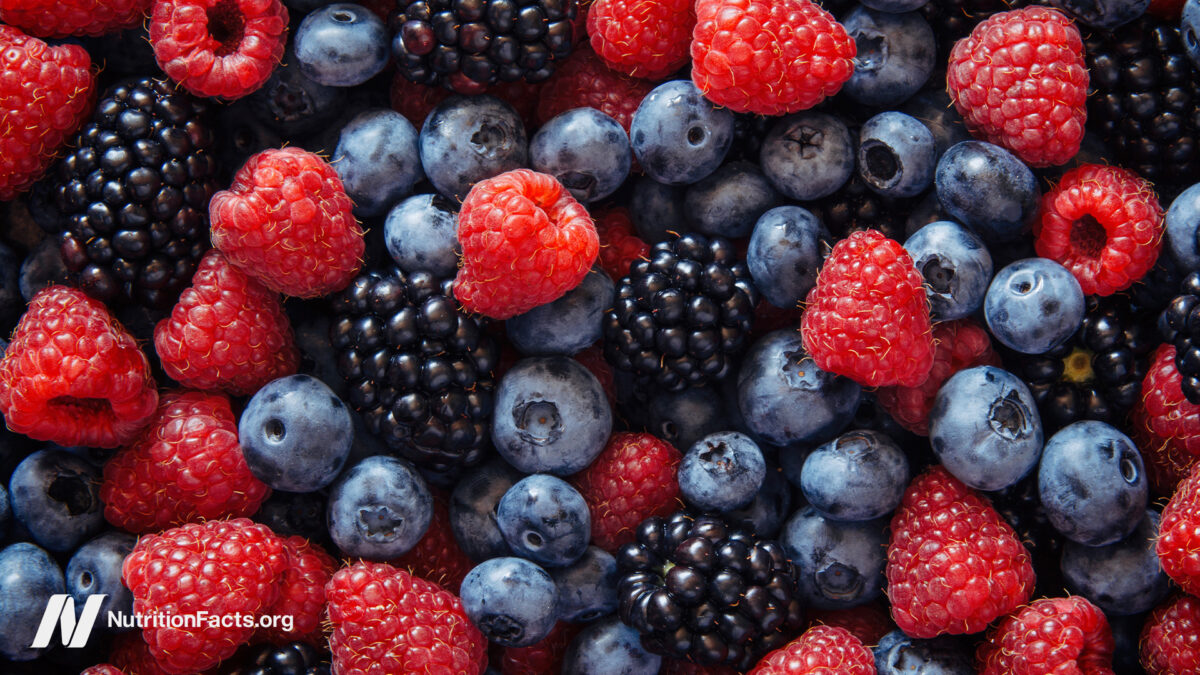
    What happens when blueberries are added to a high-fat, high-glycemic-load meal consisting of white potatoes, white bread, ham, cheese, and butter? Adding a single cup of blueberries caused a significant drop in IL-6 from that meal, as you can see below and at 1:15 in my video Which Foods Are Anti-Inflammatory?.

    What about raspberries? People were fed eggs, butter, white potatoes, white flour biscuits, and sausage with or without two cups of frozen raspberries blended with water into a smoothie, compared to giving others the same amount of calories and carbs in banana form. Bananas were no match for meat, eggs, dairy, and crappy carbohydrates; that meal resulted in a tripling of IL-6 levels within four hours. But by drinking those two cups of raspberries instead, their bodies were able to hold the line, as you can see below and at 1:45 in my video.

    Why did raspberries work but bananas didn’t? Maybe it’s the antioxidants.

    Well, antioxidant supplements failed miserably. There was no benefit from antioxidant vitamins and minerals like vitamins C or E, beta-carotene, or selenium. Maybe it’s those special antioxidant pigments, the anthocyanins, that give berries those bright red, blue, and purple colors? Indeed, that’s what dozens of randomized controlled trials have demonstrated, whereas a half-dozen studies combined show pomegranates, a fruit packed with anthocyanin pigments, can bring down inflammation over time.

    What about adding spices to meals as an approach to cool down inflammation? Supplementation with grape and turmeric extracts did not affect the inflammatory response to a milkshake. But giving people one teaspoon a day of actual turmeric—that is, the whole spice, not purified curcumin supplements—resulted in a significant drop in IL-6 levels.

    Garlic powder reduced IL-6 levels as well, starting at about half a teaspoon a day. Ginger powder (ground ginger) had the same results with doses ranging from half a teaspoon to one and a half teaspoons.

    Of course, another way to mediate the inflammation caused by a Sausage and Egg McMuffin is to not eat it in the first place. What about just eating a plant-based diet? To my surprise, the drop in IL-6 did not reach statistical significance. Whenever a dietary intervention doesn’t have the result you expect, you always have to ask, “What exactly was the diet they actually ate?” The study mostly looked at the Mediterranean diet, which certainly has more plants, but maybe the diets didn’t go far enough? For more clarity, we turn to Dr. Turner-McGrievy’s famous New DIETs study, where people either continued to eat their fully omnivorous diets or were randomized to eat a vegan diet, a vegetarian diet, a pesco-vegetarian diet, or a semi-vegetarian diet that, for example, limited red meat. So, whereas the vegan might eat red beans and brown rice with chopped tomatoes and roasted peppers for dinner, the vegetarian might add some cheese, the pesco-vegetarian might add shrimp, and the semi-vegetarian might add some turkey sausage. Below is a more in-depth look at the five diet patterns, which you can also see at 4:01 in my video.

    What happened within two months to their Dietary Inflammatory Index scores? The Dietary Inflammatory Index is a measure of how inflammatory your diet is. Negative scores mean your overall diet is anti-inflammatory, and the lower, the better, whereas positive scores mean your overall diet is on balance pro-inflammatory, which is exactly where the people in the study started. That comes as no surprise, given that they were eating regular diets and our nation is awash with inflammation-related disease.

    But when the study participants switched to strictly plant-based nutrition, their diet flipped to become an anti-inflammatory diet. That was the case even if they just cut out meat or all meat except fish. But if they instead switched mostly to poultry or only limited their meat intake, their diet remained inflammatory. You can see the results below or at 4:47 in my video.

    Now, not all plant foods are anti-inflammatory. If all you do is boost your intake of less healthy plant foods, like juice, white bread, white potatoes, soda, and cake, you can end up even more inflamed. But if you eat a really clean diet of whole plant foods, you get significant reductions in lipoprotein(a)—Lp(a)—which we didn’t even think was possible with diet—as well as drops in LDL cholesterol and even the most dangerous form of LDL cholesterol. Also, nearly across the board, you get a drop in inflammatory markers; we’re talking a 30% drop in C-reactive protein and a 20% drop in IL-6. So, maybe previous studies with plant-centered diets were unsuccessful because they weren’t plant-based enough, with animal products still being substantially consumed. Therefore, the total “elimination of animal products and processed foods…may be a more prudent dietary strategy” to combat inflammation.

    Doctor’s Note

    Hungry for more? See Foods That Cause Inflammation.

    For more on plant-based diets, see related posts below.


    Source link

  • Benefits, Diet Alternatives, and Lifestyle Changes

    Benefits, Diet Alternatives, and Lifestyle Changes

    Intermittent fasting vs regular meals has become a common question for anyone trying to improve health, manage weight, or gain better control over daily energy levels. Both eating patterns can work, but they do so in different ways and suit different lifestyles and needs.

    What Is Intermittent Fasting?

    Intermittent fasting is an eating pattern that alternates between periods of eating and periods of not eating, or fasting. Rather than focusing on which foods to eat, it focuses on when to eat.

    Popular versions include the 16:8 method (16 hours of fasting and an 8‑hour eating window), the 5:2 approach (five days of regular eating and two lower‑calorie days per week), and alternate‑day fasting.

    Time‑restricted eating is a form of intermittent fasting that limits eating to a specific number of hours each day, often 8–10 hours, with the remaining hours spent fasting overnight.

    In practice, someone might eat all meals between 10 a.m. and 6 p.m., then fast until the next morning. By contrast, a traditional three‑meals‑a‑day pattern spreads breakfast, lunch, and dinner across 12–15 hours, resulting in shorter overnight fasts.

    What Is Regular Meal Timing?

    Regular meal timing refers to eating meals at consistent times each day, usually two to four structured meals. In many cultures, this looks like a familiar pattern of breakfast, lunch, and dinner, sometimes with a planned snack. The focus is on steady, predictable intake throughout the day rather than long fasting windows.

    Traditional diets that rely on regular meals often combine portion control, calorie awareness, and food quality guidelines. Examples include standard weight‑loss plans that prescribe three balanced meals, or a Mediterranean‑style pattern with routine meal times and emphasis on vegetables, whole grains, lean proteins, and healthy fats.

    In these approaches, regular meal timing benefits include easier planning, routine, and the ability to distribute nutrients evenly during the day.

    Intermittent Fasting vs Regular Meals: What Research Suggests

    When comparing intermittent fasting vs regular meals, many studies find that both approaches can lead to weight loss when total calorie intake is similar. Intermittent fasting can naturally reduce calories by shrinking the eating window, while regular meal timing often uses portion control and food choices to create a calorie deficit.

    Time‑restricted eating vs three meals has also been examined in controlled trials. Some research suggests that eating within a shorter daily window may improve markers like insulin sensitivity and blood pressure for certain people, according to Johns Hopkins University.

    Other studies show that traditional patterns with three or more smaller meals can be equally effective for weight management, as long as overall calories and food quality are appropriate. The pattern that works best often comes down to which structure a person can follow consistently.

    Intermittent fasting vs traditional diets is another common comparison. Traditional diets typically cut calories every day, while intermittent fasting may alternate between normal days and restricted days, or compress eating into specific time windows.

    Long‑term results appear similar when adherence and total calories are matched, which means that personal preference and lifestyle fit are key.

    Intermittent Fasting Benefits

    Intermittent fasting benefits are often linked to metabolic changes that occur during fasting periods. When the body goes without food for several hours, it shifts from primarily burning glucose to relying more on stored fat for energy.

    This shift may support fat loss over time, especially when combined with balanced, nutrient‑dense meals during eating windows.

    Another frequently cited benefit involves insulin sensitivity. Longer breaks between meals can allow insulin levels to fall, which may help some people improve blood sugar control.

    Some research also explores potential effects on blood pressure, cholesterol, and inflammation, although findings are still developing and can vary between individuals.

    From a lifestyle perspective, intermittent fasting benefits include simplified decision‑making around food. With fewer meals to plan, some people find it easier to avoid constant snacking and late‑night eating.

    Those who prefer larger, less frequent meals may feel more satisfied eating two substantial meals within an eating window instead of spreading calories across many small meals.

    Regular Meal Timing Benefits

    Regular meal timing benefits focus on stability and predictability. Eating at consistent times can help keep blood sugar and energy levels steadier throughout the day. This can be particularly useful for people who are sensitive to blood sugar swings, such as those with prediabetes or diabetes under medical care.

    Steady meal timing also supports distribution of nutrients. Protein, fiber, and key vitamins and minerals can be spread across breakfast, lunch, and dinner, which may benefit muscle maintenance, digestion, and appetite control.

    For some, smaller, more frequent meals reduce the risk of intense hunger that can lead to overeating later in the day, as per the World Health Organization.

    Regular meal timing can also be helpful for athletes, pregnant or breastfeeding women, and individuals with a history of disordered eating. In these cases, structured meals provide routine and reduce the emphasis on long fasting periods, which may not be appropriate or safe.

    The familiar rhythm of three meals a day can feel psychologically and socially comfortable, especially in households where shared meal times matter.

    Safety, Risks, and Who Should Avoid Intermittent Fasting

    Intermittent fasting is not suitable for everyone. People who are pregnant or breastfeeding, those with a history of eating disorders, some individuals with diabetes, and anyone taking medications that must be taken with food at regular intervals should seek medical advice before trying any fasting protocol.

    Adolescents and children generally require regular intake to support growth and development and are usually not candidates for intermittent fasting patterns.

    Common early side effects may include hunger, fatigue, sleep disruption, or headaches. These often lessen as the body adapts, but careful planning still matters.

    Gradually extending the overnight fast, staying hydrated, and prioritizing balanced, nutrient‑dense meals can reduce discomfort. If symptoms are severe or persistent, discontinuing the approach and consulting a health professional is important.

    Regular meal timing, while generally safe, still depends on overall food quality and portion sizes. A pattern of three highly processed, high‑sugar meals will not offer the same benefits as three balanced meals built around whole foods.

    Intermittent Fasting vs Regular Meal Timing: Key Takeaways for Everyday Health

    For readers comparing intermittent fasting vs regular meals, the main takeaway is that both patterns can support health and weight goals when they are well planned and sustainable.

    Intermittent fasting benefits may appeal to those who like clear time rules and fewer daily eating decisions, while regular meal timing benefits may resonate with those who prefer routine, stable energy, and compatibility with family or medical needs.

    Intermittent fasting vs traditional diets is less a battle between opposites and more a question of which structure makes it easiest to eat balanced, satisfying foods consistently.

    Time‑restricted eating vs three meals, in practice, becomes a personal experiment, with long‑term success depending less on the clock and more on what is on the plate and how well the pattern fits real life.

    Frequently Asked Questions

    1. Can someone build muscle while doing intermittent fasting?

    Yes, if overall protein intake, total calories, and resistance training are sufficient during the eating window, muscle can still be built.

    2. Does intermittent fasting work if someone eats unhealthy foods during their eating window?

    Results are likely limited; food quality still matters for weight, energy, and long‑term health regardless of meal timing.

    3. Is it better to exercise during the fasted window or after a meal?

    It depends on comfort and performance; some feel fine training fasted, while others perform better and feel safer after a small meal.

    4. Can regular meal timing be adjusted for night‑shift workers?

    Yes, “regular” simply means consistent; night‑shift workers can set stable meal times aligned with their wake and sleep schedule.


    Source link

  • Keeping Better Score of Your Diet

    Keeping Better Score of Your Diet

    How can you get a perfect diet score?

    How do you rate the quality of people’s diets? Well, “what could be more nutrient-dense than a vegetarian diet?” Indeed, if you compare the quality of vegetarian diets with non-vegetarian diets, the more plant-based diets do tend to win out, and the higher diet quality in vegetarian diets may help explain greater improvements in health outcomes. However, vegetarians appear to have a higher intake of refined grains, eating more foods like white rice and white bread that have been stripped of much of their nutrition. So, just because you’re eating a vegetarian diet doesn’t mean you’re necessarily eating as healthfully as possible.

    Those familiar with the science know the primary health importance of eating whole plant foods. So, how about a scoring system that simply adds up how many cups of fruits, vegetables, whole grains, beans, chickpeas, split peas, and lentils, and how many ounces of nuts and seeds per 1,000 calories (with or without counting white potatoes)? Looking only at the total intake of whole plant foods doesn’t mean you aren’t also stuffing donuts into your mouth. So, you could imagine proportional intake measures, based on calories or weight, to determine the proportion of your diet that’s whole plant foods. In that case, you’d get docked points if you eat things like animal-derived foods—meat, dairy, or eggs—or added sugars and fats.

    My favorite proportional intake measure is McCarty’s “phytochemical index,” which I’ve profiled previously. I love it because of its sheer simplicity, “defined as the percent of dietary calories derived from foods rich in phytochemicals.” It assigns a score from 0 to 100, based on the percentage of your calories that are derived from foods rich in phytochemicals, which are biologically active substances naturally found in plants that may be contributing to many of the health benefits obtained from eating whole plant foods. “Monitoring phytochemical intake in the clinical setting could have great utility” in helping people optimize their diet for optimal health and disease prevention. However, quantifying phytochemicals in foods or tissue samples is impractical, laborious, and expensive. But this concept of a phytochemical index score could be a simple alternative method to monitor phytochemical intake.

    Theoretically, a whole food, plant-based or vegan diet that excluded refined grains, white potatoes, hard liquors, added oils, and added sugars could achieve a perfect score of 100. Lamentably, most Americans’ diets today might be lucky to score just 20. What’s going on? In 1998, our shopping baskets were filled with about 20% whole plant foods; more recently, that has actually shrunk, as you can see below and at 2:49 in my video Plant-Based Eating Score Put to the Test.

    Wouldn’t it be interesting if researchers used this phytochemical index to try to correlate it with health outcomes? That’s exactly what they did. We know that studies have demonstrated that vegetarian diets have a protective association with weight and body mass index. For instance, a meta-analysis of five dozen studies has shown that vegetarians had significantly lower weight and BMI compared with non-vegetarians. And even more studies show that high intakes of fruits, vegetables, whole grains, and legumes may be protective regardless of meat consumption. So, researchers wanted to use an index that gave points for whole plant foods. They used the phytochemical index and, as you may recall from an earlier video, tracked people’s weight over a few years, using a scale of 0 to 100 to simply reflect what percentage of a person’s diet is whole plant foods. And even though the healthiest-eating tier only averaged a score of about 40, which meant the bulk of their diet was still made up of processed foods and animal products, just making whole plant foods a substantial portion of the diet may help prevent weight gain and decrease body fat. So, it’s not all or nothing. Any steps we can take to increase our whole plant food intake may be beneficial.

    Many more studies have since been performed, with most pointing in the same direction for a variety of health outcomes—indicating, for instance, higher healthy plant intake is associated with about a third of the odds of abdominal obesity and significantly lower odds of high triglycerides. So, the index may be “a useful dietary target for weight loss,” where there is less focus on calorie intake and more on increasing consumption of these high-nutrient, lower-calorie foods over time. Other studies also suggest the same is true for childhood obesity.

    Even at the same weight, with the same amount of belly fat, those eating plant-based diets tend to have higher insulin sensitivity, meaning the insulin they make works better in their body, perhaps thanks to the compounds in plants that alleviate inflammation and quench free radicals. Indeed, the odds of hyperinsulinemia—an indicator of insulin resistance—were progressively lower with greater plant consumption. No wonder researchers found 91% lower odds of prediabetes for people getting more than half their calories from healthy plant foods.

    They also found significantly lower odds of metabolic syndrome and high blood pressure. There were only about half the odds of being diagnosed with hypertension over a three-year period among those eating more healthy plants. Even mental health may be impacted—about 80% less depression, 2/3 less anxiety, and 70% less psychological distress, as you can see below and at 5:15 in my video.

    Is there a link between the dietary phytochemical index and benign breast diseases, such as fibrocystic diseases, fatty necrosis, ductal ectasia, and all sorts of benign tumors? Yes—70% lower odds were observed in those with the highest scores. But what about breast cancer? A higher intake of healthy plant foods was indeed associated with a lower risk of breast cancer, even after controlling for a long list of other factors. And not just by a little bit. Eating twice the proportion of plants compared to the standard American diet was linked to more than 90% lower odds of breast cancer.

    Doctor’s Note

    You can learn more about the phytochemical index in Calculate Your Healthy Eating Score.

    If you’re worried about protein, check out Flashback Friday: Do Vegetarians Get Enough Protein?

    It doesn’t have to be all or nothing, though. Do Flexitarians Live Longer?

    For more on plant-based junk, check out Friday Favorites: Is Vegan Food Always Healthy?.


    Source link

  • The Ultimate Energy Boosting Diet for All-Day Strength and Anti-Fatigue Nutrition

    The Ultimate Energy Boosting Diet for All-Day Strength and Anti-Fatigue Nutrition

    In today’s fast-paced world, maintaining consistent energy can be a challenge. Many people rely on caffeine or sugar for quick boosts, only to find themselves feeling more fatigued later. A smarter and more sustainable approach involves nourishing the body with the right balance of anti-fatigue nutrition.

    By embracing vitality foods and adopting an energy boosting diet, individuals can improve focus, stamina, and overall well-being.

    What Causes Fatigue and Low Energy?

    Fatigue can stem from a range of physical and lifestyle factors. Inadequate sleep, dehydration, stress, and poor nutrition are among the most common causes. When the body lacks essential nutrients, such as iron, magnesium, and B vitamins, it struggles to produce enough energy at the cellular level.

    Blood sugar fluctuations also play a key role. Consuming refined carbohydrates or sugary snacks causes rapid spikes and drops in glucose, which can leave a person feeling drained. Hormonal imbalances, including those related to thyroid function or adrenal fatigue, may further intensify tiredness.

    Recognizing these underlying factors helps guide appropriate dietary choices, ensuring food supports, not sabotages, natural energy levels.

    What Are Vitality Foods?

    Vitality foods are nutrient-dense options that strengthen the body’s ability to generate energy efficiently. Unlike simple “energy boosters” that work temporarily, vitality foods promote sustained stamina and enhance cellular vitality.

    These foods are typically rich in:

    • Complex carbohydrates, which release energy gradually.
    • Lean protein, providing amino acids essential for tissue repair and energy metabolism.
    • Healthy fats, such as omega-3 fatty acids, that support brain function and hormone regulation.
    • Vitamins and minerals, particularly B vitamins, magnesium, and iron, which aid in converting food into usable energy.

    Examples include whole grains, legumes, eggs, fatty fish, nuts, seeds, and colorful fruits and vegetables. A diet built around these ingredients forms the foundation of an energy boosting diet that supports ongoing health and productivity.

    What Foods Help You Wake Up with More Energy?

    Morning meals set the tone for the day’s vitality. Choosing the right foods at breakfast helps stabilize blood sugar levels and sustain concentration through midday, according to the World Health Organization.

    Some of the most effective morning vitality foods include:

    • Whole grains such as oats, quinoa, or brown rice, which provide slow-releasing carbohydrates for continuous energy.
    • Eggs, rich in protein and choline, support both muscular and cognitive performance.
    • Greek yogurt combined with fruits like bananas or berries offers probiotics for digestion and natural sugars for gentle stimulation.
    • Nuts and seeds, supplying healthy fats and magnesium that combat fatigue.

    To reap the benefits, breakfast should include a balance of complex carbs, lean protein, and fiber. For instance, an oatmeal bowl topped with yogurt, fruits, and chia seeds can serve as a complete energy boosting diet meal to jumpstart the day.

    What Foods Reduce Tiredness and Boost Stamina?

    When fighting chronic tiredness, a focus on anti-fatigue nutrition becomes essential. This approach emphasizes nutrient synergy, ensuring the body receives all necessary components to optimize oxygen transport, muscle function, and metabolism.

    Key examples of anti-fatigue foods include:

    • Iron-rich foods such as spinach, lentils, tofu, and lean meats, which enhance oxygen delivery through red blood cells.
    • Magnesium sources like almonds, pumpkin seeds, and leafy greens that help relax muscles and regulate energy production.
    • Vitamin C–rich foods such as oranges, papaya, and bell peppers that improve iron absorption and immune function.
    • Hydrating choices, including coconut water and watery fruits like watermelon and citrus, keeping energy systems functioning efficiently.

    These foods not only counteract tiredness but also enhance endurance, making them vital components of anti-fatigue nutrition plans for athletes and active individuals.

    Are There Specific Foods That Help Mental Energy?

    Physical fatigue often coincides with mental exhaustion. Supporting cognitive performance requires a combination of steady glucose levels, proper hydration, and brain-specific nutrients.

    Foods that enhance mental vitality include:

    • Fatty fish, such as salmon and sardines, supplying omega-3 fatty acids that improve focus and memory.
    • Dark chocolate, rich in antioxidants and natural stimulants like theobromine, providing gentle alertness.
    • Green tea, delivering L-theanine, an amino acid that promotes calm concentration without caffeine jitters.
    • Blueberries, known for their brain-protective flavonoids that help combat oxidative stress.

    By integrating these choices into an energy boosting diet, individuals can experience sharper thinking and reduced mental fatigue throughout the day, as per Harvard Health.

    What Drinks Are Best for Boosting Energy Naturally?

    While food provides the foundation for vitality, beverages also play a critical role. The majority of fatigue symptoms can worsen if hydration is overlooked, as even mild dehydration impairs focus and endurance.

    Best natural energy drinks include:

    • Water infused with lemon or cucumber, which supports metabolism and refreshes the body.
    • Matcha, containing antioxidants and moderate caffeine for balanced stimulation.
    • Beet juice, improving blood flow and endurance through natural nitrates.
    • Herbal teas, like ginseng or rooibos, known for their gentle energizing qualities.

    Conversely, overconsuming sugary or highly caffeinated drinks can lead to short-lived spikes followed by energy crashes. Replacing these with nutrient-dense beverages aligns with anti-fatigue nutrition principles.

    How to Build an Energy Boosting Diet Plan

    Designing an energy boosting diet involves more than selecting individual foods, it’s about building balanced, sustainable habits. Timing, combination, and variety make a significant difference.

    Sample 1-Day Vitality Meal Plan:

    • Breakfast: Overnight oats with chia seeds, banana slices, and almond butter.
    • Mid-morning snack: Greek yogurt with mixed berries.
    • Lunch: Grilled salmon with brown rice, spinach, and steamed vegetables.
    • Afternoon snack: A handful of mixed nuts and an apple.
    • Dinner: Stir-fried tofu with quinoa, broccoli, and sesame oil.
    • Beverages: Water, green tea, and a post-dinner cup of chamomile tea for relaxation.

    This structure ensures steady nutrient intake throughout the day. Each meal emphasizes vitality foods from different categories, delivering a mix of macronutrients and micronutrients that maintain consistent energy.

    To maintain results long-term, it’s also beneficial to:

    • Eat consistently, avoid skipping meals, as it disrupts blood sugar and slows metabolism.
    • Stay hydrated with at least eight glasses of water per day.
    • Include protein in every meal to promote sustained energy.
    • Reduce processed foods high in sugar, as they trigger fatigue cycles.

    These small but meaningful changes cultivate better energy balance and overall vitality.

    Food is a powerful factor in determining how energetic and resilient the body feels each day. Incorporating vitality foods such as whole grains, lean proteins, leafy greens, and fresh fruits provides sustained fuel and prevents energy crashes.

    By crafting an energy boosting diet around nutrient-dense, minimally processed ingredients, individuals can counteract fatigue naturally, without relying on stimulants or quick fixes.

    Ultimately, anti-fatigue nutrition is not about temporary bursts of energy but long-term wellness. It supports the body’s natural cycles, strengthens cellular function, and enhances both physical and mental performance. Through thoughtful dietary choices, anyone can unlock greater vitality, sharper focus, and lasting endurance in daily life.

    Frequently Asked Questions

    1. Can supplements replace vitality foods for boosting energy?

    While supplements can help fill nutrient gaps, they cannot replicate the full benefits of whole foods. Vitality foods contain fiber, antioxidants, and micronutrients that work together to enhance energy metabolism naturally. Supplements may support health when prescribed, but a well-balanced diet remains the most effective approach to sustained vitality.

    2. How does meal timing influence energy levels throughout the day?

    Meal timing plays a significant role in maintaining steady energy. Eating smaller, balanced meals every 3–4 hours prevents blood sugar spikes and crashes. Consuming protein at breakfast and avoiding heavy, late-night meals also supports better digestion and consistent alertness.

    3. Do certain cooking methods affect the energy-boosting nutrients in food?

    Yes, nutrient retention depends on how food is prepared. Steaming, grilling, and sautéing lightly help preserve vitamins like C and B-complex, which support energy production. Overcooking or deep-frying can destroy these nutrients and add excess fat, diminishing the benefits of anti-fatigue nutrition.

    4. Can an energy boosting diet improve sleep quality?

    An energy boosting diet can indirectly promote better sleep by stabilizing blood sugar and reducing stress hormones. Foods rich in magnesium, tryptophan, and complex carbohydrates support relaxation and melatonin production, creating a balanced energy cycle between day and night.


    Source link

  • Your Ultimate Inflammation Diet Guide

    Your Ultimate Inflammation Diet Guide

    Inflammation is a natural immune response, but chronic inflammation can lead to pain and various health issues, including compromised gut health. The anti-inflammatory diet focuses on consuming foods that reduce inflammation, thereby alleviating pain and supporting a healthy digestive system. This article explores the best anti-inflammatory foods, the connection between diet and gut health, and practical ways to incorporate these foods into daily eating habits.

    What Are Anti-Inflammatory Foods?

    Anti-inflammatory foods contain compounds that help calm the body’s inflammatory responses. These include antioxidants, polyphenols, vitamins, and minerals found in whole, unprocessed foods. Some of the top anti-inflammatory foods include:

    • Fruits and vegetables rich in color and nutrients, such as berries, cherries, broccoli, kale, spinach, carrots, and tomatoes. These provide antioxidants that neutralize harmful free radicals contributing to inflammation.
    • Fatty fish like salmon, sardines, and mackerel, which are high in omega-3 fatty acids known to reduce inflammatory markers.
    • Nuts and seeds, such as walnuts, almonds, chia seeds, flaxseeds, and pumpkin seeds, contain healthy fats and fiber that support anti-inflammatory processes.
    • Whole grains like quinoa, oats, and brown rice provide fiber that supports gut health.
    • Spices and herbs, including turmeric, ginger, garlic, cinnamon, and rosemary, with bioactive compounds that reduce cytokine activity linked to inflammation.
    • Healthy oils such as extra virgin olive oil, which contains oleocanthal, known for anti-inflammatory effects.

    These foods not only reduce inflammation but also promote overall health through their nutrient density.​

    How Does an Anti-Inflammatory Diet Improve Gut Health?

    The gut is home to a diverse microbiome that plays a crucial role in digestion, immunity, and inflammation regulation, according to the National Institutes of Health. An anti-inflammatory diet supports gut health in several ways:

    • Dietary fiber from fruits, vegetables, legumes, and whole grains feeds beneficial gut bacteria, enhancing their growth and diversity. This supports a balanced microbiome and helps reduce gut inflammation.
    • Fermented foods like yogurt, kimchi, and sauerkraut introduce probiotics that improve gut flora balance and strengthen the gut barrier, preventing harmful pathogens from triggering inflammation.
    • Omega-3 fatty acids found in fatty fish reduce inflammation in the gut lining by modulating immune cell responses and cytokine production.
    • Antioxidants and polyphenols in anti-inflammatory foods protect gut cells from oxidative stress and inflammation-induced damage.
    • Improving gut health through diet not only aids digestion but also helps reduce systemic inflammation, which can manifest as chronic pain or fatigue.​

    Foods to Avoid in an Inflammation Diet

    To effectively reduce inflammation and support gut health, it is important to avoid or limit foods that can trigger or worsen inflammatory responses:

    • Processed foods high in refined sugars and unhealthy fats contribute to inflammation and disrupt gut microbiota balance.
    • Excessive consumption of red and processed meats, especially charred or grilled types, can increase inflammatory markers.
    • Trans fats and hydrogenated oils found in many fast foods and baked goods promote inflammation.
    • Some individuals may benefit from limiting nightshade vegetables (tomatoes, eggplants, peppers) if these foods exacerbate their symptoms.
    • Excessive alcohol can also damage the gut lining and increase inflammation.
    • Choosing whole, minimally processed foods over these inflammatory triggers is key to a successful inflammation diet.​

    Incorporating Anti-Inflammatory Foods into Daily Life

    A sustainable anti-inflammatory diet can be enjoyable and varied. Practical tips include:

    • Adopting a Mediterranean-style diet, which emphasizes fruits, vegetables, whole grains, legumes, nuts, fish, and healthy oils, all rich in anti-inflammatory nutrients.
    • Starting meals with colorful vegetables and including a variety of plant-based foods to maximize nutrient intake.
    • Using herbs and spices like turmeric and ginger to enhance flavor while benefiting from their anti-inflammatory properties.
    • Snacking on nuts, seeds, or berries instead of processed snacks.
    • Incorporating fermented foods regularly to boost gut health.
    • Choosing fatty fish at least twice a week for omega-3 intake.

    Sample meal ideas could include a salmon and kale salad with olive oil dressing, a turmeric-spiced vegetable stir-fry, or a berry and chia seed smoothie.​

    The anti-inflammatory diet offers a holistic approach to managing pain and enhancing gut health through nourishing, whole foods that target inflammation at its source, according to the Heart and Stroke Foundation of Canada. Adopting it can support long-term wellness and improved quality of life.

    Frequently Asked Questions

    1. Is an anti-inflammatory diet safe and beneficial during pregnancy?

    Yes, an anti-inflammatory diet can be beneficial during pregnancy as it may help manage inflammation that is linked to pregnancy complications such as gestational diabetes and preterm birth. Including foods rich in antioxidants and omega-3 fatty acids supports maternal and fetal health. However, pregnant individuals should consult healthcare providers to tailor the diet to their specific needs for safety and optimal outcomes.​

    2. Can an anti-inflammatory diet improve fertility and reproductive health?

    Emerging evidence suggests that consuming anti-inflammatory foods before and during conception may positively influence fertility by improving endocrine and metabolic parameters, which could benefit conditions like polycystic ovary syndrome (PCOS). Though clinical fertility outcome data is limited, an inflammation-reducing diet might support reproductive health through systemic inflammation reduction.​

    3. How does chronic inflammation during pregnancy affect the child’s long-term health?

    Maternal diet-induced inflammation during pregnancy has been linked with risks of adverse outcomes for the child, including a potentially increased risk of autoimmune conditions like type 1 diabetes. An anti-inflammatory diet may reduce low-grade inflammation during pregnancy, which could lower such risks and promote healthier fetal development.​

    4. Are there any potential side effects or risks associated with following an anti-inflammatory diet long term?

    Generally, an anti-inflammatory diet emphasizing whole, nutrient-dense foods is considered safe with minimal risk for most people. However, overly restrictive versions of the diet might lead to nutrient imbalances. It is important to maintain a balanced intake of all essential nutrients and consult healthcare providers before making significant dietary changes, especially for people with medical conditions or special dietary needs.


    Source link

  • Islam Wardak on Why Diet and Exercise Aren’t Enough Without Spinal Health

    Islam Wardak on Why Diet and Exercise Aren’t Enough Without Spinal Health

    When it comes to personal health, many people focus on visible markers, such as weight, diet, or fitness levels. While these are important, Islam Wardak notes that deeper systems often go unnoticed—particularly those related to spinal health. The spine plays a central role in how the body functions, communicates, and recovers.

    Fatigue, poor posture, and chronic aches can all be traced back to the spine, yet it’s rarely addressed until pain becomes chronic. Being mindful doesn’t demand a complete lifestyle overhaul, just small, consistent actions that protect and enhance one of the body’s most vital structures.

    The Spine’s Role

    The spine is more than just a structural support—it’s a central highway for the nervous system. Signals between your brain and body travel through the spinal cord, influencing everything from digestion to circulation. If alignment is off, these signals can be disrupted, creating a ripple effect across multiple systems. This kind of interference can exacerbate existing conditions or slow down the body’s natural repair processes.

    When people experience low energy, poor sleep, or sluggish recovery after workouts, the spine is rarely the first thing they consider. Yet even minor misalignments can interfere with how the body heals, performs, and manages stress. A misfiring nervous system can quietly hinder progress, even when your diet and workouts are on point. In athletes and active individuals, this becomes even more important as spinal tension can limit strength and flexibility gains.

    Signs Your Spine Needs Attention

    Tight shoulders, recurring headaches, or a stiff lower back might seem like minor annoyances, but they can be signals of an underlying spinal imbalance. Many people attribute these issues to stress or aging without realizing they may stem from poor spinal alignment. Subtle warning signs like uneven shoe wear or one hip sitting higher than the other can also indicate an imbalance.

    Postural changes, like slouching at a desk or carrying weight unevenly, can gradually lead to discomfort that limits mobility. When these patterns go unchecked, they can reduce the benefits of exercise by restricting movement or increasing the risk of strain. Paying attention to these early signs can make a meaningful difference in long-term health. Even small adjustments in posture or work habits can ease pressure and restore better spinal alignment.

    The Limits of Diet and Exercise

    Clean eating and regular workouts are often seen as the gold standard for health, yet many still experience plateaus or unexplained fatigue despite their best efforts. What’s often overlooked is how spinal misalignment can restrict blood flow, compress nerves, and reduce the body’s ability to fully recover from physical activity.

    You might follow a strict meal plan and train consistently, but if your spine isn’t supporting your body efficiently, nutrients may not get absorbed properly, or muscles might not engage as they should. This can leave you feeling like your progress doesn’t match your effort, leading to frustration and burnout over time. Addressing spinal health can often reignite progress and bring balance back into a wellness routine.

    Everyday Habits That Support Spinal Health

    Long hours at a desk, poor posture while scrolling on a phone, or even sleeping in awkward positions can gradually wear down spinal alignment. Making small adjustments—like setting up a more ergonomic workspace or taking walking breaks—can ease that strain and promote better balance throughout the day.

    Daily exercise matters, especially when it includes activities that strengthen the core and encourage flexibility. Simple habits like stretching upon waking or staying mindful of your posture while standing in line can go a long way. Over time, these efforts help reinforce spinal stability and overall resilience.

    Building a Stronger Wellness Foundation

    True wellness isn’t about one perfect habit—it’s about how your systems work together. When spinal health is factored into your routine alongside nutrition and exercise, everything starts to function more cohesively. The body recovers faster, moves with greater efficiency, and responds better to healthy habits.

    Integrating spinal care into your lifestyle doesn’t require dramatic changes. It’s more about awareness and alignment—literally and figuratively. When the spine is supported, the entire body benefits, laying a more stable foundation for long-term vitality.

    Source link

  • Scientific Consensus on a Healthy Diet 

    Scientific Consensus on a Healthy Diet 

    The leading risk factor for death in the United States is the American diet.

    About a decade ago, the American Heart Association (AHA) expressed concern that its “2020 target of improving cardiovascular health by 20% by 2020 will not be reached if current trends continue.” By 2006, most people were already not smoking and had nearly achieved their goal for exercise. But when it came to healthy diet score, only about 1 percent got a 4 or 5 out of its diet quality score of 0 to 5, as you can see below and at 0:35 in my video, Friday Favorites: The Scientific Consensus on a Healthy Diet. And that’s with such “ideal” criteria as drinking less than four and a half cups of soda a week.

    In the last decade, the AHA saw a bump in the prevalence of the ideal healthy diet score to about 1 percent of Americans reaching those kinds of basic criteria, but, given its “aggressive” goal of reaching a “20% target” by 2020, it hoped to turn that 1 percent into about 1.2 percent. (Really, as you can see here and at 1:01 in my video.)

    So, how’d we do? According to the 2019 update, it seems we’ve slipped down to as low as one in a thousand, and American teens scored a big fat zero. No wonder, perhaps, that “for all mortality-based metrics, the US rank declined…to 27th or 28th among 34 OECD [industrialized] countries. Citizens living in countries with a substantially lower gross domestic product and health expenditure per capita…have lower mortality rates than those in the United States.” Slovenia, for example, beat the United States, ranking 24th in life expectancy. More recently, the United States’s life expectancy slipped further, down to 43rd in the world, although the United States spent the most ($3.0 trillion) on health care…”

    What is the leading risk factor for death in the United States? As seen below and at 2:04 in my video, it is the standard American diet. Those trillions in health care spending aren’t addressing the root cause of disease, disability, and death. 

    Here are some of the lung cancer death curves, below and at 2:08 in my video:

    It took decades to finally turn the corner, but it’s so nice to finally see those drops. When will we see the same with diet?

    “Approximately 80% of chronic disease and premature death could be prevented by not smoking, being physically active, and adhering to a healthful dietary pattern.” What exactly is meant by “healthy diet”? “Unfortunately, media messages surrounding nutrition are often inconsistent, confusing, and do not enable the public to make positive changes in health behaviors….Certainly, there is pressure within today’s competitive journalism market for sensationalism. There may even be a disincentive to present the facts in the context of the total body of information consumers need to act on dietary recommendations.” And there’s an incentive to sell more magazines and newspapers. The paper I’m quoting was written in 1997, before the lure of clickbait headlines. In fact, about three-quarters of a century ago, it was noted: “It is unfortunate that the subject of nutrition seems to have a special appeal to the credulous, the social zealot and, in the commercial field, the unscrupulous….The combination is one calculated to strike despair in the hearts of the sober, objective scientist.”

    Indeed, the most important health care problem we face may be “our poor lifestyle choices based on misinformation.” It is like the climate change deniers: “Analogous to outspoken cynics denying climate change and influencing public opinion, healthy lifestyle and dietary advice are overshadowed by critics, diet books, the food industry, and misguided information in the media.” Maybe we need an entity like the Intergovernmental Panel on Climate Change (IPCC)—but for nutrition.

    These days, “no single expert, regardless of academic stature or reputation, has the prominence to overcome the obstacles created by confusing media messages and deliver the fundamental principles of healthy living effectively to the public.”

    What if there were “a global coalition consisting of a variety of nutrition experts, who collectively represent the views held by the majority of scientists, physicians, and health practitioners” that could “serve as the guiding resource of sound nutrition information for improved health and prevention of disease”?

    Enter the True Health Initiative, which “was conceived for that very purpose.” A nonprofit coalition of hundreds of experts from dozens of countries has agreed to a consensus statement on the fundamentals of healthy living. See www.truehealthinitiative.org.

    Spoiler alert: The healthiest diet is one generally comprised mostly of minimally processed plants.


    Source link

  • Treating Hashimoto’s Disease (Hypothyroidism) Naturally with Diet 

    Treating Hashimoto’s Disease (Hypothyroidism) Naturally with Diet 

    What were the results of a randomized, double-blind, placebo-controlled trial of a daily half teaspoon of powdered black cumin in Hashimoto’s patients?

    “Autoimmune thyroiditis, also known as Hashimoto’s thyroiditis, is an organ-specific autoimmune disorder,” where our body attacks our own thyroid gland, often leading to hypothyroidism due to destruction and scarring of the gland itself. We know there’s a genetic component, since identical twins are more likely to share the disease than fraternal twins. “However, even with identical twins, the concordance rate was only about 50%, emphasizing that important factors such as the environment play a role in disease pathogenesis.” Indeed, even if your identical twin, who has basically your exact same DNA, has the disease, there’s only like a flip of a coin’s chance you’ll get it. Genes load the gun, but the environment may pull the trigger.

    More than 90 synthetic chemicals were noted to show disruption of hormonal balance or thyroid dysfunction.” However, only a few such ‘pollutants show evidence that they contribute to autoimmune thyroid disease.” These include polyaromatic hydrocarbons. Smokers get a lot of them from cigarettes, but in nonsmokers, exposure comes almost entirely from food, as you can see below and at 1:18 in my video Diet for Hypothyroidism: A Natural Treatment for Hashimoto’s Disease

    Polycyclic aromatic hydrocarbons are primarily formed when muscle meats, such as beef, pork, fish, or chicken, are cooked using high-temperature methods, such as grilling. PBBs, polybrominated biphenols, are a type of flame-retardant chemical no longer manufactured in the United States, but are still found in the aquatic food chain. PCBs, polychlorinated biphenols, are used in a number of industrial processes and end up in people’s bodies, again, largely through the consumption of fish, but also eggs and other meats, as seen here and at 1:41 in my video.

    So, one might suspect those eating plant-based diets would have lower rates of hypothyroidism, and, indeed, despite their lower iodine intake, vegan diets tended to be protective. But they’ve never been put to the test in an interventional trial. A modification of the Paleolithic diet has been tried in Hashimoto’s patients, but it didn’t appear to improve thyroid function. What did, though, is Nigella Sativa. That name should sound familiar to anyone who’s read my book How Not to Diet or watched my live Evidence-Based Weight Loss presentation. Nigella Sativa is the scientific name for black cumin, which is just a simple spice that’s also used for a variety of medicinal purposes.

    In one study, Hashimoto’s patients received a half teaspoon of powdered black cumin every day for eight weeks in a randomized, double-blind, placebo-controlled trial. Not only was there a significant reduction in body weight, which is why I profiled it in my book, but the black cumin also significantly reduced the thyroid-stimulating hormone, a sign that thyroid function was improving. It even lowered the level of autoimmune anti-thyroid antibodies, as well as increased blood levels of thyroid hormone T3 in these Hashimoto’s patients. In addition, there was a significant drop in Interleukin 23, a proinflammatory cell signal thought to help promote the autoimmune inflammation of the thyroid, which “further confirms the anti-inflammatory nature of the plant.” And what were the side effects? There was a 17 percent drop in “bad” LDL cholesterol, as shown below and at 3:19 in my video.

    Given the fact that patients with Hashimoto’s may be at particularly high risk of developing heart disease, this is exactly the kind of side effects we’d want. “Considering these health-promoting effects of N. Sativa [black cumin], it can be considered as a therapeutic approach in the management of Hashimoto-related metabolic abnormalities.”

    A similar trial failed to find a benefit, though. Same dose, same time frame, but no significant changes in thyroid function. In contrast with the previous study, though, the study participants were not all Hashimoto’s patients, but rather hypothyroid for any reason, and that may have diluted the results. And it’s possible that telling patients to take the black cumin doses with their thyroid hormone replacement therapy may have interfered with its absorption, which is an issue similar to other foods and drugs, and why patients are normally told to take it on an empty stomach. Since there are no downsides—it’s just a simple spice—I figure, why not give it a try? The worst that can happen is you’ll have tastier food.

    Doctor’s Note:

    I get a lot of questions about thyroid function, and I am glad to have been able to do this series. If you missed any of the other videos, see the related posts below.

    For more on black cumin, see my book How Not to Diet and my presentation Evidence-Based Weight Loss


    Source link