Tag: day

  • How Hormones Change Across the Day: Cortisol, Melatonin, and Energy Slumps

    How Hormones Change Across the Day: Cortisol, Melatonin, and Energy Slumps

    Hormones play a central role in shaping how the body feels and functions from morning to night. From the moment a person wakes up to the time they fall asleep, hormones like cortisol and melatonin follow a predictable pattern tied to the circadian rhythm.

    These natural fluctuations influence alertness, focus, and even the familiar experience of daily energy slumps. Understanding how hormones shift across the day can help explain why energy rises and falls, and what can be done to stay balanced.

    Understanding the Circadian Rhythm and Hormones

    The circadian rhythm is the body’s internal 24-hour clock that regulates sleep, wakefulness, and hormone production. It is controlled by a small region in the brain called the suprachiasmatic nucleus, which responds primarily to light and darkness.

    Hormones such as cortisol and melatonin are tightly linked to this rhythm. When the eyes detect light in the morning, signals are sent to reduce melatonin production and increase cortisol levels. As daylight fades, the process reverses. This cycle ensures that the body stays aligned with environmental cues, supporting consistent energy levels and sleep quality.

    What Is the Circadian Rhythm and Why Is It Important?

    The circadian rhythm is essential because it synchronizes biological processes, including hormone release, digestion, and body temperature. When this rhythm is disrupted, by irregular sleep or excessive screen time, it can lead to fatigue, poor focus, and more frequent daily energy slumps.

    Morning Hormones: The Cortisol Awakening Response

    Cortisol, often referred to as the “stress hormone,” plays a key role in waking the body up. In healthy individuals, cortisol levels rise sharply within the first 30 to 45 minutes after waking. This is known as the cortisol awakening response.

    This hormone boost increases alertness, sharpens focus, and prepares the body for the day ahead. It also helps regulate metabolism and blood sugar levels, ensuring that energy is readily available.

    Why Is Cortisol Highest in the Morning?

    Cortisol peaks in the morning because the circadian rhythm signals the body to transition from rest to activity. This rise supports mental clarity and physical readiness, making it easier to start the day productively.

    Midday Balance: Sustaining Energy Through Hormones

    As the morning progresses, cortisol levels gradually stabilize rather than remain elevated. During this period, other hormones such as insulin and dopamine contribute to maintaining steady energy and motivation, according to Harvard Health.

    This balance often explains why many people experience peak productivity in the late morning hours. The body is fully awake, hormone levels are stable, and cognitive performance tends to be at its best.

    Why Do People Feel Most Productive in the Morning?

    Morning productivity is often linked to optimal hormone balance. Cortisol is still relatively elevated, supporting alertness, while distractions and fatigue have not yet accumulated. This creates an ideal window for focused work.

    Afternoon Energy Slumps and Hormonal Shifts

    Many people notice a dip in energy during the early to mid-afternoon. These daily energy slumps are not simply the result of a heavy lunch, they are also influenced by the circadian rhythm.

    During this time, cortisol levels decline slightly, and the body experiences a natural lull in alertness. Blood sugar fluctuations after eating can further contribute to feelings of sleepiness.

    Why Do People Feel Sleepy in the Afternoon?

    Afternoon fatigue is partly driven by the body’s internal clock. The circadian rhythm includes a natural dip in energy, typically between 1 PM and 3 PM. Combined with digestion and lower cortisol levels, this creates the perfect conditions for a temporary slowdown.

    Evening Transition: Melatonin and Hormones

    As the day winds down, the body begins preparing for rest. Cortisol levels continue to drop, while melatonin production gradually increases in response to reduced light exposure.

    Melatonin is often called the “sleep hormone” because it signals to the body that it is time to wind down. This shift helps reduce alertness and promotes relaxation.

    What Time Does Melatonin Peak?

    Melatonin levels typically begin rising in the evening and peak during the night, usually between 2 AM and 4 AM. This peak supports deep, restorative sleep and aligns with the body’s natural circadian rhythm, as per Cleveland Clinic.

    Nighttime Hormones and Sleep Quality

    During sleep, melatonin works alongside other hormones to support recovery and repair. Growth hormone, for example, is released during deep sleep stages, helping with tissue repair and muscle growth.

    Exposure to artificial light, especially blue light from screens, can interfere with melatonin production. This disruption can delay sleep onset and reduce overall sleep quality.

    How Does Melatonin Affect Sleep Quality?

    Melatonin helps regulate the timing of sleep and ensures that the body enters deeper sleep stages. When melatonin levels are suppressed, falling asleep becomes more difficult, and sleep may feel less restorative.

    What Disrupts Hormones and the Circadian Rhythm?

    Modern lifestyles can easily interfere with natural hormone cycles. Several common factors can disrupt the circadian rhythm and contribute to daily energy slumps:

    • Irregular sleep schedules that confuse the body’s internal clock
    • Excessive exposure to blue light at night
    • High stress levels that keep cortisol elevated
    • Poor diet and inconsistent meal timing
    • Overuse of caffeine, especially in the afternoon

    What Throws Off the Circadian Rhythm?

    Anything that alters light exposure or sleep timing can disrupt the circadian rhythm. Even small shifts, like staying up late on weekends, can affect hormone balance and energy levels during the week.

    Supporting Healthy Hormones Throughout the Day

    Maintaining balanced hormones does not require drastic changes. Small, consistent habits can reinforce a healthy circadian rhythm and reduce daily energy slumps:

    • Get natural sunlight in the morning to support cortisol regulation
    • Maintain a consistent sleep and wake schedule
    • Eat balanced meals to stabilize blood sugar
    • Limit caffeine intake after midday
    • Reduce screen exposure in the evening to protect melatonin production

    How Can the Circadian Rhythm Be Reset Naturally?

    Resetting the circadian rhythm involves aligning daily habits with natural light cycles. Morning sunlight, regular sleep patterns, and minimizing nighttime light exposure are among the most effective strategies.

    How Hormones Shape Energy From Morning to Night

    Hormones such as cortisol and melatonin follow a predictable daily pattern that directly influences energy, focus, and sleep.

    Guided by the circadian rhythm, these hormonal shifts explain why mornings feel energizing, afternoons bring daily energy slumps, and evenings encourage rest. By understanding how hormones change across the day, it becomes easier to support consistent energy levels and improve overall well-being.

    Frequently Asked Questions

    1. Can changing meal timing improve daily energy slumps?

    Yes. Spacing meals evenly, including protein and fiber, and avoiding very heavy lunches can smooth blood sugar swings, which often worsen mid-afternoon energy dips.

    2. Do naps affect cortisol, melatonin, or the circadian rhythm?

    Short naps of 20, 30 minutes usually do not disrupt hormones or the circadian rhythm, but long or late-afternoon naps can delay nighttime melatonin rise and make it harder to fall asleep.

    3. How does shift work affect hormones like cortisol and melatonin?

    Rotating or night shifts can desynchronize cortisol and melatonin from the natural light, dark cycle, leading to misaligned energy peaks, more pronounced daily energy slumps, and poorer sleep quality.

    4. Can exercise help regulate hormones and daily energy?

    Regular daytime exercise can strengthen the circadian rhythm, support healthy cortisol patterns, and improve nighttime melatonin release, which often leads to more stable energy across the day.


    Source link

  • 6 Surprising Things Your Body Does Every Day and What They Mean for Your Health

    6 Surprising Things Your Body Does Every Day and What They Mean for Your Health

    The human body is constantly at work behind the scenes, performing countless automatic processes that keep a person alive and functioning. Reflexes, metabolism, hormones, inflammation, and circadian rhythms operate every day without conscious effort, yet they quietly shape energy levels, mood, and long-term health.

    Understanding what these systems do, and what changes in them might mean, can offer useful insight into overall well-being.

    1. Your Body’s Reflexes Are Constantly Protecting You

    Reflexes are rapid, automatic responses that protect the body from immediate harm. They are controlled by the nervous system and happen without a person having to think about them, allowing the body to react faster than conscious decision-making would allow.

    Simple actions like blinking when something approaches the eye, sneezing to clear irritants from the nose, or pulling a hand away from a hot surface are all examples of everyday reflexes at work.

    Healthcare professionals often check reflexes during routine exams because they can reveal important information about nerve and muscle function. Slowed, exaggerated, or absent reflex responses may point to issues in the nervous system or spinal cord pathways.

    While most people rarely think about their reflexes, these quick reactions are a key layer of protection built into the body’s daily routine.

    2. Your Metabolism Never Truly “Stops”

    Metabolism is the term for all the chemical reactions that occur in the body to convert food into energy and maintain vital functions. Even during sleep or rest, the body uses energy to support breathing, circulation, temperature control, and cell repair.

    This baseline energy demand is known as the basal metabolic rate, and it represents how much energy the body needs just to keep everything running.

    Metabolism changes throughout the day based on activity level, food intake, age, muscle mass, and hormonal signals. A person with more muscle mass, for example, tends to burn more energy at rest.

    Signs often associated with a slower metabolism include fatigue, easier weight gain, and feeling cold more often, while a faster metabolism may show up as increased hunger and difficulty maintaining weight.

    Although many factors are beyond direct control, lifestyle habits like regular physical activity and balanced nutrition can support a healthier metabolic pattern.

    3. Hormones Fluctuate More Often Than You Think

    Hormones are chemical messengers that travel through the bloodstream to coordinate a wide range of body functions.

    They influence mood, appetite, stress response, growth, reproduction, and sleep, often shifting subtly throughout the day. These fluctuations are tightly linked to both metabolism and circadian rhythms, creating a complex but coordinated internal communication system.

    Cortisol, sometimes referred to as the body’s primary “stress hormone,” typically rises in the morning to promote alertness and gradually falls later in the day. Melatonin, by contrast, increases in the evening to help the body prepare for sleep. Insulin is released in response to food to regulate blood sugar, according to Cleveland Clinic.

    When hormone levels become imbalanced, a person may notice symptoms such as mood swings, changes in weight, fatigue, irregular periods, or disrupted sleep. These shifts can be early clues that the body’s regulatory systems need attention.

    4. Inflammation Happens Even Without Obvious Injury

    Inflammation is often imagined as swelling or redness after an injury, but it is also a normal part of the immune system’s response inside the body. In the short term, inflammation helps fight infections and repair damaged tissue.

    This type, known as acute inflammation, is usually helpful and temporary, appearing after events like a cut, a sprained ankle, or a viral illness.

    Problems arise when inflammation becomes low-grade and long-lasting. Chronic inflammation can be driven by a variety of factors, including ongoing stress, smoking, highly processed diets, or lack of sleep and physical activity.

    Over time, this persistent inflammatory state has been linked to conditions such as heart disease, type 2 diabetes, and certain autoimmune disorders.

    While inflammation itself is a protective tool, noticing patterns like ongoing joint discomfort, digestive issues, or unexplained fatigue may be a reason to pay closer attention to lifestyle habits and medical checkups.

    5. Circadian Rhythms Do More Than Control Sleep

    Circadian rhythms are the body’s internal 24-hour clocks that synchronize many processes with day and night. These rhythms influence sleep-wake cycles, body temperature, hormone release, metabolism, and even immune function.

    Light is one of the strongest signals for these internal clocks, especially natural morning light, which helps set the timing for alertness and energy during the day.

    When circadian rhythms are consistently disrupted, through shift work, irregular sleep schedules, frequent late-night screen time, or crossing multiple time zones, health can be affected in subtle and not-so-subtle ways.

    People may notice poor sleep quality, daytime sleepiness, irritability, difficulty concentrating, or changes in appetite and weight, as per Harvard Health.

    Over the long term, misaligned circadian rhythms can contribute to metabolic and cardiovascular issues. Supporting these rhythms by keeping regular sleep and wake times, getting daylight exposure, and limiting bright light late at night can help the body’s internal clock run more smoothly.

    6. Micro-Adjustments That Keep the Body in Balance

    Beyond these more noticeable systems, the body constantly makes tiny adjustments to maintain balance, a state known as homeostasis. It fine-tunes temperature by making a person sweat when overheated or shiver when cold.

    It maintains hydration by triggering thirst and adjusting how much water the kidneys conserve. Blood pressure and heart rate are constantly regulated in response to posture, stress, and physical activity.

    These micro-adjustments generally occur without any awareness but are crucial for survival.

    When the underlying balance is disturbed, such as frequent dizziness when standing, chronic dehydration, or persistent exhaustion, it can indicate that the body is working harder than it should to keep systems stable.

    Paying attention to these small but persistent changes can help people recognize when something deserves further evaluation.

    How Everyday Body Signals Can Guide Better Health

    Reflexes, metabolism, hormones, inflammation, and circadian rhythms form a tightly connected network that shapes how the body performs from moment to moment. A shift in sleep can alter circadian rhythms, which may change hormone patterns, influence metabolism, and even affect how the immune system and inflammation behave.

    Instead of viewing these processes in isolation, it is helpful to see them as parts of one larger picture of health.

    By noticing recurring signs, such as ongoing fatigue, changes in appetite, persistent pain, difficulty sleeping, or heightened sensitivity to stress, individuals can gain a clearer understanding of what their bodies may be signaling.

    While only a healthcare professional can diagnose underlying conditions, paying attention to these everyday processes can prompt timely conversations and proactive choices.

    Recognizing how reflexes, metabolism, hormones, inflammation, and circadian rhythms behave from day to day turns the body’s automatic functions into a useful guide for protecting and improving long-term health.

    Frequently Asked Questions

    1. Can someone improve their reflexes with practice?

    Yes. While basic reflex pathways are automatic, activities like balance training, sports drills, and reaction-time exercises can help the brain and muscles respond more efficiently.

    2. Does eating at irregular times affect metabolism and circadian rhythms?

    Yes. Frequently eating late at night or on an irregular schedule can disrupt circadian rhythms and may negatively influence metabolism and blood sugar regulation over time.

    3. Can chronic stress change hormone levels and inflammation at the same time?

    Yes. Ongoing stress can keep cortisol elevated, which may disturb other hormones and contribute to low-grade, chronic inflammation in the body.

    4. How quickly do circadian rhythms adjust after changing sleep schedules or time zones?

    On average, circadian rhythms may shift by about 1–2 hours per day, so full adjustment to a major schedule change or time zone can take several days.


    Source link

  • 30 Minutes a Day to Boost Heart, Brain & Overall Health

    30 Minutes a Day to Boost Heart, Brain & Overall Health

    Daily walks can transform your physical health in ways that go far beyond just burning calories. Thirty minutes of daily exercise like brisk walking strengthens your heart, stabilizes blood sugar, and elevates mood through natural endorphins. These walking benefits compound over time—improving joint function, boosting immunity, and even supporting longer life expectancy for people of all ages.

    Regular walking requires no special equipment and fits into most schedules, whether it’s a lunchtime stroll, a pre-dinner walk, or an early morning routine. As a form of daily exercise, walking offers both immediate sensations of well‑being and long‑term physiological gains that support overall health and quality of life.

    Walking Benefits for Heart and Brain Health

    Walking doesn’t simply help you move more—it actively lowers your risk for chronic disease. According to the Cleveland Clinic, walking briskly for about 30 minutes a day reduces the risk of heart disease by lowering blood pressure and LDL (“bad”) cholesterol while strengthening the heart muscle.

    Regular walking also supports mental clarity and mood regulation. As an aerobic activity, it increases circulation, delivers more oxygen to the brain, and releases endorphins that may ease symptoms of anxiety and depression. This combination of cardiovascular and neurochemical effects makes walking a potent, low-impact way to protect both your heart and brain through simple daily movement.

    Daily Exercise for Weight, Digestion, and Metabolism

    Consistent daily exercise like walking can support weight management and metabolic health in multiple ways. Based on a study conducted by University College London, post-meal walking stimulates intestinal muscles, reduces bloating, and enhances glucose absorption in muscles, improving insulin sensitivity and preventing type 2 diabetes.

    Walking burns roughly 150–300 calories per 30-minute session and boosts metabolism for hours afterward. Joint health also improves: low-impact walking lubricates synovial fluid, maintains flexibility, and preserves cartilage, reducing osteoarthritis risk and chronic pain. Daily walking ensures both calorie expenditure and improved metabolic balance.

    Walking Benefits Longevity, Immunity, and Bone Strength

    Walking plays a significant role in long‑term health, beyond immediate cardiovascular and metabolic improvements. According to a pooled analysis in PLOS Medicine, leisure time physical activity—such as regular walking—was associated with longer life expectancy.  At recommended activity levels (150+ minutes per week), walking can improve survival and support overall disease prevention.

    Weight‑bearing motion like walking also contributes to bone strength, which helps prevent fractures later in life. Research shows that regular walking correlates with lower hip fracture risk among older women, likely due to improved bone density and balance.

    Daily walks also act as immune system boosters, helping regulate inflammation and promote efficient immune responses. While exercise alone isn’t a guarantee against illness, regular walking is associated with overall better defense activity and lower infection rates compared with inactivity.

    How Walking Improves Mood and Mental Focus

    One of the compelling walking benefits people notice first is improved mood and reduced stress. Moving at a moderate pace releases endorphins—natural chemicals in the brain that elevate mood and reduce pain sensations. This effect makes daily walking an effective, low‑barrier tool to combat feelings of anxiety and mild depression.

    Walking also improves mental clarity and focus by increasing blood flow to the brain. Many people report feeling more creative and energized after a walk, especially in nature or green spaces. This simple physical activity acts as both a physical and cognitive reset, enhancing attention, memory, and mood regulation throughout the day.

    Practical Walking Tips You Can Start Today

    Incorporating walking into your routine doesn’t require dramatic lifestyle changes. Aim for at least 30 minutes of brisk walking per day, or break it into shorter sessions—such as two 15‑minute walks—to fit your schedule. Walking briskly enough to raise your heart rate, yet still allow conversation, is an easy way to get meaningful daily exercise.

    Use walk breaks during the day, such as after meals or during phone calls, to accumulate steps without setting aside large time blocks. Consistency matters more than pace or distance, and even modest increases in daily steps can lead to measurable health benefits.

    Make Walking a Daily Habit for Lifelong Health

    Incorporating walking into your routine is one of the most accessible ways to prioritize physical health and daily exercise without needing equipment or gym access. Whether it’s heart health, weight management, or cognitive wellbeing, walking benefits your body and mind in meaningful ways. Consistent walking supports long‑term wellness, stronger muscles and bones, improved immunity, and potentially longer life. By making walking a daily habit, you unlock a powerful tool for better overall health and quality of life.

    Frequently Asked Questions

    1. How much walking is needed each day for health benefits?

    Walking about 30 minutes daily or accumulating 150 minutes per week of brisk walking qualifies as moderate intensity exercise. This amount is associated with lower risk of heart disease, improved blood sugar, and better mood. Ten minutes or shorter sessions throughout the day also contribute to overall benefits. Ultimately, consistency matters most for long‑term health.

    2. Can walking help me lose weight?

    Yes, walking burns calories and helps support weight management when combined with a healthy diet. A brisk 30‑minute walk can burn approximately 150–300 calories, depending on pace and body weight. Long‑term walking routines can help sustain a calorie deficit for weight loss. Regular walking also boosts metabolism, making it easier to maintain weight loss.

    3. Is walking beneficial for older adults?

    Absolutely—walking is excellent for older adults because it’s low impact and accessible. It supports cardiovascular health, bone density, balance, and joint flexibility. Studies link walking with lower risk of hip fractures and improved longevity. It’s also associated with fewer respiratory infections and better overall resilience.

    4. Does walking improve mental health?

    Yes, walking releases endorphins that boost mood and reduce stress and anxiety. Regular walks are linked to better sleep quality and less fatigue. Physical activity can also improve cognitive function, memory, and creative thinking. Walking outdoors also adds benefits from sunlight and nature exposure.


    Source link

  • Hidden Gout Triggers in Purine Foods You Eat Every Day

    Hidden Gout Triggers in Purine Foods You Eat Every Day

    High uric acid levels are a growing concern as more people experience painful gout attacks linked to their everyday diets. This article explains how certain purine foods act as gout triggers and how simple nutrition changes can help manage the condition.

    High Uric Acid and Gout

    High uric acid, medically called hyperuricemia, occurs when the body produces too much uric acid or cannot effectively remove it through the kidneys. Excess uric acid can form sharp crystals in the joints, leading to gout, a form of inflammatory arthritis known for sudden, intense pain. An objective look at research and clinical guidance shows that diet, especially purine-rich foods, plays a major role as a modifiable risk factor for gout triggers.

    What Is High Uric Acid?

    Uric acid is a waste product formed when the body breaks down purines, which are natural compounds found in both body tissues and many foods. When uric acid levels become too high, either due to overproduction or poor excretion, it can build up in the blood and eventually crystallize in joints and surrounding tissues. Persistent high uric acid increases the likelihood of recurrent gout attacks and may also contribute to kidney stones and other complications.

    How Do Purine Foods Trigger Gout?

    Purine foods are not inherently harmful, but excessive intake can overload the body’s ability to process and excrete uric acid. When purine-rich foods are digested, they break down into uric acid; if intake is consistently high, blood levels can rise beyond the body’s safe threshold. Animal-based purine foods, such as certain meats and seafood, tend to be stronger gout triggers than plant-based purine sources, which usually have a milder impact on gout risk.

    Organ Meats and Red Meat: High-Purine Protein Sources

    Organ meats rank among the highest purine foods and are strongly associated with elevated uric acid levels. Regular consumption of liver, kidneys, and similar cuts can significantly increase gout risk, so many clinical diet guidelines recommend avoiding or strictly limiting them for anyone with gout or high uric acid.

    Red meat such as beef, lamb, and pork contains moderate to high levels of purines and can also act as gout triggers when eaten in large portions or on a daily basis.

    A more objective, moderate approach focuses on reducing both portion size and frequency rather than insisting on an entirely meat-free diet. For example, replacing large daily servings of red meat with smaller portions a few times a week and incorporating plant-based proteins on other days can help lower overall purine load, according to the World Health Organization.

    This strategy allows better management of high uric acid while keeping meals realistic and sustainable for most people.

    Do Alcohol and Beer Increase Uric Acid?

    Alcohol is one of the most consistent lifestyle-related gout triggers, with beer standing out as a particular concern. Beer contains purines from brewer’s yeast and also interferes with the kidneys’ ability to get rid of uric acid, which can result in elevated levels and more frequent gout flares. Spirits and wine can also contribute when consumed in excess, but beer tends to be more closely linked with gout in observational studies.

    From an objective perspective, the safest approach for individuals with high uric acid or gout is to limit or avoid alcohol, especially during or near a flare. For those who choose to drink, moderating intake and avoiding binge patterns is essential to reduce the risk of triggering acute gout attacks. Combining alcohol reduction with other dietary changes multiplies the benefit for overall uric acid management.

    Are Sugary Drinks and Fructose Gout Triggers?

    Sugary drinks, particularly those sweetened with high-fructose corn syrup, are another major dietary factor that can exacerbate high uric acid. Fructose metabolism in the liver promotes uric acid production, and frequent consumption of sodas, energy drinks, and sweetened juices has been linked to higher gout risk.

    Unlike glucose, fructose directly raises uric acid in a way that makes these beverages especially problematic for susceptible individuals, as per the Centers for Disease Control and Prevention.

    Replacing sugary drinks with water, sparkling water, or unsweetened tea can significantly reduce this source of gout triggers. Reading labels for high-fructose corn syrup and limiting processed snacks, desserts, and condiments that contain it further supports better uric acid control. These changes also have broader metabolic benefits, including weight management and improved blood sugar control.

    What Foods Help Lower Uric Acid Naturally?

    Certain foods and dietary patterns may help reduce high uric acid levels and lower the frequency of gout attacks. Low-fat dairy products such as skim milk and yogurt have been associated with a lower risk of gout, potentially because they promote uric acid excretion. High-fiber whole grains and a variety of vegetables support healthy weight management and better overall metabolic function, both of which indirectly help with uric acid control.

    Cherries and other deeply colored fruits are often highlighted for their potential anti-inflammatory and uric-acid-lowering effects. While they are not a cure, including cherries, berries, and other fruits as part of a balanced diet may help reduce gout flares for some individuals. Overall, a diet rich in plant-based foods, low-fat dairy, and moderate protein appears to be favorable for gout management.

    What Is the Best Diet Plan for Gout?

    Objectively, no single perfect diet exists for everyone with gout, but several evidence-informed patterns are consistently recommended. A low-purine diet that limits organ meats, certain seafoods, large portions of red meat, alcohol, and sugary drinks forms the foundation of many gout management plans.

    Variations of the Mediterranean or DASH-style diets, which emphasize vegetables, fruits, whole grains, legumes, nuts, and healthy fats, also align well with gout-friendly principles.

    Hydration, weight management, and regular physical activity are important companions to changes in purine foods. Drinking enough water helps the kidneys flush out uric acid, while losing excess weight can improve both uric acid levels and overall joint health. This comprehensive lifestyle approach addresses not just gout triggers but broader cardiovascular and metabolic risks too.

    When to See a Doctor for High Uric Acid or Gout

    Medical evaluation is essential when gout symptoms appear, especially during a first attack or if pain and swelling are severe. Classic signs include sudden, intense joint pain (often in the big toe), redness, warmth, and tenderness that can make even light contact unbearable. Ignoring repeated flares can allow joint damage and tophi (crystal deposits under the skin) to develop over time.

    Anyone with known high uric acid or suspected gout should seek professional advice to confirm the diagnosis and create an appropriate treatment plan. A healthcare provider can recommend blood tests, imaging, medications, and personalized dietary guidance based on individual risk factors. Prompt intervention supports better long-term outcomes and reduces the chance of permanent joint or kidney complications.

    Frequently Asked Questions

    1. Can high uric acid levels be present without any gout symptoms?

    Yes, many people have high uric acid levels (hyperuricemia) without experiencing any joint pain or gout attacks. In these cases, the condition is often discovered incidentally during routine blood tests.

    Even without symptoms, persistently high uric acid can increase long-term risk of gout, kidney stones, and kidney disease. Healthcare providers may recommend lifestyle changes, and sometimes medication, based on overall risk factors rather than symptoms alone.

    2. Does intermittent fasting affect uric acid and gout risk?

    Intermittent fasting can temporarily increase uric acid levels, particularly in the early stages, because fasting and rapid weight loss may promote breakdown of body tissues, releasing purines into the bloodstream. For some individuals prone to gout, this can potentially trigger flares if fasting is extreme or poorly managed.

    However, gradual, well-planned weight loss with adequate hydration and balanced meals during eating windows can improve metabolic health overall and may help reduce gout risk over time. Anyone with a history of gout should discuss fasting plans with a healthcare professional before making major changes.

    3. How does dehydration influence gout attacks?

    Dehydration concentrates uric acid in the blood because there is less fluid available for the kidneys to filter and excrete it. When uric acid becomes more concentrated, the likelihood of crystal formation in the joints increases, which can precipitate a gout flare.

    Staying well hydrated helps the kidneys flush out uric acid more efficiently and is a simple, non-pharmacologic strategy to support gout management. People with gout are often advised to drink water regularly throughout the day and to increase intake in hot weather or during illness.

    4. Are supplements like vitamin C or cherry extract helpful for high uric acid?

    Some research suggests that vitamin C might modestly lower uric acid levels by enhancing kidney excretion, and cherry products (juice, extract, or whole cherries) may help reduce the frequency of gout flares due to their antioxidant and anti-inflammatory properties. These effects are usually mild and work best as part of a broader lifestyle strategy rather than as stand-alone treatments.


    Source link

  • How to Plan a Fun and Safe Beach Day with the Kids

    How to Plan a Fun and Safe Beach Day with the Kids

    Introduction to Beach Day Planning

    Planning a fun and safe beach day with the kids can be a daunting task, but with a little preparation and knowledge, you can create an unforgettable experience for your little ones. A day at the beach can be a great way to spend quality time with your family, create lifelong memories, and enjoy the sun, sand, and surf. However, it’s essential to prioritize your kids’ safety and well-being to ensure a enjoyable day for everyone. In this article, we’ll provide you with a comprehensive guide on how to plan a fun and safe beach day with the kids.

    Choosing the Right Beach

    The first step in planning a fun and safe beach day is to choose the right beach. Consider the age and abilities of your children when selecting a beach. If you have toddlers or young children, look for a beach with calm and shallow waters, such as a bay or a beach with a gradual slope. If you have older kids, you may want to consider a beach with more amenities, such as restrooms, food vendors, and lifeguards. It’s also essential to check the beach’s safety record and read reviews from other parents to ensure it’s a safe and family-friendly destination.

    Preparing for the Beach Day

    Before heading to the beach, make sure to prepare your kids (and yourself) with the necessary gear and knowledge. Here are a few things to consider:

    • Sunscreen and sun protection: Pack a broad-spectrum sunscreen with a high SPF, as well as lip balm, hats, and sunglasses to protect your kids’ skin from the sun.
    • Swimwear and towels: Bring comfortable and suitable swimwear for your kids, as well as a few extra towels to keep them dry and warm.
    • Water and snacks: Pack plenty of water and healthy snacks, such as fruits, granola bars, and trail mix, to keep your kids energized throughout the day.
    • Beach toys and entertainment: Bring a few beach toys, such as buckets, shovels, and beach balls, to keep your kids entertained and engaged.
    • First aid kit: Pack a small first aid kit with essentials, such as band-aids, antiseptic wipes, and any medications your kids may need.

    Beach Safety Tips

    Beach safety is a top priority when it comes to planning a fun and safe beach day with the kids. Here are a few tips to keep in mind:

    • Supervise your kids at all times: Always keep a close eye on your kids, especially when they’re in or near the water.
    • Teach your kids about rip currents: Educate your kids on how to identify and respond to rip currents, and make sure they know how to swim safely.
    • Use flotation devices: If your kids are not strong swimmers, consider using flotation devices, such as life jackets or pool noodles, to help them stay safe in the water.
    • Watch for marine life: Be aware of any marine life, such as jellyfish or sharp rocks, that could pose a threat to your kids’ safety.
    • Follow beach rules and regulations: Pay attention to any beach rules or regulations, such as no-swimming areas or flag warnings, to ensure a safe and enjoyable day.

    Beach Activities for Kids

    A beach day can be a great opportunity to engage your kids in a variety of fun and educational activities. Here are a few ideas:

    • Beachcombing: Take a walk along the beach and see what interesting items the tide has washed up.
    • Sandcastle building: Build sandcastles, tunnels, and other structures using buckets, shovels, and your imagination.
    • Swimming and surfing: If your kids are strong swimmers, consider taking a swimming or surfing lesson to help them improve their skills.
    • Beach volleyball or other games: Set up a net or play other beach games, such as frisbee or soccer, to keep your kids active and entertained.
    • Nature scavenger hunt: Create a list of items for your kids to find on the beach, such as seashells, sea glass, or driftwood.

    Conclusion

    Planning a fun and safe beach day with the kids requires some preparation and knowledge, but with the right mindset and gear, you can create an unforgettable experience for your little ones. Remember to choose the right beach, prepare your kids with the necessary gear and knowledge, and prioritize their safety above all else. By following these tips and ideas, you’ll be well on your way to a fun and safe beach day with the kids.

    FAQs

    Here are a few frequently asked questions about planning a fun and safe beach day with the kids:

    • Q: What is the best way to protect my kids’ skin from the sun?
      A: The best way to protect your kids’ skin from the sun is to use a broad-spectrum sunscreen with a high SPF, as well as lip balm, hats, and sunglasses.
    • Q: What should I do if my child gets caught in a rip current?
      A: If your child gets caught in a rip current, stay calm and follow these steps: don’t try to swim against the current, swim parallel to the shore until you’re out of the current, and then swim back to shore.
    • Q: How can I keep my kids entertained on a long beach day?
      A: Bring a variety of beach toys and games, such as buckets, shovels, and frisbees, and consider setting up a beach umbrella or canopy to provide shade and a comfortable spot to rest.
    • Q: What are some common beach hazards I should be aware of?
      A: Common beach hazards include rip currents, marine life, sharp rocks, and strong waves. Always supervise your kids and be aware of their surroundings to ensure a safe and enjoyable day.
    • Q: Can I bring my own food and drinks to the beach?
      A: Yes, you can bring your own food and drinks to the beach, but be sure to follow any beach rules or regulations regarding food and trash disposal.
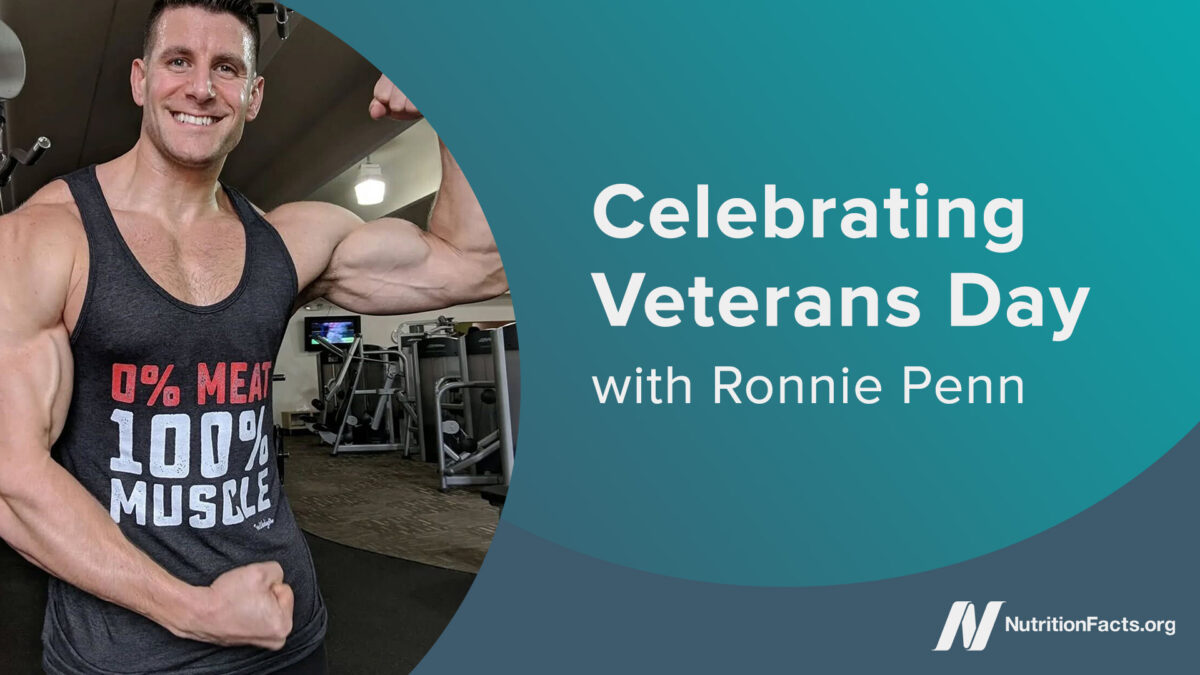
  • Celebrating Veterans Day with Ronnie Penn

    Celebrating Veterans Day with Ronnie Penn

    We had the pleasure of talking with Ronnie Penn about his military service, his work as a chef and a coach, and what Veterans Day means to him. We hope you enjoy this interview. 


    Thank you for your service, Ronnie. We’re honored to speak with you today. Can you start by sharing a bit about your background? What inspired you to enlist, and when did your military journey begin?

    I grew up wanting to serve something bigger than myself, and the Marine Corps gave me that opportunity. I enlisted in 2004 and deployed to Iraq during Operation Iraqi Freedom and to Afghanistan from 2012 to 2014. Later, I served in the Coast Guard as a chef, which opened a whole new chapter in how I looked deeper into nutrition. Service taught me discipline, resilience, and the importance of teamwork—qualities I carry into everything I do today.


    How did your time in the military shape who you are today? Is there anything in particular about your service that you would like to share?

    The military taught me to stay calm under pressure and adapt quickly. Whether it was on deployment overseas or working with my shipmates in the galley, I learned how much impact food, mindset, and discipline can have on performance and morale. Those lessons shaped who I am now—not only as a veteran, but also as a coach who helps others take control of their health.


    Were there any habits or disciplines from your military experience that helped in your transition to plant-based living or in your work today as a coach?

    Two habits stuck with me: structure and accountability. In the Marines, every detail mattered. That same mindset helps me stick to meal prep, training schedules, and coaching clients. It also made the transition to plant-based eating easier because I was already used to planning ahead and being intentional about what I put into my body.


    You’ve spoken about health issues that arose during competition prep, which ultimately led you to switch to a plant-based diet. What symptoms were you experiencing at the time, and what physical or medical changes did you notice after the transition?

    When I was competing in bodybuilding, I pushed my body hard—lots of animal protein, supplements, and restrictive dieting. Over time, I developed digestive issues and constant fatigue. Switching to a whole food, plant-based diet changed everything. My digestion improved, and my energy came back. It was eye-opening to see how quickly the body can heal when you give it the right fuel.


    Did you encounter any challenges accessing or preparing plant-based foods during active service? How did you make it work in that environment?

    Back then, plant-based options were limited, especially on deployment. I loaded up on oatmeal, beans, rice, fruits, and vegetables whenever I could, and I had to get creative, too. I learned how to make simple meals with what was available, and that creativity carried into my role as a chef in the Coast Guard.


    Were there any particularly memorable reactions from your shipmates or peers when you introduced them to plant-based meals as a chef in the Coast Guard?

    At first, my shipmates were skeptical. But once I started cooking hearty meals, like lentil stews, veggie burritos, or black bean burgers, they were surprised by how satisfying plant-based food could be. I still remember one crew member saying, “I didn’t even miss the meat.” Moments like that showed me how powerful food can be in changing perceptions.


    You’ve become a vocal advocate for plant-based eating in high-performance settings. Are there any particular studies or sources that informed or reinforced your choices?

    The work of Dr. Greger and NutritionFacts.org has had a huge impact on me. I also leaned on research from the Physicians Committee for Responsible Medicine (PCRM) and books like The China Study. Seeing the science laid out gave me confidence that a plant-based diet wasn’t just personal preference; it was evidence-based. Also, the Netflix documentaries What the Health and Forks Over Knives were also extremely effective influences.


    In your opinion, how can education about preparing whole plant foods be a path forward for people to achieve better health?

    Education is the key. When people learn how to prepare whole plant foods in simple, tasty ways, it removes the intimidation factor. Once they see how it can lower blood pressure, improve energy, and even prevent chronic disease, it clicks. Food literacy is one of the most powerful tools we have for better health.


    Please tell us about your online personal training program and app. What inspired you to start these projects, and how do they help you reach more people with your message?

    I started my online fitness coaching because I wanted to reach people beyond the gym. Not everyone can afford a trainer, but most people have a smartphone. Through my training app, I provide meal plans, workout routines, and a grocery list with accountability check-ins. It’s a way to scale what I do—helping people take small, daily steps toward a healthier life.


    Lastly, what does Veterans Day mean to you? Is there anything you would like to share with your fellow veterans?

    Veterans Day is a moment of reflection for me. It’s about honoring the sacrifices of those who served, as well as reminding myself to live in a way that makes that service meaningful. I want to encourage other veterans to take care of themselves, not just physically, but mentally and emotionally, too. We served our country; now it’s time to serve ourselves by living healthy and purposeful lives.


    To learn more about Ronnie, visit his website: https://www.ronniepenn.com/


    Source link

  • Making Brain-Health Supplements Work Day to Day

    Making Brain-Health Supplements Work Day to Day

    The role of nutritional supplementation in supporting brain health has gained increasing attention in recent years, particularly as global populations age and the burden of neurodegenerative concerns rises. While the commercial availability of “nootropic” and brain-health supplements has expanded rapidly, their clinical efficacy depends less on ingestion and more on integration into sustained, evidence-based health practices.

    Understanding the Role of Brain-Health Supplements

    Cognitive performance and neuroprotection rely on complex interactions between neurotransmitters, vascular health, and cellular resilience. Science-backed nootropic supplements for brain health are typically formulated to provide nutrients and bioactive compounds that support these processes.
    Omega-3 fatty acids (DHA and EPA)

        are essential for neuronal membrane fluidity and synaptic signaling. Meta-analyses suggest that omega-3 supplementation may improve memory, learning, and executive function and help fight age-related cognitive decline

    1

    • B vitamins (e.g., folate, B6, B12) regulate homocysteine metabolism; elevated homocysteine is associated with cognitive impairment and dementia risk 3.
    • Adaptogens such as Rhodiola rosea and Panax ginseng may modulate stress response pathways via the hypothalamic–pituitary–adrenal axis, with preliminary evidence of improved mental fatigue and resilience 4.
    • Amino acids such as L-theanine appear to influence alpha brainwave activity and GABA/glutamate neurotransmission, contributing to enhanced attention and reduced stress 5.

    No supplement acts as a pharmacological “quick fix.” Their role is adjunctive, best positioned within multimodal interventions that include nutrition, physical activity, sleep regulation, and stress reduction.

    Creating Consistency in Supplement Use

    Clinical outcomes from supplementation are contingent upon regular intake over time, as nutrient effects accumulate systemically. Strategies to enhance adherence include:

    • Habit stacking, in which supplement administration is paired with an established daily behavior (e.g., morning hygiene or coffee preparation).
    • Behavioral prompts, such as phone alarms, digital reminders, or visible placement of supplements within daily environments.
    • Structured organization (e.g., pill organizers) to reduce cognitive load and ensure dose accuracy.

    Just like any other healthy lifestyle practice, consistent supplement use brings the best potential benefits.

    Synergistic Role of Lifestyle Factors

    Supplements function optimally when biological systems are primed through foundational health practices:

    • Nutrition: Diets rich in polyphenols, flavonoids, and unsaturated fatty acids—such as the Mediterranean diet—are associated with reduced risk of cognitive decline and Alzheimer’s disease 7.
    • Hydration: Mild dehydration impairs attention, executive function, and short-term memory, with rehydration reversing deficits 8.
    • Sleep: Adequate sleep is critical for synaptic homeostasis, memory consolidation, and clearance of neurotoxic metabolites via the glymphatic system 9.
    • Exercise: Regular aerobic activity upregulates brain-derived neurotrophic factor (BDNF), enhances neurogenesis in the hippocampus, and improves executive function 10.

    Personalizing Supplementation Strategies

    Supplement selection should align with the individual’s demographic, clinical background, and cognitive objectives:

    • Students and early-career professionals: supplementation may focus on attentional control and working memory.
    • High-stress populations: adaptogens and amino acids may mitigate stress-induced cognitive fatigue.
    • Older adults: neuroprotective compounds such as omega-3s, B vitamins, and polyphenols may support healthy aging.

    The heterogeneity of formulations underscores the importance of aligning supplementation with individual risk factors and evidence-based outcomes rather than generalized claims.

    Monitoring Efficacy and Adherence

    Unlike pharmacological agents, supplement outcomes are often subtle and gradual. Clinicians and individuals may benefit from:

    • Journaling or ecological momentary assessment (EMA) of mood, energy, and cognitive performance.
    • Standardized cognitive assessments, where feasible, to detect changes in working memory, attention, or executive function.
    • Self-monitoring tools (e.g., digital health apps, wearables) that capture sleep, stress, and focus patterns.

    Longitudinal self-reporting aids motivation while also generating real-world data on supplement efficacy.

    Addressing Common Barriers

    Supplement adherence disruptions commonly include travel, workload, or simple forgetfulness. Practical mitigation strategies involve portable pill containers, weekly dose batching, and prioritization of essential interventions during periods of high demand. Evidence from behavioral science indicates that environmental design—structuring cues and reducing barriers—improves long-term adherence 11.

    Conclusion

    Brain-health supplements may contribute to cognitive resilience, but their benefits are maximized only when integrated into a broader framework of healthy living. Sustained adherence, combined with nutrition, hydration, exercise, and sleep, provides the biological substrate for these compounds to act effectively.

    Ultimately, supplement use should be considered not as a discrete intervention, but as one element in a multidimensional approach to cognitive health across the lifespan.

    References

    1. Yurko-Mauro K, Alexander DD, Van Elswyk ME. Docosahexaenoic acid and adult memory: a systematic review and meta-analysis. PLoS One. 2015;10(3):e0120391. PubMed
    2. National Institutes of Health (NIH) Office of Dietary Supplements. Omega-3 Fatty Acids – Fact Sheet for Consumers. NIH ODS
    3. Mayo Clinic. Alzheimer’s disease: Can vitamins and supplements help? Mayo Clinic
    4. Cleveland Clinic. Rhodiola (Rhodiola rosea). Cleveland Clinic
    5. Hidese S, Ogawa S, Ota M, et al. Effects of L-theanine administration on stress-related symptoms and cognitive functions in healthy adults: a randomized controlled trial. Nutrients. 2019;11(10):2362. PubMed
    6. Jimmy B, Jose J. Patient medication adherence: measures in daily practice. Oman Med J. 2011;26(3):155–159. PubMed
    7. Valls-Pedret C, Sala-Vila A, Serra-Mir M, et al. Mediterranean diet and age-related cognitive decline: a randomized clinical trial. JAMA Intern Med. 2015;175(7):1094–1103. PMC
    8. Masento NA, Golightly M, Field DT, Butler LT, van Reekum CM. Effects of hydration status on cognitive performance and mood. Br J Nutr. 2014;111(10):1841–1852. PMC
    9. Xie L, Kang H, Xu Q, et al. Sleep drives metabolite clearance from the adult brain. Science. 2013;342(6156):373–377. NIH
    10. Erickson KI, Voss MW, Prakash RS, et al. Exercise training increases size of hippocampus and improves memory. Proc Natl Acad Sci USA. 2011;108(7):3017–3022. PMC
    11. Michie S, van Stralen MM, West R. The behaviour change wheel: a new method for characterising and designing behaviour change interventions. Implement Sci. 2011;6:42. PubMed

    Source link

  • A Day in the Life: How Celebrities and Entrepreneurs Use Their Time

    A Day in the Life: How Celebrities and Entrepreneurs Use Their Time

    Introduction

    Have you ever wondered how celebrities and entrepreneurs manage their time? How do they balance their busy schedules, prioritize their tasks, and achieve their goals? In this article, we will take a closer look at how some of the most successful people in the world use their time. From waking up early to staying up late, we will explore the daily routines of celebrities and entrepreneurs and learn from their time management strategies.

    Waking Up Early

    Many celebrities and entrepreneurs start their day early, often before the sun rises. For example, Richard Branson, the founder of Virgin Group, wakes up at 5:45 am every day to exercise and have breakfast. Similarly, Oprah Winfrey, the media executive and former talk show host, wakes up at 6:00 am to meditate and exercise. Waking up early gives them a head start on their day, allowing them to get a jumpstart on their work and set a positive tone for the rest of the day.

    Prioritizing Tasks

    After waking up, celebrities and entrepreneurs prioritize their tasks for the day. They focus on the most important tasks that need to be completed and break them down into smaller, manageable chunks. For example, Elon Musk, the CEO of SpaceX and Tesla, prioritizes his tasks by focusing on the most critical ones first. He uses a technique called the "Eisenhower Matrix" to categorize his tasks into four quadrants: urgent and important, important but not urgent, urgent but not important, and not urgent or important. This helps him to focus on the most critical tasks and delegate or eliminate less important ones.

    Staying Organized

    Staying organized is crucial for celebrities and entrepreneurs who have to manage multiple projects and tasks simultaneously. They use various tools and techniques to stay organized, such as to-do lists, calendars, and project management software. For example, Arianna Huffington, the founder of The Huffington Post, uses a planner to stay organized and focused. She also prioritizes self-care and makes sure to get enough sleep, exercise, and meditation to stay energized and motivated throughout the day.

    Networking and Building Relationships

    Networking and building relationships are essential for celebrities and entrepreneurs who need to collaborate with others to achieve their goals. They attend conferences, meetings, and events to connect with like-minded people and build relationships that can help them in their careers. For example, Jay-Z, the rapper and entrepreneur, has built a network of relationships with other successful entrepreneurs and celebrities, such as Warren Buffett and Kanye West. These relationships have helped him to learn from others, get access to new opportunities, and stay ahead of the curve in his industry.

    Learning and Self-Improvement

    Celebrities and entrepreneurs are always looking for ways to improve themselves and stay ahead of the curve. They read books, attend seminars, and take online courses to learn new skills and stay up-to-date with the latest trends and technologies. For example, Mark Zuckerberg, the CEO of Facebook, has a goal to read at least one book every two weeks. He believes that reading is essential for learning and self-improvement, and he has even started a book club to discuss the books he reads with others.

    Taking Breaks and Practicing Self-Care

    Taking breaks and practicing self-care are essential for celebrities and entrepreneurs who often work long hours and experience high levels of stress. They prioritize self-care by getting enough sleep, exercise, and meditation, and they take breaks throughout the day to recharge and refocus. For example, Lady Gaga, the singer and songwriter, prioritizes self-care by getting enough sleep and taking breaks throughout the day. She also practices meditation and yoga to stay energized and motivated.

    Staying Focused and Motivated

    Staying focused and motivated is crucial for celebrities and entrepreneurs who need to overcome obstacles and achieve their goals. They use various techniques to stay focused and motivated, such as setting clear goals, creating a vision board, and surrounding themselves with positive people. For example, Dwayne "The Rock" Johnson, the actor and former professional wrestler, sets clear goals for himself and creates a vision board to stay focused and motivated. He also surrounds himself with positive people who support and encourage him to achieve his goals.

    Overcoming Obstacles

    Celebrities and entrepreneurs face many obstacles and challenges on their path to success. They use various strategies to overcome these obstacles, such as breaking down big goals into smaller ones, seeking help and support from others, and staying positive and focused. For example, J.K. Rowling, the author of the Harry Potter series, faced many obstacles and challenges on her path to success, including poverty, depression, and rejection. However, she persevered and stayed focused on her goals, and she eventually became one of the most successful authors in the world.

    Conclusion

    In conclusion, celebrities and entrepreneurs use their time in various ways to achieve their goals and succeed in their careers. They prioritize their tasks, stay organized, network and build relationships, learn and self-improve, take breaks and practice self-care, stay focused and motivated, and overcome obstacles and challenges. By following these strategies, anyone can manage their time more effectively and achieve their goals.

    FAQs

    Q: What is the most important thing to do in the morning to set yourself up for success?
    A: The most important thing to do in the morning is to prioritize your tasks and set clear goals for the day. This helps you to stay focused and motivated and achieve your goals.
    Q: How do celebrities and entrepreneurs stay organized and manage their time effectively?
    A: Celebrities and entrepreneurs use various tools and techniques to stay organized, such as to-do lists, calendars, and project management software. They also prioritize their tasks and focus on the most important ones first.
    Q: What is the key to overcoming obstacles and achieving success?
    A: The key to overcoming obstacles and achieving success is to stay positive and focused, break down big goals into smaller ones, and seek help and support from others. It is also important to learn from failures and use them as opportunities for growth and improvement.
    Q: How can I prioritize self-care and stay energized and motivated throughout the day?
    A: You can prioritize self-care by getting enough sleep, exercise, and meditation, and taking breaks throughout the day to recharge and refocus. You can also practice self-care by eating healthy foods, staying hydrated, and engaging in activities that bring you joy and relaxation.
    Q: What is the most important thing to remember when trying to achieve your goals?
    A: The most important thing to remember when trying to achieve your goals is to stay focused and motivated, and to never give up on your dreams. It is also important to be patient and persistent, and to learn from failures and use them as opportunities for growth and improvement.

  • 10 Simple Ways to Sneak in Exercise During a Busy Day: Boost Energy and Fitness (Target keywords: sneak in exercise, busy day, boost energy, fitness)

    10 Simple Ways to Sneak in Exercise During a Busy Day: Boost Energy and Fitness (Target keywords: sneak in exercise, busy day, boost energy, fitness)

    She knows that exercising during a busy day can be challenging, but it’s not impossible. With a little creativity, one can easily sneak in exercise and boost energy levels, even on the most chaotic of days. The key is to incorporate physical activity into daily routines, making it a seamless part of a busy lifestyle. In this article, we’ll explore 10 simple ways to sneak in exercise during a busy day, helping to boost energy and fitness.

    ### Understanding the Importance of Exercise

    Regular exercise is essential for maintaining physical and mental health. It helps to increase energy levels, improve mood, and reduce stress. However, with increasingly busy schedules, it can be difficult to find time for a traditional gym workout. This is where sneaking in exercise comes in – by incorporating physical activity into daily routines, individuals can stay active and healthy, even on the most hectic of days. Sneaking in exercise can be as simple as taking the stairs instead of the elevator or doing a few jumping jacks during commercial breaks while watching TV.

    ### 1. Start with Small Moments

    One of the easiest ways to sneak in exercise during a busy day is to start with small moments. This can be as simple as taking a few deep breaths and stretching in the morning, or doing a quick 5-minute workout during a lunch break. By incorporating small moments of physical activity into daily routines, individuals can boost energy levels and set themselves up for a healthier day. For example, she can try doing a few push-ups or squats during commercial breaks while watching her favorite TV show, helping to sneak in exercise and boost fitness.

    ### 2. Take a Walking Break

    Taking a walking break is another great way to sneak in exercise during a busy day. Whether it’s a short walk around the block or a longer walk during a lunch break, getting outside and moving can help to boost energy levels and improve mood. She can try scheduling a walking break into her daily planner, or simply taking a few minutes to stretch her legs and get some fresh air. By incorporating walking into her daily routine, she can sneak in exercise and improve her overall fitness.

    ### 3. Use Household Chores as Exercise

    Household chores can be a great way to sneak in exercise during a busy day. Activities like vacuuming, mopping, and gardening can all be considered forms of physical activity, helping to boost energy levels and improve fitness. She can try turning household chores into a workout by adding music and moving quickly, or by incorporating strength training exercises into her cleaning routine. By using household chores as exercise, she can sneak in physical activity and stay healthy, even on the most chaotic of days.

    ### 4. Try Desk Exercises

    Desk exercises are another great way to sneak in exercise during a busy day. Whether it’s chair squats, desk push-ups, or leg raises, there are plenty of exercises that can be done from the comfort of a desk. She can try incorporating desk exercises into her daily routine, doing a few reps during commercial breaks or while waiting for a meeting to start. By sneaking in exercise at her desk, she can boost energy levels and improve her overall fitness.

    ### 5. Use Stairs Instead of Elevators

    Using stairs instead of elevators is a simple way to sneak in exercise during a busy day. By opting for the stairs, individuals can get their heart rate up and work on their leg strength, all while boosting energy levels. She can try making a conscious effort to take the stairs whenever possible, whether it’s at work or in her home. By incorporating stair climbing into her daily routine, she can sneak in exercise and improve her overall fitness.

    ### 6. Try Bodyweight Exercises

    Bodyweight exercises are a great way to sneak in exercise during a busy day. Activities like push-ups, squats, and lunges can all be done without any equipment, making them perfect for a quick workout at home or in the office. She can try incorporating bodyweight exercises into her daily routine, doing a few reps during commercial breaks or while waiting for a meeting to start. By sneaking in exercise with bodyweight exercises, she can boost energy levels and improve her overall fitness.

    ### 7. Take the Long Way

    Taking the long way is another great way to sneak in exercise during a busy day. Whether it’s walking to a coworker’s desk instead of sending an email or taking a longer route to a meeting, individuals can easily incorporate more physical activity into their daily routines. She can try making a conscious effort to take the long way whenever possible, using the extra time to get some exercise and boost energy levels. By incorporating more physical activity into her daily routine, she can sneak in exercise and improve her overall fitness.

    ### 8. Try Active Commuting

    Active commuting is a great way to sneak in exercise during a busy day. Whether it’s walking, biking, or taking public transportation, individuals can easily incorporate more physical activity into their daily routines. She can try making a conscious effort to use active commuting methods, using the extra time to get some exercise and boost energy levels. By incorporating active commuting into her daily routine, she can sneak in exercise and improve her overall fitness.

    ### 9. Use Waiting Time

    Using waiting time is another great way to sneak in exercise during a busy day. Whether it’s waiting in line, waiting for a meeting to start, or waiting for a coffee, individuals can easily incorporate more physical activity into their daily routines. She can try doing a few jumping jacks, stretching, or doing some leg raises while waiting, helping to boost energy levels and improve fitness. By incorporating physical activity into waiting time, she can sneak in exercise and stay healthy, even on the most chaotic of days.

    ### 10. Make it Fun

    Finally, making exercise fun is a great way to sneak in physical activity during a busy day. Whether it’s putting on music and dancing, playing with kids, or trying a new workout routine, individuals can easily incorporate more physical activity into their daily routines. She can try finding activities that she enjoys and making them a part of her daily routine, helping to boost energy levels and improve fitness. By making exercise fun, she can sneak in physical activity and stay healthy, even on the most hectic of days.

    ### Conclusion

    In conclusion, sneaking in exercise during a busy day is easier than one might think. By incorporating physical activity into daily routines, individuals can boost energy levels, improve mood, and reduce stress. Whether it’s taking the stairs, doing desk exercises, or using household chores as exercise, there are plenty of ways to sneak in exercise and stay healthy. By making a conscious effort to incorporate physical activity into daily routines, individuals can improve their overall fitness and well-being, even on the most chaotic of days. So, the next time she’s feeling busy and overwhelmed, she can try sneaking in some exercise and seeing the difference it can make.

    ### FAQs

    Q: How can I sneak in exercise during a busy day?
    A: There are plenty of ways to sneak in exercise during a busy day, including taking the stairs, doing desk exercises, using household chores as exercise, and incorporating physical activity into daily routines.

    Q: What are some simple exercises I can do at my desk?
    A: Some simple exercises that can be done at a desk include chair squats, desk push-ups, and leg raises. Individuals can also try incorporating stretching and movement into their daily routine.

    Q: How can I make exercise more enjoyable?
    A: Making exercise more enjoyable is all about finding activities that one enjoys and making them a part of daily routines. Whether it’s putting on music and dancing, playing with kids, or trying a new workout routine, individuals can easily incorporate more physical activity into their daily routines and make exercise more fun.

    Q: Can I really boost energy levels by sneaking in exercise?
    A: Yes, sneaking in exercise can really help to boost energy levels. By incorporating physical activity into daily routines, individuals can improve their overall fitness and well-being, reducing stress and improving mood.

    Q: How often should I sneak in exercise during a busy day?
    A: The frequency of sneaking in exercise will depend on individual schedules and routines. However, incorporating physical activity into daily routines, even if it’s just a few minutes a day, can make a big difference in overall fitness and well-being. She can try aiming to sneak in exercise at least a few times a day, and seeing how it can improve her energy levels and overall health.
    10-simple-ways-to-sneak-in-exercise-during-a-busy-day-boost-energy-and-fitness-target-keywords-sneak-in-exercise-busy-day-boost-energy-fitness

  • Savor the Day With A Guided Walking Meditation

    Savor the Day With A Guided Walking Meditation

    This short walking meditation from Jon Kabat-Zinn encourages you to embracing mindful awareness with every footfall.

    Walking meditation is not about getting somewhere on foot. Instead, you are being with each step, fully here, where you actually are. You are not trying to get anywhere, even to the next step. There is no arriving, other than continually arriving in the present moment where you can savor the day.

    You are not trying to get anywhere, even to the next step. There is no arriving, other than continually arriving in the present moment.

    With walking, we have the opportunity to be in our bodies in a somewhat different way than when sitting or lying down. We can bring our attention to our feet and feel the contact of the foot with the floor or ground with every step. 

    Walking is a controlled falling forward, a process it took us a long time to master, and one that we often take completely for granted, forgetting just how wondrous and wonderful it is. So when the mind goes off, as it will do in walking meditation just as with any other practice, we take note of where it has gone, of what is presently on our mind, and then gently escort it back to this moment, this breath, and this step.

    Distance: How Long Should I Walk For? 

    Since you are not going anywhere, it is best to minimize opportunities for self-distraction by walking slowly back and forth in a lane, over and over again. The lane doesn’t have to be long. Ten paces one way, ten paces the other way would be fine. In any event, it is not a sightseeing tour of your environment. You keep your eyes soft and the gaze out in front of you. You do not have to look at your feet. They mysteriously know where they are, and awareness can inhabit them and be in touch with every part of the step cycle moment by moment by moment as well as with the whole of the body walking and breathing.

    Speed: How Fast Should I Walk? 

    Walking meditation can be practiced at any number of different speeds, and that gives it lots of applications in daily living. In fact, we can easily go from mindful walking to mindful running, a wonderful practice in its own right. There, of course, we abandon the lane, as we can certainly do for long-distance and faster formal walks. But when we introduce formal mindful walking in Mindfulness-Based Stress Reduction, it is done extremely slowly, to damp down on our impulse to move quickly, as well as to refine our intimacy with the sensory dimensions of the experience of walking and how they are connected with the whole of the body walking and with the breath, to say nothing about having a better sense of what is going on in the mind.

    If you want to try a walking meditation for yourself, try out the guided practice from Jon Kabat-Zinn below.

    A Guided Walking Meditation to Help You Savor the Day

    The above is adapted from Jon Kabat-Zinn’s Guided Mindfulness Meditation Series 3, available here. These guided meditations are designed to accompany Jon Kabat-Zinn’s book Falling Awake and the other three volumes based on Coming to Our Senses.

    Everyday Mindfulness with Jon Kabat-Zinn 

    When he started MBSR, Jon Kabat-Zinn didn’t have a detailed plan—just passion and an inkling that lots of good would come of it. He recently spoke with Mindful about his new MasterClass and shared insights on mindfulness and meditation.
    Read More 

    • Mindful Staff
    • February 1, 2024

    Take Your Mind for a Walk 

    Meditation can seem so meaningful and significant that it becomes a great big chore. In fact, with a slight shift in attitude, it can be as simple as walking the dog.
    Read More 

    • Steven Hickman
    • January 26, 2016


    Source link