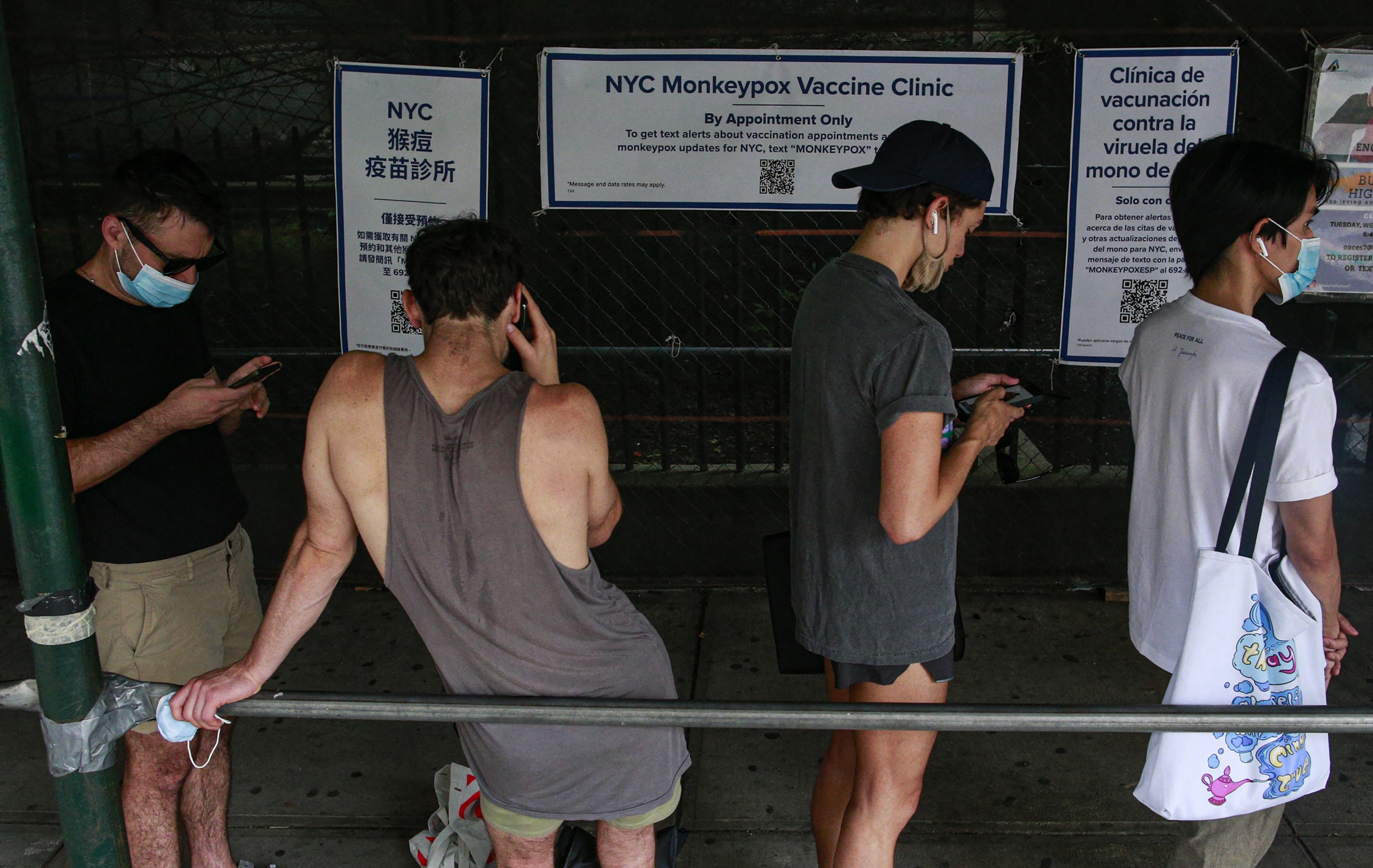
New York City has confirmed its first case of mpox caused by clade I — the more dangerous variant of the virus — raising concern among public health officials as the more infectious and more severe form of mpox continues to arrive in major U.S. cities. The NYC Health Department issued a formal advisory noting that there is no known local community transmission tied to this case, but health commissioner Dr. Alister Martin confirmed the virus is now present in the city and urged residents to be aware of symptoms and vaccination options.
Clade I vs. Clade II: Why This Strain Is More Concerning
Most Americans became familiar with mpox during the 2022 global outbreak, which was caused by clade II — a less severe form of the virus with a survival rate above 99.9%. Clade I is different. According to Fox News senior medical analyst Dr. Marc Siegel, “Clade I causes more severe symptoms and can be life-threatening.” In the ongoing outbreak in the Democratic Republic of the Congo, clade I has had a case fatality rate significantly higher than clade II. Complications can include severe skin lesions, pneumonia, brain inflammation, and bacterial superinfections.
While clade I spreads through the same routes as clade II — primarily close physical contact, sexual contact, kissing, and contact with infected skin lesions or respiratory droplets at close range — it does not spread through casual airborne contact over long distances. The CDC has assessed the current risk to the general U.S. population as low, but characterizes the risk as low to moderate for men who have sex with men, who accounted for the majority of the 2022 U.S. outbreak.
Who Should Get Vaccinated and What to Watch For
The JYNNEOS vaccine, approved for mpox prevention, provides strong protection against both clade I and clade II. The CDC recommends the two-dose vaccine series for gay, bisexual, and other men who have sex with men aged 18 and older with specific risk factors. Anyone who traveled to or had contact with someone from the DRC, neighboring African countries, or parts of Western Europe reporting clade I cases should consult their healthcare provider immediately.
Symptoms of mpox typically appear 3 to 17 days after exposure and begin with fever, swollen lymph nodes, muscle aches, and exhaustion, followed by a distinctive rash that progresses through several stages of fluid-filled lesions. Anyone with a new or unexplained rash — particularly after recent travel or close physical contact — should contact a healthcare provider, mention any travel history, and avoid close contact with others until evaluated. NYC offers free mpox vaccination at multiple locations across the five boroughs.
The arrival of clade I mpox in New York City — the nation’s most densely populated metro area — is a reminder that the city’s international connectivity, while a source of enormous economic and cultural vitality, also serves as an entry point for emerging infectious diseases. Whether the public health infrastructure put in place after 2022 remains fully operational under reduced federal staffing is a question officials have not fully answered.
Aging lungs do not simply get weaker with time; they undergo cellular changes that fuel inflammation, disrupt immunity, and make respiratory infections like flu and COVID more dangerous for older adults. These age‑related shifts mean that even routine viruses can trigger runaway damage instead of a controlled, protective response.
What Happens To The Lungs As People Age?
With aging, lungs lose some elasticity, airway walls may thicken, and the tiny air sacs where gas exchange occurs become less efficient. The chest wall can also stiffen, reducing lung capacity and leaving less reserve to cope with respiratory infections.
Even without obvious disease, these structural changes narrow the margin of safety when flu, COVID, or other respiratory infections strike.
Aging lung cells accumulate damage from pollution, smoke, and repeated infections. Many enter a state called cellular senescence, where they stop dividing but stay active.
Rather than remaining quiet, senescent cells release inflammatory chemicals that irritate surrounding tissue, turning the lungs into a site of chronic, low‑grade inflammation even when no infection is present.
This background state of “inflammaging” means inflammatory signals are already elevated before a virus appears. When infection occurs, the immune system reacts on top of this baseline, often overshooting and causing more tissue damage.
Instead of a precise response, the lungs may experience swelling and fluid buildup that impair oxygen exchange.
At the same time, key aspects of immunity decline with aging. Some immune cells respond more slowly and less effectively, and the barrier function of the airway lining weakens, giving pathogens easier access.
The combination of higher inflammation and reduced immunity makes older adults more reactive yet less protected during respiratory infections.
Why Flu And COVID Hit Older Adults So Hard
Flu and COVID are viral respiratory infections that directly target the airways and lung tissue, placing heavy stress on aging lungs. Reduced lung reserve and inflammaging make it easier for these viruses to push the system toward failure.
Both infections can also trigger widespread inflammation throughout the body, interacting with age‑related changes in the heart and blood vessels and increasing the risk of pneumonia, acute respiratory distress, and other severe outcomes.
Aging lungs contain pockets of damaged or senescent cells that respond to viral invasion with a surge of inflammatory molecules. Instead of signaling for a balanced response, these cells help ignite an inflammatory cascade that draws in more immune cells and amplifies tissue injury.
Fluid leaks into the air spaces, oxygen levels fall, and breathing becomes more difficult. In many severe cases, the virus itself is only part of the problem; much of the harm comes from the excessive inflammatory response within aging lungs.
Underlying health conditions common in older adults, such as heart disease, diabetes, or chronic obstructive pulmonary disease, add another layer of risk. These illnesses can further narrow airways, alter blood flow, and strain the immune system, according to Harvard Health.
When flu or COVID arrives, the combined burden of aging lungs, chronic inflammation, weakened immunity, and existing disease makes serious complications more likely.
Immune changes with age also worsen outcomes. Older immune systems are slower to recognize new pathogens and often produce weaker antibody responses. Some immune cells release large amounts of inflammatory signals without efficiently clearing the virus.
This imbalance allows infections to linger in the lungs while inflammation remains high, increasing the chance of lasting damage.
How Aging Lung Cells Drive Runaway Inflammation
Several types of lung cells contribute to heightened inflammation with aging, including epithelial cells lining the airways, fibroblasts in the supporting tissue, and resident immune cells.
When stressed or senescent, they release pro‑inflammatory cytokines and chemokines, acting as if the lungs are under constant attack. This state increases the likelihood that respiratory infections will ignite runaway inflammation rather than a controlled response.
Fibroblasts normally help maintain structure and repair lung tissue. In older lungs, some fibroblasts adopt a distress state, sending strong danger signals even when damage is modest.
They secrete inflammatory factors and growth signals that drive excessive tissue remodeling and scarring. During flu or COVID, this process can escalate quickly, transforming a localized infection into widespread lung injury.
As immune cells rush into aging lungs, they may cluster densely around damaged or infected areas. These inflammatory cell clusters concentrate the tools needed to kill viruses but also concentrate inflammatory substances that can harm healthy cells.
When too many clusters form, or when they persist, they leave behind scars and reduce lung function. This damage increases vulnerability to future respiratory infections and slows recovery after illness, as per the Centers for Disease Control and Prevention.
Inflammaging ensures that the lungs start from a higher baseline of inflammatory activity, so responses to infection often overshoot. Swollen tissues, leaky blood vessels, and fluid‑filled air sacs restrict oxygen transfer and increase the work of breathing.
After infections resolve, lingering low‑grade inflammation can delay healing and contribute to long‑term declines in lung function.
Aging, Immunity, And Safer Respiratory Seasons
Understanding how aging lungs, inflammation, and immunity interact helps explain why respiratory infections such as flu and COVID so often hit older adults hardest. Cellular damage and senescence create an environment where infections more easily spark outsized inflammatory responses that injure lung tissue.
At the same time, immunosenescence weakens the ability to contain and clear viruses, giving respiratory infections more time to wreak havoc in aging lungs.
These insights highlight the importance of preventive strategies tailored to older adults: staying up to date on flu and COVID vaccines, protecting the lungs from smoke and pollutants, and managing chronic conditions that strain the respiratory system.
Researchers are also exploring therapies that might reduce inflammaging or support more balanced immunity in the lungs.
By focusing on the links between aging, lungs, inflammation, immunity, and respiratory infections, it may be possible to lessen the impact of seasonal viruses and help older adults breathe more easily through future respiratory seasons.
Frequently Asked Questions
1. Can aging lungs recover fully after a severe flu or COVID infection?
Some older adults regain most of their previous lung function, but others may be left with lasting scarring or reduced capacity, especially after pneumonia or intensive care.
2. Do younger people with chronic lung disease face risks similar to older adults?
Yes, chronic conditions like COPD or severe asthma can mimic aspects of aging lungs, increasing inflammation and reducing reserve, which raises the risk from respiratory infections.
3. Can regular exercise really improve immunity in aging lungs?
Moderate, consistent physical activity can support cardiovascular health, improve breathing efficiency, and modestly enhance immune function, which may help the lungs handle infections better.
4. Are there specific nutrients that support aging lung health during respiratory seasons?
A balanced diet rich in fruits, vegetables, healthy fats, and adequate protein supports immune cells and tissue repair, while nutrients like vitamin D and omega‑3s are often studied for additional benefits.
Secretary of Health and Human Services Robert F. Kennedy Jr. made a series of inaccurate claims about vaccines during a Fox News appearance Thursday.
Kennedy claimed that “97% of the people on the [CDC vaccine advisory] committee had conflicts of interest,” that children receive “between 69 and 92” mandatory vaccines, and that “none of them have been safety tested” — aside from the COVID-19 vaccine. He also asserted that vaccines are designed to “deregulate” the immune system, linking them to an “epidemic of chronic disease.”
Dr. Jake Scott, a doctor specializing in infectious disease and associate professor at Stanford Medical School, issued a detailed rebuttal on social media, accusing Kennedy of spreading “egregious, dangerous falsehoods” and backing up his criticism with data from peer-reviewed studies and CDC records.
“Fox News might not fact-check him, but I will,” Scott wrote. “I’ve reviewed the trials. I’ve catalogued them. I have receipts.”
Scott went claim by claim.
Kennedy said 97% of CDC vaccine committee members had conflicts of interest, but didn’t cite where he obtained that figure. Scott refuted the claim, sharing findings from a Reuter’s investigation which found that while 41% of members received a form of industry payment, it was mostly in small sums for travel or meals. Furthermore, the CDC has stringent guidelines in place requiring recusals for any conflicts.
Even the Fox anchor commented that Kennedy’s claim that children now receive between 69 and 92 mandatory vaccines sounded quite high. It was disputed by Scott as well, who noted that vaccine mandates are set by states, and most states mandate slightly over 30 immunizations.
Regarding Kennedy’s claim that no vaccines other than the Covid vaccine have gone through placebo-controlled trials, Scott said, “One of the most misleading claims I’ve ever seen a government official make on national television.” He went on to link to a database that contains 164 placebo-controlled vaccine trials, and specified at least one example for every routine childhood vaccine.
Kennedy said, “Nobody has any idea what the risk profiles are on these products,” which Scott countered, noting that 90% of vaccine studies include safety outcome reports, and listing four methods of post-licensure safety monitoring. He cited three instances where safety issues with vaccines were discovered and acted upon.
Finally, Scott dismissed Kennedy’s claim that “vaccines deregulate the immune system.”
“This isn’t science; it’s a scary-sounding buzzword,” Scott wrote. “Vaccines don’t ‘deregulate’ anything. They educate the immune system through targeted antigen exposure so it can defend against real pathogens later.”
Scott emphasized that while no medical intervention is risk-free, the evidence overwhelmingly supports the safety and public health benefits of routine childhood immunizations.
“As a father of two, I’m extremely grateful,” he added, citing dramatic drops in child deaths and disease since the introduction of vaccines like Hib, hepatitis B, and rotavirus.
Kennedy’s comments have drawn condemnation from health experts and lawmakers alike, with many warning that misinformation of this nature could further erode trust in lifesaving vaccines.
Craving for a sweet treat after a meal, or a candy when you feel low may seem a totally harmless routine. But a doctor now warns that frequent sugar cravings could be more than just a habit; they might signal an underlying health condition that could have serious consequences if left unchecked.
According to Dr. Crystal Wyllie, a GP and online practitioner from the U.K., uncontrollable cravings are not just a desire for certain foods; they could be the body’s way of signaling an underlying health issue.
“Cravings are often your body’s way of telling you something. While most are psychological or habit-driven, unusual cravings, like a strong desire to eat ice, chalk or even ash, can signal deeper health issues, from iron deficiency to hormonal imbalances,” she said, as reported by Birmingham Live.
Dr. Wyllie specifically highlighted sugar cravings as a potential warning sign. “If you often crave sugary foods like cakes, biscuits, or white bread, it could indicate unbalanced blood sugar levels,” she explained. “This might be a sign of insulin resistance or even early type 2 diabetes.”
Sugar cravings in individuals with diabetes or insulin resistance often stem from rapid fluctuations in blood sugar levels. When blood sugar drops too quickly, either due to the body’s inability to regulate glucose properly or as a result of an insulin spike, it signals the brain to seek a quick energy boost and this triggers cravings for sugary foods. However. Dr. Wyllie warns that this can ultimately lead to a cycle of sugar spikes and crashes.
“Giving in to these cravings too often can make it harder for your body to regulate blood sugar over time. This can lead to insulin resistance, where the body’s cells no longer respond properly to the hormone that controls blood sugar. If this continues, it can increase your risk of developing type 2 diabetes,” warned Dr Wyllie.
When a person has diabetes, their body struggles to regulate blood sugar levels effectively, which can lead to long-term health complications if left unmanaged. Over time, high blood sugar can damage blood vessels and nerves, increasing the risk of serious conditions such as heart disease, stroke, and kidney failure. Uncontrolled diabetes can also cause vision problems, including diabetic retinopathy, which may lead to blindness.
“The health and well-being of 336 million Americans depend on leadership at HHS that prioritizes science, evidence-based medicine, and strengthening the integrity of our public health system,” the letter reads. “RFK Jr. is not only unqualified to lead this essential agency — he is actively dangerous.”
The letter, published online by the Committee to Protect Health Care, cites numerous instances in which RFK Jr. voiced statements or beliefs incompatible with legitimate medical practice. These include unsubstantiated beliefs that accused vaccines are linked to autism and anti-depressants are linked to school shootings, reported NBC News.
Kennedy was nominated for the Secretary of Health position by President-elect Donald Trump in November 2024. He has been meeting with senators in advance of his confirmation hearing.
“This appointment is a slap in the face to every health care professional who has spent their lives working to protect patients from preventable illness and death,” the letter continued.
“Robert F. Kennedy Jr. will be confirmed and those who are spending their time undermining him will have no place and no voice at HHS,” Katie Miller, Kennedy’s spokesperson within the Trump transition team, told NBC News. “Good luck and best wishes to them.”
Kennedy has received criticism from other groups and institutions for his beliefs regarding medicine. Health care consumer advocacy group Community Catalyst said that Kennedy was a “wholly unqualified and a dangerous pick.” Furthermore, the nonprofit consumer rights group Public Citizen stated that Kennedy would “endanger people’s lives if placed in a position of authority over health.”