
Tag: Culture

  • From Fika to Hygge: How Scandinavian Culture is Redefining Cozy

    From Fika to Hygge: How Scandinavian Culture is Redefining Cozy

    Introduction to Scandinavian Culture

    Scandinavian culture is renowned for its emphasis on coziness, warmth, and togetherness. From the Swedish concept of "fika" to the Danish idea of "hygge," these nations have perfected the art of creating a sense of comfort and community. In this article, we will delve into the world of Scandinavian culture, exploring the history and significance of fika and hygge, and how these concepts are redefining the way we think about coziness.

    The Concept of Fika

    Fika is a Swedish tradition that translates to "coffee break" in English. However, it’s so much more than just a pause in the day to grab a cup of coffee. Fika is a cultural phenomenon that involves taking a break from the hustle and bustle of daily life to enjoy good company, delicious treats, and warm beverages. It’s a time to slow down, relax, and recharge with friends, family, or colleagues. In Sweden, fika is an integral part of the work culture, with many companies incorporating fika breaks into their daily routines.

    The Origins of Fika

    The concept of fika dates back to the 18th century, when coffee was first introduced to Sweden. At that time, coffee was a luxury item, and drinking it was a special occasion. As coffee became more accessible, the tradition of fika evolved, and it became an essential part of Swedish social culture. Today, fika is an ingrained part of Swedish daily life, with many Swedes taking multiple fika breaks throughout the day.

    The Danish Concept of Hygge

    Hygge (pronounced hoo-gah) is a Danish concept that’s difficult to translate, but it roughly translates to a feeling of coziness, comfort, and contentment. Hygge is about creating a warm and welcoming atmosphere, often with the help of candles, soft lighting, and cozy textiles. It’s a feeling that’s hard to put into words, but it’s something that many people experience during the winter months, when the days are short, and the nights are long.

    The History of Hygge

    The concept of hygge has its roots in Danish culture, dating back to the 18th century. During this time, Denmark was a poor country, and people had to be resourceful to stay warm and comfortable during the harsh winter months. The concept of hygge evolved as a way to make the most of the little things in life, like a warm cup of coffee, a good book, or a cozy conversation with friends. Today, hygge is an essential part of Danish culture, with many Danes prioritizing it as a way to maintain their mental and emotional well-being.

    How Fika and Hygge are Redefining Cozy

    Fika and hygge are redefining the way we think about coziness. These concepts are not just about physical warmth or comfort; they’re about creating a sense of community and togetherness! They’re about slowing down, appreciating the little things in life, and finding joy in the everyday moments. In a world that’s increasingly fast-paced and technology-driven, fika and hygge offer a refreshing alternative, encouraging us to prioritize human connection and warmth over screens and social media.

    The Impact of Fika and Hygge on Mental Health

    Fika and hygge have been shown to have a positive impact on mental health. The act of taking breaks, slowing down, and engaging in social activities can help reduce stress and anxiety. The cozy atmosphere and warm lighting associated with hygge can also help regulate our circadian rhythms, improving our sleep quality and overall well-being. In Scandinavia, where the winters are long and dark, fika and hygge are essential tools for maintaining mental health and combating seasonal affective disorder.

    Bringing Fika and Hygge into Your Life

    So, how can you bring fika and hygge into your life? Start by prioritizing social connections and community. Host dinner parties, game nights, or coffee breaks with friends and family. Create a cozy atmosphere in your home, with soft lighting, comfortable textiles, and warm beverages. Take breaks throughout the day to slow down, relax, and recharge. And most importantly, make time for the things that bring you joy and comfort.

    Conclusion

    In conclusion, Scandinavian culture is redefining the way we think about coziness, with concepts like fika and hygge at the forefront. These traditions emphasize the importance of community, social connection, and warmth, encouraging us to slow down, appreciate the little things, and find joy in everyday moments. By incorporating fika and hygge into our lives, we can improve our mental health, increase our sense of well-being, and create a more welcoming and cozy environment for ourselves and those around us.

    Frequently Asked Questions

    Q: What is the difference between fika and hygge?

    A: Fika is a Swedish concept that refers to a coffee break or social gathering, while hygge is a Danish concept that refers to a feeling of coziness, comfort, and contentment.

    Q: How can I incorporate fika into my daily routine?

    A: Start by taking breaks throughout the day to grab a cup of coffee or tea with friends or colleagues. You can also host fika breaks at home, with delicious treats and warm beverages.

    Q: What are some ways to create a hygge atmosphere in my home?

    A: Create a cozy atmosphere by using soft lighting, comfortable textiles, and warm colors. Add candles, blankets, and rugs to create a welcoming and inviting space.

    Q: Can I practice fika and hygge alone?

    A: Yes, you can definitely practice fika and hygge alone. Take time for yourself to relax, read a book, or enjoy a warm cup of coffee. Light some candles, and create a cozy atmosphere that makes you feel comfortable and content.

    Q: Are fika and hygge only for winters?

    A: No, fika and hygge can be practiced throughout the year. While they may be more pronounced during the winter months, they can be adapted to any season, using seasonal decorations, foods, and activities to create a cozy and welcoming atmosphere.
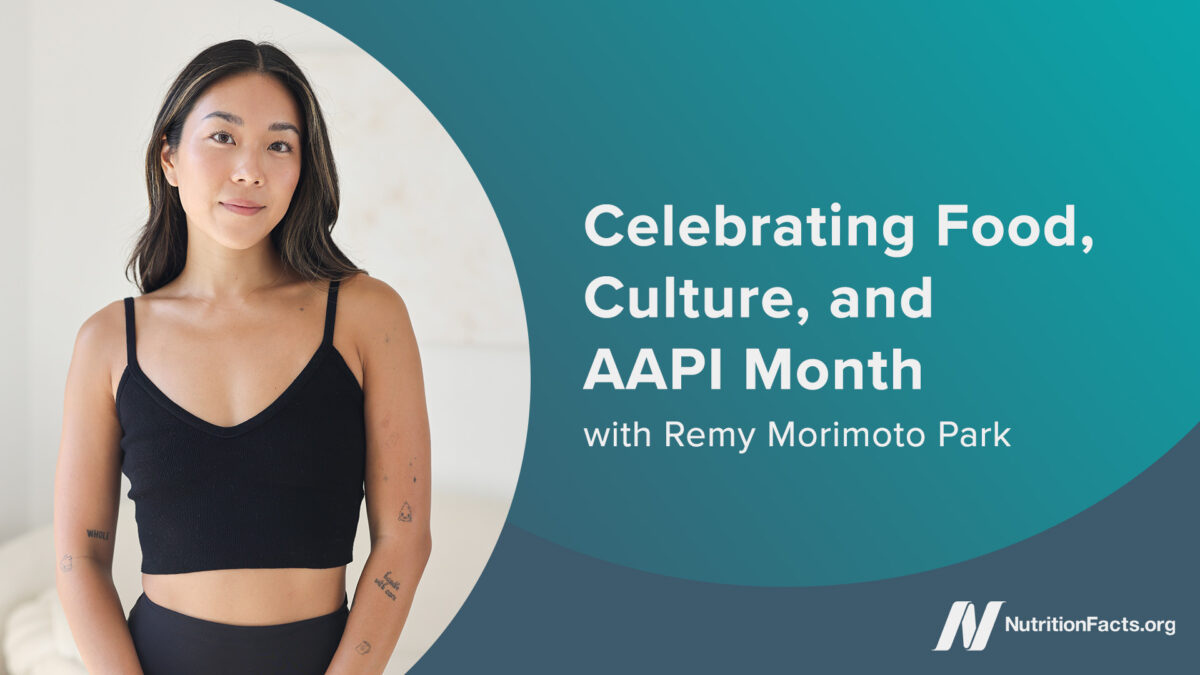
  • Celebrating Food, Culture, and AAPI Month with Remy Morimoto Park

    Celebrating Food, Culture, and AAPI Month with Remy Morimoto Park

    We had the pleasure of talking with Remy Morimoto Park about food, culture, and AAPI Month. We hope you enjoy this interview and her recipes for Crunchy Pad Thai Inspired Salad and Miso Soup.


    Please tell us a little bit about yourself and your work. 

    I am a vegan cookbook author and health and wellness content creator. I started Veggiekins blog while I was in college as a means for sharing recipes and spreading the vegan lifestyle, and it has since turned into my full-time job, which has been absolutely incredible. I’m also the founder of a matcha brand, Frauth. Outside of work, I split my time between New York and Los Angeles, and you can usually find me at a farmers market!

    In your experience, how have you found food to tell a story and shape culture? 

    I think that when you come from any type of culture, food is so important because it’s one way culture is passed down from generation to generation. I think that’s why sharing recipes and passing them down is so crucial for preserving culture. In my Asian cultures––Japanese, Korean, and Taiwanese––I think food is really important because it’s also how we communicate with each other and share love. In our cultures, it’s not quite as common to express verbally that you love someone. We really don’t talk too much about feelings, but we always gather around the table to share a meal as a family and many of our holidays and family gatherings revolve around food. There’s a joke that your Asian parents might not apologize or say they love you, but they will always put food on the table for you or cut up a fruit plate for you to communicate that. So, with that in mind, I think that food is a pivotal part of Asian culture. For me personally, a lot of my memories from childhood revolve around a specific meal or have a specific dish tied to it. Food evokes a lot of really powerful memories, and I think it’s a really great vehicle for storytelling in that way. 

    How do you educate people about the intersection of food, health, community, and culture?

    When it comes to most Asian cuisines, there really isn’t very much dairy, which I think is incredible. It also makes them such great foundations for lots of vegan-friendly options. As well, in my three cultures, there are different types of existing plant-based diets followed by religious groups, for example. I think there is a lot to explore, and the same can be said about most cultures. For example, in Korea, there are monks who eat temple food, which is primarily-plant based; in Japan, the Shojin cuisine is also primarily plant-based; and in China, a lot of Buddhists don’t eat any meat or animal products at all. Additionally, my grandparents always told me that, when they were younger, they primarily ate plant-based––mostly grains and vegetables––because meat and animal products were so expensive and reserved more for the higher classes in society. Nowadays, I think people associate meat with Asian cuisine (e.g., Korean BBQ), though, in reality, a lot of Asian cuisine historically revolved around grains and plants.

    What are some plant-based ingredients and vegan dishes you would like to highlight as traditional to your cultures and/or other Asian cultures? What are your favorites to cook with?

    A plant-based ingredient that I think is essential to Asian culture is tofu, of course! No Asian person is unfamiliar with tofu, and I think that’s incredible because it’s such a great source of plant protein. Rice and other grains are also commonly used throughout Asian cuisines, and some of my personal favourites include tempeh and some of the more unique Asian veggies you wouldn’t typically find at a conventional grocery store (e.g., bean sprouts, bok choy, morning glory, and pea shoots). There’s a great diversity of veggies to choose from in Asian cuisine.

    As a plant-based chef, what do you envision as the way forward to encourage people to include more fruits and vegetables into their diets? 

    One of the things I like to stress the most is that vegetables can be treated with as much care, if not more care, than meat and other animal products. I think a lot of people put in the minimum effort when preparing veggies or may even just eat them raw. When we marinate, smoke, sous vide, roast, or slow cook them, the result is so different. 

    Nowadays, people have developed this hunger for more global cuisines and are more interested in trying dishes from other cultures, which is a great way to encourage individuals to incorporate more fruits and veggies into their diets. When you start to explore beyond just the United States, for instance, and see what the world has to offer, you find that there are so many different types of fruits and vegetables that you can enjoy. Additionally, there are so many more flavor profiles and spice blends to work with to season your vegetables. Keeping it interesting for the palate is so important! 

    What significance does AAPI Month have for you, and how do you celebrate your heritage? 

    AAPI month means a lot to me because I’m not just Asian, but Asian American. I was born in the United States to parents who had already immigrated here and speak primarily English in the house. I don’t feel 100% Asian and, of course, don’t feel 100% American either, so I think that the distinction is really nuanced and makes me feel seen. It’s an incredible sign that people are really embracing others and diversity, which is so important. It’s helped to introduce other cultures to other people and encourage curiosity and hunger for knowledge about others.

    I really celebrate my heritage through food and sharing recipes that feel are authentic to my culture and my Asian-American family. It’s such a treat to be able to share that with others and especially to do that plant-based!

    Please tell us a little bit about your cookbook, Sesame, Soy, Spice, and what inspired you to write it.

    My cookbook was really inspired by my family and my upbringing. “Asian American” is truly the best way to describe my family and the food we eat because we are Asian (and three types of Asian at that), but we are also very much American. Growing up, the food on our table looked like a combination of both western and American foods, as well as the Asian dishes I grew up eating. For example, one thing I love is popcorn, but with Japanese furikake seasoning on top. Sometimes we might sub out chili paste or hot sauce with gochujang, a Korean fermented red pepper paste.

    Throughout my cookbook, I really wanted to emphasize that eating vegan does not mean you have to give up your culture and that it can actually be so much fun reconnecting with your culture through trying to recreate those favorite recipes as vegan. It not only makes living a vegan lifestyle more exciting and inclusive, but also more sustainable because there’s more variety in the foods you eat. When I first became vegan, I thought I could only eat foods like salad bowls, grain bowls, and smoothie bowls. Then I realized that it’s not really a diet but a way of life and that almost any cuisine can be vegan-friendly if you get creative in the kitchen.

    Through the short stories in my cookbook, I also document my journey to becoming vegan and making peace with my relationship with food. I share the story of how becoming vegan taught me compassion and aided in that journey. The process of writing the cookbook was very meaningful to my family because we really got to connect more than ever through food. I would chat with them about recipes from childhood that I wanted to try to recreate, and we would speak on the phone while we were both in the kitchen, trying to work out a recipe. It was a very nostalgic time for me because, often, we’d end up reminiscing about memories from my childhood while cooking.


    Crunchy Pad Thai Inspired Salad 

    1 to 2 servings, 10 minutes prep

    For the Pad Thai Inspired Dressing

    • ½ fresh lime, juiced
    • 2 tbsps Umami Sauce 
    • 2 tsps tamarind purée
    • 1 clove garlic, finely minced
    • 1 tbsp rice wine vinegar
    • 2 tbsp cashew butter (optional, for creaminess)

    For the Salad

    • 2 cups shredded purple cabbage
    • 3-4 mini cucumbers, julienned
    • 1 large carrot, juliennned
    • ½ cup chiffonaded radicchio 
    • Handful thinly sliced breakfast radishes 
    • 1 cup shredded green papaya (optional)

    Optional

    • Fresh Thai chili peppers
    • Crushed peanuts to garnish
    • Dried chili flakes to garnish
    • Green onions to garnish 


    Instructions

    1. In a large bowl, add all the dressing ingredients, then whisk them together. Adjust to taste. If using cashew butter, you may choose to thin it with 1 to 2 tablespoons of water.
    2. Add all of the salad ingredients to the bowl, then toss, using your hands or tongs to coat the veggies.
    3. Garnish with peanuts, chili flakes, and green onion, if desired.


    Miso Soup

    8 servings, 30 minutes prep, 15 minutes cook time, 30 minutes soaking time 

    For the Dashi Broth

    • 10 cups filtered water
    • 5-6 dried shiitake mushrooms
    • 3 kombu pieces (roughly 3 x 3-inches)
    • 1 leek stem, sliced diagonally
    • 1 carrot, sliced diagonally
    • 3 scallions (white parts), halved
    • ½ yellow onion, halved
    • 12 oz firm silken tofu
    • ¼ cup dried wakame

    Other Ingredients

    • 5 tbsps red miso paste
    • 5 tbsps white miso paste

    For Garnish 

    • Scallions (green tops), thinly sliced
    • Ichimi togarashi, to taste
    • Cooked mushrooms (optional) 


    Instructions

    Prepare Dashi Broth 

    1. To your cooking pot, add the water, dried mushrooms, and kombu. Let soak for about 15 to 30 minutes. (The longer you soak, the more flavor will be released).
    2. Bring to a boil, then lower the heat to a simmer. Let simmer for 10 minutes.
    3. Add the leek, carrots, scallions, and onion, and cook for another 10 minutes.
    4. Add the tofu, then remove the pot from the heat.

    Re-Hydrate Wakame

    1. In a small bowl, add the dried wakame with enough hot water to cover. Let soak until the wakame is soft to the touch, then drain and set aside.

    Add Miso Paste

    1. In a small jar or bowl, add the red and white miso with a little water. You want to add just enough water so the misos turn into a thin paste. Use a whisk or chopsticks to break down the paste so it’s pourable. 
    2. Add the wakame and the whisked miso to the pot, and gently stir to combine. Adjust to taste.
    3. Garnish with green scallion tops, ichimi togarashi, and cooked mushrooms, if desired.

    For more about Remy, check out her blog, Instagram, TikTok, and YouTube


    Source link