Tag: COVID

  • What Is the New COVID BA.3.2 ‘Cicada’ Variant? Symptoms, Spread, and Risks Explained

    What Is the New COVID BA.3.2 ‘Cicada’ Variant? Symptoms, Spread, and Risks Explained

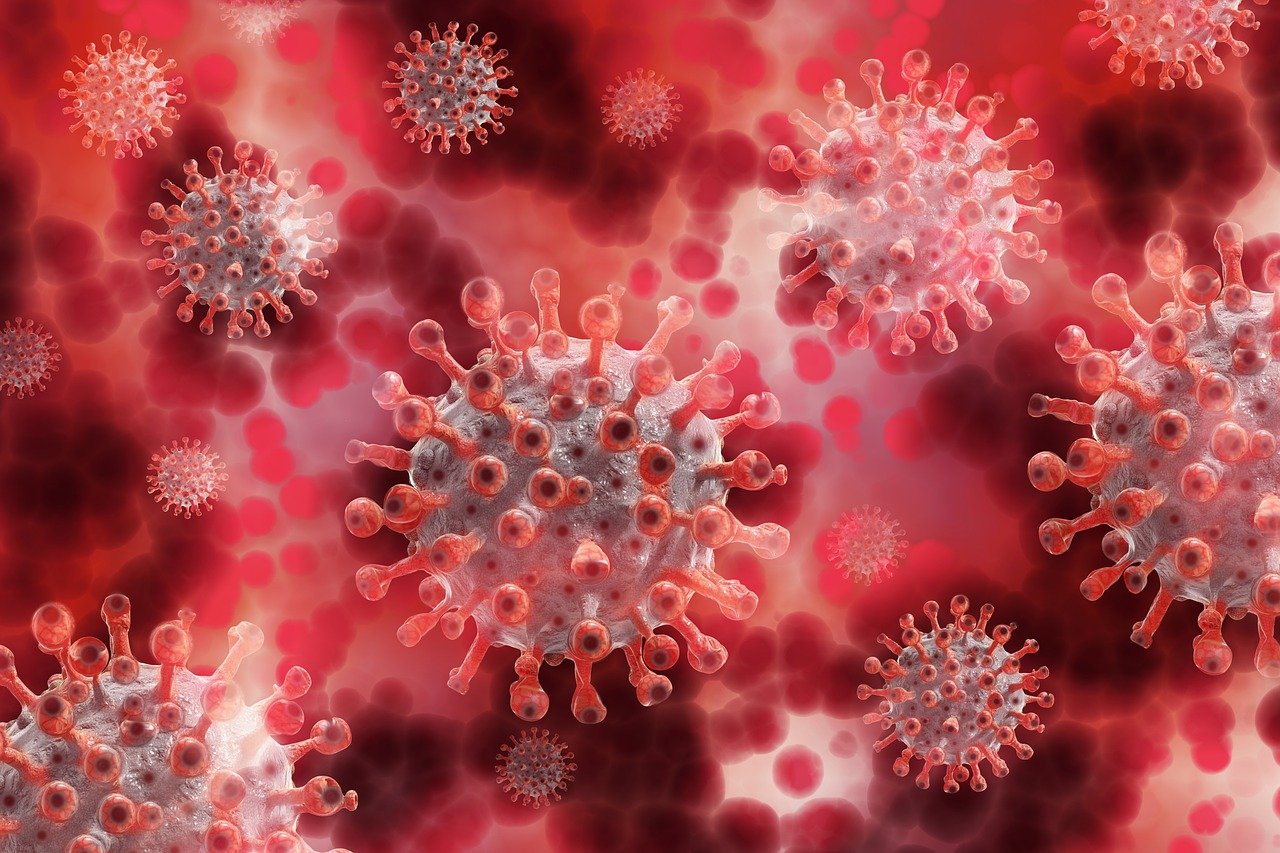
    The BA.3.2 variant, often called the Cicada COVID variant, has drawn attention as a new COVID variant 2026 due to its unusually high number of mutations. Emerging as an Omicron descendant, it carries more than 50 spike protein mutations, raising questions about transmissibility and immune response. Despite this, early observations show it circulating at low to moderate levels without overtaking dominant strains.

    Understanding how this variant behaves is key to informed awareness rather than alarm. Current data suggests that while it may partially evade immunity, it does not significantly increase severity. Monitoring continues as part of global efforts to track SARS-CoV-2 evolution and ensure public health responses remain effective.

    BA.3.2 Variant Origins and Mutations

    The BA.3.2 variant is an Omicron descendant that likely evolved from the BA.3 lineage, which circulated at low levels earlier in the pandemic. Its reappearance in late 2024 caught attention, as genetic analysis suggests it may have developed undetected for months, possibly in a chronically infected individual.

    Based on a study conducted by the World Health Organization, BA.3.2 carries more than 50 spike protein mutations and over 70 total genetic changes compared to the original strain. Many of these mutations are concentrated in the spike protein, which is responsible for how the virus enters human cells.

    This rapid accumulation of mutations, known as a saltation event, may allow partial immune evasion. However, it may also reduce the virus’s efficiency in infecting cells, limiting its spread. The Cicada COVID variant nickname reflects this hidden evolution, though current data shows it does not outperform dominant Omicron subvariants.

    Cicada COVID Variant Spread Patterns

    The Cicada COVID variant has been detected across multiple regions, including South Africa, Europe, the United States, and Australia. Despite its international presence, it remains at low prevalence levels and has not driven major outbreaks or replaced dominant strains like JN.1 descendants.

    According to the Centers for Disease Control and Prevention, surveillance data shows that emerging variants often circulate at low levels without becoming dominant when they lack a growth advantage. In the case of the BA.3.2 variant, detection rates remain low, typically representing only a small fraction of sequenced cases.

    Wastewater monitoring and clinical data confirm its presence, but not at levels suggesting rapid spread. The new COVID variant 2026 is classified as a Variant Under Monitoring, meaning it is tracked for changes while posing no immediate concern due to its limited transmissibility.

    New COVID Variant Symptoms and Risks

    The new COVID variant 2026 shows a symptom pattern similar to recent Omicron descendants, with mostly mild respiratory effects. According to Johns Hopkins Medicine, most Omicron-related variants continue to produce milder symptoms, especially in vaccinated individuals. Current evidence suggests that while mutations exist, overall risk remains stable and manageable.

    • Symptoms remain similar to Omicron variants: The BA.3.2 variant typically presents with fatigue, sore throat, cough, and mild respiratory discomfort rather than severe complications.
    • No increase in severity or hospitalization: There is no evidence linking this new COVID variant 2026 to higher hospitalization rates or increased mortality compared to other circulating strains.
    • Partial immune evasion observed: Laboratory findings show the variant may reduce antibody neutralization from prior infection or vaccination, though this pattern is common among Omicron descendants.
    • Vaccines still protect against severe illness: Despite reduced neutralization, vaccines continue to provide strong protection against serious outcomes, including hospitalization and death.
    • Overall public health risk remains low: The Cicada COVID variant has not demonstrated increased impact in real-world settings, with stable outcomes across monitored regions and continued surveillance in place.

    Tracking BA.3.2 Variant Evolution and COVID Monitoring

    The BA.3.2 variant represents another step in the ongoing evolution of SARS-CoV-2. As an Omicron descendant with a high number of mutations, it highlights how the virus can change under immense pressure while still following broader patterns seen in recent years. Despite its genetic differences, it has not demonstrated the ability to dominate globally.

    Ongoing surveillance remains essential for tracking how variants behave over time. Monitoring systems, including genomic sequencing and wastewater analysis, provide early insights into emerging trends. These tools help health authorities respond quickly while keeping public communication grounded in evidence rather than speculation.

    What BA.3.2 Means for COVID Awareness Today

    The BA.3.2 variant shows how the virus continues to evolve without necessarily increasing risk. While its mutation profile initially raised concern, real-world data points to stable outcomes, with no major changes in severity or spread. This highlights the importance of looking beyond mutation counts and focusing on actual impact.

    Staying informed and maintaining basic health awareness remains the most practical approach. Vaccination, monitoring updates, and understanding how variants behave help individuals navigate changes without unnecessary worry. The Cicada COVID variant serves as a reminder that not every new variant leads to major shifts in the pandemic.

    Frequently Asked Questions

    1. What makes the BA.3.2 variant different from other variants?

    The BA.3.2 variant stands out in its unusually high number of mutations, especially in the spike protein. This makes it more genetically distinct compared to earlier Omicron descendants. However, these mutations do not necessarily make it more dangerous. Current data shows it behaves similarly to other recent variants.

    2. Why is it called the Cicada COVID variant?

    The nickname comes from the idea that the variant evolved undetected for a long period. Like cicadas that stay underground before emerging, BA.3.2 likely circulated quietly before being identified. This delayed detection is not uncommon with viruses. It reflects gaps in surveillance rather than sudden appearance.

    3. Does the BA.3.2 variant cause more severe illness?

    No, there is no evidence that BA.3.2 leads to more severe disease. Symptoms remain similar to other Omicron variants. Hospitalization and death rates have not increased بسبب this variant. It is currently considered low risk in terms of severity.

    4. Are vaccines still effective against the new COVID variant 2026?

    Yes, vaccines are still expected to protect against severe illness. Even though the variant may partially evade antibodies, immune defenses remain strong. Vaccination continues to reduce the risk of hospitalization and complications. This makes it an important tool for ongoing protection.


    Source link

  • New Covid Symptoms and Variant Signs Explained

    New Covid Symptoms and Variant Signs Explained

    COVID-19 in 2026 still looks, for many people, like a bad cold or flu, but new COVID-19 symptoms linked to each emerging new COVID-19 variant can include an unusually sharp sore throat, stubborn congestion, and lingering fatigue. Because COVID-19 overlaps so closely with other respiratory infections, testing remains essential whenever these symptoms appear.​

    COVID-19 in 2026: How Today’s Symptoms Look

    COVID-19 in 2026 is driven by newer Omicron-lineage variants that mostly target the upper airways rather than deep lung tissue seen early in the pandemic. As a result, many infections present as sore throat, congestion, cough, and fatigue instead of the classic high fevers and severe shortness of breath that dominated earlier waves.​

    In everyday life, that means a person with COVID-19 in 2026 may assume they just have a seasonal cold or mild flu because symptoms come on gradually and often feel familiar. This overlap is part of why public health agencies continue to stress testing rather than symptom guessing to know which virus is actually responsible.​

    Most Common Symptoms of COVID-19 in 2026

    Across clinics and surveillance reports, the most frequently reported COVID-19 in 2026 symptoms include sore throat, dry or tickly cough, nasal congestion or runny nose, fatigue, headache, and mild fever or chills. Muscle aches, sneezing, and a general “worn down” feeling are also common, especially in the first few days of illness.​

    Loss of taste or smell still occurs, but it is less frequent than in early pandemic waves dominated by the original strain and Delta. Some people also report gastrointestinal symptoms, nausea, vomiting, or diarrhea, though these are less common and often appear alongside the core respiratory features.​

    New COVID-19 Symptoms and Standout Variant Features

    Each new COVID-19 variant that circulates in 2026 broadly shares this respiratory profile but can have recognisable touches. The NB.1.8.1 “Nimbus” variant, for example, has been associated with a notably severe, sometimes “stabbing” sore throat early in infection, along with fatigue, congestion, and mild cough.

    Other recent variants like XFG “Stratus” show a strongly cold-like pattern dominated by nasal congestion, cough, and prolonged tiredness.​

    These new COVID-19 symptoms still fit within the broader CDC and WHO lists: fever or chills, cough, shortness of breath, sore throat, congestion, loss of taste or smell, headache, muscle aches, and digestive issues.

    What feels “new” in COVID-19 in 2026 is less about brand‑new symptoms and more about how often they appear, how intense they are (especially the throat pain), and how they cluster with one another.​

    Is COVID-19 in 2026 Just Like a Cold or Flu?

    The symptom overlap with colds and flu is now substantial. Sore throat, congestion, cough, sneezing, low‑grade fever, and fatigue are common to all three, and many people start illness without any sign that one virus, rather than another, is responsible.

    In fact, clinicians emphasise that even experienced doctors often cannot distinguish among COVID-19, influenza, and other respiratory viruses by symptoms alone, according to the World Health Organization.​

    There are still patterns that can offer hints. Influenza tends to strike suddenly with higher fevers, intense body aches, and abrupt exhaustion, while new COVID-19 variant infections often build more gradually with pronounced sore throat, congestion, and longer‑lasting tiredness.

    Allergies, meanwhile, usually bring itchy eyes and sneezing without fever or muscle pain, so the presence of fever, distinct body aches, or gut symptoms should raise suspicion for COVID-19 in 2026 or flu rather than simple hay fever.​

    When to Test and Seek Medical Care

    Because new COVID-19 symptoms are so similar to other infections, health agencies recommend testing whenever someone develops a combination of sore throat, cough, congestion, fever, or unexplained fatigue, especially if there has been recent exposure or a local rise in cases.

    Typical symptoms can appear anywhere from 2 to 14 days after exposure, with many people improving within about a week to 10 days, though cough and tiredness can linger longer.​

    Urgent medical attention is warranted if a person develops trouble breathing, persistent chest pain or pressure, new confusion, difficulty staying awake, or bluish lips or face, as these can signal severe COVID-19 or another serious condition.

    People in high‑risk groups, older adults, those with chronic illnesses, or individuals with weakened immune systems, are advised to contact a clinician early, because they may qualify for antiviral treatment that reduces the chance of hospitalisation.​

    Long COVID and Lingering Symptoms

    Even in the era of new variants, long COVID remains a concern. Some people experience fatigue, shortness of breath, brain fog, sleep issues, or mood changes for weeks or months after the initial infection has resolved, regardless of how mild the first illness appeared, as per the Centers for Disease Control and Prevention.

    Long COVID risk seems higher in those with repeated infections or underlying health conditions, but it can affect previously healthy individuals as well.​

    This possibility is one reason experts continue to encourage vaccination, early testing, and supportive care, for example, resting adequately and returning to activity gradually, to help reduce the chances of prolonged recovery.

    Ongoing research is tracking how each new COVID-19 variant may influence long-term outcomes, but the consistent message is that preventing infection and reinfection remains important.​

    Staying Ahead of New COVID-19 Symptoms in 2026

    COVID-19 in 2026 is no longer defined by the dramatic hospital scenes of the earliest waves, yet each new COVID-19 variant continues to bring a familiar set of respiratory symptoms that can still disrupt health, work, and daily life.

    Staying up to date on vaccines, improving indoor ventilation, using well‑fitting masks during surges or in crowded indoor spaces, and testing when symptoms arise are practical ways to reduce personal and community risk.​

    By recognising how new COVID-19 symptoms typically present, especially intense sore throat, persistent congestion, and extended fatigue, people can decide sooner when to test, when to isolate, and when to seek medical advice.

    These steps help limit the impact of COVID-19 in 2026, even as the virus continues to evolve through each new COVID-19 variant.​

    Frequently Asked Questions

    1. Can someone have COVID without a positive test?

    Yes. Rapid antigen tests can miss some infections, especially early or late in the course of illness, or if the swab technique is poor. If symptoms strongly suggest COVID-19 in 2026 and there is known exposure, health authorities often recommend repeating testing over a couple of days or using a lab-based PCR test for higher sensitivity.​

    2. Does getting COVID-19 in 2026 from a new variant change how long a person is contagious?

    Current evidence suggests most people with Omicron-lineage variants are most contagious from about 1–2 days before symptoms start through the first 5–7 days of illness, similar to earlier Omicron waves.

    People with severe illness or weakened immune systems may shed virus for longer, which is why some guidelines recommend extended isolation or masking in high‑risk situations for these groups.​

    3. Can air purifiers really help reduce the spread of new COVID-19 variants at home?

    Portable HEPA air purifiers can meaningfully reduce virus-containing aerosols in indoor air when sized correctly for the room and run on an adequate setting.

    They work best as part of a layered approach, alongside ventilation (open windows or mechanical systems), masking during surges, and prompt isolation when new COVID-19 symptoms appear.​

    4. Is it possible to build long-term immunity against new COVID-19 symptoms and variants?

    Immunity from vaccination and past infection continues to reduce the risk of severe disease, even as new COVID-19 variants emerge and partly evade antibodies. However, protection against infection and mild symptomatic illness tends to wane over months, which is why updated booster doses and periodic exposures still play a role in keeping immune responses refreshed.​


    Source link

  • Did COVID Lockdowns Doom Britain’s Youth? Inquiry Reveals Childhood ‘Torn Apart’ – Lasting Harm Was No Secret

    Did COVID Lockdowns Doom Britain’s Youth? Inquiry Reveals Childhood ‘Torn Apart’ – Lasting Harm Was No Secret

    In a stark revelation shaking Britain’s pandemic response, the UK COVID-19 Inquiry on 29 September 2025 exposed how lockdowns inflicted grievous harm on children, tearing at the very fabric of childhood through school closures and enforced isolation.

    Witnesses detailed severe, long-lasting impacts on education, mental health, and social development, with government decisions prioritising adults over youth despite known risks. As testimonies unfolded, it became clear that lasting harm to Britain’s youth was no secret, yet officials proceeded, dooming a generation to profound consequences.

    Inquiry Exposes Grievous Harm

    The inquiry’s major research report, published 15 September 2025, drew from interviews with 600 children aged 9-22, highlighting disrupted routines and missed milestones as an ‘empty time‘ of pandemic effects.

    Participants described family tensions and emotional drain, with one noting: ‘That was, like, very difficult having my mum, my auntie, my uncle; my brother was there as well and my cousin. So it was a very crowded place. It was also very, like, emotionally draining with kind of like family stuff. So I did end up, like, developing anxiety… I was very sad a lot of the time…’ This underscores how COVID lockdowns amplified home-based vulnerabilities for Britain’s youth.

    School Closures Chaos

    Government planning for school closures began only on 17 March 2020, the day before the announcement, despite earlier focus on keeping schools open. Former education secretary Gavin Williamson described the shift as a ‘discombobulating 24-hour sea change,’ highlighting inadequate preparation across UK nations. This failure exacerbated education disruption, with children missing crucial learning and social interactions.

    Online learning challenges included limited device access, as one child said: ‘I learn best when I have a physical thing in front of me …’ Exam cancellations and grade frustrations affected university aspirations, compounding long-term impacts.

    Vulnerable children suffered most, with schools as ‘constant eyes‘ for safeguarding; closures led to declined referrals and increased exposure to harm. The National Crime Agency noted rises in online abuse due to more time spent digitally during lockdowns.

    Mental Health Crisis Unveiled

    Post-lockdown readjustment proved tough, with one participant stating: ‘Not leaving the house… and then having to try and get used to being in public again, and going to school… definitely contributed to, like, my anxiety being a lot worse.’ Mental health issues surged, including body image worries and first-time service access among secondary-aged youth.

    Inquiry counsel Clair Dobbin KC emphasised: ‘The reality is that there were children who suffered grievous harm at the hands of their carers during the pandemic. The carers of those children bear responsibility for the violence and neglect inflicted on children, and these children stand as the starkest examples of what adults are capable of doing to children behind closed doors.’

    This highlights how lockdowns removed protective layers, leading to abuse and neglect.

    In an X post from LBC, it was shared: ‘Some children suffered “grievous harm” at the hands of those who should have been caring for them in the pandemic, the UK COVID-19 Inquiry has heard.’ Such public reactions amplify the inquiry’s findings.


    Baroness Heather Hallett noted the impact was ‘severe and, for many, long-lasting,’ urging lessons for future crises. Children’s rights groups called for apologies and prioritisation of youth in decisions.

    The four-week hearings, starting 29 September 2025, probe physical health, long COVID, and high absence rates, revealing systemic oversights. Stories from parents like Aisha illustrate ongoing struggles, with her son lacking education and facing trouble post-lockdown.

    Originally published on IBTimes UK


    Source link

  • MAGA Calls to ‘Revoke’ Trump’s Surgeon General Nomination Accusing Her of Getting ‘the Covid Jab’: ‘Another MAHA Grifter’

    MAGA Calls to ‘Revoke’ Trump’s Surgeon General Nomination Accusing Her of Getting ‘the Covid Jab’: ‘Another MAHA Grifter’

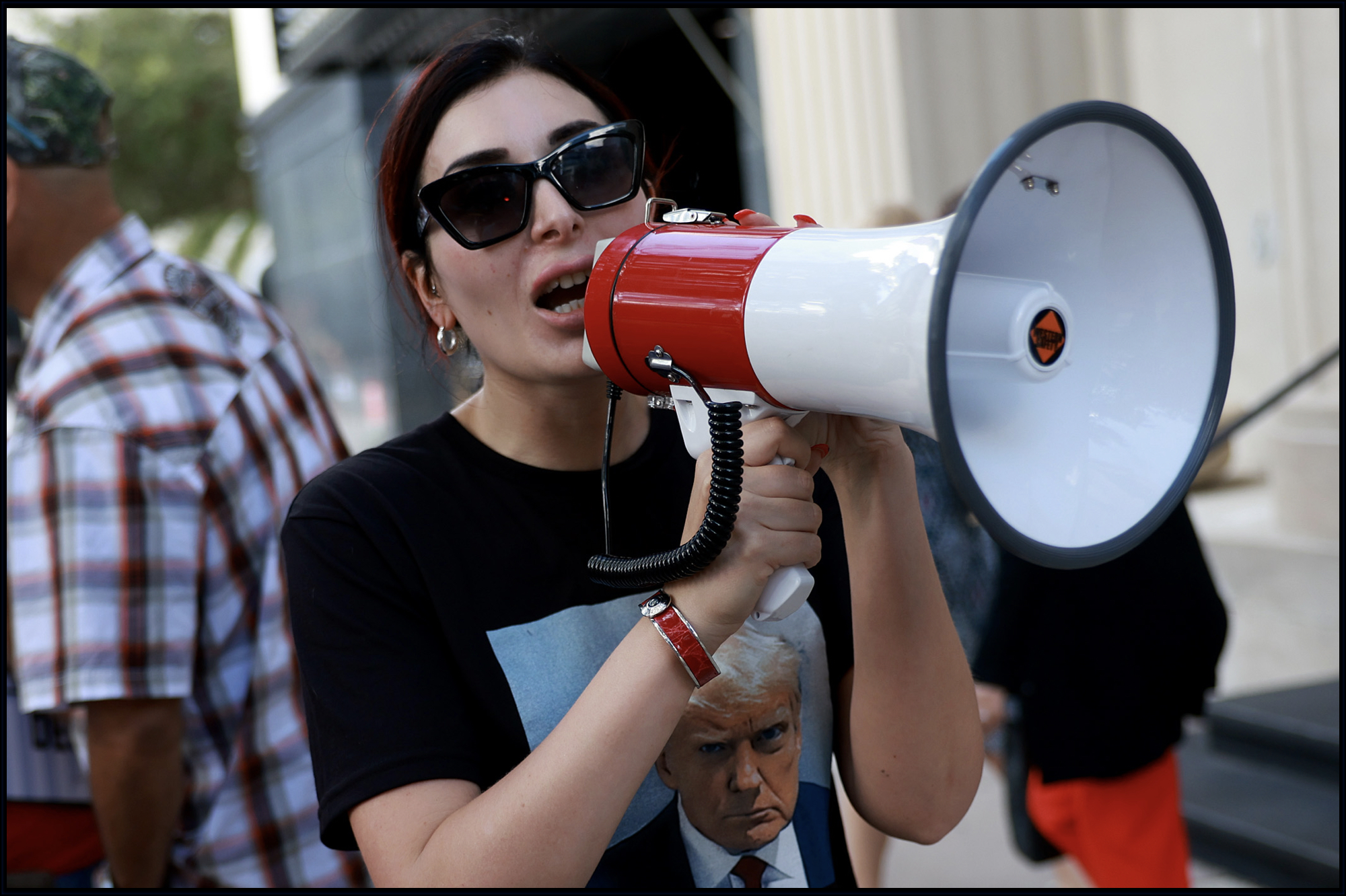
    President Donald Trump’s newly announced nominee for US Surgeon General, Dr. Casey Means, is facing backlash from within the MAGA movement after right-wing activist Laura Loomer accused her of being a “MAHA grifter” for previously receiving the COVID-19 vaccine.

    Loomer shared a screen recording allegedly documenting Means — then using the handle “@DrCaseysKitchen” — receiving her COVID vaccine live on the social audio app Clubhouse in February 2021. The revelation sparked outrage among anti-vaccine factions of the “Make America Healthy Again” (MAHA) movement, a public health push led by Health Secretary Robert F. Kennedy Jr.

    “The new Trump nominee for US Surgeon General took the COVID JAB,” Loomer wrote. “So how can she be a representative for MAHA?”

    Loomer, a close ally of President Trump and outspoken critic of COVID-19 mandates, further claimed Means was “pretending to be someone she isn’t,” citing her inactive medical license and former social media identity. “Her nomination should be REVOKED,” she declared.


    Dr. Means, who graduated with a medical degree from Stanford and co-authored Good Energy, has become popular in wellness and biohacking circles for promoting metabolic health and criticizing pharmaceutical companies. She has closely aligned herself with RFK Jr.’s anti-establishment health agenda.

    Hardline MAHA loyalists — many of whom reject vaccines and see the movement as opposition to COVID-era health policies — refuse to trust recipients of the COVID vaccine.


    While some commenters attempted to give Means the benefit of the doubt, citing the frequency with which employers required vaccines at the time, others were suspect of Means and even Kennedy for associating with her.


    For others, her nomination only fueled suspicion of the government.


    Means’ nomination has already faced scrutiny for her lack of clinical experience. Trump admitted on Thursday that he didn’t really know her, and chose her based on RFK Jr.’s recommendation.

    The White House and Health Secretary Kennedy have not yet responded to Loomer’s post or the growing demands from MAGA figures to withdraw Means’ nomination.

    Originally published on Latin Times


    Source link

  • Promoting Covid, Flu Vaccines to Public Quietly Banned by Louisiana Department of Health: ‘Unconscionable’

    Promoting Covid, Flu Vaccines to Public Quietly Banned by Louisiana Department of Health: ‘Unconscionable’

    Louisiana public health officials are no longer permitted to promote vaccines, including those against illnesses such as COVID-19 and the flu, to members of the public in a new policy that was covertly implemented in the state.

    The policy was considered during two Louisiana Department of Health meetings held on Oct. 3 and Nov. 21, reported NPR. Employees who discussed the policy under anonymity revealed that it was to be quietly implemented and was never written down.

    The limits placed upon public health employees are far-reaching. They are forbidden from distributing press releases, giving interviews, holding vaccine events, giving presentations or creating social media posts that advocate for the benefits of vaccines and encourage members of the public to get them.

    The policy comes after President-Elect Donald Trump named former presidential candidate Robert F. Kennedy Jr. as his pick to lead the Department of Health and Human Services. RFK Jr., a known anti-vaxxer, has frequently perpetuated myths about vaccines including one debunked conspiracy theory that points to vaccines as the cause of autism amongst children.


    A city in Florida voted to remove fluoride from its water supply, citing Robert F. Kennedy, Jr.’s crusade against the chemical.
    Rebecca Noble/Getty Images


    Trump has stayed firm in his nomination of RFK Jr., stating that he is “much less radical than you would think” and that he has “a very open mind.”

    Staff at Louisiana’s health department have voiced frustrations with the new policy, with many of them expressing concern about the possible spread of illness as a result of the new rule.

    “Do they want to dismantle public health?” one employee at the health department said.

    “We’re really talking about deaths,” said another. “Even a reduction in flu and COVID vaccines can lead to increased deaths.”

    “It’s a step backwards,” said Kimberly Hood, who led the Office of Public Health, a subunit of the health department, from 2021 to 2022. “It’s a medical marvel that we’re fortunate enough to live in a time where these vaccines are available to us, and to not make use of that tool is unconscionable.”

    Originally published by Latin Times.

    Source link

  • Trump Pick for Public Health Chief Opposed COVID Lockdown, Wanted People to Get Infected on Purpose

    Trump Pick for Public Health Chief Opposed COVID Lockdown, Wanted People to Get Infected on Purpose

    President-elect Donald Trump‘s latest leadership pick for the National Institutes of Health once published an open letter slamming the COVID-19 lockdown, while promoting “herd immunity” as a solution to the pandemic.

    “Together, Jay and RFK Jr. will restore the NIH to a Gold Standard of Medical Research as they examine the underlying causes of, and solutions to, America’s biggest Health challenges, including our Crisis of Chronic Illness and Disease,” Trump wrote in a statement released Tuesday, AP News reported.

    Dr. Jay Bhattacharya, a professor of medicine, economic and health research policy at Stanford University whose research focuses not on the science of health but the economics of health care, was shadow-banned on Twitter after he joined in 2021 and started sharing misinformation regarding the pandemic, according to reporting by the Wall Street Journal. His account was fully reinstated after Elon Musk bought the platform and invited Bhattacharya to defend his output.

    During the COVID-19 pandemic, and before vaccines were available, Bhattacharya encouraged “low-risk” people to live normally to build immunity to the infectious disease while people at higher risk were protected in an open letter dubbed the Great Barrington Declaration, written by three medical experts, including Bhattacharya, in October 2020, AP News reported.

    At the time, then-NIH Director Dr. Francis Collins called the letter dangerous and “not mainstream science.”

    “I think the lockdowns were the single biggest public health mistake,” Bhattacharya later said during a panel discussion organized by Florida Gov. Ron DeSantis in March 2021.

    The Senate will have to approve Bhattacharya’s appointment before officially takes office.

    Originally published by Latin Times

    Source link

  • Nearly 23% Of Adults Face Long COVID Symptoms: AI-Based Study Reveals

    Nearly 23% Of Adults Face Long COVID Symptoms: AI-Based Study Reveals

    Long COVID, a complex condition with lingering symptoms like fatigue, chronic cough, and brain fog may be affecting far more people than once believed.

    A recent AI-based study conducted by researchers at Mass General Brigham in Boston finds that nearly 23% or one in five U.S. adults report symptoms of long COVID. The new finding reveals a rate strikingly higher than the 7% prevalence suggested by previous studies.

    “Questions about the true burden of long COVID — questions that have thus far remained elusive — now seem more within reach,” said senior researcher Hossein Estiri, head of AI research at Mass General Brigham in a news release.

    The latest study utilized a specialized AI tool to navigate through medical records for symptoms of long COVID using a database of nearly 300,000 patients across 14 hospitals and 20 community health centers in the Mass General Brigham system. The novel technique called “precision phenotyping” sifts through individual records to identify symptoms and conditions linked to COVID-19, tracking them over time and distinguishing them from symptoms of other illnesses.

    According to the U.S. Centers for Disease Control and Prevention (CDC), long COVID is a serious condition that occurs after SARS-CoV-2 infection leading to chronic conditions or disability. Although the exact number of people experiencing the condition is unknown, the CDC considers it a significant public health concern impacting millions of lives.

    Typical symptoms of long COVID or (PASC), including fatigue, chronic cough, heart problems, and brain fog may develop weeks or months after a person gets over the COVID-19 infection. It may resolve, reemerge, or persist for several weeks or months.

    Using the new precision phenotyping technique, the algorithm could determine whether symptoms like shortness of breath are linked to a patient’s pre-existing conditions or long COVID. Patients were classified as having long COVID only after all other possibilities were ruled out.

    “Our AI tool could turn a foggy diagnostic process into something sharp and focused, giving clinicians the power to make sense of a challenging condition. With this work, we may finally be able to see long COVID for what it truly is — and more importantly, how to treat it,” said senior author Hossein Estiri, an associate professor of Medicine at Harvard Medical School.

    “Physicians are often faced with having to wade through a tangled web of symptoms and medical histories, unsure of which threads to pull while balancing busy caseloads. Having a tool powered by AI that can methodically do it for them could be a game-changer,” said Dr. Alaleh Azhir, the co-lead author.

    Source link