Tag: concerns

  • FDA Cracks Down on Whipped Sunscreens, Citing Lack of Approval and Safety Concerns

    FDA Cracks Down on Whipped Sunscreens, Citing Lack of Approval and Safety Concerns

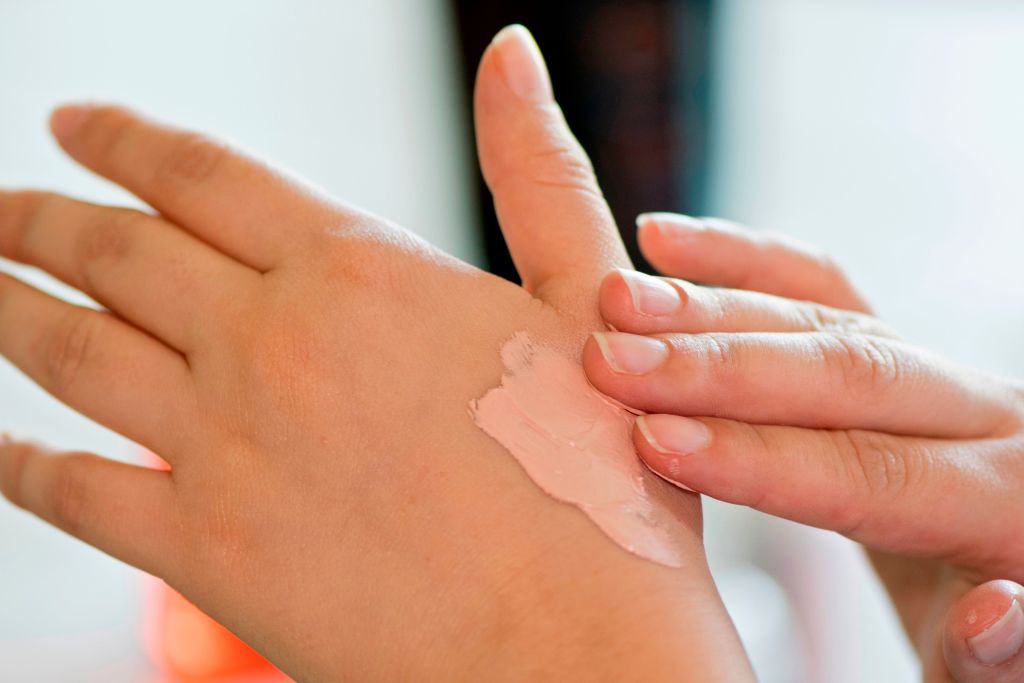
    The US Food and Drug Administration (FDA) is warning consumers to avoid sunscreens sold in whipped, mousse, or foam forms, saying these products are not approved and could be unsafe.

    The agency recently sent warning letters to several companies, including Supergoop!, Vacation Inc., Kalani Sunwear, Botao Baby, and Tizo Skin, for marketing sunscreens in these unconventional formats.

    “These products might not be effective,” the FDA said in a post on X, emphasizing that whipped or mousse sunscreens have not been approved as safe or reliable for preventing sunburn or reducing skin cancer risk.

    The agency classifies these products as drugs because they are designed to protect against harmful UV rays, yet they have not received the necessary FDA approval.

    The FDA also raised concerns about packaging. According to FoxBusiness, many whipped and mousse sunscreens are sold in containers resembling food items, which could lead to accidental ingestion, especially by children.

    Vacation Inc., for instance, markets its “Classic Whip Sunscreens” as “dessert for your skin,” prompting the FDA to label the products as misbranded.

    “Packaging drug products in containers that resemble food containers commonly used by adults and children can mislead consumers into mistaking the products for food,” the agency warned.


    FDA Issues Warning on Supergoop! Mousse Sunscreen

    Supergoop! received a similar warning for its “Play SPF 50 Body Mousse.”

    The company told CBS MoneyWatch it is working to resolve what it described as a “product labeling” matter with the FDA and remains committed to maintaining high standards of safety and efficacy, NY Post said.

    Kalani Sunwear temporarily pulled its mousse-format sunscreen from its U.S. website to comply with regulations, while Botao Baby and Tizo Skin have not yet responded to inquiries.

    The FDA treats sunscreens like over-the-counter drugs, which means they have strict rules about how they can be sold.

    Right now, only lotions, creams, gels, oils, pastes, butters, ointments, and sticks are considered safe and effective.

    Sunscreens in mousse, foam, or whipped forms need separate FDA approval, and none of the ones on the market have it yet.

    Back in 2019, the FDA updated its sunscreen guidelines to reflect the latest science, including rules about active ingredients, SPF limits, broad-spectrum protection, and allowed forms.

    The Skin Cancer Foundation supports these rules, emphasizing that ongoing review is important as new UV filters and application methods come out.

    For now, consumers should read sunscreen labels carefully and steer clear of mousse, foam, or whipped products until they get FDA approval.

    Originally published on vcpost.com
    Source link

  • Clip of RFK Jr Being Called Out for Lying on Live TV Resurfaces Amid Concerns Over MAHA Report Citing Fake Sources

    Clip of RFK Jr Being Called Out for Lying on Live TV Resurfaces Amid Concerns Over MAHA Report Citing Fake Sources

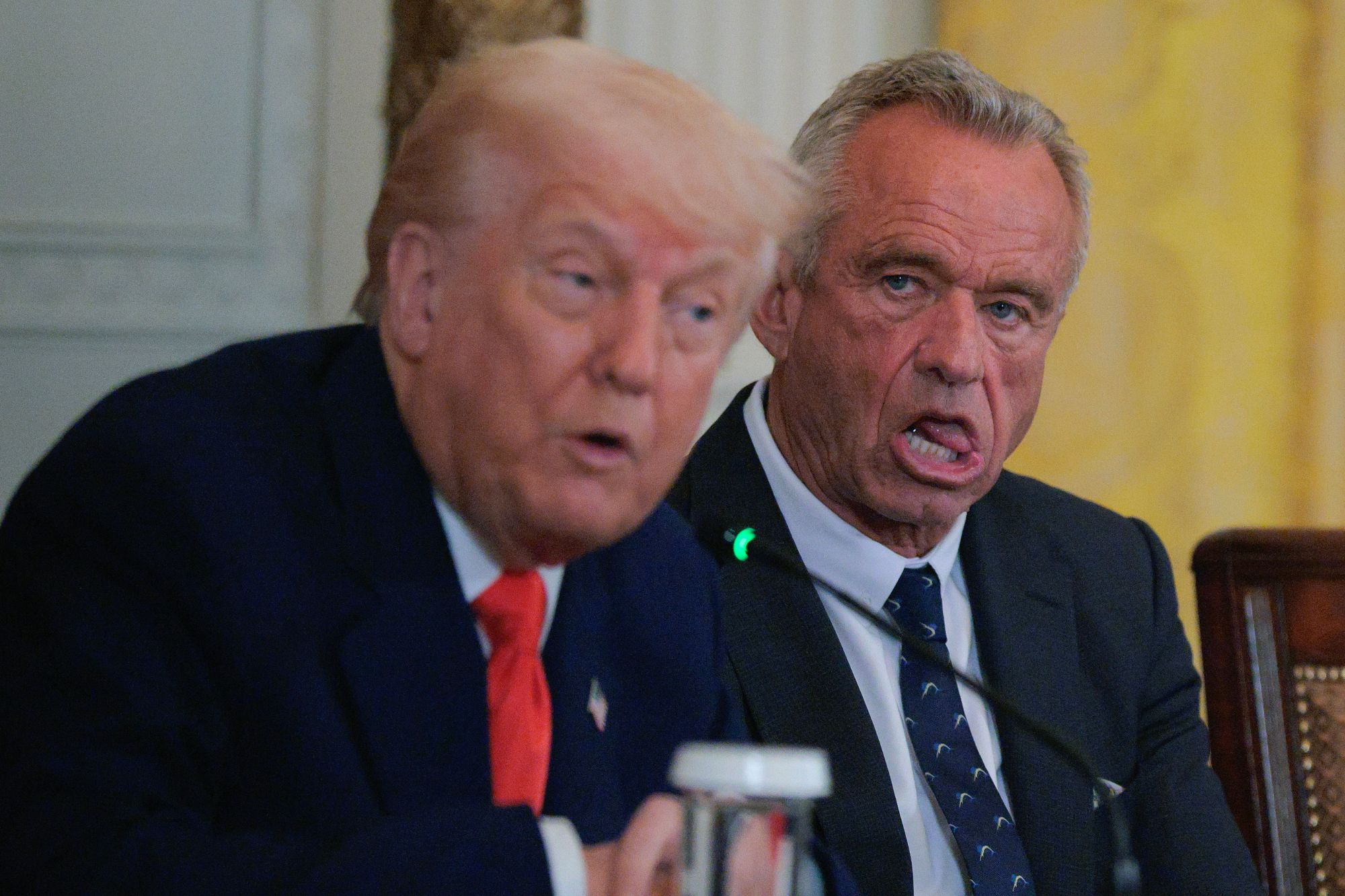
    A resurfaced clip of Health and Human Services Secretary Robert F. Kennedy, Jr. being called out for lying during a live CNN interview has fueled new concern after his department repeatedly cited fabricated sources in multiple versions of its “transformative” Make American Healthy Again report.

    In the trending snippet from 2024, CNN anchor Kasie Hunt asks RFK Jr, who was running as an independent presidential candidate at the time, whether he still believed “there’s no vaccine that is, you know, safe and effective,” quoting an earlier interview response.

    “I never said that,” RFK Jr quickly asserted.

    “So, stop me, we have the clip. Please play the clip,” Hunt demanded before a clip of RFK Jr making the word-for-word claim is played.


    The clip’s resurgence has left many wondering whether the Make America Healthy Again Commission, led by Kennedy, intentionally miscited and misrepresented studies and research in its landmark report.

    Press Secretary Karoline Leavitt attempted to blame the errors on “formatting issues,” raising more questions than answers.

    RFK Jr has long been a critic of vaccines, despite all of his children being fully vaccinated. Most recently, he announced on X that his department no longer recommended the COVID vaccine for healthy children and healthy pregnant women.


    “Last year the Biden administration urged healthy children to get yet another COVID shot despite the lack of any clinical data to support the repeat booster strategy in children,” Kennedy claimed in the 58-second video.

    Originally published on Latin Times


    Source link

  • Trump Revives ‘Mental Decline’ Concerns After Attempting to Leave Oval Office Before Signing Executive Order: ‘Is He OK?’

    Trump Revives ‘Mental Decline’ Concerns After Attempting to Leave Oval Office Before Signing Executive Order: ‘Is He OK?’

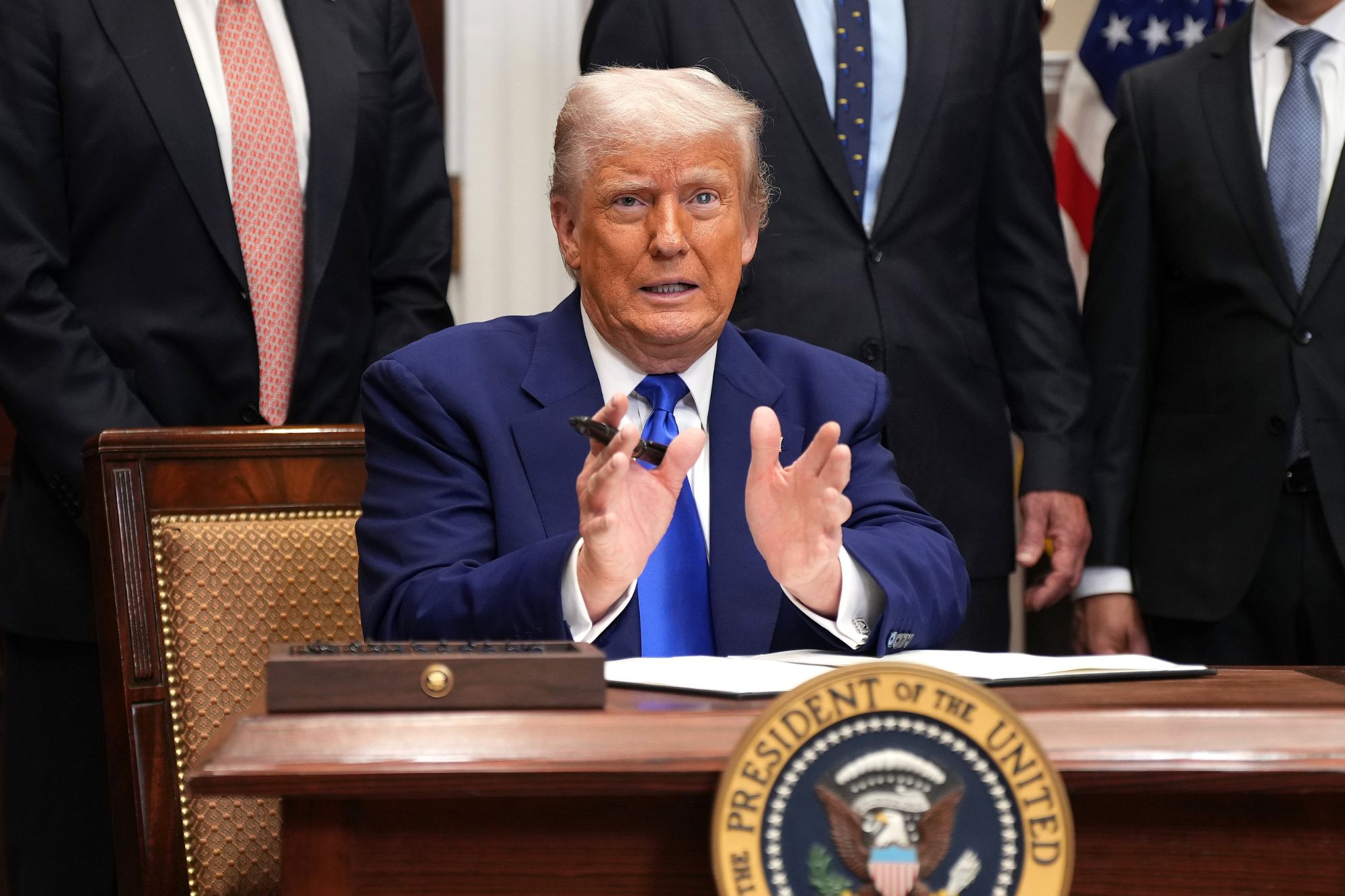
    President Donald Trump reignited concerns about a possible “mental decline” after attempting to leave the Oval Office without signing an executive order.

    Following a joint press conference with Health Secretary Robert F. Kennedy Jr. on Monday, Trump thanked the press and began to exit. In a clip circulating on X, someone can be heard asking him to sign the order before leaving.

    “I’ll sign that, yeah,” Trump replied before turning around to sign the executive order, which aims to lower the cost of prescription drugs for Americans.


    The incident added to mounting concerns over a series of recent missteps by the president. He previously insisted a photoshopped image of Kilmar Abrego Garcia was real, confused Harvard with Harlem, and misstated the date the Philadelphia Eagles visited the White House.

    Monday’s flub left some social media users once again questioning Trump’s mental aptitude.

    “No talks of mental decline?” one X user wondered. President Joe Biden’s mental and physical fitness was a frequent target of criticism from MAGA supporters, who used it as a rallying point in efforts to push for his removal from office.


    “His brain is broken,” a second added.

    “Is he ok,” another social media user wondered.


    “Again? This isn’t the first time,” one user declared. Trump previously exited without signing executive orders in 2017 during his first term, and, most recently, on April 2, also referred to by Trump as “Liberation Day.”


    Several social media users also labeled the president “Dementia Don,” a nickname given to the president by his critics, similar to Trump supporters’ nickname for Biden, “Sleepy Joe.”

    Originally published on Latin Times


    Source link

  • Strive For Happiness, But Constant Concerns About It Affects Well-Being: Study

    Strive For Happiness, But Constant Concerns About It Affects Well-Being: Study

    Obsessed with the pursuit of happiness? Be cautious — overthinking about it might affect happiness. While it is important to strive for happiness, constant obsession, overthinking, and concerns about one’s happiness can affect well-being, a study revealed.

    People who value happiness highly are often found to be less happy. To understand why, researchers of the latest study looked at two aspects of valuing happiness. The first is how strongly someone views happiness as a key goal, which measures the aspiration to happiness. The second is how much they worry about their current happiness, which indicates concern about happiness.

    The researchers then tested their hypothesis using three experiments conducted on a large sample size involving more than 1,800 participants. The sample involved participants from Yale University students, community members from Denver and Berkeley, California, and online studies with participants from the United States and Canada. They were assessed on their beliefs about happiness and tested for psychological well-being and depressive symptoms.

    The results showed that unlike previously thought, the pursuit of happiness is generally harmless. However, being overly concerned about current happiness can lead to negative feelings about happiness, which can reduce overall life satisfaction, psychological well-being, and a greater chance of depressive symptoms.

    “These findings suggest that highly valuing happiness is not inherently problematic; however, concern and judgment about one’s happiness can undermine it,” the researchers wrote in the study in the journal Emotion.

    The researchers also noted that worrying about one’s happiness was linked to greater negativity about positive events.

    “Thinking too much about one’s own level of happiness could be related to fears about not measuring up or not being as happy as other people. Having high expectations for one’s happiness can be detrimental because it makes it more difficult to achieve the level of happiness that we are expecting from a positive event,” lead researcher Felicia Zerwas said in a news release.

    “There are plenty of societal pressures, at least within the United States, which encourage the fallacy that people must feel happy all of the time to achieve greater well-being. Overall, allowing yourself to experience your emotions, whether they are positive or negative, with an accepting attitude could be a useful tool for pursuing happiness and increasing well-being,” Zerwas said.

    Source link