
Tag: Complications

  • Is Paracetamol Safe? Regular Use In Older Adults May Lead To Ulcers, Heart, And Kidney Complications

    Is Paracetamol Safe? Regular Use In Older Adults May Lead To Ulcers, Heart, And Kidney Complications

    Is paracetamol your go-to for everything from headaches to fever? You might want to think twice. New research reveals that regular use of this common painkiller in older adults could increase the risk of gastrointestinal, heart, and kidney complications.

    Paracetamol, also known as acetaminophen, is commonly used on its own to treat moderate to severe pain or combined with other ingredients in medicines for allergies, colds, and flu. While it is often taken without much thought due to its easy availability, it is not safe to use more than 4 grams (4,000 milligrams) of acetaminophen in a single day. If you are taking multiple products that contain acetaminophen, it can be difficult to track the total amount you are consuming. Previous studies have shown that long-term use of paracetamol may lead to serious kidney damage.

    A recent study published in Arthritis Care and Research explored the long-term health effects of using paracetamol to manage chronic pain associated with osteoarthritis. The findings suggest that frequent use of this common pain reliever may be linked to several serious complications, such as peptic ulcers, heart failure, hypertension, and chronic kidney disease.

    “Due to its perceived safety, paracetamol has long been recommended as the first line drug treatment for osteoarthritis by many treatment guidelines, especially in older people who are at higher risk of drug-related complications,” said Professor Weiya Zhang, the researcher who led the study in a news release.

    The researchers analyzed the health records of over 180,000 adults aged 65 and older who had been repeatedly prescribed paracetamol—defined as two or more prescriptions within a six-month period. This group’s health outcomes were then compared to those of approximately 400,000 adults of the same age who had never received repeated paracetamol prescriptions.

    The study found that repeated use of paracetamol increased the risk of peptic ulcer bleeding by 24%, uncomplicated peptic ulcers by 20%, lower gastrointestinal bleeding by 36%, heart failure by 9%, hypertension by 7%, and chronic kidney disease by 19%.

    “Whilst further research is now needed to confirm our findings, given its minimal pain-relief effect, the use of paracetamol as a first line pain killer for long-term conditions such as osteoarthritis in older people needs to be carefully considered,” Professor Zhang added.

    Source link

  • Being Overweight Raises Pregnancy Complications Regardless Of Women’s Country Of Birth: Study

    Being Overweight Raises Pregnancy Complications Regardless Of Women’s Country Of Birth: Study

    Obesity increases health complications during pregnancy, including miscarriage, preterm birth, and preeclampsia. Researchers have now found that being overweight during pregnancy raises these risks regardless of a woman’s country of birth.

    The latest study conducted by researchers at Linköping University and Karolinska Institutet in Sweden examined the risk of complications faced by overweight pregnant women, including both those born in Sweden and those who have moved there.

    “We know that overweight and obesity are linked to many complications during pregnancy and childbirth for women born in Sweden. Therefore, we wanted to investigate whether the inequalities in pregnancy complications between women born in different countries can to some extent be explained by differences in body weight. If you know that there are health inequalities, you want to find out why, in order to be able to do something about the inequalities in the next step,” said Pontus Henriksson who led the study in a news release.

    The researchers evaluated nearly two million pregnancies and focused on eight significant complications that can impact the mother or baby during pregnancy and childbirth. The complications examined include those related to pregnancy, including preeclampsia, gestational diabetes, and infant mortality within the first year of life. It also looked at preterm birth, extremely preterm birth, and low Apgar scores, which assess a newborn’s vitality. The researchers also considered the risks associated with having a large baby or a small baby concerning the length of the pregnancy.

    The findings published in The Lancet Public Health suggest that promoting a healthy weight has the potential to prevent pregnancy complications for all women.

    The researchers explored how many pregnancy complications, such as gestational diabetes, could be prevented if all women started their pregnancies at a normal weight.

    “For example, we concluded that about half of all cases of gestational diabetes could potentially be prevented. This applies to both women born in Sweden and foreign-born women, said Maryam Shirvanifar, the first author of the study.

    The study also revealed that the impact of weight on these complications varies significantly; for instance, high body weight is particularly linked to an increased risk of gestational diabetes compared to other pregnancy-related issues.

    Source link

  • Know About Rare Illness, Life-Threatening Complications

    Know About Rare Illness, Life-Threatening Complications

    Brazil has reported the first-ever deaths from Oropouche Virus, a relatively unknown illness with no specific vaccines or medications for prevention and treatment.

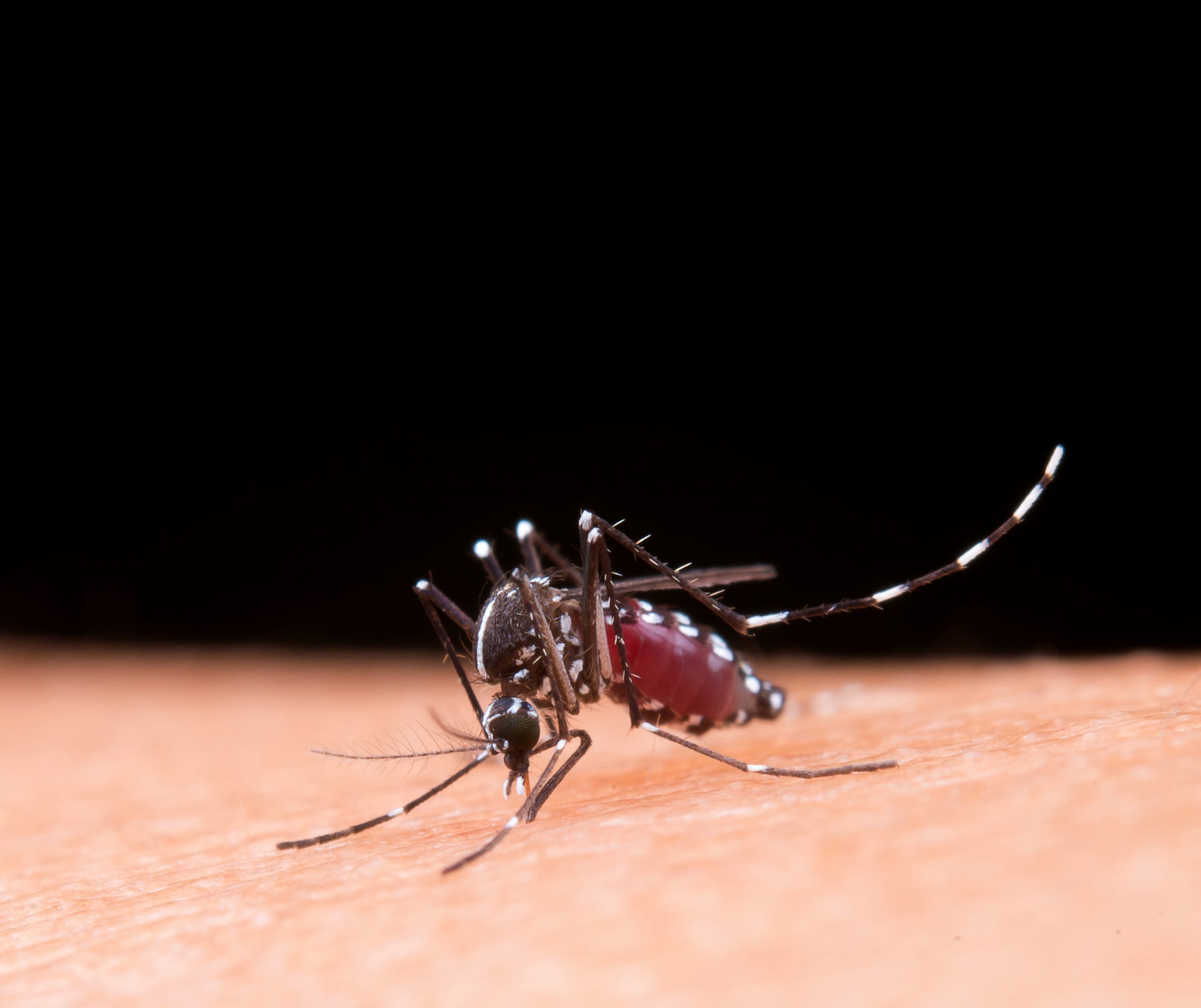
    Two women in Bahia, a northeastern Brazilian state, have died of forest Oropuche virus, which has already infected 7,236 people this year in Brazil, the country’s health ministry reported last week. The Oropouche virus primarily spreads to people through the bite of infected midges, though some mosquitoes can also transmit the virus.

    According to reports, both the victims were under 30 years old, with no history of comorbidities, but had developed symptoms similar to dengue, another mosquito-borne illness.

    The Oropouche virus was first identified in a Caribbean forest worker in 1955. Since then, many countries in the Amazon region, including Bolivia, Brazil, Colombia, Ecuador, French Guiana, Panama, and Peru, have reported cases of infection. Currently, there is no evidence of disease transmission in the United States, according to the U.S. Centers for Disease Control and Prevention (CDC).

    Know Signs and Complications:

    The symptoms typically start abruptly with severe fever, headache, fatigue, and muscular and joint pain within a week after being bitten by the infected midges or mosquito. These symptoms can last a week and may return after a few days or weeks.

    The patients with mild illness recover within days or weeks. However, more serious cases (up to 4% of cases) develop neurologic symptoms. Patients may develop neuroinvasive diseases such as meningitis (inflammation of the membranes around the brain and spinal cord), encephalitis (inflammation of the brain), or experience bleeding. Since the symptoms of the Oropouche disease are similar to those of dengue, chikungunya, Zika, or malaria, it can be often misdiagnosed.

    Treatment:

    For those with mild Oropouche infection, supportive care that typically includes rest, plenty of fluids, and the use of analgesics and antipyretics is recommended. In case of severe symptoms, patients require hospitalization for close observation and more intensive supportive treatment.

    Prevention tips:

    Since there are no effective vaccinations and drugs for Oropouche, the best way to protect from the infection is to prevent bites from midges and mosquitoes. Like all vector-borne viral infections, effective strategies for vector control can also reduce disease transmission.

    Source link