Tag: claims

  • Peeling Back the Onion Claims

    Peeling Back the Onion Claims

    What did randomized, controlled human trials find about the ways we may—or may not—benefit from eating onions?

    Onions are potentially a good source of antioxidants, which, interestingly, are concentrated in the outer layers just beneath the papery peel. White onions, for example, contain more than ten times the antioxidants in the outer layer compared to the inner core. Unfortunately, most people discard the most nutrient-rich outermost layers, “thus losing a valuable part of the antioxidant-rich material.” In general, yellow onions have more antioxidants than white onions. Red onions beat them both, based on three different antioxidant testing methods, as seen at 0:39 in my video Are Onions Beneficial for Testosterone, Osteoporosis, Allergies, and Cancer?

    Though red onions are indeed slightly better, yellow and white onions are no slouches, containing considerable levels of antioxidant activity. We know they’re nutritious, but are there any particular clinical benefits to eating onions? There are all sorts of headlines in the medical literature touting miraculous benefits, but what are these claims based on?

    For example, there’s a review purporting to have evidence that testosterone levels in males are enhanced by onion, but the researchers were referring to studies like one on the effects of onion juice after testicular torsion in rats. Who cares what happens after a rat’s testicle is rotated 720 degrees counterclockwise? (Except, of course, the rat.) You don’t know what happens in people until you put human testes to the test. Only then was it discovered that onion extract doesn’t appear to affect men’s testosterone.

    What about bone health? Evidently, older white women who ate onions at least once a day had an overall bone density that was 5% greater than women who ate onions no more than once a month. Now, 5% might not sound like a lot, but that improvement in bone density could potentially mean decreasing their hip fracture risk by more than 20% if, indeed, it is cause and effect.

    Daily administration of onion for four weeks did cause a big bump in bone density. This could lead to a safe, effective, and low-cost approach to osteoporosis in—you guessed it—rats. Another rodent study!

    Great strides have been made in treating osteoporosis with drugs, but they have the potential for serious adverse side effects, so scientists have turned their attention to natural remedies. In one study, researchers randomized people to drink onion juice or placebo onion juice for 8 weeks. Improvement was noted for a marker of bone health; however, they didn’t actually follow participants long enough to compare osteoporosis rates.

    Do shallots exhibit anti-allergy activity or offer any therapeutic effects for relieving allergic runny noses? Sixteen patients were randomized equally into an antihistamine group or a group that got antihistamines and capsules containing dried shallot powder. It looked like the shallot group did better after four weeks, but there was no statistically significant difference in total symptoms between the two groups. So, another #onionfail.

    What about testing the effects of eating fresh yellow onion to try to decrease the toxic effects of a chemotherapy drug called doxorubicin in breast cancer patients? Unfortunately, no significant benefit was found in decreasing damage to the liver or heart. But eating fresh yellow onion was found to help reduce high blood sugar levels and insulin resistance in breast cancer patients during doxorubicin-based chemotherapy. The drug isn’t just toxic to the liver and heart—it may also contribute to insulin resistance.

    So, researchers performed a randomized, triple-blind, controlled clinical trial, randomizing patients to eat a whole onion a day or a third of an onion a day for eight weeks. What happened? The higher-dose onion group experienced a significant decrease in blood sugars and insulin resistance compared to the lower-dose group. Levels rose in the lower-dose group but fell in the higher-dose group, as you can see below and at 4:28 in my video.

    So, make onions your friend. What’s the worst that can happen—a little onion breath and body odor?

    Doctor’s Note

    What else can we do for breast cancer? See related posts below.



    Source link

  • Do Pomegranates Live Up to Health Claims?

    Do Pomegranates Live Up to Health Claims?

    Pomegranates are put to the test for weight loss, diabetes, COPD, prostate cancer, osteoarthritis, and rheumatoid arthritis.

    The case of POM Wonderful (the pomegranate juice company) vs. Federal Trade Commission made it all the way up to the U.S. Court of Appeals before being denied review by the Supreme Court. In that landmark case, a panel of judges concluded that many of POM’s ads made false or misleading claims and the company “touted medical studies ostensibly showing that daily consumption of its products could treat, prevent, or reduce the risk of various ailments, including heart disease, prostate cancer, and erectile dysfunction.” The U.S. First Amendment does not protect misleading and deceptive ads. Striking a blow to its billionaire owners, the Court ruled that at least one randomized clinical trial would be required to substantiate claims of treating or preventing disease.

    If you look at the medical literature on pomegranate in general, you’ll see reviews touting its many benefits, with diagrams like the one below on the medicinal effects of pomegranates (which you can also see at 1:01 in my video Pomegranate: A Natural Treatment for Rheumatoid Arthritis).

    But if you dig a little deeper, you see this is based on studies like one that talks about the “antiobesity effects of pomegranate leaf extract in a mouse model.” First of all, who eats pomegranate leaves? And second, who’s a mouse?

    Does pomegranate consumption affect weight in humans? If you look at all the randomized controlled clinical trials (meaning human trials), pomegranates have no significant effect on body weight, BMI, belly fat, or even body fat percentage in those randomized to consume pomegranate products. What about the prevention and treatment of cardiovascular diseases? Researchers reviewed 25 clinical trials, looking at cholesterol, blood pressure, artery function, atherosclerotic plaque formation, and platelet function, and did not find significant indications of benefit even in the best studies.

    POM Wonderful helped fund a study on pomegranate juice and erectile dysfunction, but it failed as well. Other studies found no benefit for diabetes markers and observed no benefit for chronic obstructive pulmonary diseases, such as emphysema. They were banking on the antioxidant activity of pomegranate juice to help, but that’s antioxidant activity in vitro (meaning in a test tube or petri dish). To my surprise, a meta-analysis of data from 11 randomized controlled trials “did not support convincing evidence” of pomegranate intake having a significant effect on increasing the total antioxidant capacity in the bloodstream because some of the most potent antioxidants don’t even seem to be absorbed into the human body. No wonder pomegranate supplementation didn’t seem to affect oxidative stress in tissue samples taken from prostate cancer patients. But, of course, what we care about is whether it affects the cancer itself.

    The strongest evidence for the anticancer activity of pomegranates is said to come from studies on prostate cancer. Unfortunately, early promising results were not confirmed when they were actually put to the test. For example, daily pomegranate intake was found in a randomized controlled trial to have no impact on PSA levels, a marker of tumor progression. Additionally, a randomized, double-blind, placebo-controlled trial found essentially no difference when it came to prostate cancer disease progression, as you can see below and at 3:19 in my video.

    They were banking on the anti-inflammatory activity of pomegranate juice to help, but again, that had been demonstrated in vitro. In people, a meta-analysis based on five randomized controlled trials published in 2016 concluded that pomegranate juice did not have a significant effect on C-reactive protein levels, a key marker of inflammation. If you look at the forest plot, though, you’ll see all five trials tended towards lower C-reactive protein levels such that the data combined almost reached statistical significance, as you can see below and at 3:53 in my video.

    Indeed, an updated meta-analysis published in 2020 based on seven studies crossed the threshold into statistical significance and found a significant drop in two other inflammatory markers as well.

    Perhaps pomegranate juice could help in the control of inflammatory diseases after all. But you don’t know until you put it to the test.

    Osteoarthritis involves the degeneration of the cushioning cartilage within joints, particularly the knees. Dripping a pomegranate extract on human osteoarthritic cartilage samples appears to show cartilage-protective effects. As you can see below and at 4:43 in my video, compared to baseline levels of cartilage disintegration, adding inflammation triples the damage. However, with increasing amounts of pomegranate extract, the breakdown starts to calm down.

    But again, that’s in a petri dish. How do we know that when we eat pomegranates, the active components actually get into our bloodstream so they can find their way into our joints? Cartilage-protecting components were found to be bioavailable (at least in rabbits), raising the possibility that pomegranates could be a safe and non-toxic treatment with no side effects, as opposed to the drugs currently in use. But is it effective?

    The first clinical trial on pomegranate juice and osteoarthritis was not a placebo-controlled trial, but instead randomized people to pomegranate juice or nothing at all. Those drinking the juice did report less stiffness and impairment of physical function, but not significantly better than just doing nothing. Shoot.

    Just as I was about to give up on pomegranates, I saw a study titled “Consumption of Hydrolyzable Tannins-Rich Pomegranate Extract Suppresses Inflammation and Joint Damage in Rheumatoid Arthritis.” But it turned out to be from the POM “Not-So-Wonderful” company, inducing joint damage in a mouse as a model of rheumatoid arthritis. Come on!

    There was an open-label study, where the patients knew what they were getting. Eight people with active rheumatoid arthritis took pomegranate extract every day, and the six who stuck with it reported fewer tender joints. But as we learned from the osteoarthritis study, if you don’t have a control group, you have no sense of what role, if any, the treatment actually plays.

    Finally, we come to this randomized, double-blind, placebo-controlled trial. It’s about time! Half the study participants unknowingly got some pomegranate extracts; the other half unknowingly got the equivalent of a sugar pill. There appeared to be a significant improvement in the number of swollen joints, tender joints, pain intensity, a disease activity score, a health assessment questionnaire, and morning stiffness compared to placebo. So, if you have rheumatoid arthritis, I would indeed recommend you start eating pomegranates. Why not just pop pomegranate pills? After all, it was a pomegranate extract that alleviated disease activity. One good reason to stick to the fruit is that when 19 pomegranate supplements were tested in a laboratory, most didn’t actually appear to have any pomegranate in them at all! Only 6 out of 19 appeared to be authentic.

    Doctor’s Note

    I previously reported on POM Wonderful back in 2011 in my video Is Pomegranate Juice That Wonderful?. My other video on this fruit is Flashback Friday: Pomegranate vs. Placebo for Prostate Cancer.

    What’s one way you can eat them? Check out my cooking video for Cran-Chocolate Pomegranate BROL Bowl.


    Source link

  • Arizona Pastor Accused of Medicaid Fraud After Submitting False Claims Worth Millions: Attorney General

    Arizona Pastor Accused of Medicaid Fraud After Submitting False Claims Worth Millions: Attorney General

    An Arizona pastor has been indicted alongside 16 others in a sweeping Medicaid fraud case, accused of helping funnel millions in state healthcare funds through fake rehab claims and laundering the proceeds through his church, state officials announced.

    A grand jury indicted 17 individuals and two organizations, including Hope of Life International Church and its pastor, Theodore Mucuranyana. Authorities allege that from August 2022 to July 2023, co-defendants Desire Rusingizwa and Fabrice Mvuyekure used their business, Happy House Behavioral Health, to submit more than $60 million in fraudulent Medicaid claims, according to AZ Central.


    Prosecutors allege that the company billed for services to patients who were deceased, incarcerated or hospitalized—and funneled more than $5 million to the church as the investigation loomed.

    Most defendants were scheduled to be arraigned between May 20 and May 27. Mucuranyana and the church face money laundering charges, while Happy House has been suspended from the Arizona Health Care Cost Containment System. Assets including luxury goods and properties are now subject to seizure as part of ongoing investigations.

    The pastor’s lawyer told 12 News that he knew “nothing” about the alleged fraud.

    Since Attorney General Kris Mayes took office in early 2023, over 100 people across 14 cases have been charged following accusations of exploiting the system—largely by billing for nonexistent alcohol and drug rehabilitation services,

    Officials say more indictments could follow as investigations continue into how widespread the misuse of state funds may be.

    Originally published on Latin Times

    Source link

  • Mystery Disease Claims Dozens of Lives, Including Children Who Died After Eating a Bat

    Mystery Disease Claims Dozens of Lives, Including Children Who Died After Eating a Bat

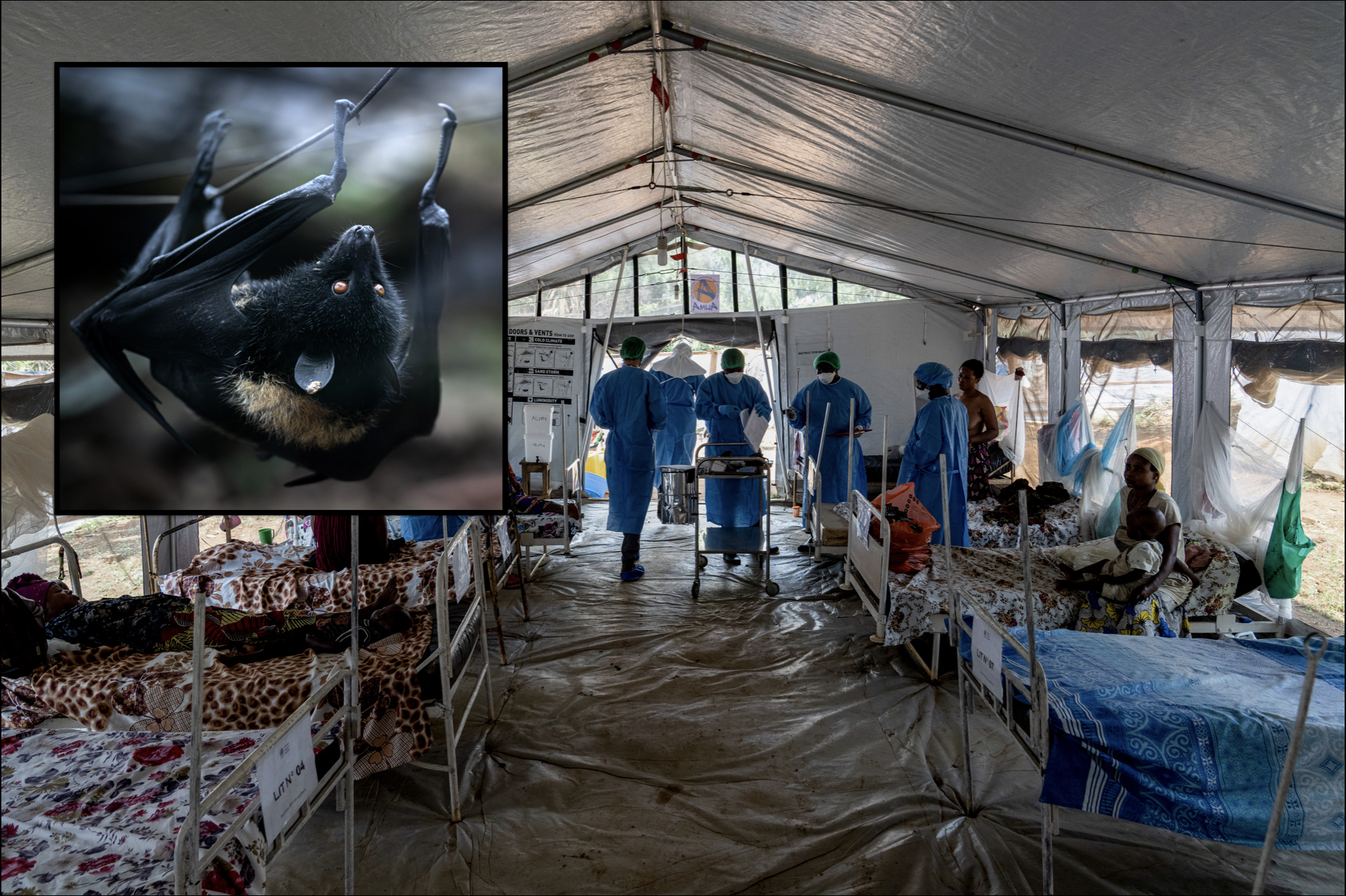
    More than 50 people have died in the northwest Democratic Republic of Congo from a mystery illness that first appeared in three children who ate a bat.

    The disease has an alarming fatality rate, infecting at least 419 people since its outbreak on January 21, according to the World Health Organization (WHO) and local doctors. Many victims die within 48 hours of showing symptoms, as reported by the Associated Press.

    “That’s what’s really worrying,” Serge Ngalebato, the medical director of Bikoro Hospital, told AP.

    The outbreak began in the town of Boloko after three children reportedly consumed a bat and died shortly afterward from hemorrhagic fever symptoms. A second outbreak followed in the nearby town of Bomate on February 9.

    Samples from 13 cases have been sent to Congo’s National Institute for Biomedical Research, but tests for Ebola and other hemorrhagic fevers, such as Marburg, have so far come back negative. Some patients tested positive for malaria, but its connection to the illness remains unclear.

    Congo has battled an overlapping series of disease outbreaks, including typhoid, malaria and mpox. The most recent mpox outbreak surged to 47,000 suspected cases and is thought to have caused over 1,000 deaths. Another unidentified flu-like illness killed more than 143 people in 2024 before health authorities determined malaria was the likely cause, CBS News reported.

    Zoonotic diseases—illnesses that jump from animals to humans—have long been of concern to health officials, particularly in regions where wild animals are commonly consumed. WHO has reported a 60% increase in such outbreaks in Africa over the past decade.

    Originally published by Latin Times.

    Source link

  • Bird Flu Claims First US Victim As Louisiana Man Dies in Hospital

    Bird Flu Claims First US Victim As Louisiana Man Dies in Hospital

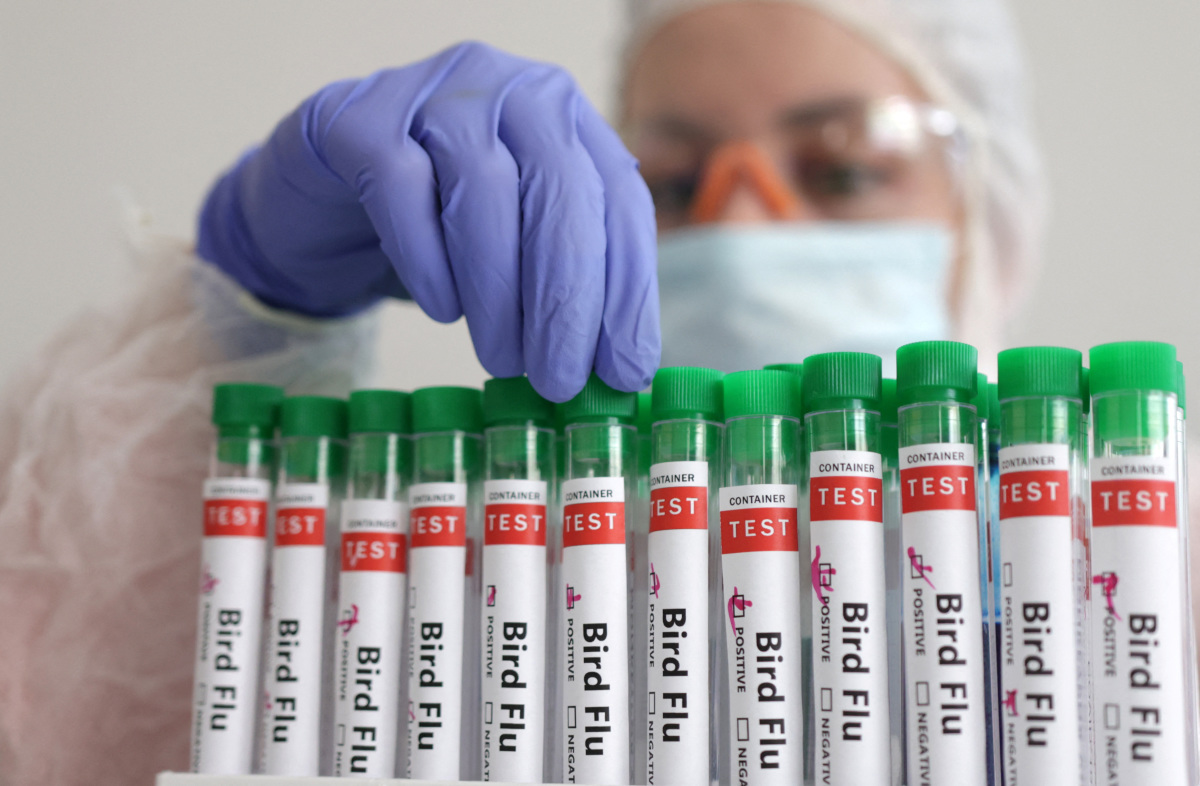
    A patient that had been hospitalized with avian influenza, otherwise known as bird flu, has died, marking them the first person to have died in the U.S. from the disease.

    The patient at a Louisiana hospital was older than 65, and had underlying medical conditions, according to the Louisiana Department of Health.

    The patient, who is not being named, is believed to have contracted the virus after exposure to non-commercial backyard flock and wild birds, officials said.

    There have been no other reports of humans hospitalized from bird flu in Louisiana.

    A genetic analysis of the bird flu contracted by the patient found that it had mutated while inside of their body, leading the Centers for Disease Control and Prevention (CDC) to have labeled it “concerning” in a previous report.

    However, no transmissions of the virus from person-to-person have been reported.

    Despite the recent death, bird flu remains low risk for the public. The Louisiana Department of Health recommends refraining from touching dead animals, or bringing sick or injured birds inside your home. Officials added that pets should be kept away as well.

    Undercooked or uncooked food should also be treated with caution, and should only be eaten after being cooked all the way.

    Two different vaccinations against the virus have been compiled by the Biden administration. However, officials do not have plans to distribute them unless the disease becomes more prevalent among people, NBC News reported.

    Originally published by Latin Times.

    Source link

  • UCLA Student Sues Doctors, Claims She Was Misdiagnosed Of Gender Dysphoria, And ‘Fast-Tracked’ Into Transgender Surgery

    UCLA Student Sues Doctors, Claims She Was Misdiagnosed Of Gender Dysphoria, And ‘Fast-Tracked’ Into Transgender Surgery

    A 20-year-old UCLA student has filed a lawsuit against several California doctors, claiming she was misdiagnosed with gender dysphoria at age 12 and “fast-tracked onto a conveyor belt” of irreversible gender transition treatments.

    Kaya Clementine Breen accused the Center for Transyouth Health and Development at Children’s Hospital Los Angeles of misdiagnosing her with gender dysphoria, a condition that leads to distress when the gender identity does not match the sex assigned at birth, NBC News reported.

    Breen was sexually abused while she was young, which later led to anxiety, depression, and post-traumatic stress disorder. At just 11 years old, she began struggling with the idea of growing into a woman, believing life might be easier as a boy. Seeking help, she confided in her school counselor, who told her she was transgender and directed her to the hospital where she received the diagnosis and transition care.

    At just 12 years old, Breen was prescribed puberty blockers, followed by cross-sex hormones from ages 13 to 19. At 14, she underwent a double mastectomy to remove her breasts, a series of treatments she now claims were rushed and life-altering.

    Earlier this year, Breen began dialectical behavior therapy, a form of talk therapy aimed at helping individuals manage intense emotions. It was during these sessions that she started questioning her original diagnosis.

    Breen claimed that if she had received “real, genuine therapy first, instead of gender-specific therapy,” things would have been different. This realization prompted her to file a lawsuit against multiple California healthcare providers and hospitals involved in her diagnosis and treatment.

    “This case is about a team of purported health care providers who collectively decided that a vulnerable girl struggling with complex mental health struggles and suffering from multiple instances of sexual abuse should be prescribed a series of life-altering puberty blockers and cross-sex hormones, ultimately, receive a double mastectomy at the age of 14,” the lawsuit said.

    Meanwhile, a spokesperson from the Center for Transyouth Health and Development at Children’s Hospital Los Angeles told NBC News that the treatment at the center is “patient- and family-centered, following guidelines from professional organizations such as the American Academy of Pediatrics, American Medical Association, and Endocrine Society.”

    “We do not comment on pending litigation; and out of respect for patient privacy and in compliance with state and federal laws, we do not comment on specific patients and/or their treatment,” the spokesperson reportedly said.

    Source link