Tag: Citing

  • FDA Cracks Down on Whipped Sunscreens, Citing Lack of Approval and Safety Concerns

    FDA Cracks Down on Whipped Sunscreens, Citing Lack of Approval and Safety Concerns

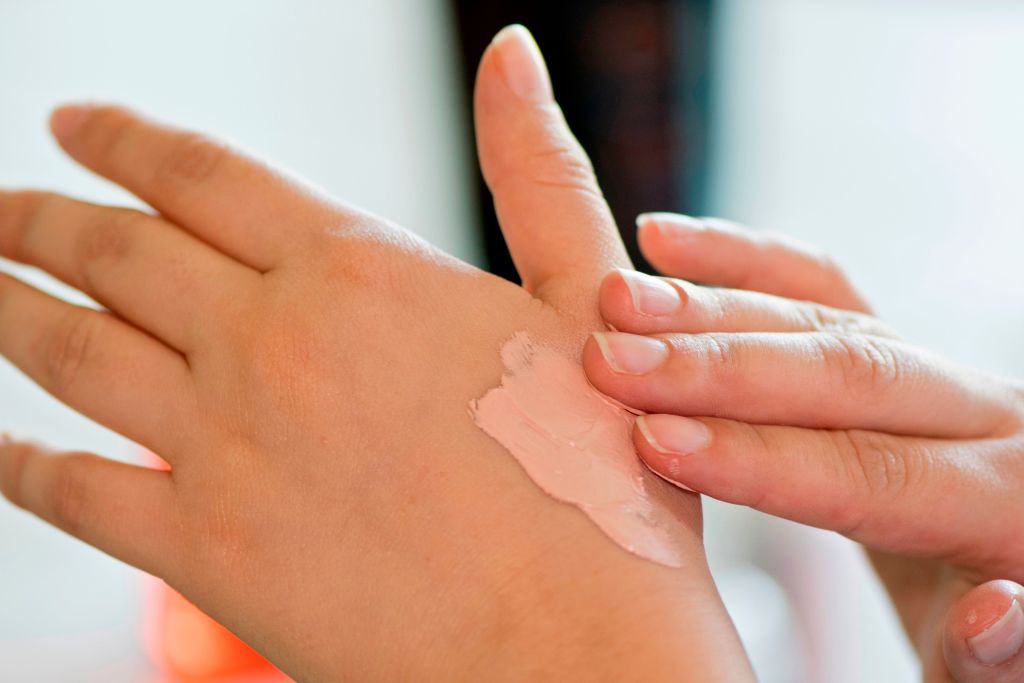
    The US Food and Drug Administration (FDA) is warning consumers to avoid sunscreens sold in whipped, mousse, or foam forms, saying these products are not approved and could be unsafe.

    The agency recently sent warning letters to several companies, including Supergoop!, Vacation Inc., Kalani Sunwear, Botao Baby, and Tizo Skin, for marketing sunscreens in these unconventional formats.

    “These products might not be effective,” the FDA said in a post on X, emphasizing that whipped or mousse sunscreens have not been approved as safe or reliable for preventing sunburn or reducing skin cancer risk.

    The agency classifies these products as drugs because they are designed to protect against harmful UV rays, yet they have not received the necessary FDA approval.

    The FDA also raised concerns about packaging. According to FoxBusiness, many whipped and mousse sunscreens are sold in containers resembling food items, which could lead to accidental ingestion, especially by children.

    Vacation Inc., for instance, markets its “Classic Whip Sunscreens” as “dessert for your skin,” prompting the FDA to label the products as misbranded.

    “Packaging drug products in containers that resemble food containers commonly used by adults and children can mislead consumers into mistaking the products for food,” the agency warned.


    FDA Issues Warning on Supergoop! Mousse Sunscreen

    Supergoop! received a similar warning for its “Play SPF 50 Body Mousse.”

    The company told CBS MoneyWatch it is working to resolve what it described as a “product labeling” matter with the FDA and remains committed to maintaining high standards of safety and efficacy, NY Post said.

    Kalani Sunwear temporarily pulled its mousse-format sunscreen from its U.S. website to comply with regulations, while Botao Baby and Tizo Skin have not yet responded to inquiries.

    The FDA treats sunscreens like over-the-counter drugs, which means they have strict rules about how they can be sold.

    Right now, only lotions, creams, gels, oils, pastes, butters, ointments, and sticks are considered safe and effective.

    Sunscreens in mousse, foam, or whipped forms need separate FDA approval, and none of the ones on the market have it yet.

    Back in 2019, the FDA updated its sunscreen guidelines to reflect the latest science, including rules about active ingredients, SPF limits, broad-spectrum protection, and allowed forms.

    The Skin Cancer Foundation supports these rules, emphasizing that ongoing review is important as new UV filters and application methods come out.

    For now, consumers should read sunscreen labels carefully and steer clear of mousse, foam, or whipped products until they get FDA approval.

    Originally published on vcpost.com
    Source link

  • Clip of RFK Jr Being Called Out for Lying on Live TV Resurfaces Amid Concerns Over MAHA Report Citing Fake Sources

    Clip of RFK Jr Being Called Out for Lying on Live TV Resurfaces Amid Concerns Over MAHA Report Citing Fake Sources

    A resurfaced clip of Health and Human Services Secretary Robert F. Kennedy, Jr. being called out for lying during a live CNN interview has fueled new concern after his department repeatedly cited fabricated sources in multiple versions of its “transformative” Make American Healthy Again report.

    In the trending snippet from 2024, CNN anchor Kasie Hunt asks RFK Jr, who was running as an independent presidential candidate at the time, whether he still believed “there’s no vaccine that is, you know, safe and effective,” quoting an earlier interview response.

    “I never said that,” RFK Jr quickly asserted.

    “So, stop me, we have the clip. Please play the clip,” Hunt demanded before a clip of RFK Jr making the word-for-word claim is played.


    The clip’s resurgence has left many wondering whether the Make America Healthy Again Commission, led by Kennedy, intentionally miscited and misrepresented studies and research in its landmark report.

    Press Secretary Karoline Leavitt attempted to blame the errors on “formatting issues,” raising more questions than answers.

    RFK Jr has long been a critic of vaccines, despite all of his children being fully vaccinated. Most recently, he announced on X that his department no longer recommended the COVID vaccine for healthy children and healthy pregnant women.


    “Last year the Biden administration urged healthy children to get yet another COVID shot despite the lack of any clinical data to support the repeat booster strategy in children,” Kennedy claimed in the 58-second video.

    Originally published on Latin Times


    Source link

  • FDA Proposes To Ban Popular Decongestant In Cold Medicines Citing ‘Not Effective’

    FDA Proposes To Ban Popular Decongestant In Cold Medicines Citing ‘Not Effective’

    The U.S. Food and Drug Administration(FDA) has proposed to ban oral phenylephrine, an active ingredient in popular decongestants and cold medications, citing its lack of effectiveness.

    Several cold medications, including Advil, Vicks NyQuil, Sudafed PE, Robitussin, Benadryl Allergy Plus Congestion, Tylenol, and Theraflu, contain oral phenylephrine. In some, it is the only active ingredient, while others combine it with acetaminophen or dextromethorphan.

    Officials clarified that the proposed ban is unrelated to the safety of phenylephrine and does not affect the nasal spray form of phenylephrine.

    Companies may continue selling products containing oral phenylephrine until the order is finalized. The public can submit feedback on the FDA’s proposal until May 7, 2025. However, after this comment period, if the FDA finalizes its decision to revoke oral phenylephrine’s status as “generally recognized as safe and effective” (GRASE), manufacturers would need to either remove or reformulate products containing the ingredient. The FDA stated it would allow manufacturers an appropriate transition period in such cases.

    “It is the FDA’s role to ensure that drugs are safe and effective, Based on our review of available data, and consistent with the advice of the advisory committee, we are taking this next step in the process to propose removing oral phenylephrine because it is not effective as a nasal decongestant,” said Dr. Patrizia Cavazzoni, director of the FDA’s Center for Drug Evaluation and Research (CDER) in a news release.

    Meanwhile, officials urge consumers to be mindful of the ingredients in over-the-counter (OTC) medications, advising them to read the drug facts label and follow important warnings and directions for use.

    “Consumers should know that a range of safe and effective drugs and other treatments is available to temporarily relieve congestion symptoms due to allergies or a common cold. Consumers can also talk to their doctor or pharmacist about ways to treat these symptoms,” said Dr. Theresa Michele, director of the Office of Nonprescription Drug Products in CDER.

    However, the Consumer Healthcare Products Association’s (CHPA) officials said they are “disappointed” with the proposed ban and maintained its position that “no changes to the GRASE status of oral PE (Phenylephrine) for nasal decongestion are warranted.”

    “PE should remain an available option for consumers because Americans deserve the option to choose the safe and effective OTC medicines they prefer and rely on,” CHPA said in a news release.

    Source link