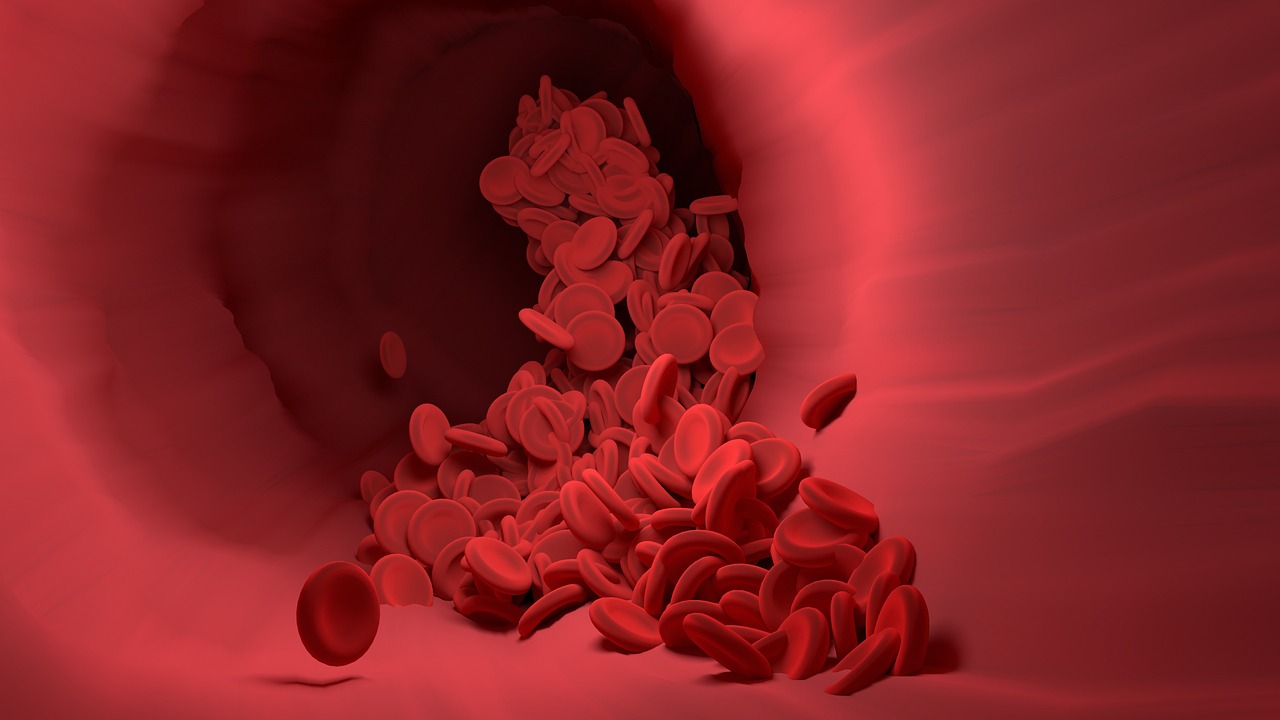
Blood is essential for life, enabling circulation, oxygen delivery, nutrient transport, and hormone delivery throughout the body. Through an intricate system of vessels powered by the heart, blood ensures that every cell receives the substances it needs to function. This continuous movement supports energy production, growth, and overall balance.
What Is Blood and What Does It Do?
Blood is a specialized fluid made up of plasma, red blood cells, white blood cells, and platelets. Each component plays a specific role in maintaining health.
Plasma carries nutrients, hormones, and waste products. Red blood cells transport oxygen, white blood cells defend against infection, and platelets help with clotting. Together, these components allow blood to support circulation, regulate internal conditions, and sustain cellular activity.
How Blood Circulation Works
Circulation refers to the continuous movement of blood through the cardiovascular system, including the heart and blood vessels. This system ensures that oxygen and nutrients reach tissues while waste products are removed.
There are two main pathways. Pulmonary circulation moves blood between the heart and lungs for oxygen exchange, while systemic circulation distributes oxygen-rich blood to the rest of the body. This continuous flow keeps cells supplied and functioning efficiently.
How Blood Delivers Oxygen to Cells
Oxygen delivery is a critical function of blood. Red blood cells contain hemoglobin, a protein that binds oxygen in the lungs and carries it through the circulation.
In the lungs, oxygen enters the blood through alveoli and attaches to hemoglobin. As blood reaches tissues, oxygen is released and diffuses into cells, where it is used to produce energy. This process supports cellular respiration and keeps cells alive.
Nutrient Transport: Feeding Every Cell
Blood also enables nutrient transport by carrying substances absorbed during digestion. Nutrients such as glucose, amino acids, fats, vitamins, and minerals enter the bloodstream from the digestive system.
These nutrients travel through plasma to reach cells, where they are used for energy, growth, and repair. Efficient circulation ensures that all tissues, including those far from the heart, receive adequate nourishment, according to the World Health Organization.
Hormone Delivery and Chemical Signaling
Hormone delivery allows the body to coordinate functions through chemical signaling. Hormones produced by endocrine glands enter the bloodstream and travel to target cells.
Each hormone binds to specific receptors, triggering responses such as regulating metabolism, growth, or stress. For example, insulin controls blood sugar levels, while adrenaline prepares the body for rapid action. Circulation ensures hormones reach the right place at the right time.
The Role of Capillaries in Exchange
Capillaries are tiny blood vessels where exchange occurs between blood and tissues. Their thin walls allow oxygen and nutrients to pass into cells, while carbon dioxide and waste products move into the blood.
This exchange is essential for maintaining cellular health. Capillaries form a vast network that connects arteries and veins, ensuring that every cell is reached.
Factors That Affect Blood Circulation Efficiency
Several factors influence how well blood performs its functions. A healthy heart is necessary to maintain strong circulation, while proper hydration supports smooth blood flow.
Lifestyle choices such as regular exercise and balanced nutrition improve circulation, while smoking and inactivity can impair it. Blood composition also matters, as adequate red blood cells are needed for oxygen delivery, as per Cleveland Clinic.
Disorders That Impact Blood Transport
Certain conditions can impair the blood’s ability to deliver oxygen, nutrients, and hormones. Anemia reduces oxygen transport due to low red blood cell levels. Atherosclerosis narrows arteries, limiting blood flow.
Hormonal imbalances can also affect communication between organs. Managing these conditions is important to maintain effective circulation and overall health.
How Blood Circulation Supports Every Cell
Blood remains vital because it combines oxygen, nutrients, and hormone delivery into a single system. Through circulation, it connects every part of the body, ensuring cells receive essential substances for survival.
By continuously moving through vessels and exchanging materials at the cellular level, blood sustains energy production, growth, and internal balance. Healthy blood circulation is therefore fundamental to keeping every cell functioning properly.
Frequently Asked Questions
1. How fast does blood circulate through the body?
Blood can circulate through the entire body in about 45 to 60 seconds at rest, depending on heart rate and activity level.
2. Why is iron important for blood function?
Iron is essential for producing hemoglobin, which enables red blood cells to carry oxygen efficiently.
3. Can dehydration affect nutrient transport in the blood?
Yes, dehydration reduces plasma volume, which can slow circulation and reduce nutrient transport efficiency.
4. How does exercise improve blood circulation?
Exercise strengthens the heart, improves blood vessel flexibility, and increases overall circulation efficiency.
