Tag: cholesterol

  • Plant-Based Diet for Heart Reversal, Cholesterol Reduction, and Easy Recipe Ideas Backed by Research

    Plant-Based Diet for Heart Reversal, Cholesterol Reduction, and Easy Recipe Ideas Backed by Research

    Plant-powered eating has drawn interest as more people explore how a plant-based diet can support heart health alongside standard medical care. Research suggests that focusing on whole plant foods may help with heart reversal, cholesterol reduction, and long-term protection when followed consistently.

    In this context, a plant-based diet is seen as a therapeutic pattern that emphasizes minimally processed plants over animal products and ultra-processed foods.

    What Is a Plant-Based Diet for Heart Reversal?

    A plant-based diet centers vegetables, fruits, whole grains, legumes, nuts, and seeds, while minimizing or excluding animal products and heavily processed foods. For heart reversal, many protocols use a whole-food, low-fat variation that limits added oils, refined sugars, and refined grains.

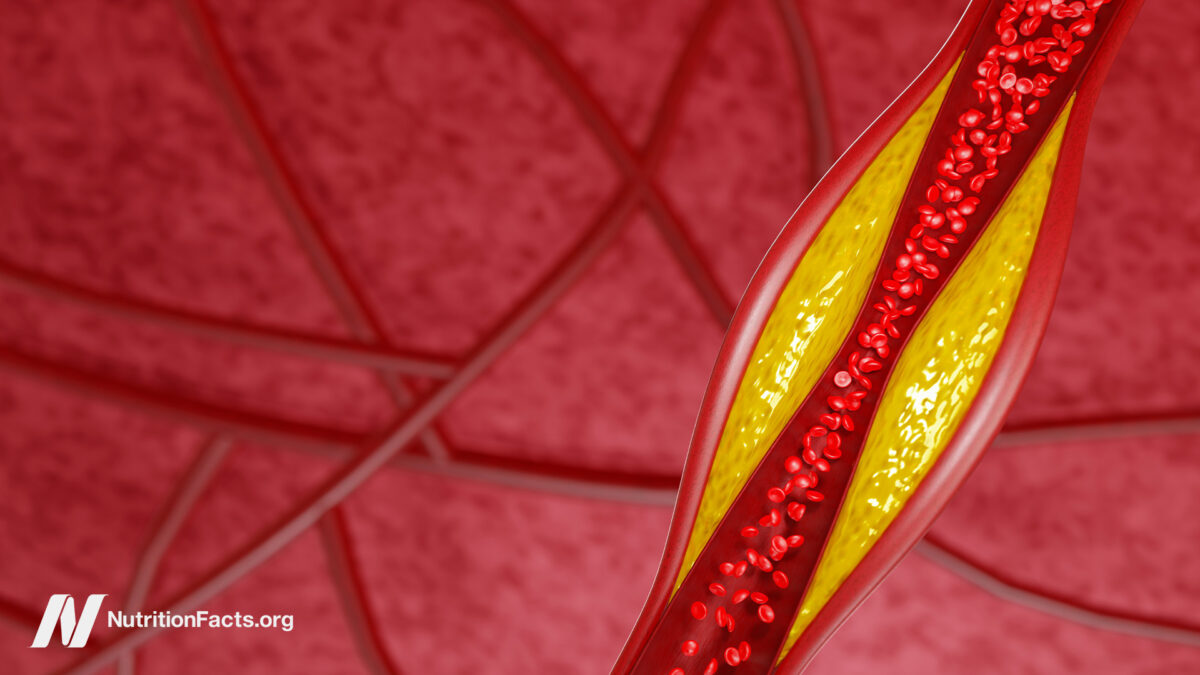
    The aim is to supply abundant fiber, antioxidants, and phytonutrients while reducing components that contribute to plaque buildup in the arteries.

    “Plant-based” does not always mean strictly vegan, but heart-focused programs often encourage eating as close to fully plant-based as possible. In these cases, the diet functions less as a trend and more as part of an intensive lifestyle approach to supporting cardiovascular repair and reducing symptoms.

    Can a Plant-Based Diet Really Reverse Heart Disease?

    Heart reversal usually refers to regression of atherosclerotic plaque, improved blood flow, fewer angina episodes, and reduced cardiac events, rather than complete erasure of disease.

    Clinical programs and long-term observations have reported such changes in some participants who follow a carefully designed plant-based diet alongside exercise, stress management, and appropriate medical treatment. Diet is one component of a broader strategy, not a replacement for professional care.

    Responses vary between individuals, and significant changes rarely happen overnight. The most promising results tend to appear in people who make substantial, sustained dietary changes. In this setting, a plant-based diet is part of an overall lifestyle pattern that can lessen symptom burden and improve quality of life.

    How Long Does It Take to See Results?

    Some people report early improvements, such as better energy and reduced chest discomfort, within weeks to a few months of adopting a plant-based diet.

    Laboratory measures like cholesterol reduction and improved blood pressure can also shift within this period when the pattern is followed consistently. These short-term gains often motivate people to continue.

    Structural changes, including partial regression of plaque or improved imaging results, usually require longer.

    Long-term study findings and intensive programs often track participants over several years, observing how sustained adherence to a plant-based diet and lifestyle influences heart function and event rates. In practice, heart reversal is viewed as a gradual, cumulative process.

    Does a Plant-Based Diet Lower Cholesterol?

    Cholesterol reduction is one of the clearest benefits linked with a plant-based diet. LDL (“bad”) cholesterol plays a central role in plaque formation, and lowering it is a priority in heart disease care. By replacing foods high in saturated fat and cholesterol with fiber-rich plant foods, many individuals see improvements in their lipid profiles.

    Soluble fiber from oats, barley, beans, lentils, apples, and citrus fruits can help remove cholesterol through the digestive tract. When these foods form the base of meals, total and LDL cholesterol often fall over time, according to the World Health Organization.

    Swapping butter, fatty meats, and full-fat dairy for nuts, seeds, avocado, and modest amounts of minimally processed plant oils supports this shift while preserving satisfaction at meals.

    What Does Long-Term Research Say?

    Long-term study data link plant-centered eating patterns with lower rates of cardiovascular disease, heart attacks, and overall mortality.

    People whose diets rely heavily on whole plant foods, with limited animal products and low intake of ultra-processed items, tend to have better outcomes over many years than those on more conventional diets. These associations suggest that dietary patterns meaningfully affect heart health trajectories.

    Interventional programs that emphasize a plant-based diet plus lifestyle change add more detail. Over multi-year follow-up, participants often show improved symptoms, better cholesterol reduction, and fewer cardiac events.

    While study designs differ, the recurring pattern is that sustained plant-based eating aligns with more favorable cardiovascular markers and experiences.

    What Can You Eat on a Heart-Reversal Plant-Based Diet?

    A heart-reversal style plant-based diet highlights foods rich in fiber, antioxidants, and healthy fats. Whole grains such as oats, brown rice, barley, quinoa, and whole wheat offer steady energy and support blood sugar control.

    Legumes, including beans, lentils, chickpeas, and peas, provide plant protein and contribute significantly to cholesterol reduction.

    Vegetables and fruits form the foundation of each plate, with emphasis on leafy greens, cruciferous vegetables, berries, and citrus. Nuts and seeds like walnuts, almonds, flax, and chia supply beneficial fats and additional fiber.

    Many heart-focused approaches also recommend minimizing added oils and choosing steaming, baking, stewing, or dry sautéing instead of deep-frying.

    Foods typically limited include red and processed meats, high-fat dairy, butter, and sources of trans fats.

    Refined grains, sugary drinks, and heavily processed snacks can interfere with lipid and weight goals. Shifting the everyday balance toward whole plant foods and away from these items creates a pattern more consistent with heart reversal and long-term protection.

    Practical Plant-Based Recipe Ideas for Heart Health

    Simple recipe ideas make this style of eating more sustainable. For breakfast, overnight oats with plant-based milk, ground flax or chia, and berries deliver fiber, antioxidants, and healthy fats. Green smoothies built from leafy greens, fruit, and unsweetened plant milk offer a quick way to increase daily vegetable and fruit intake.

    Lunch and dinner can revolve around bean or lentil soups, vegetable stews, and chili served over brown rice or quinoa. Tacos filled with black beans or chickpeas, topped with salsa, cabbage, and avocado, combine satisfaction with heart-friendly ingredients.

    Stir-fries using tofu or tempeh, mixed vegetables, and whole grains keep meals varied while maintaining a plant-based focus, as per Harvard Health.

    Snacks such as fresh fruit, raw vegetables with hummus, roasted chickpeas, and small portions of nuts or seeds help maintain energy and reduce reliance on processed options. Batch-cooking beans and grains, prepping vegetables, and planning several plant-based recipe ideas each week can make adherence more realistic.

    Plant-Based Diet Strategies for Lasting Heart Support

    For those interested in heart reversal and long-term protection, gradual change is often the most sustainable approach. Starting with one or two plant-based meals a day, experimenting with new recipe ideas, and steadily increasing the share of whole plant foods can build a pattern that supports cholesterol reduction and better vascular health.

    Over time, a consistent plant-based diet can become the everyday backdrop for improved heart function, fewer symptoms, and a stronger foundation for long-term cardiovascular well-being.

    Frequently Asked Questions

    1. Can someone follow a plant-based diet for heart health if they are not fully vegetarian?

    Yes. Even if someone still eats small amounts of animal products, shifting most meals toward whole plant foods can support cholesterol reduction and overall heart health.

    2. Does a plant-based diet always mean very low fat for heart reversal?

    Not always. Some heart-reversal programs are very low fat, but others allow moderate amounts of whole-food fats like nuts, seeds, and avocado while still emphasizing plants.

    3. Can a plant-based diet interfere with heart medications?

    It can change blood pressure, cholesterol, and blood sugar, which may affect medication needs, so adjustments should always be made with a healthcare professional.

    4. Is it necessary to count calories on a plant-based diet for heart health?

    Many people focus more on food quality than calories, but portion awareness still matters, especially with higher-fat foods like nuts and oils.


    Source link

  • Can Onions Help with Weight Loss, Cholesterol, and PCOS?

    Can Onions Help with Weight Loss, Cholesterol, and PCOS?

    Let’s talk about treating weight loss, cholesterol, and PCOS with diet. What can an eighth of a teaspoon a day of onion powder do for body fat, and what can raw red onion do for cholesterol?

    In one of my previous videos about onions, I talked about the data supporting—or not supporting—the role of onions in boosting testosterone in men, protecting bone health, controlling allergies, and dealing with the side effects of chemotherapy. What about weight loss? Enter the “Effect of Steamed Onion (ONIRO) Consumption on Body Fat and Metabolic Profiles in Overweight Subjects.” Researchers used steamed onions, which aren’t as spicy and have a weaker smell, so they could better disguise them as a placebo. They dried them into onion powder and gave people a minuscule amount—about an eighth of a teaspoon (300 mg) a day. Surely, a little daily dusting of onion powder wouldn’t affect people’s weight. But check out the results reported in the abstract: Measurements using a DEXA scan showed a significant reduction in body fat mass, and a CT scan revealed a significant decrease in whole, visceral, and subcutaneous fat areas.

    Hold on. If a little onion powder is so effective for weight loss, why wasn’t it featured in my book How Not to Diet? Because, as so often happens in studies, the spin in the abstract doesn’t accurately represent the actual data. The DEXA scan results measured no significant change of fat in the group that got the placebo capsules. They only appeared to lose about a spoonful (7 g) of fat, whereas the group unknowingly taking an eighth of a teaspoon of onion powder stuffed into capsules lost nearly one and a half pounds (0.64 kg) of body fat—a significant drop from baseline, but not a statistically significant drop compared to the placebo group, meaning the loss could have just been due to chance. Same thing with the CT scan results: 5 times more loss of overall fat and over 30 times more loss of the dangerous visceral fat, but the results did not reach statistical significance compared to placebo.

    A more recent study tried four teaspoons (9 g) of onion powder a day and similarly failed to accelerate the loss of visceral, total, or subcutaneous fat compared to placebo—but the placebo was also four teaspoons (9 g) of onion powder a day. They used yellow onions versus white onions, and it seems they both may have caused a loss of abdominal body fat, without a significant difference between them. Either way, you might look at these two studies and think, sure, but what are the downsides? It’s only an eighth of a teaspoon of onion powder a day, so why not give it a try? It can’t hurt, but we just don’t have enough evidence to be confident it will actually help.

    Let’s talk about polycystic ovary syndrome, also known as PCOS. It’s one of the most common hormone disorders, affecting 5% to 10% of reproductive-aged women. In addition to causing symptoms like irregular periods, “PCOS is a pre-diabetic state, with decreased insulin sensitivity.” PCOS treatment is challenging due to medication side effects. So, are there dietary options? How about a randomized controlled clinical trial of raw red onion intake?

    Why onions? Well, onion extracts can evidently improve blood sugar and insulin sensitivity in rats with diabetes and, more importantly, were found to reduce blood sugar levels in humans with diabetes, but evidently not in non-diabetic humans. People with PCOS are kind of pre-diabetic, so would it work for them? First, let’s look at those other two studies. To study the “Metabolic Effects of Onion and Green Beans,” people with diabetes spent a week eating either a small onion (60 g) each day or the same diet with about six cups (600 g) of green beans instead—and both approaches worked. The onion lowered people’s blood sugar levels by about 10% compared to a non-onion control diet, while the green beans lowered them by roughly 15% compared to the control.

    Here’s the study that supposedly shows no blood sugar benefits for people without diabetes. It’s true—onions don’t seem to lower normal blood sugar levels, which is a good thing, but check out what happens when you feed people sugar. Have people consume about two and a half tablespoons (50 g) of corn syrup, and their blood sugar levels shoot up over the next two hours before their body can tamp it back down. But give people the exact same amount of sugar along with more and more onion extract, and the blood sugar spike is significantly dampened, almost as much as if you had instead given them an antidiabetic drug, as you can see below and at 4:00 in my video Onions Put to the Test for Weight Loss, Cholesterol, and PCOS Treatment.

    We see the same blunting effect on blood sugar when people get a shot of adrenaline and eat onion extract, compared to receiving adrenaline without the onion extract, as you can see below and at 4:11 in my video.

    So, are there blood sugar benefits for both people with and without diabetes? No difference was found in blood sugar levels or other markers of insulin resistance between the high-onion and low-onion groups of PCOS patients, nor were there any differences in a marker of inflammation between the two groups. But women with PCOS aren’t just at higher risk for diabetes and inflammation—they are also at higher risk for high cholesterol.

    Women with PCOS are over seven times more likely to have a heart attack and develop heart disease, the number one killer of women. But consuming raw red onion appears to be effective in lowering cholesterol, though the group that ate more onions only dropped their LDL cholesterol about 5 points (5 mg/dL), which was not significantly different than the group that ate fewer onions.

    I did find this study from 50 years ago where researchers fed people nearly an entire stick (100 g) of butter, and their cholesterol shot up about 30 points within hours of consumption but by only 9 points or 3 points when combined with about a third of a cup (50 g) of raw or boiled onion. The moral of the story: Don’t eat a stick of butter.

    Doctor’s Note

    Check out the previous video I mentioned: Friday Favorites: Are Onions Beneficial for Testosterone, Osteoporosis, Allergies, and Cancer?.


    Source link

  • How Low Can LDL Cholesterol Go on PCSK9 Inhibitors?

    How Low Can LDL Cholesterol Go on PCSK9 Inhibitors?

    People with genetic mutations that leave them with an LDL cholesterol of 30 mg/dL live exceptionally long lives. Can we duplicate that effect with drugs?

    Data extrapolated from large cholesterol-lowering trials using statin drugs suggest that the incidence of cardiovascular events like heart attacks would approach zero if LDL cholesterol could be forced down below 60 mg/dL for first-time prevention and around 30 mg/dL for those trying to prevent another one. But is lower actually better? And is it even safe to have LDL cholesterol levels that low?

    We didn’t know until PCSK9 inhibitors were invented. Are PCSK9 Inhibitors for LDL Cholesterol Safe and Effective? I explore that issue in my video of the same name. PCSK9 is a gene that mutated to give people such low LDL cholesterol, and that’s how Big Pharma thought of trying to cripple PCSK9 with drugs. After a heart attack, intensive lowering of an individual’s LDL cholesterol beyond a target of 70 mg/dL does seem to work better than more moderate lowering. There were fewer cardiovascular deaths, heart attacks, or strokes at an LDL less than 30 mg/dL compared with 70 mg/dL or higher, and even compared to less than 70 mg/dL. There is a consistent risk reduction even when starting as low as an average of 63 mg/dL, and pushing LDL down to 21 mg/dL, remarkably, showed “no observed offsetting” of adverse side effects.

    Maybe that shouldn’t be so surprising, since that’s about the level at which we start life. And there’s another type of genetic mutation that leaves people with LDL levels of about 30 mg/dL their whole lives, and they are known to have an exceptionally long life expectancy. So, where did we get this idea that cholesterol could fall too low?

    The common claim that lowering cholesterol can be dangerous due to depletion of cell cholesterol is unsupported by evidence and does not consider the exquisite balancing mechanisms our body uses. After all, that’s how we evolved. Until recently, most of us used to have LDL levels around 50 mg/dL, so that’s pretty normal for the human species. The absence of evidence that low or lowered cholesterol levels are somehow bad for us contrasts with the overwhelming evidence that cholesterol reduction decreases risk for coronary artery disease, our number one killer.

    What about hormone production, though? Since the body needs cholesterol for the synthesis of steroid hormones—like adrenal hormones and sex hormones—there’s a concern that there wouldn’t be enough. You don’t know, though, until you put it to the test. For decades, we’ve known that women on cholesterol-lowering drugs don’t have a problem with estrogen production and that lowering cholesterol doesn’t affect adrenal gland function. As well, it doesn’t impair testicular function in terms of causing testosterone levels to fall below normal. If anything, statin drugs can improve erectile function in men, which is what you’d expect from lowering cholesterol. But you’ll notice these studies only looked at lowering LDL to 70 mg/dL or below. What about really low LDL?

    On PCSK9 inhibitors, you can get most people under an LDL of 40 mg/dL and some under 15 mg/dL! And there is no evidence that adrenal, ovarian, or testicular hormone production is impaired, even in patients with LDL levels below 15 mg/dL. The risk of heart attacks falls in a straight line as LDL gets lower and lower, even below 10 mg/dL, for example, without apparent safety concerns, but that’s over the duration of exposure to these drugs. The longest follow-up to date of those whose LDL, by way of using multiple medications, was kept less than 30 mg/dL is six years.

    Now, we can take comfort in the fact that those with extreme PCSK9 mutations, leading to a lifelong reduction in levels of LDL to under 20 mg/dL their whole lives, remain healthy and have healthy kids. Cholesterol-affecting mutations are what cause the so-called “longevity syndromes,” but that doesn’t necessarily mean the drugs are safe. The bottom line is we should try to get our LDL cholesterol down as low as we can, but much longer follow-up data are necessary anytime a new class of drugs is introduced. So far, so good, but we’ve only been following the data for about 10 years. For example, we didn’t know statins increased diabetes risk until decades after they were approved and millions had been exposed. Also worth noting: PCSK9 inhibitors cost about $14,000 a year.

    Doctor’s Note

    How can we decrease cholesterol with diet? See Trans Fat, Saturated Fat, and Cholesterol: Tolerable Upper Intake of Zero.

    For more on statin drugs, see the related posts below. 


    Source link

  • Ideal vs. Normal Cholesterol Levels 

    Ideal vs. Normal Cholesterol Levels 

    Having a “normal” cholesterol level in a society where it’s normal to die from a heart attack isn’t necessarily a good thing.

    “Consistent evidence” from a variety of sources “unequivocally establishes” that so-called bad LDL cholesterol causes atherosclerotic cardiovascular disease—strokes and heart attacks, our leading cause of death. This evidence base includes hundreds of studies involving millions of people. “Cholesterol is the cause of atherosclerosis,” the hardening of the arteries, and “the message is loud and clear.” “It’s the Cholesterol, Stupid!” noted the editor of the American Journal of Cardiology, William Clifford Roberts, whose CV is more than 100 pages long as he has published about 1,700 articles in peer-reviewed medical literature. Yes, there are at least ten traditional risk factors for atherosclerosis, as seen below and at 1:11 in my video How Low Should You Go for Ideal LDL Cholesterol?, but, as Dr. Roberts noted, only one is required for the progression of the disease: elevated cholesterol.

    Your doctor may have just told you that your cholesterol is normal, so you’re relieved. Thank goodness! But, having a “normal” cholesterol level in a society where it’s normal to have a fatal heart attack isn’t necessarily good. With heart disease, the number one killer of men and women, we definitely don’t want to have normal cholesterol levels; we want to have optimal levels—and not optimal by current laboratory standards, but optimal for human health.

    Normal LDL cholesterol levels are associated with the hidden buildup of atherosclerotic plaques in our arteries, even in those who have so-called “optimal risk factors by current standards”: blood pressure under 120/80, normal blood sugars, and total cholesterol under 200 mg/dL. If you went to your doctor with those kinds of numbers, you’d likely get a gold star and a lollipop. But, if your doctor used ultrasound and CT scans to actually peek inside your body, atherosclerotic plaques would be detected in about 38% of individuals with those kinds of “optimal” numbers.

    Maybe we should define an LDL cholesterol level as optimal only when it no longer causes disease. What a concept! When more than a thousand men and women in their 40s were scanned, having an LDL level under 130 mg/dL left them with atherosclerosis throughout their body, and that’s a cholesterol level at which most lab tests would consider normal.

    In fact, atherosclerotic plaques were not found with LDL levels down around 50 or 60, which just so happens to be the levels most people had “before the introduction of western lifestyles.” Indeed, before we started eating a typical American diet, “the majority of the adult population of the world had LDLs of around 50 mg per deciliter (mg/dL)”—so that’s the true normal. “Present average values…should not be regarded as ‘normal.’” We don’t want to have a normal cholesterol based on a sick society; we want a cholesterol that is normal for the human species, which may be down around 30 to 70 mg/dL or 0.8 to 1.8 mmol/L.

    “Although an LDL level of 50 to 70 mg/dl seems excessively low by modern American standards, it is precisely the normal range for individuals living the lifestyle and eating the diet for which we are genetically adapted.” Over millions of years, “through the evolution of the ancestors of man,” we’ve consumed a diet centered around whole plant foods. No wonder we have a killer epidemic of atherosclerosis, given the LDL level “we were ‘genetically designed for’ is less than half of what is presently considered ‘normal.’”

    In medicine, “there is an inappropriate tendency to accept small changes in reversible risk factors,” but “the goal is not to decrease risk but to prevent atherosclerotic plaques!” So, how low should you go? “In light of the latest evidence from trials exploring the benefits and risks of profound LDLc lowering, the answer to the question ‘How low do you go?’ is, arguably, a straightforward ‘As low as you can!’” “‘Lower’ may indeed be better,” but if you’re going to do it with drugs, then you have to balance that with the risk of the drug’s side effects.

    Why don’t we just drug everyone with statins, by putting them in the water supply, for instance? Although it would be great if everyone’s cholesterol were lower, there are the countervailing risks of the drugs. So, doctors aim to use statin drugs at the highest dose possible, achieving the largest LDL cholesterol reduction possible without increasing risk of the muscle damage the drugs may cause. But when you’re using lifestyle changes to bring down your cholesterol, all you get are the benefits.

    Can we get our LDL low enough with diet alone? Ask some of the country’s top cholesterol experts what they shoot for, “and the odds are good that many will say 70 or so.” So, yes, we should try to avoid the saturated fats and trans fats found in junk foods and meat, and the dietary cholesterol found mostly in eggs, but “it is unlikely anyone can achieve an LDL cholesterol level of 70 mg/dL with a low-fat, low-cholesterol diet alone.” Really? Many doctors have this mistaken impression. An LDL of 70 isn’t only possible on a healthy enough diet, but it may be normal. Those eating strictly plant-based diets can average an LDL that low, as you can see here and at 5:28 in my video.

    No wonder plant-based diets are the only dietary patterns ever proven to reverse coronary heart disease in a majority of patients. And their side effects? You get to feel better, too! Several randomized clinical trials have demonstrated that more plant-based dietary patterns significantly improve psychological well-being and quality of life, with improvements in depression, anxiety, emotional well-being, physical well-being, and general health.

    For more on cholesterol, see the related posts below.


    Source link

  • Dr. Mercola’s Method for Balancing Your Cholesterol Without Medication

    Dr. Mercola’s Method for Balancing Your Cholesterol Without Medication

    Cholesterol plays a key role in your body’s overall function, but when it’s out of balance, it can affect your heart health. Instead of turning to medication right away, Dr. Mercola, a board-certified family medicine osteopathic physician (DO) and multi-best-selling author, recommends natural strategies that help bring cholesterol into a healthy range while supporting your entire body.

    Through smart food choices, targeted nutrients, and lifestyle habits, you can take steps toward better heart health without relying on prescriptions.

    Understand the Bigger Picture

    Cholesterol often gets a bad reputation, but it’s essential for hormone production, brain function, and cell repair. According to Dr. Mercola, the real issue isn’t cholesterol itself but chronic inflammation and poor metabolic health. Balancing your levels naturally involves looking at the full picture of how your body processes fats, sugars, and stress.

    1. Choose Fats That Help, Not Harm

    Not all fats are created equal. Dr. Mercola encourages eating healthy fats that nourish your cells and support cholesterol balance. Instead of cutting fat entirely, focus on swapping out the harmful ones.

    • Eat more: avocado, coconut oil, grass-fed butter, wild-caught salmon, flaxseeds, and walnuts
    • Avoid: trans fats, refined vegetable oils, and fried foods

    These whole-food fats not only help maintain healthy HDL (the “good” cholesterol) but also reduce inflammation, playing an impactful role in cardiovascular health.

    2. Cut Back on Sugar and Refined Carbs

    Excess sugar and processed carbohydrates are major drivers of high triglycerides and low HDL levels. Dr. Mercola recommends limiting foods like white bread, soda, pastries, and snacks made with refined flour.

    Instead, choose whole, fiber-rich options like sweet potatoes, berries, quinoa, and leafy greens. These foods help regulate blood sugar and support a healthy lipid profile.

    3. Make Movement a Daily Habit

    Exercise is one of the most effective natural ways to raise HDL and lower LDL (the “bad” cholesterol). It also helps reduce blood pressure, improve circulation, and support weight management.

    Dr. Mercola suggests a mix of activities such as:

    • Walking or biking outdoors
    • Strength training a few times a week
    • Gentle yoga or stretching to reduce stress

    Any movement throughout the day can make a difference in your overall heart health.

    4. Focus on Inflammation-Fighting Foods

    Inflammation is a major contributor to imbalanced cholesterol. That’s why Dr. Mercola recommends foods that naturally calm the immune system and reduce oxidative stress:

    • Include often: turmeric, ginger, leafy greens, broccoli, berries, chia seeds, and almonds
    • Also helpful: fermented foods like sauerkraut and kefir to support gut health, which influences inflammation levels throughout the body

    These choices help protect your arteries and support the healthy function of your cardiovascular system.

    5. Don’t Overlook Vitamin D and K2

    Low vitamin D levels are linked to poor heart health, including higher cholesterol and blood pressure. Dr. Mercola advises safe sun exposure and supplementing with vitamin D3 when needed. He also pairs it with vitamin K2, which helps direct calcium to your bones instead of your arteries.

    Together, these nutrients support strong bones, a healthy heart, and improved cholesterol balance.

    6. Support Your Body with Magnesium

    Magnesium plays a role in over 300 processes in the body—including how fats are metabolized and how your heart functions. Dr. Mercola recommends magnesium-rich foods such as:

    • Pumpkin seeds
    • Spinach
    • Black beans
    • Avocados

    You can also consider magnesium baths or sprays to help with absorption through the skin, especially if stress or poor digestion is affecting your intake.

    7. Try Intermittent Fasting

    Intermittent fasting is one way to improve how your body uses energy and regulates cholesterol. Dr. Mercola highlights its benefits for lowering triglycerides, reducing insulin resistance, and helping the body become more efficient at burning fat.

    A simple approach might involve eating within an eight-hour window and fasting for the remaining 16 hours. Start slowly and make sure it fits your lifestyle.

    8. Stay Hydrated with Minerals

    Proper hydration supports your metabolism and overall cardiovascular health. Dr. Mercola often recommends adding a pinch of unrefined sea salt to filtered water, especially if you’re eating a whole-food, low-processed diet.

    Staying hydrated helps your body process nutrients and maintain balance, which are important factors in achieving healthy cholesterol levels.

    9. Keep Stress in Check

    Chronic stress raises cortisol levels, which can increase LDL and lower HDL. Dr. Mercola emphasizes managing daily stress with tools like:

    • Mindful breathing or meditation
    • Nature walks
    • Limiting screen time, especially before bed
    • Creating an evening routine that supports deep, restorative sleep

    Reducing stress supports not only your heart but also your whole-body resilience.

    A Comprehensive Path to Heart Health

    Dr. Mercola believes balancing your cholesterol is about supporting your body on every level: what you eat, how you move, how you rest, and how you handle stress. Instead of targeting a number on a lab report, his approach focuses on making your whole system stronger, more adaptable, and more at ease.

    With consistent choices rooted in nature and nourishment, you can support your heart without relying on medication. And you’ll likely feel better in more ways than one.


    Source link

  • Your Key To Weight Loss, Blood Sugar And Cholesterol Control

    Your Key To Weight Loss, Blood Sugar And Cholesterol Control

    Soluble dietary fibers are great for weight loss, but if you are seeking a fiber that does more than just help you shed pounds, Glucomannan might be the right one for you. This powerhouse fiber not only helps you feel fuller and lose weight but also comes with added benefits such as better cholesterol and blood sugar control.

    What is Glucomannan?

    It is a dietary fiber derived from the root of the elephant yam or konjac plant native to Asia. Glucomannan has been part of traditional Chinese medicine used in the treatment of various conditions, including intestinal disorders, tumor prevention, and soothing burns. It is also used as a cough remedy, and for treating asthma, hernias, breast pain, and various blood and skin disorders.

    Weight Loss benefits:

    The soluble dietary fiber in Glucomannan absorbs water in the stomach, which expands and creates a sense of fullness, making you feel satisfied with less food. This natural fiber can also contribute to reduced calorie intake by reducing your appetite, making it easier to stick to a lower-calorie diet. Glucomannan also promotes good bacteria in the intestine which can in turn help with weight loss.

    A study conducted in 2005 that examined the benefits of fiber supplements added to a fixed-calorie diet of 176 overweight participants found that Glucomannan could induce an average body loss of 0.8 kg per week.

    A 2020 meta-analysis of 134 studies and six clinical trials revealed that glucomannan supplements could aid in weight loss for overweight and obese adults, leading researchers to recommend it as a practical strategy for reducing body weight in this population. The researchers noted that the supplement helped to prolong gastric emptying, improve satiety, and ultimately contribute to weight loss.

    Cholesterol Control:

    Glucomannan’s cholesterol-lowering power lies in its ability to reduce cholesterol absorption in the gut. A study that investigated the serum cholesterol concentrations in 63 healthy participants revealed that even without any change in diet and lifestyle, glucomannan intake reduced total cholesterol by 10%, low-density-lipoprotein cholesterol by 7.2%, triglycerides by 23%, and systolic blood pressure by 2.5%.

    Blood Sugar Control:

    Studies indicate that glucomannan is a powerful nutritional tool for managing type II diabetes. A recent study that analyzed six clinical trials found that glucomannan significantly reduced total cholesterol, LDL cholesterol, fasting blood glucose, and post-meal blood sugar levels in diabetes patients. Additionally, it reduced fasting insulin and serum fructosamine, both crucial indicators of blood sugar control.

    Constipation: As a dietary fiber, glucomannan helps soften stool and is often used as a supplement to improve bowel movements. The findings of a 2018 study that investigated the use of glucomannan in constipation during pregnancy showed that the supplement helped to increase the frequency of bowel movements and stool consistency.

    How to use Glucomannan?

    Glucomannan is considered generally safe for both children and adults. Although there is no official guideline, the typical dosage ranges from 3 to 4 grams taken orally each day for up to 3 months for adults. In children, the dosage can range between 2 to 5 grams taken daily, with a maximum duration of use extending up to 4 months. To avoid drug interaction and the risk of reduced absorption glucomannan supplements need to be taken 1 hour before or 4 hours after other medications.

    What are the side effects?

    Taking glucomannan supplements without adequate water can be risky, as the fiber can expand and cause choking or blockages. Since this supplement has glucose lowering potential, the people with diabetic who are already on oral hypoglycemic agents, insulin, or other medications should take it with caution. It is also not recommended for people with esophageal and gastric obstruction.

    Here are 25 Best Glucomannan Supplements According to Reviews:

    1. Swanson Glucomannan+

    Enhance your appetite control with Swanson Glucomannan+, a high-potency fiber supplement designed to promote a feeling of fullness. This advanced formula combines glucomannan with psyllium husk, oat bran, apple pectin, and a blend of five different fibers to help manage your cravings and resist food temptations. Added chromium and gymnema support balanced sugar and carbohydrate intake, making it easier to stay on track with your dietary goals.

    2. NOW Glucomannan Supplements

    NOW Glucomannan Powder supports digestive regularity and healthy weight management with its soluble, bulk-forming fiber from konjac root. It aids in maintaining intestinal regularity and healthy cholesterol levels. By promoting a sense of fullness, Glucomannan can be a valuable addition to a balanced weight management plan that includes a nutritious diet and regular exercise. This product is GMP quality assured, ensuring rigorous standards in manufacturing and testing. Packaged in the USA by a family-owned company since 1968.

    3. Nutricost Glucomannan Powder

    Nutricost Glucomannan Powder offers high-quality, affordable fiber derived from konjac root. Each serving provides 2 grams of this soluble, bulk-forming fiber, with 250 servings per container and a scoop included for convenience. Produced in a GMP-compliant, FDA-registered facility, this product is gluten-free and non-GMO, ensuring premium quality and purity.

    4. BulkSupplements.com Glucomannan Powder

    BulkSupplements.com Glucomannan Powder is a powerhouse of fiber and essential nutrients, expertly derived from Konjac Root Extract to enhance health and vitality. This powder is designed for easy daily use, providing intuitive wellness support without the need for complex routines. With a straightforward formula that simplifies achieving your nutritional goals, it integrates seamlessly into any wellness regimen. Committed to transparency and quality, this product is rigorously tested by third parties and produced in a cGMP-compliant facility, ensuring excellence and reliability in every scoop.

    5. Best Naturals Konjac Root Glucomannan

    Discover the purity and effectiveness of Best Naturals Konjac Glucomannan Root with this premium formula, offering 2000mg of Glucomannan per serving (667mg per capsule). Each batch is third-party lab tested for purity and quality, ensuring you receive a product that meets high standards. Non-GMO and gluten-free, this supplement is crafted in a GMP-compliant, FDA-registered facility, guaranteeing excellence in every capsule.

    6. Carlyle Glucomannan Capsules 

    Carlyle Glucomannan Capsules could be your go-to source for premium, water-soluble fiber. Packed with 2,400 mg of glucomannan per serving, these quick-release capsules are derived from the pure Konjac Root, offering you top-quality support for your wellness journey. Free from gluten, GMOs, and artificial additives, Carlyle’s formula is designed for those who value purity and effectiveness. With 200 capsules per bottle, it is an incredible value for anyone looking to enhance their health with a trusted, laboratory-tested supplement.

    7. Piping Rock Glucomannan Capsules

    Piping Rock Glucomannan Capsules offer 600 mg of Glucomannan per capsule, designed to support your healthy lifestyle goals. These non-GMO and gluten-free capsules are laboratory tested, ensuring quality and reliability. The quick-release formula provides 1200 mg of Konjac Root (Glucomannan) per serving, derived from superior manufacturing practices to deliver fast and effective support.

    8. tnvitamins Glucomannan Capsules

    tnvitamins Glucomannan Capsules provide a high potency of 2000 mg per serving, with 250 capsules per bottle. Sourced from natural Konjac Root, this supplement is rich in dietary and digestive fiber, making it a valuable addition to any diet and exercise program. These capsules help promote a feeling of fullness when taken with water before meals, supporting your diet goals. Non-GMO and gluten-free, they are manufactured, lab-tested, and packaged in the USA for quality assurance.

    9. Prescribed For Life Glucomannan Powder

    Prescribed For Life Glucomannan Powder is a pure, single-ingredient supplement with no additives, preservatives, fillers, or binders. Derived from the konjac root, also known as elephant yam, this soluble fiber is ideal for cooking and baking, supporting overall health and wellness. Perfect for any healthy diet, this glucomannan powder is gluten-free, vegan, and non-GMO. Each product undergoes 3rd party lab testing to ensure purity and authenticity. Packaged in a convenient resealable pouch, the powder stays fresh for a long shelf life. Available in sizes ranging from 340 g to 25 kg (55 lbs), this premium bulk nutrition product is packaged in the USA following GMP guidelines.

    10. Go Nutra Konjac Root Extract Glucomannan Powder

    Go Nutra Konjac Root Extract Glucomannan Powder is a versatile prebiotic fiber that supports digestive health, regularity, and a keto-friendly diet. Made from pure and natural konjac root, this powder contains glucomannan, a soluble fiber that may promote healthy gut function and bowel health. Ideal for those following a low-carb or keto diet, this powder serves as an excellent cornstarch substitute for thickening sauces, soups, and for making low-carb noodles and rice. Glucomannan powder may help support healthy digestion and can be a valuable addition to any diet by creating a feeling of fullness, aiding in weight management. Free from fillers, additives, artificial flavors, dairy, soy, and gluten, Go Nutra Konjac Root Powder is a natural and pure supplement designed to promote colon and gut health.

    11. Natures Way Glucomannan

    Nature’s Way Glucomannan provides 300 capsules per bottle, each containing a plant-derived capsule made from hypromellose and magnesium stearate. This supplement is designed to support weight loss and is suitable for adults. With 300 servings per container, it offers a convenient and long-lasting supply. The capsules are easy to take and come in a compact, lightweight bottle, making it a practical addition to your health regimen.

    12. NusaPure Glucomannan

    NusaPure Glucomannan offers a high absorption formula with 20,000 mg equivalent per serving, derived from a 20:1 extract of Glucomannan from Konjac Root. Enhanced with Bioperine for improved absorption, each serving consists of 3 veggie caps. With 200 capsules in each bottle, this supplement provides a 66-day supply. Vegan, vegetarian, non-GMO, and gluten-free, NusaPure Glucomannan is crafted with quality ingredients and manufactured in the USA in a cGMP registered facility, ensuring the highest standards of quality and care.

    13. Monoherb Glucomannan Konjac Extract

    Monoherb Glucomannan Konjac Extract offers extra strength with a 10X extract, providing 1,000 mg per serving, equivalent to 10,000 mg of konjac root. Made in India and manufactured in a cGMP-certified facility, this supplement ensures high quality and purity. The formula contains no additives, offering 100% pure extract in transparent, easy-to-swallow vegetable capsules.

    14. Terravita Glucomannan and Chicory Root

    TerraVita’s Glucomannan and Chicory Root (FOS) Combination offers 450 mg per serving, with each capsule containing 225 mg of Glucomannan and 225 mg of chicory root. Packaged in the United States in a GMP-certified facility, this supplement ensures quality and safety. The capsules are easy to swallow and come in a sealed bottle for freshness. Made without fillers, these 100 capsules provide a pure blend of Glucomannan and chicory root for digestive support and overall wellness.

    15. Naturetition’s Glucomannan 1000mg

    Naturetition Glucomannan is a high-potency fiber supplement designed to create a feeling of fullness, making it easier to manage appetite. For best results, adults are advised to take two capsules with an 8-ounce glass of water or their favorite beverage 30 to 60 minutes before each meal. It’s essential to consume this product with at least 8 ounces of liquid to prevent choking. Note that fiber supplements can affect the absorption of medications, so it’s recommended not to take this product within 2 hours of taking any medications.

    16. Earthborn Elements Glucomannan

    Earthborn Elements Glucomannan provides a pack of 200 capsules of pure and undiluted Glucomannan with no additives or fillers. This supplement provides a 100-day supply, supporting peak health for three months. Each capsule is encapsulated in the USA, ensuring high quality and consistency.

    17. Dr. Westin Childs GlucoSlow Fiber

    Dr. Westin Childs’ GlucoSlow Fiber is a 100% natural glucomannan fiber supplement that supports gut health and regularity. Each serving contains 4.7 grams of dietary fiber, including 3 grams of soluble fiber from glucomannan, which acts as a prebiotic to promote healthy gut bacteria. This powder provides a therapeutic dose with 3,000 mg of glucomannan (from konjac root extract), 2,000 mg of L-glutamine, and 4,000 mg of extra virgin olive oil powder. The olive oil powder includes beneficial polyphenolic compounds, such as hydroxytyrosol and oleocanthal, known for their overall health benefits. Manufactured in the USA in a GMP-compliant facility, GlucoSlow Fiber is third-party tested for safety and quality, ensuring it is free from heavy metals, microbes, mold, and contaminants. It is also gluten-free, dairy-free, soy-free, GMO-free, and free of artificial colors, sweeteners, and preservatives.

    18. Lemonkind Organic Control

    Lemonkind Organic Control is a weight loss support supplement designed to help manage snacking, overeating, and cravings. Each set contains 30 convenient stick packs, each with 1 gram of organic glucomannan fiber from konjac root. These ultra-portable packs are easy to open and mix with your favorite drink—just stir well and drink quickly for optimal results. The supplement is zero-calorie, naturally caffeine-free, and friendly to low-carb, keto, and weight watchers diets. It features a clean label with non-GMO, gluten-free, 100% whole-grain, plant-based ingredients and contains no added sugars, making it allergen-friendly and ideal for a range of dietary needs.

    19. PureControl Supplements Glucomannan 1000 mg

    PureControl Supplements Glucomannan provides 1000 mg per serving in a bottle of 90 capsules. This supplement is formulated without preservatives, artificial coloring or flavor, yeast, corn, milk derivatives, lactose, salt, sodium, soy, sugar, gluten, starch, or wheat. Known for its pure and natural ingredients, it is made in the USA and contains gelatin and rice powder. This high-quality product supports health with its clean and straightforward formulation.

    20. Amazing Formulas Konjac Root Supplement

    Amazing Formulas Konjac Root Supplement offers a potent 2000 mg per serving, with each serving consisting of 3 veggie capsules. This supplement is non-GMO, gluten-free, and third-party tested to ensure purity and potency. Manufactured in accordance with GMP standards, it provides 60 servings per bottle. Proudly made in the USA, this supplement guarantees high quality and effectiveness.

    21. Brieofood Konjac Root Glucomannan supplement

    Brieofood Konjac Root Glucomannan supplement gives 2000 mg of glucomannan per serving, with each bottle containing 180 vegetarian capsules for a total of 60 servings. This supplement is third-party lab tested to ensure purity and quality. It is free from gluten, wheat, milk/dairy, nuts, soy, eggs, fish, shellfish, yeast, sugar, lactose, and artificial additives. Manufactured in the USA according to Good Manufacturing Practices (GMP), it adheres to some of the highest quality standards in the industry.

    22. Nova Nutritions Konjac Root Glucomannan

    Nova Nutritions Konjac Root Glucomannan is an excellent source of dietary fiber, designed to promote a feeling of fullness and support regularity. It is free from artificial colors, flavors, sweeteners, milk, eggs, peanuts, tree nuts, crustacean shellfish, fish, soy, gluten, and titanium dioxide. This supplement helps support healthy blood glucose levels, cholesterol levels, appetite control, weight management, and digestive health. Manufactured in a GMP-compliant, state-of-the-art facility in the USA, each batch is laboratory tested to ensure the highest quality and efficacy.


    23. Pslalae Glucomannan Konjac Root Extract 1800mg

    Discover the benefits of Pslalae Glucomannan, featuring 1800 mg of high-quality glucomannan in each capsule. This powerful soluble fiber from konjac root absorbs water and expands in the stomach, helping you feel full and curb hunger. It aids weight loss by suppressing appetite, reducing fat absorption, and lowering calorie intake, making it easier to reach your weight goals. Additionally, it naturally relieves gas, constipation, and bloating by cleansing the intestines. Made with 100% natural, gluten-free, vegan, non-GMO, and sugar-free ingredients, Pslalae is a pure choice for your health. Take 1-2 capsules twice daily after meals.

    24. Airboy Glucomannan Konjac Root Extract

    Airboy’s glucomannan capsules deliver 1800 mg of high-quality konjac root extract, a natural soluble fiber known for its appetite-suppressing properties. By expanding in the stomach, glucomannan helps create a lasting feeling of fullness, supporting weight loss by reducing fat absorption and calorie intake. Additionally, konjac root promotes digestive health, easing gas, constipation, and bloating. Made with 100% natural ingredients, these capsules are gluten-free, vegan, non-GMO, and sugar-free, offering a clean and effective solution for achieving your weight goals.

    25. Natural Max Diet Glucomannan

    Natural Max Diet Glucomannan offers 2000 mg of konjac root dietary fiber per serving, providing a plant-based supplement designed to support your weight management journey. Sourced from the konjac plant, glucomannan is known for its ability to assist in weight management and maintain healthy glucose levels. If your diet and exercise routine need a boost, Natural Balance Maximum Strength Glucomannan may help you get back on track.

    (Disclaimer: This article is meant for informational and educational use only and is not a replacement for professional medical advice. For any health-related concerns or questions, please consult a licensed healthcare provider. Additionally, Medical Daily suggests opting for products that have been verified by independent third-party testing to ensure their quality and effectiveness.
    Editorial Policies & Methodology: These products are selected independently and objectively, based on online reviews, various data sources, and proprietary research.)

    Published by Medicaldaily.com

    Source link

  • Secret To Cholesterol Control? Study Finds Corn Flour Blend Could Be A Game Changer

    Secret To Cholesterol Control? Study Finds Corn Flour Blend Could Be A Game Changer

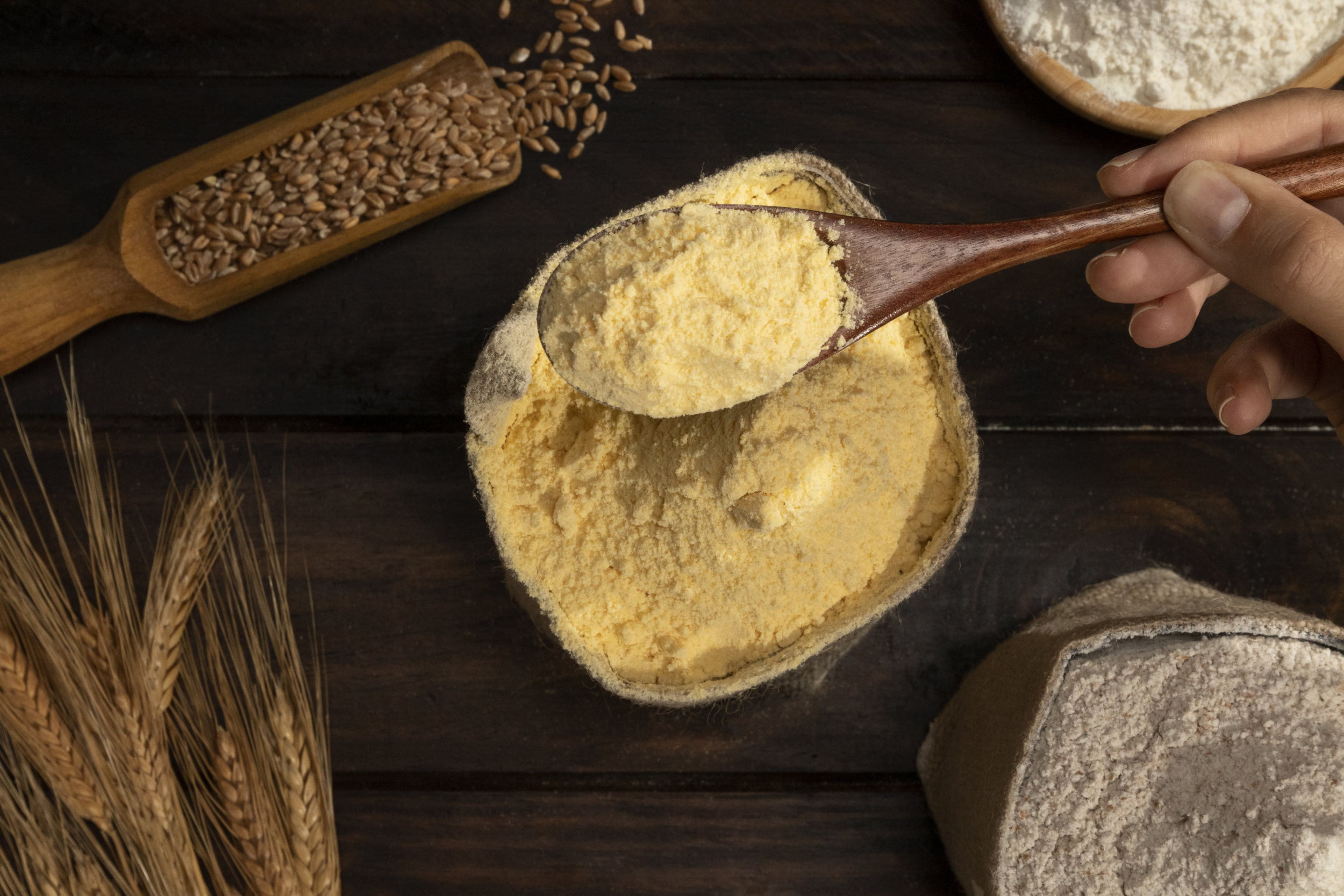
    Yes, you can control your cholesterol levels through diet, but could it be as simple as adding a corn flour blend to your meals for just a few weeks? Researchers have found that incorporating a blend of refined corn flour and corn bran can reduce LDL (low-density lipoprotein) cholesterol levels by 5% to 13.3% in just four weeks.

    In a clinical trial involving 36 adults with LDL cholesterol above 110 mg/dL, researchers evaluated the consumption of three types of corn flour: whole-grain corn meal, refined corn meal, and a blend (refined corn meal plus corn bran). The participants took each food intervention for four weeks, with at least a two-week break in between, before returning to their baseline.

    At the end of the four weeks, the team found that 70% of the participants had reductions in LDL cholesterol concentrations when consuming the blend, while there were no reductions in other groups. The findings were published in the Journal of Nutrition.

    The researchers provided participants with corn flour incorporated into baked goods, aiming to test a practical and realistic intervention.

    “People often think that dietary changes must be robust and significant to have a real impact on cardiovascular health and metabolic regulation. The bottom-line is this: corn is unique and underappreciated. The art and science of refining grains and making full use of corn bran can result in delicious foods that, in this case, also happen to produce real results for heart health,” Corrie Whisner, a researcher from the Arizona State University, said in a news release.

    The researchers noted that there were no digestive discomforts for any participants during the interventions, indicating that there was no significant change in gut microbiota. However, they found an increase in gut bacteria- Agathobaculum during the phase in which participants had whole-grain corn, but not in the other two groups.

    “The increase in Agathobaculum could be due to the greater diversity of polyphenols found in whole grain corn, which has the highest antioxidant capacity (compared to wheat, oats, and rice), but the study did not analyze this possibility,” Whisner said.

    “Nevertheless, while the influence of whole grains on the microbiota varies from person-to-person, some universals are generally known fibers in whole grains can be fermented by microbes into butyrate, and both fiber and butyrate are frequently associated with a healthy gut. These findings support that understanding,” Whisner added.

    Source link