Tag: Childhood

  • Did COVID Lockdowns Doom Britain’s Youth? Inquiry Reveals Childhood ‘Torn Apart’ – Lasting Harm Was No Secret

    Did COVID Lockdowns Doom Britain’s Youth? Inquiry Reveals Childhood ‘Torn Apart’ – Lasting Harm Was No Secret

    In a stark revelation shaking Britain’s pandemic response, the UK COVID-19 Inquiry on 29 September 2025 exposed how lockdowns inflicted grievous harm on children, tearing at the very fabric of childhood through school closures and enforced isolation.

    Witnesses detailed severe, long-lasting impacts on education, mental health, and social development, with government decisions prioritising adults over youth despite known risks. As testimonies unfolded, it became clear that lasting harm to Britain’s youth was no secret, yet officials proceeded, dooming a generation to profound consequences.

    Inquiry Exposes Grievous Harm

    The inquiry’s major research report, published 15 September 2025, drew from interviews with 600 children aged 9-22, highlighting disrupted routines and missed milestones as an ‘empty time‘ of pandemic effects.

    Participants described family tensions and emotional drain, with one noting: ‘That was, like, very difficult having my mum, my auntie, my uncle; my brother was there as well and my cousin. So it was a very crowded place. It was also very, like, emotionally draining with kind of like family stuff. So I did end up, like, developing anxiety… I was very sad a lot of the time…’ This underscores how COVID lockdowns amplified home-based vulnerabilities for Britain’s youth.

    School Closures Chaos

    Government planning for school closures began only on 17 March 2020, the day before the announcement, despite earlier focus on keeping schools open. Former education secretary Gavin Williamson described the shift as a ‘discombobulating 24-hour sea change,’ highlighting inadequate preparation across UK nations. This failure exacerbated education disruption, with children missing crucial learning and social interactions.

    Online learning challenges included limited device access, as one child said: ‘I learn best when I have a physical thing in front of me …’ Exam cancellations and grade frustrations affected university aspirations, compounding long-term impacts.

    Vulnerable children suffered most, with schools as ‘constant eyes‘ for safeguarding; closures led to declined referrals and increased exposure to harm. The National Crime Agency noted rises in online abuse due to more time spent digitally during lockdowns.

    Mental Health Crisis Unveiled

    Post-lockdown readjustment proved tough, with one participant stating: ‘Not leaving the house… and then having to try and get used to being in public again, and going to school… definitely contributed to, like, my anxiety being a lot worse.’ Mental health issues surged, including body image worries and first-time service access among secondary-aged youth.

    Inquiry counsel Clair Dobbin KC emphasised: ‘The reality is that there were children who suffered grievous harm at the hands of their carers during the pandemic. The carers of those children bear responsibility for the violence and neglect inflicted on children, and these children stand as the starkest examples of what adults are capable of doing to children behind closed doors.’

    This highlights how lockdowns removed protective layers, leading to abuse and neglect.

    In an X post from LBC, it was shared: ‘Some children suffered “grievous harm” at the hands of those who should have been caring for them in the pandemic, the UK COVID-19 Inquiry has heard.’ Such public reactions amplify the inquiry’s findings.


    Baroness Heather Hallett noted the impact was ‘severe and, for many, long-lasting,’ urging lessons for future crises. Children’s rights groups called for apologies and prioritisation of youth in decisions.

    The four-week hearings, starting 29 September 2025, probe physical health, long COVID, and high absence rates, revealing systemic oversights. Stories from parents like Aisha illustrate ongoing struggles, with her son lacking education and facing trouble post-lockdown.

    Originally published on IBTimes UK



    Source link

  • Outdoor Play to Combat Rising Childhood Anxiety—Here’s How Schools Are Responding

    Outdoor Play to Combat Rising Childhood Anxiety—Here’s How Schools Are Responding

    Gen Z has struggled with rising anxiety. Gen Alpha shouldn’t follow suit. That’s why society is looking for proactive ways to pave the way toward healthier mental well-being for the newest generational group, such as giving children more access to fresh air and outdoor play with the help and commitment of forward-leaning schools.

    How high has Gen Z’s stress level become? Research from 2024 indicates that 30% of modern teenagers will experience anxiety, a figure that’s expected to grow if deliberate changes aren’t made. The reasons behind this alarming trend range from geopolitical instability to evolving familial structures. Although not all of those sources can be easily addressed, one message is clear: Our schools can use the information learned about Gen Z to put measures in place that are designed to help Gen Alpha thrive.

    And giving kids more reasons to get outside is a great starting place.

    According to the Kids Mental Health Foundation, when children go outdoors, they typically engage in a variety of physical, social, and emotional activities. And it’s well-documented that exercising the body can profoundly improve mood. Plus, when kids can focus on having unstructured fun in playground environments, they naturally build connections and memories with their peers.

    Commercial playground equipment supplier Playground Equipment discusses this concept of “play therapy” and its benefits, noting that when kids are encouraged to play, they gain a stronger sense of resilience. Indeed, expert reporting from the company indicates that the escapism of playing within nature fuels healthier levels of emotional control in kids.

    Of course, some parents may find it difficult to determine how best to get their children outside in safe and welcoming environments. To make their job easier, schools are responding by taking steps toward making outdoor play more appealing and effortless.

    1. They’re updating their playgrounds to be more inclusive.

    Many parents remember the playgrounds they enjoyed as children as being somewhat limited. They had minimal and basic equipment that was adequate but not always accessible. Therefore, some children had to sit on the sidelines (such as those using assistive devices) rather than join in the play.

    In response, many schools are making updates, such as installing equipment that meets ADA requirements. Additionally, they’re adding equipment pieces meant for use by both children and adults. Or, they’re adding benches and shaded areas to make being at the playground more comfortable for parents and grandparents.

    It’s not hard to see how the inclusivity of a playground can affect young visitors’ anxiety levels. Instead of feeling unwelcome, children of all backgrounds and with most conditions can engage with at least some parts of the play space. This gives them the same chance to gain the mental well-being advantages of being outdoors as their peers who are not disabled. In fact, one study on inclusive play observed that 71% of children actively engaged in functional play when given the chance to exercise at an inclusive playground.

    2. They’re expanding their playground footprints.

    Some schools may have limited playground space. However, other schools are looking for creative ways to expand their play areas to give children more places and ways to exercise their bodies and brains.

    Notably, many schools are partnering with community entities to make this type of expansion feasible, even if their budgets are limited. Case in point, Mind on Math donated funds toward a playground expansion at a local elementary school. The corporate donation was part of the organization’s commitment to fuel brighter tomorrows for young people in the education company’s service area.

    Expanding the footprint of a playground achieves several key goals when it comes to helping children release their anxieties through activity. First, it broadens the number of individuals who can partake in the playground simultaneously. More visitors mean more chances for unplanned “play dates” and similar social interactions. Secondly, it adds new equipment and areas to the playground, which may encourage families to visit more frequently or stay longer. Finally, it gives the school interesting items to talk about in their online and offline outreach communications.

    3. They’re serving as the local neighborhood community playground.

    It would be wonderful if playgrounds were close to every home. They’re not.

    In fact, many children and their parents find it difficult to get to playgrounds because they’re not around the corner. The Trust for Public Land talks about this phenomenon in depth, explaining that it bridges a gap in service areas. According to the organization, millions of people don’t have a park that’s within a 10-minute walk of where they live. But they might have a school that’s closer, and the school’s playground can become an outdoor beacon.

    To solve this issue, some schools are creating agreements with their local governments to allow them to serve as community playgrounds. By making their play spaces available to people within the community during non-school hours, elementary and middle schools can make a difference in the lives of countless kids. And many of those kids may be part of their existing student population, allowing them to serve the children they already educate.

    Kids will always have to deal with anxiety. After all, stressors are a natural experience. However, too much anxiety can be a burden and a barrier to achievement for Gen Alpha, as it’s been for many Gen Z members. That’s why it’s essential for schools to respond with innovative, enlightened measures.

    Source link

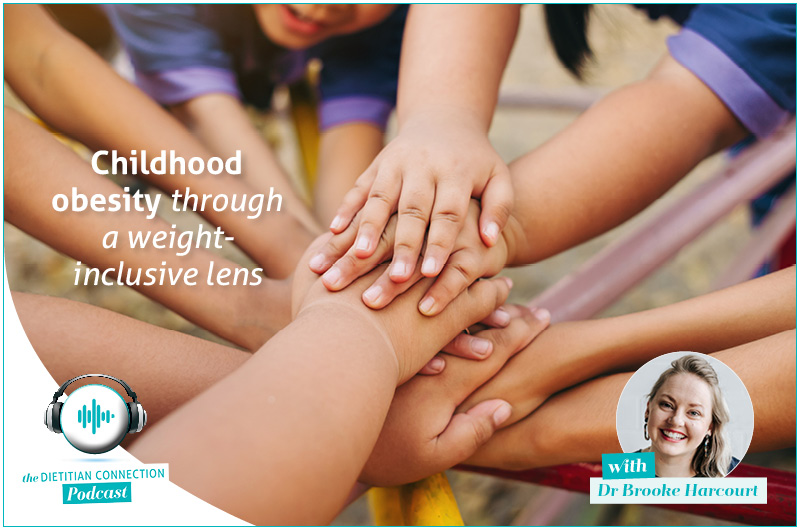
  • Childhood obesity through a weight-inclusive lens

    Childhood obesity through a weight-inclusive lens


    In this episode, we’re joined by Dr Brooke Harcourt, an experienced paediatric dietitian and researcher, to explore how dietitians can support children living with overweight or obesity using a compassionate, evidence-based approach. Brooke unpacks the evolving landscape of paediatric obesity care, including the impact of weight stigma, the shift toward non-diet, weight-inclusive practice, and how to build trust with families. We also touch on the emerging use of GLP-1 medications in adolescents and when these rare, specialist-led cases may be considered. Tune in for practical strategies, language tips and real-world insights to support families with care.

    Hosted by Bec Sparrowhawk

    Biography

    Dr Brooke Harcourt is an approachable Accredited Practicing Dietitian and nutrition therapist with over a decade of experience in infant and child nutrition and metabolism conditions. She is nationally and internationally recognised for her medical research into endocrine conditions having completed research fellowships at the UQ Translational Research Institute, Baker Heart and Diabetes Institute, the Royal Children’s Hospital and Murdoch Childrens Research Institute. Brooke runs a large private practice, Family Dietetics, and a specialised ‘Therapy Kitchen’, where her and the team take a practical approach to attainable nutrition through feeding therapy and food learning programs in a real kitchen therapy environment. She also offers dietetics services at specialist paediatric centres, eating disorder services and the Victorian Department of Corrections and Youth Justice System. Brooke has a particular passion for helping infants and young people establish healthy growth curves, overcome eating disorders and traumatic feeding histories, and improving nutrition access for young people with disability, developmental and neurodevelopmental conditions.


    In this episode, we discuss how to:

    • Actively challenge weight stigma and create a safe space for families.
    • Communicate with confidence using language that empowers, not shames.
    • Prioritise validating families’ experiences and setting achievable, health-focused goals.
    • Understand the clinical context of GLP-1 use in adolescents


    DISCLAIMER:  In this episode, we’ll use clinical terms like ‘childhood obesity’ when needed to reflect current guidelines – but our focus is firmly on weight-inclusive, family-centred approaches that support health without stigma. This episode is targeted to dietitians with experience in paediatrics.


    Additional resources


    The content, products and/or services referred to in this podcast are intended for Health Care Professionals only and are not, and are not intended to be, medical advice, which should be tailored to your individual circumstances. The content is for your information only, and we advise that you exercise your own judgement before deciding to use the information provided. Professional medical advice should be obtained before taking action. The reference to particular products and/or services in this episode does not constitute any form of endorsement. Please see  here  for terms and conditions.


    Source link
  • Childhood Exposure To Common Gut Bacteria To Blame?

    Childhood Exposure To Common Gut Bacteria To Blame?

    Colorectal cancer rates are climbing globally, with a particularly alarming rise among young adults under 50. Researchers now believe they may have uncovered a hidden culprit behind the medical mystery. A recent study suggests that early exposure to a toxin produced by harmful strains of E. coli could be a possible driver behind the surge.

    In the latest study published in the journal Nature, researchers found that childhood exposure to colibactin, a toxin produced by certain strains of E.coli, damages DNA and these mutations raise the risk of bowel cancer before the age of 50.

    In a large-scale genome analysis of 981 colorectal cancer across 11 countries, researchers noted a distinct pattern of DNA mutations caused by colibactin. These specific DNA patterns were over three times more common in patients under 40 compared to those over 70.

    Interestingly, these genetic fingerprints were not just seen in young adults, but more often in countries with the highest rates of early-onset colorectal cancer, pointing to a possible link between bacterial exposure and the rising number of young adults affected worldwide.

    “These mutation patterns are a kind of historical record in the genome, and they point to early-life exposure to colibactin as a driving force behind early-onset disease,” said study senior author Ludmil Alexandrov in a news release.

    “If someone acquires one of these driver mutations by the time they’re 10 years old, they could be decades ahead of schedule for developing colorectal cancer, getting it at age 40 instead of 60,” Alexandrov explained.

    While earlier studies including prior research from the same team had linked colibactin to 10 to 15 percent of all colorectal cancer cases, they did not differentiate between younger and older patients.

    “When we started this project, we weren’t planning to focus on early-onset colorectal cancer. Our original goal was to examine global patterns of colorectal cancer to understand why some countries have much higher rates than others. But as we dug into the data, one of the most interesting and striking findings was how frequently colibactin-related mutations appeared in the early-onset cases,” said the first author Marcos Díaz-Gay.

    Researchers are now exploring innovative ways to translate these findings into early detection and prevention tools. One promising idea is a stool test designed to detect colibactin-related markers, which could help identify individuals at higher risk for early-onset colorectal cancer. They are also investigating the potential of probiotic therapies aimed at rebalancing the gut microbiome in children to reduce the risk later in life.

    Source link

  • Childhood Fitness Linked To Lower Stress And Depression In Teen Years

    Childhood Fitness Linked To Lower Stress And Depression In Teen Years

    Encourage your child to stay active. Swapping tablets for running shoes can make a real difference to their mental well-being. A recent study revealed that maintaining good physical fitness from childhood to adolescence is associated with reduced stress and depression during the teenage years.

    Mental health in adolescence is becoming an increasing concern, with more teenagers facing challenges like depression, stress, and anxiety. It is estimated to affect around 25%–30% of young people.

    The new study published in Sports Medicine emphasizes the importance of stepping away from screens and encouraging physical activity.

    To explore the connection between childhood fitness and adolescent mental health, researchers followed up with 241 participants over eight years. Their findings reveal that better cardiorespiratory fitness and improvements in physical activity during this time were linked to reduced symptoms of stress and depression in the teenage years.

    The researchers also noted that better motor fitness, including skills like agility, coordination, and balance during childhood, was linked to improved cognitive abilities and reduced stress and depression in adolescence. However, the connection between motor fitness and depression was not as strong as the link between cardiorespiratory fitness and depression.

    “Our findings highlight the importance of assessing several indices of physical fitness to quantify its role in cognition and mental health in research among children and adolescents. These results also suggest that promoting a variety of physical activities and reducing recreational screen time, thereby improving physical fitness, should be used as one option to improve cognition and mental health in youth,” the researchers wrote in the study.

    The researchers also noted that screen time during adolescence played a role in understanding how cardiorespiratory fitness and motor fitness affected mental health.

    “Our results should encourage policymakers as well as parents and guardians to see the significance of physical fitness more holistically, as poor physical fitness can increase mental health challenges and impair cognitive skills needed for learning,” said Eero Haapala, study author in a news release.

    “The whole of society should support physical fitness development in children and adolescents by increasing physical activity participation at school, during leisure time, and in hobbies,” Haapala added.

    Source link

  • Exposure To Air Pollution During Pregnancy And Childhood Have Lasting Effects On Brain: Study

    Exposure To Air Pollution During Pregnancy And Childhood Have Lasting Effects On Brain: Study

    Long-term exposure to air pollutants is known to affect physical well-being, increasing the risk of respiratory illnesses, cardiovascular diseases, and cancers. A recent study revealed that early-life exposure to air pollution has lasting effects on the brain.

    According to the research led by the Barcelona Institute for Global Health (ISGlobal), exposure to fine particles (PM2.5) and nitrogen oxides (NOx) during pregnancy and childhood can lead to significant changes in the microstructure of the brain’s white matter. Alarmingly, these alterations can persist into adolescence, raising concerns about the long-term impact of air pollution on brain development.

    Earlier studies have explored the impact of air pollutants on the brain’s white matter, but most were limited to a single time point and did not track participants throughout childhood.

    The latest study published in Environmental Research involved 4,000 participants in Rotterdam, the Netherlands who were part of the Generation R Study and were followed up since birth. Based on the participants’ location, the team estimated the amount of exposure to 14 different air pollutants during pregnancy and childhood.

    To examine changes in white matter microstructure, researchers conducted brain scans on 1,314 children, once around the age of 10 and again around 14.

    “Following participants throughout childhood and including two neuroimaging assessments for each child would shed new light on whether the effects of air pollution on white matter persist, attenuate, or worsen,” said ISGlobal researcher Mònica Guxens in a news release.

    The results revealed that higher exposure to PM2.5 during pregnancy, as well as elevated levels of PM2.5, PM10, PM2.5-10, and NOx during childhood, led to a reduction in fractional anisotropy, a measure of how water molecules diffuse within the brain. In more mature brains, water tends to flow more in one direction, resulting in higher values for this marker. This association persisted into adolescence, indicating a long-term impact of air pollution on brain development.

    “Every increase in exposure level to air pollution corresponded to more than a 5-month delay in the development of fractional anisotropy,” the researchers wrote.

    “We think that the lower fractional anisotropy is likely the result of changes in myelin, the protective sheath that forms around the nerves, rather than in the structure or packaging of the nerve fibers,” said first author of the study, Michelle Kusters.

    Source link