Same-day IV drip services are reshaping how people approach wellness in a fast-moving world. Traditional health routines often require planning, travel, and waiting, which can discourage consistent care. In contrast, on-demand solutions are redefining expectations by bringing support directly to individuals when they need it most.
One reason for this shift is the growing number of IV drip options available today. These options are designed to target specific concerns such as hydration, energy levels, or immune support, giving users more control over their wellness choices.
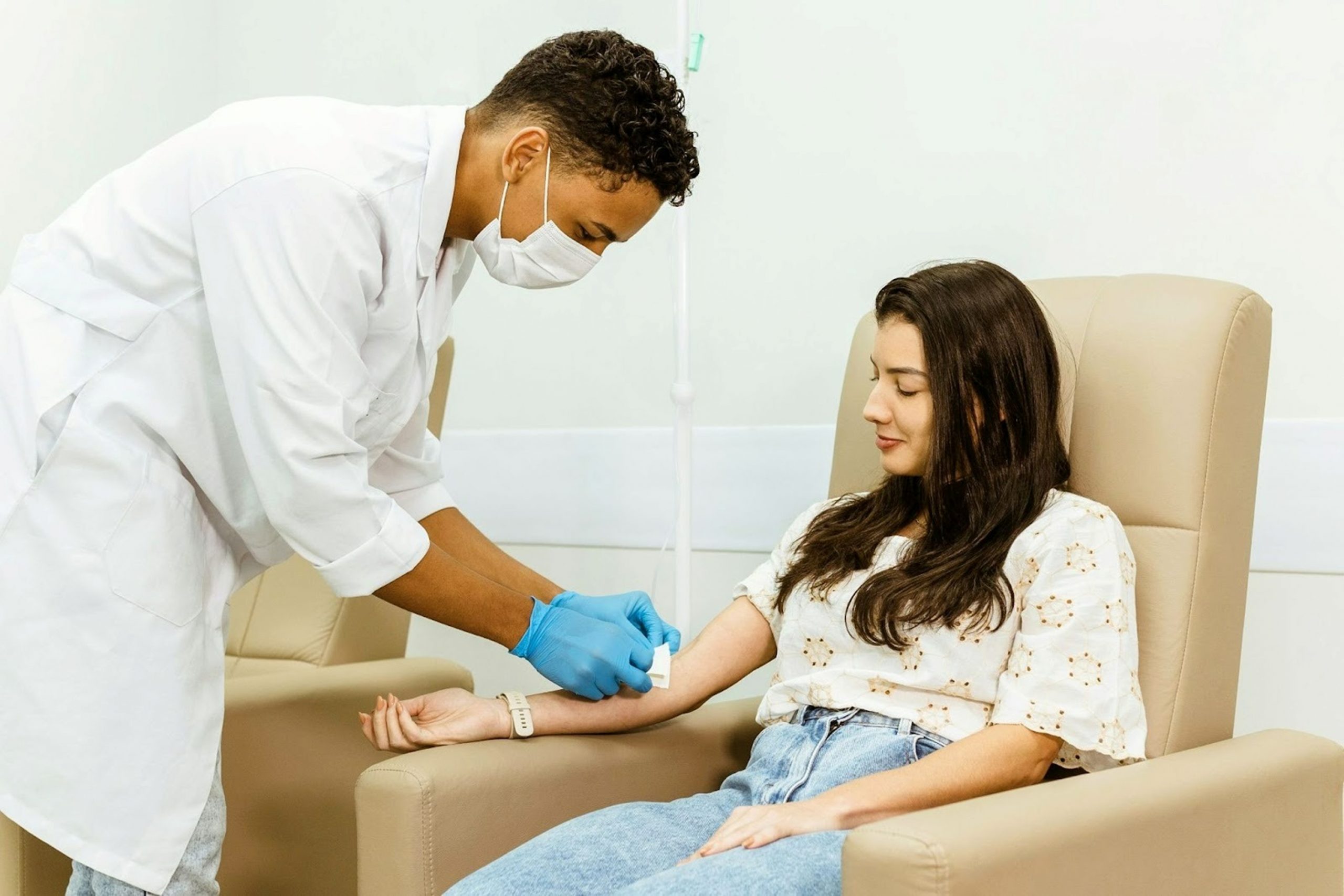
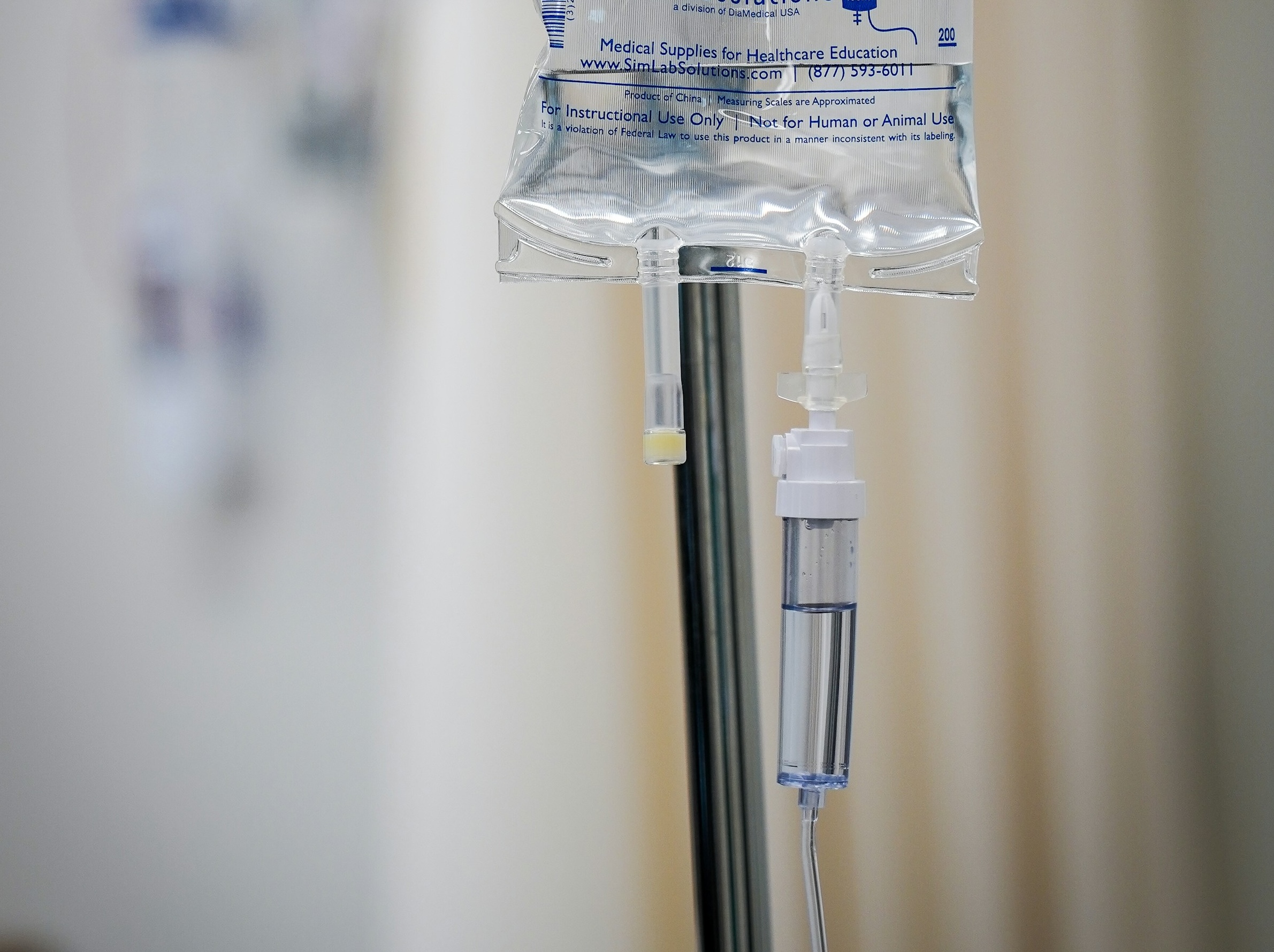
Clarity around how the service works has also contributed to rising interest. A trained professional administers fluids, vitamins, and electrolytes through an intravenous line, allowing nutrients to enter the bloodstream without passing through the digestive system.
In major metropolitan areas, NYC mobile IV drips reflect how urban lifestyles are driving demand for flexible care. Busy professionals and frequent travelers often prefer services that fit into their schedule rather than disrupt it.
Cost planning has become easier as well. Many providers offer IV package deals, allowing people to commit to regular sessions while managing expenses more predictably.
A Shift Toward Immediate Access in Wellness
Healthcare and wellness services have undergone noticeable changes in recent years. People expect faster access to solutions that match up with their routines. Waiting days or weeks for an appointment no longer feels practical for those managing demanding schedules.
Same-day IV drip services respond to this expectation by offering near-instant availability. This immediacy changes how people think about recovery and maintenance. Instead of postponing care, individuals can act as soon as they notice signs of fatigue or dehydration.
This approach reflects a broader cultural shift. Convenience is no longer viewed as a luxury; it is becoming a standard expectation across industries, including wellness.
Personalization Beyond Generic Solutions
Personalized wellness has gained attention as people look for approaches that reflect their unique needs. Generic advice or one-size-fits-all products often fail to tend to specific concerns.
Same-day IV drip services allow for a more individualized experience. Users can select treatments based on their current condition rather than following a fixed plan. This flexibility supports a more responsive approach to wellness.
Personalization extends beyond the formula itself. Timing, location, and frequency can all be adjusted to match individual preferences. This level of customization creates a more engaging and practical experience.
Time Efficiency as a Driving Influence
Modern schedules leave little room for lengthy appointments. Time efficiency plays a big part in the adoption of same-day services. Individuals can receive care without sacrificing productivity or rearranging their day.
Appointments are often scheduled around existing commitments. This allows users to continue working, relaxing, or managing responsibilities while receiving treatment. The ability to combine wellness with daily activities adds to the appeal.
Reducing travel time is another advantage. Eliminating the need to commute to a clinic saves valuable time and reduces stress, making it easier to maintain consistency.
Adapting to High-Performance Lifestyles
High-performance environments demand consistent energy and focus. Professionals, entrepreneurs, and creatives often face long hours and high expectations. Maintaining physical and mental stamina becomes a priority in these settings.
Same-day IV drip services meet these demands by offering targeted support when it is needed most. Instead of waiting for fatigue to build, individuals can respond quickly to changes in their energy levels.
This proactive approach supports ongoing performance rather than reactive recovery. It fits well within lifestyles that prioritize productivity and efficiency.
Expanding Access to Wellness Services
Accessibility has long been a barrier in healthcare and wellness. Geographic limitations, scheduling conflicts, and availability can prevent individuals from searching for support.
Same-day IV drip services reduce these barriers by bringing care directly to the user. This model expands access to individuals who may not have considered IV therapy in the past.
The ability to receive treatment in a preferred setting also improves comfort. Familiar environments can make the experience more relaxed compared to traditional clinical spaces.
Supporting Preventive Wellness Habits
Preventive care has become a central focus in modern health discussions. Instead of waiting for symptoms to escalate, many individuals are adopting habits that support long-term well-being.
Same-day IV drip services fit into this approach by offering a way to deal with minor concerns before they develop into larger issues. Hydration, nutrient support, and energy maintenance can all be managed proactively.
The Importance of Technology in On-Demand Care
Technology has played a big part in the rise of same-day services. Online booking systems, mobile apps, and real-time communication make it easier to schedule appointments quickly.
These tools also allow users to explore different treatment options and select what meets their needs. Transparency in offerings helps people make the best possible decisions without unnecessary delays.
Digital platforms have also improved coordination between providers and users. This efficiency supports the rapid response model that defines same-day services.
Changing Expectations Around Recovery
Recovery is no longer seen as something that requires extended downtime. Instead, people are looking for ways to maintain momentum while tending to their needs.
Same-day IV drip services contribute to this shift by offering solutions that fit within active lifestyles. Users can continue their routines while receiving support, reducing the need for interruptions.
This perspective reflects a broader change in how wellness is viewed. It is becoming an ongoing process rather than an occasional activity.
Flexibility in Frequency and Commitment
Flexibility is a defining feature of same-day IV drip services. Individuals can choose how often they receive treatments based on their goals and schedules.
Some may opt for occasional sessions during periods of high demand. Others may incorporate regular treatments as part of a consistent routine. This adaptability allows users to customize their approach without rigid commitments.
The availability of different scheduling options supports a number of preferences, making the service accessible to a broader audience.
A New Direction for Personalized Wellness
Same-day IV drip services represent a shift toward more responsive and individualized care. They match with the needs of modern lifestyles by offering convenience, flexibility, and targeted support.
As expectations continue to progress, services that adapt to individual needs are likely to gain further attention. Personalized wellness is moving away from static routines and toward dynamic solutions that respond in real time.
This transformation highlights a growing demand for options that fit smoothly into daily life. Same-day IV drip services are at the forefront of this movement, offering a new perspective on how wellness can be approached.