
Tag: Challenge

  • Take the First Step: A 7-Day Fitness Challenge for Beginners

    Take the First Step: A 7-Day Fitness Challenge for Beginners

    Starting a new fitness journey can be intimidating, especially for those who are new to exercise or have been inactive for a while. However, taking that first step is often the hardest part. To help beginners get started, we’ve created a 7-day fitness challenge that’s easy to follow and requires minimal equipment. This challenge is designed to introduce you to a variety of exercises and help you build a foundation for a healthier lifestyle.

    Understanding the Importance of Starting Small

    The key to a successful fitness journey is to start small and be consistent. Many people make the mistake of trying to do too much too soon, which can lead to burnout and injury. Our 7-day challenge is designed to gradually increase in intensity and duration, allowing you to build up your endurance and confidence.

    Preparing for the Challenge

    Before you start the challenge, make sure you have a few essentials:

    • A good pair of sneakers or workout shoes
    • Comfortable workout clothes
    • A water bottle to stay hydrated
    • A yoga mat (optional)
    • A timer or a watch to keep track of your workouts

    It’s also important to consult with a healthcare professional before starting any new exercise program, especially if you have any underlying health conditions.

    Day 1: Introduction to Cardio

    • Warm-up: 5-minute walk or jog in place
    • Exercise: Brisk walking for 10 minutes
    • Cool-down: 5-minute stretching

    Day 1 is all about getting your heart rate up and introducing your body to cardio exercise. Brisk walking is a low-impact activity that’s easy on the joints and can be done almost anywhere.

    Day 2: Bodyweight Exercises

    • Warm-up: 5-minute jog in place
    • Exercise: Squats (3 sets of 10 reps), Push-ups (3 sets of 10 reps), Lunges (3 sets of 10 reps per leg)
    • Cool-down: 5-minute stretching

    Day 2 focuses on bodyweight exercises that work multiple muscle groups at once. Squats, push-ups, and lunges are great for building strength and can be modified to suit different fitness levels.

    Day 3: Rest Day

    Rest days are an essential part of any fitness journey. They give your body time to recover and rebuild muscle tissue. Use this day to relax, stretch, and prepare for the next day’s workout.

    Day 4: Introduction to Yoga

    • Warm-up: 5-minute walk or jog in place
    • Exercise: Follow a beginner’s yoga routine (20-30 minutes)
    • Cool-down: 5-minute meditation

    Day 4 introduces you to the world of yoga. Yoga is great for improving flexibility, balance, and mental well-being. Start with a beginner’s routine and modify poses as needed.

    Day 5: High-Intensity Interval Training (HIIT)

    • Warm-up: 5-minute jog in place
    • Exercise: 30 seconds of burpees followed by 30 seconds of rest. Repeat for 15 minutes.
    • Cool-down: 5-minute stretching

    Day 5 is all about HIIT, a form of exercise that involves short bursts of high-intensity exercise followed by brief periods of rest. HIIT is great for improving cardiovascular health and burning calories.

    Day 6: Strength Training

    • Warm-up: 5-minute jog in place
    • Exercise: Dumbbell squats (3 sets of 10 reps), Dumbbell chest press (3 sets of 10 reps), Dumbbell rows (3 sets of 10 reps)
    • Cool-down: 5-minute stretching

    Day 6 focuses on strength training with dumbbells. Strength training is essential for building muscle and boosting metabolism. Start with light weights and gradually increase as you become stronger.

    Day 7: Final Cardio Challenge

    • Warm-up: 5-minute jog in place
    • Exercise: Jogging in place or jumping jacks for 20 minutes
    • Cool-down: 5-minute stretching

    The final day of the challenge is a cardio blast. Choose an activity you enjoy and push yourself to complete the full 20 minutes. Remember to listen to your body and take breaks if needed.

    Conclusion

    Congratulations on completing the 7-day fitness challenge! This is just the beginning of your fitness journey. Remember to stay consistent, listen to your body, and gradually increase the intensity and duration of your workouts. Fitness is a journey, not a destination. Celebrate your small victories and don’t be too hard on yourself if you miss a day or two. The most important thing is to keep moving forward and making progress.

    FAQs

    Q: I’ve never exercised before. Is this challenge suitable for me?

    A: Yes, this challenge is designed for beginners. It starts with low-impact activities and gradually increases in intensity. Always consult with a healthcare professional before starting any new exercise program.

    Q: What if I miss a day? Should I start over?

    A: No, don’t start over. Simply get back on track with the next day’s workout. Consistency is key, but it’s also important to listen to your body and rest when needed.

    Q: Can I modify the exercises to suit my fitness level?

    A: Yes, all exercises can be modified. For example, if you’re struggling with push-ups, start with knee push-ups or wall push-ups.

    Q: How often should I drink water during the challenge?

    A: Stay hydrated by drinking water before, during, and after your workouts. Aim for at least 8 glasses of water a day.

    Q: What should I eat during the challenge?

    A: Focus on a balanced diet with plenty of fruits, vegetables, lean proteins, and whole grains. Avoid processed foods and sugary drinks.

    Q: Can I continue with this challenge beyond 7 days?

    A: Yes, you can continue to follow the challenge or mix and match the workouts to create your own routine. The key is to keep challenging yourself and making progress.
  • What Is TikTok’s Benadryl Challenge? Teen Almost Dies After Attempting Viral Trend

    What Is TikTok’s Benadryl Challenge? Teen Almost Dies After Attempting Viral Trend

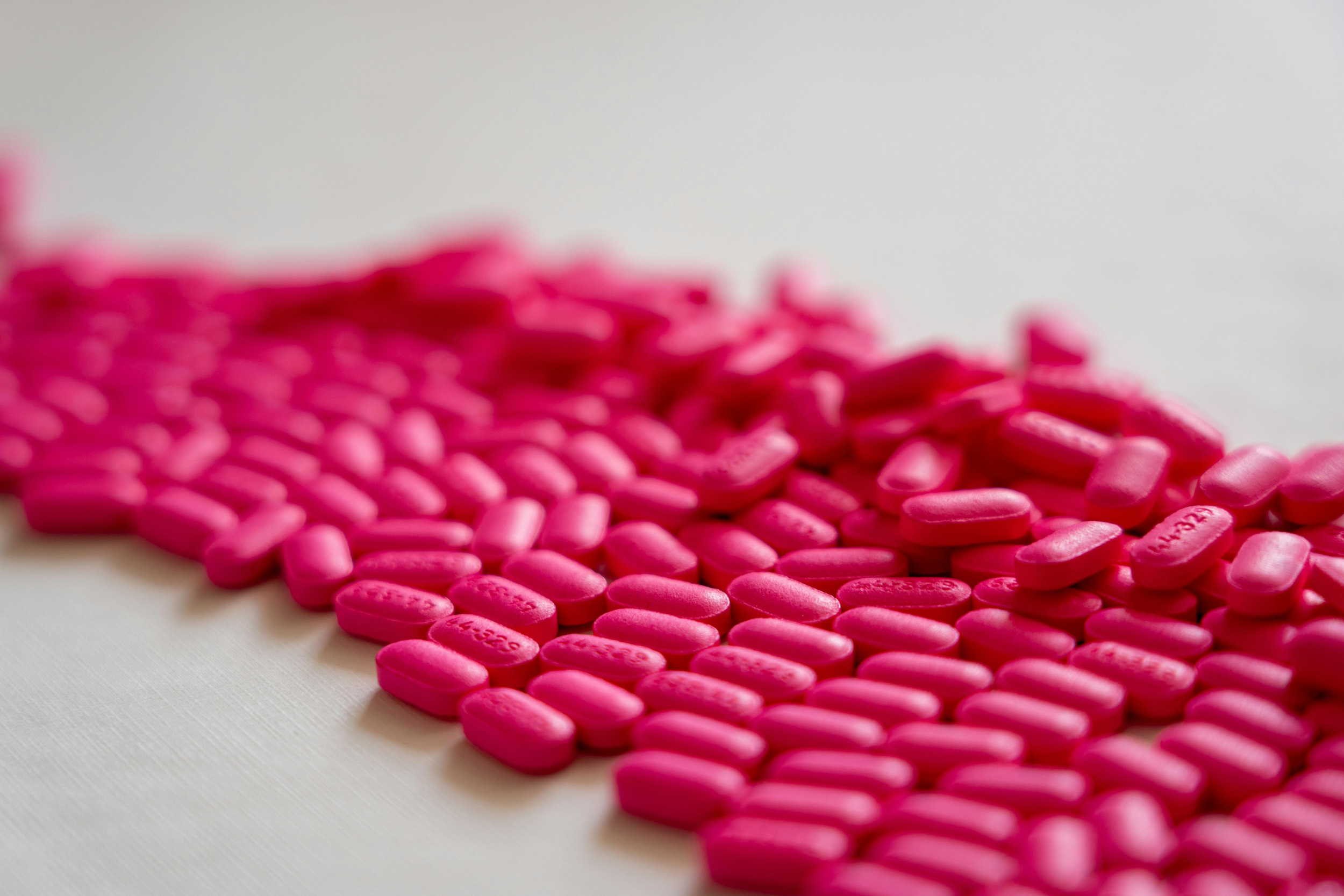
    A South Carolina teenager is lucky to be alive after trying TikTok’s dangerous ‘Benadryl Challenge’, a viral stunt that urges kids to swallow massive doses of the over-the-counter allergy drug.

    The incident occurred earlier this week in Horry County and left the teen hallucinating with a racing heart before being rushed to hospital in critical condition. The scare has reignited warnings from parents, doctors and regulators about the deadly risks of social media dares.

    What Is the Benadryl Challenge?

    The ‘Benadryl Challenge’ is a reckless trend spreading on TikTok and other platforms where users down alarming amounts of diphenhydramine, the active ingredient in Benadryl, to trigger hallucinations.

    Although diphenhydramine is safe when taken in correct doses to treat allergies or as a sleep aid, large quantities can act as a toxic hallucinogen.

    According to the National Center for Biotechnology Information, overdosing can lead to confusion, seizures, psychosis, coma or death.

    The challenge first came to public attention in 2020 after several hospitalisations and deaths were reported in the United States. The US Food and Drug Administration (FDA) issued warnings at the time, urging young people to avoid the trend and calling on TikTok to remove content that promoted it.

    The South Carolina case

    In the latest case, the mother of the South Carolina teenager discovered her daughter in distress with a heart rate near 200 beats per minute. The girl was hallucinating and later required urgent medical care.

    According to reports, pill bottles and missing tablets were found hidden under her pillow. At first the teen claimed to have taken only two pills, but a larger number was missing.

    Doctors at the hospital questioned whether the ingestion had been a suicide attempt. The girl denied this, saying she had been told by a friend that taking enough Benadryl could cause a ‘high’.

    The mother also reported finding TikTok videos about the challenge on her daughter’s phone. She said she attempted to report the videos to the platform but was informed they did not breach community guidelines.

    Previous Fatalities Linked to the Trend

    The dangers of the Benadryl Challenge have been highlighted in several previous cases. In 2020, a 15-year-old girl in Oklahoma died after taking an overdose of diphenhydramine. That same year, multiple teenagers in Texas were hospitalised following overdoses reportedly linked to the trend.

    In 2023, 13-year-old Jacob Stevens from Ohio died after consuming up to 14 Benadryl tablets while friends filmed the attempt. He suffered seizures, was placed on a ventilator and never regained consciousness. His death prompted calls from his family for tighter controls on access to the drug.

    Health Warnings and Platform Response

    Medical professionals caution that diphenhydramine overdoses can cause serious anticholinergic toxicity, producing symptoms such as delirium, rapid heart rate, seizures, memory loss and in severe cases, organ failure.

    The FDA has previously warned that even modest overdoses can be life-threatening. TikTok has said that dangerous challenges are not permitted on its platform and that it blocks related search terms.

    However, families affected by these incidents continue to argue that harmful videos remain accessible and that reporting mechanisms are inadequate.

    IBTimes UK carried out a keyword search on TikTok and found no visible content under the term ‘Benadryl challenge’.

    Instead, users are directed to a safety notice that states: ‘Your Safety Matters. Some online challenges can be dangerous, disturbing, or even fabricated. Learn how to recognise harmful challenges so you can protect your health and well-being.’

    Originally published on IBTimes UK

    Source link

  • Microplastics a growing challenge to health and the environment

    Microplastics a growing challenge to health and the environment

    Microplastics that cannot be recycled
    iStock/Svetlozar Hristov

    January 2, 2025 – Over the past few months, Harvard Chan faculty have been sharing evidence-based recommendations on urgent public health issues facing the next U.S. administration. Shruthi Mahalingaiah, an assistant professor of environmental, reproductive, and women’s health, offered her thoughts on the challenges posed by microplastics and the need for more public awareness about the surprising sources of a stealthy and growing hazard that demands multifaceted and creative solutions.

    Q: Why are microplastics a pressing public health issue?

    A: For a long time, oceanographers and marine biologists have focused on the threat to oceanic life for good reason. We have a floating garbage patch of plastic halfway between Hawaii and California that covers an area that is twice the size of Texas. And that is just the largest of five offshore plastic accumulation zones in the world’s oceans. The terrible impact on marine and wildlife species is clear.

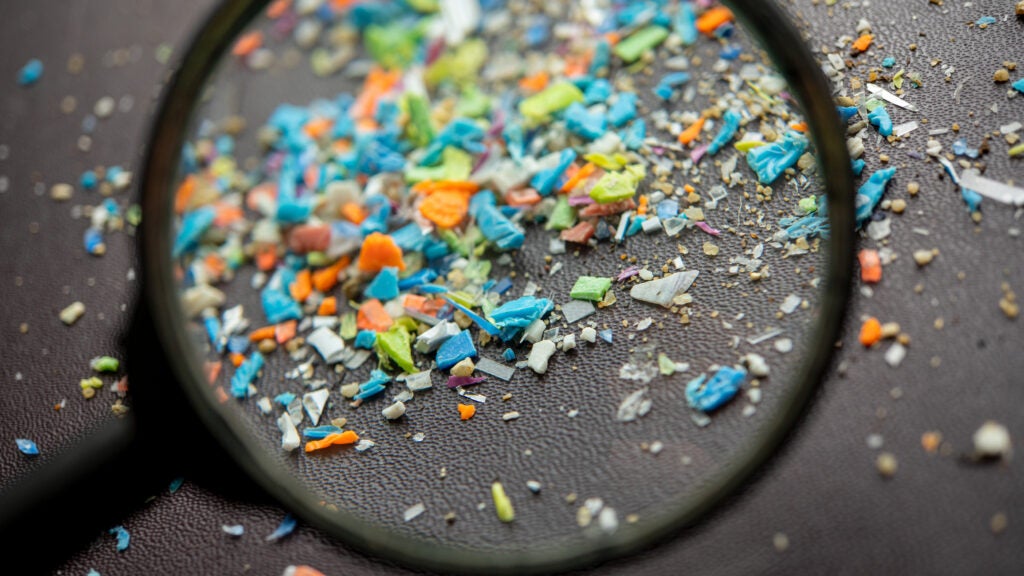
    What people may not realize is that microplastics are also a pressing human health issue. These plastics are showing up everywhere, including throughout our bodies—and even within the human reproductive system, not only in placentas but also in testes and semen. What is worse, we don’t know what the accumulation of these plastics in our bodies might mean for us. Research points to potentially serious issues, including vascular disease, cancers, respiratory disorders, inflammatory bowel disease, as well as dizziness and neurological symptoms. We have much more to learn. We know microplastics and their impacts vary based on composition, size, and surface area. The smaller the particle, the deeper it can go into the body.

    There are many important questions to answer. For instance, in the human system, how do the chemical properties of the nanoparticles within the microplastics interact with nutrients and normal repair processes that prevent disease and slow aging? Is the way we produce and recycle plastic helping—or are these processes increasing unsafe exposures? It’s essential that we ask these types of questions and do the research to find out.

    Q: What are the biggest challenges facing the next administration around microplastics?

    A: It will be challenging to correct the deeply entrenched idea that consumer diligence in recycling plastics can or could ever solve the plastic waste and pollution crisis. The reality is that only about 9% of the world’s plastic is recycled—it’s often not economically or technically possible to recycle the rest and the vast majority of plastics end up in landfills or get incinerated or dumped into the environment.

    It is encouraging that the California attorney general has filed a lawsuit against ExxonMobil, the world’s largest producer of polymers, which are materials used to create single-use plastics, including plastic utensils, drink bottles, and packaging. The lawsuit alleges that the company for decades has used marketing campaigns to create a “myth” around the impact of recycling, leading consumers to buy more single-use plastic than people would if they knew most plastic never goes away.

    To make real impact, we need to be more strategic. In 2022, member states in the United Nations endorsed a resolution to end plastic pollution and forge an international legally binding agreement by 2024. It focuses on moving government and businesses away from single-use plastics. In late November, the fifth session of the negotiating committee to develop that treaty, which includes about 175 nations, met in South Korea. I hope a treaty will be adopted soon.

    It’s important that we expand both the public conversation as well as scientific research to investigate all sources of microplastics. For instance, a surprising source of microplastics is wear and tear on tires. When you drive your car, how fast you go and how often you accelerate and decelerate ultimately makes an impact. Research shows that tire wear-and-tear contributes up to 10% of the plastics that end up in our oceans and enter our food chain—an issue that requires both our awareness and creative action—including carpooling, using public transportation, increasing walking to close by areas, and so on.

    The challenges ahead are multifaceted. We have to understand all the sources and the complex ecosystem of microplastics for our mitigation efforts to work. We have to understand the full scope of the health impacts of microplastics. And as we work to address the problem, we have to take care not to introduce another threat, a different downstream effect created by substituting a microplastic with something that ultimately also poses health risks—so we can’t have blinders on, we must always look at the big picture in order to mitigate wisely.

    Q: What are your top two to three recommendations for policies to address microplastics?

    A: It’s important for relevant industries to consider the concept, “First, do no harm.” We need the wide range of industries that produce plastics as waste to take responsibility and develop creative solutions to shift away from the use of plastics.

    For instance, the medical-industrial complex uses a lot of single-use plastic. As a physician, I know that routine surgeries generate a bag or more of plastic trash and time-intensive surgeries yield up to six bags. And when harm is noted, as is the case with microplastics, we owe it to our patients, community, ecosystem, and to planetary health to move to ameliorate the impact. We need a wave of creative solutions across the medical-industrial complex. For example, we can create greener labs by adopting sustainable practices that minimize plastic use. All of us must start somewhere and act.

    And we must individually work to reduce microplastics in ways that extend far beyond recycling. We must be aware that microplastics are all around us, that tiny fragments of plastics exist in car tires, clothing, bedding, and all kinds of textiles, including the microplastics stripped off our clothing by friction and turbulence in the washing machine that end up in our wastewater. One solution to the latter example involves installing a filter on your washing machine to stop microfiber pollution.

    Q: What’s the evidence supporting these recommendations?

    A: There is a lot of evidence that single-use plastic is a problem and, as mentioned earlier, only 9% of plastic gets recycled.

    We know that people are consuming and breathing a lot of plastic. One analysis shows that Americans ingest and inhale up to 121,000 microplastic particles every year, and people who drink bottled water may be ingesting an additional 90,000 microplastics per year. Put another way, scientific research shows we probably ingest the weight of a plastic credit card every week without realizing it.

    I highly recommend a book by science journalist Matt Simon, A Poison Like No Other, which details a lot of the scientific research about the ubiquity of microplastics and their ability to penetrate into so many things, including our food chains and our bodies.

    Q: What do you hope could be accomplished in this field in the next four years?

    A: My big hope is that we get rid of single-use plastic. I want to see innovation in packaging, food storage, and especially in the medical sector where we should be rethinking single-use items and moving toward the use of sterilization of reusable equipment. Overall, I hope to see major systems across diverse sectors re-engineered in innovative ways, with the urgent reduction in microplastics a top priority.


    Last Updated

    Get the latest public health news

    Stay connected with Harvard Chan School

    Source link