Philadelphia declared a Heat Health Emergency on June 19, 2026, as the Juneteenth heat wave — which has placed approximately 80 million Americans under some form of heat advisory — brought heat index values forecast to reach 103°F and potentially exceed 100°F in the city.
The declaration — issued by Philadelphia Health Commissioner Dr. Palak Raval-Nelson — activates a comprehensive set of city services designed specifically to reach those most at risk from heat illness and death: elderly residents living alone without air conditioning, people experiencing homelessness, outdoor workers, and residents with medical conditions that impair heat tolerance. “The Health Department declares a Heat Health Emergency when the temperature gets high enough that vulnerable people — especially our elderly neighbors and family members — are at an increased risk of getting sick or dying from the heat,” Commissioner Raval-Nelson said.
This is not Philadelphia’s first heat health emergency of the summer. The Keystone Newsroom’s June 2026 coverage documented that Philadelphia had already come through two prior heat events in early June — the city’s first and second heat waves of 2026 — with temperatures reaching 97–98°F on consecutive days. The June 19 Juneteenth declaration represents the third heat emergency activation of the season.
What a Philadelphia Heat Health Emergency Actually Activates
According to the City of Philadelphia’s official Heat Health Emergency services page, a declaration triggers a coordinated set of emergency programs that go significantly beyond issuing a public advisory. The full activation includes:
The Heatline — 215-765-9040. The Philadelphia Corporation for Aging’s (PCA) Heatline opens for calls during extended hours (8:30 a.m. to 8:30 p.m. during the emergency). City Health Department nurses answer calls directly, available to discuss medical concerns related to the heat, identify whether callers are in danger, and help connect residents with appropriate services. This is not a call center with scripted responses — it is a nurse-staffed clinical support line.
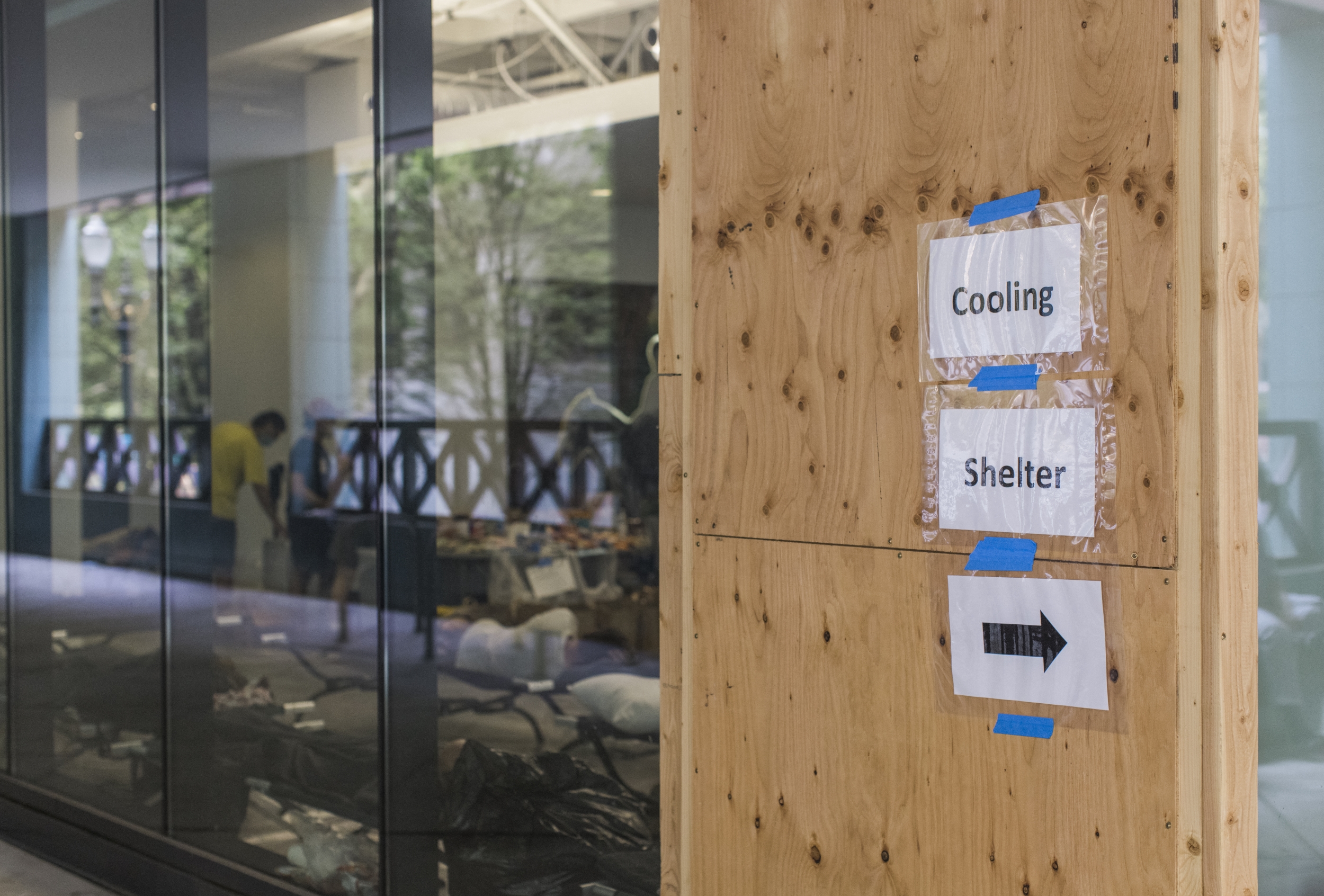
Cooling centers with extended hours. As confirmed by the Philadelphia Inquirer’s coverage of the June 11 emergency and CBS Philadelphia, dozens of cooling centers open at community centers, libraries, religious centers, and parks across the city — with extended hours specifically during Heat Health Emergencies. Residents can find cooling center locations and hours at phila.gov or by calling 311. Parks and Recreation Older Adult Centers are open specifically for elderly residents.
Home visits by special field teams. This is perhaps the most operationally significant activation in the declaration. As the City of Philadelphia’s public health documentation confirms, home visits by specialized field teams go to elderly residents and others identified in city health databases as being at elevated risk — people who may not access general public advisories, who may not know to call the Heatline, and who may be in danger before their distress is visible to neighbors or family. This proactive outreach distinguishes Philadelphia’s response from systems that rely entirely on self-reporting.
Homeless outreach mobilization. The city mobilizes Homeless Services personnel and street outreach teams to offer shelter and services to people sleeping outside. As documented by both Philadelphia Patch and the Philadelphia Inquirer, street teams patrol the city offering shelter and services to anyone found outside in dangerous conditions. A 24/7 outreach hotline is available at 215-232-1984 for anyone who spots a person outside in need of help.
Utility shutoff suspension. Residential utility shutoffs for nonpayment are suspended during Heat Health Emergencies, ensuring that residents who are behind on bills are not left without power for air conditioning during the most dangerous heat period.
Pool access expansion. Philadelphia Parks & Recreation opens more than 60 outdoor pools on a rolling basis during Heat Health Emergencies, with free swim during open hours.
| Philadelphia Heat Health Emergency — Activated Services | Detail |
| Declaration authority | Health Commissioner Dr. Palak Raval-Nelson |
| Heatline | 215-765-9040 (8:30 a.m. – 8:30 p.m. during emergency) |
| Cooling centers | Dozens of locations; community centers, libraries, religious centers, parks; call 311 |
| Home visit teams | Special field teams dispatched to high-risk elderly and other identified residents |
| Homeless outreach | Mobilized Homeless Services personnel and street outreach teams |
| 24/7 homeless/outreach hotline | 215-232-1984 |
| Outdoor pools | 60+ opened on rolling basis; free swim during emergency |
| Utility shutoffs | Suspended during emergency (no shutoffs for nonpayment) |
| Older Adult Centers | Open with AC during emergency hours |
| Heat index forecast | 103°F + possible triple digits |
| 2026 context | Third heat wave for Philadelphia; June 11–12 and prior June events also declared emergencies |
Philadelphia’s Specific Heat Vulnerabilities
Philadelphia is one of the most heat-vulnerable large cities on the U.S. East Coast for reasons that go beyond temperature — they are structural.
The urban heat island effect is severe. Philadelphia’s dense urban fabric — asphalt, concrete, limited tree canopy in many low-income neighborhoods — means that the city retains significantly more heat than surrounding suburban and rural areas. During a heat wave, urban core temperatures regularly exceed surrounding area temperatures by 5–10°F. Low-income and predominantly Black and Hispanic neighborhoods consistently show less tree coverage and higher surface temperatures than wealthier neighborhoods — a documented environmental justice disparity that concentrates the health burden of heat on the populations least resourced to address it.
Air conditioning access gaps remain. While the majority of Philadelphia households have air conditioning, significant gaps remain among elderly residents on fixed incomes who avoid running AC to limit electricity bills, low-income renters whose landlords are not required to provide adequate AC, and residents in older housing stock where window units are not feasible.
Older adults living alone. Philadelphia has a substantial elderly population, and a significant proportion of seniors live alone. During the 1995 Chicago heat wave — which killed 739 people in six days and remains the defining case study for heat mortality in a major U.S. city — living alone was one of the single strongest predictors of death, particularly when combined with no air conditioning and social isolation. Philadelphia’s home visit program exists precisely to address this known risk pattern.
Anyone in Philadelphia who is concerned about themselves or a family member during the heat emergency should call 311 to find the nearest cooling center, call the PCA Heatline at 215-765-9040 to speak with a nurse, or call the 24/7 outreach line at 215-232-1984 for immediate street outreach assistance.
Frequently Asked Questions
What does Philadelphia’s Heat Health Emergency declaration activate?
The declaration activates: the PCA Heatline at 215-765-9040 (nurse-staffed); cooling centers with extended hours at dozens of locations; home visits by specialized field teams to high-risk residents; mobilization of Homeless Services personnel and street outreach teams; free pool access; and suspension of residential utility shutoffs for nonpayment.
Where can I find a cooling center in Philadelphia?
Call 311 or visit phila.gov to find the nearest cooling center. During the Heat Health Emergency, dozens of locations are open with extended hours, including community centers, libraries, religious centers, parks, and Older Adult Centers.
How do I get help for someone who appears to be in heat distress outdoors in Philadelphia?
Call the 24/7 outreach line at 215-232-1984 to request immediate assistance for anyone you find outside who may be in heat distress. For a life-threatening emergency, call 911.
What is the Heatline, and when is it available?
The Philadelphia Corporation for Aging’s Heatline (215-765-9040) is staffed by City Health Department nurses during Heat Health Emergencies. Hours are 8:30 a.m. to 8:30 p.m. Nurses can answer medical questions about heat-related health concerns and help connect callers with services.
Is there free swimming available during the emergency? Yes. Philadelphia Parks & Recreation opens its 60+ outdoor pools on a rolling basis during Heat Health Emergencies, with free swim during open hours. Check phila.gov for current open pool locations.