Tag: Cardiovascular

  • The Women Engineering the Future of Cardiovascular Tech

    The Women Engineering the Future of Cardiovascular Tech

    Few health threats loom larger in the U.S. than heart disease. It remains the nation’s leading cause of death, killing over 900,000 people in 2023, according to the CDC. Yet despite the universal stakes, the cardiovascular technology sector responsible for developing treatments and devices continues to be led overwhelmingly by men. This imbalance matters: when leadership and R&D teams do not reflect the diversity of the patient population, blind spots in design and decision-making can emerge.

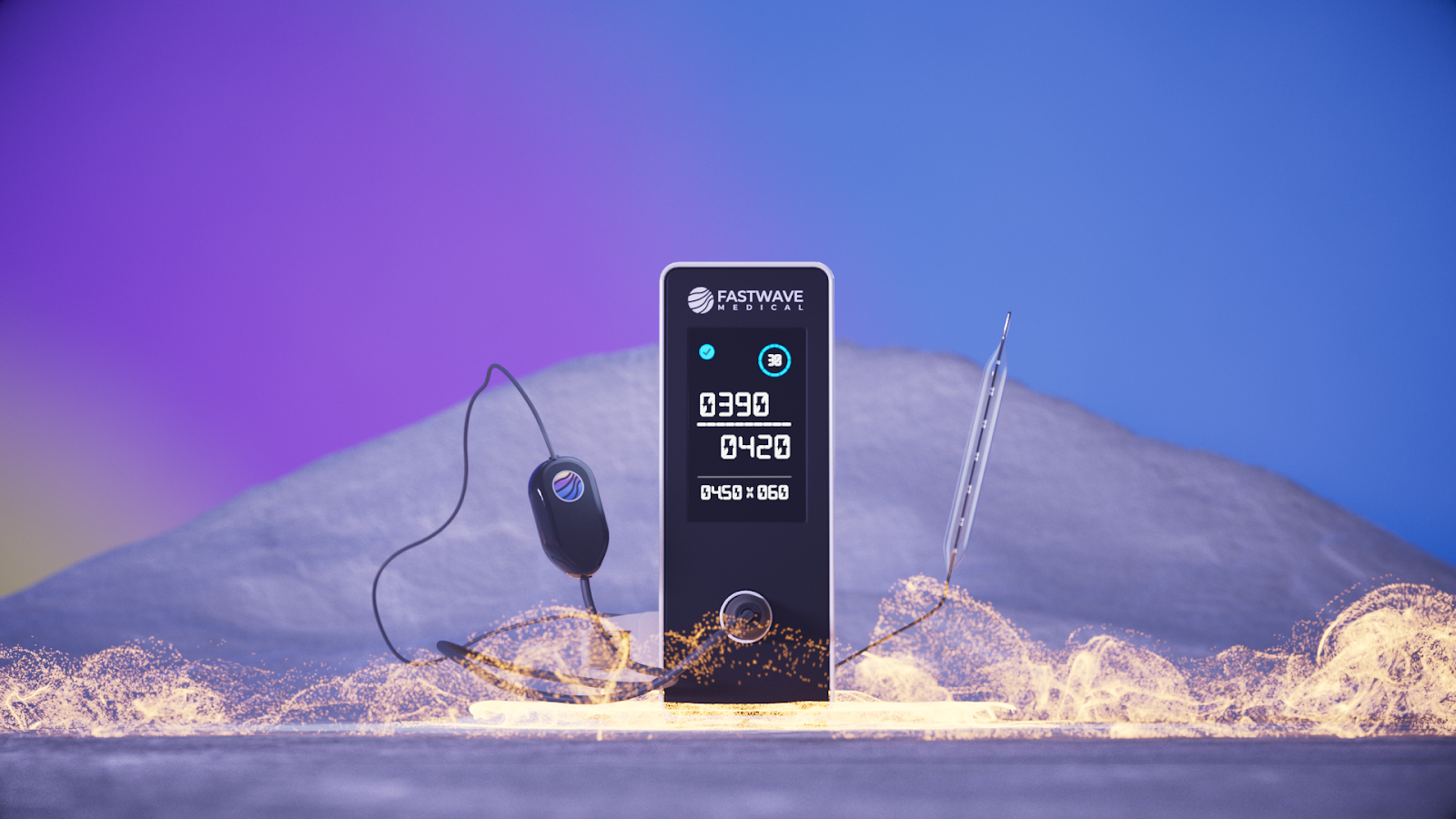
    One exception is FastWave Medical, where women hold pivotal roles in both operations and technology, shaping the company’s next-generation intravascular lithotripsy (IVL) platforms for calcified arteries. It’s a model that remains relatively uncommon in cardiovascular device development — and one that’s influencing how the technology itself is being designed.

    Why Representation Matters in Cardiovascular Innovation

    How did that composition come about? It wasn’t the result of deliberate targets, as FastWave Co-Founder and CEO Scott Nelson explains. “At FastWave, we have a majority female leadership team — not because of quotas, but because they were simply the best people for the job,” he says. That framing — merit first, diversity as outcome — reflects a hiring philosophy that prioritizes environment over intention. “Our philosophy is straightforward: create a great place to work, and you’ll attract top talent. That’s exactly how we’ve ended up with such a strong team.”

    The benefit extends beyond hiring philosophy. When team members bring different perspectives to the table, they surface questions that more homogeneous teams may not think to ask. In cardiovascular innovation — where patient needs vary widely across gender, age, and anatomy — that breadth of insight shapes everything from device design to workflow integration.

    Building Technology Through Diverse Perspectives

    The company is advancing a dual-platform approach to IVL, with two devices engineered to address limitations of first-generation systems: Sola, its coronary laser IVL platform, and Artero, its electric IVL platform for peripheral artery disease. But the technology isn’t being shaped just by leadership on paper — it’s being built day-to-day by women with decades of device development experience.

    Tristan Tieso, FastWave’s Chief Operating Officer, brings more than 20 years of experience in cardiovascular and neurovascular devices to her role — including leadership positions at Vention Medical, where she managed over 50 professionals, and at Worrell, a global healthcare design and strategy firm.

    At FastWave, she oversees engineering, quality, regulatory, and preclinical operations, and her leadership has been instrumental in building the company’s intellectual property portfolio. “When you consider that FastWave is only four years old, securing nine U.S. patents is really quite remarkable — it speaks to our team’s innovative capabilities and how seriously we’ve approached building our intellectual property portfolio from day one,” Tieso says. “This isn’t just about collecting patents for the sake of it. We’re strategically protecting the core technologies that differentiate our platforms.”

    What drives those technologies is “problem-first design.” Tieso explains, “Our entire development approach has been built around spending extensive time with interventional cardiologists, vascular surgeons, and interventional radiologists to understand their daily frustrations with existing IVL technology, then engineering backward from those pain points,” she explains. One clear example: doctors were consistently reporting hassles with reusable dongles and time lost to generator charging. “That direct input led us to make some compelling improvements to the user experience,” Tieso says — resulting in a plug-and-play, AC-powered system with one-click activation that does away with reusable dongles, generator charging, and the need to hold down buttons during procedures.

    Sukanya Iyer, Head of Technology, leads product development and engineering. With prior roles at Boston Scientific, Abbott, and St. Jude Medical, she holds multiple patents in ablation systems and has contributed to the development of major cardiovascular devices, including multiple generations of the WATCHMAN system, force-sensing ablation catheters, and renal denervation systems.

    At FastWave, she is reimagining how sonic pressure waves are generated and delivered. “From a technology perspective, we’ve fundamentally reimagined how sonic pressure waves are generated and delivered,” Iyer explains, “Artero utilizes independently powered emitters that deliver uniform, circumferential sonic pressure, eliminating the uneven energy delivery and localized degradation issues that plague legacy IVL systems. Sola, our other platform, takes an entirely different approach with a single, translating laser emitter that delivers true 360° sonic pressure with every pulse.”

    For Iyer, physician input is essential to the engineering itself. “We’ve spent considerable time listening to physicians describe moments when existing IVL technology simply didn’t meet their clinical needs,” she says. “What became clear was that legacy systems had fundamental engineering limitations that created clinical constraints — physicians were dealing with limited energy pulses and unpredictability when treating eccentric or nodular calcific lesions.” Those technical insights drove the team to question the underlying physics of how sonic pressure waves should be generated and delivered.

    “We’ve spent considerable time listening to physicians describe moments when existing IVL technology simply didn’t meet their clinical needs,” she says. “What became clear was that legacy systems had fundamental engineering limitations creating clinical constraints — physicians were dealing with limited energy pulses and unpredictability when treating eccentric or nodular calcific lesions.” Those technical insights drove the team to question the underlying physics of how sonic pressure waves should be generated and delivered.

    A Model for Medtech

    Despite progress in some areas of medtech, cardiovascular technology leadership remains predominantly male, particularly at the senior technical level. But there are other paths forward. When companies build leadership teams on merit and foster cultures that value diverse perspectives, technical excellence, and representation, the two don’t just coexist — they reinforce each other.

    At FastWave, women aren’t just present in leadership meetings. Tieso and Iyer are shaping intellectual property, redesigning workflow, and rethinking how procedures can be performed more efficiently and safely. As the team has grown, other FastWave leaders like Anindita Sengupta, Head of QA/RA, have joined to build out the regulatory and quality infrastructure needed to bring the technology to market.

    Crucially, they are also leading with openness — actively engaging with cardiologists and vascular specialists from a variety of backgrounds to refine and advance the company’s platforms. That willingness to integrate broad, real-world feedback ensures the technology reflects not just engineering expertise but the lived experience of those using it in practice.

    The outcome is instructive: when diverse, merit-based leadership combines technical depth with responsiveness to user needs, the technology becomes more aligned with both physician workflow and patient realities. In cardiovascular care, where the stakes are life and death, that alignment matters. Tieso and Iyer offer evidence that representation, technical rigor, and an openness to diverse voices can intersect to advance medical technology in meaningful ways.

    Source link

  • One thing everyone should know about cardiovascular disease

    One thing everyone should know about cardiovascular disease

    Alt text: White salt in small bowls and a spoon spill onto a gray surface. A small bowl of pink sea salt is on the left.
    Pinkybird / iStock

    Goodarz Danaei, Bernard Lown Professor of Cardiovascular Health at Harvard T.H. Chan School of Public Health, discusses one thing everyone should know about cardiovascular disease—that we can easily prevent fatal heart attacks and strokes by reducing how much salt we eat.


    There is a direct and linear association between the amount of salt we eat and our blood pressure—and high blood pressure, or hypertension, is the most important risk factor for cardiovascular disease globally. Fortunately, it is also the easiest to treat.

    In 2019, I worked with other international scientists to calculate how many lives could be saved around the world if we reduced our average sodium intake by 30 percent. That’s an achievable, and not even particularly ambitious, goal. But it would have a profound impact on public health. In fact, we found that in 25 years, 40 million deaths could be delayed by implementing that intervention alone. That’s almost three deaths every minute.

    Goodarz Danaei
    Goodarz Danaei / Photo: Kent Dayton

    Several policies could help us get there, including the reformulation of packaged foods and the introduction of labels that inform consumers of the sodium content of certain foods. The UK, for example, launched a successful salt reduction initiative in 2001 that within a few years managed to reduce the average salt intake by almost one gram per day through awareness campaigns and by encouraging food manufacturers to reduce their products’ salt content.

    Researchers are also studying whether replacing some of the sodium chloride in our salt with salt substitutes would help reduce blood pressure. We don’t know yet if this effort would be successful or if people would add more salt to their food to compensate for a less-salty taste.

    There’s no doubt, however, that we should eat less salt. Americans eat on average about 8.6 grams of salt per day, which is more than twice the recommended intake by the American Heart Association.

    We have become so accustomed to salt that we feel the need to add it to the food we cook at home or order at a restaurant. The truth is that there is no reason to add salt. Natural foods already contain enough sodium themselves and their flavor can be enhanced by adding other ingredients like herbs, spices, garlic, and citrus.

    It’s especially important that the food our children eat, including school lunches, contains low levels of salt. Habits are hard to change later in life, so intervening early on children’s diets and palates can have huge long-term consequences for public health.


    Last Updated

    Featured in this article

    Get the latest public health news

    Stay connected with Harvard Chan School

    Source link

  • Cardiovascular Fitness May Lower Dementia Risk, Even For Those With Genetic Predisposition, Study Finds

    Cardiovascular Fitness May Lower Dementia Risk, Even For Those With Genetic Predisposition, Study Finds

    Regular exercise is known to prevent chronic conditions and slow cognitive decline. New research suggests that cardiovascular fitness, the body’s ability to deliver oxygen to muscles during exercise, could also play a crucial role in reducing dementia risk.

    A recent study found that improved cardiorespiratory fitness is linked to better cognitive performance and a lower risk of dementia, even among those genetically predisposed.

    As people age, cardiovascular fitness typically declines by 3% to 6% every decade in their 20s and 30s. However, this decline accelerates to over 20% per decade once individuals reach their 70s. With reduced fitness, there is an increased risk of cardiovascular events such as strokes and heart attacks and mortality from all causes, according to the researchers of the latest study.

    The study evaluated 61,214 participants between the ages of 39 and 70 enrolled in the UK Biobank study between 2009 and 2010. The participants did not have dementia and were followed for up to 12 years.

    The researchers assessed the cardiorespiratory fitness of participants at the beginning of the study by conducting a 6-minute submaximal exercise test on a stationary bike. While neuropsychological tests were used to evaluate cognitive function, the participant’s genetic predisposition for dementia was estimated using the polygenic risk score.

    During the follow-up, 553 people were diagnosed with dementia. Based on the cardiorespiratory fitness scores, the participants were divided into three equal-sized groups standardized by age and sex.

    The analysis revealed that people with higher fitness scores were 40% less likely to develop dementia than those with lower scores. Also, dementia onset was delayed by nearly 1.5 years for those with high scores.

    The researchers noted that in those with a moderate to high genetic risk of dementia, high cardiovascular fitness reduced their risk of developing dementia by 35%.

    Since the study is observational, the researchers could not establish a direct cause-and-effect relationship. They noted some limitations, including the potential underestimation of dementia cases, as UK Biobank participants are healthier than the general population. Individuals with certain health conditions were excluded from the exercise test, making the study group healthier which may have impacted the findings.

    However, based on the current findings, the researchers suggest that “enhancing CRF could be a strategy for the prevention of dementia, even among people with a high genetic predisposition for Alzheimer’s disease.”

    Source link

  • Taking Pills For Cardiovascular Diseases? They May Also Protect Against Dementia, Study Says

    Taking Pills For Cardiovascular Diseases? They May Also Protect Against Dementia, Study Says

    Taking medications for cholesterol and blood pressure might seem like a health burden for many. But there’s good news for those who have to depend on cardiovascular medications. Researchers have found that beyond their cardiovascular benefits, long-term use of these drugs, especially when used in combination, may offer protection against dementia.

    The latest study conducted by Karolinska Institutet in Sweden revealed the use of common cardiovascular drugs for more than five years is associated with a reduced risk of dementia later in life.

    “Previous studies have focused on individual drugs and specific patient groups but in this study, we take a broader approach,” said Alexandra Wennberg, a lead author of the paper.

    The study analyzed dementia risk using data from Swedish national registers, involving around 88,000 individuals over the age of 70 who were diagnosed with dementia between 2011 and 2016. It also included 880,000 control participants. The researchers obtained data about the participants’ use of cardiovascular drugs from the Swedish Prescribed Drug Register.

    “The results show that long-term use of antihypertensive drugs, cholesterol-lowering drugs, diuretics, and blood-thinning drugs is associated with between 4 and 25 percent lower risk of dementia. Combinations of the drugs had stronger protective effects than if they were used alone,” the news release stated.

    However, the researchers noted that the use of antiplatelet drugs for stroke prevention may be associated with a higher risk of dementia. This could be due to the increased risk of microbleeds in the brain caused by these drugs, which are linked to cognitive decline.

    “The association between the use of common cardiovascular drugs and dementia risk suggests that these pathways may be explored for the development of dementia treatment though future research is necessary. Conversely, because antiplatelets are commonly used, it is important to further understand any long-term negative effects on cognitive outcomes.

    Researchers believe that the new finding adds an important piece of the puzzle for finding new treatments for dementia. Also, since the study observed cognitive decline associated with antiplatelet use, it highlights the need to consider their potential long-term cognitive effects when prescribing these medications.

    “We currently have no cure for dementia, so it’s important to find preventive measures,” said Wennberg.

    Source link

  • No Cardiovascular Benefits, Raises Circulatory Risks; Study Finds

    No Cardiovascular Benefits, Raises Circulatory Risks; Study Finds

    Sitting for extended periods has long been linked to various health risks including cardiovascular issues, driving the popularity of standing desks among office workers. However, a recent study suggests that standing for extended periods offers no long-term cardiovascular benefits and may not be the better option.

    According to the latest study published in the International Journal of Epidemiology, standing for long periods may not benefit heart health and could increase the risk of circulatory problems, such as deep vein thrombosis and varicose veins.

    Researchers from the University of Sydney analyzed heart conditions and circulatory disease data from 83,013 UK adults, collected over seven to eight years. These participants, who did not have any heart disease at the start, were monitored using wrist-worn wearables similar to smartwatches to track their activity and health.

    The analysis revealed that for every additional 30 minutes spent standing beyond two hours, the risk of circulatory disease increased by 11 percent.

    “The key takeaway is that standing for too long will not offset an otherwise sedentary lifestyle and could be risky for some people in terms of circulatory health. We found that standing more does not improve cardiovascular health over the long-term and increases the risk of circulatory issues,” Dr Matthew Ahmadi, the lead author of the study said in a news release.

    The researchers also found that sitting for more than 10 hours a day raises the risk of both cardiovascular disease and orthostatic issues.

    Based on these findings, the researchers recommend that people who are regularly sedentary or stand for extended periods incorporate regular movement throughout the day to mitigate these risks.

    “For people who sit for long periods on a regular basis, including plenty of incidental movement throughout the day and structured exercise may be a better way to reduce the risk of cardiovascular disease,” said Professor Emmanuel Stamatakis, Director of the Mackenzie Wearables Research Hub.

    “Take regular breaks, walk around, go for a walking meeting, use the stairs, take regular breaks when driving long distances, or use that lunch hour to get away from the desk and do some movement,” Stamatakis said.

    Earlier research by the team found that just 6 minutes of vigorous exercise or 30 minutes of moderate-to-vigorous exercise per day can reduce the risk of heart disease, even in individuals who are highly sedentary for over 11 hours a day.

    Source link