Tag: calories

  • Scientists Discover Why Bread May Cause Weight Even Without More Calories

    Scientists Discover Why Bread May Cause Weight Even Without More Calories

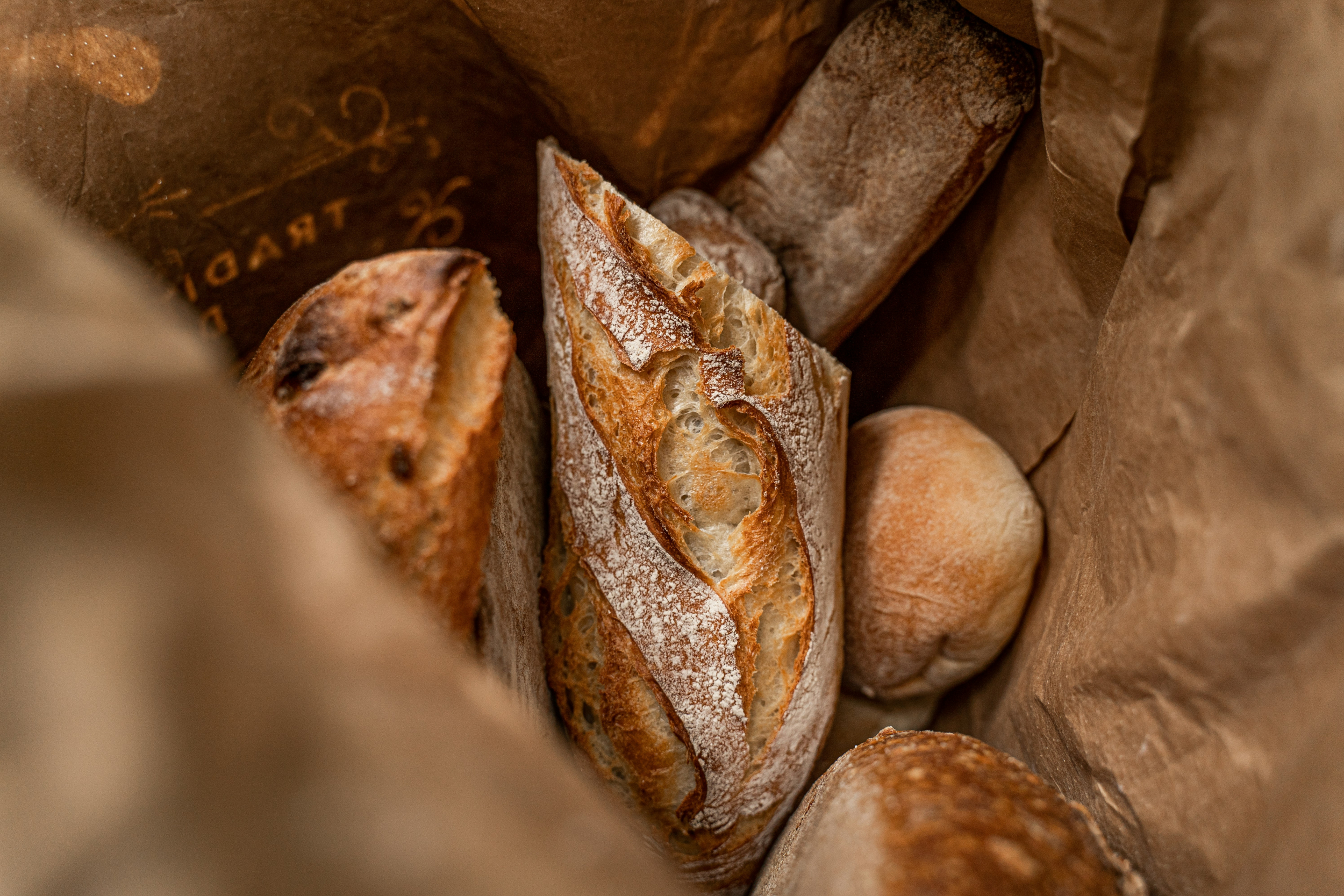
    Bread is a staple food in many households, yet researchers continue to study how certain types may influence body weight. While calories remain important, some studies suggest that bread weight gain may also be linked to how refined carbohydrates affect blood sugar, hunger, and fat storage. This may explain why some people gain weight even when calorie intake appears unchanged.

    The type of bread eaten, portion size, and overall diet pattern all matter. White bread and other refined options digest quickly, while whole grain versions often contain more fiber and nutrients. Understanding why bread causes weight gain can help people make smarter choices without cutting out bread entirely.

    Bread Weight Gain: High Glycemic Index Metabolic Mechanisms

    Many refined breads are considered high glycemic index foods, meaning they can raise blood sugar quickly after eating. Rapid digestion causes glucose to enter the bloodstream fast, which may trigger a stronger insulin response. Insulin helps move sugar into cells, but frequent spikes may also encourage fat storage when repeated often.

    According to the British Journal of Nutrition, higher intake of white bread and refined grain products has been associated with increased risk of overweight and abdominal fat gain in some population studies. Researchers noted that refined grains may affect appetite control and long-term weight trends differently than whole grains.

    This helps explain why bread causes weight gain for some people more than others. Bread made with refined flour often has less fiber, which means it may not keep people full for long. That can lead to snacking later in the day and higher total calorie intake over time.

    Why Bread Causes Weight Gain: Insulin Resistance Development

    When refined bread is eaten frequently in large portions, the body may need to release insulin more often. Over time, cells can become less responsive, a process linked to insulin resistance mechanisms. When this happens, the body may store more energy as fat while blood sugar control becomes harder.

    Based on information from Harvard T.H. Chan School of Public Health, diets high in refined carbohydrates may increase risk factors tied to type 2 diabetes and weight gain, especially when fiber intake is low. Whole grains, in contrast, are associated with better metabolic health and improved blood sugar balance.

    This does not mean bread alone causes insulin resistance. Overall eating patterns, inactivity, sleep quality, genetics, and stress also matter. However, replacing frequent refined bread intake with higher-fiber foods may support healthier metabolism.

    Calories and Weight Gain: Satiety Signaling Bread Disruptions

    Many people focus only on calories and weight gain, but hunger and fullness signals also affect body weight. Foods that digest quickly may satisfy hunger at first, then leave people hungry again soon after. This can lead to larger portions at the next meal or extra snacks.

    According to Healthline, white bread is often lower in fiber and digests faster than whole grain bread, which may reduce fullness and increase the chance of overeating. Fiber slows digestion, helps stabilize blood sugar, and can improve satiety after meals.

    Refined carbohydrate metabolism may also play a role. Fast-digesting starches can create a quick rise and fall in blood sugar, sometimes followed by cravings. Choosing breads with seeds, whole grains, and higher fiber may help reduce this cycle.

    Better Bread Choices to Reduce Bread Weight Gain

    Choosing the right type of bread can make a difference when managing bread weight gain and improving overall nutrition. Small changes in bread selection may help control hunger, blood sugar, and daily calorie intake.

    • Choose Whole Grain Bread: Look for bread made with whole wheat, oats, rye, or other intact grains for more fiber and nutrients.
    • Check the Fiber Content: Pick options with at least 3 grams of fiber per slice to support fullness and digestion.
    • Limit Added Sugars: Some packaged breads contain extra sugar that may increase unnecessary calorie intake.
    • Watch Portion Sizes: Two slices may fit many meals, but oversized servings can add calories quickly.
    • Pair Bread With Protein: Add eggs, tuna, chicken, peanut butter, or Greek yogurt to help improve satiety.
    • Avoid Highly Processed Options: Ultra-soft refined breads often digest faster and may not keep you full long.
    • Read Ingredient Labels: Choose products with simple ingredients and whole grains listed first.
    • Rotate Carb Sources: Alternate bread with oats, brown rice, quinoa, or sweet potatoes for variety.

    Smart Ways to Enjoy Bread Without Weight Gain

    Bread does not need to be eliminated for healthy weight management. Portion size, bread type, and meal balance often matter more than bread itself. Choosing whole grain bread, pairing it with protein, and avoiding oversized portions can make a meaningful difference.

    If you are concerned about bread weight gain, look at your total eating pattern rather than one food alone. Replacing refined options with higher-fiber choices, staying active, and managing overall calorie intake can support long-term health while still allowing bread in moderation.

    Frequently Asked Questions

    1. Does bread automatically cause weight gain?

    No, bread does not automatically lead to weight gain. Weight changes usually depend on total calorie intake, food quality, and lifestyle habits. Some breads are more filling and nutritious than others. Portion size also matters.

    2. Why does white bread make me hungry quickly?

    White bread is often lower in fiber and digests faster than whole grain bread. This can cause blood sugar to rise and fall more quickly. Some people feel hungry again sooner after eating it. Pairing bread with protein or healthy fats may help.

    3. Is whole grain bread better for weight control?

    Whole grain bread often contains more fiber, vitamins, and minerals. Fiber can improve fullness and slow digestion. That may help with appetite control and steadier energy levels. It can be a better option for many people.

    4. Should I stop eating bread to lose weight?

    You do not always need to remove bread completely. Many people lose weight while still eating moderate portions of quality bread. Focus on overall diet balance and activity levels. Sustainable habits usually work better than strict elimination.

    Source link

  • Burn Calories Like Crazy: Top 10 Cardio Workouts for Effective Weight Loss

    Burn Calories Like Crazy: Top 10 Cardio Workouts for Effective Weight Loss

    She’s always on the lookout for the most effective ways to burn calories like crazy and achieve her weight loss goals. One of the most popular and efficient methods is through cardio workouts, which get her heart rate up and her body moving. In this article, we’ll explore the top 10 cardio workouts for effective weight loss, helping her to lose weight and feel great in the process.

    Introduction to Cardio Workouts

    Cardio exercises are an essential part of any weight loss program, as they help to burn calories and improve overall health. By incorporating cardio workouts into her routine, she can expect to see significant improvements in her physical fitness and a reduction in body fat. But with so many different types of cardio exercises out there, it can be difficult to know where to start. That’s why we’ve put together this list of the top 10 cardio workouts for effective weight loss, to help her get started on her weight loss journey.

    Top 10 Cardio Workouts for Effective Weight Loss

    1. Running: One of the most popular cardio workouts out there, running is a great way to burn calories and improve cardiovascular health. Whether she prefers to hit the treadmill or pound the pavement, running is an excellent way to get her heart rate up and lose weight.
    2. Swimming: Swimming is a low-impact cardio workout that’s easy on the joints, making it perfect for those who are just starting out or have mobility issues. It’s also a great way to burn calories and build endurance.
    3. Cycling: Whether she prefers to ride a stationary bike or hit the trails, cycling is a fun and effective way to burn calories and improve cardiovascular health.
    4. High-Intensity Interval Training (HIIT): HIIT involves short bursts of intense exercise followed by brief periods of rest. This type of cardio workout is great for burning calories and improving endurance.
    5. Jumping Rope: Jumping rope is a fun and challenging cardio workout that’s easy to do at home. It’s a great way to burn calories and improve coordination and agility.
    6. Boxing: Boxing is a high-energy cardio workout that’s perfect for those who enjoy martial arts. It’s a great way to burn calories and improve hand-eye coordination.
    7. Dancing: Dancing is a fun and energetic cardio workout that’s perfect for those who love music and movement. It’s a great way to burn calories and improve coordination and rhythm.
    8. Rowing: Rowing is a low-impact cardio workout that’s easy on the joints. It’s a great way to burn calories and improve cardiovascular health.
    9. Stair Climbing: Stair climbing is a great cardio workout that’s easy to do at home or in the gym. It’s a great way to burn calories and improve leg strength.
    10. Elliptical Trainer: The elliptical trainer is a low-impact cardio workout that’s easy on the joints. It’s a great way to burn calories and improve cardiovascular health.

    Benefits of Cardio Workouts for Weight Loss

    Incorporating cardio workouts into her routine can have numerous benefits for weight loss. Some of the benefits include:

    • Increased caloric burn: Cardio exercises help to burn calories and increase metabolism, leading to weight loss.
    • Improved cardiovascular health: Regular cardio workouts can help to improve cardiovascular health, reducing the risk of heart disease and stroke.
    • Increased energy: Cardio exercises can help to increase energy levels, making it easier to tackle daily tasks and activities.
    • Improved mental health: Exercise has been shown to have a positive impact on mental health, reducing stress and anxiety.

    Tips for Getting the Most Out of Cardio Workouts

    To get the most out of cardio workouts, it’s essential to keep the following tips in mind:

    • Start slow: Begin with shorter, less intense cardio workouts and gradually increase duration and intensity as fitness levels improve.
    • Listen to your body: Rest and recovery are just as important as exercise. Make sure to listen to your body and take rest days as needed.
    • Stay hydrated: Proper hydration is essential for cardio workouts, so make sure to drink plenty of water before, during, and after exercise.
    • Mix it up: Vary cardio workouts to avoid boredom and prevent plateaus.

    Conclusion

    Incorporating cardio workouts into her routine is a great way to burn calories like crazy and achieve weight loss goals. With so many different types of cardio exercises to choose from, there’s something for everyone. By following the tips and guidelines outlined in this article, she can get started on her weight loss journey and start seeing results in no time. Remember to always listen to your body and consult with a healthcare professional before starting any new exercise program.

    FAQs

    Q: What is the best cardio workout for weight loss?
    A: The best cardio workout for weight loss will vary depending on individual fitness levels and goals. However, some of the most effective cardio workouts for weight loss include running, swimming, and HIIT.

    Q: How often should I do cardio workouts to lose weight?
    A: The frequency of cardio workouts will depend on individual fitness levels and goals. However, it’s generally recommended to aim for at least 150 minutes of moderate-intensity cardio exercise per week.

    Q: Can I do cardio workouts at home?
    A: Yes, there are many cardio workouts that can be done at home, including jumping rope, dancing, and bodyweight exercises.

    Q: Do I need to warm up before cardio workouts?
    A: Yes, it’s essential to warm up before cardio workouts to prevent injury and improve performance. A 5-10 minute warm-up of light cardio and stretching can help to get her ready for her cardio workout.

    Q: Can cardio workouts help with mental health?
    A: Yes, cardio workouts have been shown to have a positive impact on mental health, reducing stress and anxiety. Exercise has been shown to release endorphins, which can help to improve mood and reduce symptoms of depression.

    burn-calories-like-crazy-top-10-cardio-workouts-for-effective-weight-loss

  • Here’s How Many Calories You Need For Morning Meal

    Here’s How Many Calories You Need For Morning Meal

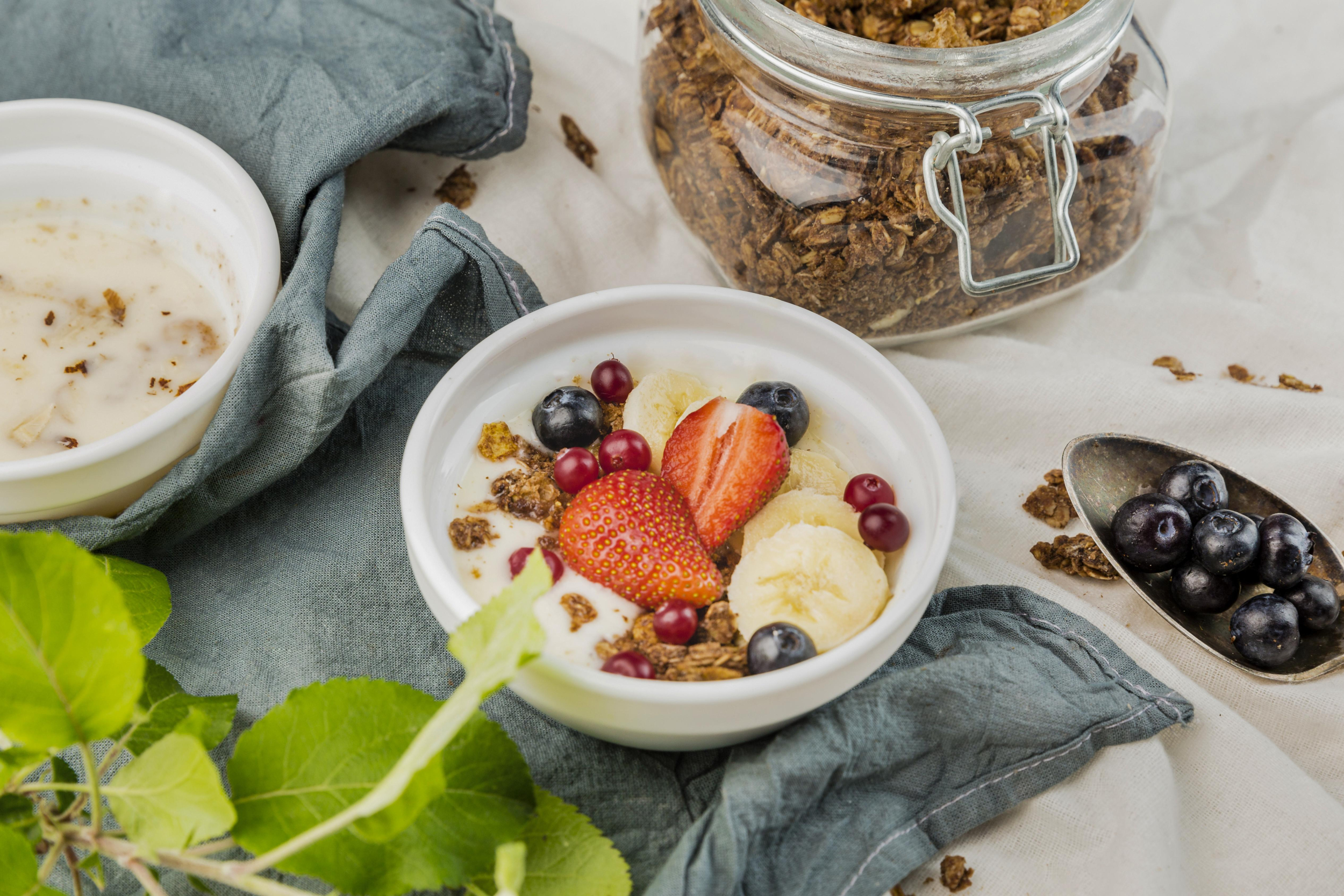
    Breakfast isn’t just the most important meal of the day, it’s a key factor in healthy aging. Researchers now found that it is not only essential to have breakfast, but also to ensure that it is both high in quality and appropriate in quantity. A recent study found that consuming 20 to 30% of your daily calories at breakfast is linked to better long-term health.

    In the latest study, researchers explored how the energy intake and quality of breakfast impact key health indicators like cholesterol, blood pressure, body weight, and other cardiometabolic factors. For the trial, researchers followed up with 383 participants between the ages of 55 and 75 with metabolic syndrome for 3 years.

    The results showed that individuals who ate breakfast had better overall diet quality and lower cardiometabolic risk. “Healthy breakfast habits relate to healthy aging by improving heart risk factors,” the researchers wrote in the study published in the Journal of Nutrition, Health, and Aging.

    Among those who consumed breakfast, both low and high-energy, low-quality breakfasts were associated with higher body fat, elevated triglycerides, and lower HDL cholesterol in older adults at high risk. The study also revealed that low-quality breakfasts were linked to poorer kidney function.

    “Individuals at high cardiovascular risk may benefit from a balanced breakfast to maintain a healthy body weight, waist circumference, lipid profile, and renal function. A breakfast containing 20−30% of total caloric intake was linked to lower values of BMI, WC, triglycerides, and higher HDL-C concentrations, and a high-quality breakfast was associated with healthier values of WC, HDL-C, and eGFR,” the researchers wrote.

    The new findings build on the idea that “breakfast is the most important meal of the day” and suggest it should be rephrased to include “What and how you eat it matters,” said Álvaro Hernáez, a lead researcher of the study.

    According to the study findings, for a person who takes a 2,000-calorie diet, breakfast should provide around 400-600 calories. In terms of quality, the focus is on achieving balanced meals that include whole grains, lean proteins, healthy fats, and fruits or vegetables while steering clear of processed foods that are high in added sugars and unhealthy fats.

    Source link

  • Trying To Cut Calories? Skip The Dip With Your Chips

    Trying To Cut Calories? Skip The Dip With Your Chips

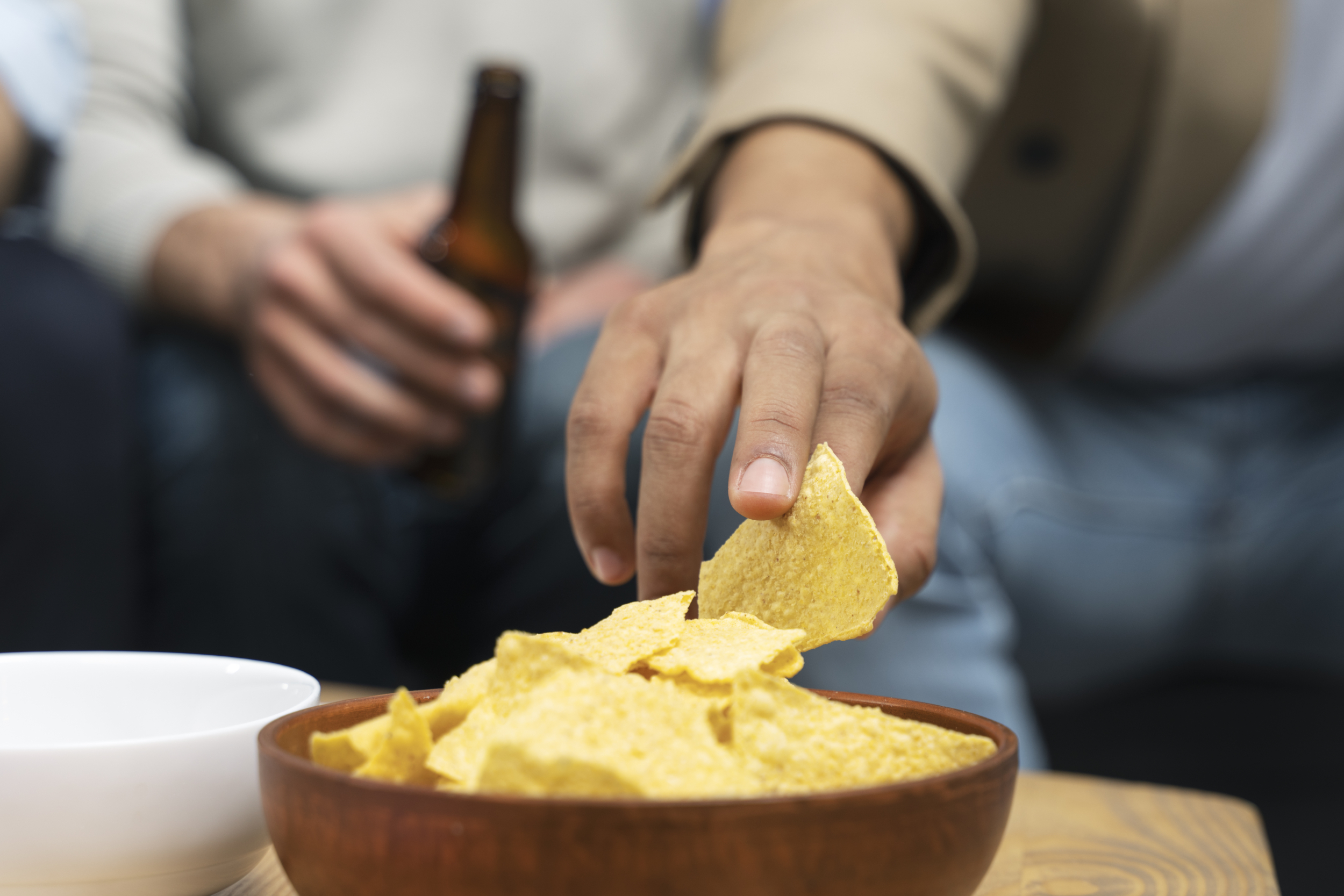
    Yes, it’s hard to resist a bag of chips, but here’s a trick if you’re trying to cut calories- skip the dip. Researchers discovered that when consumers pair chips with dip, their caloric intake shot up by 77% compared to just eating chips alone.

    Snacks make up about a quarter of the average person’s daily calorie intake, yet eating behavior around snacking remains surprisingly understudied.

    John Hayes, professor of food science and director of the Penn State Sensory Evaluation Center, a corresponding author of the latest study emphasizes that understanding snacking behavior is essential for tackling issues of overeating and obesity.

    To explore this, the research team investigated how adding a dip to a salty snack affected eating behavior and found some surprising results. When dips were served, people not only consumed more calories, but they also ate at a faster rate and took larger bites, according to the results published in Food Quality and Preference.

    The study examined 46 adult participants during two visits to Penn State’s Sensory Evaluation Center, where they were served 70 grams of ranch-flavored chips, with or without a third of a cup of ranch dip. Participants were allowed to eat as much as they wanted, but their intake was carefully measured. Every session was video recorded and annotated for bite counts and active eating time.

    Researchers then used this data to analyze “eating microstructure,” focusing on factors like eating rate and bite-size to understand how the addition of dip affected snacking behavior.

    “On average per eating session, participants consumed 345 calories of chips and dip compared to 195 calories of chips alone,” the news release stated.

    “The most striking finding of our study is that people didn’t eat fewer chips when dip was available — they ate the same amount of chips, plus the dip. This lack of compensation means that adding dip to chips can substantially increase overall energy intake without people realizing it,” Hayes said in a news release.

    “This research opens up new avenues for exploring how the physical properties of foods can influence our eating behaviors and ultimately, our energy intake. If we can slow people down, we can influence energy consumption without giving up the pleasure from food,” Hayes added.

    Source link