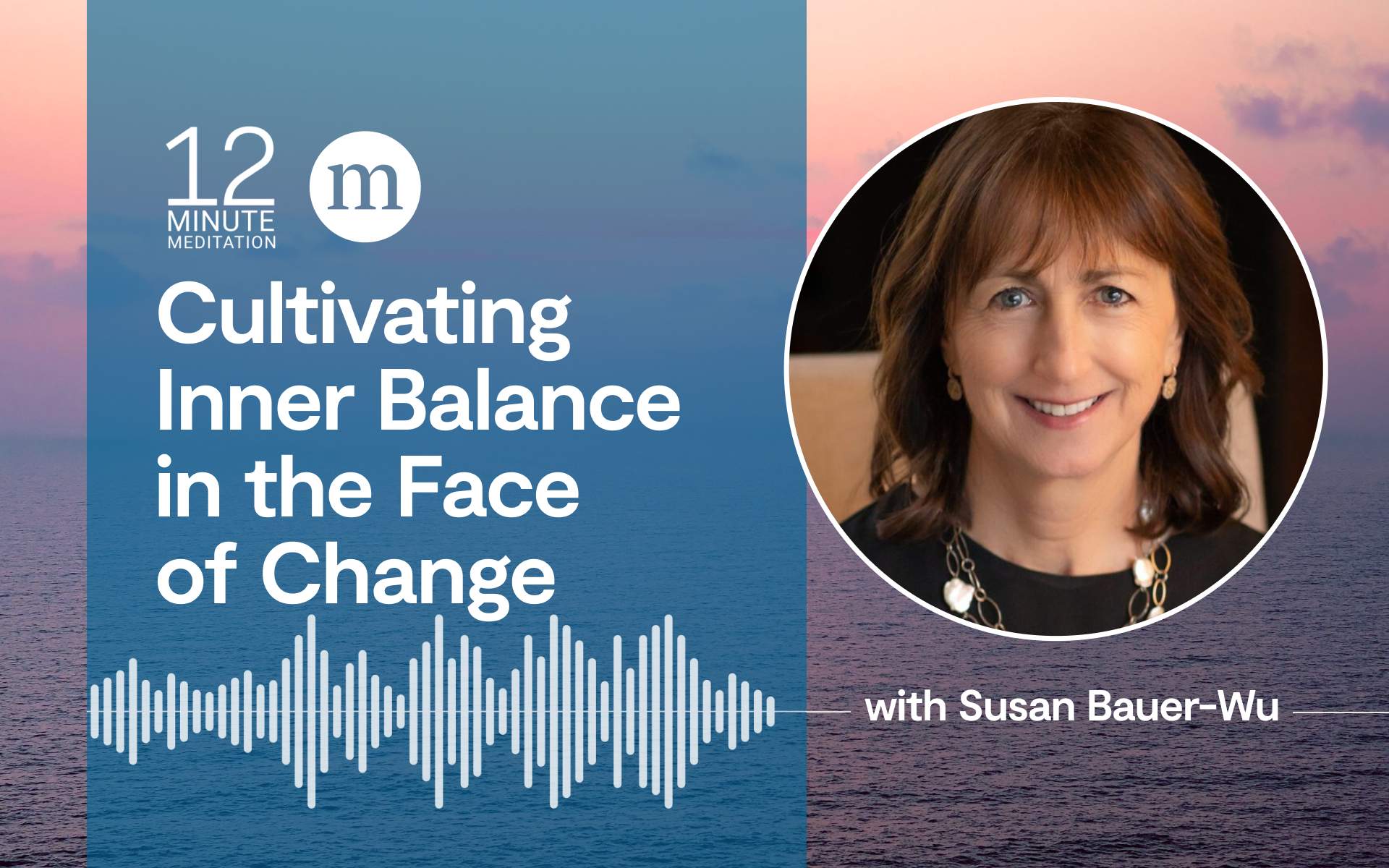
Life is never constant. And it can be difficult to remain balanced in the midst of change. Susan Bauer-Wu shares a guided meditation to ground us in the present moment and cultivate equanimity.
With equanimity, we can feel the possibility of balance in our hearts in the midst of life’s ups and downs. It’s a quality that’s both receptive and stable. In short, it’s the opposite of the reactive mind. With equanimity, there’s a feeling of ease and allowing as we ride the waves of change and different experiences. It allows us to be present to suffering and present to joy. It combines an understanding mind together with a compassionate heart. It doesn’t mean we are indifferent or that we don’t care or that we care less, it means we allow life to unfold without any attachments to an outcome or taking things personally. And finally, equanimity is opening to easing into each moment with care and gentleness.
A Meditation to Create Inner Balance in the Face of Change
Read and practice the guided meditation script below, pausing after each paragraph. Or listen to the audio practice.
Settle into a comfortable posture. You can close your eyes or simply lower your gaze. Bring awareness toward your body. Notice your breath move through your body, feeling the chest or belly expand with your breath.
Take a moment to set an intention for the practice. Perhaps it’s to feel a sense of inner balance and ease. Take in the following phrases or the meaning of the phrases and quietly repeat to yourself: Things are just as they are. I’m safe in this moment.My happiness and suffering depend on my thoughts and actions, not simply upon my wishes.May I feeljoyand ease.
Notice whatever is present for you right now. Resting in a feeling of OK-ness in this moment, just as it is.
Bring to mind someone who you care about and who may be going through a hard time. Extend these phrases or the meaning of the phrases to this person. I care for you yet cannot keep you from suffering. I love you yet cannot control your happiness. Your happiness and suffering depend on your thoughts and actions and not my wishes for you. May you feel joy and ease.
Notice how you feel. Notice the raw feeling of whatever is present for you. Sit with it. Just letting it be, right now.
Once again, bring awareness to the body, and the breath. Feel the ease of simply being and breathing.
Meditation is a core mindfulness practice that you can customize to meet you where you are, bring your attention to the present moment, and engage in more compassion and connection. Here’s what you need to know to get started. Read More
All orders are protected by SSL encryption – the highest industry standard for online security from trusted vendors.
Thyrafemme Balance – Presentation is backed with a 60 Day No Questions Asked Money Back Guarantee. If within the first 60 days of receipt you are not satisfied with Wake Up Lean™, you can request a refund by sending an email to the address given inside the product and we will immediately refund your entire purchase price, with no questions asked.
All orders are protected by SSL encryption – the highest industry standard for online security from trusted vendors.
Pulmo Balance is backed with a 60 Day No Questions Asked Money Back Guarantee. If within the first 60 days of receipt you are not satisfied with Wake Up Lean™, you can request a refund by sending an email to the address given inside the product and we will immediately refund your entire purchase price, with no questions asked.
Creating a healthy evening routine is one of the simplest yet most effective ways to prepare the body and mind for restful sleep. Modern lifestyles often expose people to stress, digital distractions, and irregular eating patterns that interfere with relaxation and recovery.
A structured nighttime ritual calms the brain, supports digestive balance, and helps regulate essential hormones that drive the body’s internal clock. By aligning these elements, individuals can experience deeper, more restorative sleep and improved overall well-being.
What Is a Healthy Evening Routine?
A healthy evening routine refers to a consistent set of actions that signal to the body that it’s time to rest. Unlike morning routines that focus on alertness and productivity, evening habits aim to slow down the day’s pace, allowing the mind and body to transition smoothly into sleep mode.
Healthy routines commonly include turning off electronic devices, adjusting lighting, engaging in relaxing activities, and avoiding stimulating foods or beverages. When followed regularly, these small actions create a rhythm that enhances sleep consistency, improves mood stability, and boosts morning energy levels.
A well-crafted routine acts as a nightly reset, helping the body restore itself physically while giving the mind space to process, unwind, and recover from cognitive fatigue.
Why a Sleep Wind-Down Routine Matters
A proper sleep wind-down routine prepares the nervous system for rest by easing the transition from wakefulness to sleep. Without it, the brain often remains in a state of alertness, especially after exposure to blue light from screens or after engaging in demanding mental tasks. This overstimulation delays melatonin release, the hormone responsible for inducing sleepiness.
Scientific studies show that individuals who dedicate 20–30 minutes to relaxation before bed fall asleep faster and experience better sleep quality. Techniques such as deep breathing, meditation, or listening to calm music help lower cortisol levels, promoting a sense of safety and calm.
Avoiding stimulants like caffeine or intense exercise within two hours before bed also enhances the body’s ability to enter deeper sleep stages more efficiently. A consistent sleep wind-down routine becomes a biological signal that it’s time to power down, physically, mentally, and emotionally.
Understanding the Gut-Brain Connection and Its Impact on Sleep
The gut-brain connection plays a crucial role in how the body transitions to rest. This bidirectional communication system links emotional and cognitive centers of the brain with intestinal functions, mainly through the vagus nerve and neurotransmitters.
When the gut’s microbiome is healthy and diverse, it produces compounds such as serotonin and gamma-aminobutyric acid (GABA), both essential for regulating mood and sleep. Poor diet, stress, or irregular eating patterns can disrupt this communication, leading to sleep disturbances and anxiety.
Supporting the gut-brain connection before bed involves eating nutrient-rich foods that feed beneficial bacteria, such as yogurt, kefir, bananas, and oatmeal, and avoiding heavy or sugary meals late at night. Herbal teas like chamomile or peppermint can also soothe digestion while promoting relaxation signals to the brain.
The Role of Nighttime Hormone Balance
Several hormones govern the body’s ability to fall asleep and stay asleep. The balance among melatonin, cortisol, and serotonin directly influences the quality of nighttime rest, according to the World Health Organization. Maintaining proper nighttime hormone balance ensures that energy, appetite, and mood function in harmony with the body’s natural circadian rhythm.
Melatonin levels rise in response to darkness, signaling that it’s time for sleep. Blue light exposure delays this release, so dimming lights at least an hour before bed helps prepare the body.
Cortisol, the stress hormone, should gradually decrease at night. However, prolonged stress or irregular sleeping hours can keep levels high, making it difficult to relax.
Serotonin serves as a precursor to melatonin. Eating foods rich in tryptophan, such as eggs, nuts, or turkey, and getting enough daylight exposure during the day boosts its production.
Mindful lifestyle choices, such as limiting caffeine after midday and minimizing emotional strain in the evening, naturally encourage better nighttime hormone balance.
Bedtime Habits for Better Sleep
Developing sustainable bedtime habits for sleep helps train the body to anticipate rest. These habits do not need to be complex, consistency is what matters most.
Effective bedtime behaviors include:
Maintaining a set sleep schedule even on weekends.
Turning off electronics 30–60 minutes before lying down.
Reading or journaling to clear mental clutter.
Practicing mindful relaxation, such as deep breathing or light stretching.
Setting the environment for comfort: cool temperature, dim light, and minimal noise.
Incorporating routines like aromatherapy or soft background sounds can further enhance relaxation. Over time, these bedtime habits for sleep build strong associations between the environment and the act of resting, improving both sleep onset and duration.
What to Eat or Avoid Before Bed
Nutrition strongly influences the gut-brain connection and the overall sleep-wake rhythm. Eating the right foods can promote stable blood sugar levels and enhance hormone production, while heavy or caffeinated meals can cause discomfort and restlessness.
Foods that support relaxation include:
Whole grains and nuts for magnesium, which aids muscle relaxation.
Greek yogurt or bananas for tryptophan and serotonin support.
Herbal tea blends like chamomile or lavender to calm the nervous system.
It’s best to avoid large, fatty, or spicy foods as they slow digestion and can cause heartburn during the night. Similarly, alcohol and caffeine, even in the afternoon, may reduce rapid eye movement (REM) sleep, the stage essential for memory and emotional processing.
Light, nutrient-balanced snacks, like oatmeal with walnuts, can help maintain both the gut-brain connection and nighttime hormone balance naturally.
Creating a Personalized Sleep Wind-Down Routine
Everyone’s ideal sleep wind-down looks slightly different, but the principles remain consistent: minimize stimulation, focus on relaxation, and maintain regularity. Tailoring the process ensures higher adherence and better results.
Here’s a sample 30-minute plan:
10 minutes: Prepare the sleep environment, dim lights, lower the room temperature, and set aside devices.
10 minutes: Engage in a calming activity like reading, journaling, or guided meditation.
10 minutes: Practice mindfulness or breathing exercises while seated or lying comfortably.
Those with demanding schedules can adapt this to their needs, parents might include short stretches or a warm shower, while professionals might prefer quiet reflection or aromatherapy, as per the Centers for Disease Control and Prevention. By aligning the routine with personal preferences, individuals reinforce the rhythm of a healthy evening routine with minimal effort.
Mistakes That Disrupt Sleep and Hormone Balance
Even small missteps can interfere with sleep quality and disrupt the body’s hormonal rhythm. Common mistakes include:
Eating late dinners or skipping relaxation before bed.
Using phones or bright screens close to bedtime.
Maintaining irregular sleep and wake times.
Bringing work or emotional stress into the bedroom.
These behaviors elevate cortisol levels and interfere with melatonin release, directly harming nighttime hormone balance. Recognizing and correcting such habits often makes a noticeable difference in mood, focus, and energy after just a few nights.
When to Seek Help for Persistent Sleep Problems
If consistent routines still fail to improve rest, underlying issues like hormonal imbalances, anxiety, or digestive dysfunction might be contributing factors. Consulting a sleep specialist, endocrinologist, or nutritionist can help identify the root cause.
They can offer insights into optimizing the gut-brain connection and restoring hormonal equilibrium through testing, diet adjustments, and targeted therapy.
Professional support becomes valuable when poor sleep begins affecting daily concentration, mood, or long-term health.
A Calmer Night Starts with a Healthy Evening Routine
A truly healthy evening routine integrates mental relaxation, digestive care, and natural hormonal rhythms. It’s less about strict discipline and more about intentional self-care that aligns with the body’s design for rest.
Through consistent sleep wind-down rituals, balanced eating, and mindful bedtime habits for sleep, individuals can nurture both mind and body toward genuine restoration.
The harmony between the gut, brain, and hormonal systems forms the foundation of sustained well-being. With patience and regular practice, every evening can become an opportunity to recharge, rebalance, and prepare for the day ahead.
Frequently Asked Questions
1. Can evening exercise affect nighttime hormone balance?
Yes. Intense workouts right before bed can raise cortisol and adrenaline, delaying sleep. Light stretching or yoga in the early evening supports calmer hormone activity.
2. How does screen time interfere with the gut-brain connection?
Prolonged screen exposure increases stress and disrupts melatonin release, which can indirectly affect digestion and gut signaling. Reducing blue light helps both the gut and brain relax.
3. Are naps harmful to a healthy evening routine?
Short power naps earlier in the day are fine, but late or long naps can make it harder to fall asleep at night and disrupt sleep drive.
4. Can supplements help improve bedtime habits for sleep?
Some people benefit from natural aids like magnesium, L-theanine, or melatonin, but they work best when combined with consistent wind-down habits and good sleep hygiene.
All orders are protected by SSL encryption – the highest industry standard for online security from trusted vendors.
MEN Balance Pro is backed with a 60 Day No Questions Asked Money Back Guarantee. If within the first 60 days of receipt you are not satisfied with Wake Up Lean™, you can request a refund by sending an email to the address given inside the product and we will immediately refund your entire purchase price, with no questions asked.
Hydration plays a fundamental role in nearly every physiological process within the body. Despite often being overlooked, proper hydration is essential to maintaining energy, supporting physical, electrolyte balance, and mental performance, and sustaining overall wellness.
Understanding the science behind hydration helps explain why even mild dehydration can have measurable effects on focus, endurance, and recovery.
What Does Hydration Do for the Body?
Hydration influences how efficiently the body functions at the cellular level. When water intake is adequate, nutrients move freely through the bloodstream, oxygen circulates effectively, and waste products are eliminated from cells. This balance supports energy production since water participates in almost all metabolic reactions that convert food into usable energy.
In addition, hydration is directly linked to brain function. The brain is approximately 75% water, meaning even slight dehydration can lead to reduced concentration, fatigue, or irritability. Proper hydration helps maintain cognitive sharpness, ensuring that energy is sustained throughout the day, whether during work, exercise, or mental tasks.
Physically, water regulates temperature through sweating and prevents overheating during exertion. It lubricates joints, cushions organs, and supports muscle contraction, all of which matter significantly for athletic performance and daily activity.
Key Hydration Benefits
The hydration benefits extend far beyond simply quenching thirst. Staying adequately hydrated contributes to stronger physical and cognitive performance, as well as long-term health.
Improved physical endurance and strength. Hydration helps maintain blood volume, ensuring oxygen and nutrients reach muscles efficiently. Athletes and active individuals perform better and recover faster when hydration is maintained.
Enhanced mental clarity. Dehydration, even as low as 1–2% body weight loss, can reduce alertness and reaction time. Sufficient hydration keeps cognitive processes sharp and fatigue at bay.
Support for cardiovascular and kidney health. Proper water intake reduces strain on the heart and supports the kidneys in filtering waste from the bloodstream.
Temperature regulation. Water plays a vital role in maintaining body temperature through sweating and evaporation, especially in hot climates or during intense activity.
Joint lubrication and mobility. Synovial fluid, which cushions joints, depends on hydration. A well-hydrated body experiences fewer discomforts during movement.
These benefits highlight why water is not just a convenience, it’s a requirement for optimal energy levels and well-being.
Common Dehydration Symptoms
Recognizing dehydration symptoms early can prevent fatigue and impaired performance. Dehydration occurs when fluid loss exceeds intake, often through sweating, breathing, or illness.
Early signs may include:
Dry mouth and thirst
Headache and lightheadedness
Fatigue or sluggishness
Diminished concentration
As dehydration progresses, more serious symptoms appear: rapid heartbeat, confusion, low urine output, or dark-colored urine. In severe cases, dehydration can lead to heat exhaustion, kidney strain, or even heatstroke in extreme conditions, according to Medline Plus.
Even mild dehydration can reduce alertness and muscle coordination, a concern for both athletes and individuals with demanding jobs. Understanding these signs allows for early corrective actions, such as increasing water and electrolyte intake.
Why Electrolyte Balance Matters
While water is vital, electrolyte balance plays an equally important role in hydration and energy regulation. Electrolytes, such as sodium, potassium, magnesium, and calcium, carry electrical charges necessary for nerve signaling, muscle contraction, and fluid distribution.
When electrolytes are depleted through sweat or illness, the body’s ability to retain water decreases. This imbalance often results in fatigue, cramps, or dizziness, even if water intake seems adequate.
Sodium helps retain fluids and regulate blood pressure. Potassium ensures proper muscle contraction and nerve signals. Magnesium contributes to energy production, while calcium stabilizes muscle performance.
Consuming water alone during prolonged activity may dilute electrolytes, hence the importance of electrolyte-rich drinks or foods such as bananas, coconut water, nuts, and leafy greens.
Maintaining electrolyte balance prevents overhydration (a rare condition known as hyponatremia) as well as dehydration, thereby ensuring the body performs efficiently under various conditions.
How Much Water Does the Body Need Daily?
The question of how much water to drink daily has no universal answer. Fluid needs vary depending on factors such as age, weight, environment, activity level, and health condition.
Health organizations generally recommend around 2.7 liters for women and 3.7 liters for men per day, including fluids from food. However, these are guidelines, not strict rules. Individuals engaging in heavy exercise, living in humid climates, or consuming high-protein diets may require more.
A practical method to gauge hydration is by observing urine color, pale yellow indicates good hydration, while dark yellow or amber suggests the need for more fluids. Additionally, thirst is an accurate signal for most people, though older adults and children may not always recognize it promptly, as per Harvard Health.
Contrary to popular belief, water requirements do not always have to be met through plain water alone. Fruits, vegetables, soups, teas, and milk also contribute to total hydration.
How to Stay Hydrated for Better Performance
Effective hydration strategies help sustain energy levels, prevent dehydration, and enhance both physical and mental output.
1. Hydrate before, during, and after activity.
Pre-hydration ensures the body starts any physical activity already well-hydrated. Drinking small amounts at regular intervals during exercise replaces what’s lost through sweat. Post-exercise rehydration supports recovery by replenishing fluids and electrolytes.
2. Include hydrating foods in the diet.
Many whole foods provide both water and essential nutrients. Watermelon, cucumber, oranges, strawberries, and lettuce are examples of water-rich foods that hydrate naturally.
3. Balance water and electrolytes.
Intense workouts or hot weather increase sodium and potassium losses. Rehydration drinks containing electrolytes, coconut water, or balanced sports beverages help replace what’s lost and maintain optimal performance.
4. Limit dehydrating substances.
Caffeine and alcohol increase fluid loss through urination. While moderate coffee intake is acceptable, excessive consumption should be balanced with additional water.
5. Establish a consistent hydration habit.
Rather than drinking large amounts occasionally, consistent intake throughout the day is more effective. Carrying a reusable water bottle serves as a reminder to stay hydrated, especially during travel or long work hours.
Cultivating these habits allows individuals to sustain focus, endurance, and resilience daily.
The Science Linking Hydration to Energy
Hydration fuels the body’s natural energy systems. When cells are deprived of adequate water, they must work harder to perform basic functions, increasing fatigue. Conversely, appropriately hydrated cells operate efficiently, producing energy through optimized metabolic processes.
Studies show that dehydration can affect mood and cognition similarly to sleep deprivation. Energy levels drop not because of a lack of calories, but due to reduced efficiency in oxygen and nutrient transport. Over time, this imbalance can diminish motivation and productivity, especially in high-demand lifestyles.
For athletes, even a 2% loss of body weight from dehydration can significantly impair speed, power, and reaction time. For office workers or students, it may result in diminished focus and mental fatigue. The underlying principle remains the same: hydration sustains the body’s energy economy.
Building a Sustainable Hydration Routine
Hydration should be approached as a daily practice rather than a reactive measure. A sustainable routine may include:
Drinking a glass of water upon waking.
Scheduling reminders throughout the day.
Consuming hydrating foods during meals.
Adjusting fluid intake based on physical activity and weather.
Apps and smart bottles can also help monitor intake for those needing structured tracking. Over time, these small adjustments lead to sustained energy, improved performance, and long-term wellness.
Hydration underpins every process that produces energy and supports performance. From stabilizing temperature and cognitive function to maintaining electrolyte balance, water ensures that the body’s systems work in harmony.
Ignoring fluid needs can lead to dehydration symptoms such as fatigue, dizziness, and poor focus, each undermining productivity and vitality.
Recognizing the far-reaching hydration benefits reframes water not as an afterthought but as a cornerstone of optimal living. Whether for athletes, professionals, or anyone seeking improved well-being, consistent hydration stands as the simplest yet most effective foundation of energy and performance.
Frequently Asked Questions
1. Can drinking too much water be harmful?
Yes. Overhydration can cause electrolyte imbalance, leading to low sodium levels, headaches, or nausea. Balance water intake with electrolytes, especially during intense exercise.
2. Do caffeinated drinks count toward daily hydration?
They do, but in moderation. Coffee and tea add to fluid intake but can also increase fluid loss. Combine them with water to maximize hydration benefits and prevent dehydration symptoms.
3. How does aging affect hydration needs?
Older adults often feel less thirsty and may face stronger dehydration risks. Regular, small water intake and hydrating foods help maintain proper electrolyte balance.
4. Are hydration supplements necessary for daily use?
Not usually. Most people get enough fluids from water and food. Electrolyte drinks are mainly for athletes, hot climates, or post-illness recovery.
Achieving a work-life balance is a challenge that many individuals face in today’s fast-paced and often demanding work environment. With the advancement of technology and the blurring of boundaries between work and personal life, it can be difficult to separate the two. However, it is essential to strike a balance between work and personal life to maintain productivity, reduce stress, and improve overall well-being. In this article, we will explore the concept of work-life balance, the importance of separating home and office, and provide practical tips for achieving a healthy balance between work and personal life.
Understanding the Concept of Work-Life Balance
Work-life balance refers to the ability to manage work and personal responsibilities effectively, without compromising one’s physical and mental health. It involves setting boundaries, prioritizing tasks, and creating a schedule that allows for both work and personal time. Achieving a work-life balance is crucial for maintaining productivity, reducing stress, and improving overall well-being. When an individual has a good work-life balance, they are more likely to be motivated, focused, and productive at work, and have a better quality of life outside of work.
The Importance of Separating Home and Office
Separating home and office is essential for achieving a work-life balance. When the lines between work and personal life are blurred, it can lead to burnout, stress, and a lack of productivity. Working from home or being constantly available for work can make it difficult to disconnect from work-related tasks and responsibilities, leading to an imbalance in personal and work life. By separating home and office, individuals can create a clear distinction between work and personal time, allowing them to focus on their personal life and recharge for the next workday.
Tips for Separating Home and Office
Here are some practical tips for separating home and office:
Create a dedicated workspace: Designate a specific area of your home as your workspace and keep it organized and clutter-free. This will help you associate this space with work and avoid the temptation to work outside of work hours.
Establish a routine: Create a routine that includes specific work hours and personal time. Stick to this routine as much as possible, even on weekends and days off.
Set boundaries: Set clear boundaries with your employer, colleagues, and clients regarding your work hours and availability. This will help prevent work from creeping into your personal time.
Use technology wisely: Technology can be both a blessing and a curse when it comes to work-life balance. Use tools and apps that help you stay organized and focused, but avoid the temptation to check work emails or take work calls outside of work hours.
Take breaks: Take regular breaks throughout the day to recharge and refocus. This can include taking a walk, meditating, or doing something you enjoy.
Prioritize self-care: Make time for activities that nourish your mind, body, and spirit, such as exercise, reading, or spending time with loved ones.
Managing Work-Related Stress
Managing work-related stress is essential for maintaining a healthy work-life balance. Here are some tips for managing work-related stress:
Identify the sources of stress: Identify the sources of stress in your work life, such as a heavy workload, difficult colleagues, or a lack of control over your work.
Prioritize tasks: Prioritize tasks and focus on the most important ones first. Break down large tasks into smaller, manageable chunks, and take regular breaks to avoid burnout.
Seek support: Seek support from colleagues, friends, or family members when you need it. Don’t be afraid to ask for help or delegate tasks when possible.
Practice self-care: Practice self-care activities, such as exercise, meditation, or yoga, to help manage stress and reduce anxiety.
Set realistic goals: Set realistic goals and expectations for yourself, and celebrate your achievements along the way.
The Benefits of a Good Work-Life Balance
Achieving a good work-life balance has numerous benefits, including:
Improved productivity: When you have a good work-life balance, you are more likely to be focused, motivated, and productive at work.
Reduced stress: A good work-life balance can help reduce stress and anxiety, leading to a better quality of life.
Improved relationships: When you have time for personal relationships and activities, you are more likely to build strong, meaningful relationships with family and friends.
Better health: A good work-life balance can lead to better physical and mental health, as you have time for self-care activities and can manage stress more effectively.
Conclusion
Achieving a work-life balance is a challenge that many individuals face, but it is essential for maintaining productivity, reducing stress, and improving overall well-being. By separating home and office, creating a routine, setting boundaries, and prioritizing self-care, individuals can create a healthy balance between work and personal life. Remember, achieving a work-life balance is a process, and it may take time to find the right balance for you. Be patient, stay committed, and prioritize your well-being.
FAQs
Q: What is work-life balance?
A: Work-life balance refers to the ability to manage work and personal responsibilities effectively, without compromising one’s physical and mental health.
Q: Why is separating home and office important?
A: Separating home and office is essential for achieving a work-life balance. When the lines between work and personal life are blurred, it can lead to burnout, stress, and a lack of productivity.
Q: How can I manage work-related stress?
A: Managing work-related stress involves identifying the sources of stress, prioritizing tasks, seeking support, practicing self-care, and setting realistic goals.
All orders are protected by SSL encryption – the highest industry standard for online security from trusted vendors.
Ozelyt CS 20b – Women’s Probiotic for Gut & Vaginal Balance is backed with a 60 Day No Questions Asked Money Back Guarantee. If within the first 60 days of receipt you are not satisfied with Wake Up Lean™, you can request a refund by sending an email to the address given inside the product and we will immediately refund your entire purchase price, with no questions asked.
In today’s fast-paced world, achieving a balance between work and personal life is more challenging than ever. With the constant pressure to perform and the ever-increasing demands of the modern workplace, it’s easy to get caught up in the cycle of stress and burnout. However, neglecting our personal well-being and relationships can have severe consequences on our mental and physical health, leading to decreased productivity, increased absenteeism, and a lower quality of life. The key to breaking this cycle is to adopt simple yet effective strategies for managing work-life balance, allowing us to stress less and smile more.
Understanding Work-Life Balance
Work-life balance refers to the ability to manage the demands of work and personal life in a way that leads to overall well-being and life satisfaction. It’s about creating a harmonious balance between the time and energy devoted to work and the time and energy devoted to personal and family responsibilities. Achieving work-life balance is not a one-size-fits-all solution; it varies from person to person and can change over time. What’s essential is finding a balance that works for you and your unique circumstances.
Identifying the Signs of Poor Work-Life Balance
Before we can start making changes, it’s crucial to recognize the signs of poor work-life balance. These can include:
Chronic stress and anxiety
Fatigue and burnout
Difficulty sleeping
Strained relationships with family and friends
Lack of time for personal activities and hobbies
Decreased productivity and performance at work
Poor physical health and wellbeing
Recognizing these signs is the first step towards making a positive change.
Setting Boundaries
Setting clear boundaries between work and personal life is fundamental to achieving balance. This can involve:
Establishing a dedicated workspace and avoiding work in personal spaces
Setting regular working hours and sticking to them
Learning to say no to non-essential work tasks
Avoiding the temptation to check work emails and messages outside of work hours
By setting these boundaries, you can create a clear distinction between work and personal time, reducing the risk of work creeping into your personal life.
Prioritizing Self-Care
Self-care is not a luxury; it’s a necessity for maintaining energy, motivation, and overall well-being. Effective self-care strategies include:
Engaging in regular physical activity
Practicing mindfulness and meditation
Ensuring adequate sleep
Eating a healthy and balanced diet
Pursuing hobbies and interests outside of work
By prioritizing self-care, you can boost your resilience to stress and improve your ability to manage the demands of work and personal life.
Leveraging Technology
Technology can be both a blessing and a curse when it comes to work-life balance. On one hand, it allows us to work remotely and be more flexible. On the other hand, it can blur the boundaries between work and personal life, leading to an always-on culture. To leverage technology effectively:
Use time management and productivity apps to streamline your work
Set boundaries around your use of technology, such as not checking work emails or messages after a certain time
Utilize technology to facilitate communication with family and friends, reducing the feeling of isolation
Building Support Networks
Having a strong support network of family, friends, and colleagues can make a significant difference in managing work-life balance. This network can provide emotional support, practical help, and a sense of connection, which are crucial for well-being. Building and maintaining these relationships involves:
Scheduling regular time with loved ones
Being open and communicative about your needs and challenges
Offering support to others, as giving support can be as beneficial as receiving it
Managing Work Demands
Sometimes, the demands of work can seem overwhelming, making it difficult to achieve balance. Strategies for managing work demands include:
Prioritizing tasks and focusing on high-impact activities
Delegating tasks when possible
Taking regular breaks to recharge
Communicating with your employer about your workload and needs
By managing work demands effectively, you can reduce stress and create more space for personal and family responsibilities.
Conclusion
Achieving work-life balance is a journey, not a destination. It requires ongoing effort, flexibility, and a willingness to make changes as circumstances evolve. By understanding the importance of balance, recognizing the signs of imbalance, setting boundaries, prioritizing self-care, leveraging technology wisely, building support networks, and managing work demands, you can create a more balanced and fulfilling life. Remember, it’s a
The Cost of Burnout: Why Work-Life Balance Matters for Your Health and Happiness
The Rising Epidemic of Burnout
Burnout, a state of emotional, mental, and physical exhaustion, is becoming increasingly common in today’s fast-paced and demanding work environment. It’s a silent killer that can affect anyone, regardless of profession or background. According to a recent study, 77% of workers experience burnout, and the World Health Organization (WHO) has even recognized burnout as a legitimate medical condition. But what are the consequences of burnout, and how can we prevent it?
The Price of Burnout: Financial, Emotional, and Physical Health
The cost of burnout goes far beyond the individual. It can have devastating effects on employees, employers, and society as a whole. Here are some of the most significant consequences:
Financial Consequences: Burnout can lead to decreased productivity, absenteeism, and presenteeism. According to a Harvard Business Review study, employee turnover due to burnout costs the US economy around $190 billion annually.
Emotional and Mental Health: Chronic stress and anxiety can lead to depression, anxiety disorders, and even suicide. Burnout has been linked to higher rates of cardiovascular disease, obesity, and diabetes.
Physical Health: The physical toll of burnout can be significant, including headaches, chronic fatigue, and decreased immune function.
Why Work-Life Balance Matters
So, what can be done to prevent burnout and its devastating consequences? The answer lies in achieving a healthy work-life balance. This is not a luxury, but a necessity for employees’ well-being and employers’ bottom lines. Here are some strategies for achieving a better balance:
Set Clear Boundaries: Establish clear boundaries between work and personal life to avoid the blurred lines that often lead to burnout.
Prioritize Self-Care: Make time for activities that bring joy, relaxation, and rejuvenation, such as exercise, meditation, or hobbies.
Take Breaks and Vacations: Regular breaks and vacations can help reduce stress and increase productivity.
Open Communication: Encourage open communication between employees, managers, and HR to address work-related concerns and conflicts.
Flexible Work Arrangements: Offer flexible work arrangements to accommodate employees’ needs, such as telecommuting, flexible hours, or compressed workweeks.
Conclusion
Burnout is a serious issue that requires immediate attention. It’s essential to prioritize work-life balance and take proactive steps to prevent burnout. By doing so, we can reduce the financial, emotional, and physical costs associated with burnout. Employers and employees must work together to create a culture that values and supports well-being, and recognizes the importance of balance in our fast-paced lives.
Frequently Asked Questions
Q: What causes burnout?
A: Burnout is caused by chronic stress, prolonged periods of high pressure, and lack of support or resources. It can be triggered by work overload, lack of autonomy, conflict, and poor work-life balance.
Q: Who is most at risk of burnout?
A: Anyone can experience burnout, but those in high-stress professions, such as healthcare, finance, and technology, are more likely to experience it. Additionally, those with less control over their work, poor work-life balance, and limited social support may be more vulnerable to burnout.
Q: How can I prevent burnout?
A: Prevention is key. Identify signs of burnout (e.g., fatigue, cynicism, reduced performance), prioritize self-care, and establish a healthy work-life balance. Set realistic goals, prioritize tasks, and delegate when possible, and take regular breaks to avoid exhaustion.
Q: What can employers do to prevent burnout?
A: Employers can take steps to prevent burnout, such as:
Encouraging open communication and feedback
Offering flexible work arrangements and telecommuting options
Providing training on stress management and well-being
Encouraging team-building activities and social events
Regularly monitoring employee well-being and addressing concerns promptly
By understanding the cost of burnout and taking proactive steps to prevent it, we can build a healthier, happier, and more productive society. It’s time to recognize the importance of work-life balance and take action to protect our well-being.