Tag: autism

  • How Individual Advocacy Group Reframes Autism and Mental Health Through Human Connection and Inclusion

    How Individual Advocacy Group Reframes Autism and Mental Health Through Human Connection and Inclusion

    Individual Advocacy Group (IAG), a CARF‑accredited nonprofit supporting adults with disabilities and complex behavioral health needs, has observed how social experiences influence emotional well‑being among individuals with autism. As conversations surrounding autism and mental health continue to expand, the organization highlights that many challenges associated with autism are deeply connected to isolation, misunderstanding, and the pressure to adapt to environments that leave little room for difference.

    “We should not be surprised when people develop anxiety, depression, or emotional exhaustion after years of navigating exclusion and misunderstanding,” says co‑founder and CEO Dr. Charlene A. Bennett. “Many people with autism move through schools, workplaces, healthcare systems, and communities where acceptance is conditional upon conformity. Emotional distress grows from those experiences. The conversation becomes more meaningful when we examine the environments people are expected to survive within every day.”

    According to Dr. Bennett, growing attention within autism research has focused on the relationship between social pressure and mental health outcomes. A study found that individuals with elevated autism‑related traits experienced significantly higher rates of anxiety and depression symptoms, particularly during young adulthood, when social and institutional expectations intensify. The researchers emphasized the importance of individualized support strategies that recognize the complexity of neurodivergence and mental health together.

    For IAG, these findings reflect realities the organization has witnessed for years. “Emotional distress often grows slowly, shaped by the moments when someone is left out of community life, school, work, or meaningful relationships. The stress can settle in deeply and begin to influence nearly every part of a person’s life when those experiences repeat over the years,” Dr. Bennett explains.

    She stresses that the emotional toll becomes even more complex when individuals begin masking behaviors in order to gain acceptance. Research found that adults with autism who reported greater camouflaging of autism‑related traits also experienced higher levels of anxiety, depression, stress, and emotional regulation difficulties. The study linked these outcomes to the daily pressure of functioning within environments built around neurotypical expectations.

    A broader systematic review identified similar patterns, noting that self‑protection and the desire for social connection are major motivations behind social camouflaging. While masking may help individuals assimilate socially, it can also contribute to emotional strain, identity‑related stress, and deteriorating mental health over time.

    Dr. Bennett believes these patterns signal an important shift in how society interprets mental health within disability communities. “When someone spends years suppressing who they are to gain acceptance, emotional exhaustion becomes understandable,” she says. “Human beings require belonging, meaningful relationships, and opportunities to participate in community life without fear of rejection. Conversations about mental health become more productive when we examine those social conditions alongside clinical diagnoses.”

    This understanding informs how IAG responds to trauma among individuals with intellectual and developmental disabilities. Through years of direct service, the organization observed that behaviors frequently categorized as psychiatric symptoms were often connected to profound emotional wounds. Dr. Bennett recalls working with individuals who entered institutional systems after experiencing severe neglect, family separation, or violence, only to receive interventions focused primarily on behavioral control.

    “One of them arrived showing behaviors associated with severe psychiatric disorders, like shifts in voice, emotional volatility, and intense fear responses,” Dr. Bennett shares. When clinicians looked more closely at his life story, they learned he had lived through the traumatic loss of his brother. According to Dr. Bennett, IAG introduced therapeutic mental health support alongside behavioral care. “As he received support and space to heal, many of the behaviors that once seemed central to his diagnosis gradually began to fade,” she says.

    Experiences like these prompted IAG to establish its own behavioral health clinic designed specifically for individuals with intellectual disabilities and complex physical disabilities. Dr. Bennett notes that many mental health systems remain fragmented, with disability services and behavioral health operating separately despite their deep connection. As a result, individuals seeking support may encounter professionals who lack training in neurodiversity, trauma, or disability‑informed care.

    “People are frequently placed into categories before anyone takes time to understand their lived experience,” Dr. Bennett says. “A diagnosis may describe symptoms, but it rarely explains the emotional reality of isolation, rejection, grief, or fear. Real progress begins when professionals listen to each other, question assumptions, and remain open to perspectives outside their own discipline.”

    This philosophy has led IAG toward a transdisciplinary model that brings together behavioral specialists, therapists, vocational teams, advocates, community partners, families, guardians, and direct support professionals. The goal extends beyond crisis intervention. The organization works to help reduce the conditions that contribute to emotional distress in the first place by expanding access to housing, employment, education, relationships, and community participation.

    Its supported living and community living support/programs aim to support individuals living within communities of their choice through partnerships with landlords and local stakeholders. Customized employment initiatives are intended to connect participants with employment opportunities tailored to their interests and capabilities. Through the IAG Speaker’s Bureau, individuals share their experiences publicly, contributing to conversations surrounding disability rights and inclusion.

    For Dr. Bennett, these opportunities carry emotional significance far beyond program outcomes. “Every person deserves the experience of being welcomed into community life as a full human being,” she says. “Acceptance changes how people view themselves, how they relate to others, and how they imagine their future.”

    That belief continues to guide IAG’s work as conversations surrounding autism and mental health evolve. Prevention remains an important part of the discussion, particularly when inclusion, accessibility, and meaningful participation can reduce prolonged isolation.
    Source link

  • Amy Trahey on Rethinking Autism Within the Family and the Power of Understanding What Society Often Misreads

    Amy Trahey on Rethinking Autism Within the Family and the Power of Understanding What Society Often Misreads

    The month of April marks Autism Awareness Month, a time to recognize the spectrum. Yet, Amy Trahey, founder of Great Lakes Engineering Group, insists that awareness remains incomplete without understanding. “There is still a lot of work to be done,” Trahey says. “People think they know what autism is, but the reality for families and individuals living with it is far more complex. Awareness without understanding doesn’t help anyone; it needs to come with empathy and support.”

    Recent data underscores the scale and urgency of that gap. According to recent studies, approximately 1 in 31 children has been identified with autism spectrum disorder. Although increased diagnosis rates often reflect better screening and broader definitions, Trahey insists that it doesn’t translate into a nuanced understanding of the condition.

    For many families, the challenge begins not with the diagnosis itself, but with the weight of assumptions that come with it. “A diagnosis doesn’t come with a roadmap. What you’ve been told, what you’ve heard, what you think autism is, it doesn’t prepare you for what it actually means inside your home,” she explains.

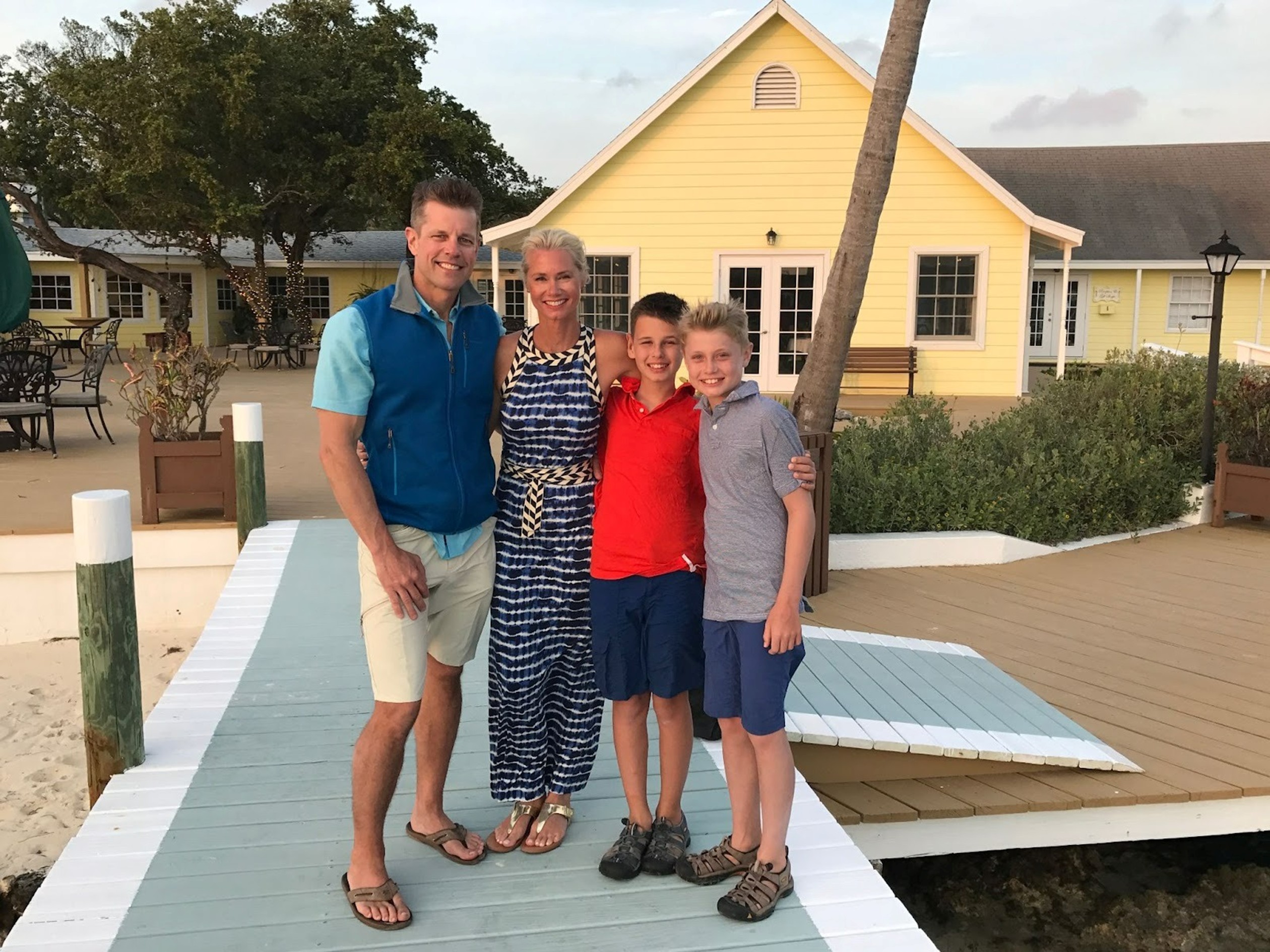
    The Trahey Family

    Her experience began with Quinn, her eldest son’s diagnosis at two and a half years old, a moment that arrived when she was pregnant with her second child. At the time, she was forced to process clinical information, statistical probabilities, and emotional uncertainty all at once. She learned about the increased likelihood of autism in a second male child, which carried an immense psychological weight. “You hear the probabilities, especially with another boy on the way, and it’s terrifying. You start thinking about worst-case scenarios because that’s what the world has taught you to expect,” she says.

    That expectation, she explains, is often built on incomplete or outdated perceptions. In her experience, autism is still too frequently framed through limitation, with less attention given to capability, intelligence, and individuality. Trahey came upon that realization gradually as she began to understand her son beyond the diagnosis itself.

    “He is gifted,” she says. “He is brilliant in ways that don’t always come out in traditional communication. People make assumptions because they don’t see it immediately, and if they see what they don’t understand, they label it and miss what’s actually there. Intelligence doesn’t disappear just because expression looks different.”

    Communication became one of the earliest and most defining challenges. Like many children on the spectrum, her son initially struggled with verbal expression, creating a disconnect between what he understood and what he could convey. Bridging that gap, she recalls, required structured intervention, including visual communication systems, repetition, and carefully designed routines that translated abstract needs into tangible choices.

    Trahey explains, “You break everything down into something manageable. You meet them where they are, and then you build from there. It takes time, patience, and a willingness to learn a different language.”

    Progress came in small and meaningful steps, including pointing to indicate a choice instead of withdrawing, using pictures to communicate wants, forming words after long stretches of silence, and gradually holding eye contact longer. “Every small step matters. What looks ordinary to someone else can represent years of work,” she says.

    Quinn Trahey

    Sensory sensitivities added another layer of complexity. Trahey explains that what feels ordinary to most, like a brightly lit store, a noisy event, or a crowded room, could be overwhelming for her son. Yet instead of sheltering him from these experiences, she chose the path of empowering him, giving him tools to engage with the world in ways that worked for him. Headphones to manage noise or weighted vests to ease anxiety were strategies she believed could help him navigate each situation confidently.

    “You don’t remove them from the world; they don’t need that. What they need is just a couple more tools in their toolbox to be able to take the sensory overload,” she adds.

    Trahey emphasizes that advocacy is central to creating lasting inclusion. In the early stages, she notes that parents often bear the responsibility of interpreting needs, navigating challenges, addressing misconceptions, and securing the right support. As children grow, she says the focus must shift toward fostering independence, helping them develop the skills to express their own needs and advocate for themselves. “I will always advocate for my son,” she says. “But he also needs to learn how to speak for himself in a way that people can understand. That’s where growth happens.”

    Emerging technologies, she notes, are facilitating that self-sufficiency, transforming how individuals on the spectrum navigate communication. “Technology is giving people a voice who didn’t have one before,” she says. “It’s opening doors that were closed for a long time.”

    Tools such as AI-assisted platforms and other assistive technologies can help those who struggle with verbal expression convey complex thoughts, emotions, and preferences in ways that were previously difficult or impossible. From her perspective, these innovations can create new opportunities for connection and allow individuals to participate more fully in life on their own terms. Still, Trahey argues that while tools can enable communication, acceptance determines whether that communication is heard and valued.

    Misconceptions continue to shape how autism is perceived in schools, workplaces, and public spaces. According to her, the tendency to equate difference with deficiency can limit opportunity and reinforce barriers that extend beyond childhood. “Being on the spectrum doesn’t mean you can’t have relationships, build a career, or contribute meaningfully,” she says. “It means your path might look different, and that difference deserves respect.”

    Her son’s development reflects that perspective. She notes how deep interests, what she refers to as “splinter skills,” have provided a foundation for engagement, allowing him to connect with others through subjects he understands deeply. She says, “You use what they love to expand their world. That’s how you build confidence and create opportunities for engagement.”

    Autism Awareness Month, in Trahey’s view, should prompt more than surface-level recognition. She emphasizes that meaningful change begins with individual reflection. “Ask yourself what you think you know,” she says. “Ask where that understanding came from, and whether it’s actually true.”

    Trahey believes that families navigating autism live within a reality that is often misunderstood from the outside. Understanding, in that sense, becomes an active responsibility. It asks for humility and a willingness to overlook assumptions. For Trahey, that shift holds the potential to reshape how autism is perceived, and how individuals on the spectrum can be supported, included, and valued in the world around them.

    “Be aware. Have empathy. Learn about it,” Trahey says. “Because even if it doesn’t affect you directly, it will touch someone you care about.”

    Source link

  • Cytotoxic Drug Exposure, Genotoxicity, and the Unseen Risk to Autism

    Cytotoxic Drug Exposure, Genotoxicity, and the Unseen Risk to Autism

    For more than two decades, Jim Mullowney has been sounding the alarm about a problem many don’t want to confront: the hidden risks associated with human waste from cytotoxic drugs. As the founder of Pharma-Cycle, a company dedicated to providing safe collection and disposal systems for the urine, feces, and vomit of patients containing cytotoxic drugs, Mullowney has devoted his career to preventing birth defects, including autism, childhood cancer, and others.

    “I first realized what we were dealing with when I saw syringes full of chemotherapy drugs being mishandled at a hazardous waste facility,” recalls Mullowney. “These were not ordinary chemicals; many of them are cytotoxic, designed to alter the DNA of rapidly dividing cells, such as a child being born. They are life-saving in the right medical context, but their second-hand exposure is disastrous.”

    Cytotoxic drugs are indispensable in cancer care. They aim to target rapidly dividing cancer cells. But their second-hand potency has an enormous duality. While essential in treatment, their genotoxic nature means they can affect other fast-growing healthy cells, such as those in hair, skin, or the reproductive system of men and women of childbearing age, a known risk to fertility. This presents a major public health challenge because these hazardous agents can be shed by patients not just in urine and feces, but also in sweat, vomit, and saliva. That duality, which is at the heart of their therapeutic power yet makes them hazardous outside strict controls, is the undeniable reality at the core of Mullowney’s mission.

    “The reality is that hospitals handle these substances with extraordinary caution,” he explains. “You will see pharmacists working behind multi-million-dollar systems with robots mixing doses in sealed environments. Nurses wear protective gear. But after a patient receives treatment, they go home, and just like the vitamin you took this morning, where your urine looks like you ate a highlighter, the drugs continue to leave their system. That’s where the oversight drops off.”

    Mullowney also raises questions about potential connections between environmental exposures and conditions such as autism. While autism is widely understood as a complex neurodevelopmental condition with both genetic and environmental influences, Mullowney believes the role of hazardous drugs in shaping DNA deserves closer examination. “If autism has a genetic component, and we know certain chemicals are designed specifically to alter DNA, then it’s at least worth asking what impact secondhand exposure to cytotoxic drugs could have,” he says. Although no definitive link has been established, he argues that the issue highlights the need for expanded research into how these substances may affect future generations.

    Scientific literature has documented for decades that cytotoxic drugs are hazardous even in small amounts. The United States Pharmacopoeia, known as USP800, has long recognized the risks to healthcare workers under USP Chapter 800 exposed during preparation or administration. Mullowney believes the same awareness needs to extend beyond the hospital walls.

    “We know these drugs are excreted in sweat, urine, and stool,” he says. “Once outside controlled settings, they don’t just disappear. They can end up in wastewater, septic systems, and even on household surfaces. That raises questions about who else could be exposed, and what the long-term consequences might be.”

    While research has shown increased rates of miscarriage and birth defects among healthcare workers exposed to cytotoxic drugs, the broader impact on families and communities is less well studied. “Nobody disputes the toxicity of these substances,” he notes. “The gap is in connecting that knowledge to how we manage drug waste once patients leave the hospital.”

    Pharma-Cycle was founded to address precisely that gap. The company develops collection systems that aim to safely capture hazardous pharmaceutical waste before it contaminates our families and future generations, as well as enters the environment. “The simplest way to put it,” Mullowney explains, “is that we can’t treat these drugs like ordinary trash. They need a closed-loop system, collected, contained, and destroyed in a way that protects public health.”

    The challenge, he admits, is not technological but political. “The science is there. Various well-known safety and health agencies have recognized the dangers of cytotoxic drugs for decades. What’s missing is the will to standardize and enforce proper collection. Too often, regulatory agencies pass responsibility back and forth, and the result is inaction.”

    Mullowney believes broader change requires public awareness. “Most people don’t know this issue exists,” he says. “Hazardous cytotoxic drug waste rarely makes headlines.”

    That’s why he continues to advocate, not only as a business owner but as a father. “I’m not doing this for money,” Mullowney says. “I’m doing it because I have seen what these chemicals are and how poorly they have been handled. If we know these drugs can be harmful in microdoses, why aren’t we taking every step to prevent unnecessary exposure?”

    For Mullowney, the path forward is clear: improve public understanding, strengthen regulations, and implement proven systems for safe disposal. “We put a car on the moon,” he says, “but we still have not figured out how to consistently keep cytotoxic drugs out of our environment. That needs to change.”

    The urgency of his message is not rooted in alarmism but in precaution. As he says, “These are lifesaving medicines, and we will always need them. But if we don’t handle the waste responsibly, we could risk creating problems for future generations, including autism and other birth defects. Prevention is always better than repair.”

    Source link

  • Internet Reacts To Trump’s Unproven Claim Linking Tylenol Use During Pregnancy To Autism

    Internet Reacts To Trump’s Unproven Claim Linking Tylenol Use During Pregnancy To Autism

    US President Donald Trump, joined by Robert F. Kennedy Jr., recently claimed that the use of Tylenol (acetaminophen) during pregnancy is linked to a rise in autism, urging women to avoid it unless absolutely necessary. He also suggested re-evaluating vaccine schedules in children. Medical experts and pregnancy health authorities immediately criticised the statements as lacking credible scientific support.

    Online, reactions have been intense and varied. On X/Twitter, many users expressed frustration and fear, saying the claims could cause undue worry among pregnant women. Memes have spread too — some exaggerated the scenario, others sarcastically comparing Tylenol to ‘superpowers’ lost if avoiding it. There are also posts sharing personal stories: parents debating whether their own use of painkillers might have played a role, even though they acknowledge they weren’t doctors. Meanwhile, groups such as the National Autistic Society condemned the claim, calling it ‘anti-science’ and warning against the spread of misinformation.


    Medical experts emphasise that decades of research, including large-scale Swedish and US studies, have found no causal link between acetaminophen use in pregnancy and autism. Makers of Tylenol, Kenvue, issued statements opposing Trump’s claim, citing the drug’s record of safety. Health regulators in the UK and elsewhere also reaffirmed that Tylenol remains among the safest options for treating pain and fever in pregnant women, when used correctly.

    Originally published on IBTimes UK


    Source link

  • Trump to Discuss New Autism Findings After Hinting At Major Discovery During Kirk Memorial

    Trump to Discuss New Autism Findings After Hinting At Major Discovery During Kirk Memorial

    At Charlie Kirk’s memorial, President Donald Trump veered off-script to reveal his administration had uncovered new findings on autism. He hinted that an upcoming public health briefing will examine possible links between acetaminophen, widely sold as Tylenol, and autism spectrum disorder (ASD).

    Reports suggest Trump’s remarks may also extend to cautioning pregnant women about routine acetaminophen use, signalling a controversial shift in health guidance that could spark nationwide debate.

    Trump’s planned comments are expected to highlight leucovorin, a medication traditionally used for anaemia and certain cancer treatments, as a potential therapy aimed at improving communication skills in children with autism.

    The briefing will be attended by Health Secretary Robert F. Kennedy Jr., FDA Commissioner Marty Makary, and CMS Administrator Mehmet Oz.

    Background: Tylenol and Autism Research

    The announcement arrives amid rising public concern about environmental and pharmaceutical factors contributing to autism. Tylenol, or acetaminophen, is widely used during pregnancy to reduce fever and manage pain.

    Some studies have suggested a possible association between prenatal acetaminophen exposure and developmental disorders, though findings remain inconclusive.

    Autism diagnoses in the United States have increased over the last two decades. Data from the Centers for Disease Control and Prevention indicate that 1 in 31 American 8-year-olds are now diagnosed with autism, compared with 1 in 150 in 2000.

    The administration cited environmental toxins as a possible contributor, while many experts emphasise that improved diagnosis and greater awareness are likely key drivers of the rising numbers.

    Leucovorin Highlighted as Potential Autism Treatment

    In addition to cautioning against Tylenol, the White House is expected to focus on leucovorin as a potential treatment. Early research suggests that the drug may improve communication and cognitive function in some children with autism.

    Leucovorin is a derivative of folic acid and has traditionally been used to treat certain forms of anaemia and to counteract side effects from chemotherapy.

    Experts emphasise that the research on leucovorin remains preliminary. Clinical trials are ongoing, and scientists stress that results must be interpreted cautiously before the drug can be widely recommended as a standard treatment for autism.

    Medical Community Raises Concerns

    The proposed guidance has prompted concern among health professionals. Many doctors argue that current evidence does not support a definitive link between acetaminophen use in pregnancy and autism.

    The American College of Obstetricians and Gynecologists and the American Academy of Pediatrics continue to consider acetaminophen safe when taken as directed.

    Kenvue, the manufacturer of Tylenol, released a statement asserting that there is no conclusive evidence linking acetaminophen to autism.

    Experts warn that public confusion over these claims could lead to unnecessary avoidance of the medication and potential health risks, particularly when fever management is critical during pregnancy.

    Implications for Public Health

    Trump’s announcement represents a notable shift in messaging around acetaminophen use during pregnancy. While the guidance is not legally binding, it could influence public behaviour, prenatal care practices, and media coverage.

    Healthcare providers are encouraged to discuss risks and benefits with their patients and to stay informed about ongoing research.

    Further studies on both acetaminophen exposure and potential autism treatments, including leucovorin, are expected to provide clearer guidance in the coming years. Regulatory agencies, including the FDA, are monitoring the situation closely to evaluate any policy adjustments.

    Originally published on IBTimes UK

    Source link

  • Influencer Urges Parents to Give Kids Bleach to Treat Autism Despite Reports of Vomiting, Suffering Seizures: Report

    Influencer Urges Parents to Give Kids Bleach to Treat Autism Despite Reports of Vomiting, Suffering Seizures: Report

    A social media influencer is under fire for promoting a dangerous and discredited chemical as a so-called “autism cure,” despite alarming reports of serious harm to children.

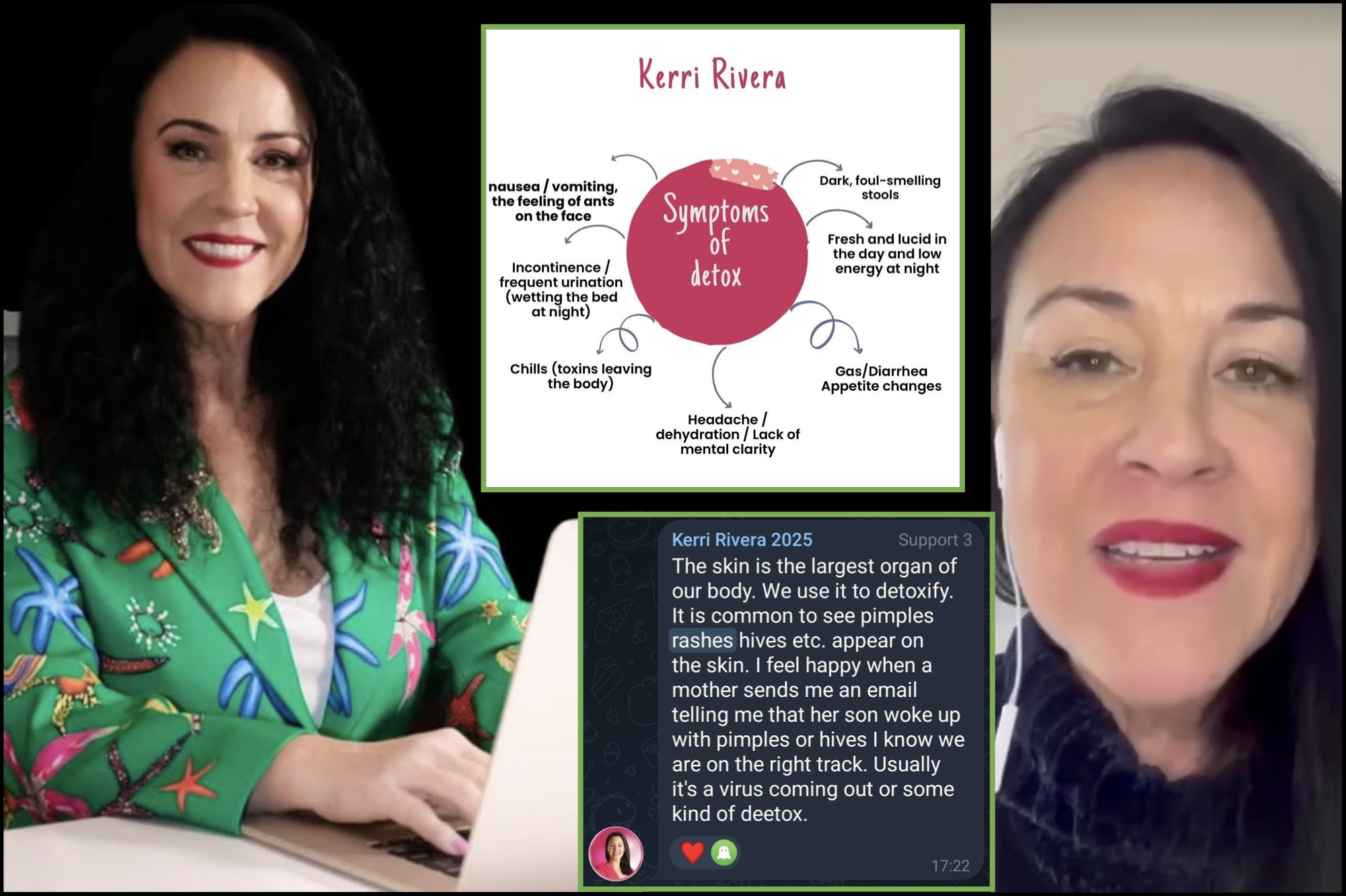
    Kerri Rivera, who has over 17,000 followers on Instagram, encourages parents to administer chlorine dioxide (CD)—an industrial bleach used in textile manufacturing and disinfection—orally and by enema to their autistic children. Rivera falsely claims this “protocol” rids the body of parasites she believes cause autism.

    Messages from Rivera’s private support group show parents reporting disturbing side effects, including vomiting, rashes, seizures, and chemical-smelling urine. Despite these symptoms, Rivera routinely reassures followers that these are signs the bleach is “working” and the body is “detoxifying.”

    Ingesting chlorine dioxide can result in severe vomiting, liver failure, respiratory problems, developmental delays and death.

    Tim Nicholls of the National Autistic Society called Rivera’s claims “sickening.”

    “This information is wrong, dangerous and harmful to autistic people and their families,” Nicholls told The Independent.

    “No autistic person, parent or carer should be told to ‘cure’ their child by administering a dangerous, potentially life-threatening chemical,” he continued. “Autism is a lifelong neurodivergence and disability, it is not a disease that can be ‘treated’ or ‘cured.’”

    TikTok has removed Rivera’s account, and Amazon removed her storefront where she earned commission on products she recommended to administer “protocols.” Her Instagram remains active.

    Advocacy groups are urging social media platforms and government agencies to take stronger action against the promotion of toxic treatments and to encourage parents to seek advice from trusted medical professionals.

    Rivera has not responded to the growing backlash.

    Originally published on Latin Times


    Source link

  • RFK Jr Fails to Convince Users That a Database of People With Autism Would Be 'Protected': 'How Can He Be Trusted?'

    RFK Jr Fails to Convince Users That a Database of People With Autism Would Be 'Protected': 'How Can He Be Trusted?'

    Robert F. Kennedy Jr.’s plan to create a national autism database was met with doubt online as users questioned if those added would have their privacy protected.

    Source link

  • RFK Jr. Is Giving Families ‘False Hope’ By Claiming He’ll Figure Out Cause of Autism by September, Former FDA Vaccine Head Warns

    RFK Jr. Is Giving Families ‘False Hope’ By Claiming He’ll Figure Out Cause of Autism by September, Former FDA Vaccine Head Warns

    Dr. Peter Marks, the former top vaccine official at the U.S. Food and Drug Administration (FDA), has criticized Health and Human Services Secretary Robert F. Kennedy Jr. for giving what he called “false hope” to families by claiming that the Trump administration will identify the cause of autism by September.

    Marks, who resigned earlier this month amid mounting frustration with Kennedy’s promotion of vaccine misinformation, appeared on CBS’s Face the Nation to challenge Kennedy’s recent assertion that a massive federal research initiative would soon pinpoint and eliminate the root causes of autism.


    Kennedy announced the effort through the National Institutes of Health. “By September we will know what has caused the autism epidemic and we will be able to eliminate those exposures,” he promised.

    “Giving people false hope is something you should never do,” Marks said in response to Kennedy’s announcement.

    “I don’t see any possible way [to get the answer that quickly],” Marks continued. “Autism is an incredibly complicated issue.”

    Kennedy, a longtime vaccine skeptic, has implied that vaccines may be among the environmental toxins driving autism rates. However, Marks dismissed that notion, citing the overwhelming body of research showing no link between vaccines and autism. “We’ve studied them in so many millions of children,” he said.

    The controversy comes amid a deadly resurgence of measles in the US, with three unvaccinated individuals—including two young girls from Seminole, Texas—dying in recent weeks. Measles had been declared eliminated from the U.S. in 2000, but new outbreaks have developed in certain under-vaccinated communities.

    Kennedy has offered only tepid support for the measles vaccine, telling CBS that “people should get the measles vaccine” but reiterating his opposition to mandates. He has also promoted unproven alternatives like vitamins and cod-liver oil.

    Marks blamed the recent pediatric measles deaths on Kennedy and his staff, describing it as “the epitome of an absolute needless death.”

    “These kids should get vaccinated—that’s how you prevent people from dying of measles,” Marks emphasized.

    In his resignation letter, Marks criticized Kennedy for spreading misinformation and undermining public trust in safe and effective vaccines.

    “Truth and transparency are not desired by the secretary,” Marks wrote. “He wishes subservient confirmation of his misinformation and lies.”

    Originally published on Latin Times


    Source link

  • Mindfulness and Autism: Learning to Celebrate Neurodiversity

    Mindfulness and Autism: Learning to Celebrate Neurodiversity

    Summary:

    • Researchers who study mindfulness and autism have found that, for neurodiverse communities, mindfulness may have unexpected and adverse effects that are different from neurotypical people.
    • While mindfulness teachings are slowly becoming more inclusive, people with autism and other kinds of neurodiversity are often left behind.
    • We can learn to teach mindful practices in an accessible, inclusive way that considers each person’s unique brain wiring.

    “When I’m told to focus on sensations of my breath, I feel like there is a noose wrapped around my neck, getting tighter and tighter as I keep paying attention.”

    This comment comes from a brilliant young autistic woman who was told by her doctor that mindfulness would be good for her anxiety. She said it did the opposite: Mindfulness worsened her anxiety. In fact, it was a very negative experience that left her feeling like a failure.

    It’s never anyone’s fault when mindfulness doesn’t work for them. They were just not taught mindfulness in an accessible, inclusive way that considers any unique needs.

    Unfortunately, I hear things like this often. I am part of a mindfulness research program at the Azrieli Adult Neurodevelopmental Centre at the Centre for Addiction and Mental Health (CAMH) in Toronto, where in the course of the research, a large number of neurodiverse people have told me they are mindfulness “drop-outs.” In neurodiverse communities, people report having a range of sensory experiences that can produce different, and often adverse responses to common mindfulness techniques such as the body scan, breath practices, and loving-kindness. People with neurodevelopmental disabilities such as autism, ADHD, or cerebral palsy confide that they’ve tried it and “failed” at it. Similarly, in the education system, some teachers have told me that they can’t use the term mindfulness with students because, from prior experiences, some students already feel like they have failed at it.

    It’s never anyone’s fault when mindfulness doesn’t work for them. They were just not taught mindfulness in an accessible, inclusive way that considers any unique needs. Accessibility and neurodiversity are rarely discussed in the mindfulness world, but this discussion holds huge potential for both neurodiverse communities and mindfulness. As a mindfulness teacher, I want to ensure that all people can access mindfulness teachings in a way that works for them.

    What is Neurodiversity?

    As author Jenna Nuremberg shares in her 2020 book Divergent Mind: Thriving in a World That Wasn’t Designed for You, neurodiversity means “recognizing and celebrating the diversity of brain makeups instead of pathologizing some as normal and others as abnormal.” Similarly, the Autism Awareness Centre defines it as “the concept that humans don’t come in a one-size-fits-all neurologically ‘normal’ package,” and that all variations of human neurological function are worthy of respect. Not so differently, mindfulness encourages us to recognize what is going on inside of us—observing our inner world and experience with nonjudgment and acceptance.

    As mindfulness teachers, if we are not accepting and celebrating ALL brain makeups in our teaching, then we are not making mindfulness accessible. The story above—with the experience of the noose tightening—is one example of the mindfulness experience of an autistic person (autism being just one example of a neurodiverse mind).

    Autism occurs in all racial, ethnic, and socioeconomic groups, and 1 in 42 males, and 1 in 165 females were diagnosed with autism in 2018. Autism is not the only kind of neurodiverse brain that is often invisibly present in mindfulness groups. Dyslexia, ADHD, mild cerebral palsy, and mild intellectual disability may be unseen. All of these neurodevelopmental disabilities are often undiagnosed, and many people who come to mindfulness for the first time may not realize there is a reason why they are not connecting with the practices in the way they are being taught. This makes it really important for teachers to be aware of how inclusive their teaching practices are.

    What Makes Mindfulness Inaccessible

    Why is it so challenging for mindfulness teachers to adopt truly accessible practices?  One important reason is that the way of teaching most of us are taught to deliver was designed for the neurotypical population.

    Developed in the 1970s at the Centre for Mindfulness at the University of Massachusetts Medical School, with Jon Kabat-Zinn at the helm, Mindfulness-Based Stress Reduction (MBSR) introduced mindfulness to much of the healthcare community. However, the program was designed primarily without modifications for neurodiverse folks. This has significant consequences today: Many mindfulness teachers, though they may be highly trained and capable in MBSR and other mindfulness-based therapies, have usually not been trained to recognize neurodiversity among their students.

    Fortunately, mindfulness research and teaching is beginning to evolve—one instance is the embrace of trauma-sensitive practices, aided by David Treleaven’s work. Yet we still fall short when it comes to inclusive practices that truly provide accessible forms of mindfulness.

    Mindfulness research is beginning to evolve, yet we still fall short when it comes to inclusive practices that truly provide accessible forms of mindfulness.

    For example: The concept of interoception—an area of science that is being written about in literature related to neurodiversity—is the act of really feeling the physical sensations in the body. Knowing that feeling of when you are hungry, or need to go to the bathroom, are examples of interoceptive processing; being able to discriminate between different feelings in the body connected with emotions is another. Mindfulness can play a key role in developing interoceptive skills—for example, when we practice noticing the movement of our inhale and exhale at our nostrils or in the belly. However, interoception is not a universal ability. Some brains are wired to feel physical sensations, while some are wired to visualize easily.

    Still others don’t really visualize: Aphantasia (phantasia being Greek for fantasy) refers to the inability to picture those images in one’s mind. Research conducted at the University of Exeter Medical School found that 2% of the population are non-visual thinkers. That doesn’t mean you are doing something wrong if you can’t picture your loved one in front of you when practicing loving-kindness, it just means you need a modified technique. These different ways that the brain is wired are key when it comes to understanding our experience of mindfulness practice.

    In the last ten years, the Azrieli Adult Neurodevelopmental Centre at CAMH has been studying how mindfulness can better serve the autism community. I’ve been involved as a lead mindfulness facilitator in this research, both leading the groups with advisors and developing modifications to MBSR practices to make them accessible. Importantly, autistic people hold advisory roles in this work as a central part of the research. Mindfulness for the caregivers of neurodiverse people is also being studied by Azrieli’s neurodevelopmental disability community.

    Dr. Yona Lunsky, Director of the Azrieli Adult Neurodevelopmental Centre and a professor of psychiatry at the University of Toronto, has been leading teams to research mindfulness in this community for almost a decade. “The best way for us to adapt our approach when it comes to mindfulness is to work in partnership, and use our mindfulness skills when we do: Approach how we teach with presence to what is happening, with curiosity, without judgment, and with loving-kindness,” Dr. Lunsky says. “Being open to changing our approach is fundamental to developing something meaningful. It takes time and it evolves. And that is what makes it so exciting.” 

    Mindfulness teachers use a lot of metaphors and abstract language that some autistic people struggle with. Some of the sensory exercises pose huge problems for autistic people.

    Bringing mindfulness to neurodiverse communities inspires me to dig deep into my mindfulness training and get creative, so that I can offer traditional mindfulness teachings in ways that are helpful for a wide diversity of brains. As a teacher, it’s my job to teach in a way that is going to help the person in front of me. If I’m stuck to a script, or clinging to delivering mindfulness in a certain way, I risk not being accessible to the unique person’s mind. I need to be rooted enough in the teachings to be able to share them in a customized way.

    Daniel Share-Strom, an autistic man and champion of mindfulness meditation, is an advisor in our mindfulness research program at CAMH. Daniel’s popular TED Talk “Dear Society…Signed, Autism” shares Daniel’s humorous style of sharing his experience living as an autistic man on communication, learning, and interaction with the environment. Here are some thoughts Daniel has shared with me on mindfulness:

    • “In my own mental health journey I discovered mindfulness, and it was one of the first things that ever really helped me with anxiety. …I think it’s so important to adapt mindfulness from its original ways of being taught for neurodiverse groups. There are certain things autistic people bring to the table that aren’t compatible with the ways mindfulness is being presented. Mindfulness teachers use a lot of metaphors and abstract language that some autistic people struggle with. Some of the sensory exercises pose huge problems for autistic people.
    • Autistic people experience high rates of mental health challenges–from feeling anxiousness to having an adult suicide rate up to nine times the rate of the typical population. That is simply a result of growing up in a world that wasn’t designed for us—in a lot of ways. From the sensory world, to social protocols that neurotypical people developed that we didn’t really get much say in. That can all cause a lot of challenges. Mindfulness is an amazing tool to help autistic people cope with all of that. People just need to understand how to adapt it so it’s effective.”

    The work and feedback of Daniel and others makes it clear that we need to explore new ways of teaching mindfulness that honor neurodiversity, and that truly individualize mindfulness for each person.

    Lessons for Teaching Mindfulness Inclusively

    When people ask me how mindfulness can help autistic adults, I say we need to invert the question to “How can autism help mindfulness?” In my experience, it took many, many neurodiverse people patiently (and sometimes not so patiently) giving feedback on how I was teaching mindfulness before I started landing at more inclusive and accessible methods. Getting to know how autistic people connect best with mindfulness has helped me completely re-examine how I teach. It’s taught me to remain open to the vast differences of those in front of us, and explore with them ways for mindfulness to be useful. When we individualize the practice, the path truly belongs to each person.

    Mindfulness has something to offer the world. Neurodiversity has something to offer mindfulness. Let’s imagine together how a more inclusive mindfulness culture can contribute to a more inclusive world, one that can be truly accessible and beneficial to all.


    Source link

  • Eating Fish During Pregnancy May Cut Offspring’s Autism Risk, Not Omega-3: Study Says

    Eating Fish During Pregnancy May Cut Offspring’s Autism Risk, Not Omega-3: Study Says

    Prenatal consumption of fish may reduce autism risk in children, but omega-3 supplements may not have the same effect, a recent study revealed.

    Including fish in the diet during pregnancy is linked to a 20% reduction in the risk of autism spectrum disorder and a decreased risk of autism-related traits in children, with particularly notable benefits for female offspring, according to the study published in the American Journal Of Clinical Nutrition.

    “Our study contributes to a growing body of evidence that demonstrates the role that prenatal diet can play in autism-related outcomes in offspring,” said the researcher Dr. Emily Oken in a news release.

    To understand how intake of fish and omega-3 supplements during pregnancy affects neurodevelopmental outcomes, researchers evaluated the dietary information of around 4,000 participants. Based on the frequency of fish consumption, the participants were grouped into four: less than once a month, more than once a month but less than weekly, weekly, and two or more servings per week.

    Around 25% of them never ate fish or consumed it less than once a month, and most of the participants never took omega-3 fish oil supplements during their pregnancy.

    The researchers then examined the incidence of autism diagnoses in children and parent-reported autism-related traits, which were measured using the Social Responsiveness Scale (SRS), a widely used survey completed by parents or caregivers.

    “Consuming fish during pregnancy was associated with a lower likelihood of offspring being diagnosed with autism and a slight decrease in total SRS scores compared to not eating fish. These results were consistent across all levels of fish consumption, from “any” amount or “less than once per week” to “more than twice per week,” the news release stated.

    However, the researchers could not find any significant association between omega-3 conception and autism diagnosis, or traits.

    “This study provides yet more evidence for the safety and benefit of regular fish consumption during pregnancy. Other proven benefits include lower risk for preterm birth and improved cognitive development,” said Dr. Oken.

    “Given the low fish intake in the United States general population and the rising autism prevalence, these findings suggest the need for better public health messaging regarding guidelines on fish intake for pregnant individuals,” the researchers concluded.

    Source link