
Tag: Artificial

  • Jell-O, Kool-Aid Will No Longer Contain ‘Artificial’ Food Dyes After RFK Jr Pressured Kraft Heinz Executives

    Jell-O, Kool-Aid Will No Longer Contain ‘Artificial’ Food Dyes After RFK Jr Pressured Kraft Heinz Executives

    Kraft Heinz products, including Jell-O and Kool-Aid, will no longer contain “artificial” food dyes after Robert F. Kennedy, Jr. urged its executives to eliminate harmful ingredients or face regulatory action.

    The multinational food and beverage conglomerate announced Tuesday that it will remove all artificial coloring from its products by 2027. Until then, it will not release any new foods that contain synthetic dyes either.

    “The vast majority of our products use natural or no colors, and we’ve been on a journey to reduce our use of (artificial) colors across the remainder of our portfolio,” CEO Pedro Navio said in a statement.

    Navio added that the company removed artificial colors, preservatives and flavors from Kraft Mac & Cheese in 2016. The corporation is “also working with licensees of its brands to encourage them to remove [Food, Drug & Cosmetic] colors.”

    The move follows a March meeting in which RFK Jr met with executives from several major food companies, including Kraft Heinz and General Mills, to push for the removal of what he called the “worst ingredients” from processed foods, according to reporting by Bloomberg.

    Following the meeting, Melissa Hockstad, CEO of the Consumer Brands Association, noted in a letter that the Health Secretary “made clear his intention to take action unless the industry is willing to be proactive with solutions.”

    Originally published on Latin Times
    Source link

  • Common Artificial Sweetener In Diet Sodas May Raise Risk Of Heart Attacks, Strokes

    Common Artificial Sweetener In Diet Sodas May Raise Risk Of Heart Attacks, Strokes

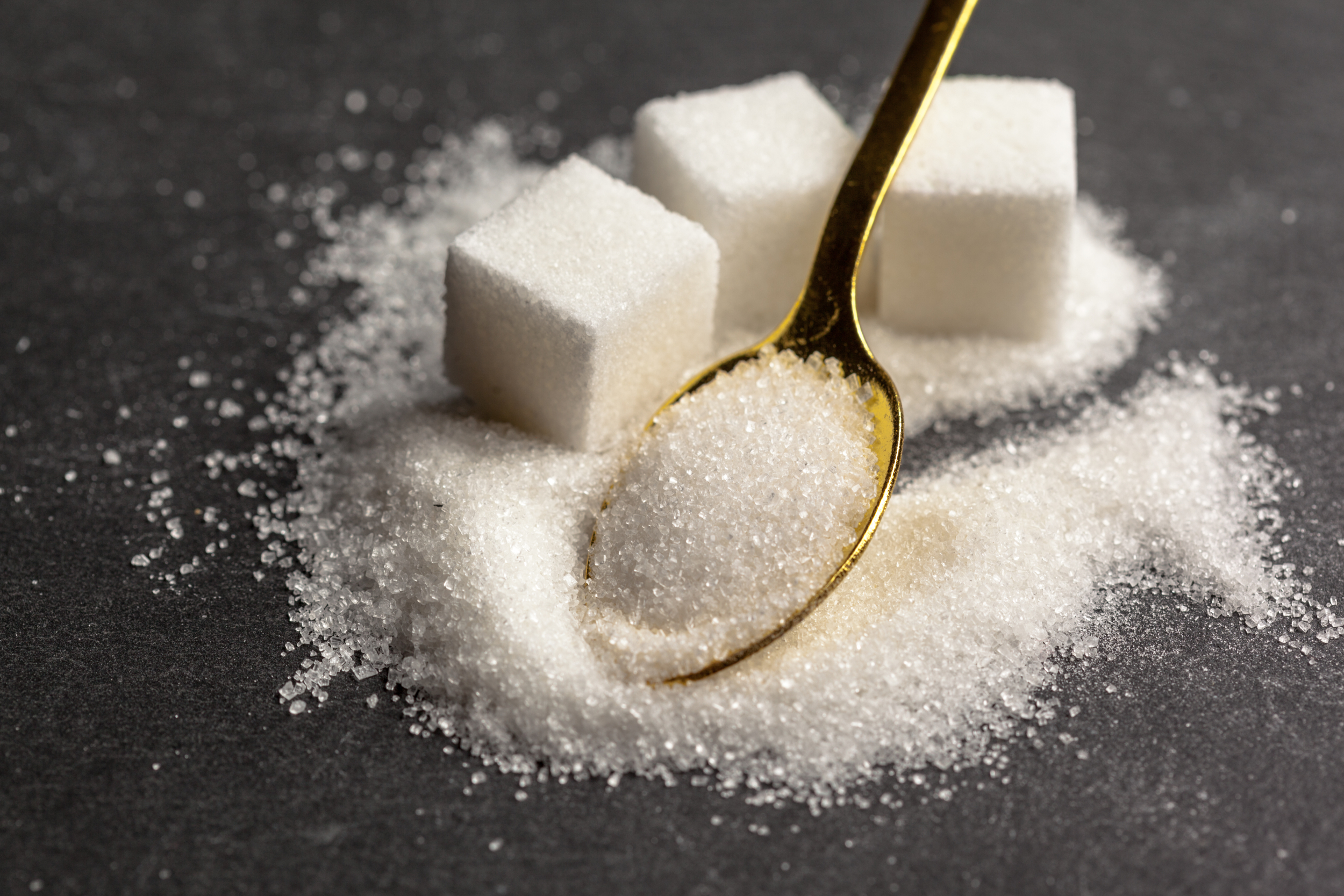
    Are you considering sugar substitutes as a safer alternative to sugar? Think again. Recent research has found that a common artificial sweetener used in diet sodas and other zero-sugar food items may actually increase your risk of heart attacks and strokes.

    In a recent study published in the journal Cell Metabolism, researchers evaluated mice fed aspartame, a common sugar substitute, for 12 weeks and compared them with mice without a sweetener-infused diet. The amount of aspartame the mice consumed (daily doses of food containing 0.15%) was equivalent to about three cans of diet soda per day for humans.

    The results revealed that mice fed with aspartame had increased inflammation and “larger and more fatty plaques” in their arteries, two main factors that could raise the risk of cardiovascular diseases.

    The researchers also noted that the mice’s blood had an insulin surge after aspartame entered their system. They then determined that elevated insulin levels may be the key link between aspartame and cardiovascular health.

    “Aspartame triggers increased insulin levels in animals, which in turn contributes to atherosclerosis—buildup of fatty plaque in the arteries, which can lead to higher levels of inflammation and an increased risk of heart attacks and stroke over time,” the researchers noted in a news release.

    The study identified a specific immune signal, CX3CL1 that gets activated under insulin stimulation as the key factor for inflammation and plaque buildup.

    “Because blood flow through the artery is strong and robust, most chemicals would be quickly washed away as the heart pumps. Surprisingly, not CX3CL1. It stays glued to the surface of the inner lining of blood vessels. There, it acts like a bait, catching immune cells as they pass by,” said senior author Yihai Cao.

    Cao believes that the same immune signal, CX3CL1, could be a potential target for treating other chronic conditions that involve blood vessel inflammation, like stroke, arthritis, and diabetes. Developing agents that block the functions of this immune signal could provide a new way to treat and prevent common and deadly diseases in humans.

    “Artificial sweeteners have penetrated almost all kinds of food, so we have to know the long-term health impact,” Cao cautioned.

    Source link