Tag: allergies

  • Fewer Children are Having Peanut Allergies in Recent Years Following a Change in Guidelines, Study Shows

    Fewer Children are Having Peanut Allergies in Recent Years Following a Change in Guidelines, Study Shows

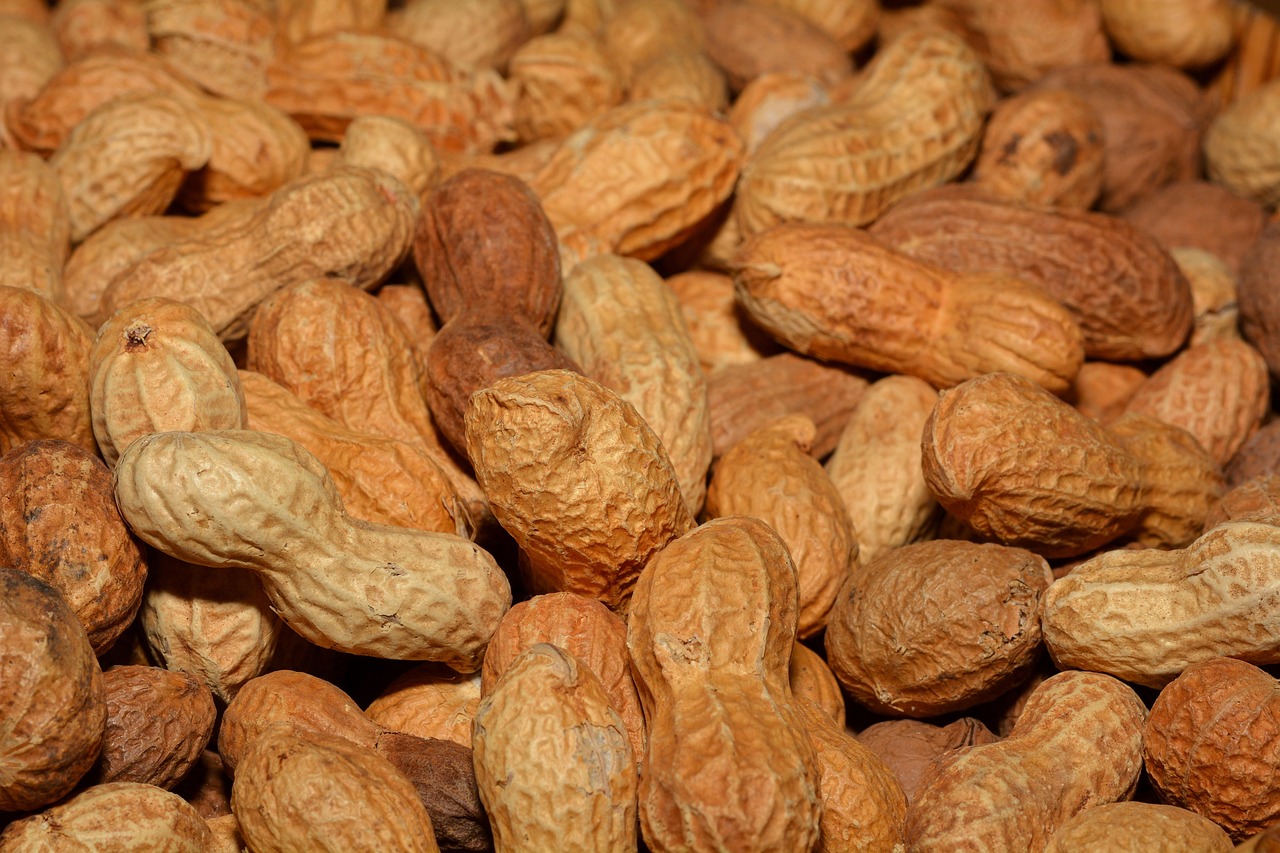
    Fewer children are being found with peanut allergies in the last few years, a study shows, which is believed to be due to a change in policy regarding early exposure.

    This began when experts recommended that parents should avoid having their infants exposed to common allergens as a means to curb rising food allergy rates. However, a 2015 landmark trial found that feeding peanuts to babies could actually decrease their chances of developing an allergy by more than 80 percent.

    Peanut Allergies in Children

    In 2017, the National Institute of Allergy and Infectious Diseases formally recommended that parents use the early-introduction approach and issued national guidelines. A new study that was published on Monday found that food allergy rates in kids under three have fallen following those changes.

    The data showed that the numbers dropped to 0.93 percent between 2017 and 2020, from 1.46 percent between 2012 and 2015. Comparing these statistics shows a 36 percent reduction in all food allergies, which is largely driven by a 43 percent drop in peanut allergies, according to the New York Times.

    Additionally, the study found that eggs overtook peanuts as the No. 1 food allergen in young children. However, the researchers did not examine what infants ate, which means the study does not show that the guidelines directly caused the decline.

    A pediatrician at Columbia University Irving Medical Center in New York, Dr. Edith Bracho-Sanchez, said that the data is still promising as it relates to the prevention of a potentially deadly and life-changing diagnosis.

    One of the researchers of the latest study, co-author Sanislaw Gabryszewski, MD, PhD, said that their observations provide real-world evidence that public health efforts that promote early allergen introduction in infancy are making an impact, AJMC reported.

    A Change in National Guidelines

    The finding comes as roughly four percent of kids are affected by a food allergy that is mediated by IgE, which includes food like eggs, nuts, milk, wheat, and peanuts. These can then cause immediate reactions that can threaten the children’s lives, including difficulty breathing and swelling.

    Another researcher involved in the new study, Dr. David Hill, said that their findings were “remarkable.” He and his colleagues analyzed electronic health records from dozens of pediatric practices so they could track diagnoses of food allergies in young kids before, during, and after the guidelines were issued.

    Despite this, the effort has not yet resulted in a reduction in the overall increase in food allergies in the United States in the past few years, as per LMT Online.


    Originally published on parentherald.com

    © {{Year}} ParentHerald.com All rights reserved. Do not reproduce without permission.

    Source link

  • Dr. Mercola Offers Natural Solutions for Late Summer Allergies

    Dr. Mercola Offers Natural Solutions for Late Summer Allergies

    Just when you think allergy season is over, late summer brings a new wave of sneezing, congestion, and watery eyes. For those searching for natural remedies for late summer allergies, including relief from ragweed pollen, mould spores, and dust mites, August and September can be particularly challenging months.

    If you’re looking for relief without relying solely on medications, Dr. Mercola, a board-certified family medicine osteopathic physician (DO) and multi-best-selling author, offers natural approaches that address the root causes of allergic reactions.

    Dr. Mercola explains that late summer allergies aren’t just about avoiding triggers. They’re often a sign that your immune system is overreacting, and supporting your body’s natural balance can provide lasting relief.

    Understanding Late Summer Triggers

    Late summer presents unique challenges. Ragweed begins releasing pollen in mid-August and continues through the first frost. High humidity encourages mould growth both indoors and outdoors. Dust mites thrive in warm, humid conditions.

    Dr. Mercola points out that many people experience increased sensitivity during this time because their immune systems may be stressed from months of heat, travel, and schedule changes.

    Natural Antihistamine Foods

    Certain foods contain compounds that act as natural antihistamines and can help reduce allergic responses. Dr. Mercola recommends incorporating these foods into your daily routine:

    • Quercetin-rich foods like onions, apples, berries, and green tea help stabilize mast cells and reduce histamine release
    • Local honey may help build tolerance to local pollens when consumed regularly over time
    • Vitamin C-rich citrus fruits, bell peppers, and leafy greens support immune function and have natural antihistamine properties
    • Omega-3 fatty acids from wild-caught fish help reduce inflammation and support respiratory health

    These foods work best when eaten consistently rather than just during flare-ups.

    Support Your Respiratory System

    Dr. Mercola emphasizes that keeping your respiratory passages clear can significantly reduce allergy symptoms. Saline nasal rinses help flush out allergens before they trigger reactions. Using a neti pot or saline spray once or twice daily provides immediate relief.

    Steam inhalation with eucalyptus or peppermint essential oil can help open airways and reduce congestion. Dr. Mercola suggests doing this for 5 to 10 minutes in the evening to clear accumulated irritants.

    The Gut-Allergy Connection

    Your digestive system plays a crucial role in how your immune system responds to allergens. Dr. Mercola explains that about 70% of your immune system is located in your gut, making digestive health essential for managing allergies.

    Fermented foods like sauerkraut, kimchi, and kefir provide beneficial probiotics that help balance your immune response. Dr. Mercola also recommends avoiding inflammatory foods like processed sugars and refined grains, as these can make your body more reactive to environmental allergens.

    Environmental Modifications

    Creating a cleaner indoor environment can significantly reduce allergen exposure. Dr. Mercola suggests keeping windows closed during high pollen days and using air conditioning with clean filters. Wash bedding in hot water weekly to eliminate dust mites.

    Shower and change clothes after spending time outdoors to remove pollen before it spreads throughout your home.

    Herbal Support

    Several herbs have traditional uses for respiratory support. Dr. Mercola notes that nettle leaf has natural antihistamine properties and can be consumed as tea. Butterbur has been studied for reducing nasal inflammation. Bromelain, found in pineapple, may help reduce respiratory congestion.

    Timing and Prevention

    Dr. Mercola emphasizes that prevention works better than reaction. Monitor local pollen counts and plan activities accordingly. Early morning and late evening often have lower pollen levels than midday.

    Begin incorporating immune-supporting foods and practices several weeks before your typical allergy season starts, rather than waiting until symptoms appear.

    Building Long-Term Relief

    Managing late summer allergies naturally requires patience and consistency. Dr. Mercola reminds us that supporting your body’s natural defences is a gradual process that builds over time.

    Focus on reducing overall inflammation through diet and lifestyle choices. Manage stress levels and ensure adequate sleep, which helps your immune system function optimally. By addressing allergies from multiple angles, you can achieve meaningful relief while building greater resilience for future seasons.

    Originally published on IBTimes UK


    Source link