Tag: alive

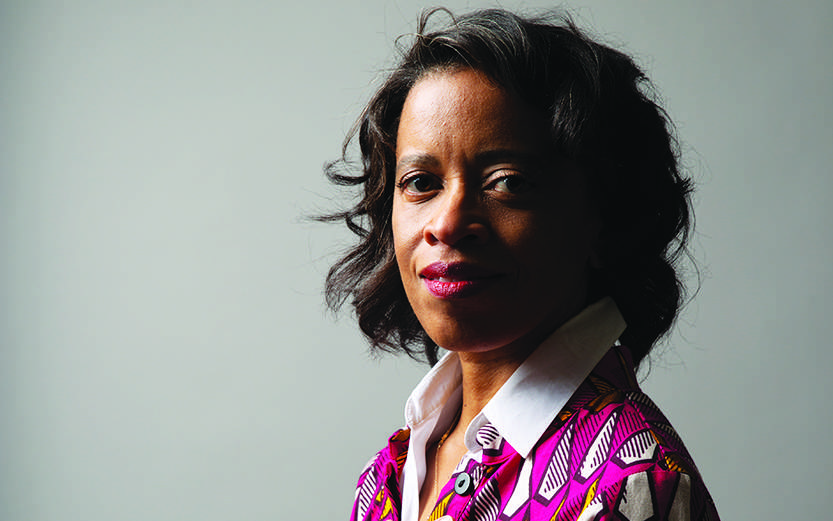
  • The Gift of Being Alive: A Q&A with Rhonda Magee

    The Gift of Being Alive: A Q&A with Rhonda Magee

    We need the wisdom of cool heads and open hearts more than ever, and part of how we get to that wisdom is by (counterintuitively) allowing the fullness of our human experience, including our anger. Here we revisit a Q&A with Rhonda Magee as she explores the complexity, frustration, and intimate beauty of learning to make and be peace in the world.

    Stephanie Domet: In your book The Inner Work of Racial Justice, you detail the steps you took to help one of your students process his attitudes and biases. What kind of energy does that work require?

    Rhonda Magee: It requires a certain kind of commitment, a certain willingness to turn toward that which we could so easily deflect, turn away from, deny, minimize, avoid. For me it’s really important that when these opportunities present themselves for us to look into what’s arising around this, we turn in to that opportunity as opposed to away from it. I also think it takes a kind of grounding in a certain kind of love—kindness, loving-kindness— for me it takes some feeling of the value, of the possibility of connecting across lots of difference and the importance and value of trying to do it, again and again, even when it’s difficult. 

    SD: Why is it worth it to you to do this work?

    RM: In my view, absolutely everything is connected, and that means all of us are connected, and so it seems to me that when we have these opportunities to expand the sense of our common ground, and we don’t take advantage of them and we don’t do what we can to heal and repair and transform the world, then it seems to me we are in effect contributing to barriers and obstacles to deep well-being. And so for me it’s worth it because it’s about practice. It arises out of deep practice for me—it arises out of the deep ethical ground of my practice.

    SD: Who does that work serve? Is it for yourself, for the other person, the greater good of society? To honor the practice?

    RM: It serves life. The gift of literally being alive. To me that’s not about any one of us, actually. To be alive is a great gift, and therefore the only real response to such a gift is gratitude. And a way to show gratitude is to try to minimize harm wherever it arises, as best we can. Recognizing we’re not perfect, that we’re not always able to see clearly how what we’re doing contributes to harm, we’re all vulnerable and misguided in our own ways, so it’s with a lot of humility that I say this. But ultimately, I think this question of who does it benefit, it benefits life.

    SD: For a racialized person, a racialized woman, there are microaggressions everywhere. How do you take care of yourself to ensure you can do this work you want to do and feel called to do?

    RM: It has come out of a sense of my own agency and what I often call personal justice. This idea that justice starts with us, how we treat ourselves. Taking care of myself feels like the first approximation of whatever it is I’m trying to offer in the world. There’s a reason I live in San Francisco as opposed to North Carolina or Virginia, where I was born and raised. The environment in San Francisco seems a bit more conducive to this way of accepting people, working across cultures, multiculturally, working with people who have different ways of expressing themselves, whether it be about race, sexual orientation, religion, immigration status. I specifically talk about the environment first and then the practices. We tend to think that from the practices we can overcome just about everything and that’s a good way to think, but I don’t want to miss this opportunity to name the relevance of our embeddedness in the world, and what’s possible is, in some measure, aided and abetted and shaped by the circumstances, the environments, the structures and systems that we find ourselves bathing in all the time. I live in a community that provides a certain amount of buffer against some of the worst kinds of disrespect that a person like me might find out in the world. From this place of relative protectedness, then I actually am able to give even more. We have to keep fighting for opportunities for people who today are suffering from a new set of oppressive systems.

    SD: I wonder about your take on callout culture, or cancel culture. Is there a value in that approach, too? Your approach is one on one, which feels righteous, but slow. But what about other big-impact approaches? Do they also move the ball down the field?

    RM: In the social justice arenas we may have overamplified some of the sharper ways of dealing with this. That’s not to say there aren’t times when we really need to take a strong, sharp stand. It takes a certain skill to act firmly and clearly and do so in a way that can minimize rather than exacerbate patterns of disconnect and separation. For me it’s never about just changing places with the people or processes that have been causing harm. It’s really about bringing around a new way of being with each other. There’s a certain urgency to figuring out how to work for some notion of justice and how to end oppression, but how to do that in a way that opens the heart, and that expands the capacity of all of us to be agents of a kind of public love that can help us sustain human life. Because the universe is going to go on in whatever way, but human life is vulnerable right now because of our failure to figure out how to live more gently and effectively together on this planet and to appreciate this brief opportunity we have between the birth and the death date to make a positive impact on this world.

    “There is a way that even in the darkest times—intergenerationally dark times where there’s no reason to think your children will ever get out of this—there’s a way to love.”

    SD: Do you ever lose your cool?

    RM: I often lose my cool intentionally, as a tool for my own healing. If I’m feeling agitation and despair or some sudden rage at something I hear that seems completely nuts, my own practice journey at the moment is allowing those feelings to be expressed and as much as possible doing that regularly enough that they’re not creating a boiler that is going to explode out there. So if I’m here, at home, where it’s safe, it’s part of my practice to let the anger and the rage that I feel about injustice come right out. There are so many things happening that if you are willing to look at these difficult issues—I mean, my heart is breaking all day every day. I hum, I sing more nowadays, I hum and sing with others more nowadays. Singing, holding hands, humming, those are ways that human beings have across times and cultures managed to get through difficult times together. I sometimes forget just how many generations of human beings before recorded human history—for hundreds of thousands of years we don’t know the numbers of battles, rages, the despair, the inhumanity to each other, and yet we survived, and yet we didn’t burn down the planet, and yet we figured out how to keep getting up every day and feeding the children. There’s a planet’s worth of wisdom about how to get through difficult times and about the holistic nature of what that takes, so that’s what I’m about these days.

    SD: I thought losing your cool would look more like—I don’t know—do you ever want to swipe all those books off the bookcase behind you?

    RM: I mean, sometimes! When I hear this I’m tempted to think of those who say: We just need to start all over again. Blow it up and start all over. I don’t have kids, I’m not physically a mother, but I kind of feel like most moms and most of us in these communities that have suffered a lot over time, you know, we’re here. We’re usually not the ones who say let’s burn it all down. Because our children are in that. The things we have lovingly protected from the worst, as best we could through generations, whether through slavery or whatever our cultures and heritages have suffered through, we suffered through so we could live another day and find the sources of hope and regeneration. That mothering instinct, I believe it’s in all of us on some level, that instinct that would protect, that would go into the fire and pull out what we can and start again, mindfulness of that, cultivation of that is what I feel called to help support and that comes at least in part from my own particular lineage as the granddaughter of the granddaughter of formerly enslaved people. There is a way that even in the darkest times, intergenerationally dark times where there’s no reason to think your children will ever get out of this, there’s a way to love, to help bring about places where joy and healing can happen, and my goodness, if people could do it during much darker times, the holocausts of our history, the enslavement periods of our history—if it could be done then, then we can do it now. I have some love and compassion for those who feel so beleaguered that the call is just to burn it down. And I say, before you light that match, look into the eyes of a child, hold the hand of a friend, realize that these very human gestures matter, and look for that will, that capacity to live another day in love.

    SD: When I look at what’s happening in the world today, the level of unrest and aggression, hate and burning, I see a lot of “men in the room.” What do you think about the role of women in helping bring about this “new way of being with each other”?

    RM: I sometimes think of this in the conventional terms of identity—it seems obvious that we need more women in power! But I also think that more fundamentally and importantly, we need to see more empowered feminine energy in the world: that energy which lives in all of us—to greater or lesser degrees—the energy that nurtures, that cares, that sees the imprint of the future and the past in everyone and in everything we do. Any one of us can do this. And every one of us should.

    Educating by Being Aware of Others’ Experiences 

    https://vimeo.com/350988714 Whether we’re a teacher, whether we’re a director, whether we’re an administrative assistant, whatever we are because who we are and what our upbringing has been and what our life experiences have been is intricately a part of our authentic being. Unless we have taken time to look at… Read More 

    • Barb Catbagan
    • August 21, 2019
    12 Powerful Women of the Mindfulness Movement 

    There’s a balancing of gender power happening across the professional world—including the mindfulness world. Twelve leaders in the field share how they claim their power and bring the diversity of their experiences in the mindfulness movement to bear in their work. Read More 

    • Stephanie Domet
    • January 15, 2019

    About The Author


    Source link

  • Discovering What’s Alive for You Right Now

    Discovering What’s Alive for You Right Now

    Our sense of purpose isn’t a fixed point, it’s dynamic. In fact, considering what’s most alive for you right now helps you define your purpose.

    Although it’s helpful to have a clearly defined sense of purpose, I also see purpose as something that’s really dynamic.

    I invite you to consider what’s most alive for you in your life right now.

    Let me explain a little bit: In order to further support our journey toward living with meaning, purpose and resilience, it’s helpful for us to articulate a vision for our lives—in a statement.

    I’ve found it very helpful for me, over the past couple decades, to have a statement that I can really use as my North Star.

    Those statements change over time. In fact, they can change frequently, so the important thing is to attune to what is most alive for you and then, based on what’s most dynamic, derive this guiding statement, this sense of clarity for yourself. That statement can then be used to help us define our purpose.

    I lead an institute that focuses on bringing secular and science-based mindfulness and emotional intelligence tools to communities and organizations around the world. Mindfulness has been a part of my life for at least the past 30 years. It started as a personal practice and then more and more became part of my work.

    So, when I reflect on what’s alive for me, mindfulness is it. It’s a daily practice and something I treasure and truly enjoy. It also brings a great many benefits to my life.

    My North Star is the full integration of mindfulness in every domain of my life. So I aspire to be a mindful parent, a mindful spouse, a mindful colleague, a mindful friend. I say aspire because I’m human, as we all are, and there are times when I’m certainly not mindful, and that’s OK. I still keep this aspiration. I have this purpose that’s really defined—and I really want to call attention to the fact that that purpose also derives from my intention. 

    From Purpose to Intentions

    What are the values that you hold dear? What is the ideal or hoped-for life you want to be living? All of that comes to bear when I think about my purpose because the purpose doesn’t exist alone, independently of intention and meaning.  

    Meaning—your values, the things that are important to you, the things you aspire to—all inform your purpose. I would encourage you to consider how your values, the things that are meaningful to you, and the things you hope for in your best life could all come together in terms of your purpose.

    A Practice: What’s Alive For You Right Now?

    1. So if you would join me, and if you’re comfortable, close your eyes or simply direct your gaze downward and soften the visual field so that we can gather our attention. 
    2. Bring awareness to your body, where you find yourself seated or lying down or standing. Bring awareness to this felt experience of your own body and to the very quality of your awareness. How might you cultivate a quality of alertness, of brightness, and yet at the same time, easefulness? This is about being alert and yet relaxed at the same time. Allow your awareness to make contact with the felt sense of your own body, your posture, the places where your body makes contact with the surface of your chair, the floor. 
    3. Then begin directing the attention gently but firmly to the breath: the in breaths the out breaths, the full cycle of the breath of air as it moves in and out of your body. 
    4. I invite you now to consider what’s most alive for you in this moment. Where is your attention? What are you noticing most prominently? What do you feel? Take note of whatever is arising. Name it. Is this a familiar feeling, what is most alive for you now? And what has been alive for you over this period of time? What has had your attention? What questions have you been asking? What have you been wondering about? What has been returning frequently? And what is alive now? These can be things that are both very positive and encouraging. They can also be very challenging things. Without judgment, simply notice what is alive. What has been alive for you in your experience?
    5. Consider one other very important thing: Whatever has been arising for you in your life and in this moment hasn’t happened in isolation. There are causes and conditions and people who have all contributed to this thing that is very alive for you. So I invite you to consider what support you need to nurture or to work with whatever it is that’s alive for you. What support do you need to work with this? We’re not alone. We’re never really alone in the sense that a whole set of causes and conditions allow us to live our lives each and every moment of each and every day. So in that sense, what causes and conditions or people do you need in terms of support, to work with what’s alive for you?
    6. As you relate to what is most alive for you, and as we close this meditation, let’s take a few last deep breaths. And, if you like, you’re welcome to write down anything that arose for you regarding what’s alive. What questions do you have? What support do you need?

    Write down the word or sentence that captures what’s most alive for you in this season of life—and consider how that dynamic energy informs and fuels your sense of purpose.


    Source link

  • Alive, Together – Mindful

    Alive, Together – Mindful

    A letter from Mindful Magazine’s 2026 Editor, Amber Tucker.

    I read a quote recently that spoke to me, and to a key idea in this edition of Mindful: “We do not have to live as if we are alone.” (That’s writer and environmentalist Wendell Berry, quoted in writer and teacher Sebene Selassie’s Substack newsletter, Remind Me to Love.) I know I’m not the only person who feels alone, sometimes, in long hours hunkered over a desk, grasping for a sense of gosh-darn interconnectedness.

    At the same time, making a magazine is an inherently (and at the best of times, a joyfully) collaborative endeavor. Countless tiny yet critical steps involving dozens, even hundreds of people around the world, all counting on one another’s skills, knowledge, and dedication. Having worked at Mindful for more than seven years, I remain in awe of the ecosystem that brought into being the Trust Yourself issue you’re reading now.

    Like a healthy relationship, a meaningful project requires trust in others, and trust in ourselves. There’s a generative power in that. Trust that we’re more resilient than the sore back or disgruntled thoughts or horrific headlines or aching heart that may, right now, be overwhelming. Remember that we’re in this together, our feet planted firmly. As meditation teacher and author Kimberly Brown says, in Stephanie Domet’s article: “It does take time to become intimate with your body and your mind and become friendly with it. But when you can let yourself become familiar, then you can also start to trust.”

    The stories in these pages explore trust from numerous angles. Sue Hutton shares science-backed strategies to honor your unique brain wiring, while Misty Pratt investigates why the brain craves certainty and how to lessen anxiety about the unknown. Mara Gulens reckons with the grief of a changing body—maybe an unexpected path to wholeness. Sharon Ross extols the art of a simple invitation to help us break through loneliness and nurture community. And if you’re ready for a fresh start with mindfulness (at any age or experience level), turn to page 12 for a week’s worth of audio meditations, and to page 75 for a guide to your own daily practice: essential to becoming more familiar and friendly with you.

    I hope this issue of Mindful adds tools to your kit for this lifelong adventure of returning to ourselves and to one another. Amidst the chaos and pain and love of being alive, we are all we truly have. May we all find our way to trust in that.


    Source link

  • The Importance of Intimacy: How to Keep the Spark Alive in Your Relationship

    The Importance of Intimacy: How to Keep the Spark Alive in Your Relationship

    Introduction

    Intimacy is the foundation of any successful relationship. It is the glue that holds couples together, creating a bond that is strong and unbreakable. Intimacy is not just about physical touch, but also about emotional connection, trust, and communication. In today’s fast-paced world, it’s easy to get caught up in our busy lives and neglect our relationships. However, it’s essential to prioritize intimacy and make it a vital part of our daily lives. In this article, we’ll explore the importance of intimacy, how to keep the spark alive in your relationship, and provide tips and advice on how to nurture and strengthen your bond with your partner.

    What is Intimacy?

    Intimacy is a complex and multifaceted concept that encompasses physical, emotional, and spiritual connection with our partner. It’s about feeling comfortable and secure with each other, being able to share our thoughts, feelings, and desires without fear of judgment or rejection. Intimacy is built on trust, respect, and communication, and it’s essential for creating a deep and meaningful connection with our partner. Physical intimacy, such as sex and touch, is an important aspect of any romantic relationship, but it’s not the only component of intimacy. Emotional intimacy, such as sharing our feelings and thoughts, is also crucial for building a strong and lasting bond.

    The Benefits of Intimacy

    Intimacy has numerous benefits for our physical and mental health, as well as our relationships. Some of the benefits of intimacy include:

    • Reduced stress and anxiety
    • Improved mental health and wellbeing
    • Stronger immune system
    • Better sleep quality
    • Increased feelings of happiness and satisfaction
    • Deeper emotional connection with our partner
    • Improved communication and conflict resolution skills
    • Increased intimacy and physical connection

    How to Keep the Spark Alive

    Keeping the spark alive in your relationship requires effort and dedication from both partners. Here are some tips on how to nurture and strengthen your intimacy:

    • Schedule regular date nights: Set aside time for just the two of you, free from distractions and interruptions.
    • Practice emotional intimacy: Share your thoughts, feelings, and desires with your partner, and listen to theirs.
    • Make time for physical touch: Hold hands, give hugs, and cuddle with your partner.
    • Try new things together: Engage in new hobbies, activities, and experiences that bring you both joy and excitement.
    • Communicate openly and honestly: Talk to your partner about your needs, desires, and concerns.
    • Show appreciation and gratitude: Express your love and appreciation for your partner through small gestures and surprises.

    Building Emotional Intimacy

    Emotional intimacy is a crucial component of any romantic relationship. It’s about feeling comfortable and secure with our partner, being able to share our thoughts and feelings without fear of judgment or rejection. Here are some tips on how to build emotional intimacy:

    • Practice active listening: Listen to your partner without interrupting or judging, and show that you’re engaged and interested in what they’re saying.
    • Be vulnerable: Share your thoughts, feelings, and desires with your partner, and be open to their feedback and response.
    • Show empathy and understanding: Put yourself in your partner’s shoes and try to see things from their perspective.
    • Validate each other’s emotions: Recognize and validate each other’s feelings, even if you don’t agree on everything.

    Overcoming Intimacy Challenges

    Every relationship faces challenges and obstacles, and intimacy is no exception. Here are some common intimacy challenges and how to overcome them:

    • Lack of communication: Make time to talk to your partner, and listen to their needs and desires.
    • Trust issues: Work on rebuilding trust by being transparent, honest, and dependable.
    • Physical intimacy issues: Talk to your partner about your needs and desires, and seek professional help if necessary.
    • Emotional disconnection: Make time for emotional intimacy, and practice active listening and empathy.

    Conclusion

    Intimacy is the foundation of any successful relationship. It’s about creating a deep and meaningful connection with our partner, built on trust, respect, and communication. By prioritizing intimacy and making it a vital part of our daily lives, we can strengthen our bond with our partner, improve our physical and mental health, and increase our overall happiness and satisfaction. Remember, intimacy is a two-way street that requires effort and dedication from both partners. By following the tips and advice outlined in this article, you can nurture and strengthen your intimacy, and keep the spark alive in your relationship.

    FAQs

    Q: What is intimacy, and why is it important in a relationship?
    A: Intimacy is a complex and multifaceted concept that encompasses physical, emotional, and spiritual connection with our partner. It’s essential for creating a deep and meaningful connection with our partner, and has numerous benefits for our physical and mental health, as well as our relationships.
    Q: How can I keep the spark alive in my relationship?
    A: Keeping the spark alive in your relationship requires effort and dedication from both partners. Schedule regular date nights, practice emotional intimacy, make time for physical touch, try new things together, communicate openly and honestly, and show appreciation and gratitude.
    Q: What is emotional intimacy, and how can I build it with my partner?
    A: Emotional intimacy is about feeling comfortable and secure with our partner, being able to share our thoughts and feelings without fear of judgment or rejection. Practice active listening, be vulnerable, show empathy and understanding, and validate each other’s emotions.
    Q: How can I overcome intimacy challenges in my relationship?
    A: Every relationship faces challenges and obstacles, and intimacy is no exception. Lack of communication, trust issues, physical intimacy issues, and emotional disconnection are common intimacy challenges. Make time to talk to your partner, work on rebuilding trust, talk to your partner about your needs and desires, and make time for emotional intimacy.
    Q: Is intimacy only about physical touch and sex?
    A: No, intimacy is not just about physical touch and sex. It’s also about emotional connection, trust, and communication. Emotional intimacy is a crucial component of any romantic relationship, and it’s essential for creating a deep and meaningful connection with our partner.

  • Brain-Dead Georgia Woman Kept Alive Due to Pregnancy Delivers Baby Weighing Less Than 2 Pounds Via C-Section

    Brain-Dead Georgia Woman Kept Alive Due to Pregnancy Delivers Baby Weighing Less Than 2 Pounds Via C-Section

    A Georgia woman who was put on life support after being declared brain dead in February at eight weeks pregnant has given birth to a baby boy.

    Adriana Smith’s son, named Chance, was delivered by emergency cesarean section early Friday morning, June 13, at just under 26 weeks gestation, Smith’s family told 11 Alive. Weighing approximately 1 pound 13 ounces, he is currently in the neonatal intensive care unit (NICU).

    “He’s expected to be OK,” Smith’s mother, April Newkirk said. “He’s just fighting.”

    Smith, 31, was declared brain dead on February 19 after suffering a medical emergency linked to blood clots in her brain. Her case garnered national attention as her family said they were told Georgia’s abortion law—House Bill 481, also known as the LIFE Act—required that she be kept on life support to allow the pregnancy to continue, even though she was legally dead.

    State officials later said the law does not mandate life support in such cases, but the lack of clarity contributed to confusion and distress for Smith’s family.

    Newkirk said doctors had hoped to deliver the baby closer to 32 weeks but were forced to act early. The family now prepares to say goodbye to Smith, who will be removed from life support on Tuesday.

    “She was a ray of light,” Newkirk said. “I shouldn’t be burying my daughter. My daughter should be burying me.”

    Smith leaves behind two sons: newborn Chance and a 7-year-old. The family has launched a fundraiser to help cover mounting hospital costs and provide long-term support for the children.

    Newkirk is calling for greater clarity and compassion in laws impacting medical decision-making, particularly in complex cases like her daughter’s. “I’m not saying we would have chosen to terminate her pregnancy,” she said. “But we should have had a choice.”

    Originally published on Latin Times

    Source link

  • Get Fit, Feel Alive: Top 10 Surprising Health Benefits of Regular Exercise

    Get Fit, Feel Alive: Top 10 Surprising Health Benefits of Regular Exercise

    The Power of Movement: Unlocking the Surprising Health Benefits of Regular Exercise

    As we navigate our busy lives, it’s easy to neglect our physical health in favor of more pressing concerns. But neglecting exercise can have severe consequences on our overall well-being. Regular physical activity is not only essential for maintaining a healthy body, but it also has a profound impact on our mental and emotional health. In this article, we’ll delve into the top 10 surprising health benefits of regular exercise, highlighting the incredible advantages of making physical activity a priority in your daily routine.

    1. Boosts Mental Health and Reduces Stress

    Regular exercise is often touted as an effective stress-reliever, and for good reason. Physical activity stimulates the release of endorphins, also known as "feel-good" hormones, which help combat anxiety and depression. As you move your body, you’ll be surprised by the significant reduction in stress levels, allowing you to tackle everyday challenges with renewed energy and clarity.

    2. Improves Sleep Quality

    A good night’s sleep is crucial for physical and mental rejuvenation. Research suggests that regular exercise can significantly improve sleep quality, leading to better rest and recovery. By incorporating physical activity into your daily routine, you’ll be enjoying deeper, more restorative sleep in no time.

    3. Enhances Cognitive Function and Improves Memory

    Remember the old adage "use it or lose it"? When it comes to cognitive function, regular exercise is the ultimate brain-stimulating activity. Exercise has been shown to improve memory, boost creativity, and even delay the onset of age-related cognitive decline.

    4. Reduces Inflammation and Improves Chronic Disease Management

    Chronic diseases like diabetes, cardiovascular disease, and certain types of cancer are often linked to chronic inflammation. Regular exercise has been shown to reduce inflammation, making it an essential component in managing and even reversing these conditions.

    5. Supports Weight Loss and Management

    Let’s face it: losing weight and maintaining a healthy weight can be a daunting task. However, regular physical activity plays a critical role in the process. Exercise not only burns calories but also builds lean muscle mass, which helps increase metabolism, making it easier to shed pounds and keep them off.

    6. Increases Bone Density and Strength

    As we age, our bones naturally lose density, making them more susceptible to fractures and osteoporosis. Regular exercise, particularly weight-bearing activities, can help increase bone density, reducing the risk of osteoporosis and related injuries.

    7. Boosts Immune System Function

    Did you know that regular exercise can actually boost your immune system’s function? Exercise stimulates the release of immune cells, which help fight off infections and diseases, keeping you healthier and more resilient.

    8. Reduces Risk of Chronic Pain and Osteoarthritis

    Regular physical activity can significantly reduce the risk of developing chronic pain and osteoarthritis. By maintaining flexibility and range of motion, you’ll be better equipped to handle everyday tasks without the added burden of chronic pain.

    9. Improves Social Connections and Overall Well-being

    Exercise is often a social activity, whether it’s joining a fitness class, playing team sports, or simply exercising with friends. Regular physical activity has been shown to improve social connections, boost mood, and enhance overall well-being.

    10. Increases Longevity and Reduces Mortality Rate

    The most surprising benefit of regular exercise? It can actually increase your life expectancy and reduce your mortality rate. Research suggests that individuals who engage in regular physical activity have a lower risk of premature death, making exercise a vital component of a long and healthy life.

    In conclusion, the health benefits of regular exercise are nothing short of remarkable. By incorporating physical activity into your daily routine, you’ll be effortlessly tackling the challenges of daily life, sleeping better, and enjoying a longer, healthier, and more fulfilling life.

    Frequently Asked Questions:

    Q: What kind of exercise is best for beginners?
    A: Start with low-impact activities like walking, swimming, or yoga, and gradually progress to more intense activities like running or weightlifting.

    Q: How often should I exercise?
    A: Aim for at least 30 minutes of moderate-intensity exercise per day, five days a week.

    Q: What if I have mobility issues or injuries? Can I still exercise?
    A: Yes! Modify your exercises to accommodate your limitations, and consult with a healthcare professional or fitness expert for personalized guidance.

    Q: Can I overdo it with exercise?
    A: Yes, it’s possible to experience safety concerns like overexertion or injury. Listen to your body, and consult with a medical professional if you experience any symptoms of overexertion.

    Q: Is it too late to start exercising?
    A: Absolutely not! It’s never too late to start reaping the benefits of regular exercise, regardless of your age or fitness level.

    Remember, every small step counts, and every bout of exercise is a step closer to unlocking the life you deserve. So, lace up your shoes, and get moving – your body (and mind) will thank you!

    get-fit-feel-alive-top-10-surprising-health-benefits-of-regular-exercise