
Tag: adhd

  • Attention! How Mindfulness Training Is Helping People Reclaim Their Ability to Focus

    Attention! How Mindfulness Training Is Helping People Reclaim Their Ability to Focus

    It seems that distraction is the oxygen we breathe nowadays, with infinite bits of information at our restless fingertips. Each time I open my Edge browser, captivating news headlines and flashy images assault me. Half the time, I forget where I was headed!

    Is the effort to maintain control of our attention a fool’s errand? Nicholas Carr, in his best-seller, The Shallows: What the Internet Is Doing to Our Brains, notes that more than a few top journalists have stopped reading books because 1) they can easily find the information they need at Wikipedia and other online sources, and 2) their attention spans have withered.

    Mindfulness meditation nudges us in the opposite direction. Rather than surround ourselves with endless options, we simplify. The practice has us paying attention to this present moment, with curiosity, kindness, and nonjudgment. In place of multitasking and busyness, we discover present-moment attentiveness free from the relentless push to look for more. Mindfulness serves as a counterbalance—a grounding influence that keeps us very much here, on the spot.

    Mindfulness serves as a counterbalance—a grounding influence that keeps us very much here, on the spot.

    What Attention Training for ADHD Can Teach Neurotypical Practitioners

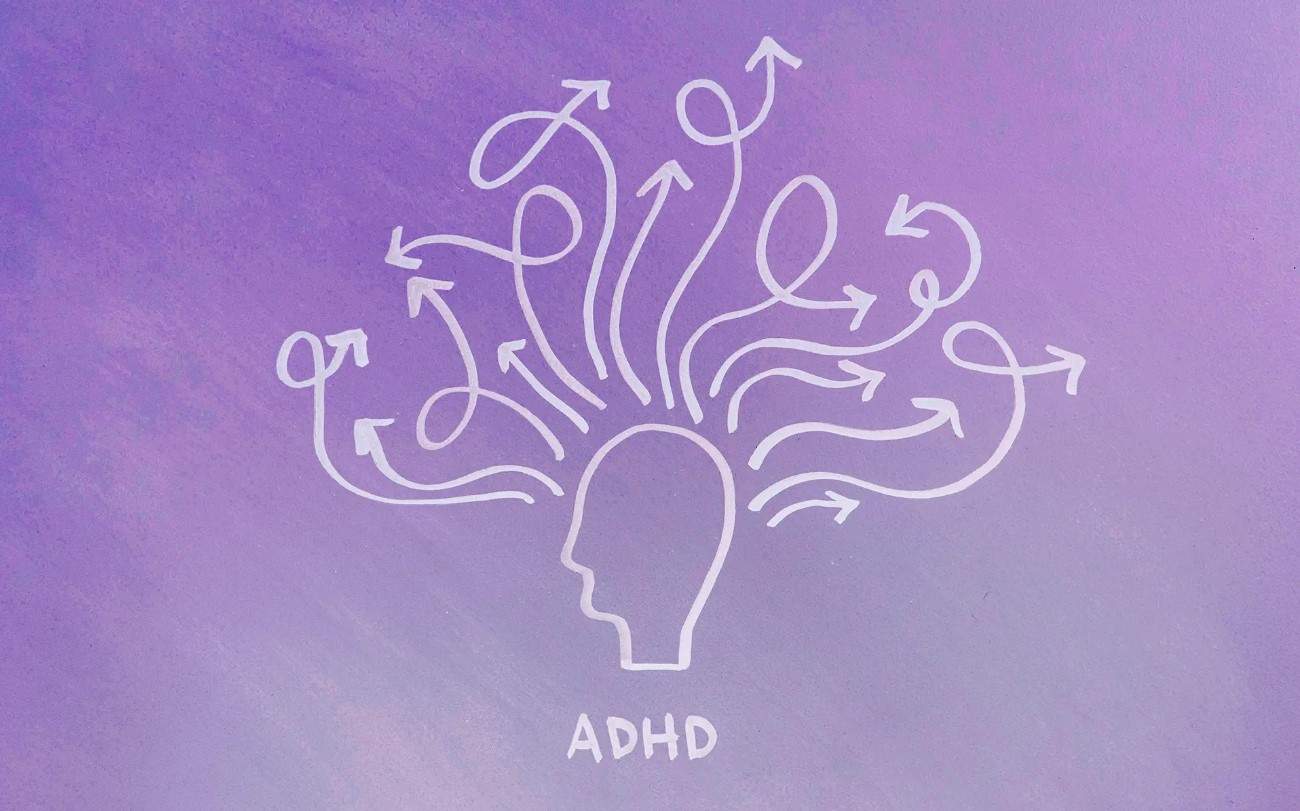
    For people living with attention deficit hyperactivity disorder (ADHD), the need for attention training might be more pointed. In the winter and spring of 2025, two groups completed my six-week “Mindfulness for ADHD” workshop series, with the option to extend to nine weeks. 

    I wanted to track if and how these techniques were making a difference for workshop attendees. Participants completed a 19-question evaluation at the beginning and end of the program, and data was analyzed for those who completed both: 5 participants from the 6-week program, and 3 from the 9-week program.

    One evaluation statement read, “I get distracted easily, and have a hard time refocusing on a task.” With these negatively worded statements, greater disagreement shows improvement. The totals for both groups were pre: 14 and post: 20—a 43% increase.

    Henry, one of the participants, offered this reflection: “I realize the benefits from feeling more grounded and able to recognize when distractions are impacting me and how to handle them in order to get on with things that are most important.”

    One common misunderstanding of mindfulness is that we are cultivating a particular state of mind, like calm or bliss, and anything that interrupts this process (“monkey mind”) is a detriment. People who subscribe to this perfectionist view tend to become discouraged when their ideal doesn’t materialize. They often quit, concluding that mindfulness is not for them. 

    One common misunderstanding of mindfulness is that we are cultivating a particular state of mind, like calm or bliss, and anything that interrupts this process (“monkey mind”) is a detriment.

    The effort in mindfulness practice is not to exert oneself to keep the mind focused on a particular object, such as the breath. Rather, the aim is to recognize the wandering mind and return our attention to a stable anchor of awareness—such as our breath, or feet on the floor. This exercise develops attention, and builds resiliency. You might as well be falling down and getting back up again, over and over. 

    Starting With Simple Intentions

    In one of the weekly sessions, participants were asked to set their intention in the beginning of the day, on arising. They identify a priority, such as cleaning the living room, and then keep reminding themselves of this during the day when they get involved in other activities—an active application of the meditation technique.

    “I saw how often my mind drifted from the intention,” wrote Casey, a longtime mindfulness practitioner. “By the end of the series, I had a good grip on it and was able to take on the task of painting my bathroom using this approach, and now it’s finished. I was so used to not getting things done in the past!”

    The Multitasking Myth

    Our modern culture is wedded to multitasking: the belief that we need to be dextrous at paying attention to a bunch of things at the same time. Research, however, has dismantled this myth, as neuroscientists have shown that the human brain is best suited to paying attention to one task at a time. Any more than this creates stress, increases errors, and begins to erode productivity.

    The main dealbreaker is that when we shift our attention, say, from reading an article to looking up a website, our brain has to reorient to the new context, and then when we go back to the article, we have to reorient again. This chews up precious cognitive resources, a process that researchers refer to as “switch costs.”

    Replacing multitasking with mindfulness resonated with a third group of four “Mindfulness for ADHD” participants when they responded to the statement, “Multitasking is a great way to get a lot done.” 40% of them agreed starting out, and at the end of the program, 75% disagreed/strongly disagreed.

    The people living with ADHD in these three groups were relieved to hear that simplifying to one thing at a time conserves cognitive resources and reduces stress, while preserving attention. And this message strikes a chord with the general population as well. In a 10-week Workplace Mindfulness training conducted with 10 police officers, their response to: “Multitasking enables me to accomplish more” showed a major change of mind (significant disagreement) in the post evaluation.

    The “Mindfulness for ADHD” program included a pausing practice that we call “head and shoulders.” It’s a way to take an immediate break from a challenging situation—overwhelm, frustration, stress—connect with the big picture (open space), and then revisit the challenge with a spacious frame of mind. “Learning to pause before reacting and to stay present with one task at a time,” says Gloria, “has been especially helpful.” The group with four participants showed strong improvement  with regard to the evaluation statement, “I tend to be impulsive, taking action, and then regretting it later,” progressing from 75% agree/strongly agree (pre) to 50% disagree (post).

    Anxiety and stress are common in connection with attention difficulties. The evaluation statement that showed the greatest improvement with the first two ADHD groups was:

    “I get stuck with the storylines that can make me feel anxious or stressed, and I don’t know how to pause or interrupt this pattern.” 

    In the first two groups, disagreement increased by 70% (Total scores: pre: 17; post: 29). The third group progressed from 75% strongly agree/agree (pre) to 50% disagree (post).

    Mindfulness isn’t like a vending machine where you simply put in a coin and out pops a bag of chips. There isn’t a one-to-one relationship between the practice and outcomes, which derives from the non-goal orientation of the practice. Of course, we’d like to get something out of it, but at the same time we are encouraged to check our ambition at the door. That way, we can be present with the actual practice, following the instructions as best we can, without hankering for something outside this moment.

    When we’re stuck on storylines, it’s like our thoughts are amplified by loudspeakers, glued to our ears. Mindfulness practice has us noticing when this is happening, acknowledging that these are thoughts which come and go.  We don’t have to “fix” anything. We just return our attention to this world here. Some mindfulness folks see this back and forth activity as exercising a mental muscle. We learn that, through awareness, we can radically change how we relate to our thoughts, ranging from being mesmerized and trapped, to objective discernment.

    Noticing Thoughts Without Judging Them

    Relating to our thoughts without judgment is key. 

    Getting stuck understandably makes people feel anxious or stressed. When we’re trapped in a whirlwind of thoughts, stress and anxiety are not far behind. Their impact on the brain affects working memory, which is closely related to attention.

    “Research has shown that rapidly changing circumstances, worry, and anxiety can all have a significant impact on your ability to focus,” writes Kate Morgan in the BBC’s “How Anxiety Affects Your Focus.” It stands to reason that learning how mindfulness tools can help deal with anxiety can assist us in regaining attention capacity.

    Mindfulness is not about getting rid of stress and anxiety, but relating to them with openness and curiosity—seeing them as they are, without the varnish of habitual patterns, bias, and aversion.

    People’s sense of powerlessness often arises from the fact that they don’t know how to pause or interrupt this looping cycle of distraction, anxiety, compromised focus, and judgmental thoughts. That momentary pause to be with our self-critical thoughts in a new way seems like it might not do much, but it’s actually doing a lot of work. Since it’s so easy to habitually get drawn in, putting a pin in it and taking a mental step back, even just for a breath, becomes a game-changer.

    Attention Training Matters In a Distracted World

    The mindfulness elements of grounding, present-moment orientation, kindness towards oneself, and developing awareness, attention, and nonjudgment are of course not restricted to people with ADHD. In fact, a key reason for the growing widespread interest in mindfulness is the crying need for balance and well-being in the midst of our techno-addled consumerist-driven world. 

    These skills take time to develop, and the process isn’t linear. But a growing body of research is showing that these mindfulness practices work to strengthen our attentional capacity, reduce the attendant stress of constant distractability, and enhance our sense of personal agency in a noisy world that’s relentlessly trying to pull us out of the present moment.


    Source link

  • Awareness in Action: Rethinking ADHD Through Mindfulness

    Awareness in Action: Rethinking ADHD Through Mindfulness

    Practicing mindfulness and compassion helps us see our lives more clearly. Instead of staying caught up in unskillful habits and reactivity, it encourages us to live with more awareness and intention. While mindfulness and compassion serve a uniquely supportive role in ADHD care, anyone can benefit from a similar approach.

    ADHD is not what most people think. Correctly diagnosed, it is a confirmed medical condition; the genetics of ADHD are nearly as strong as the genetics that predict height.  ADHD undermines a wide-ranging skill set called executive function, which represents self-management abilities including attention, behavior, time, tasks, effort, and emotion.  

    While everyone has their emotional ups and downs in life, it is our executive function abilities that allow us to navigate them effectively.   Therefore ADHD often leads to escalating challenges with emotional dysregulation, self-criticism, and stress.  It even undermines the planning skills one would use to manage ADHD itself.  Because of that cycle, ADHD impacts everything from work and school to relationships and physical health.  Kind and comprehensive care of ADHD must acknowledge this wide-ranging impact. 

    Mindfulness is increasingly a part of ADHD care, though often misunderstood in ways that turn people with ADHD away. For starters, mindfulness does not replace any part of ADHD intervention. Concentration and impulse control may improve, but no single treatment works in isolation for ADHD. Instead, focusing on self-regulation and self-awareness with mindfulness, including practices such as self-compassion or loving-kindness, is a foundational shift for living with ADHD. Integrating mindfulness makes it easier to follow through with the rest of evidence-based ADHD care.

    A broad approach to mindfulness in ADHD care means far more than meditation. We aim to develop traits like patience, responsiveness, and kindness that make managing the inevitable ups and downs of life easier. One useful framework for this practice invokes three foundational supports: training the mind, building community, and a desire for ongoing learning.

    A broad approach to mindfulness in ADHD care means far more than meditation.

    Understanding the Mind’s Mechanics

    Learning is a vital aspect of mindfulness practice, often related to the principle of cause and effect. Even though so much is out of our control, how we think about things and choose to engage with the world intrinsically affects our experience. By examining our ways of thinking and communicating through this lens, we stay in closer touch with our own best intentions and core values.  

    Executive function can affect anything requiring “management” in life. Because of that, ADHD can impact not only work or school, but also relationships, communication, decision making, and health routines. Having ADHD is no one’s fault nor is it a moral failing.  It does however often lead to a sense of self-blame. As with any challenge, the more clearly one understands the skills affected by ADHD, the easier it becomes to make skillful choices that minimize its impact. 

    Our actions and beliefs always have consequences, sometimes in subtle ways. For instance, deny having ADHD, and you cannot address it; recognize ADHD fully, and you can take constructive steps forward. If we rely on fleeting sources of transient happiness, like our phones or buying stuff, that undermines our well-being. In contrast, we boost our chances of flourishing with activities such as a healthy lifestyle or acts of kindness. In this way, education guides our journey through life. 

    This continuing education may include:

    • Learning about ADHD and exploring evidence-based management. Core interventions typically include a mix of educational supports, parent training (for families), cognitive behavioral therapy, coaching, and/or ADHD medication.
    • Prioritizing foundations like sleep, exercise, and nutrition for mental clarity, as maintaining these routines can be especially tough with ADHD.
    • Understanding the impact of emotional dysregulation and stress tied to ADHD and practicing tools and strategies for navigating these obstacles.
    • Exploring the reality of cause and effect as it relates to well-being, such as exploring how perfectionism and self-criticism compound suffering, or how meditation or gratitude practices increase the likelihood of happiness.

    Training the Mind

    Reframing the intention of mindfulness practice increases the likelihood of sticking with it. The goal of meditation is not a mind empty of thoughts, although it can help calm or steady the mind. As noted above, with or without ADHD, the initial motivation is often to build awareness and patience—a far more realistic goal than complete stillness. 

    The goal of meditation is not a mind empty of thoughts, although the practice helps calm or steady the mind. With or without ADHD, the initial intention is often to build awareness and patience—a far more realistic goal than complete stillness.

    Inside this framework, we enhance our ability to notice what’s happening right now. We see both joyful moments and our challenges with more clarity. Practice doesn’t have to require sitting still; mindful eating, yoga, and other movement practices work too. This all relates to one key definition of mindfulness that is quite valuable with ADHD: aiming to see our lives with clear and compassionate awareness. 

    Meditation develops patterns that influence us in the long term. Short-term benefits like relaxation happen, but the broader hope is for building traits that spill into everyday life. For example, simply observing emotion during meditation, rather than falling into habits like reacting with anger or shutting down, slowly recalibrates our responses when we are outside of formal meditation. This improved emotional regulation has direct value not only for those with ADHD, but of course for anyone. Other meditation practices focus on traits like compassion, kindness, or forgiveness.

    Meditation develops patterns that influence us in the long term. Short-term benefits like relaxation happen, but the broader hope is for new traits that spill into everyday life.

    To get started, consider:

    • Setting aside a few minutes regularly to meditate, with the aim of building self-awareness and patience.
    • Trying compassion or loving-kindness practices to address ADHD-related challenges such as excessive shame, self-criticism, or rejection sensitivity.
    • Including movement practices in your day, like walking meditation or yoga.
    • Staying patient and kind with yourself when starting, as beginning and sticking to new routines are both especially difficult for individuals with ADHD.

    Nurturing Connection and Support

    Community is another pillar of mindful living. It’s crucial to seek and nurture environments that foster emotional resilience and deepen those connections. For those with ADHD, spending time with others who share similar experiences often leads to greater self-acceptance and a sense of belonging. Surrounding ourselves with caring and supportive people helps with learning and staying strong and hopefully finding friends, joy, and laughter.

    With so many demands on our attention, we have to  be intentional in seeking those relationships that reinforce our well-being. Difficult people may place demands on our time and deplete our energy.  True friends encourage us to be our authentic self and help us feel empowered. Without judgment they accommodate to our experience of ADHD by adapting to symptoms like forgetfulness, time blindness, or sensory overload.  Valuable friends support mutual growth and respect, sustain us, and can foster our mindfulness-based practices.

    Ways to connect with community include:

    • Joining a spiritual or meditation group, or ADHD-focused organizations like, CHADD, ADDA, or ACO.
    • Scheduling regular time with family, if those ties feel close and supportive.
    • Creating or seeking shared school or workspaces that emphasize mindfulness, compassion, and growth, including executive function accommodations for ADHD.
    • Prioritizing time with authentic friends while reducing time spent with people who leave you feeling depleted.  This typically includes limiting exposure to social media, which frequently leads to experiences like anxiety, negativity and jealousy. 

    Building a Practice That Works With ADHD

    Let go of thoughts of perfection, a totally quiet mind, or the idea that you’re unable to meditate. With ADHD, a foundation of self-regulation and self-compassion transforms how we see and respond to our experience.  That foundation increases the effectiveness of all that must be accomplished to manage this complex medical condition. Aspire to a sustainable mindfulness practice, whatever that looks for you.  Even when living through difficult times, you will more easily stay in touch with your own wisdom, joy, and compassion.

    Let go of thoughts of perfection, a totally quiet mind, or feeling like you’re unable to meditate.

    Dr. Mark Bertin and Dana Crews are leading a retreat October 10-12, 2025, to support adults navigating life with ADHD, whether you have it yourself, are living with someone, or are a professional in the field. Hosted at the Menla Retreat Center nestled in the serene Catskill Mountains, Held and Whole is a restorative and educational three-day ADHD retreat that will offer practical, mindfulness-based tools to strengthen emotional regulation, deepen self-awareness, and foster authenticity.  We hope to see you there! 

    You can get more information and reserve your spot here. Plus, listeners to this podcast can claim a limited-time 15% early bird discount when they enter code “Mindful” at checkout. Spots are limited!


    Source link

  • ADHD Reduces Life Expectancy? Here’s How It Affects Men And Women Differently

    ADHD Reduces Life Expectancy? Here’s How It Affects Men And Women Differently

    As ADHD diagnoses continue to rise in the U.S., researchers have uncovered a troubling link between the behavioral disorder and reduced life expectancy, with the impact varying between men and women.

    Attention Deficit Hyperactivity Disorder (ADHD) is one of the most common neurodevelopmental disorders affecting children. The condition can impact various aspects of life, including academic performance, professional achievements, interpersonal relationships, and daily functioning.

    In a large-scale study published in The British Journal of Psychiatry, researchers analyzed data from over 300,000 participants with ADHD, comparing it with a similar group without the condition to understand its effects on longevity. The findings revealed that men with ADHD had a life expectancy reduction of 4.5 to 9 years, while women faced a reduction of 6.5 to 11 years.

    “It is deeply concerning that some adults with diagnosed ADHD are living shorter lives than they should. People with ADHD have many strengths and can thrive with the right support and treatment. However, they often lack support and are more likely to experience stressful life events and social exclusion, negatively impacting their health and self-esteem,” said senior author, Professor Josh Stott in a news release.

    The researchers also noted that only a fraction of the total population of adults with ADHD could be studied as less than one in nine adults with ADHD had been diagnosed.

    “We know from studies of traits in the community and from studies of childhood diagnosis that the rate of ADHD in our sample is just a fraction of what it should be,” Professor Stott added.

    Since the condition often goes undiagnosed, particularly in adults, this new research may overestimate the reduction in life expectancy for those with the condition. The study findings may not be generalizable to other geographies or settings, the researchers caution. Also, since the study has not evaluated data on the specific causes of death, it is not possible to directly attribute the years of lost life to different factors.

    However, researchers noted that early deaths in ADHD patients could be “caused by modifiable risk factors and unmet support and treatment needs in terms of both ADHD and co-occurring mental and physical health conditions.”

    Source link